

Porosity Affects Curl Pattern Definition: What You Need To Know
If you have curly hair, you know that every day can be a little different. Some mornings your curls look bouncy and defined, while on others, they’re frizzy or limp. Many people focus on curl type—like 3A, 4B, or 2C—but porosity is just as important for how your curls behave. In fact, porosity can make or break your curl pattern definition, impacting moisture, styling, and overall hair health. Yet, most guides only scratch the surface of what porosity really means for curly hair. If you’ve ever wondered why the same product works on your friend but not on you, understanding porosity might be the missing piece.
In this article, you’ll learn how porosity shapes your curl pattern, what signs to look for, how to test your own porosity, and the best care strategies for every porosity type. We’ll also cover common mistakes, practical tips, and the science behind the relationship between hair porosity and curl definition. Whether you’re struggling with frizz, dryness, or undefined curls, this guide will help you finally get the results you want.
What Is Hair Porosity?
Before you can manage your curls, you need to understand what hair porosity actually means. Porosity describes how easily your hair absorbs and holds moisture. Think of your hair’s surface like a roof made of overlapping shingles—these are called the cuticle layer. The way these cuticles lie and interact with water and products determines your porosity.
There are three main types:
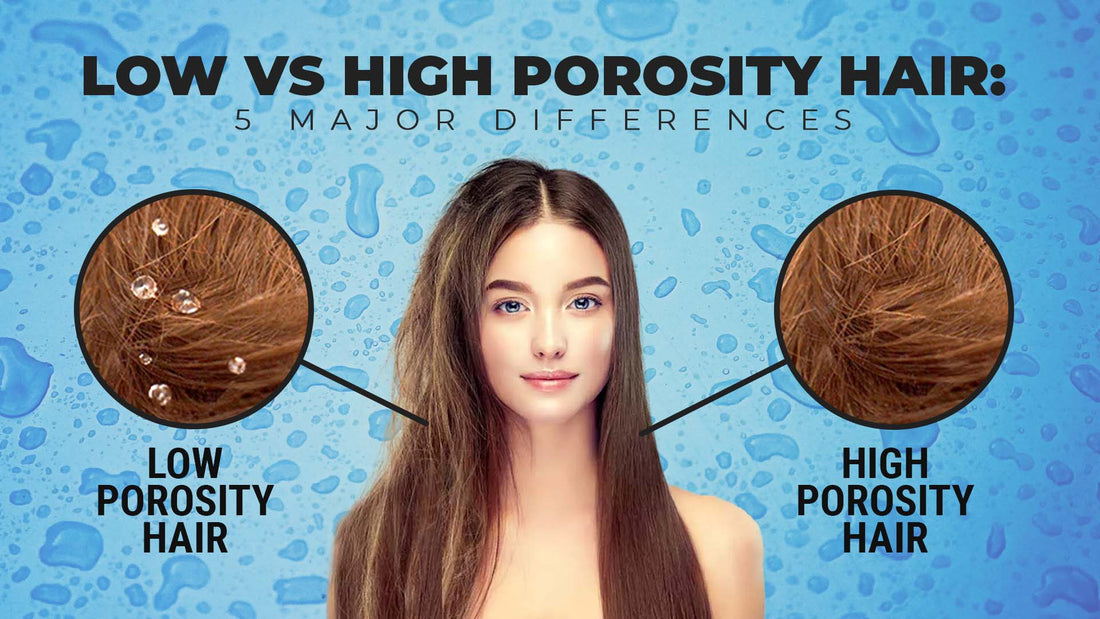
- Low porosity: Cuticles are tightly packed and flat, making it hard for moisture to enter.
- Medium porosity: Cuticles are slightly raised, allowing a balanced flow of moisture.
- High porosity: Cuticles are lifted or damaged, so moisture enters and leaves quickly.
The most important thing to know: porosity is not about hair texture or curl type. You can have tight coils or loose waves with any level of porosity. Genetics, chemical treatments, heat styling, and even the weather can affect your hair’s porosity.
Most people don’t realize that porosity can change over time or even vary on different parts of your head. For example, ends are often more porous due to damage, even if your roots are low porosity.
How Porosity Impacts Curl Pattern Definition
To truly understand your curls, you need to see how porosity affects their shape, bounce, and look. Hair porosity controls how moisture, oils, and products interact with your hair. This, in turn, changes how well your curl pattern forms and lasts.
Low Porosity: Why Curls Can Look Flat Or Product-heavy
Low porosity hair resists moisture. The cuticles are so tight that water and products tend to sit on top rather than soaking in. This means:
- Styling creams or gels can build up quickly, weighing curls down.
- Water beads on the hair instead of absorbing, so wash day can take longer.
- Deep conditioners may not fully penetrate, leaving curls less defined.
You might notice that your curls look shiny but feel dry or stiff. It’s common for low porosity hair to struggle with product absorption, so you need to use lightweight, water-based products and techniques that help open the cuticle (like gentle heat).
Medium Porosity: The “sweet Spot” For Curl Definition
Medium porosity hair balances moisture well. Cuticles are open enough for hydration to enter but close well enough to hold it in. For most people:
- Curls are defined, bouncy, and respond well to most products.
- Styling and deep conditioning are easy and effective.
- Frizz is less of a problem compared to other porosity types.
If your hair seems to “just work” with most routines, you probably have medium porosity. But be careful—chemical treatments or heat can push your porosity higher over time.
High Porosity: Fast Absorption, Fast Loss
High porosity hair has gaps or holes in the cuticle layer. This can be natural (genetics) or caused by damage (bleaching, relaxing, or heat). With high porosity:
- Hair soaks up water and products quickly but loses moisture just as fast.
- Curls can look dry, frizzy, or undefined after styling.
- Products may disappear into the hair, leading you to use more than needed.
High porosity hair often needs richer, heavier products and sealing oils to lock in moisture. Protein treatments can also help rebuild structure and improve curl definition.
Why Porosity Matters More Than Curl Type
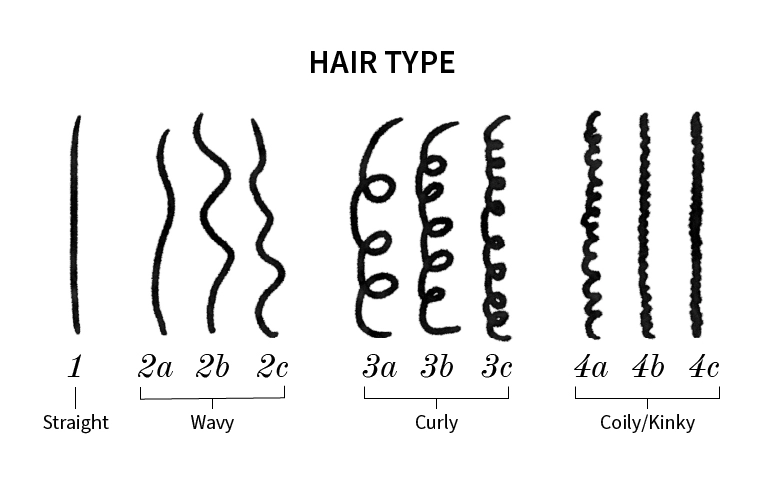
Many people focus on their curl pattern (like 3B or 4A), but porosity is often the reason two people with the same curl type get totally different results. For example:
- Two people with 3C curls may need totally different routines if one has low porosity and the other has high porosity.
- Using the wrong routine for your porosity can lead to frustration and wasted products.
Understanding your porosity means you can choose products and techniques that actually work for your unique hair.
How To Test Your Hair Porosity
You don’t need fancy tools or a lab to check your porosity. There are simple ways to figure it out at home. The most common tests are the float test, the spray test, and the strand test.
1. The Float Test
Take a clean strand of hair (no product on it) and drop it in a glass of water. Wait 2–4 minutes.
- Low porosity: Hair floats on top.
- Medium porosity: Hair sinks slowly to the middle.
- High porosity: Hair sinks quickly to the bottom.
Note: This test can give mixed results if your hair has oil or product on it, so always use freshly washed hair.
2. The Spray Test
Spray a small section of hair with water.
- Low porosity: Water beads up on the surface.
- Medium porosity: Water absorbs after a few seconds.
- High porosity: Water soaks in instantly.
3. The Strand Test
Slide your fingers up a single strand from tip to root.
- Smooth: Likely low porosity.
- Slightly bumpy: Medium porosity.
- Very bumpy or rough: High porosity.
Each method gives clues, but for best results, use all three and watch how your hair reacts to water and products over time.
Signs Of Each Porosity Type In Curly Hair
Sometimes, everyday hair habits reveal more than tests. Here’s what to look for in your routine:
Low Porosity Signs
- Hair takes a long time to get wet in the shower.
- Water or products seem to “sit” on the hair.
- Product buildup happens easily.
- Air-drying takes many hours.
Medium Porosity Signs
- Hair gets wet and dries at a normal speed.
- Curls are defined with little effort.
- Most products work well.
- Occasional frizz, but manageable.
High Porosity Signs
- Hair gets wet instantly, dries very fast.
- Tangles and frizz are common.
- Hair feels dry no matter how much you moisturize.
- Color fades or chemical treatments don’t last.
Knowing these signs helps you adjust your routine, even if your porosity changes over time.
The Science: How Porosity Impacts Curl Formation
Curly hair relies on the right balance of moisture and protein to form its unique shape. Porosity affects this balance at the microscopic level.
Cuticle Structure And Curl Memory
The cuticle layer protects the inner cortex, where your hair’s structure (and curl pattern) is set. When cuticles are tightly closed (low porosity), it’s harder for water and products to reach the cortex. This means:
- Curls may not “spring back” as easily after washing.
- Protein treatments may sit on top, not penetrate.
If cuticles are raised (high porosity), the cortex is exposed. Water, oils, and styling products enter easily but escape quickly, so curls lose definition and become frizzy.
Moisture Balance And Curl Clumping
Defined curls depend on moisture balance. If hair is too dry, curls separate and frizz. If it’s overloaded with moisture or product, curls can look limp and lose shape.
Porosity decides how much moisture your hair can hold and for how long. This is why two people can use the same leave-in conditioner but get opposite results.
Protein And Porosity
Hair is made of keratin, a type of protein. High porosity hair often loses protein due to cuticle damage, which weakens curl pattern. Protein treatments can help rebuild strength, but low porosity hair can get stiff or brittle if overloaded with protein.
Product Choices For Every Porosity Level
Now that you know your porosity, you can pick products that work with your hair, not against it.
Best Products For Low Porosity Curls
Low porosity hair loves lightweight, water-based products that won’t cause buildup.
- Shampoo: Clarifying or gentle sulfate-free formulas to prevent residue.
- Conditioner: Lightweight, with humectants like glycerin or aloe vera.
- Leave-in: Milky sprays or thin creams.
- Styling: Light gels or mousses.
Avoid heavy oils and butters—they just sit on the hair and weigh curls down.
Best Products For Medium Porosity Curls
Medium porosity hair is the most flexible. Most curl products will work, but balance is key.
- Shampoo/Co-wash: Moisturizing cleansers that don’t strip natural oils.
- Conditioner: Moisturizing with a bit of protein.
- Leave-in: Creams or light butters.
- Styling: Gels, creams, or custards.
Rotate products based on your hair’s needs, and treat with protein or deep moisture as needed.
Best Products For High Porosity Curls
High porosity hair needs richer, heavier products to fill gaps in the cuticle and hold moisture.
- Shampoo: Sulfate-free, protein-rich.
- Conditioner: Deep, with oils and proteins.
- Leave-in: Thick creams or butters.
- Styling: Heavy creams, custards, or sealing oils.
Look for ingredients like shea butter, coconut oil, and proteins like hydrolyzed keratin.
Product Comparison By Porosity
To make it easier to choose, see how the ideal product types compare for each porosity:
| Porosity Level | Shampoo | Conditioner | Leave-In | Styling Product |
|---|---|---|---|---|
| Low | Gentle/Clarifying | Lightweight, Humectant-rich | Milky Spray | Light Gel or Mousse |
| Medium | Moisturizing | Balanced (Moisture/Protein) | Cream/Light Butter | Gel, Cream, Custard |
| High | Protein-rich, Sulfate-free | Deep, Heavy, Protein-rich | Thick Cream/Butter | Cream, Custard, Oil |
Techniques To Boost Curl Definition Based On Porosity
Product choice is only part of the equation. The way you apply products and style your hair should match your porosity for best curl definition.
For Low Porosity Hair
- Warm Water Rinse: Warm water helps open the cuticle for better moisture absorption.
- Steaming or Heat Cap: Use gentle heat during deep conditioning to help products penetrate.
- Apply Products to Wet Hair: Moisture helps open the cuticle, so apply leave-ins and stylers while hair is still soaking wet.
- Avoid Heavy Oils: Focus on lightweight formulas.
For Medium Porosity Hair
- Layer Moisture and Protein: Alternate deep moisturizing and protein treatments for balance.
- Rake and Scrunch: Distribute product evenly using your fingers, then scrunch to encourage curl clumping.
- Plop or Diffuse: Use a cotton T-shirt or diffuser to set curls without disrupting definition.
For High Porosity Hair
- Cool Water Rinse: Rinse with cool water at the end to help seal the cuticle.
- LOC/LCO Methods: Layer products in this order—Liquid, Oil, Cream (or Cream, Oil)—to lock in moisture.
- Seal with Oils or Butters: After applying leave-in, use a sealing oil to trap hydration.
- Protein Treatments: Use regularly to rebuild cuticle structure.
Technique Comparison Table
How you treat your hair should change with your porosity. Here’s a quick reference:
| Porosity | Washing Temp | Deep Conditioning | Sealing Step | Styling Tip |
|---|---|---|---|---|
| Low | Warm | With Steam/Heat Cap | Light (if any) | Apply on Wet Hair |
| Medium | Warm/Cool | Alternate Moisture & Protein | Light Oil/Butter | Rake & Scrunch |
| High | Cool | Frequent, Protein-rich | Seal with Oil/Butter | LOC/LCO Methods |
Common Mistakes When Managing Porosity And Curl Definition
No matter your curl type, certain mistakes can undo your hard work. Here are the most common errors—and how to avoid them.
1. Ignoring Porosity And Only Following Curl Type
Many people copy routines for their curl pattern, not realizing porosity is just as important. For example, 4A curls with low porosity need totally different products than 4A curls with high porosity. Always test and adjust based on your porosity.
2. Overusing Protein Or Moisture
Low porosity hair can get stiff and brittle with too much protein. High porosity hair can get mushy or limp if overloaded with moisture. Listen to your hair—alternate treatments and see how your curls respond.
3. Not Clarifying Regularly
Product buildup is a big problem for low porosity hair. If your curls look dull or feel heavy, clarify once a month with a gentle shampoo.
4. Skipping The Sealant Step For High Porosity Hair
If you have high porosity hair and skip sealing with oil, all your moisture will escape, leaving curls dry and frizzy.
5. Applying Products On Dry Hair
For best curl definition, always apply leave-ins and styling products to wet or damp hair. This helps with even distribution and curl clumping.
Credit: zaphiranature.com
Environmental Factors That Affect Porosity And Curl Definition
Porosity isn’t just genetic—it can change with your environment and habits. Here are some key factors:
Chemical Treatments
Bleaching, relaxing, or perming lifts the cuticle and raises porosity. This can lead to more frizz and less curl definition if not treated with protein and moisture.
Heat Styling
Frequent blow-drying, flat ironing, or curling can damage cuticles, increasing porosity over time. Always use a heat protectant and limit heat use.
Weather And Humidity
Humidity affects how much water your hair absorbs from the air. High humidity can make low porosity hair swell and frizz, while high porosity hair may lose shape as moisture escapes.
Water Quality
Hard water (rich in minerals) can block moisture absorption, especially in low porosity hair. Use a clarifying shampoo or install a shower filter if you live in a hard water area.
Sun Exposure
UV rays can damage the cuticle, leading to higher porosity and less curl definition. Wear a hat or use UV-protection sprays if you’re in the sun often.
How To Build A Curl Routine Based On Porosity
No two routines are exactly alike, but here’s how to create a basic plan for your porosity type.
Low Porosity Routine Example
- Wash: Use a gentle, clarifying shampoo once a week.
- Condition: Deep condition with heat or steam for 20–30 minutes.
- Moisturize: Apply a lightweight leave-in on soaking wet hair.
- Style: Use a light gel or mousse, scrunch, and air-dry or diffuse.
- Clarify: Once a month, use a stronger clarifying shampoo.
Medium Porosity Routine Example
- Wash: Use a moisturizing shampoo or co-wash.
- Condition: Alternate between protein and moisture masks weekly.
- Moisturize: Creamy leave-in or light butter.
- Style: Gel or custard, rake and scrunch.
- Refresh: Use a spray or light cream between washes.
High Porosity Routine Example
- Wash: Protein-rich, sulfate-free shampoo.
- Condition: Deep condition with protein and oils.
- Moisturize: Thick cream leave-in.
- Seal: Finish with oil or butter.
- Style: Heavy cream or custard, set with cool air.
- Protein Treatment: Every 2–4 weeks.
Credit: theradome.com
Real-world Examples: Porosity And Curl Definition
Hearing from others can help you understand how porosity impacts curl pattern in daily life.
- Sara, 3A, Low Porosity: “My hair always looked shiny but felt dry. Once I switched to lighter products and steamed during deep conditioning, my curls finally started to clump and bounce.”
- Marcus, 4B, High Porosity: “No matter how much leave-in I used, my hair was dry by the afternoon. Adding a heavy butter and regular protein treatments made my curls more defined and less frizzy.”
- Emily, 2C, Medium Porosity: “My waves respond to almost any routine, but if I skip a protein mask for too long, they lose their shape. Alternating treatments keeps my curls soft and defined.”
Non-obvious Insights Most Beginners Miss
Many guides miss these critical tips for curl definition and porosity:
- Porosity Can Change: If you color, bleach, or heat style, your hair’s porosity can increase. Re-test your porosity every few months, especially after treatments.
- Roots vs. Ends: Your roots may have lower porosity than your ends. Customize your product application—use heavier products on the ends if needed.
- Water Temperature Matters: Rinsing with warm water opens cuticles (good for low porosity), while cool water seals them (good for high porosity).
- Humidity Swaps: Change your products with the seasons—glycerin works well in moderate weather but can cause frizz in high humidity.
- Clarifying Is Not Optional: Even natural or “no-poo” routines need clarifying shampoos to remove buildup, especially for low porosity hair.
How Porosity Interacts With Curl Pattern Types
People often ask: “Will my curl pattern change if my porosity changes?” The answer is yes—and no.
- Porosity doesn’t change your natural curl type, but it can affect how well-defined, frizzy, or limp your curls appear.
- If your hair becomes more porous (from damage), you may notice more frizz and less curl memory.
- Restoring moisture and protein balance can help your natural pattern “bounce back.”
Curl type and porosity are both important, but porosity often explains why you’re not getting the results you want, even with the “right” products.
Science And Research: What Studies Say
Research backs up the importance of porosity in hair care. Studies show:
- High porosity hair loses water up to 2–3 times faster than low porosity hair, which leads to dryness and frizz.
- Protein treatments can temporarily repair cuticle gaps, improving strength and curl retention for high porosity hair.
- Humectants like glycerin work differently based on porosity and weather, so customizing your regimen is key.
If you want to read more, check the National Institutes of Health for detailed studies on hair structure and care.
Credit: www.rossanoferretti.com
Frequently Asked Questions
What Is The Main Difference Between Porosity And Curl Type?
Porosity refers to how well your hair absorbs and holds moisture, while curl type is the shape and tightness of your curls (like 2A, 3B, 4C). Porosity affects how products work on your hair and how defined your curls look, no matter your curl type.
How Often Should I Check My Hair’s Porosity?
Test your porosity every few months, especially after chemical treatments, heat styling, or big weather changes. Porosity can change over time, so updating your routine is important for healthy, defined curls.
Can I Have Different Porosity Levels On One Head?
Yes. It’s common for roots, mid-lengths, and ends to have different porosity levels. Ends are usually more porous due to age and damage. Adjust your product choices and techniques for each section if needed.
What Ingredients Should I Avoid Based On My Porosity?
- Low porosity: Avoid heavy oils, butters, and silicones that cause buildup.
- High porosity: Be careful with strong humectants in high humidity—they can cause frizz. Focus on protein and sealing oils.
- Medium porosity: Most ingredients are fine, but watch for imbalances of protein or moisture.
How Do I Know If My Routine Is Working For My Porosity?
Signs your routine fits your porosity:
- Your curls are defined, soft, and bounce back after styling.
- Hair stays moisturized for days, not just hours.
- You have less frizz and breakage.
If you see the opposite, adjust your products or techniques based on your porosity type.
—
Porosity is a game changer for curly hair care. While curl type tells you about the shape, porosity reveals why your curls behave the way they do. When you match products and routines to your porosity, you unlock better curl definition, less frizz, and healthier hair. Take time to test your porosity, listen to your hair’s response, and don’t be afraid to adjust as your hair changes. With the right approach, your natural curl pattern can shine every day.