

Finding the right face moisturizer can feel overwhelming. You see so many choices—some promising deep hydration, others claiming to fight acne or help sensitive skin. But here’s the truth: the best moisturizer for you depends on your exact skin type and your unique needs. Choosing wrong can lead to breakouts, dryness, or even irritation. But with the right guidance, you’ll discover a product that keeps your skin healthy, comfortable, and glowing.
This guide is designed for anyone who wants to make a smart, confident choice. You’ll learn how to identify your skin type, understand what ingredients really matter, and avoid common mistakes that waste money or harm your skin. Whether you have oily, dry, combination, sensitive, or mature skin, you’ll find practical tips, real examples, and answers to questions you didn’t even know to ask. Let’s help you find the right face moisturizer—one that truly fits your skin.
Why Moisturizer Matters For Every Skin Type
Many people think moisturizers are only for dry skin. But this is a myth. Every skin type benefits from hydration. Here’s why:
- Dry skin lacks water and needs moisture to prevent flaking and discomfort.
- Oily skin can become even oilier if it’s dehydrated, as the skin tries to compensate.
- Combination skin needs help balancing oily and dry patches.
- Sensitive skin requires soothing ingredients to prevent redness and irritation.
- Mature skin loses moisture with age and needs extra hydration to reduce fine lines.
Moisturizing is not just about comfort. It protects your skin barrier, keeps skin looking young, and reduces the risk of problems like acne, eczema, and dullness. Even if your skin feels oily, skipping moisturizer can make things worse.
Here’s another important reason: Our skin faces daily stress from the environment, like pollution, wind, and temperature changes. A good moisturizer creates a protective shield, helping your skin repair itself overnight and defend itself during the day. If your skin barrier is weak, it becomes easier for irritants and bacteria to get in, causing redness, bumps, or infections.
Many think that applying moisturizer makes skin lazy or dependent, but this is not true. Healthy skin knows how to balance itself. Moisturizer helps support this process, especially when your skin is stressed, tired, or exposed to harsh conditions.
How To Identify Your Exact Skin Type
If you want to pick the best moisturizer, you must know your skin type first. Many people guess and end up with the wrong product. Here’s a simple way to check:
- Wash your face with a gentle cleanser. Pat dry.
- Wait for 1 hour without applying anything.
- Observe your skin closely:
- If it feels tight or rough, you likely have dry skin.
- If your nose, forehead, and chin look shiny, it’s probably oily skin.
- If some areas are oily but others are dry or normal, you may have combination skin.
- If your skin is easily irritated, stings, or turns red, you have sensitive skin.
- If you notice fine lines, sagging, or age spots, you may have mature skin.
If you want extra confirmation, you can press a clean tissue on different parts of your face after that hour. If the tissue picks up oil from your nose and forehead but not your cheeks, you likely have combination skin.
If the tissue stays clean, your skin is probably dry. If it picks up oil everywhere, your skin is oily.
Non-obvious insight: Many people think their skin is oily because of sweat, but oil and sweat are different. Oil feels greasy and sits on the skin; sweat dries quickly and feels moist.
Another insight: Your skin type can change with the seasons, stress, diet, or hormonal shifts. Check your skin every few months, especially after big lifestyle changes.
Even your skincare habits can affect your skin type. Over-washing or using harsh products can strip natural oils, making oily skin feel dry or sensitive. If you travel to a new climate, you may notice your skin acts differently.
The Science Behind Moisturizer Ingredients
Not all moisturizers are equal. Some ingredients hydrate, others help lock in moisture, and some protect your skin barrier. Understanding these basics helps you make smarter choices.
Main Types Of Moisturizer Ingredients
- Humectants: Attract water to the skin. Examples: glycerin, hyaluronic acid, urea.
- Emollients: Smooth and soften skin. Examples: shea butter, squalane, ceramides.
- Occlusives: Seal water in the skin, preventing loss. Examples: petrolatum, beeswax, dimethicone.
Most modern moisturizers combine these ingredients. For example, a lightweight gel may use humectants and emollients, while a rich cream often contains occlusives.
Let’s look at how these ingredients work together. Humectants, like hyaluronic acid, draw water from the air and deeper layers of your skin to the top, making your face feel plump and soft. Emollients fill in tiny cracks and gaps between skin cells, giving your skin a smooth look and feel.
Occlusives then form a thin layer on top of the skin to trap all that moisture inside.
Some moisturizers use plant oils (like jojoba or argan oil) as natural emollients. Others use synthetic options like dimethicone for a silky finish. Both can work well, depending on your needs.
Ingredient Safety And Allergies
Always check for allergens. Common triggers include fragrances, preservatives like parabens, and certain plant extracts. If you have sensitive skin, choose products labeled “fragrance-free” or “hypoallergenic.”
Some people are sensitive to even “natural” ingredients, like essential oils or certain plant extracts. Always read the full ingredient list and avoid anything you know causes a reaction.
Non-obvious tip: “Unscented” does not mean “fragrance-free”—it can still contain masking chemicals.
For anyone with a history of allergies, do a patch test before using a new product. Apply a small amount behind your ear or on your inner arm. Wait 24-48 hours. If you see redness or bumps, do not use it on your face.
Moisturizer Types: Cream, Gel, Lotion, Balm
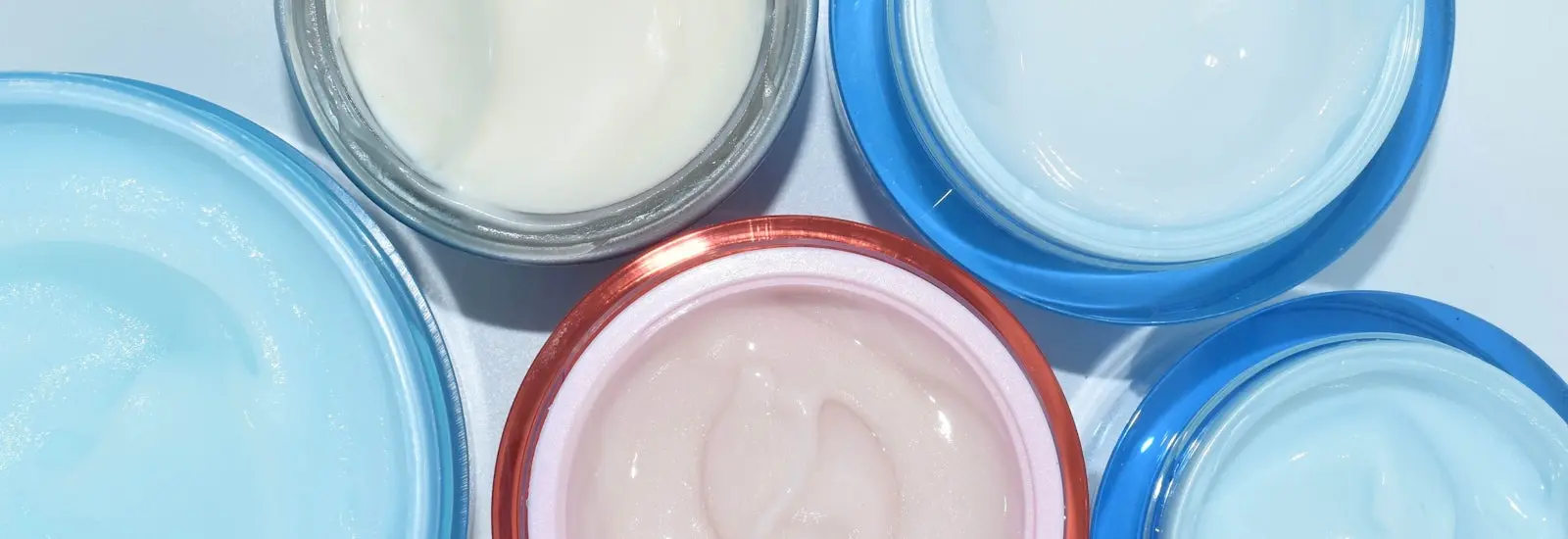
Moisturizers come in different forms. The texture affects how they feel and how well they work for each skin type.
| Type | Texture | Best For | Key Benefits |
|---|---|---|---|
| Cream | Thick, rich | Dry, mature skin | Deep hydration, skin barrier repair |
| Gel | Lightweight, cooling | Oily, combination skin | Fast absorption, non-greasy feel |
| Lotion | Medium, fluid | Normal, combination skin | Balanced moisture, easy application |
| Balm | Very thick, waxy | Very dry, sensitive skin | Long-lasting protection, soothes irritation |
Choosing the right form is important. For example, if you have oily skin and use a thick balm, your pores may clog and cause breakouts.
Another thing to know: Gels often give a cooling sensation, which feels refreshing in hot weather or after exercise. Creams and balms are better for night-time use, when your skin repairs itself. Lotions are great for daytime, as they absorb quickly and layer well under makeup.
Sometimes, your preference for texture changes with the season. In summer, a gel may feel best. In winter, a cream or balm may protect your skin better.
Credit: beminimalist.co
How To Choose The Right Face Moisturizer For Your Skin Type
Let’s get practical. Here’s how to select the best moisturizer for your unique skin.
For Dry Skin
Dry skin needs deep hydration and barrier repair.
- Look for creams or balms with ingredients like shea butter, ceramides, and hyaluronic acid.
- Avoid products with alcohol, which can dry out skin further.
- Check for occlusive ingredients to seal in moisture.
Example: A moisturizer with squalane and glycerin works well for dry skin.
Non-obvious tip: Apply moisturizer while skin is still damp after washing. This locks in more water.
If your skin is extremely dry, try layering: use a serum with hyaluronic acid first, then a rich cream on top. At night, you can even use a balm as a final step to seal in hydration.
For Oily Skin
Oily skin needs lightweight moisture that won’t clog pores.
- Choose gel or light lotion formulas.
- Look for “non-comedogenic” on the label. This means it won’t block pores.
- Good ingredients: Niacinamide, hyaluronic acid, aloe vera.
- Avoid heavy oils and thick creams.
Example: A gel moisturizer with hyaluronic acid and niacinamide is ideal.
Insider tip: Even oily skin needs hydration. Skipping moisturizer can cause more oil production.
If you struggle with shine, choose a moisturizer with a matte finish. Some products include powders or silica to reduce greasy appearance.
For Combination Skin
Combination skin can be tricky because you have both oily and dry areas.
- Use a balancing lotion with a mix of humectants and light emollients.
- Apply heavier moisturizer only on dry areas if needed.
- Choose formulas with ceramides and glycerin.
Example: A lotion with ceramides and glycerin works for most people with combination skin.
Non-obvious tip: If your cheeks are dry and your T-zone is oily, use two different moisturizers for each area.
You can also layer products: a lightweight gel for the T-zone and a richer cream for dry spots. This approach is called “multi-moisturizing” and can make your whole face feel balanced.
For Sensitive Skin
Sensitive skin needs calming, gentle formulas.
- Look for “hypoallergenic” and “fragrance-free.”
- Avoid dyes, alcohol, and strong acids.
- Good ingredients: Ceramides, oat extract, panthenol.
- Choose balms or creams with minimal ingredients.
Example: A simple cream with ceramides and panthenol soothes sensitive skin.
Insider tip: Test any new moisturizer on a small patch of skin first. Wait 24 hours to check for reactions.
Some sensitive skin types react to changes in water quality or air pollution. If you notice sudden irritation, switch to a very basic formula with few ingredients until your skin calms down.
For Mature Skin
Mature skin loses moisture and elasticity. It needs extra hydration and anti-aging support.
- Choose rich creams with peptides, retinol, antioxidants, and hyaluronic acid.
- Look for moisturizers that help with fine lines and firmness.
- Avoid harsh exfoliants unless your skin can tolerate them.
Example: A cream with retinol and hyaluronic acid can help reduce wrinkles.
Non-obvious tip: Moisturizers with sunscreen help prevent age spots and further damage.
For best results, pair your moisturizer with a serum containing vitamin C or other antioxidants in the morning. At night, use a product with peptides or retinol to boost collagen. Always use sunscreen during the day, as mature skin is more sensitive to sun damage.
Reading Moisturizer Labels Like A Pro
Labels can be confusing. Here’s what to focus on:
- Active ingredients: Look for what’s listed first; these are the main components.
- Claims: “Non-comedogenic,” “hypoallergenic,” “oil-free.” These are good signs for sensitive or oily skin.
- Expiry date: Old products can lose effectiveness and cause irritation.
- Order of ingredients: The most important ingredients should be near the top of the list.
Don’t be fooled by fancy marketing words like “miracle,” “instant glow,” or “natural. ” Focus on what really matters—ingredients and your skin’s needs.
If you see ingredients like “alcohol denat” or “SD alcohol” high on the list, be cautious—these can dry out or irritate skin, especially if you are sensitive. Also, look for certifications like “dermatologist tested” for extra peace of mind.
Non-obvious insight: Some moisturizers list “water” as the first ingredient. This is normal, but check what comes next—if it’s mostly fillers or silicones, it may not give lasting hydration.
Comparing Popular Moisturizer Brands
Here’s a quick comparison of some top brands, their main features, and which skin types they suit best:
| Brand | Best For | Main Ingredients | Price Range (USD) |
|---|---|---|---|
| Cetaphil | Sensitive, dry | Ceramides, glycerin | 10-15 |
| Neutrogena Hydro Boost | Oily, normal | Hyaluronic acid | 16-25 |
| CeraVe | Dry, combination | Ceramides, hyaluronic acid | 12-18 |
| La Roche-Posay | Sensitive, mature | Thermal water, niacinamide | 25-35 |
| Olay Regenerist | Mature, normal | Peptides, niacinamide | 22-30 |
Non-obvious insight: Price does not always equal better quality. Affordable brands like CeraVe and Cetaphil use proven ingredients and are trusted by dermatologists.
Also, many dermatologists recommend starting with affordable, gentle brands before trying expensive options. Sometimes luxury brands add perfumes or extra ingredients that increase irritation risk, not benefits.
Common Mistakes When Choosing A Face Moisturizer
Even experienced shoppers make mistakes. Here are things to avoid:
- Guessing your skin type. Test it as explained above.
- Ignoring ingredients. Always check the label for allergens and key components.
- Buying based on packaging or advertising. Focus on ingredients, not hype.
- Skipping patch tests. Always try a new product on a small area first.
- Using the same moisturizer year-round. Skin needs change with weather.
- Applying too much or too little. Use a pea-sized amount for face; more can clog pores.
- Not considering sunscreen. Many moisturizers include SPF; this helps prevent sun damage.
Insider tip: If a moisturizer causes stinging, redness, or breakouts, stop using it immediately.
Another mistake: Using face moisturizers on the body, or vice versa. Body creams are often too heavy and can clog pores on your face. Also, don’t layer too many products at once. Sometimes, mixing too many active ingredients (like acids and retinol) can cause irritation.
How Climate And Lifestyle Affect Your Choice
Where you live and how you live can change your skin needs.
- Hot, humid climates: Choose lightweight gels or lotions. Heavy creams can feel sticky.
- Cold, dry climates: Use rich creams or balms to protect against dryness and wind.
- Active lifestyle: If you exercise or sweat a lot, a water-based, fast-absorbing moisturizer is best.
- Indoor heating or air conditioning: These can dry out skin, so increase hydration.
Non-obvious insight: Air pollution can damage the skin barrier. Look for moisturizers with antioxidants if you live in a city.
If you travel often, keep a travel-sized moisturizer with you. Long flights or car rides can dry out your skin quickly. Also, if you spend a lot of time outdoors, always choose a moisturizer with SPF or layer with sunscreen.
Your work environment matters too. Office air can be very dry, so you may need to reapply moisturizer during the day. If you work in kitchens or healthcare, wash your face and reapply moisturizer frequently to prevent irritation.
How To Apply Moisturizer For Maximum Benefit
Applying moisturizer correctly is almost as important as the product itself.
- Wash your face with a gentle cleanser.
- Pat skin dry, but leave it slightly damp.
- Use clean hands.
- Apply a small amount (pea-sized).
- Gently massage in upward, circular motions.
- Wait a few minutes before applying sunscreen or makeup.
Non-obvious tip: Don’t rub too hard. This can irritate skin and reduce effectiveness.
Start from the center of your face and move outwards. Avoid pulling or tugging, especially around the delicate eye area. For extra hydration, you can layer a hydrating serum under your moisturizer.
If you use multiple products (like serums or spot treatments), apply the lightest (water-based) products first, then heavier creams or balms last. At night, it’s good to give each layer a minute to absorb before adding the next.
Special Needs: Acne-prone, Rosacea, And Eczema Skin
If you have specific skin conditions, be extra careful.
Acne-prone Skin
- Choose non-comedogenic, oil-free gels.
- Good ingredients: Niacinamide, salicylic acid.
- Avoid heavy creams and oils.
Acne-prone skin often benefits from light layers rather than thick creams. Some moisturizers for acne contain anti-inflammatory ingredients to calm redness and swelling. If you use prescription acne treatments, moisturizing can prevent dryness and flaking.
Rosacea
- Use gentle, fragrance-free creams.
- Ingredients: Ceramides, panthenol, oat extract.
- Avoid alcohol and harsh exfoliants.
People with rosacea should avoid hot water and harsh scrubs. Moisturizers with calming ingredients help reduce flare-ups. Look for products tested specifically for redness-prone skin.
Eczema
- Rich balms with ceramides, colloidal oatmeal, petrolatum.
- Avoid fragrances and preservatives.
Eczema-prone skin needs strong barrier support. Apply moisturizer within three minutes after washing to trap moisture. For flare-ups, use ointments or balms several times a day.
If your skin condition is severe, consult a dermatologist before choosing a moisturizer.
Moisturizer And Sunscreen: Why You Need Both
Many people ask: Can I just use moisturizer, or do I need sunscreen too? The answer is clear. Moisturizer hydrates and protects the skin barrier, while sunscreen prevents UV damage, which causes aging, spots, and cancer.
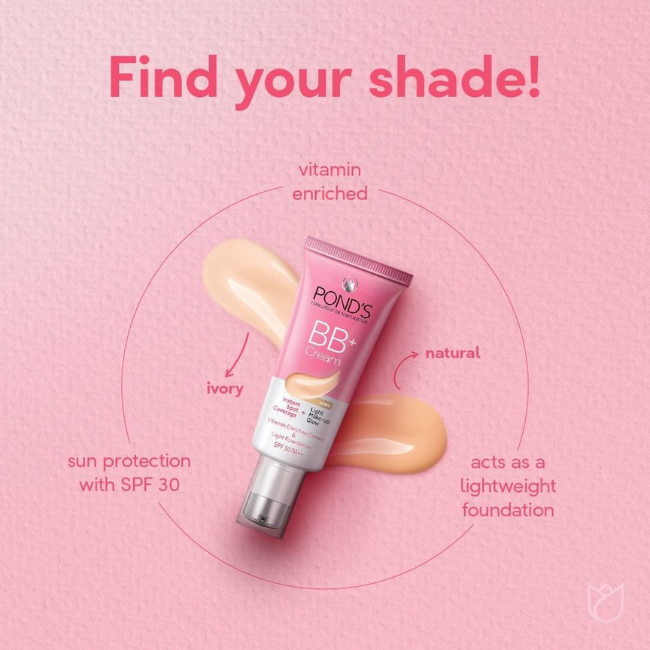
Some moisturizers include SPF, but often the protection is not enough for all-day wear. Choose a broad-spectrum sunscreen with at least SPF 30, and apply after your moisturizer.
If you use makeup, let your moisturizer and sunscreen absorb fully before applying foundation. Reapply sunscreen every two hours if you are outside.
For deeper reading, the American Academy of Dermatology explains why both moisturizer and sunscreen are essential.
Credit: ponds.in
Comparing Moisturizer Types For Different Age Groups
People of different ages have unique skin needs. Here’s a comparison:
| Age Group | Common Skin Issues | Best Moisturizer Type | Recommended Ingredients |
|---|---|---|---|
| Teens (13–19) | Acne, oiliness | Gel, lightweight lotion | Niacinamide, hyaluronic acid |
| Young Adults (20–35) | Combination, stress breakouts | Lotion, cream | Ceramides, antioxidants |
| Adults (36–55) | Mature, dryness | Cream, balm | Peptides, retinol, hyaluronic acid |
| Seniors (56+) | Thin, sensitive, age spots | Rich cream, balm | Ceramides, antioxidants, SPF |
Non-obvious tip: Teens should avoid heavy oils, but seniors benefit from rich balms that restore the skin barrier.
Remember, as you age, your skin changes. Hormones, stress, and lifestyle all play a role. If you’re not sure, ask a dermatologist for advice tailored to your age and skin concerns.
When To Change Your Moisturizer
You may need to switch moisturizers at certain times:
- When seasons change (summer vs. winter).
- If your skin suddenly feels different (more oily, more dry).
- After starting new medication or skincare treatments.
- If you move to a new climate.
Non-obvious tip: If your moisturizer stops working, your skin may have adapted. Try a new formula every 6–12 months.
Also, if you experience persistent irritation, breakouts, or no longer see improvement, consider changing your product. Listen to your skin—it will show signs when it needs something different.
Natural Vs. Synthetic Moisturizers: What Really Matters
Many brands claim “natural” is better. But this is not always true.
- Natural moisturizers use plant oils, extracts, and minimal chemicals.
- Synthetic moisturizers use lab-made ingredients like dimethicone, petrolatum, and peptides.
Both can be safe and effective. What matters most is the ingredient quality and whether it fits your skin type.
Non-obvious insight: Some natural oils (like coconut oil) can clog pores, while synthetic ingredients (like dimethicone) are often used in medical-grade moisturizers for sensitive skin.
If you have allergies, natural products can sometimes cause reactions—especially if they contain essential oils or unrefined extracts. Synthetic ingredients, if tested and approved, can be less irritating for some people.
How To Store And Maintain Your Moisturizer
Proper storage protects your moisturizer and your skin.
- Keep products in a cool, dry place.
- Avoid direct sunlight—heat can break down ingredients.
- Close the cap tightly to prevent bacteria growth.
- Check the expiry date regularly.
Non-obvious tip: Don’t use moisturizer if it smells odd or changes color—it may be spoiled.
If your moisturizer comes in a jar, use a clean spatula or spoon instead of your fingers to prevent contamination. Always wash your hands before applying skincare.
How To Build A Complete Skincare Routine With Moisturizer
Moisturizer is just one step. Here’s a simple routine for healthy skin:
- Cleanse: Use a gentle facial cleanser.
- Tone: Optional, for extra hydration or balance.
- Treat: Apply serums (like vitamin C or retinol) if needed.
- Moisturize: Choose the right type for your skin.
- Protect: Apply sunscreen during the day.
Non-obvious tip: If you use acne treatments or retinol, apply moisturizer after them to reduce dryness and irritation.
Don’t skip steps that matter for your goals. For example, if you want brighter skin, add a vitamin C serum. If you want less redness, use a calming toner. Moisturizer helps seal everything in and keeps your skin comfortable.
Frequently Asked Questions
How Often Should I Apply Moisturizer?
Most people should apply moisturizer twice daily—morning and night. If your skin feels very dry, you can use it more often. Always apply after washing your face.
Can I Use Body Moisturizer On My Face?
No. Body moisturizers are usually heavier, contain stronger fragrances, and may clog facial pores. Choose a product made specifically for the face.
Is It Okay To Switch Moisturizers Frequently?
Switching too often can irritate your skin. Try to stick with one product for at least a few weeks unless you notice irritation or breakouts. Change only when your skin needs shift.
What Does “non-comedogenic” Mean?
“Non-comedogenic” means the product is designed not to clog pores. This is important for people with oily or acne-prone skin.
Can I Skip Moisturizer If My Skin Is Oily?
No. Even oily skin needs hydration. Skipping moisturizer can cause your skin to produce more oil. Use a lightweight, oil-free gel to keep your skin balanced.
How Can I Tell If My Moisturizer Is Working?
Your skin should feel comfortable—not tight, greasy, or irritated. You’ll notice fewer dry patches, less redness, and a smoother texture. It should also make your makeup go on more evenly. If you see more breakouts, irritation, or burning, stop using it.
Can I Make My Own Moisturizer At Home?
You can, but homemade moisturizers often lack preservatives and can grow bacteria. If you try this, use very clean tools and small amounts. Store in the fridge and use quickly.
—
Choosing the right face moisturizer is about knowing your skin, understanding ingredients, and using practical tips. Don’t be fooled by marketing or trends. Test your skin type, read labels carefully, and always consider your climate and lifestyle. If you follow this guide, you’ll find a moisturizer that keeps your skin healthy, comfortable, and glowing—no matter your age or skin type. Remember, healthy skin starts with smart choices.
Credit: www.neutrogena.com