

Caring for Type 3 and 4 hair is both an art and a science. Many people with curly and coily hair textures know the joys of a good hair day, but also the frustration when nothing seems to work. The secret isn’t just in the products or the latest trends—it lies in understanding your hair’s porosity. If you’ve struggled with dryness, tangling, or breakage, you’re not alone. But there’s good news: a porosity-based wash day routine can transform how your hair looks and feels, making wash days smoother and results longer-lasting.
In this guide, you’ll discover how to tailor every step of your wash day to your unique hair porosity. You’ll learn why porosity matters, how to identify your own, and how to build a complete wash day routine whether you have low, medium, or high porosity hair. With practical tips, product suggestions, and science-backed advice, you’ll finally have a clear plan for managing your beautiful curls and coils.
Understanding Hair Porosity
Before you adjust your routine, it’s important to know what hair porosity means. Porosity is your hair’s ability to absorb and retain moisture. It depends on how your hair cuticles (the outermost layer) are arranged. Imagine cuticles like shingles on a roof: if they’re flat and tight, moisture has a hard time getting in or out. If they’re raised or damaged, moisture comes and goes too quickly.
There are three main porosity types:
- Low porosity: Cuticles are tightly packed.
- Medium (normal) porosity: Cuticles are less tight but not too open.
- High porosity: Cuticles are raised or have gaps.
Each type needs a different approach for washing, conditioning, and styling.
How To Test Your Hair Porosity
You can check your hair’s porosity with a simple water test:
- Take a clean strand of hair (no product).
- Drop it into a glass of room-temperature water.
- Wait 3–5 minutes.
If the strand floats, you likely have low porosity. If it sinks slowly, it’s medium porosity. If it sinks quickly, you probably have high porosity. Remember, this is just one clue—how your hair reacts to products and water also helps you understand your porosity.
Why Porosity Matters For Type 3 And 4 Hair
Type 3 hair (curly) and Type 4 hair (coily/kinky) are naturally drier than straight hair. That’s because the curl pattern makes it harder for scalp oils to travel down the hair shaft. Porosity adds another layer: it affects how well your hair holds onto moisture and nutrients. Using the wrong routine for your porosity can lead to buildup, frizz, or brittle hair—even if you use high-quality products.
Low porosity hair often feels product-heavy, gets buildup easily, and takes ages to dry. High porosity hair soaks up moisture fast but loses it just as quickly, leading to dryness and split ends. Medium porosity is easiest to manage but still benefits from targeted care.
Now, let’s break down the best wash day routine for each porosity type, so your hair gets exactly what it needs.
Wash Day Routine For Low Porosity Hair
Low porosity hair is often described as “resistant. ” It doesn’t easily let moisture in, but once it’s in, it stays. The challenge is getting products to penetrate without causing buildup.
Pre-wash Prep
Start with a pre-poo treatment. This step involves applying a light oil (such as argan or grapeseed oil) or a conditioner to dry hair. It softens buildup and prepares your cuticles to open. For low porosity hair, use heat (a warm towel or hooded dryer) to help the pre-poo penetrate.
Cleansing
Low porosity hair is prone to product buildup. Use a clarifying shampoo every 2–3 weeks to remove residue. On regular wash days, choose a gentle, sulfate-free shampoo. Avoid heavy creams or oils at this stage—they tend to sit on the surface.
Conditioning
Conditioners should be lightweight and hydrating rather than heavy or buttery. Ingredients like honey, glycerin, and aloe vera are great because they attract moisture. To boost absorption, use a warm towel or a steam cap during your conditioning session. This gentle heat lifts the cuticles just enough for the conditioner to work.
Detangling
Detangle with a wide-tooth comb or your fingers while the conditioner is in. Work in sections, starting from the ends and moving upward. Be gentle—low porosity hair can be fragile and prone to breakage if handled roughly.
Deep Conditioning
Deep conditioning is important, but less is more. Choose protein-free or light protein formulas. Overusing protein can make low porosity hair stiff. Apply your deep conditioner, cover with a plastic cap, and add heat for 15–30 minutes. Rinse thoroughly.
Rinsing
Use warm water for rinsing out conditioners. Warm water keeps the cuticles slightly open, allowing for better moisture retention.
Leave-in And Moisturizing
Apply a light, water-based leave-in conditioner. Use the LCO method (Leave-in, Cream, Oil) rather than LOC (Leave-in, Oil, Cream) for best results. Creams should be thin and non-greasy. Seal with a small amount of a light oil.
Styling
Avoid heavy stylers. Gels and mousses with humectants (like glycerin) work well. Less is more—layering too many products can cause flakes and buildup.
Low Porosity Routine Example:
- Pre-poo with argan oil + heat
- Wash with gentle shampoo
- Condition with lightweight formula + steam cap
- Detangle gently
- Deep condition with heat (no heavy proteins)
- Rinse with warm water
- Apply water-based leave-in
- Use light cream, seal with light oil
- Style with lightweight gel
Common Mistakes For Low Porosity Hair
- Using heavy butters or oils that sit on the hair
- Skipping clarifying shampoos
- Applying products without heat
- Overusing protein-based treatments
Wash Day Routine For Medium Porosity Hair
Medium porosity hair is the “sweet spot. ” It absorbs and retains moisture well, responds to most products, and isn’t overly sensitive. But it still needs a balanced routine to stay healthy.
Pre-wash Prep
A pre-poo is optional but helpful, especially if your hair is color-treated or dry. Use a nourishing oil (like sweet almond or olive oil) or a rinse-out conditioner.
Cleansing
Use a gentle, sulfate-free shampoo weekly. If you use heavy products or live in a hard water area, clarify once a month. Medium porosity hair doesn’t need frequent harsh cleansers, but regular washing keeps the scalp healthy.
Conditioning
Choose a moisturizing conditioner with a balance of proteins and emollients. These conditioners help maintain elasticity and reduce breakage. Let the conditioner sit for 3–5 minutes before rinsing. For extra softness, use a shower cap to trap heat.
Detangling
Detangle with fingers or a wide-tooth comb while conditioning. Work in sections to avoid knots and minimize breakage.
Deep Conditioning
Deep condition every 2–4 weeks, alternating between moisturizing and protein treatments. This keeps the hair strong but soft. Avoid overusing protein—watch for signs like stiffness or dryness, and adjust as needed.
Rinsing
Rinse conditioners out with cool water. This helps close the cuticle, locking in moisture and leaving hair shiny.
Leave-in And Moisturizing
A lightweight or medium-thick leave-in conditioner works well. Follow with a cream or butter if your hair is on the thicker side. For best results, use the LOC or LCO method based on what your hair prefers.
Styling
Almost all products work for medium porosity hair. You can experiment with different gels, creams, or mousses. Don’t overload—too many layers can make hair feel heavy or greasy.
Medium Porosity Routine Example:
- Pre-poo if needed (olive oil or rinse-out conditioner)
- Cleanse with sulfate-free shampoo
- Condition with balanced formula
- Detangle in sections
- Deep condition (alternate moisture and protein)
- Rinse with cool water
- Apply leave-in, then cream or oil
- Style as desired
Common Mistakes For Medium Porosity Hair
- Neglecting deep conditioning
- Using only protein or only moisture products
- Layering too many heavy products
Wash Day Routine For High Porosity Hair
High porosity hair absorbs moisture quickly but loses it just as fast. This type is often the result of heat styling, chemical processing, or genetics. It’s prone to frizz, tangling, and breakage, but with the right care, it can be soft and defined.
Pre-wash Prep
Use a pre-poo with a heavier oil (like avocado or castor oil) or a thick conditioner. This helps fill in gaps along the hair shaft and prepares your hair for cleansing.
Cleansing
Choose a gentle, moisturizing shampoo. Avoid harsh sulfates—they can make high porosity hair even drier. Only clarify when you notice buildup.
Conditioning
Use a rich, creamy conditioner with oils and butters. Ingredients like shea butter, coconut oil, and hydrolyzed proteins are excellent. Let the conditioner sit for 5–10 minutes to deeply nourish the hair.
Detangling
High porosity hair tangles easily. Detangle gently in sections with lots of slippery conditioner. Use your fingers or a wide-tooth comb, starting at the ends.
Deep Conditioning
Deep condition every wash day with a formula that contains proteins (hydrolyzed wheat, silk, or keratin). Proteins temporarily patch up cuticle gaps, making hair smoother and stronger. For extra absorption, use a plastic cap and let your body heat do the work.
Rinsing
Rinse with cool water to help the cuticles lay flat, sealing in moisture. This small step makes a big difference in shine and softness.
Leave-in And Moisturizing
Apply a thick leave-in conditioner, followed by a rich cream or butter. Seal everything in with a heavier oil (like castor oil). The LOC method works best for high porosity hair—oil helps lock in the moisture you’ve added.
Styling
Choose heavier creams, butters, or gels that provide a protective barrier. Look for anti-humidity or anti-frizz formulas. Avoid alcohol-based stylers—they can dry out your hair further.
High Porosity Routine Example:
- Pre-poo with castor oil or thick conditioner
- Wash with moisturizing shampoo
- Condition with creamy, protein-rich formula
- Detangle with fingers or wide-tooth comb
- Deep condition with protein every wash day
- Rinse with cool water
- Apply thick leave-in, then cream, then oil (LOC)
- Style with heavier cream or butter
Common Mistakes For High Porosity Hair
- Skipping protein treatments
- Using light products that evaporate quickly
- Not sealing in moisture with heavy oils or butters
Comparing Wash Day Routines By Porosity
To help you see how each routine differs, here’s a comparison:
| Step | Low Porosity | Medium Porosity | High Porosity |
|---|---|---|---|
| Pre-Poo | Light oil + heat | Optional; light oil | Heavy oil/conditioner |
| Cleansing | Gentle/clarifying shampoo | Sulfate-free shampoo | Moisturizing shampoo |
| Conditioning | Lightweight, humectant-rich | Balanced (protein/moisture) | Rich, creamy, with protein |
| Deep Conditioning | Occasionally, low protein | Alternating moisture/protein | Every wash, with protein |
| Leave-In & Moisturizing | LCO, light products | LOC or LCO, medium | LOC, heavier products |
| Styling | Light gel/mousse | Flexible | Cream/butter, anti-frizz |

Credit: yuaiahaircare.com
Key Products And Ingredients For Each Porosity
Choosing the right products is easier when you know which ingredients your hair loves. Here’s a quick look at what works best for each porosity type:
| Porosity | Best Oils | Best Humectants | Best Proteins |
|---|---|---|---|
| Low | Argan, grapeseed | Glycerin, honey, aloe vera | Hydrolyzed wheat (infrequent) |
| Medium | Olive, sweet almond | Aloe, panthenol | Silk, keratin (alternate) |
| High | Castor, avocado, coconut | Honey, agave | Keratin, silk, wheat (frequent) |
Real-life Example: How Porosity Changes Wash Day
Let’s look at two sisters, Mia and Zoe. Both have Type 4 hair, but Mia has low porosity while Zoe has high porosity.
- Mia notices her hair stays wet for hours but feels coated if she uses heavy creams. She focuses on lightweight products, uses heat to help absorption, and clarifies regularly.
- Zoe’s hair dries quickly, feels rough without regular deep conditioning, and loves heavy butters and oils. She never skips protein treatments and always seals her styles.
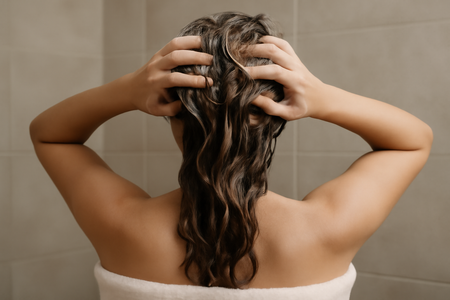
Both have healthy, shiny hair—because their routines match their porosity, not just their curl type.
Credit: yuaiahaircare.com
Non-obvious Tips For A Successful Wash Day
Most guides stop at product choice, but there are a few advanced insights that can make a big difference:
- Water quality matters: Hard water can cause mineral buildup, especially in low and medium porosity hair. Consider using a shower filter if you notice dullness or dryness.
- Application technique: Apply conditioners in small sections, smoothing the product down the shaft. This helps distribute moisture evenly and reduces tangling.
- Scalp care: Don’t forget your scalp. Massage gently during shampooing to boost circulation and promote healthy growth.
- PH balance: Products with a slightly acidic pH (4.5–5.5) help keep the cuticle closed, reducing frizz and breakage—especially important for high porosity hair.
- Adjust for weather: Your hair may need more humectants in humid weather and more oils in dry, cold conditions.
How To Build Your Porosity-based Wash Day Kit
You don’t need 20 products. Instead, focus on building a simple kit that covers each step of your routine:
- Shampoo (clarifying and/or moisturizing)
- Conditioner (lightweight, balanced, or rich, based on porosity)
- Deep conditioner (moisture, protein, or both)
- Leave-in conditioner (water-based for low, creamier for high)
- Cream or butter (optional for low/medium, essential for high)
- Oil (light for low, heavy for high)
- Styling product (gel, mousse, cream)
- Tools: Wide-tooth comb, clips, plastic cap, heat cap or hooded dryer
Adjust each item to suit your porosity and curl pattern. There’s no single “perfect” kit—customize based on your hair’s response.
Mistakes To Avoid In Your Porosity-based Routine
Even with the best intentions, some mistakes can set you back. Here are some to watch out for:
- Using the same routine year-round: Hair’s needs change with the seasons.
- Ignoring your scalp: Buildup can block growth and cause itching.
- Overloading on protein or moisture: Balance is key, especially for medium and high porosity hair.
- Skipping regular trims: Split ends travel up the hair shaft, causing more breakage.
- Not clarifying enough: All porosity types need occasional clarifying to remove buildup.
Signs Your Routine Is Working
You’ll know you’ve found the right routine when:
- Your hair stays moisturized for several days
- Curls or coils are defined without much frizz
- Shedding and breakage decrease
- Your hair feels soft and strong, not brittle or mushy
Remember, results won’t happen overnight. Stick with your routine for a month before making major changes.
Best Practices For Wash Day Success
To get the most out of your wash day:
- Be gentle. Curly and coily hair is fragile.
- Work in sections to reduce tangling.
- Use microfibre towels or a cotton T-shirt to dry—regular towels can cause frizz.
- Let your hair air dry or use a diffuser on low heat.
- Protect your hair at night with a satin scarf or bonnet.
When To Adjust Your Routine
Sometimes, your hair will “tell” you it needs something different. Adjust your routine if you notice:
- Increased dryness (add more moisture or heavier products)
- Limp or mushy hair (reduce humectants or protein)
- More breakage (increase protein, trim ends)
- Buildup (clarify more often)
Listen to your hair and don’t be afraid to experiment.

Credit: ethique.com
Porosity Vs. Curl Pattern: Why Both Matter
While porosity guides your product choices, curl pattern helps you understand styling. For example:
- Type 3 hair may need lighter stylers and less oil
- Type 4 hair often benefits from heavier creams and butters
But two people with the same curl type can have very different wash day needs if their porosity is different. Always prioritize porosity first, then adjust for your curl pattern.
Protecting Hair Between Wash Days
Your wash day routine sets the foundation, but how you care for your hair between washes matters just as much.
- Moisturize regularly: Spritz with water or a leave-in every few days.
- Protective styling: Try twists, braids, or buns to reduce manipulation.
- Night protection: Use satin or silk pillowcases and bonnets.
- Minimize heat styling: Too much heat raises porosity and causes damage.
The Science Behind Porosity And Moisture
Recent research shows that the structure of curly and coily hair makes it more susceptible to moisture loss. High porosity hair, in particular, has more gaps in the cuticle layer. That’s why protein treatments are effective—they temporarily fill in these gaps and reinforce the hair shaft.
For more detailed science on this, see the Journal of the Society of Cosmetic Scientists.
Frequently Asked Questions
What Is The Best Way To Test My Hair Porosity?
The water test is a simple starting point—drop a clean strand in a glass of water and observe if it sinks or floats. But also pay attention to how your hair reacts to products and water. If it dries quickly, it’s likely high porosity; if it takes ages, it’s probably low.
How Often Should I Wash Type 3 Or 4 Hair?
Most people with Type 3 and 4 hair wash once a week or every 10 days. Adjust based on your lifestyle, scalp health, and how your hair feels. Over-washing can strip moisture, while under-washing can cause buildup.
Can I Change My Hair Porosity?
You can’t change your natural porosity, but you can prevent it from getting worse. Avoid heat styling, chemical treatments, and harsh products. If you have high porosity from damage, focus on protein treatments and sealing in moisture.
Should I Use Heat On Wash Day?
Gentle heat (like a warm towel or hooded dryer) can help products absorb, especially for low porosity hair. Avoid direct, high heat (like flat irons) which can increase porosity and cause damage.
What’s The Difference Between Lco And Loc Methods?
The LOC method is Leave-in, Oil, Cream. The LCO method is Leave-in, Cream, Oil. High porosity hair often prefers LOC for better moisture sealing, while low porosity hair does better with LCO to avoid oil blocking moisture. Experiment to see what your hair likes.
A porosity-based wash day routine is the foundation of healthy, beautiful Type 3 and 4 hair. By understanding your hair’s unique needs, choosing the right products, and following a customized process, you’ll see softer, shinier, stronger curls and coils. Remember: consistency, patience, and listening to your hair are the keys to lasting results. Don’t be afraid to adjust, experiment, and celebrate every good hair day—you’ve earned it!