

The skincare world is always buzzing with new ingredients and trends, but a few essentials have stood the test of time. Antioxidants in moisturizers, especially Vitamin C, Vitamin E, and Ferulic Acid, are more than just popular—they are proven defenders against skin damage. As you look for ways to keep your skin healthy, bright, and youthful, understanding how these antioxidants work can be your secret weapon.
But why are these three antioxidants often found together? What makes them so effective when used in moisturizers? If you want to make smart choices for your skin, it’s important to know how each ingredient helps, how they work together, and what science says about their benefits. Let’s explore the real value of Vitamin C, Vitamin E, and Ferulic Acid in moisturizers, and see how you can get the most from these powerful ingredients.
What Are Antioxidants And Why Are They Important In Skincare?
Antioxidants are substances that protect your skin from free radicals. Free radicals are unstable molecules that can damage cells, speed up aging, and even increase the risk of certain skin diseases. You encounter free radicals every day—through sunlight, pollution, cigarette smoke, and even stress.
When free radicals attack skin cells, they can break down collagen, cause wrinkles, dark spots, and make your skin look dull. This is called oxidative stress. Antioxidants help by neutralizing free radicals before they harm your skin.
Adding antioxidants to your moisturizer means you can fight these effects daily. A good moisturizer with antioxidants does not just hydrate your skin, but also acts as a shield against the environment.
The Power Trio: Vitamin C, Vitamin E, And Ferulic Acid
These three antioxidants are often used together in high-quality moisturizers. Each has unique benefits, but when combined, they become even more powerful.
Vitamin C: The Brightening Superstar
Vitamin C (ascorbic acid) is famous for brightening the skin. It also helps with:
- Collagen production: Collagen gives your skin its firmness. Vitamin C helps your body make more collagen, which can reduce wrinkles and fine lines.
- Fading dark spots: Vitamin C can lighten hyperpigmentation and even out your skin tone.
- Defending against sun damage: It helps protect your skin from damage caused by UV rays, although it does not replace sunscreen.
Vitamin C is a water-soluble antioxidant, which means your body does not store it. That’s why applying it directly to your skin can make a big difference.
Vitamin E: The Moisture Protector
Vitamin E (tocopherol) is a fat-soluble antioxidant. It is well known for its moisturizing abilities, but it does much more:
- Protects cell membranes: Vitamin E helps keep the outer layer of your skin strong and healthy.
- Reduces inflammation: It can calm redness and irritation, making it great for sensitive skin.
- Works with Vitamin C: When used together, Vitamin E and C help each other last longer and work better.
Vitamin E naturally exists in your skin, but sun exposure can reduce its levels. That’s why adding it through moisturizers is helpful.
Ferulic Acid: The Stability Booster
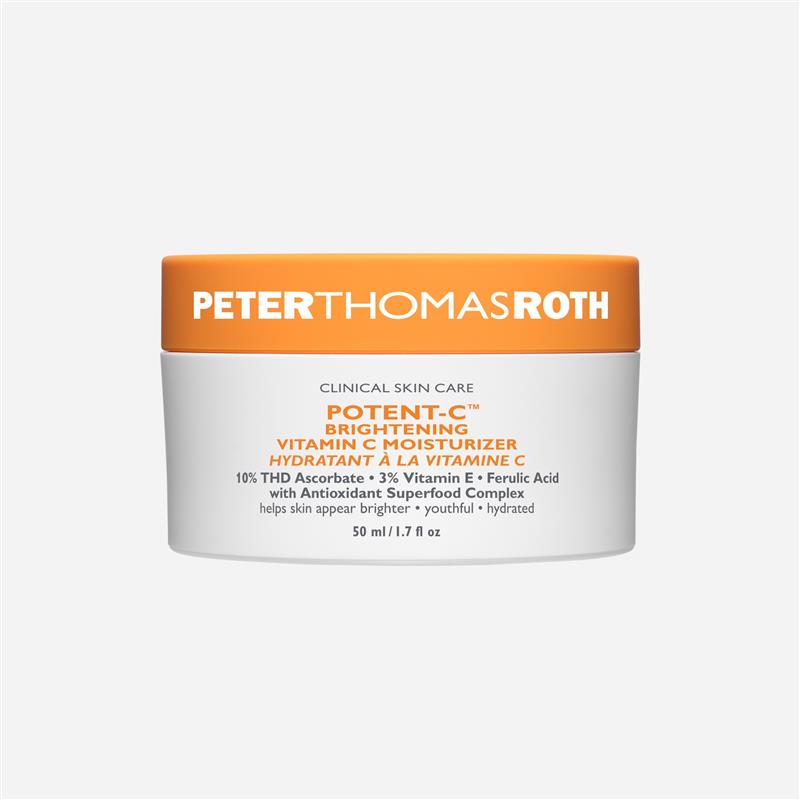
Ferulic Acid is less famous, but it is a real hero in antioxidant skincare. Found in the cell walls of plants like rice, oats, and apples, ferulic acid has these benefits:
- Boosts other antioxidants: It makes Vitamin C and E more stable and effective.
- Fights signs of aging: Ferulic acid helps reduce wrinkles and keeps skin looking youthful.
- Absorbs UV light: It adds extra protection against sun damage.
Ferulic acid alone is helpful, but its real strength comes when combined with other antioxidants.
Credit: www.peterthomasroth.com
How Do These Antioxidants Work Together In Moisturizers?
When you combine Vitamin C, Vitamin E, and Ferulic Acid in a moisturizer, you create a synergy. This means they help each other work better than if you used them alone.
Here’s how this trio works:
- Vitamin C fights free radicals and helps build collagen, but it can break down quickly in air and light.
- Vitamin E not only hydrates but also helps protect Vitamin C from breaking down.
- Ferulic Acid makes both Vitamin C and E more stable, so they last longer and stay active on your skin.
The result? Your skin gets stronger protection, brighter tone, and better moisture all at once.
Scientific Evidence
A study published in the Journal of Investigative Dermatology found that a combination of 15% Vitamin C, 1% Vitamin E, and 0. 5% Ferulic Acid increased photoprotection (protection from UV damage) by up to eight times compared to no treatment.
These results are why many dermatologists recommend using all three together.
Main Benefits Of Vitamin C, Vitamin E, And Ferulic Acid In Moisturizers
Let’s break down the core benefits you can expect when using a moisturizer with these antioxidants.
1. Stronger Protection Against Sun Damage
While moisturizers are not a replacement for sunscreen, antioxidants can help defend your skin from the effects of UV rays. They absorb free radicals created by sun exposure, reducing the risk of sunburn, hyperpigmentation, and premature aging.
2. Brighter, More Even Skin Tone
Vitamin C is especially good at reducing dark spots and making your skin glow. Combined with Vitamin E, it works on deeper layers to fade discoloration and even out your complexion.
3. Reduced Fine Lines And Wrinkles
All three antioxidants help prevent the breakdown of collagen and elastin, two proteins that keep your skin firm. By protecting these proteins, your skin stays smooth and elastic for longer.
4. Improved Skin Barrier And Hydration
Vitamin E keeps the outer layer of your skin strong, so it holds in moisture better. This is important for people with dry or sensitive skin, as it helps prevent water loss and irritation.
5. Enhanced Healing And Reduced Redness
Both Vitamin E and C have anti-inflammatory properties. They can calm irritated skin, speed up healing, and reduce redness from acne, sunburn, or other conditions.
6. Long-lasting Effectiveness
Ferulic Acid’s main job is to make Vitamin C and E more stable. This means the antioxidants do not break down quickly and keep working to protect your skin for hours after application.
Credit: www.healthline.com
How To Choose The Right Moisturizer With These Antioxidants
Not all moisturizers are the same. To get the most benefits from these antioxidants, you need to look for certain things.
Check Ingredient Concentrations
- Vitamin C: Look for a concentration between 10% and 20%. Lower amounts may not be effective, but higher amounts can cause irritation.
- Vitamin E: Concentrations of 0.5% to 1% are typical.
- Ferulic Acid: Usually found at 0.5% to 1%.
The right balance helps you get results without side effects.
Packaging Matters
Vitamin C is sensitive to air and light. Choose moisturizers in dark, airtight containers or pump bottles. This helps keep the antioxidants fresh and active.
Skin Type Compatibility
- Oily skin: Choose a lightweight, oil-free moisturizer with these antioxidants.
- Dry skin: Go for a richer cream that also has hydrating ingredients.
- Sensitive skin: Start with lower concentrations to avoid irritation.
Additional Ingredients
Sometimes, moisturizers with antioxidants also include other helpful ingredients like hyaluronic acid, niacinamide, or ceramides. These can boost hydration and strengthen your skin barrier.
Avoid Irritants
If you have sensitive skin, look for products without alcohol, artificial fragrance, or strong preservatives.
Comparing Antioxidant Moisturizers: What To Look For
It can be hard to choose the right product. Here’s a look at how different moisturizers compare based on key features:
| Brand | Vitamin C (%) | Vitamin E (%) | Ferulic Acid (%) | Best For | Packaging |
|---|---|---|---|---|---|
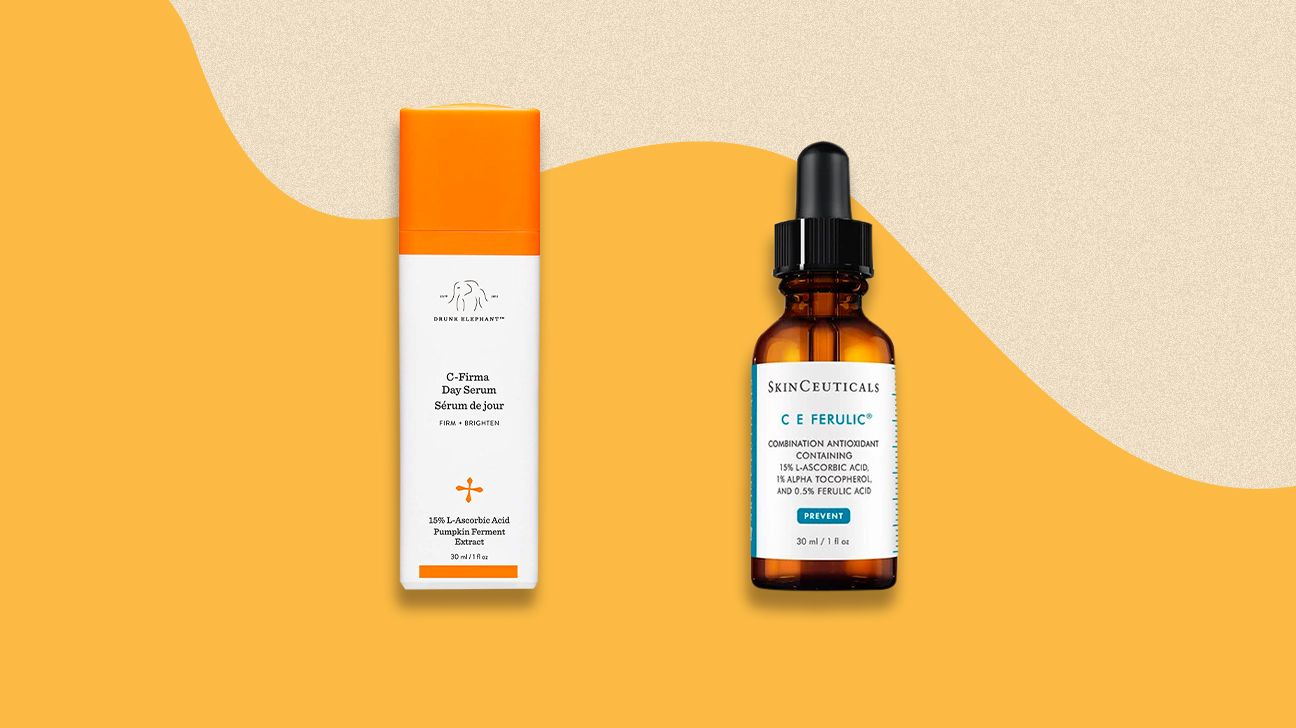
| Skinceuticals C E Ferulic | 15 | 1 | 0.5 | Anti-aging, brightening | Dark dropper bottle |
| La Roche-Posay Pure Vitamin C | 10 | 0.5 | 0.5 | Daily use, sensitive skin | Pump tube |
| Paula’s Choice C15 Booster | 15 | 1 | 0.5 | All skin types | Amber glass bottle |
| Drunk Elephant C-Firma | 15 | 1 | 0.5 | Brightening, anti-pollution | Airless pump |
This table highlights the importance of both concentration and packaging. Higher concentrations are not always better—look for a balance between effectiveness and skin comfort.
How To Use Antioxidant Moisturizers For Best Results
Simply buying a good moisturizer is not enough. How you use it matters just as much.
Apply To Clean Skin
After washing your face, apply your antioxidant moisturizer while your skin is still slightly damp. This helps seal in moisture and allows better absorption.
Use In The Morning
Antioxidant moisturizers are often most effective in the morning. They protect your skin from free radicals you encounter during the day.
Layer Wisely
If you use other skincare products, apply your antioxidant moisturizer before sunscreen but after lighter serums. Always finish with sunscreen for full protection.
Start Slowly
If you have never used Vitamin C or other antioxidants before, begin with a small amount every other day. Gradually increase as your skin gets used to it.
Store Properly
Keep your moisturizer in a cool, dark place. Avoid leaving it in hot, humid areas like the bathroom. This helps keep the antioxidants potent.
Common Myths And Mistakes About Antioxidant Moisturizers
There are many claims about antioxidant skincare. Here are some common myths—and the real facts.
Myth 1: “antioxidant Moisturizers Replace Sunscreen.”
Fact: While antioxidants help protect skin, they do not block UV rays. Always use sunscreen for full sun protection.
Myth 2: “more Is Better.”
Fact: Using very high concentrations of Vitamin C or E can irritate your skin. Stick to proven, balanced formulas.
Myth 3: “all Vitamin C Products Are The Same.”
Fact: Vitamin C comes in different forms (ascorbic acid, sodium ascorbyl phosphate, magnesium ascorbyl phosphate). Pure ascorbic acid is most effective, but also more unstable.
Myth 4: “you’ll See Instant Results.”
Fact: Antioxidants work over time. It may take several weeks to notice brighter, smoother skin.
Myth 5: “if It Tingles, It’s Working.”
Fact: Tingling can be a sign of irritation. If your skin burns or becomes red, stop using the product.
The Science Behind Antioxidant Synergy
You may wonder why skincare brands combine these antioxidants instead of using them alone. The answer is synergy—when two or more substances work together for a greater effect.
How Synergy Works
- Vitamin C is powerful but unstable. It breaks down quickly when exposed to air or light.
- Vitamin E helps protect Vitamin C from breaking down.
- Ferulic Acid stabilizes both, making them last longer and work better.
This combination not only increases the benefits but also reduces the risk of irritation. That’s why many top dermatologists recommend products that blend these three antioxidants.
Research Example
A famous study in the Journal of the American Academy of Dermatology found that combining 15% Vitamin C, 1% Vitamin E, and 0. 5% Ferulic Acid improved skin’s defense against environmental damage by up to eight times. This is a good example of how synergy makes a real difference.
Who Should Use Antioxidant Moisturizers?
Almost everyone can benefit from using a moisturizer with Vitamin C, Vitamin E, and Ferulic Acid. But they are especially helpful if you:
- Spend time outdoors or in polluted environments
- Notice early signs of aging (fine lines, dullness)
- Have uneven skin tone or dark spots
- Want extra protection for sensitive or dry skin
However, if you have very sensitive skin or allergies, always do a patch test before using a new product.
Key Differences Between Vitamin C, E, And Ferulic Acid
Each antioxidant has unique strengths. Here’s a quick comparison for a clearer picture:
| Antioxidant | Main Benefit | Best For | Common Form in Skincare | Stability |
|---|---|---|---|---|
| Vitamin C | Brightening, collagen boost | Hyperpigmentation, aging | L-ascorbic acid | Low (needs protection) |
| Vitamin E | Moisturizing, calming | Dry, sensitive skin | Tocopherol | Moderate |
| Ferulic Acid | Stabilizes other antioxidants | All skin types | Ferulic acid | High |
This comparison shows why combining them gives your skin a well-rounded defense.
Potential Side Effects And How To Avoid Them
Most people tolerate these antioxidants well, but some may experience irritation. Here are possible side effects and how to prevent them:
Possible Side Effects
- Redness or stinging: Often caused by high concentrations of Vitamin C.
- Dryness or peeling: Can happen if your skin is sensitive or if you use too much.
- Breakouts: Rare, but possible if the formula is too heavy for your skin type.
Tips To Avoid Irritation
- Start with lower concentrations and increase slowly.
- Always do a patch test before using a new moisturizer.
- Use sunscreen daily, as Vitamin C can make your skin more sensitive to sunlight.
- If irritation occurs, stop use and consult a dermatologist.
Antioxidant Moisturizers Vs. Serums: Which Is Better?
Both moisturizers and serums can contain antioxidants. Which should you use?
- Serums usually have higher concentrations and lighter textures. They absorb quickly and deliver antioxidants deep into your skin.
- Moisturizers focus on hydration but can also deliver antioxidants. They are better for people who want both moisture and protection in one step.
You can use both together: apply serum first, then moisturizer. This gives your skin the best of both worlds.
Real-world Results: What Can You Expect?
Many users report that after several weeks of using a moisturizer with Vitamin C, E, and Ferulic Acid, they see:
- Brighter, more radiant skin
- Fewer dark spots and more even tone
- Softer, smoother texture
- Less redness and irritation
- A healthier, more youthful appearance
One non-obvious insight: Many people miss out on these benefits because they do not use their products consistently or store them properly. For the best results, make antioxidant moisturizers part of your daily routine and keep them away from heat and light.
Understanding Product Labels: What To Watch For
Reading skincare labels can be confusing. Here’s what to look for when shopping for antioxidant moisturizers:
Key Terms On Labels
- L-ascorbic acid: The most effective form of Vitamin C
- Tocopherol or tocopheryl acetate: Forms of Vitamin E
- Ferulic acid: Often listed by this name
Avoid These Ingredients
- Alcohol denat. : Can dry out skin
- Fragrance/parfum: May irritate sensitive skin
- Parabens: Some people prefer to avoid these preservatives
Expiry Dates And Storage
Vitamin C can lose effectiveness after a few months, especially if exposed to air. Always check the expiration date and watch for color changes (yellowing or darkening can mean the product is going bad).
The Role Of Antioxidants In A Complete Skincare Routine
While antioxidants are important, they are just one part of healthy skin. For the best results, combine your antioxidant moisturizer with:
- Gentle cleanser: Prepares your skin to absorb antioxidants.
- Hydrating toner or essence: Helps balance moisture.
- Targeted treatments (serum, spot treatment): For specific concerns.
- Sunscreen: Essential for daily protection.
Using antioxidants without sunscreen is a common beginner mistake. They work together for the strongest defense against aging and damage.
Long-term Benefits: Why Consistency Matters
The most powerful results from antioxidant moisturizers come with regular use. Here’s what happens over months and years:
- Reduced appearance of aging: Fewer wrinkles, firmer skin
- Less long-term damage: Fewer dark spots, less thinning of the skin
- Stronger skin barrier: Better hydration, less sensitivity
Another insight: People often stop using products if they do not see results in a week. Remember, skin improvements take time—usually 4 to 12 weeks for visible changes.
Antioxidants And Sensitive Skin: What You Need To Know
If you have sensitive skin, you might worry about irritation. The good news is, with the right formula, most people can use antioxidant moisturizers safely.
Tips For Sensitive Skin
- Start with lower concentrations of Vitamin C (5-10%).
- Use products with added calming ingredients like aloe vera or allantoin.
- Avoid products with harsh exfoliants or strong fragrances.
- Always patch test before full use.
If your skin reacts, stop use and try again with a gentler formula.

Credit: www.nytimes.com
Antioxidants In Moisturizers: Beyond The Face
Don’t forget: your neck, chest, and hands also show signs of aging and damage. Using antioxidant moisturizers on these areas can help keep your skin looking young and healthy everywhere.
Trends And Innovations In Antioxidant Moisturizers
The skincare industry is always evolving. Here are some newer trends you might see:
- Encapsulated antioxidants: These keep Vitamin C and E stable until you apply them.
- Time-release formulas: Deliver antioxidants slowly throughout the day.
- Natural sources: Brands are using plant-based sources for antioxidants, which may be gentler on the skin.
These trends aim to give you longer-lasting and safer results.
The Cost Factor: Are Expensive Antioxidant Moisturizers Worth It?
You do not have to spend a lot for results. Expensive products may have better packaging or extra ingredients, but many affordable brands offer effective formulas.
What You Pay For
- Packaging: Airless pumps or dark bottles protect antioxidants.
- Research and testing: High-end brands often invest more in testing.
- Extra ingredients: Some pricier moisturizers add peptides, growth factors, or exclusive plant extracts.
However, a well-formulated drugstore product can work just as well if it has the right ingredients and packaging.
Comparing Popular Antioxidant Moisturizer Ingredients
Let’s see how Vitamin C, Vitamin E, and Ferulic Acid compare to other common antioxidants:
| Antioxidant | Main Source | Strengths | Common Use |
|---|---|---|---|
| Vitamin C | Citrus fruits | Brightening, collagen boost | Serums, moisturizers |
| Vitamin E | Vegetable oils | Moisturizing, calming | Creams, lotions |
| Ferulic Acid | Rice, oats, apples | Stabilizes other antioxidants | Boosters, serums |
| Niacinamide | Vitamin B3 | Reduces redness, strengthens barrier | Serums, creams |
| Resveratrol | Grapes, berries | Anti-aging, calming | Serums |
Vitamin C, E, and Ferulic Acid remain the most studied and proven for brightening and anti-aging.
Environmental And Ethical Considerations
Many people now care about how their skincare products are made. Here’s what to consider:
- Cruelty-free: Look for brands that do not test on animals.
- Vegan: Some moisturizers use only plant-based ingredients.
- Sustainable packaging: Recyclable or refillable containers are better for the planet.
These factors do not affect how well the antioxidants work, but they can make you feel better about your purchase.
Expert Tips For Maximizing Antioxidant Benefits
Dermatologists and skincare experts often recommend these steps:
- Use antioxidant moisturizers every morning for maximum protection.
- Pair with sunscreen for best results.
- Store products in a cool, dark place.
- Be patient—results take time.
- Do not mix with harsh exfoliants unless advised by a professional.
An extra insight: Some foods, like citrus fruits, nuts, and whole grains, are also high in antioxidants. Eating a diet rich in these can help your skin from the inside, too.
Where To Learn More
If you want to understand the science behind antioxidants, you can read more on reputable sites such as the National Institutes of Health. These sources offer detailed information about how these ingredients work and their benefits.
Frequently Asked Questions
What’s The Difference Between Using A Serum And A Moisturizer With Antioxidants?
A serum usually has a higher concentration of antioxidants and a lighter texture, so it absorbs deeper and faster. A moisturizer also hydrates your skin and can deliver antioxidants, but with a heavier feel. Many people use both: serum first, then moisturizer for extra benefits.
Can I Use Vitamin C And Retinol Together?
Yes, but it’s best to use them at different times. Vitamin C works well in the morning for protection, while retinol is best at night for repair. Using both at the same time can cause irritation in some people.
How Long Does It Take To See Results From Antioxidant Moisturizers?
Most people start to see brighter, smoother skin in 4 to 12 weeks. Fading dark spots or reducing wrinkles may take longer. Consistency is key.
Are Antioxidant Moisturizers Safe For Sensitive Skin?
Yes, but start with lower concentrations of Vitamin C and avoid products with strong fragrances or alcohol. Always do a patch test first. If irritation occurs, stop use and try a gentler formula.
Do I Still Need Sunscreen If I Use An Antioxidant Moisturizer?
Absolutely. Antioxidants defend against some sun damage, but they do not block UV rays. Always use sunscreen as the last step in your morning routine for full protection.
Antioxidant moisturizers with Vitamin C, Vitamin E, and Ferulic Acid are a smart choice for anyone who wants brighter, stronger, and younger-looking skin. By understanding how these ingredients work—alone and together—you can choose the right product, use it effectively, and enjoy real, long-lasting results. Your skin deserves the best defense, and now you know how to give it just that.