

Hair Porosity And Product Penetration: The Science Of Absorption
Shiny, strong, and healthy hair is a goal for many people. But why do some hair products work for your friend, but not for you? The answer often comes down to hair porosity—a hidden but powerful factor that decides how well your hair absorbs moisture, oils, and hair care products. Understanding hair porosity can transform how you care for your hair, helping you choose the right products and routines. But what exactly is hair porosity? How does it affect product absorption? And most importantly, how can you use this knowledge to get the best results for your hair type? Let’s dive into the science behind hair porosity and product penetration, so you can give your hair exactly what it needs.
What Is Hair Porosity?
Hair porosity is a term used to describe how easily your hair can absorb and hold moisture and products. It depends on the structure of your hair’s outer layer, called the cuticle. The cuticle is made up of overlapping cells, like roof shingles. These tiny cells control how much water, oil, and other substances can enter or leave the hair shaft.
There are three main types of hair porosity:
- Low porosity: The cuticle layers are tightly packed and flat. This makes it hard for moisture and products to get in, but once inside, moisture stays locked in.
- Medium (normal) porosity: The cuticle is less tightly packed, allowing for balanced absorption and moisture retention.
- High porosity: The cuticle layers are raised or damaged, often from heat styling, coloring, or genetics. Water and products go in easily—but they also escape quickly, making hair dry out fast.
Porosity isn’t always related to hair type (straight, wavy, curly, or coily). You can have any texture with any level of porosity. Even more, different sections of your hair can have different porosity, especially if you use chemical treatments or heat tools.
The Science Behind Hair Absorption
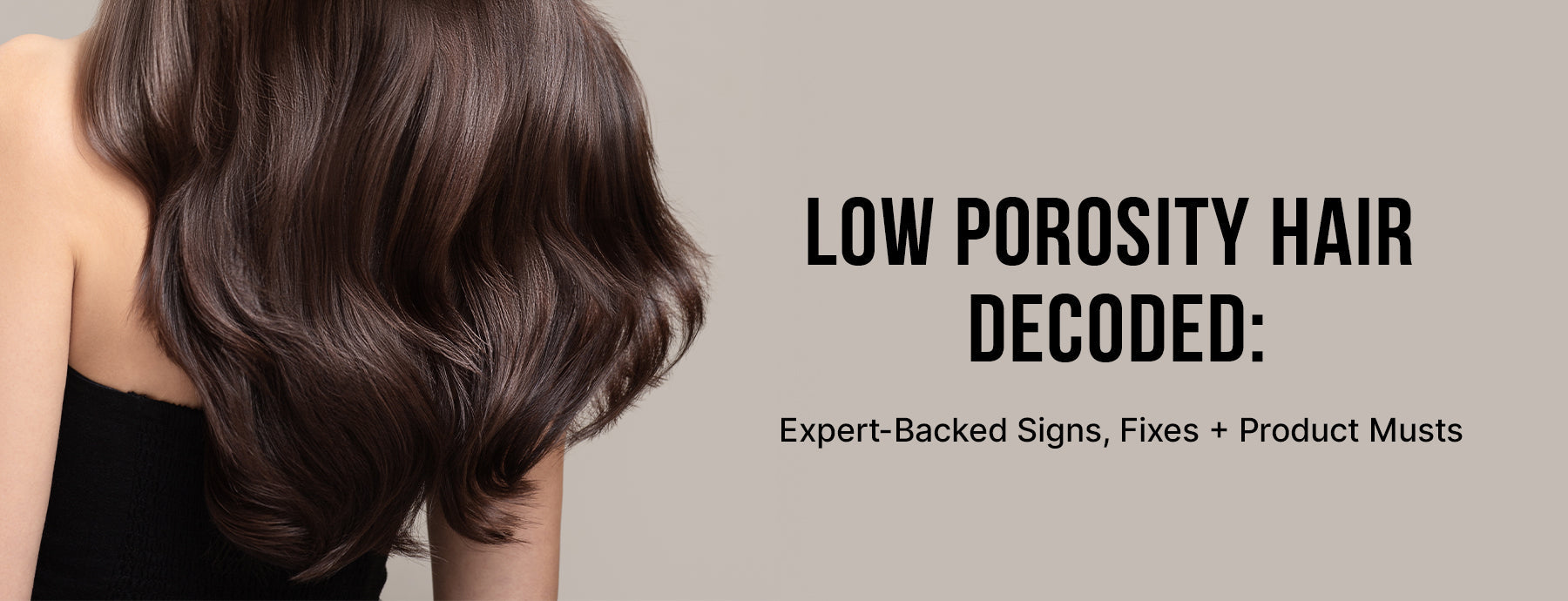
To understand why porosity matters, we need to look at how the hair cuticle works. The cuticle acts as a barrier, protecting the inner part of the hair from damage and moisture loss. When the cuticle is smooth and flat (low porosity), it forms a strong shield. When it’s lifted or broken (high porosity), the shield is weak.
Product penetration means how well a product gets past the cuticle into the hair’s cortex, the inner part where moisture, proteins, and color are stored. For a product to work, it needs to get inside the hair shaft—or at least stick well to the surface.
How does a product get through the cuticle? It depends on:
- The size of the molecules in the product (smaller molecules penetrate better).
- The condition of the cuticle (tighter cuticles are harder to penetrate).
- The pH of the product (acidic products can close the cuticle; alkaline products can lift it).
A surprising insight: Even water molecules can struggle to get inside low porosity hair. That’s why some people find their hair takes ages to dry or always feels dry, no matter how much product they use.
Credit: colorwowhair.com
How To Test Your Hair Porosity
Before you can choose the best products, you need to know your hair’s porosity. There are a few simple ways to check this at home:
1. The Water Glass Test
Take a clean strand of dry hair and drop it into a glass of water. Wait for 2-4 minutes.
- If it floats on top, your hair is likely low porosity.
- If it sinks slowly to the middle, you probably have medium porosity.
- If it sinks quickly to the bottom, you likely have high porosity hair.
This test is not perfect, but it gives a quick clue.
2. The Spray Test
Spray a small section of dry, clean hair with water.
- If water beads up and sits on top, your hair is low porosity.
- If water soaks in quickly, your hair is high porosity.
- If it sits briefly then absorbs, you’re likely medium porosity.
3. The Slip And Slide Test
Pinch a single strand of clean hair between your thumb and finger. Slide your fingers up toward the scalp.
- If it feels smooth, your cuticle is likely tight (low porosity).
- If it feels bumpy or rough, your cuticle is raised (high porosity).
Pro tip: Do these tests on hair that is clean, dry, and free of styling products for best results. Also, remember that these are clues, not perfect scientific tests, but they give you a good starting point.
The Structure Of The Hair Cuticle
To fully grasp product absorption, it helps to understand the hair cuticle itself. The cuticle is the outermost layer of the hair shaft, made of flat, overlapping cells. Think of it like fish scales or shingles on a roof. The number of layers can range from 6 to 10, depending on genetics and hair type.
Low porosity hair: The cuticle layers are tightly closed, making the surface very smooth and shiny. This is often seen in healthy, untreated hair, especially in certain ethnicities.
High porosity hair: The cuticle layers are raised or even broken, making the surface rough and dull. This often happens after repeated bleaching, coloring, or heat styling.
Here’s a comparison of cuticle structure and porosity:
| Porosity Type | Cuticle Condition | Moisture Absorption | Moisture Loss |
|---|---|---|---|
| Low Porosity | Tight, flat layers | Hard to absorb | Hard to lose |
| Medium Porosity | Looser, slightly raised layers | Easy to absorb | Moderate loss |
| High Porosity | Lifted, damaged layers | Very easy to absorb | Very easy to lose |
Key insight: The smoother the cuticle, the more difficult it is for products to enter—yet it also means better protection from moisture loss. That’s why low porosity hair often looks shiny but is hard to hydrate, while high porosity hair absorbs everything but dries out quickly.
Why Hair Porosity Affects Product Penetration
The porosity of your hair acts like a gatekeeper. It decides how much of a product’s active ingredients can get inside and do their job.
- Low porosity hair: The cuticle is like a tightly locked door. Most products and even water sit on the surface, so heavy creams and oils may just coat the outside without getting in.
- Medium porosity hair: The door is slightly open. Products move in and out easily, making this hair type the easiest to manage.
- High porosity hair: The door is wide open, sometimes with broken hinges. Moisture and products rush in fast, but also escape quickly, leaving hair dry and frizzy.
Many people don’t realize that using a product designed for the wrong porosity can cause problems. For example, using heavy oils on low porosity hair can lead to product buildup, while using light sprays on high porosity hair may not provide enough moisture.
Factors That Influence Hair Porosity
Porosity isn’t only about genetics. Many things can change your hair’s ability to absorb products:
- Chemical treatments: Bleaching, coloring, perming, and relaxing can all raise and damage the cuticle, increasing porosity.
- Heat styling: Flat irons, curling wands, and blow dryers can lift and break cuticle layers.
- Environmental exposure: Sun, wind, salt water, and pollution can damage the cuticle.
- Mechanical stress: Brushing, combing, and tight hairstyles can also cause cuticle damage over time.
Pro insight: Porosity can change over time, especially if you frequently color or heat style your hair. Always re-test your porosity after major changes to your routine.
The Role Of Product Ingredients In Absorption
Not all products are created equal. The way a product is absorbed depends on its ingredients, especially their molecular size and chemical properties.
- Small molecules: Ingredients like glycerin, panthenol, and hydrolyzed proteins have small enough molecules to penetrate the hair shaft, even in low porosity hair.
- Large molecules: Heavy oils (like castor oil) and some silicones have large molecules that tend to sit on the surface, especially on low porosity hair.
The pH of products also plays a role. Acidic products (like apple cider vinegar rinses) help close the cuticle, while alkaline products (like some relaxers or clarifying shampoos) open the cuticle.
Here’s how some common product types behave with different porosity levels:
| Product Type | Low Porosity Hair | Medium Porosity Hair | High Porosity Hair |
|---|---|---|---|
| Heavy Creams | Sits on surface, may cause buildup | Absorbs well, provides moisture | Absorbs quickly, may need extra sealing |
| Lightweight Leave-ins | Absorbs better, less buildup | Works well | May not be enough moisture |
| Oils | Best in small amounts, use light oils | Most oils work well | Heavy oils can help seal in moisture |
| Protein Treatments | Use rarely, can cause stiffness | Balances strength and moisture | Helps repair damage, but avoid overuse |
Non-obvious tip: If you have low porosity hair, look for products with “hydrolyzed” proteins—these have been broken down into smaller sizes, making them more likely to penetrate even tight cuticles.
How To Choose Products For Your Hair Porosity
Knowing your porosity helps you pick the right products, saving you time, money, and frustration. Here’s a breakdown for each type:
For Low Porosity Hair
- Use lightweight, water-based products. These can get through the tight cuticle more easily.
- Apply products to damp, warm hair. Heat helps lift the cuticle slightly, making absorption easier. Try a warm towel or steamer before deep conditioning.
- Avoid heavy butters and oils. They tend to sit on top and cause buildup.
- Use clarifying shampoos occasionally to remove buildup.
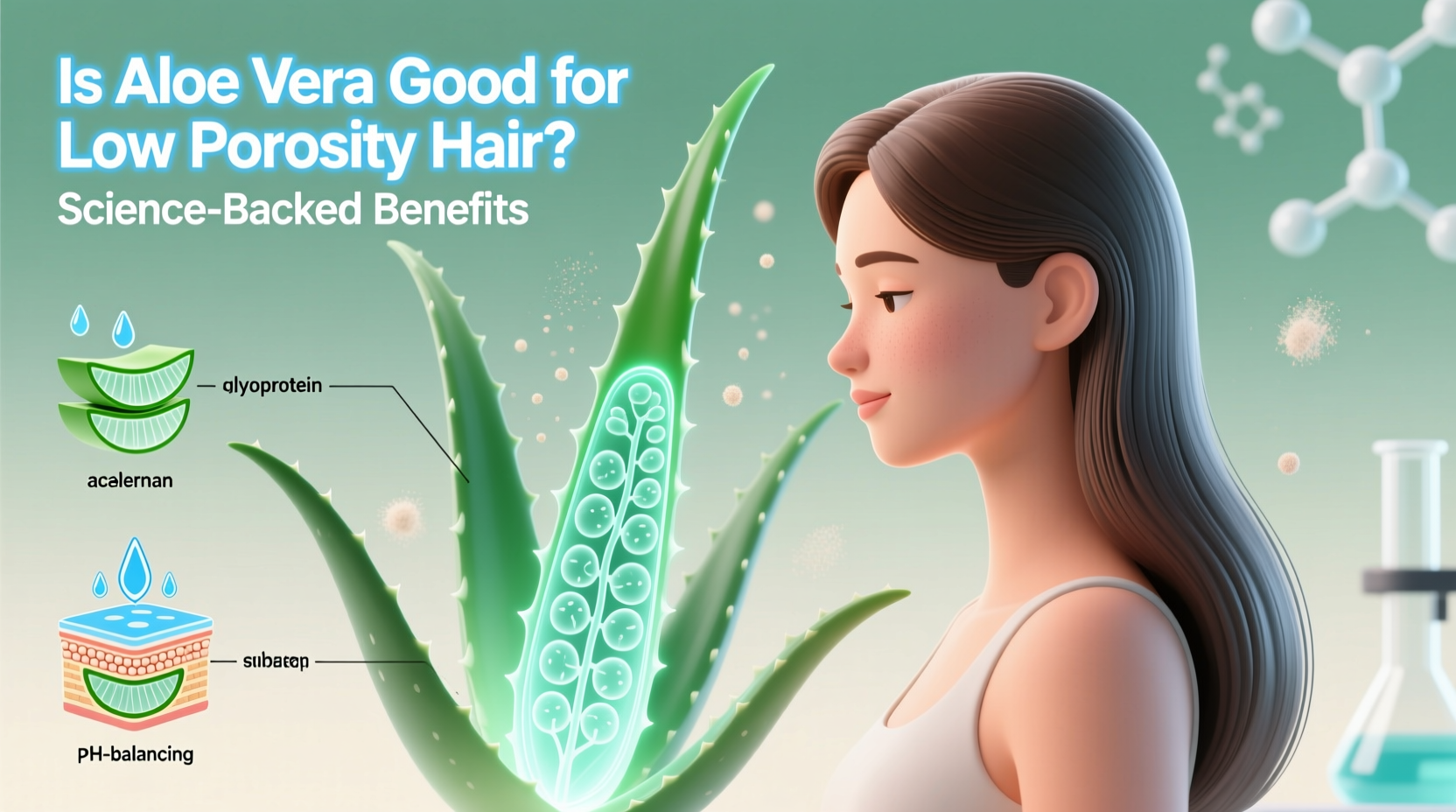
- Ingredients to look for: Glycerin, aloe vera, hydrolyzed proteins, honey.
For Medium Porosity Hair
- You’re lucky! Most products will work for you.
- Use balancing products that provide both moisture and some protein.
- Avoid overloading with heavy butters or proteins.
- Regular deep conditioning helps maintain balance.
For High Porosity Hair
- Use thicker creams, butters, and oils to help seal the cuticle and lock in moisture.
- Layer products using the LOC method (Liquid, Oil, Cream) to trap moisture inside.
- Avoid harsh shampoos or frequent heat styling, which can make damage worse.
- Protein treatments can help repair damage, but don’t overdo it.
- Ingredients to look for: Shea butter, coconut oil, avocado oil, ceramides, proteins.
Common mistake: Many with high porosity hair skip the oil or cream step, leading to fast moisture loss. Always seal in moisture with an oil or butter after applying water-based products.
How Product Penetration Impacts Results
If your products aren’t getting into your hair, they can’t do their job. This leads to several problems:
- Dryness: Moisturizers that sit on top of the hair do little to hydrate.
- Build-up: Products that don’t absorb pile up, making hair dull and greasy.
- Breakage: Without proper moisture and protein, hair becomes weak and prone to splitting.
- Poor styling results: Curl definers, gels, and other stylers may flake or feel sticky if they can’t penetrate.
The right match between porosity and product leads to:
- Longer-lasting moisture
- Softer, shinier, healthier hair
- Less frizz and breakage
- Better definition for curls and waves
The Role Of Heat And Ph In Product Absorption
Heat is a powerful tool for boosting product penetration. When you warm the hair, the cuticle lifts slightly, making it easier for conditioners and treatments to get inside. That’s why salon treatments often use steam or heat caps.
pH also matters. Hair is naturally slightly acidic (pH 4.5–5.5). Products with a similar pH help keep the cuticle flat and smooth. Alkaline products (higher pH) can lift the cuticle, allowing more absorption—but too much can cause damage.
Pro tip: After deep conditioning with heat, rinse your hair with cool water or use a slightly acidic product (like a diluted apple cider vinegar rinse) to close the cuticle and lock in moisture.
How To Improve Product Absorption
No matter your hair porosity, you can take steps to boost how well your hair absorbs products:
- Clarify regularly: Use a clarifying shampoo or treatment every few weeks to remove product build-up. This helps products work better.
- Apply to damp hair: Most products absorb better when hair is damp, not soaking wet or bone dry.
- Use heat when deep conditioning: Try a warm towel, shower cap, or hair steamer for deeper penetration.
- Layer products the right way: Apply water-based products first, then seal with oil or butter if needed.
- Don’t overload: Too much product can block absorption. Use a small amount and add more if needed.
How Hair Porosity Affects Different Hair Types
Porosity is not the same as hair type (straight, wavy, curly, coily), but they do interact. For example, tightly coiled hair often has higher porosity due to its structure, but not always. Here’s how porosity and hair type work together:
- Straight hair with low porosity: Looks shiny, resists moisture, can be prone to oiliness.
- Wavy hair with medium porosity: Absorbs products well, usually easy to manage.
- Curly hair with high porosity: Absorbs moisture fast but loses it quickly; often frizzy or dry.
Here’s a quick comparison:
| Hair Type | Typical Porosity | Common Issues |
|---|---|---|
| Straight | Low to Medium | Product buildup, oiliness |
| Wavy | Medium | Occasional frizz, responds to most products |
| Curly | Medium to High | Dryness, frizz, breakage |
| Coily | High | Extreme dryness, fast moisture loss |
Non-obvious insight: Even if your hair is fine and straight, frequent coloring or sun exposure can make it high porosity. Always check porosity, not just hair texture, before choosing products.
Common Myths And Misconceptions
There are many myths about hair porosity and product absorption. Let’s clear up some of the most common:
- Myth: “Low porosity hair is always healthy.”
Not always. It can still be dry, brittle, or prone to breakage if not cared for properly.
- Myth: “High porosity hair is always damaged.”
Some people have naturally high porosity hair due to genetics, not damage.
- Myth: “Oils moisturize hair.”
Oils seal in moisture but do not add moisture themselves. Always hydrate first, then seal with oil if needed.
- Myth: “Porosity cannot change.”
Chemical treatments, heat, and environment can change your porosity over time.
- Myth: “Protein is bad for all low porosity hair.”
Small amounts of hydrolyzed protein can benefit even low porosity hair. The key is not to overdo it.
Product Application Tips For Better Absorption
How you apply a product matters as much as what you use. Here are some practical tips:
- Section your hair: Apply products in small sections to ensure even coverage.
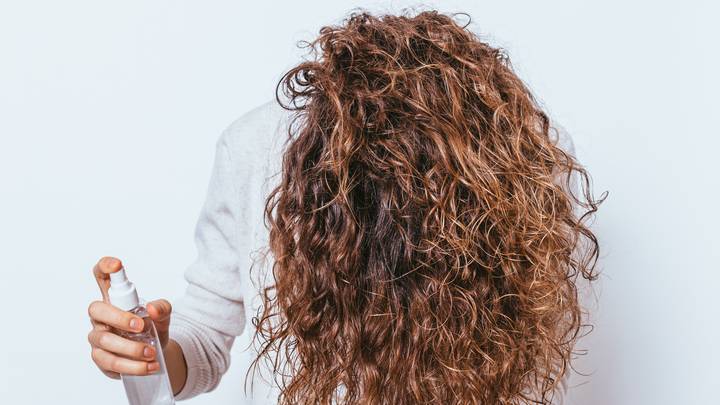
- Use a spray bottle: For low porosity hair, mist with warm water before applying leave-ins or deep conditioners.
- Massage products in: Gently massage the product into the hair and scalp. This helps with even distribution and absorption.
- Let products sit: Give deep conditioners at least 15-30 minutes to work, especially when using heat.
- Rinse with cool water: After conditioning, use cool water to help close the cuticle and lock in moisture.
Advanced tip: Some people use the “greenhouse effect” (wearing a plastic cap overnight) to create a warm, humid environment that helps products penetrate deeper.
The Role Of The Environment
Your local climate can affect how your hair absorbs products:
- Humid climates: Hair absorbs moisture from the air, which can cause frizz, especially in high porosity hair.
- Dry climates: Hair loses moisture quickly, making it feel dry and brittle.
- Hard water: Minerals in hard water can coat the hair, blocking product absorption. Use a chelating shampoo or install a shower filter if you live in a hard water area.
Pro tip: Adjust your products seasonally. In winter, you may need heavier creams or oils. In summer, switch to lighter, hydrating products.
Advanced Strategies For Maximizing Product Penetration
If you want to get the most out of your hair care, try these advanced strategies:
- Pre-poo Treatments: Apply a lightweight oil or conditioner before shampooing. This protects the cuticle and helps with detangling, especially for high porosity hair.
- Layering Techniques: For high porosity hair, use the LOC (Liquid, Oil, Cream) or LCO (Liquid, Cream, Oil) method to seal in moisture.
- Protein-Moisture Balance: Alternate between protein and moisture treatments. Too much of either can cause problems. Listen to your hair—if it feels mushy, add protein; if it feels stiff, add moisture.
- Steam Treatments: Use a hair steamer or sit in a warm, humid bathroom to help products absorb deeper.
- PH Balancing Sprays: Use a pH-balanced spray (around 4.5–5.5) after washing to help close the cuticle and lock in benefits.
Scientific Studies On Hair Porosity And Absorption
Research has shown that hair porosity greatly affects how well hair can absorb water and other substances. For example, a study in the *International Journal of Cosmetic Science* found that bleached (high porosity) hair absorbs water up to 50% faster than untreated hair, but also loses it much more quickly.
Another study showed that hydrolyzed proteins can penetrate deeper into the cortex in high porosity hair, helping to repair damage from the inside.
For those interested in the science, more can be read at the National Institutes of Health.
Signs You’re Using The Wrong Products For Your Porosity
It can take some trial and error to find the best routine, but watch for these warning signs:
- Low porosity hair: Products sit on top, hair feels greasy or weighed down, lacks volume.
- High porosity hair: Hair feels dry or rough even after moisturizing, tangles easily, breaks off.
- Medium porosity hair: Usually easy to manage, but if hair suddenly changes texture, reassess your routine.
Non-obvious tip: If your hair suddenly stops responding to your usual products, check if your porosity has changed due to coloring, heat, or environmental factors.
Credit: theorganibrands.com
How To Build A Porosity-friendly Hair Routine
Here’s a sample routine for each porosity type:
Low Porosity Routine
- Clarify once a month
- Use lightweight leave-in conditioners
- Deep condition with heat every 2 weeks
- Rinse with cool water
- Limit heavy oils and butters
Medium Porosity Routine
- Alternate between moisturizing and strengthening treatments
- Use regular conditioners and leave-ins
- Deep condition once a week
- Use light oils as needed
High Porosity Routine
- Use sulfate-free, gentle cleansers
- Apply leave-ins and heavy creams or butters
- Seal with oil after moisturizing
- Deep condition weekly with protein treatments
- Avoid harsh heat and chemicals
Mistakes To Avoid When Caring For Different Porosity Types
- Overusing heavy products on low porosity hair: Leads to buildup and dullness.
- Skipping sealing on high porosity hair: Causes fast moisture loss.
- Not clarifying: Buildup prevents products from working.
- Ignoring protein-moisture balance: Too much protein causes stiffness; too much moisture causes mushiness.
- Assuming porosity never changes: Always check after big changes.
Common beginner error: Many people copy routines from others without understanding their own hair’s porosity. Always start with your unique hair needs.
Credit: plantin.alibaba.com
Frequently Asked Questions
What Is Hair Porosity In Simple Terms?
Hair porosity is how easily your hair can absorb and keep moisture or products. It depends on how open or closed the outer layer of your hair is.
Can Hair Porosity Change Over Time?
Yes, porosity can change due to coloring, heat styling, weather, or product use. Always re-test if your hair feels different or after big changes.
How Do I Fix High Porosity Hair?
Focus on sealing in moisture with heavy creams and oils, use protein treatments to repair damage, and avoid harsh chemicals or heat. Regular deep conditioning helps a lot.
Are Certain Oils Better For Different Porosity Types?
Yes. Light oils like argan or jojoba work better for low porosity hair. Heavier oils like castor or coconut are good for high porosity hair because they help seal in moisture.
Why Do Some Products Work For My Friend But Not For Me?
Likely because you have different hair porosity. The same product can sit on top of one person’s hair but soak in for another. Always choose products based on your own porosity, not someone else’s routine.
The science of hair porosity and product penetration is the secret behind truly healthy hair. By understanding your hair’s unique structure, you can pick the right products, avoid common mistakes, and finally get results that last. Take the time to test your porosity, adjust your routine, and your hair will thank you—with more shine, softness, and strength than ever before.