

When you think about stress relief, your mind probably goes to yoga mats or calming teas. But have you ever thought about stress on your skin? Modern life is full of pollution, long work hours, and little sleep. All these things can cause your skin to look dull, tired, and even speed up aging. Now, imagine if your moisturizer could help fight this stress. This is where adaptogens come in. These special plant extracts are making big waves in skincare. They promise not only to hydrate but also to help your skin handle stress better. In this article, you’ll learn how adaptogens work in moisturizers, what science says about them, and how to find the right product for you. Let’s take a closer look at how adaptogens could change your daily skincare routine.
What Are Adaptogens?
Adaptogens are natural substances—mostly from plants, herbs, and mushrooms—that help the body adapt to stress. Their use goes back thousands of years, especially in Ayurvedic and Traditional Chinese Medicine. While adaptogens are better known in teas and supplements, they are now being added to moisturizers and other skincare products.
How Adaptogens Work
These plants contain bioactive compounds that help balance the body’s systems. When used in skincare, adaptogens may:
- Help skin cells cope with environmental stress
- Reduce visible redness and irritation
- Improve the skin’s barrier function
Each adaptogen works a little differently, but the main goal is similar: to keep your skin calm and balanced even when life gets hectic.
Common Adaptogens In Skincare
Some adaptogens are especially popular in moisturizers:
- Ashwagandha
- Rhodiola Rosea
- Holy Basil (Tulsi)
- Schisandra Berry
- Reishi Mushroom
- Ginseng
- Licorice Root
Later, we’ll look at how these adaptogens work and which skin types they suit best.
Why Does Skin Get Stressed?
You might not realize how often your skin faces stress. In skincare, “stress” means any factor that weakens or damages your skin’s natural defenses. These can be:
- Environmental: UV rays, pollution, dry air
- Lifestyle: Lack of sleep, poor diet, smoking, alcohol
- Emotional: Anxiety, work pressure
All these can lead to problems like:
- Dryness and tightness
- Redness and sensitivity
- Premature aging (wrinkles, loss of firmness)
- Acne or breakouts
When your skin is stressed, its barrier weakens. This makes it hard to keep moisture in and harmful things out. Here is a quick overview of how skin stress can build up:
| Source of Stress | Common Effect on Skin | Visible Signs |
|---|---|---|
| Sun Exposure | Oxidative damage | Dark spots, fine lines |
| Pollution | Inflammation | Redness, dullness |
| Lack of Sleep | Slow repair | Puffy eyes, tired look |
| Emotional Stress | Hormone changes | Breakouts, sensitivity |
Stress isn’t just about feeling tense. Your skin can “feel” stress, too—often before you do.
How Do Adaptogens Work In Moisturizers?
Adaptogens are not magic, but they are smart. When used in moisturizers, they target the skin’s stress response. Here’s what they do:
Strengthening The Skin Barrier
A healthy skin barrier keeps moisture in and harmful things out. Adaptogens like Rhodiola and Ashwagandha help support the proteins and lipids that hold skin cells together. This means less water loss and more protection from pollution.
Calming Redness And Irritation
Some adaptogens have anti-inflammatory effects. For example, Holy Basil and Licorice Root can reduce redness, itching, and swelling. This is helpful for sensitive or irritated skin.
Fighting Free Radicals
Many adaptogens are rich in antioxidants. These molecules fight “free radicals”—unstable particles that damage skin and speed up aging. Schisandra Berry and Reishi Mushroom are especially powerful here.
Supporting Cell Repair
Stress slows down your skin’s natural repair process. Adaptogens help your cells bounce back faster, so you look refreshed even after a long day.
Balancing Oil Production
For oily or acne-prone skin, adaptogens like Ginseng can help control oil without overdrying. This can mean fewer breakouts and a more balanced look.
How Moisturizers Deliver Adaptogens
The best adaptogen-rich moisturizers use modern formulas to help these extracts reach deeper layers of the skin. Look for products that mention “encapsulation” or “time-release” technology. This means the adaptogens are protected and delivered slowly, for longer-lasting effects.
Types Of Adaptogens And Their Benefits
Let’s look closer at some popular adaptogens in moisturizers and what they can do for your skin.
Ashwagandha
Ashwagandha is known as the “King of Adaptogens.” It helps lower cortisol (the stress hormone) in the body, and when used on skin, it:
- Soothes inflammation
- Reduces visible signs of fatigue
- Protects against pollution
It’s great for tired, aging, or sensitive skin.
Rhodiola Rosea
This Arctic root is famous for fighting fatigue. On your skin, Rhodiola:
- Boosts energy in skin cells
- Fights signs of stress (like dullness)
- Helps skin recover from harsh weather
People living in cities or cold climates may find it especially useful.
Holy Basil (tulsi)
Tulsi is a superstar in Ayurvedic medicine. In moisturizers, it:
- Reduces redness and swelling
- Balances oil production
- Provides antibacterial benefits
It’s a smart choice for acne-prone or sensitive skin.
Schisandra Berry
Often used in Chinese medicine, Schisandra:
- Increases skin resilience
- Prevents collagen breakdown
- Improves texture and elasticity
This berry is ideal for mature skin or anyone worried about wrinkles.
Reishi Mushroom
Known as the “Mushroom of Immortality,” Reishi:
- Deeply hydrates
- Calms sensitivity
- Contains beta-glucans for firming
It’s excellent for dry, mature, or easily irritated skin.
Ginseng
A staple in Korean skincare, Ginseng:
- Boosts circulation
- Brightens complexion
- Supports repair
It works well for dull, uneven skin.
Licorice Root
Licorice is more than a candy flavor. In skincare, it:
- Lightens dark spots
- Calms redness
- Soothes irritation
Best for those with pigmentation or sensitive skin.
Science Behind Adaptogens In Skincare
Are adaptogens just a trend, or is there real proof they work? The answer is both. While some claims are still being studied, several adaptogens have strong science behind them.
Clinical Studies
For example, a 2017 study in the “Journal of Drugs in Dermatology” found that Rhodiola extract could reduce skin redness and increase hydration after six weeks. Another study published in “Phytotherapy Research” showed that Schisandra helped protect skin cells from UV damage.
Antioxidant Power
Many adaptogens score high in tests for antioxidant activity. Antioxidants are proven to fight visible aging and help skin recover from sun and pollution. For example, Reishi Mushroom contains triterpenoids, which fight oxidative stress.
Barrier Support
Research shows that Ashwagandha and Ginseng can help build stronger skin barriers. This means better protection and less water loss.
Real-world Results
While more studies are needed, people who use adaptogen-rich moisturizers often report:
- Softer, more even skin
- Less redness and irritation
- Fewer dry patches
Some dermatologists now recommend adaptogens for people with sensitive or “reactive” skin.
How To Choose An Adaptogen Moisturizer
With so many choices, finding the right adaptogen moisturizer can feel overwhelming. Here’s how to make a smart choice.
1. Know Your Skin Type
- Dry skin: Look for Reishi Mushroom or Ashwagandha
- Oily skin: Try Holy Basil or Ginseng
- Sensitive skin: Go for Licorice Root or Schisandra
- Aging skin: Choose Schisandra or Ginseng
2. Check The Ingredients List
Adaptogens should be listed high up in the ingredients, not at the very end. Watch for words like “extract,” “powder,” or “ferment. ”
3. Avoid Harsh Additives
Some moisturizers contain strong fragrances or alcohol, which can undo the benefits of adaptogens. Choose products that are fragrance-free or hypoallergenic if your skin is sensitive.
4. Look For Supporting Ingredients
Adaptogens work even better with other gentle ingredients:
- Ceramides for barrier support
- Hyaluronic acid for hydration
- Niacinamide for brightening
5. Consider Texture And Feel
Some adaptogen creams are rich and buttery, while others are light gels. Pick the texture that matches your skin’s needs and your climate.
6. Choose Reputable Brands
Look for brands that back up their claims with testing and clear ingredient lists. Avoid “miracle” creams without real adaptogens.

Credit: www.walmart.com
How To Use Adaptogen Moisturizers For Best Results
Using a good moisturizer is only half the battle. Here’s how to get the most out of your adaptogen cream.
Cleanse First
Always apply moisturizer to clean skin. This helps adaptogens absorb better and keeps your skin free from dirt.
Apply While Damp
For extra hydration, put on your moisturizer while your skin is still slightly damp after cleansing.
Use The Right Amount
A pea-sized amount is enough for the whole face. Too much can clog pores, especially with rich creams.
Layer Smartly
If you use serums or sunscreen, apply your adaptogen moisturizer after serums but before sunscreen. This helps seal in moisture.
Be Consistent
Adaptogens work best over time. Use your moisturizer daily for at least 4-6 weeks to see real results.
Watch For Reactions
While adaptogens are usually gentle, everyone’s skin is different. If you see redness, itching, or breakouts, try a different formula.
Adaptogens Vs. Traditional Moisturizers
Is there a big difference between adaptogen-rich moisturizers and regular ones? Here’s a side-by-side look.
| Feature | Traditional Moisturizer | Adaptogen Moisturizer |
|---|---|---|
| Main Function | Hydrates skin | Hydrates + helps fight stress |
| Ingredients | Oils, butters, humectants | Oils, butters, humectants + adaptogen extracts |
| Redness Relief | Sometimes | Often (from anti-inflammatory adaptogens) |
| Antioxidants | Vitamins (C, E) | Vitamins + plant antioxidants |
| Suitability for Sensitive Skin | Varies | Usually higher (gentle adaptogens) |
| Extra Benefits | Basic hydration | Stress protection, repair, soothing |
The big advantage: adaptogen moisturizers do more than just hydrate—they help your skin handle today’s busy, polluted world.

Credit: www.amazon.com
Who Should Use Adaptogen Moisturizers?
Adaptogens are safe for most people, but they can be especially helpful for:
- City dwellers exposed to pollution
- People with sensitive, easily irritated skin
- Anyone with dry, aging, or tired-looking skin
- Those who want more than basic hydration
If your skin rarely reacts and you only want simple moisture, a regular cream is fine. But if you want to fight redness, dullness, or environmental stress, adaptogens are worth a try.
Popular Adaptogen Moisturizer Ingredients Explained
Some adaptogens are more common in skincare than others. Here’s how the top ones work and when to use them.
1. Ashwagandha
Best For: Dry, Mature, Or Stressed Skin
Ashwagandha reduces inflammation and helps fight the look of fatigue. It’s also rich in antioxidants, which protect against pollution and UV damage.
2. Rhodiola Rosea
Best For: Dull Or Tired Skin
Rhodiola boosts cell energy and helps skin recover from harsh weather. It’s often found in “urban defense” creams.
3. Holy Basil (tulsi)
Best For: Oily Or Acne-prone Skin
Tulsi balances oil and calms breakouts. It also protects against bacteria, making it ideal for troubled skin.
4. Schisandra Berry
Best For: Aging Or Sensitive Skin
Schisandra prevents collagen loss and improves elasticity. It’s a powerful choice for mature or delicate skin.
5. Reishi Mushroom
Best For: Dry, Sensitive, Or Mature Skin
Reishi hydrates deeply and calms irritation. Its beta-glucans help firm and strengthen the skin barrier.
6. Ginseng
Best For: Dull Or Uneven Skin
Ginseng brightens and helps skin repair itself faster, giving a fresh, glowing look.
7. Licorice Root
Best For: Sensitive Or Pigmented Skin
Licorice lightens dark spots and soothes redness. It’s gentle enough for sensitive types.
Real-world Results: Before And After Adaptogen Moisturizers
Many users notice changes within a few weeks. Here’s what people often see:
- Skin feels softer and bouncier
- Redness and irritation fade
- Dullness is replaced by a healthy glow
- Dry patches become less noticeable
- Makeup goes on smoother
In a 2022 survey by a popular skincare brand, 78% of users reported calmer, less sensitive skin after four weeks of using an adaptogen moisturizer.
Non-obvious Insights About Adaptogens In Skincare
Even if you’ve read about adaptogens before, these two points may surprise you:
1. Adaptogen “synergy” Matters
Using several adaptogens together (like in a blend) can have stronger effects than using just one. Some formulas combine Ashwagandha, Holy Basil, and Schisandra for a multi-layered defense.
2. Not All Extracts Are Equal
The quality and concentration of adaptogen extracts make a big difference. For example, “full-spectrum” Reishi or “standardized” Ginseng are often more effective than basic powders. Always check how the brand sources and processes its adaptogens.
Common Myths About Adaptogen Moisturizers
It’s easy to get confused by marketing. Here are some common myths—and the truth.
Myth 1: Adaptogens Can Replace Sunscreen
False. While adaptogens can protect against pollution and repair damage, they can’t block UV rays. Always use sunscreen during the day.
Myth 2: All Adaptogen Moisturizers Are Natural
Not always. Some products mix adaptogens with synthetic chemicals. Check labels if you want a fully natural formula.
Myth 3: Adaptogens Work Overnight
No. Like most skincare, adaptogens need time—usually 4-6 weeks—to show real results.
Myth 4: Adaptogens Are Only For Young People
Wrong. They are great for all ages, especially for mature skin that needs extra support.
How To Tell If Your Skin Is Stressed
Not sure if your skin is stressed? Look for these signs:
- Sudden redness or bumps after a long day
- Dryness even when you use moisturizer
- Skin looks dull or “tired”
- New fine lines or sagging
- Makeup doesn’t sit well
If you notice these, an adaptogen moisturizer might help bring your skin back into balance.
Combining Adaptogen Moisturizers With Other Skincare Products
You don’t have to give up your favorite products. Adaptogen moisturizers work well with:
- Gentle cleansers: For a clean base
- Serums: Vitamin C, hyaluronic acid, or niacinamide serums can boost results
- Sunscreen: Always finish with sunscreen in the morning
Avoid harsh exfoliants or acids at the same time, as these can irritate the skin and reduce the calming effects of adaptogens.
Adaptogen Moisturizer Routine Example
Here’s a simple routine for morning and night:
Morning
- Cleanse with a gentle face wash
- Apply a hydrating serum (optional)
- Massage in your adaptogen moisturizer
- Finish with sunscreen
Night
- Cleanse to remove the day’s dirt
- Apply a nourishing serum (optional)
- Use adaptogen moisturizer as your last step
Consistency is key for results.
Are Adaptogen Moisturizers Safe?
Most adaptogen extracts are gentle and well-tolerated. However, a few tips:
- If you have allergies to plants or mushrooms, check the label carefully
- Patch test before using a new product on your whole face
- Pregnant or breastfeeding? Ask your doctor before using products with herbal extracts
If you have a skin condition like eczema or rosacea, talk to a dermatologist before trying new ingredients.
How To Store Adaptogen Moisturizers
To keep adaptogens active and fresh:
- Store in a cool, dry place—away from sunlight
- Close lids tightly after use
- Don’t dip fingers directly into jars; use a clean spatula or pump
Adaptogens can break down in heat or light, so proper storage matters.
Comparing Popular Adaptogen Moisturizer Brands
Here’s a quick look at how some top brands use adaptogens:
| Brand | Main Adaptogens | Texture | Skin Type |
|---|---|---|---|
| Youth To The People Adaptogen Cream | Ashwagandha, Reishi, Rhodiola | Cream | All, especially dry/sensitive |
| Herbivore Pink Cloud Jelly | Holy Basil, Tremella Mushroom | Gel | Normal to oily |
| Dr. Andrew Weil for Origins Mega-Mushroom | Reishi, Chaga, Cordyceps | Lotion | Sensitive, redness-prone |
| Glow Recipe Banana Soufflé | Magnesium, Cica, Turmeric | Light cream | Normal to combination |
This shows how different formulas and adaptogen blends suit different needs.
Environmental Impact Of Adaptogen-based Skincare
Many brands are focusing on sustainable harvesting of adaptogens. This means:
- Using organic farming
- Supporting local communities
- Avoiding over-harvesting wild plants
Choosing brands that are transparent about their sourcing helps protect the environment and ensures you get high-quality adaptogens.
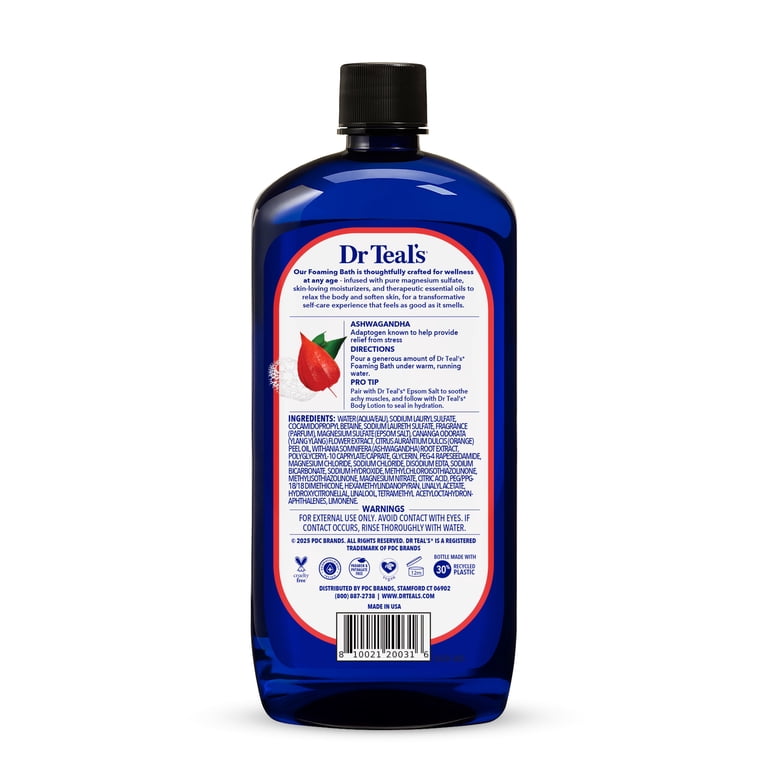
Credit: www.walmart.com
How To Spot Fake Or Low-quality Adaptogen Creams
With the rise in popularity, some brands use tiny amounts of adaptogens just for marketing. Here’s how to tell if a product is real:
- Check the ingredient list: Real adaptogens should be in the first 10 ingredients
- Look for clinical testing: Good brands share their research or testing results
- Read reviews: See what other users say about effectiveness
If a cream is very cheap but claims “miracle” adaptogen results, be careful—it may not have enough real extract to make a difference.
The Future Of Adaptogens In Skincare
The interest in adaptogen skincare is only growing. Experts predict:
- More powerful blends, mixing several adaptogens for stronger effects
- Better delivery systems, like microencapsulation, to get adaptogens deeper into skin
- New adaptogens from around the world, such as Cordyceps or Maca Root
Science is catching up with tradition, and soon, adaptogen moisturizers may become as common as vitamin C serums.
Where To Learn More
If you want to dive deeper into the science of adaptogens, check out this review of adaptogens in dermatology for more details on clinical studies and safety.
Frequently Asked Questions
What Are Adaptogens In Moisturizers?
Adaptogens are plant or mushroom extracts that help the skin adapt to stress, reduce inflammation, and protect against damage from pollution and daily life. In moisturizers, they support skin balance and resilience.
Are Adaptogen Moisturizers Good For Sensitive Skin?
Yes, most adaptogen moisturizers are gentle and soothing. Ingredients like Licorice Root, Schisandra, and Reishi are especially good for calming redness and irritation.
How Long Does It Take To See Results From Adaptogen Moisturizers?
Most people notice changes in 4 to 6 weeks of daily use. Improvements include less redness, softer skin, and a healthier glow.
Can I Use Adaptogen Moisturizers With Other Skincare Products?
Absolutely. Adaptogen moisturizers can be layered with serums, sunscreen, and gentle cleansers. Avoid using with strong acids or retinoids at the same time to prevent irritation.
Are Adaptogen Moisturizers Safe During Pregnancy?
Most adaptogens are safe, but some herbs or mushrooms may not be recommended during pregnancy. Always check with your doctor before trying new skincare products when pregnant or breastfeeding.
Your skin faces stress every day, but modern moisturizers with adaptogens can help restore balance and calm. By understanding what adaptogens are, how they work, and how to choose the right formula, you can give your skin the stress relief it needs—right from your daily routine.