

If you are noticing your hair becoming thinner, weaker, or less vibrant as you age, you are not alone. Many people experience hair aging, which includes slower growth, increased shedding, and loss of shine. While genetics and lifestyle play a big role, certain nutrients can help strengthen and revitalize aging hair. Three of the most popular supplements for this purpose are biotin, collagen, and silica. But how do they really compare? Which one is best for you? Let’s take a closer look at these supplements, understand how they work, and see how they stack up for aging hair.
Understanding Aging Hair
Aging hair is more than just gray strands. As people get older, their hair often becomes:
- Thinner: Each strand may become finer, and overall density decreases.
- More brittle: Hair breaks easily and feels rough.
- Drier: Natural oils decrease, leading to dryness and frizz.
- Slower growing: Hair growth rate drops, and shedding increases.
Why does this happen? Some main causes include:
- Hormonal changes, especially after age 40.
- Lower production of keratin and collagen.
- Reduced blood flow to scalp.
- Stress, poor nutrition, and environmental damage.
The hair follicle itself also becomes less active with age. This means that even if you use the same shampoo or styling products as before, your hair may not respond the same way. The scalp can also become less elastic and drier, which can make hair look and feel less healthy.
Hair aging is a natural process, but you can slow it down and improve hair strength by taking care of your nutrition and choosing the right supplements. It’s important to understand that while you cannot stop the aging process, you can support your hair’s natural growth cycles and structure.
Hair that is well-nourished from the inside is less likely to split, break, or become dull.
It’s also worth noting that external factors like pollution, frequent hair coloring, and harsh styling tools can speed up the aging process. Protecting your hair from these factors is just as important as internal care.
Biotin: The B-vitamin For Hair Growth
Biotin, also known as Vitamin B7, is a water-soluble vitamin that helps your body convert food into energy. It is often called the “hair vitamin” because of its role in hair health.
How Biotin Works
Biotin helps produce keratin, the main protein in hair. Without enough biotin, hair may become weak, brittle, and thin. Biotin supports healthy scalp and follicles, which are important for new hair growth.
Biotin is also involved in the metabolism of amino acids, the building blocks of protein. This means that if you don’t have enough biotin, your hair may not be able to make strong keratin fibers. In addition, biotin helps keep the scalp healthy by supporting oil gland function.
A healthy scalp environment is crucial for hair to grow well.
Benefits For Aging Hair
- Strengthens hair: Helps reinforce keratin structure.
- Reduces hair loss: May support thicker, fuller hair.
- Improves texture: Can make hair look smoother and shinier.
Some people notice that their nails also become stronger and less likely to split when they take biotin, which is another sign of its effect on keratin production.
Scientific Evidence
Studies show that biotin deficiency can cause hair thinning. In one study, women with thinning hair saw improvement after taking biotin for 90 days. However, biotin is most effective if you are low in it to start.
Biotin deficiency is rare but can happen in people who eat a lot of raw egg whites (which contain avidin, a protein that binds biotin and prevents its absorption), or those with certain digestive disorders. If your hair thinning is due to a lack of biotin, a supplement can make a big difference.
It’s also important to understand that if your hair problems are not caused by a biotin deficiency, you may not see dramatic results. Most studies find that people with normal biotin levels do not benefit as much from extra supplementation.
Recommended Dosage
Most supplements contain 2,500 to 10,000 mcg of biotin per day. The safe upper limit is not well defined, but this range is commonly used for hair support. For most adults, even the higher end of this range is considered safe for short-term use.
If you are getting biotin from food, you might consume about 30–100 mcg per day, which is enough for basic health, but supplements use higher doses for targeted hair support.
Side Effects
Biotin is safe for most people. Rarely, high doses may cause skin rashes or digestive upset.
Some people also report mild acne breakouts when taking very high doses. Biotin can also interfere with certain lab tests, such as thyroid hormone levels, so it’s important to tell your doctor if you are taking biotin before any blood work.
Non-obvious Insight
Many people think more biotin means better results, but excess biotin does not provide extra benefit unless you have a deficiency. It’s best to check your biotin levels or consult a doctor.
Another lesser-known fact is that your body does not store biotin. This means you need a steady daily intake to maintain optimal levels. Skipping doses or taking biotin only occasionally will not give you the same benefits as regular use.

Credit: www.amazon.com
Collagen: The Structural Protein For Hair And Skin
Collagen is the most abundant protein in the human body. It forms the structure of skin, bones, and hair. As we age, collagen production drops, leading to weaker hair and skin.
How Collagen Works
Collagen provides strength and elasticity to the scalp and hair follicles. It contains amino acids like proline and glycine that are key for creating new hair.
Collagen’s role in hair is not just about the hair strand itself. The connective tissue around the hair follicle also relies on collagen for support and flexibility. When collagen levels drop, hair roots can become less stable, and the scalp can become loose or saggy, which impacts hair growth.
Benefits For Aging Hair
- Improves hair thickness: Supports stronger hair roots.
- Boosts scalp health: Maintains elasticity and moisture.
- Reduces breakage: Provides structure to hair shaft.
People often notice that after starting collagen supplements, their hair feels fuller and has more “bounce. ” Collagen can also help the skin on the scalp stay hydrated, which is important for healthy follicles.
Scientific Evidence
Research shows that collagen supplements can increase skin hydration and elasticity. Some studies suggest collagen may reduce hair breakage and support growth, though more research is needed.
For example, a study in women aged 35–55 found that collagen peptides improved skin elasticity and moisture. While the direct link to hair is still being studied, healthier skin on the scalp can create a better environment for hair to grow.
Animal studies have also shown that collagen peptides can increase the size and activity of hair follicles, suggesting a possible benefit for humans as well.
Recommended Dosage
Typical dosage is 2. 5 to 10 grams per day. Collagen supplements come as powders, capsules, or drinks.
Hydrolyzed collagen (collagen peptides) is broken down into smaller units that are easier for your body to absorb. Many people prefer collagen powders because they dissolve easily into hot or cold drinks.
Side Effects
Collagen is usually safe. Some people may experience mild digestive symptoms.
These can include bloating, a feeling of fullness, or mild stomach upset. Most people find these symptoms go away as their body adjusts.
Non-obvious Insight
Collagen absorption depends on your digestive health. Hydrolyzed collagen (broken down into smaller peptides) is more easily absorbed.
Also, vitamin C helps your body use collagen more effectively. If you are taking collagen supplements, adding vitamin C-rich foods like oranges, strawberries, or bell peppers can boost the benefits.
Silica: The Mineral For Hair Strength
Silica, also called silicon dioxide, is a trace mineral found in plants and some foods. It is important for hair strength and elasticity.
How Silica Works
Silica helps form collagen and promotes healthy connective tissue. It is essential for hair’s structure and shine.
Silica also helps transport nutrients to the scalp and follicles, ensuring that new hair gets the building blocks it needs. Healthy connective tissue means the hair root is better anchored in the scalp, reducing the chance of early shedding.
Benefits For Aging Hair
- Strengthens hair shaft: Makes hair less prone to breakage.
- Improves shine: Helps hair reflect light better.
- Supports hair growth: Stimulates follicle activity.
People who use silica supplements often notice their hair feels smoother and more flexible, which can make it easier to style and less likely to break.
Scientific Evidence
Some studies show that silica supplementation increases hair thickness and reduces hair loss. In one trial, women taking silica saw improved hair elasticity and shine after 6 months.
Although more research is needed, the existing studies suggest that silica can be especially helpful for people whose hair is fragile or has lost its shine with age.
Recommended Dosage
Most supplements contain 5 to 20 mg per day. Higher doses should be used with caution.
It’s best to start at the lower end of the range and increase only if needed. Silica is also present in some multivitamins and herbal extracts, such as bamboo or horsetail.
Side Effects
Silica is safe at low doses. High doses may cause kidney problems, so stick to recommended amounts.
If you have any kidney issues or are taking medications that affect the kidneys, check with your doctor before using silica supplements.
Non-obvious Insight
Natural sources of silica (like bamboo extract) may be better absorbed than synthetic forms.
Another point often missed is that many “hair, skin, and nail” formulas combine silica with other minerals, such as zinc and selenium, which work together to support hair health.
Comparing Biotin, Collagen, And Silica: Key Differences
To help you see how these supplements compare, here’s a detailed look at their main features for aging hair.
| Supplement | Main Benefit | How It Works | Best For | Typical Dosage | Possible Side Effects |
|---|---|---|---|---|---|
| Biotin | Strengthens hair and supports growth | Boosts keratin production | Thin, brittle hair | 2,500–10,000 mcg/day | Rare: skin rash, digestive upset |
| Collagen | Improves thickness and reduces breakage | Provides structural amino acids | Weak, fragile hair | 2.5–10 g/day | Mild: digestive symptoms |
| Silica | Strengthens shaft and adds shine | Supports collagen formation | Dull, lackluster hair | 5–20 mg/day | Rare: kidney issues (high dose) |
It’s also helpful to remember that these supplements address different “weak spots” in aging hair. Biotin targets the protein structure, collagen supports the base and scalp, and silica helps the hair keep its strength and shine.
Who Needs These Supplements?
Not everyone needs biotin, collagen, or silica. Here’s how to decide:
- Biotin: If you notice thinning or brittle hair and have a poor diet, biotin may help. It is especially useful for those with biotin deficiency, which is rare but possible.
- Collagen: If your hair is weak, breaks easily, or your skin is losing elasticity, collagen can be a good choice. It is ideal for people over 40, when natural collagen production drops.
- Silica: If your hair is dull, lacks shine, or you want extra strength, silica could be beneficial. It’s also good for those seeking overall connective tissue health.
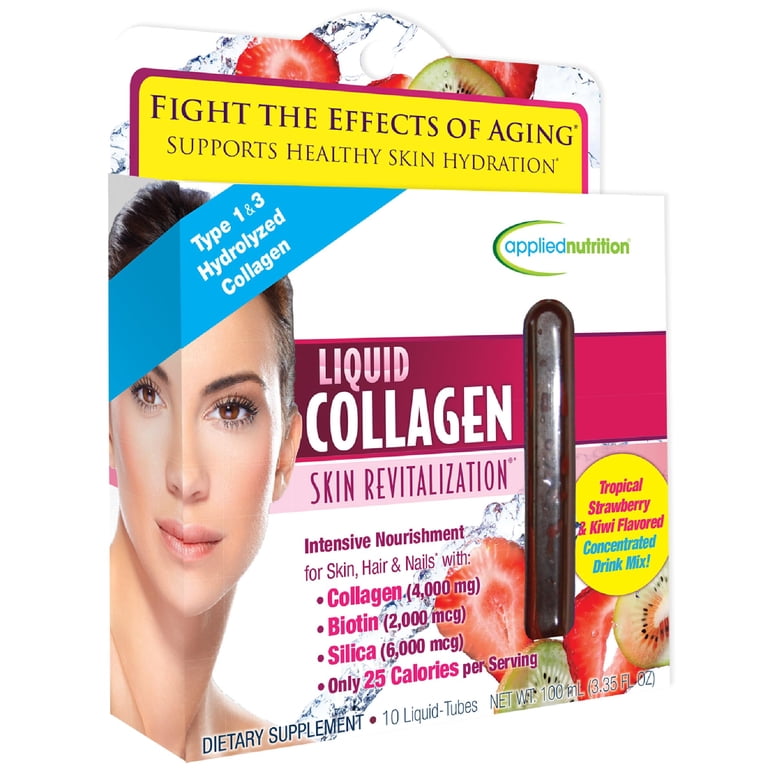
Sometimes, people choose a combination supplement that contains all three nutrients. This can be convenient, but make sure the dosages are right for your needs.
For people who have had surgeries or illnesses that affected their digestion or nutrient absorption, supplementing with these nutrients can help rebuild hair quality over time.
Credit: www.walmart.com
How Aging Affects Supplement Needs
Hair changes with age, and so do nutritional needs. After age 40, your body produces less keratin and collagen, and absorbs minerals less efficiently. This means:
- Older adults may benefit more from collagen and silica.
- Women post-menopause often see hair thinning and may need biotin if their diet is lacking.
In addition to age, factors like stress, sleep, and medication use can affect how well your body uses these nutrients. For example, people taking certain antibiotics or anti-seizure drugs can have lower biotin levels.
It’s important to remember that supplements work best when combined with a healthy diet and good hair care habits. If you rely only on supplements but continue to eat poorly or use harsh hair treatments, your results will be limited.
Aging also slows down hair’s growth cycle, so it may take longer to see results from supplements than it would for younger people.
Real-life Examples
Let’s look at some practical situations:
- Maria, age 52, noticed her hair thinning after menopause. She started a biotin supplement, improved her diet, and saw fuller hair in 3 months.
- David, age 47, had weak, breaking hair and dry skin. He began taking hydrolyzed collagen and noticed his hair felt thicker and less brittle after 4 months.
- Priya, age 63, wanted shinier hair. She added bamboo silica to her routine and within 6 months, her hair looked brighter and felt stronger.
Another example: Linda, age 60, had always used hair dye and heat styling tools. After her hair became frizzy and broke easily, she switched to a collagen supplement and reduced her use of hot tools. Over several months, she noticed less breakage and her hair color looked fresher.
These stories show that the right supplement can make a difference, but patience and consistency are key. Results depend on the cause of your hair issues, your age, and your overall health.
Choosing The Right Supplement For Aging Hair
With so many options, how do you pick the best supplement? Here are some tips:
- Check your symptoms: Are you dealing with thinning, breakage, or lack of shine?
- Review your diet: Are you eating enough protein, fruits, and veggies? If not, supplements may help.
- Consult a doctor: If you have medical conditions or take medication, talk to your doctor before starting any supplement.
- Look for quality: Choose supplements from reputable brands, and check for third-party testing.
Think about your personal habits. If you dislike swallowing pills, a powder or drink may be easier. If you travel a lot, capsules are more portable.
Factors To Consider
- Ingredients: Pure biotin, hydrolyzed collagen, and natural silica sources are best.
- Form: Capsules, powders, and drinks are all available. Pick what suits your lifestyle.
- Price: Higher price does not always mean better quality. Compare ingredients and reviews.
It’s also helpful to check if the supplement includes extra ingredients, such as vitamin C (which helps collagen) or zinc (which supports hair growth).
Common Buyer Mistakes
- Taking too high a dose, thinking it speeds up results.
- Mixing multiple supplements without checking interactions.
- Not giving supplements enough time (results often take 3-6 months).
Some people also forget to check for allergens or fillers in their supplements. Always read the label carefully.
Supplement Synergy: Can You Take Them Together?
Many people ask if they can combine biotin, collagen, and silica for maximum benefit. The answer is yes, but it’s important to use safe doses and watch for side effects.
- Biotin and collagen can be taken together. Biotin helps keratin, and collagen provides building blocks.
- Silica and collagen work well together, since silica helps your body use collagen.
But avoid taking too much of any supplement. For best results, start with one, observe changes, then add another if needed.
Taking all three together may have a “synergy” effect, but it is better to introduce them one at a time and monitor your hair’s response. If you notice any side effects, reduce the dose or stop one supplement at a time to identify the cause.
Popular Supplement Brands: What To Expect
Here are some well-known brands offering biotin, collagen, and silica supplements for aging hair:
- Biotin: Nature’s Bounty, Sports Research, Solgar
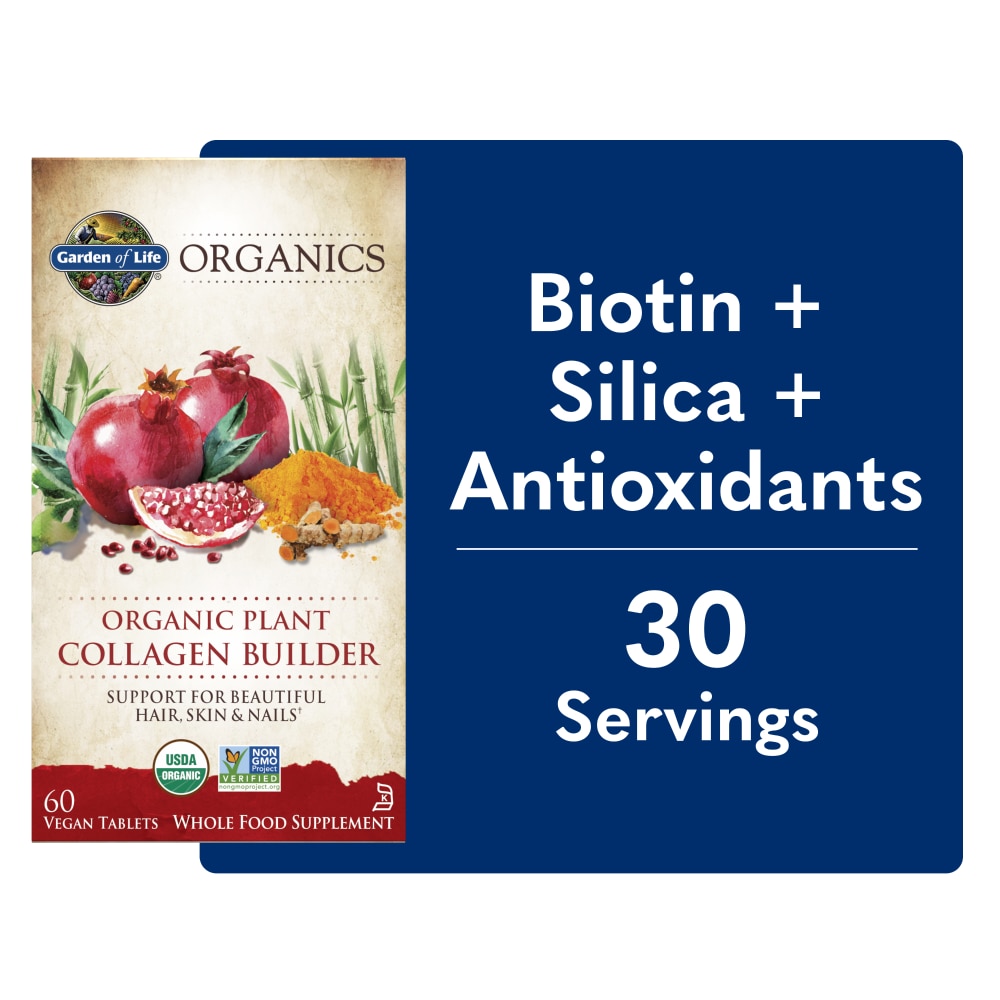
- Collagen: Vital Proteins, NeoCell, Garden of Life
- Silica: Swanson, NOW Foods, Bamboo Extract by Herb Pharm
These brands are known for quality and transparency. Always check labels for purity and fillers.
Some brands also combine these ingredients with others like vitamin E or hyaluronic acid for extra benefits. Read customer reviews to see how others with similar hair concerns have responded.
Comparing Supplement Forms: Capsules, Powders, Drinks
Supplements come in different forms. Each has pros and cons:
| Form | Advantages | Disadvantages | Best For |
|---|---|---|---|
| Capsules | Convenient, precise dosage, easy to carry | May contain fillers, slower absorption | Busy lifestyles |
| Powders | Mix into drinks, flexible dosage | Can taste bad, less portable | Those who prefer drinks |
| Drinks | Easy to consume, fast absorption | Higher cost, limited flavors | People who dislike pills |
Some people find that mixing collagen powder into coffee or smoothies is an easy way to remember their daily dose. Silica is often found in liquid drops, which can be added to water or juice.
Credit: www.smithsfoodanddrug.com
Food Sources Vs Supplements
You can get biotin, collagen, and silica from food, but it’s often not enough for aging hair.
- Biotin: Eggs, nuts, sweet potatoes, spinach
- Collagen: Bone broth, fish, chicken skin
- Silica: Bananas, oats, brown rice, bamboo shoots
Cooking and food processing can destroy some of these nutrients, especially biotin. For collagen, the best food source is homemade bone broth, but most people do not eat this often.
If you eat a balanced diet, you may get enough. But supplements make it easier to reach optimal levels for hair health.
Also, while food sources are always best, supplements offer a concentrated dose that’s more reliable, especially for people with digestive issues or limited diets.
How Long Until You See Results?
Supplements for hair do not work overnight. It usually takes:
- Biotin: 3–6 months for visible thickness and growth
- Collagen: 2–4 months for stronger, less brittle hair
- Silica: 4–6 months for improved shine and elasticity
Consistency is key. Many people quit early because they expect instant results.
It’s also normal for hair to shed more at first when starting a new supplement, as old hairs fall out and new growth begins. This is called “shedding phase” and is usually temporary.
Age-related Hair Supplement Myths
Let’s clear up some common myths:
- Myth: Taking high doses speeds up hair growth.
- Fact: Only recommended doses work. Excess can cause side effects.
- Myth: You must use all three supplements for results.
- Fact: One supplement may be enough, depending on your needs.
- Myth: Supplements alone reverse hair aging.
- Fact: They help, but a healthy diet, stress control, and good hair care are essential.
Another common myth is that men and women need different supplements for aging hair. In reality, the nutrients needed for strong hair are the same, though women may experience more hormone-related changes.
Hair Care Tips To Boost Supplement Results
For best results, combine supplements with smart hair care. Here are some tips:
- Avoid harsh shampoos and chemicals.
- Massage your scalp to improve blood flow.
- Trim hair regularly to prevent split ends.
- Protect hair from sun and heat styling.
- Eat a balanced diet with protein, vitamins, and minerals.
Choose a gentle, sulfate-free shampoo and avoid washing hair with very hot water. Consider wearing a hat in strong sunlight or using a leave-in conditioner with UV protection.
A tip many people miss: always detangle hair gently, starting from the ends and working up to the roots. This reduces breakage and split ends.
Risks And Precautions
Supplements are not risk-free. Here’s what to watch for:
- Allergic reactions: Some people may react to ingredients.
- Drug interactions: Supplements can affect medication. Always check with your doctor.
- Quality issues: Low-quality supplements may contain contaminants.
If you are pregnant, breastfeeding, or have a chronic illness, consult your healthcare provider before starting any new supplement.
Be cautious with online purchases. Buy from reputable sources to avoid counterfeit products.
Clinical Research And Findings
While many people use these supplements, clinical research is still growing. Here are some findings:
- Biotin: Effective for hair growth in people with deficiency, less clear for others.
- Collagen: Shown to improve skin elasticity, may help hair thickness.
- Silica: Supports hair strength and shine, but more studies are needed.
A review by the National Institutes of Health confirms that biotin, collagen, and silica are safe for most people when used as directed (NIH Biotin Fact Sheet).
Researchers agree that supplements should be used alongside a healthy lifestyle for best results. Hair growth is a slow process, so clinical trials often run for 6 months or longer.
Comparing Cost And Value
Supplements range in price. Here’s a quick comparison:
| Supplement | Average Cost (Monthly) | Value for Money |
|---|---|---|
| Biotin | $10–$20 | Good for basic hair health |
| Collagen | $25–$50 | Best for overall hair and skin |
| Silica | $15–$30 | Great for shine and strength |
Some brands offer combination formulas that include all three nutrients, which can be cost-effective if you want to try more than one.
It’s smart to start with one supplement, see how your hair responds, then add another if needed.
Supplement Quality: What To Look For
Not all supplements are equal. Choose products with:
- Third-party testing
- Clear ingredient labels
- No artificial colors or fillers
- Positive customer reviews
Avoid products with hidden ingredients or exaggerated claims.
It’s also a good idea to check the expiration date and storage instructions. Some supplements, like collagen powder, should be kept away from heat and moisture.
When To Seek Professional Help
If you notice sudden hair loss, scalp pain, or other symptoms, consult a dermatologist. Some hair issues are caused by medical conditions that require treatment.
Conditions such as thyroid disorders, iron deficiency, or autoimmune diseases can lead to hair loss that won’t improve with supplements alone. Early medical advice can help you find the real cause and correct treatment.
Frequently Asked Questions
What Is The Best Supplement For Aging Hair?
There is no one “best” supplement. Biotin helps if you have thinning or brittle hair, collagen is ideal for weak or breaking hair, and silica improves shine and strength. Your choice depends on your hair’s needs and your diet.
Can I Take Biotin, Collagen, And Silica Together?
Yes, you can combine these supplements. They work well together if you use safe doses and watch for any side effects. Start with one, then add others if needed.
How Long Does It Take For Supplements To Improve Hair?
Most people see visible improvement after 3–6 months of consistent use. Hair grows slowly, so patience is important. Results vary based on your age, diet, and hair health.
Are Supplements Safe For Everyone?
Supplements are safe for most people when used as directed. Always check with your doctor if you have health conditions, allergies, or take medication. Watch for any side effects.
Do I Need Supplements If I Eat A Healthy Diet?
If you eat a balanced diet with enough protein, vitamins, and minerals, you may not need supplements. But many people find it easier to get optimal levels for hair health from supplements, especially as they age.
Final Thoughts
Aging hair is a common challenge, but you can take steps to make your hair stronger, fuller, and shinier. Biotin, collagen, and silica are three of the most popular supplements for aging hair. Each offers unique benefits, and your choice depends on your needs and lifestyle.
Remember, supplements work best when combined with a healthy diet, smart hair care, and patience. Start with one supplement, observe how your hair responds, and add others if needed. Always choose quality products and consult your doctor if you have concerns.
With the right approach, you can revitalize your aging hair and feel confident at any age. Healthy hair is possible, even as you get older—so take care, stay consistent, and give your hair the support it needs for the years ahead.