

Every new mother hopes for healthy, glowing skin and thick hair after childbirth. But for many, the mirror tells a different story: hair thinning, patches of scalp showing, and locks that once felt strong now seem lifeless. This sudden change can be surprising and even alarming. One hidden reason is often B12 deficiency—a common but overlooked cause of postpartum hair thinning. Understanding the link between B12 levels and hair health after pregnancy can make all the difference in recovery, confidence, and overall well-being.
This guide will explain how B12 deficiency and postpartum hair thinning are connected, what symptoms to watch out for, and—most importantly—what solutions actually work. We’ll break down the science in simple language, share practical steps, and address the 12 key points you need to know.
If you’re struggling with hair loss after childbirth, or you want to prevent it, this article is for you.
The Connection Between B12 Deficiency And Postpartum Hair Thinning
Pregnancy and childbirth put a lot of stress on the body. After delivery, hormones shift, iron stores drop, and new mothers often feel exhausted. But not everyone realizes that Vitamin B12 also plays a major role in how your body functions, especially for energy, nerves, and making healthy red blood cells. When B12 runs low, it can lead to a range of problems—including hair loss.
Why B12 Matters For Hair Growth
B12 is essential for making DNA and new cells. Hair follicles need a lot of energy and healthy cells to keep growing. When you don’t have enough B12, your body may “pause” hair growth to save energy for vital organs. Over time, this leads to thinner hair, more shedding, and slower regrowth.
Postpartum: A High-risk Time For B12 Deficiency
New mothers are at higher risk for B12 deficiency because:
- Blood loss during delivery reduces B12 stores.
- Breastfeeding increases the body’s nutrient needs.
- Many women have less appetite or poor diet after birth.
- Some have digestive issues that reduce B12 absorption.
This is why postpartum hair thinning is so common—and why checking B12 levels is a smart first step if you’re losing hair.
12 Key Symptoms And Solutions For B12 Deficiency And Postpartum Hair Thinning
Let’s break down the 12 most important symptoms and solutions, one by one, so you know exactly what to look for and how to act.
1. Sudden Hair Shedding
One of the earliest signs is sudden hair shedding. You may notice clumps in the shower drain, more hair on your pillow, or thinning at the crown. This is called telogen effluvium, a condition where stress or nutrient shortages push hairs to fall out faster than normal.
What To Do
- Don’t panic—this phase is usually temporary if you fix the root cause.
- Check your B12 levels with a blood test.
- Focus on a nutrient-rich diet and consider supplements if your doctor agrees.
2. Fatigue And Low Energy
Feeling tired all the time is not just a side effect of being a new mom. If you have B12 deficiency, you may feel weak, dizzy, or struggle to get out of bed. Low B12 means your body can’t carry enough oxygen, which slows down every system—including hair growth.
What To Do
- Discuss your energy levels with your doctor.
- Include lean meats, eggs, dairy, and fortified cereals in your meals.
- If you’re vegetarian or vegan, supplements are often necessary.
3. Scalp Itching Or Tingling
Many women report itching or tingling on the scalp before hair loss starts. This can be a warning sign that follicles are stressed and not getting enough nutrients.
What To Do
- Avoid harsh shampoos or over-washing.
- Massage your scalp gently to boost blood flow.
- Make sure your B12, iron, and vitamin D are checked together.
4. Thinning At The Temples Or Hairline
B12-related hair loss often starts at the temples or hairline, where hair is more sensitive to changes in health. You might see your part getting wider or your forehead looking higher.
What To Do
- Take photos every few weeks to track changes.
- Use gentle hair styles—avoid tight ponytails or braids.
- Start B12 support early; regrowth is easier when caught soon.
5. Brittle Or Dry Hair
Low B12 can make hair dry, brittle, or break easily. Your hair may lose shine and feel rough, because it isn’t getting the building blocks it needs.
What To Do
- Deep condition weekly.
- Use a wide-tooth comb to prevent breakage.
- Boost intake of healthy fats (like olive oil and avocado) along with B12.
6. Slow Hair Regrowth
After hair sheds, it usually grows back. But with B12 deficiency, regrowth is slow or patchy. You may see short, wispy hairs that never get longer, or bald spots that stay for months.
What To Do
- Be patient—hair cycles can take 3-6 months to recover.
- Take prescribed B12 supplements exactly as directed.
- Focus on protein-rich foods and regular scalp massages.
7. Mood Swings And Memory Problems
B12 is vital for brain health. If you’re forgetful, anxious, or moody, it may not just be “baby brain.” Low B12 can affect your nerves, leading to changes in mood and memory.
What To Do
- Track your symptoms in a journal.
- Ask for a full blood panel to rule out other causes.
- Good sleep, hydration, and B12-rich foods can help restore balance.
8. Pale Or Yellowish Skin
B12 helps make red blood cells. Without it, you may notice pale or slightly yellow skin (sometimes called “lemon tint”). This is a sign of anemia—and can slow hair growth even more.
What To Do
- Look for changes in your face, palms, and inside your eyelids.
- Discuss results with your healthcare provider.
- Treating anemia often improves hair and overall energy.
9. Numbness Or Tingling In Hands And Feet
Sometimes, B12 deficiency causes numbness, tingling, or “pins and needles” in your hands or feet. This nerve damage is serious and should never be ignored. It can also affect scalp nerves and hair growth.
What To Do
- Report these symptoms to your doctor immediately.
- High-dose B12 injections may be needed if absorption is poor.
- Recovery is possible, but the sooner you act, the better.
10. Changes In Tongue Or Mouth
A smooth, swollen, or sore tongue (“glossitis”) can be a sign of B12 shortage. Some women also notice mouth ulcers or a burning feeling. These symptoms can signal deeper issues affecting nutrient absorption.
What To Do
- Examine your mouth regularly.
- Avoid spicy or acidic foods if your mouth is sore.
- Correcting B12 usually heals these problems within weeks.
11. Poor Appetite And Weight Loss
Low B12 can cause loss of appetite, nausea, or unexplained weight loss. This can make nutrient shortages worse, creating a cycle where your body can’t recover.
What To Do
- Eat small, frequent meals with easy-to-digest protein.
- Smoothies or soups with B12-rich ingredients can help.
- Ask for help if you’re struggling to eat enough—malnutrition is serious postpartum.
12. Slow Healing And Weak Nails
If your cuts heal slowly or your nails break easily, it’s another sign your cells aren’t getting what they need. Hair, skin, and nails are all connected, and B12 is part of the solution.
What To Do
- Keep nails trimmed and moisturized.
- Add eggs, dairy, and lean meat to your diet.
- Check for other deficiencies (like iron or zinc) that may also need support.
How To Diagnose B12 Deficiency And Hair Thinning
It’s easy to confuse postpartum hair loss with normal changes after pregnancy. But if you have several of the symptoms above, it’s wise to get tested.
Blood Tests To Ask For
Your doctor may check:
- Serum B12: Measures how much B12 is in your blood.
- Methylmalonic acid (MMA): High levels mean your body can’t use B12 properly.
- Homocysteine: Also rises if B12 is low.
- Complete blood count (CBC): Checks for anemia and other deficiencies.
How Hair Thinning Is Evaluated
Doctors may:
- Look at your scalp for patterns of thinning.
- Gently pull on hair to see how much sheds.
- Ask about recent stress, diet, and delivery details.
- Sometimes, a dermatologist uses a special camera (trichoscope) to check hair follicles.
When To Worry
If you have:
- Hair loss with severe fatigue or neurological symptoms,
- Hair falling out in patches with bald spots,
- Or no regrowth after 6-12 months,
See a specialist as soon as possible. Early diagnosis means faster, fuller recovery.
Who Is Most At Risk?
Some women are more likely to have B12 deficiency after childbirth:
- Vegetarians or vegans (B12 is found mainly in animal foods)
- Women with digestive problems (celiac disease, Crohn’s, gastric bypass)
- Those who took heartburn medications during pregnancy
- Women with heavy bleeding during delivery
- Multiple pregnancies close together
If you fall into any of these groups, ask your provider about regular B12 checks.
The Role Of Diet In Preventing And Treating B12 Deficiency
Food is the body’s first defense against hair thinning and nutrient loss. But not all sources of B12 are equal, and postpartum women have special needs.
Best B12-rich Foods
- Beef liver (the highest natural source)
- Clams, sardines, salmon, and tuna
- Eggs and milk
- Chicken and turkey
- Fortified breakfast cereals and plant milks (for vegetarians)
Sample Comparison Of B12 Content In Foods
Below you’ll find a comparison of common foods and their B12 content per 100g:
| Food | B12 Content (mcg per 100g) | Notes |
|---|---|---|
| Beef Liver | 70-80 | Highest source, eat in moderation |
| Clams | 84 | Very rich, but not common in all diets |
| Salmon | 4.5 | Easy to add to meals |
| Eggs | 1.1 | Good for breakfast |
| Fortified Cereal | 3-6 | Check label for exact amount |
Why Diet Isn’t Always Enough
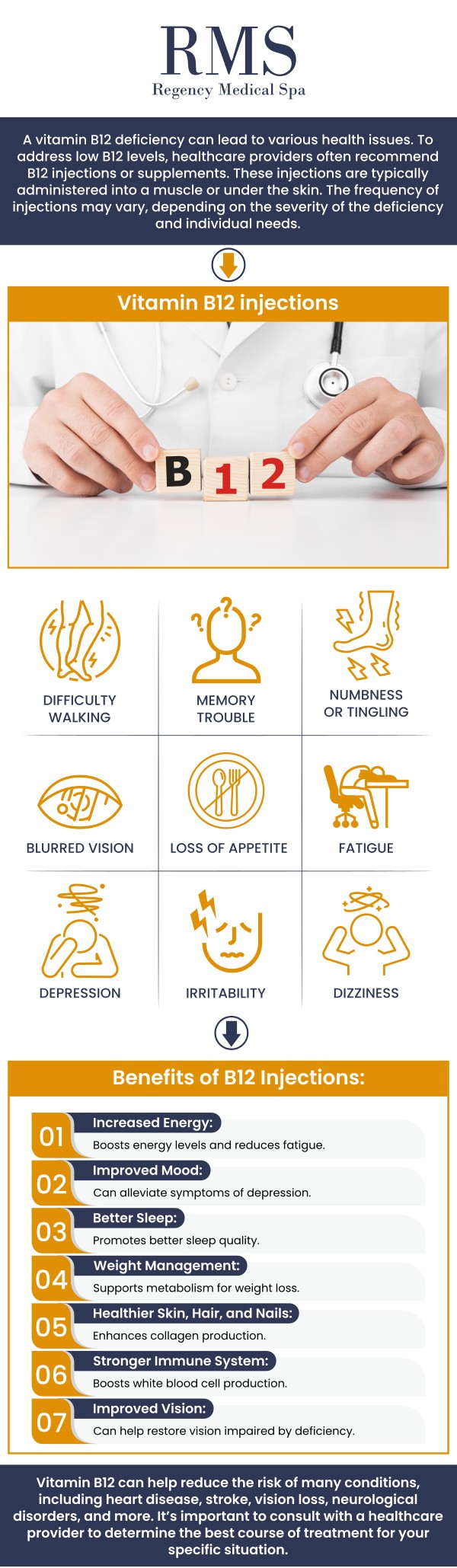
Some people can’t absorb B12 from food due to gut issues or certain medications. In these cases, supplements or even injections may be needed.
Supplement Solutions: What Works And What Doesn’t
Supplements are a common fix for B12 deficiency. But not all products are equal, and your body’s needs may change after childbirth.
Types Of B12 Supplements
- Oral tablets: Easy to find and use. Good for mild deficiency.
- Sublingual (under-tongue) tablets: May be better absorbed by some people.
- Nasal sprays: Useful if you have trouble swallowing pills.
- Injections: Best for severe deficiency or absorption problems.
Oral Vs. Injection: Which Is Better?
Here’s a brief comparison:
| Method | Best For | How Often | Notes |
|---|---|---|---|
| Oral Tablets | Mild deficiency, general prevention | Daily | Easy, but may not work if gut absorption is poor |
| Sublingual | Moderate deficiency, absorption issues | Daily | Better for some digestive conditions |
| Injections | Severe deficiency, nerve symptoms | Weekly to monthly | Fastest results, needs a nurse or clinic |
Choosing A Quality Supplement
- Look for “methylcobalamin” or “cyanocobalamin” on the label.
- Avoid mega-doses unless prescribed.
- If you are breastfeeding, ask your doctor about safety and dosing.
Credit: regencymedicalspa.org
Other Nutrients That Affect Postpartum Hair And B12
B12 is just one piece of the puzzle. Other deficiencies can make hair thinning worse, and sometimes, several need to be fixed at once.
Iron
Iron deficiency is the most common cause of postpartum hair loss, especially if you lost a lot of blood during delivery. Iron helps B12 work properly.
Vitamin D
Low vitamin D can slow hair growth and make fatigue worse. Sunlight and supplements both help.
Zinc
Zinc helps with repair and growth. It’s found in meat, seafood, and nuts.
Protein
Hair is mostly protein. Without enough, hair regrowth is slow even if your B12 is perfect.
Combined Hair Support
Some women take a postnatal multivitamin to cover all bases. However, not all products have enough B12, so check the label or ask your provider.
Lifestyle Solutions For Faster Recovery
Diet and supplements are important, but small daily habits can also support hair recovery.
Gentle Hair Care
- Use a wide-tooth comb and avoid brushing wet hair.
- Limit heat styling and harsh chemicals.
- Choose mild, sulfate-free shampoos.
Stress Management
High stress can trigger or worsen hair loss. Try:
- Short walks or gentle exercise
- Mindful breathing or meditation
- Asking for help with baby care when needed
Regular Scalp Massage
Five minutes a day can boost blood flow and encourage hair regrowth. Use your fingertips in small circles, or try a soft scalp massager.
Sleep And Hydration
Quality sleep helps your body heal. Drink enough water to keep hair hydrated and support all your body’s systems.
How Long Until You See Results?
Regrowing hair takes time. Most women see less shedding within a few weeks of fixing B12 deficiency, but full regrowth can take 3-12 months. Here’s a typical timeline:
- 1-3 months: Shedding slows, energy improves.
- 3-6 months: Baby hairs appear, scalp feels fuller.
- 6-12 months: Significant regrowth, hair texture improves.
Consistency is key—don’t stop treatment early or change your plan without talking to your provider.
When To Seek Professional Help
Sometimes, home solutions aren’t enough. See a doctor or dermatologist if:
- Hair loss is severe or not improving after 6 months.
- You have neurological symptoms (numbness, tingling).
- You see bald spots or scarring.
- You feel depressed or anxious about your appearance.
Doctors may recommend prescription treatments, hormone checks, or refer you to a specialist.

Credit: www.colaz.co.uk
Common Myths About B12 And Postpartum Hair Loss
With so many products and advice online, it’s easy to get confused. Here are a few myths to ignore:
- “All postpartum hair loss is normal.” (Not true—nutrient issues are common and treatable.)
- “Taking biotin alone will fix hair loss.” (Biotin helps, but only if you’re deficient. B12 and iron are more important for most new moms.)
- “Supplements work instantly.” (Hair cycles are slow. Be patient and give your body time.)
- “It’s only about shampoo or oils.” (Topical products help, but internal health matters most.)
Real-life Stories: Recovery Is Possible
Many women have faced B12-related hair loss and found solutions. For example, Sarah, a 32-year-old mother, noticed severe shedding and fatigue two months after giving birth. Blood tests revealed low B12 and iron. After three months of combined supplements and dietary changes, her hair stabilized and started to regrow.
Or consider Priya, a vegetarian, who struggled with thinning hair after her second baby. Switching to a B12-fortified cereal and a daily supplement, she saw noticeable improvement in energy and hair volume within four months.
The most important lesson? Identifying the root cause leads to better, faster results than chasing random treatments.
Credit: muskclinic.com
Non-obvious Insights And Practical Tips
- Hair loss can be delayed. Sometimes, B12-related shedding starts months after delivery, even when you felt fine at first.
- Testing is essential before supplementing. Too much B12 is rare, but it’s best to tailor supplements to your actual needs.
- Breastfed babies rely on your B12. If you’re deficient, your baby may also need testing or supplementation.
- Genetics matter. If your mother or sister had postpartum hair loss, be extra proactive about prevention.
Summary Table: Symptoms Vs. Solutions
Here’s a quick summary of the most common symptoms, what they mean, and practical solutions:
| Symptom | What It Means | What to Do |
|---|---|---|
| Sudden Hair Shedding | Telogen effluvium, often due to stress or deficiency | Test B12, improve diet, gentle hair care |
| Fatigue | Low red blood cells, possible anemia | B12-rich foods, supplements if needed |
| Slow Hair Regrowth | Follicles lack nutrients | Be patient, consistent supplements |
| Scalp Itching | Stressed follicles, low nutrients | Scalp massage, correct deficiencies |
| Numbness/Tingling | Nerve involvement, severe deficiency | See doctor, possible injections |
Frequently Asked Questions
What’s The Main Difference Between Normal Postpartum Hair Loss And B12-related Hair Thinning?
Normal postpartum hair loss (telogen effluvium) usually starts 2-4 months after delivery, peaks around 6 months, and then improves. B12-related hair thinning may start earlier, be more severe, and come with symptoms like fatigue, pale skin, or nerve problems. Testing is the best way to tell the difference.
Can I Take B12 Supplements While Breastfeeding?
Yes, B12 supplements are generally safe when breastfeeding. In fact, your baby relies on your B12 supply, so it’s important to maintain healthy levels. Always check the dose with your doctor and choose reputable brands.
How Long Does It Take For Hair To Grow Back After Fixing B12 Deficiency?
You may see less hair shedding within a few weeks, but full regrowth often takes 3-12 months. Hair grows in cycles, so patience and consistency are key.
What Foods Should I Eat To Boost B12 And Support Hair Health?
Focus on animal foods (like beef, fish, eggs, and dairy) and fortified cereals if you’re vegetarian. Combine these with iron-rich foods, vitamin C (to improve absorption), and plenty of protein for best results.
When Should I See A Specialist About Hair Thinning?
If hair loss is severe, not improving after 6-12 months, or comes with symptoms like numbness or tingling, see a doctor or dermatologist. Early treatment can prevent permanent hair loss.
For more detailed information on B12 and its role in health, visit National Institutes of Health.
Recovering from B12 deficiency and postpartum hair thinning is possible with the right steps and support. Stay proactive, listen to your body, and don’t hesitate to seek professional guidance for lasting hair health and overall well-being.