

High porosity hair can be a blessing and a challenge. It absorbs moisture quickly, but also loses it just as fast. Many people with this hair type struggle to keep their strands hydrated and protected. If you’ve tried creams, leave-ins, and hydrating masks but still deal with dryness or breakage, heavy butter and oil sealing may be the method you need. This guide explains the science, practical steps, and expert tips for using butters and oils to seal and transform high porosity hair.
Whether you’re new to natural hair care or looking for ways to improve your routine, you’ll find clear explanations, real-world examples, and solutions to common mistakes. Let’s explore how you can use heavy sealing to achieve softer, stronger, and more manageable hair.
Understanding High Porosity Hair
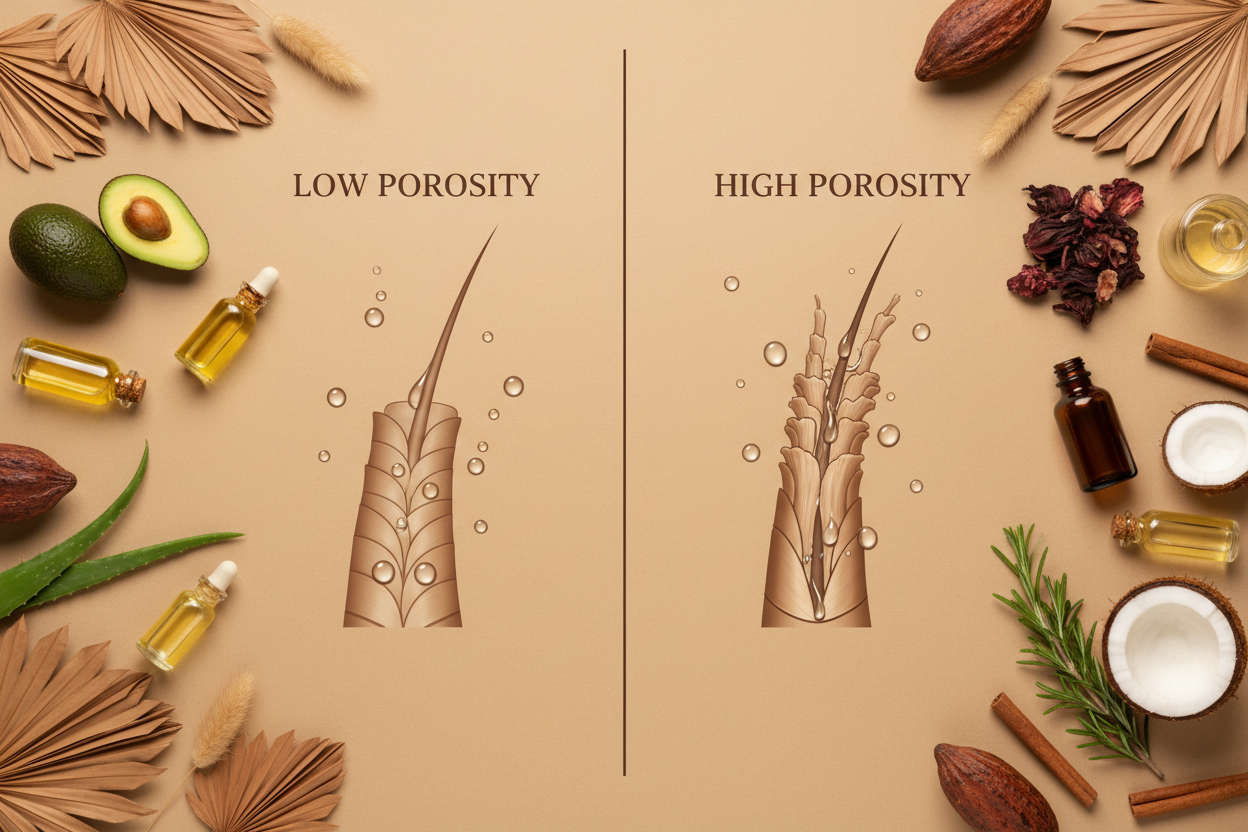
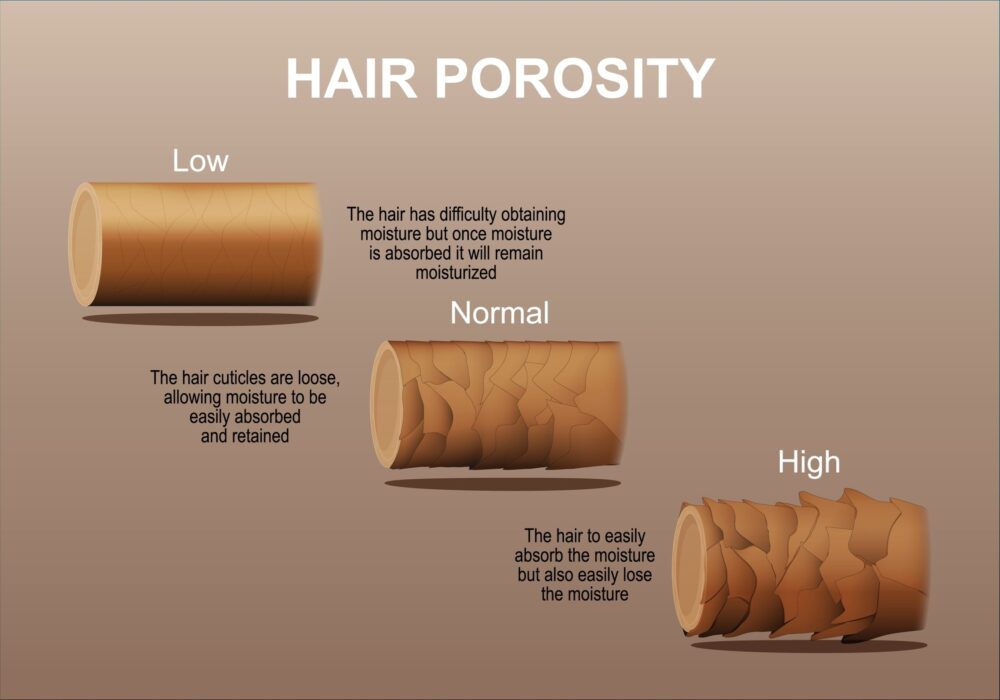
High porosity hair means your hair cuticles are open or raised. This lets water and products enter the hair easily. However, it also means moisture escapes quickly, leaving hair dry or frizzy soon after washing.
Common causes of high porosity hair:
- Genetics (some people naturally have open cuticles)
- Chemical damage (bleaching, relaxing, or coloring)
- Heat damage (frequent use of flat irons or blow dryers)
- Environmental stress (sun exposure, wind, hard water)
Signs you have high porosity hair:
- Hair dries very quickly after washing
- Absorbs products fast but doesn’t stay moisturized long
- Prone to frizz, tangles, and breakage
- Often feels rough or straw-like, especially at the ends
Understanding your hair’s porosity helps you choose the right products and methods. For high porosity hair, the main goal is to lock in as much moisture as possible and protect the cuticle from further damage.
The Science Behind Heavy Butter And Oil Sealing
Heavy butter and oil sealing involves applying thick, rich butters and oils to the hair after moisturizing. These natural products create a barrier on the hair surface, which slows down water loss and protects the cuticle.
Why Butters And Oils Work
- Occlusive properties: Butters like shea or mango and oils like castor or olive are occlusive. This means they sit on top of the hair and slow down evaporation of water.
- Repair and protection: Heavy sealing ingredients can fill in gaps or rough patches on damaged cuticles, making hair smoother and less prone to snagging.
- Nutrient delivery: Many butters and oils contain vitamins, antioxidants, and fatty acids that nourish the hair shaft.
How Sealing Helps High Porosity Hair
If you only use a water-based moisturizer, high porosity hair will absorb it quickly but lose it fast. Heavy butters and oils act as a “lid,” trapping moisture inside. This leads to softer, shinier hair that stays hydrated for longer periods.

Credit: ashamiel.com
Choosing The Right Butters And Oils
Not all butters and oils are equally effective for sealing. Some are too light and evaporate quickly. Others are too heavy for fine hair. Here’s a look at popular options and how they compare.
| Product | Texture | Benefits | Best For |
|---|---|---|---|
| Shea Butter | Thick, creamy | Deep moisture, anti-inflammatory | Thick, coarse hair |
| Cocoa Butter | Solid, melts with heat | Protects, adds shine | Dry, brittle hair |
| Mango Butter | Light, non-greasy | Softens, smooths cuticle | Medium-thick hair |
| Castor Oil | Very thick, sticky | Boosts shine, reduces breakage | Edges, split ends |
| Olive Oil | Medium-weight | Moisturizes, easy to find | All hair types |
| Avocado Oil | Light-medium | Nourishes, adds softness | Fine to medium hair |
| Coconut Oil | Solid/liquid | Reduces protein loss | Not always best for high porosity |
Non-obvious insight: Many people overlook mango butter, but it’s less greasy than shea or cocoa butter and absorbs well into high porosity hair without weighing it down.
Another tip: For fine, high porosity hair, mix a small amount of butter with a lighter oil (like grapeseed or almond) to avoid a heavy, greasy feel.
Preparing Your Hair For Sealing
Before you start sealing, it’s important to prepare your hair correctly. Clean, damp hair absorbs butters and oils better and allows the sealing layer to work more effectively.
Step 1: Wash And Condition
Use a gentle, sulfate-free shampoo or co-wash. High porosity hair gets dry easily, so avoid harsh cleansers. Follow with a rich, hydrating conditioner. Leave it in for a few minutes to help close the cuticle slightly.
Step 2: Apply A Water-based Moisturizer
After washing, squeeze out excess water (don’t rub with a towel). Apply a water-based leave-in conditioner or moisturizer. Look for products with water or aloe vera as the first ingredient.
Pro tip: If you skip this step and seal on dry hair, you’ll just trap dryness inside!
Step 3: Section Your Hair
Divide your hair into 4–8 sections. Working in sections ensures every strand gets enough product and prevents tangling.
Credit: theorganibrands.com
The Heavy Butter And Oil Sealing Method: Step-by-step
Now that your hair is clean and moisturized, it’s time to seal in that hydration. Here’s how to do it:
Step 1: Choose Your Sealing Product
Pick a butter, oil, or blend that matches your hair’s needs. For maximum sealing, shea butter or castor oil are top choices. If your hair is fine, try mango butter or a mix of olive and avocado oils.
Step 2: Warm The Product
Scoop out a small amount of butter or pour oil into your palms. Rub your hands together to warm it up. This helps it spread more evenly and melt into your hair.
Step 3: Apply From Ends To Roots
Start at the ends (they’re usually driest and oldest). Work the butter or oil through each section, moving upwards but stopping before you reach the scalp. Focus on areas that feel rough, dry, or frizzy.
Step 4: Distribute Evenly
Use your fingers or a wide-tooth comb to distribute the product. Make sure every strand is coated, but not dripping. If you use too much, your hair may feel greasy or heavy.
Step 5: Style As Usual
Twist, braid, or air dry your hair as you prefer. Protective styles help the sealing layer last longer and prevent moisture loss.
Non-obvious insight: If your hair feels sticky after sealing, you probably used too much product or didn’t moisturize enough first. Less is often more.
How Often Should You Seal High Porosity Hair?
There’s no “one size fits all” answer. Most people with high porosity hair benefit from sealing once or twice per week, especially after washing. If your hair is extremely dry, you can do a light sealing refresh on dry hair mid-week.
Watch for these signs you need to seal again:
- Hair feels rough or straw-like
- Ends start splitting or breaking
- Frizz returns quickly after moisturizing
Sealing too often can cause buildup, so wash with a gentle cleanser if your hair starts to feel coated or heavy.
Mistakes To Avoid With Heavy Sealing
Many people try heavy butter and oil sealing but give up when their hair feels sticky or looks dull. Here are common mistakes and how to fix them:
- Using too much product: Start with a pea-sized amount per section. You can always add more if needed.
- Skipping the moisturizer step: Butters and oils seal in what’s already there. If you seal on dry hair, you’ll lock in dryness.
- Applying to the scalp: Most butters and heavy oils can clog pores or cause flakes. Focus on the hair shaft and ends.
- Not clarifying regularly: Heavy sealing can cause buildup. Use a gentle clarifying shampoo once a month to keep hair fresh.
- Ignoring protein balance: High porosity hair often needs both moisture and protein. Alternate deep conditioning treatments to keep hair strong.
Comparing Heavy Sealing With Other Moisture Methods
How does heavy butter and oil sealing compare to other popular methods, like the LOC (Liquid-Oil-Cream) and LCO (Liquid-Cream-Oil) methods? Here’s a look:
| Method | Steps | Best For | Drawbacks |
|---|---|---|---|
| Heavy Butter/Oil Sealing | Moisturizer + heavy butter/oil | High porosity, very dry hair | Risk of greasiness, buildup |
| LOC | Liquid, Oil, Cream | Medium to high porosity | Too many layers can weigh down fine hair |
| LCO | Liquid, Cream, Oil | Low to medium porosity | May not seal well enough for high porosity |
Expert tip: Some people with high porosity hair use both the LOC method and heavy sealing, but adjust the amount to avoid heaviness.
Customizing The Method For Your Hair
Every head of hair is unique. Your routine should match your texture, density, and climate. Here’s how to adjust heavy sealing for different situations:
Fine High Porosity Hair
- Use lighter butters (mango, cupuaçu) or mix with grapeseed oil
- Apply a thin layer only on the ends
- Clarify more often to avoid buildup
Thick Or Coarse High Porosity Hair
- Use shea or cocoa butter, castor or olive oil
- Apply from mid-lengths to ends
- Use protective styles to keep hair hydrated longer
Colored Or Chemically Treated Hair
- Choose butters and oils rich in antioxidants (avocado, argan, shea)
- Deep condition weekly before sealing
- Avoid petroleum-based products, which can cause buildup
Humid Or Dry Climates
- In humid weather, use heavier butters to block excess moisture from frizzing hair
- In dry climates, layer a water-based leave-in and seal with a generous amount of oil
Tip: Track how your hair responds in a journal. Weather, water type, and even diet can change how much sealing your hair needs.
Ingredients To Avoid For High Porosity Hair
While butters and oils are natural, not all ingredients are helpful for high porosity hair. Some can block moisture, cause buildup, or irritate the scalp.
Watch out for:
- Mineral oil or petroleum jelly: These coat the hair but do not nourish or penetrate, leading to dullness and buildup.
- Silicones: Some are hard to remove without harsh shampoos and can cause dryness over time.
- Heavy waxes: Beeswax and microcrystalline wax can weigh hair down and are hard to wash out.
Instead, look for products with simple, natural butters and oils. Always check ingredient labels.
Real-world Examples: User Experiences
People with high porosity hair have found success with heavy butter and oil sealing by adapting the method to their unique needs.
Example 1:
Maya, with thick, colored 4B hair, struggled with dryness even after deep conditioning. After switching to shea butter sealing twice a week, she noticed softer curls, less breakage, and more defined twist-outs.
Example 2:
Luis, who has fine, high porosity curls, found that pure shea butter was too heavy. Mixing 1 part mango butter with 2 parts almond oil gave him shine and moisture without a greasy feel.
Example 3:
Alia lives in a windy, dry climate. She uses olive oil to seal her hair after every wash, then braids it overnight. This routine cut her split ends in half after two months.
Non-obvious insight: The key is to experiment with product types, amounts, and frequency to find your personal best routine.
How To Remove Heavy Butters And Oils
Heavy sealing works best when you remove buildup regularly. Otherwise, hair can become dull or limp.
How to clarify:
- Use a gentle, sulfate-free clarifying shampoo once a month.
- Massage into the scalp and through the hair, then rinse thoroughly.
- Follow with a deep conditioner to restore moisture.
If you use very heavy butters or oils, try a pre-shampoo treatment with diluted apple cider vinegar (1 part vinegar to 4 parts water) to help break up buildup.
Tip: Avoid hot water, which can dry out high porosity hair further.
Diy Sealing Recipes For High Porosity Hair
Making your own butter and oil blend lets you control ingredients and adjust the texture.
Simple Shea Butter Blend
Ingredients:
- 2 tablespoons unrefined shea butter
- 1 tablespoon olive oil
- 1 teaspoon castor oil
Instructions:
- Melt shea butter in a heatproof bowl over hot water.
- Stir in olive and castor oils.
- Let cool slightly, then whip with a fork for a creamy texture.
- Apply a small amount to damp hair after moisturizing.
Mango Butter Lightweight Sealer
Ingredients:
- 1 tablespoon mango butter
- 1 tablespoon almond oil
Instructions:
- Melt mango butter.
- Mix with almond oil.
- Pour into a small jar and let solidify.
- Use a fingertip-sized amount on ends of hair.
Tip: For a scented blend, add a few drops of essential oil like lavender or rosemary.
How To Store And Use Butters And Oils
Natural butters and oils can go rancid if not stored properly. Keep them in a cool, dry place and use clean, dry hands or utensils to scoop out product.
- Shelf life: Most butters and oils last 6–12 months if stored away from heat and sunlight.
- Signs of spoilage: Off smells, mold, or changes in color mean it’s time to throw them out.
- Travel tip: Carry a small container of your favorite blend for on-the-go touchups.
Credit: www.drserkanaygin.com
How Heavy Sealing Affects Hair Over Time
With regular use, heavy sealing can dramatically improve the look and feel of high porosity hair. Here’s what many people notice:
- Increased softness and shine: Hair retains moisture longer and looks healthier.
- Fewer split ends: Sealing protects fragile ends from dryness and breakage.
- Less frizz: The cuticle layer is smoothed down, reducing puffiness.
- Improved manageability: Hair detangles more easily and styles hold better.
However, it’s important to balance heavy sealing with proper washing and occasional protein treatments. Hair needs both moisture and strength for best results.
Heavy Sealing And Scalp Health
Applying heavy butters and oils directly to the scalp is not recommended for most people. These products can clog pores, cause itching, or lead to flakes.
If you have a dry scalp:
- Use a lightweight oil (like jojoba) on the scalp, not heavy butters.
- Apply only a small amount and massage gently.
- Wash regularly to avoid buildup.
For best results, focus heavy sealing on the hair shaft and ends, not the roots.
Common Myths About Heavy Butter And Oil Sealing
Many myths surround this method. Let’s clear up some confusion:
- Myth: “More is better.” In reality, using too much product can make hair greasy and attract dirt.
- Myth: “Only natural hair needs sealing.” All high porosity hair, whether straight, wavy, or curly, can benefit.
- Myth: “Heavy oils clog hair follicles.” Applied correctly (on hair, not scalp), butters and oils do not interfere with hair growth.
- Myth: “You must use raw, unrefined butters.” While unrefined products have more nutrients, refined butters work well too and may have less scent.
Pro tip: Always listen to your hair. What works for one person may not work for another.
Product Recommendations For Heavy Sealing
Looking for tried-and-true butters and oils? Here are some high-quality options:
- SheaMoisture 100% Pure Shea Butter: Great for thick, dry hair.
- Now Solutions Avocado Oil: Lightweight, absorbs quickly.
- Sky Organics Castor Oil: Extra thick for sealing ends and edges.
- Alikay Naturals Mango Moisture Butter: Good for fine or medium hair.
For more on natural oils and their benefits, check out this Healthline guide.
Tracking Your Progress
If you want to see real improvement, track your hair’s condition over time. Here’s a simple way to do it:
| Week | Moisture Level | Frizz | Breakage | Notes |
|---|---|---|---|---|
| 1 | Dry | High | Frequent | Started heavy sealing |
| 2 | Improved | Less | Some | Added mango butter blend |
| 4 | Soft | Minimal | Rare | Moisture lasts longer |
Checking your progress helps you adjust your routine and notice what’s working.
Final Thoughts: Achieving Your Best High Porosity Hair
Heavy butter and oil sealing can be a game-changer for high porosity hair. The right routine leaves your hair hydrated, soft, and strong. Start slow, experiment with different butters and oils, and pay attention to how your hair responds. Avoid common mistakes like using too much product or skipping clarifying washes.
Remember, healthy hair is a journey, not a race.
With patience and the right techniques, you’ll see less breakage, fewer split ends, and hair that looks and feels its best.
Frequently Asked Questions
How Do I Know If My Hair Is High Porosity?
High porosity hair absorbs water and products quickly but loses moisture just as fast. If your hair dries very fast after washing, soaks up products, and gets frizzy or dry soon after, it’s likely high porosity. You can also do a float test: place a clean strand of hair in a glass of water. If it sinks within minutes, you probably have high porosity hair.
Can I Use Coconut Oil For Heavy Sealing?
Coconut oil works for some, but it’s not always the best choice for high porosity hair. It can sometimes leave hair feeling stiff or “crunchy” if your hair is already damaged. Many people with high porosity hair prefer shea butter, mango butter, or thicker oils like olive or castor instead.
How Much Butter Or Oil Should I Use?
Start with a small amount—a pea-sized dab per section. Too much can make hair greasy and heavy. You can always add more if needed. Fine hair needs less; thick or coarse hair may need more.
Will Heavy Sealing Weigh My Hair Down?
If you use the right amount and product for your hair type, sealing should not weigh your hair down. Adjust the amount or switch to a lighter butter or oil if your hair feels limp. Always apply to damp, moisturized hair—not dry hair.
How Do I Remove Heavy Butter And Oil Buildup?
Use a gentle clarifying shampoo once a month or whenever your hair feels coated. Massage it in well, rinse thoroughly, and follow with a deep conditioner. Avoid using very hot water, as it can dry out your hair further.
By understanding and using heavy butter and oil sealing for high porosity hair, you’re taking a big step toward healthier, more beautiful strands. With the right routine, your hair can reach its full potential—soft, strong, and full of life.