

Choosing the right moisturizer can feel confusing, especially with so many options on the market. If you’ve ever stood in the skincare aisle, you’ve probably seen both oil-free gel moisturizers and traditional cream moisturizers. They sound similar, but they work very differently on your skin. Picking the wrong one can leave your face feeling greasy, dry, or even cause breakouts.
This guide is here to help you understand the real differences. We’ll dig into what makes each type unique, how they work, and which skin types benefit the most. You’ll also learn about common mistakes, facts many people miss, and how to make the best choice for your skin.
Whether you have acne, oily patches, or dry, sensitive areas, you’ll find clear answers here. Let’s find out which moisturizer really fits your needs.
What Is An Oil-free Gel Moisturizer?
Oil-free gel moisturizers are a newer type of face moisturizer. Instead of oils, these products use water-based formulas. Gels feel light, absorb quickly, and leave almost no residue. This is why many people with oily or acne-prone skin prefer them.
Gel moisturizers usually include ingredients like:
- Hyaluronic acid (for hydration)
- Glycerin (pulls water into your skin)
- Aloe vera (soothes and calms)
- Plant extracts (for added benefits)
Most importantly, they do NOT contain heavy oils or butters. This means your skin can breathe, and pores are less likely to get clogged.
How Oil-free Gels Work
These moisturizers deliver hydration in two main ways:
- They attract water to the skin’s surface (using humectants like hyaluronic acid).
- They form a lightweight barrier to keep moisture in, but without a greasy feeling.
Unlike creams, gels usually disappear into the skin within seconds. This makes them ideal for hot climates or for people who dislike sticky products.
Who Benefits Most From Gel Moisturizers?
Gel moisturizers are not just for teenagers or people with oily skin. They can be helpful for:
- Oily and combination skin (control shine without drying)
- Acne-prone skin (less risk of breakouts)
- Humid climates (don’t feel heavy or melt off)
- Men’s skincare (fast-absorbing, doesn’t feel sticky after shaving)
- Layering under makeup (won’t cause makeup to slide)
Some people with normal skin use gel moisturizers in the summer and switch to creams in winter.
Non-obvious insight: Many beginners don’t realize that even oily skin needs hydration. Skipping moisturizer can cause your skin to produce more oil, making problems worse.
What Is A Cream Moisturizer?
Cream moisturizers are the traditional choice, known for their rich, thick feel. Creams contain a blend of water and oils or butters. This makes them heavier and better at locking in moisture.
Common cream ingredients include:
- Shea butter or cocoa butter (deeply moisturizing)
- Ceramides (help repair skin barrier)
- Fatty acids (nourish and soften)
- Emollients (smooth and protect)
Creams create a shield on your skin, preventing water loss and keeping your face soft.
How Creams Work
Creams do three main things:
- Seal in moisture (using oils and emollients)
- Nourish skin with vitamins and lipids
- Repair the skin barrier (important for dry or sensitive skin)
They are slower to absorb than gels, often leaving a dewy or slightly oily finish.
Who Should Use Cream Moisturizers?
Creams are best for:
- Dry or very dry skin (need stronger hydration)
- Mature skin (helps fight fine lines and roughness)
- Cold or windy climates (protects against harsh weather)
- Nighttime routines (allows deeper repair while you sleep)
They can also help anyone whose skin feels tight or flaky, or those with eczema.
Non-obvious insight: Many people with combination skin use a gel in the morning and a cream at night, getting the best of both worlds.
Key Differences: Oil-free Gel Moisturizer Vs Cream
Understanding the core differences helps you pick the right product for your needs. Let’s compare the main factors:
| Feature | Oil-Free Gel Moisturizer | Cream Moisturizer |
|---|---|---|
| Texture | Light, watery, fast-absorbing | Thick, rich, slow-absorbing |
| Main Ingredients | Humectants, water, plant extracts | Oils, butters, emollients |
| Finish | Matte or barely-there | Dewy or slightly shiny |
| Best For | Oily, acne-prone, combination skin | Dry, mature, sensitive skin |
| Climate Suitability | Hot, humid weather | Cold, dry weather |
| Clogging Risk | Low | Medium to high (depends on formula) |
| Layering with Makeup | Excellent | Can be too heavy for some |
Why Do These Differences Matter?
- If your skin feels greasy or shiny after moisturizing, you might be using a cream when you need a gel.
- If your skin still feels dry or tight after using a gel, a cream might give you the extra barrier you need.
- Some people need to switch products with the seasons or use different types on different areas of the face.
Expert tip: Always listen to your skin’s response—if you notice more breakouts, irritation, or dryness, adjust your routine.
How To Decide: Factors To Consider
Choosing between oil-free gel and cream moisturizers isn’t just about skin type. Other factors can affect your decision.
1. Your Skin Type
- Oily skin: Gels usually work best.
- Dry skin: Creams are usually better.
- Combination skin: You may need both—gel for the T-zone, cream for cheeks.
- Normal skin: Both can work; preference and season matter.
- Sensitive skin: Look for fragrance-free, hypoallergenic formulas (either gel or cream).
2. Climate And Weather
- Hot, humid climates: Gels feel refreshing and don’t melt off.
- Cold, dry climates: Creams protect against wind and dryness.
Some people need to switch products as the seasons change.
3. Age And Skin Changes
- Younger people often have more oil, so gels may be enough.
- Aging skin loses natural oils, so creams offer deeper nourishment.
4. Skin Conditions
- Acne-prone: Oil-free gels with non-comedogenic labels prevent new pimples.
- Eczema or rosacea: Creams with ceramides and no fragrance can help calm and repair.
5. Daily Routine
- Under makeup: Gels won’t disturb your foundation.
- Nighttime: Creams give more time to absorb and repair.
6. Ingredients And Allergies
Check for ingredients that might irritate your skin (like fragrance, alcohol, or certain preservatives). Always patch test a new product.
Beginner mistake: Many people forget that your skin’s needs can change. What worked last year may not work this year.

Credit: www.kiehls.com
Pros And Cons: Oil-free Gel Moisturizer
Every product has strengths and weaknesses. Here’s what you should know about gel moisturizers.
Pros
- Lightweight feel: No heavy or sticky residue.
- Quick absorption: Great for busy mornings.
- Low risk of clogging pores: Good for acne-prone skin.
- Works well under sunscreen and makeup.
- Refreshing sensation: Especially nice in hot weather.
Cons
- May not be enough for very dry skin: You could feel tight or flaky.
- Needs frequent reapplication in dry climates.
- Some formulas can sting sensitive skin (from alcohol or plant extracts).
- Less barrier against pollution or harsh weather.
Pro tip: Look for gels with hyaluronic acid for the best hydration.
Pros And Cons: Cream Moisturizer
Creams are a classic for a reason, but they’re not perfect for everyone.
Pros
- Deep, lasting hydration: Great for dry or mature skin.
- Protects against wind and cold: Forms a barrier on the skin.
- Can help repair the skin barrier: Especially with ceramides and fatty acids.
- Good for nighttime routines and healing.
Cons
- Can feel greasy or sticky: May cause shine or discomfort in hot weather.
- Higher risk of clogged pores or breakouts.
- Harder to layer with makeup: Can cause foundation to slip.
- Some formulas contain fragrance or irritants.
Pro tip: Use creams in small amounts to avoid heaviness.
Ingredients To Look For (and Avoid)
Understanding ingredients makes you a smarter shopper. Here’s a comparison of key ingredients in gels and creams.
| Type | Good Ingredients | Ingredients to Watch Out For |
|---|---|---|
| Gel | Hyaluronic acid, glycerin, aloe vera, green tea, niacinamide | Alcohol, strong plant extracts, artificial color/fragrance |
| Cream | Shea butter, ceramides, squalane, fatty acids, cholesterol | Heavy mineral oil, petrolatum (for acne-prone skin), fragrance |
Real-world example: Some oil-free gels claim to be “non-comedogenic” but still contain alcohol that can dry out or irritate sensitive skin.
Common Myths And Mistakes
Mistakes with moisturizers are common, especially if you’re new to skincare. Here are some myths and facts:
Myth 1: “oily Skin Doesn’t Need Moisturizer”
Fact: All skin types need moisture. If you skip moisturizer, your skin may produce even more oil.
Myth 2: “creams Are Always Better For Anti-aging”
Fact: Gels with antioxidants (like niacinamide or green tea) can also fight aging, especially for oily skin.
Myth 3: “one Moisturizer Works Year-round”
Fact: Skin’s needs change with seasons, hormones, and age. It’s normal to switch products.
Myth 4: “more Product = Better Results”
Fact: Using too much can clog pores or waste product. A pea-sized amount is enough for most faces.
Mistake: Ignoring Ingredients
Many people buy based on brand or price, not ingredients. Always check for things that suit your skin.
Non-obvious insight: Sunscreen is NOT a moisturizer. You need both for protection and hydration.
How To Test And Switch Moisturizers Safely
Changing products can be stressful for your skin. Here’s how to do it right:
- Patch test first: Dab a small amount on your jawline or behind your ear. Wait 24 hours for reactions.
- Start slow: Use the new product once a day at first, then increase.
- Watch for signs: Redness, itching, or breakouts mean you should stop and try a different product.
- Give it time: It can take 2–4 weeks to see real results.
Real example: People switching from cream to gel may notice an adjustment period—skin can feel tight for a few days before balancing out.
When To Use Both: Layering And Combination Routines
Some people find that using both types gives the best results. Here’s how:
- Layering: Apply a gel moisturizer first for hydration, then a cream on top to lock it in. This is good for very dry or mature skin.
- Zoning: Use a gel on the oily T-zone and a cream on dry cheeks or under the eyes.
- Seasonal switching: Gel in summer, cream in winter.
Example Routine
Morning:
- Cleanser
- Toner (optional)
- Gel moisturizer
- Sunscreen
- Makeup
Night:
- Cleanser
- Toner (optional)
- Gel or cream (depending on need)
- Eye cream (if needed)
Pro tip: Always apply moisturizer to damp skin for best absorption.
Skin Concerns And Special Cases
Let’s look at special situations where your choice might change.
Acne-prone Skin
- Use oil-free gel with niacinamide or green tea.
- Avoid heavy creams, but some light creams with ceramides may help calm irritation.
Sensitive Skin
- Choose fragrance-free formulas (both gel and cream).
- Look for aloe vera, oat extract, or ceramides.
Mature Skin
- Creams are usually better, especially at night.
- Look for peptides, ceramides, and hyaluronic acid.
Men’s Skin
- Gels absorb fast and don’t feel sticky after shaving.
- Some men prefer creams in winter for extra comfort.
Athletes Or Outdoor Workers
- Gels are less likely to sweat off or clog pores.
- Always top with sunscreen.
Expert tip: Always check for the “non-comedogenic” label if you’re worried about pimples.
Cost And Value: Is More Expensive Better?
Price doesn’t always mean quality. Many drugstore gels and creams work as well as luxury brands.
What Drives Cost?
- Packaging: Fancy jars cost more.
- Brand reputation
- Special ingredients (like peptides or high-quality extracts)
What Matters Most
- Ingredient list: Look for what your skin needs.
- Brand transparency: Reputable brands often list all ingredients and test for safety.
Beginner mistake: Don’t pay for “extras” you don’t need—like strong fragrance or luxury packaging.
.jpg?rev=0c903cd92e5740aa88b41b3d1862011f&w=500&hash=AFD926506209A54367121E5022F1C6EB)
Credit: www.cerave.com
Real-world Experiences: Stories And Surveys
Many people find their “perfect” moisturizer only after some trial and error.
- A 2022 survey by Allure magazine found that 67% of people with oily skin preferred gels, while 74% of those with dry skin used creams.
- Some users switch between the two depending on their menstrual cycle, season, or even stress levels.
- Dermatologists often recommend starting with a gel in the morning and a cream at night for balanced hydration.
Example: Anna, age 29, says, “Switching to a gel stopped my breakouts, but I use a cream in winter when my cheeks get flaky.”
Non-obvious insight: Many people don’t realize that your moisturizer can affect how your makeup looks and lasts. Gels usually help makeup stay matte, while creams can make it dewy or even slide.
Environmental Impact: Are Gels Or Creams Greener?
Caring about the planet is important too. Here’s what to consider:
- Gels often have lighter packaging and use fewer animal-based ingredients, making them more eco-friendly.
- Creams sometimes come in glass jars, which can be recycled, but check for plastic liners.
- Look for brands with recyclable packaging and cruelty-free labels.
Beginner tip: Water-based gels may have a smaller carbon footprint, but always check a brand’s ethical standards.
Choosing Your Moisturizer: Step-by-step
If you want a simple process, try this:
- Identify your skin type (oily, dry, combination, sensitive, mature).
- Think about your main concern (shine, dryness, irritation, breakouts).
- Check your climate (humid, dry, hot, cold).
- Read ingredient lists (look for humectants in gels, emollients in creams).
- Test the product on a small area first.
- Watch for changes (better hydration, less irritation, improved texture).
If one product doesn’t work, don’t be discouraged. Skincare is personal, and sometimes trial and error is necessary.
The Science Behind Moisturizers
Understanding how moisturizers work can help you see why one type suits you better.
- Gels use humectants to attract water to the skin, giving instant hydration but not much protection.
- Creams use emollients and occlusives to fill gaps in the skin barrier and prevent water loss.
A 2018 study in the “Journal of Dermatological Science” found that oil-free gels improved hydration by 25% in oily skin after 2 weeks, while creams boosted moisture by 40% in dry skin over the same period.
When To See A Dermatologist
Sometimes, you need expert help:
- If you have severe acne, eczema, or rashes
- If your skin reacts badly to all moisturizers
- If you’re not sure about your skin type
A dermatologist can recommend medical-grade gels or creams, or suggest treatments for deeper problems.
Trusted Resources
For more information, check out the American Academy of Dermatology’s advice on moisturizer types: American Academy of Dermatology.
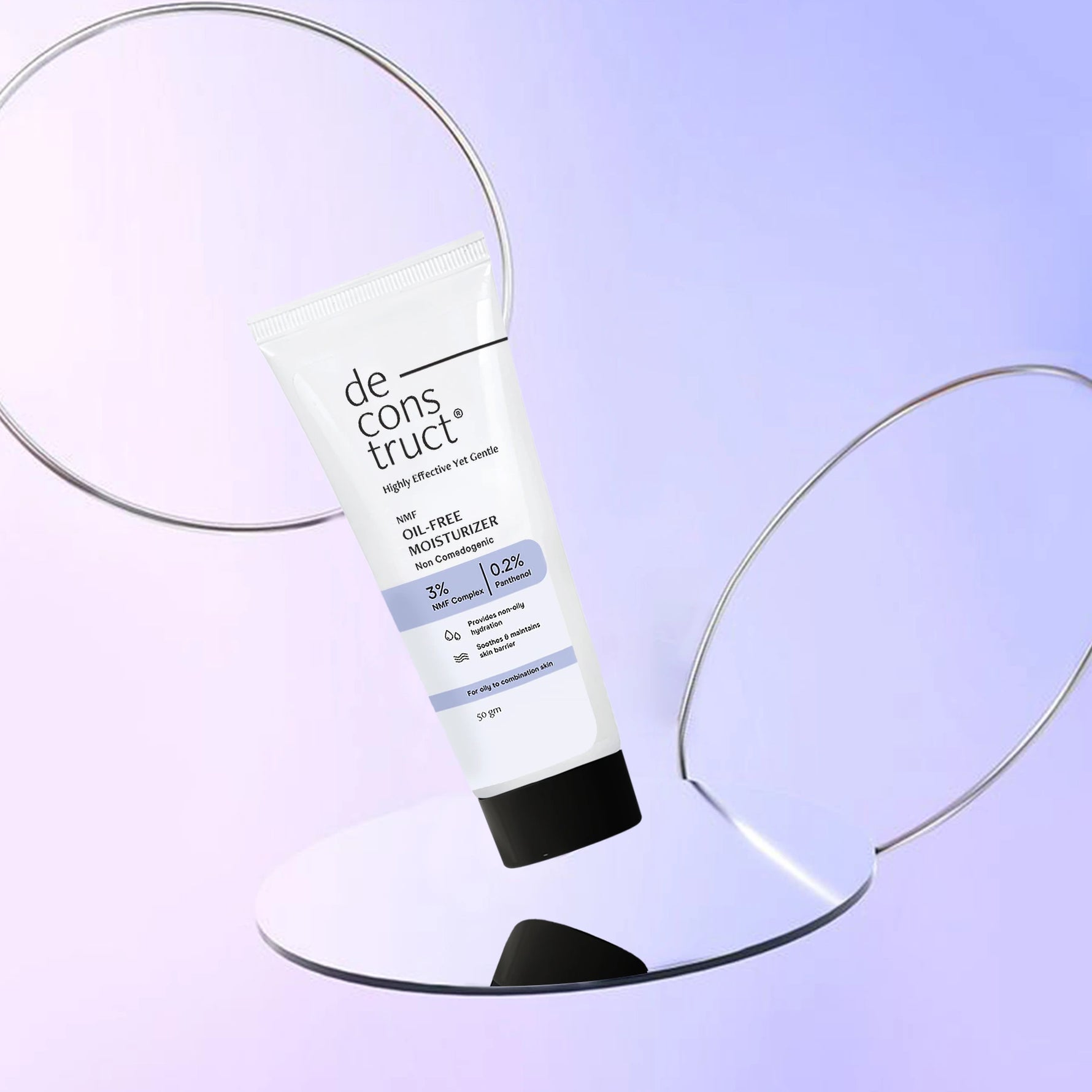
Credit: thedeconstruct.in
Frequently Asked Questions
What Does “oil-free” Really Mean In A Moisturizer?
Oil-free means the product does not contain added plant or mineral oils. Instead, it uses water, humectants, and sometimes silicones to hydrate the skin. Oil-free gels are less likely to clog pores or cause breakouts.
Can I Use A Gel Moisturizer And A Cream Together?
Yes, you can layer them. Apply the gel first for hydration, then the cream to lock in moisture. This works well for combination or very dry skin, especially in winter.
Will Switching From Cream To Gel Make My Skin Dry Out?
At first, your skin may feel less protected, especially in dry weather. Over time, your skin can adjust. If you still feel tight or flaky after 2 weeks, try using a richer gel or add a cream at night.
Are Oil-free Gels Good For Anti-aging?
Yes, many gel moisturizers now include anti-aging ingredients like niacinamide, peptides, or antioxidants. They hydrate without heaviness, which is important for oily or acne-prone aging skin.
How Do I Know If A Moisturizer Is “non-comedogenic”?
Look for “non-comedogenic” on the label. This means the product is tested to not clog pores. However, not all brands test honestly, so read reviews and check ingredient lists for oils or waxes that might block pores.
—
Finding the right moisturizer is a journey, not a one-time decision. Your skin changes with age, weather, and even stress. The best way to decide between an oil-free gel moisturizer and a cream moisturizer is to listen to your skin, read ingredient lists, and try products with patience. Whether you want a fresh, matte finish or deep overnight comfort, there is a product that fits your needs. The more you learn about your own skin and what works for you, the easier it will be to keep your skin healthy, happy, and glowing every day.