
Gray hair is more than just a color change—it’s a transformation in texture, strength, and moisture needs. Many people with silver strands notice their hair feels drier, more fragile, and frizzier than before. This shift can be surprising and sometimes frustrating, especially if you want your gray hair to look shiny, healthy, and smooth. The good news: with the right moisturizing routine, you can keep your gray hair soft, manageable, and vibrant. This article will walk you through everything you need to know about anti-frizz care for silver strands, from understanding why gray hair acts differently, to building a step-by-step routine that works for your unique needs.
Why Does Gray Hair Get Frizzy And Dry?
Let’s start with the science behind gray hair texture. When your hair loses pigment, it doesn’t just change color. The process also affects the structure of each strand.
Melanin, the pigment that gives hair its color, also helps keep hair smooth and strong. As melanin production drops, hair loses some of its natural protection. The result is:
- Cuticle changes: The cuticle (the outer layer) gets rougher and more open, making it easier for moisture to escape and for humidity to cause frizz.
- Less sebum: Your scalp produces less sebum (natural oil) as you age, especially in gray hair. This oil is what keeps your hair soft and flexible.
- Increased porosity: Gray hair tends to be more porous, meaning it absorbs and loses water more easily. This makes it drier and more prone to frizz.
A common mistake is to treat gray hair the same as pigmented hair. But what works for your old color may not work now. It’s time to rethink your routine and focus on what gray hair really needs.
The Key Elements Of A Moisturizing Gray Hair Routine
A good routine isn’t just about using more conditioner. For silver hair, you need a balance of cleansing, hydrating, sealing in moisture, and protecting from damage. Here are the building blocks:
- Gentle cleansing that doesn’t strip natural oils
- Intensive conditioning for moisture and softness
- Leave-in treatments to fight dryness and frizz all day
- Oils and serums to lock in hydration and add shine
- Protection from heat and UV to prevent further dryness and yellowing
- Smart styling to keep hair smooth without damage
Let’s break down each step and see how you can build an effective, easy-to-follow routine.
Choosing The Right Shampoo For Gray Hair
The first step is cleaning your hair without making it drier. Many shampoos on the market are too harsh for silver strands. They can strip away what little natural oil is left, leading to more frizz and a dull look.
What To Look For
- Sulfate-free formulas: Sulfates are cleaning agents that make shampoo foam, but they can also remove too much oil. For gray hair, always choose sulfate-free.
- Moisturizing ingredients: Look for things like glycerin, aloe vera, or argan oil. These help keep hair hydrated.
- Purple or blue shampoos: These neutralize yellow tones and keep silver hair bright. Use them once a week, not every wash, to avoid over-drying.
- PH-balanced products: A balanced pH helps keep the cuticle smooth and less prone to frizz.
How Often Should You Wash?
Gray hair doesn’t usually need daily washing. In fact, shampooing too often can make dryness worse. Try washing:
- Every 2–3 days for normal hair
- Every 4–5 days if your hair is especially dry or coarse
Adjust based on how your scalp feels—if it’s oily or itchy, wash more often; if it’s tight or flaky, wash less.
Common Mistake
Many people use clarifying shampoos too often to keep gray hair bright. These can make hair very dry if used regularly. Save them for once a month or less.
Deep Conditioning: Restoring Softness And Strength
Conditioner is not optional for gray hair. But not all conditioners are created equal. For silver strands, you want a deep conditioner that adds both moisture and strength.
What Makes A Good Deep Conditioner?
- Rich emollients: Look for shea butter, coconut oil, or olive oil. These coat the hair and lock in moisture.
- Proteins: Ingredients like hydrolyzed keratin or silk proteins help rebuild strength and reduce breakage.
- Humectants: These draw water into the hair shaft. Examples: panthenol, honey, glycerin.
How To Use Deep Conditioner
- After shampooing, squeeze out excess water.
- Apply deep conditioner from mid-shaft to ends (avoid the roots if your scalp gets oily).
- Leave on for at least 10–20 minutes. For extra effect, cover your hair with a shower cap and wrap in a warm towel.
- Rinse with cool water to help seal the cuticle.
How Often?
Most people with gray hair benefit from deep conditioning once a week. If your hair is very dry or damaged, you can do it more often.
Two Non-obvious Tips
- Use a wide-tooth comb to distribute conditioner evenly, which helps every strand get moisture.
- Alternate between protein-rich and moisture-rich deep conditioners. Too much protein can make hair stiff; too much moisture can make it limp.

Credit: www.amazon.com
Leave-in Conditioners And Creams: All-day Hydration
Leave-in products are your secret weapon against frizz and dryness. They stay on your hair after washing and keep working all day.
What To Look For
- Lightweight creams or sprays: These won’t weigh down fine gray hair.
- Moisturizing agents: Things like aloe, jojoba oil, or vitamin E.
- Anti-frizz technology: Some leave-ins contain silicones or natural alternatives (like broccoli seed oil) that smooth the hair surface.
How To Apply
- Start with damp (not dripping wet) hair.
- Put a small amount in your palms and smooth through, focusing on the driest areas (usually the ends).
- Comb through with your fingers or a wide-tooth comb for even coverage.
Example Routine
- Fine hair: Use a lightweight spray.
- Thick or curly hair: Use a richer cream.
Non-obvious Insight
Don’t use too much product—this can make silver hair look dull or greasy. Start with a small amount and add more only if needed.
Oils And Serums: Locking In Moisture And Shine
Gray hair often lacks natural shine. Oils and serums can give you back that healthy glow, while also sealing in moisture and fighting frizz.
Types Of Oils
- Argan oil: Lightweight, adds shine without heaviness.
- Jojoba oil: Similar to natural scalp oils.
- Coconut oil: Deeply moisturizing, but can be heavy for fine hair.
- Marula oil: Great for taming frizz.
How To Use
- After your leave-in, warm 1–2 drops of oil between your palms.
- Smooth over the surface of your hair, focusing on the ends and flyaways.
- Avoid the roots to prevent greasiness.
Serums
Serums are usually silicone-based and help smooth the cuticle. Choose one labeled for anti-frizz and shine. Apply sparingly—too much can make hair look flat.
Table: Comparison Of Oils For Gray Hair
| Oil | Texture | Best For | Potential Drawback |
|---|---|---|---|
| Argan Oil | Lightweight | All hair types | Expensive |
| Jojoba Oil | Medium | Normal to dry hair | May not add much shine |
| Coconut Oil | Heavy | Very dry or curly hair | Can weigh down fine hair |
| Marula Oil | Light | Frizzy hair | Pricey |
Pro Tip
Apply oil or serum after styling, not before heat styling. Heat can “cook” the oil and make hair feel sticky or stiff.
Protecting Silver Hair From Heat And Sun
Gray hair is more vulnerable to damage from both heat tools and the sun. Without melanin, your hair has less natural UV protection. Heat styling can dry out gray hair even more, leading to breakage and a rough texture.
How To Prevent Damage
- Always use a heat protectant spray before blow-drying, curling, or straightening.
- Keep tools at lower temperatures (under 350°F/175°C). Higher heat isn’t necessary for gray hair and can cause yellowing.
- Limit heat styling to once or twice a week, if possible.
- Wear a hat or use UV-protectant sprays when you’re outside for long periods.
Surprising Fact
UV rays can cause gray hair to turn yellow. Pollution and hard water can do the same. Using a UV-protectant spray can help keep your silver strands bright.
Smart Styling For Frizz-free Silver Hair
How you dry and style your hair matters as much as the products you use. The wrong techniques can make frizz worse, while smart styling can keep your hair smooth and soft.
Drying Tips
- Avoid rough towel drying. Instead, use a soft microfiber towel or an old T-shirt to gently blot out water. Rubbing creates frizz.
- Air dry when possible. If you must blow-dry, use a diffuser and keep the dryer on a cool or low setting.
- Use a cool shot at the end of blow drying to seal the cuticle and boost shine.
Brushing And Combing
- Use a wide-tooth comb on wet hair. Brushes can cause breakage and frizz.
- For dry hair, use a boar bristle brush to distribute natural oils and smooth the surface.
Styling Products
- Use lightweight mousses or foams if you want volume.
- Avoid gels with alcohol, which can dry out gray hair.
- If you need hold, choose a soft, flexible hairspray labeled humidity-resistant.
Table: Styling Tools And Their Impact On Gray Hair
| Tool | Effect on Gray Hair | Best Practice |
|---|---|---|
| Blow Dryer | Can cause dryness/frizz | Use cool air and a diffuser |
| Flat Iron | Risks yellowing, breakage | Low temp, heat protectant |
| Boar Bristle Brush | Smooths, adds shine | Use on dry hair only |
| Wide-Tooth Comb | Reduces breakage | Use on wet hair |
Non-obvious Insight
Sleeping on a silk or satin pillowcase reduces friction and frizz. Cotton pillowcases can rough up the hair cuticle overnight.
Weekly And Monthly Boosts: Treatments For Extra Moisture
Even with a good daily routine, sometimes gray hair needs an extra boost. Treatments can help restore softness, fight frizz, and keep your color bright.
Hair Masks
Hair masks are like super-charged conditioners. Use once a week for best results.
- Look for masks with ceramides, hyaluronic acid, or plant oils.
- Apply after shampooing, leave on for 20–30 minutes, then rinse thoroughly.
Hot Oil Treatments
These work well for very dry or coarse silver hair.
- Warm a small amount of your favorite oil (not hot! ).
- Apply to damp hair.
- Cover with a shower cap and towel for 20 minutes.
- Shampoo and condition as usual.
Clarifying (but Not Too Much)
Use a gentle clarifying shampoo once a month to remove buildup from products and minerals that can dull gray hair. Always follow with a deep conditioner.
Table: Weekly Vs. Monthly Treatments
| Treatment | Frequency | Main Benefit |
|---|---|---|
| Hair Mask | Weekly | Deep moisture, softness |
| Hot Oil | Weekly or as needed | Locks in hydration, adds shine |
| Clarifying Shampoo | Monthly | Removes buildup, brightens color |
Nutrition And Hydration For Healthy Gray Hair
What you eat and drink affects your hair more than you might think. Gray hair can look lifeless if your body isn’t getting enough nutrition or water.
Key Nutrients
- Protein: Hair is made of keratin, a protein. Make sure you’re eating enough lean meat, fish, eggs, beans, or tofu.
- Omega-3 fatty acids: Found in salmon, walnuts, and flaxseeds. These help keep hair moisturized.
- Vitamin B12: Important for hair health, especially as you age.
- Biotin and zinc: Support strong hair growth.
Hydration
Drink plenty of water. Dehydration shows in your hair as well as your skin.
Non-obvious Insight
If your gray hair is unusually brittle or falling out, ask your doctor to check your thyroid and vitamin B12 levels. Both can affect hair health as you age.
Common Mistakes In Gray Hair Care
Even with the best intentions, it’s easy to make mistakes when caring for silver hair. Avoid these pitfalls:
- Over-washing: Strips away natural oils.
- Skipping conditioner: Leaves hair dry and frizzy.
- Using too much protein: Can make hair stiff and brittle.
- Heavy products: Weigh down fine gray hair, making it look dull.
- Ignoring the scalp: A healthy scalp is key for healthy hair.
- Using hot tools on high heat: Causes yellowing and damage.
- Not protecting from the sun: Leads to dryness and discoloration.
- Forgetting water and nutrition: Hair health starts inside.
Sample Gray Hair Moisturizing Routine
To make things simple, here’s a sample routine you can adjust for your own needs:
Morning
- Mist hair lightly with water or a leave-in spray.
- Apply a small amount of leave-in conditioner.
- Add a drop or two of oil or serum to the ends.
- Style gently with fingers or a wide-tooth comb.
Washing Days (2–3 times a week)
- Shampoo with a sulfate-free, moisturizing shampoo.
- Deep condition or use a hair mask.
- Apply leave-in conditioner and oil or serum.
Weekly
- Use a deep treatment mask or hot oil treatment.
Monthly
- Use a gentle clarifying shampoo, followed by a deep conditioner.
All the Time
- Protect from heat and sun.
- Sleep on a silk or satin pillowcase.
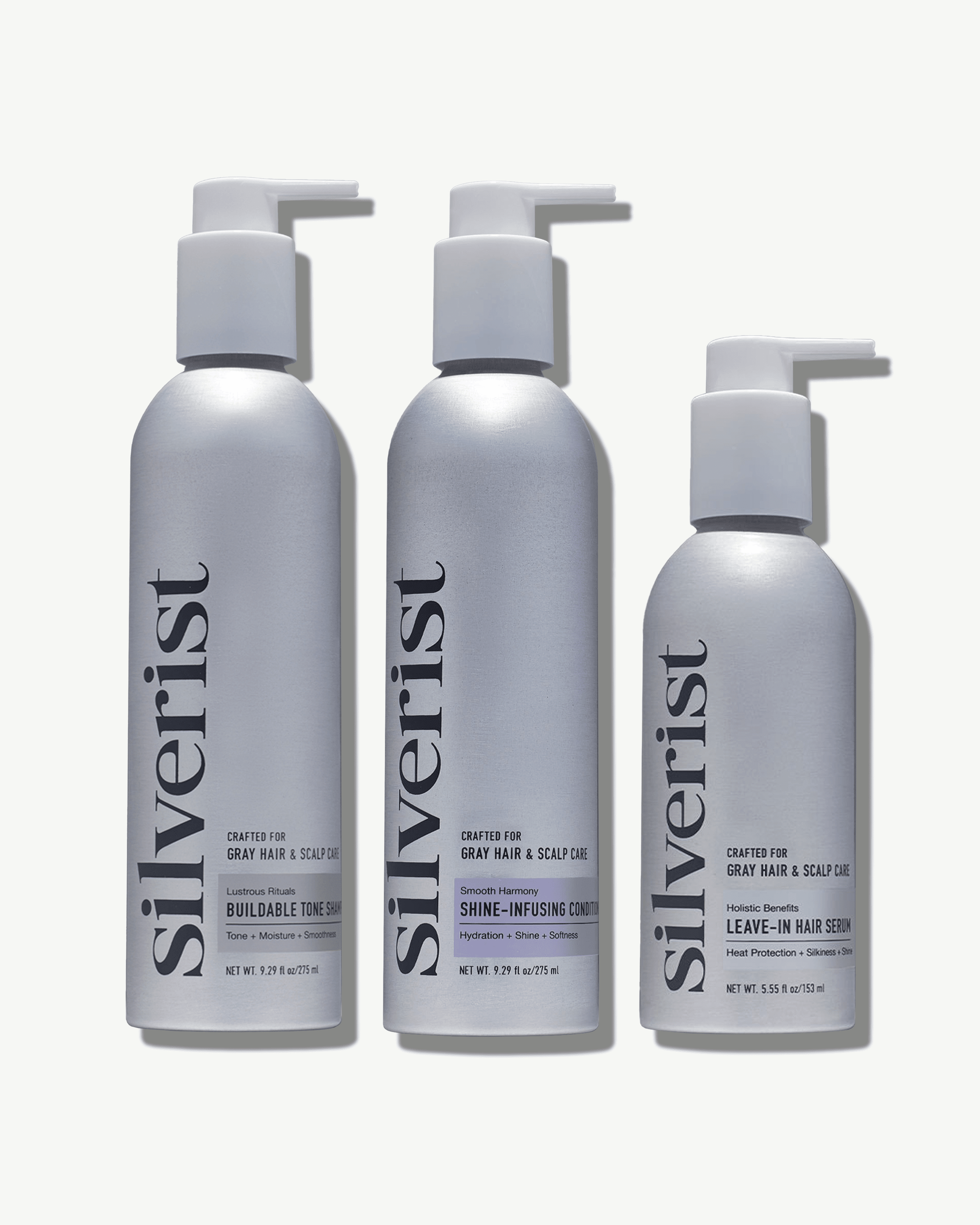
Credit: credobeauty.com
Diy Treatments For Gray Hair
Sometimes, the best solutions come from your own kitchen. Here are a few simple recipes:
Moisturizing Hair Mask
- 2 tablespoons coconut oil
- 1 tablespoon honey
- 1 tablespoon plain yogurt
Mix together, apply to damp hair, leave on for 20 minutes, and rinse out.
Shine-boosting Rinse
- 2 cups cool water
- 2 tablespoons apple cider vinegar
After washing, pour over hair and rinse out with cool water. This helps smooth the cuticle and boost shine.
Anti-frizz Serum
- 1 tablespoon argan oil
- 1 drop lavender essential oil
Mix and apply a tiny amount to the ends of dry hair.
Professional Treatments And When To See A Stylist
Sometimes, home care isn’t enough. Here’s when to see a professional:
- If your gray hair is yellowing and nothing at home works
- If you notice breakage or thinning that won’t stop
- For regular trims to remove split ends and keep shape
- For professional gloss treatments to add shine and smoothness
Salons can offer custom treatments like keratin smoothing or clear glosses that keep silver hair looking its best.
Products To Consider For Moisturizing And Anti-frizz Care
You don’t need a cabinet full of products, but a few well-chosen items can make a big difference.
Shampoo
- Moisturizing, sulfate-free
- Purple shampoo (once a week)
Conditioner
- Deep conditioner with proteins and oils
Leave-in
- Lightweight cream or spray
Oil/serum
- Argan or marula oil
Styling
- Heat protectant spray
- Flexible, humidity-resistant hairspray
Sun Protection
- UV-protectant spray
The best products are not always the most expensive—check reviews and look for those designed for gray or aging hair.
Adjusting Your Routine With The Seasons
Your hair’s needs change with the weather.
- Winter: Air is drier. Use richer masks and oils.
- Summer: More sun exposure. Use UV sprays and clarify more often.
- Humidity: Switch to anti-humidity products and avoid heavy creams.
Listen to your hair. If it feels dry, add more moisture. If it feels heavy, use lighter products.
Addressing Yellowing And Dullness In Silver Hair
Yellow tones are a common problem with gray hair. They can be caused by pollution, sun, heat styling, or even some products.
How To Prevent And Fix Yellowing
- Use purple or blue shampoo once a week to neutralize yellow.
- Avoid smoking and secondhand smoke, which can stain hair.
- Rinse hair after swimming in chlorinated pools.
- Don’t overuse heat tools—high heat can cause yellowing.
- Try a color-depositing conditioner for silver hair.
If yellowing is stubborn, a stylist can apply a professional toner.
Embracing Your Silver Strands: Confidence And Style
Caring for gray hair is about more than just moisture and frizz control. It’s about embracing a new look and feeling good about it.
- Choose a haircut that flatters your face and shows off your silver.
- Try new styles—soft waves, sleek bobs, or natural curls.
- Use accessories like scarves or clips to add interest.
- Remember: Healthy, shiny gray hair is beautiful at any age.

Credit: www.amazon.com
Frequently Asked Questions
How Can I Keep My Gray Hair From Looking Yellow?
Use a purple shampoo once a week to neutralize yellow tones. Protect your hair from sun, pollution, and heat. Rinse after swimming and avoid products with heavy silicones, which can attract dirt and pollution.
What Is The Best Way To Moisturize Gray Hair Daily?
Mist hair with water or a leave-in spray each morning. Apply a small amount of leave-in conditioner and a drop of oil or serum to the ends. Avoid over-washing and always use a deep conditioner after shampooing.
Can I Use Coconut Oil On Fine Gray Hair?
Yes, but use it sparingly. Coconut oil is heavy and can weigh down fine hair. Try using just a drop or mix it with a lighter oil like argan or jojoba. Always apply to the ends, not the roots.
How Often Should I Trim My Gray Hair?
Aim for every 6–8 weeks. Regular trims keep ends healthy and remove split ends, which can make gray hair look frizzy or rough. Trimming also helps maintain the shape of your style.
Are There Special Products Just For Gray Hair?
Yes. Look for shampoos, conditioners, and leave-in products labeled for silver or gray hair. These often contain brighteners, extra moisturizers, and UV protection. For more on specialized gray hair care, visit this Harvard Health guide.
Taking care of gray hair isn’t just about fighting frizz—it’s about helping your silver strands shine. With the right routine, your hair can be soft, bright, and full of life, no matter your age. Embrace your silver, treat it with care, and let your natural beauty stand out.