

Many women notice changes in their hair texture and volume after menopause. Hair that was once full and bouncy may become thin, flat, and more difficult to style. This transformation can be frustrating and affect self-confidence. The good news is, there are practical solutions to help bring back volume and vitality. Understanding why these changes happen and learning effective remedies can make a big difference in how your hair looks and feels.
Menopause brings shifts in hormone levels, especially a decrease in estrogen and progesterone. These hormones help keep hair thick and encourage growth. When their levels drop, hair can become finer, strands may shrink in diameter, and hair growth slows. But genetics, lifestyle, and hair care habits also matter.
For many women, the right combination of treatments and changes can restore lost volume and improve overall hair health.
This guide covers proven strategies for thin flat hair after menopause. You’ll find home remedies, styling tricks, product advice, nutritional guidance, and professional treatments. Real-world tips and insights are included to help you avoid common mistakes and see real results.
Understanding Why Hair Gets Thin And Flat After Menopause
Hormonal changes are the main reason for changes in hair after menopause. Estrogen supports hair growth and keeps hair in the growing phase longer. When estrogen drops, more hairs enter the resting and shedding phase. The result is less hair on the head, and what remains may be finer.
Other factors play a role:
- Genetics: If your mother or grandmother experienced thinning hair after menopause, you may too. Family history is a strong predictor, and noticing patterns early can help you take preventive steps.
- Health conditions: Thyroid issues, iron deficiency, and high stress can make things worse. Even mild thyroid imbalances can slow hair growth or make strands fall out more easily.
- Medications: Some medicines for blood pressure, depression, or cholesterol can affect hair. Steroids and hormone therapies may also play a part.
- Poor diet: Lack of protein, vitamins, and minerals can weaken hair. Skipping meals, dieting too harshly, or eating mostly processed foods may lead to faster thinning.
A common beginner mistake is to focus only on shampoo or external products. In reality, solutions often require a combined approach—both inside and out. For example, some women keep switching brands of shampoo but see little change because they miss deeper causes like nutrition or health.
Another insight: Hair changes after menopause are often gradual. You may not notice a big difference overnight, but slow, steady shifts in texture, shine, and thickness are typical. Paying attention early lets you act before the problem gets worse.
The Best Hair Care Practices For Volume
Daily habits can protect thin hair and help it look fuller. Simple changes in how you wash, dry, and brush your hair can make a big difference.
1. Use A Gentle Shampoo And Conditioner
Many shampoos have strong cleansers that strip natural oils. For thin, flat hair, this can make things worse. Choose a gentle, volumizing shampoo free from sulfates and parabens. These are less harsh and won’t weigh hair down. Look for labels that say “volumizing,” “strengthening,” or “for fine hair.” Some brands add proteins or botanical extracts to boost body.
Conditioners should be lightweight. Heavy, creamy formulas can flatten hair at the roots. Apply conditioner only to the ends, not the scalp, to keep volume. If you have very fine hair, a leave-in spray conditioner can also give light moisture without heaviness.
If you color your hair, pick shampoos and conditioners for color-treated hair to avoid extra damage.
2. Avoid Over-washing
Washing hair too often removes oils that add shine and protection. Try washing every other day, or even less if possible. On non-wash days, use a dry shampoo to refresh roots and add lift. Over-washing can lead to a dry, flaky scalp and even more shedding.
If you exercise frequently, rinsing with water and skipping shampoo can be enough on some days. Remember, the scalp’s natural oils protect both scalp and hair.
3. Dry Hair The Right Way
Instead of rubbing wet hair with a towel, blot gently. This prevents breakage. Microfiber towels are even better, as they absorb water quickly and reduce friction.
Blow dry using a round brush and lift hair at the roots. Flip your head upside down as you dry for extra volume. For best results, start by blow drying roots first, then work toward the ends.
If you air-dry, lift sections of hair at the roots with your fingers as it dries. This small trick can help prevent flatness.
4. Brush Carefully
Fine hair breaks easily. Use a wide-tooth comb on wet hair. Avoid tight ponytails or styles that pull on the roots. A boar bristle brush helps distribute natural oils.
Always detangle from the ends first and work up to the roots. For added care, look for brushes designed for fine or fragile hair. These have gentler bristles.
5. Sleep On Silk
Silk pillowcases reduce friction, which means less breakage and frizz. This simple change can help keep hair looking fuller. Cotton pillowcases can pull at hair as you move in your sleep, leading to more split ends and even hair loss over time.
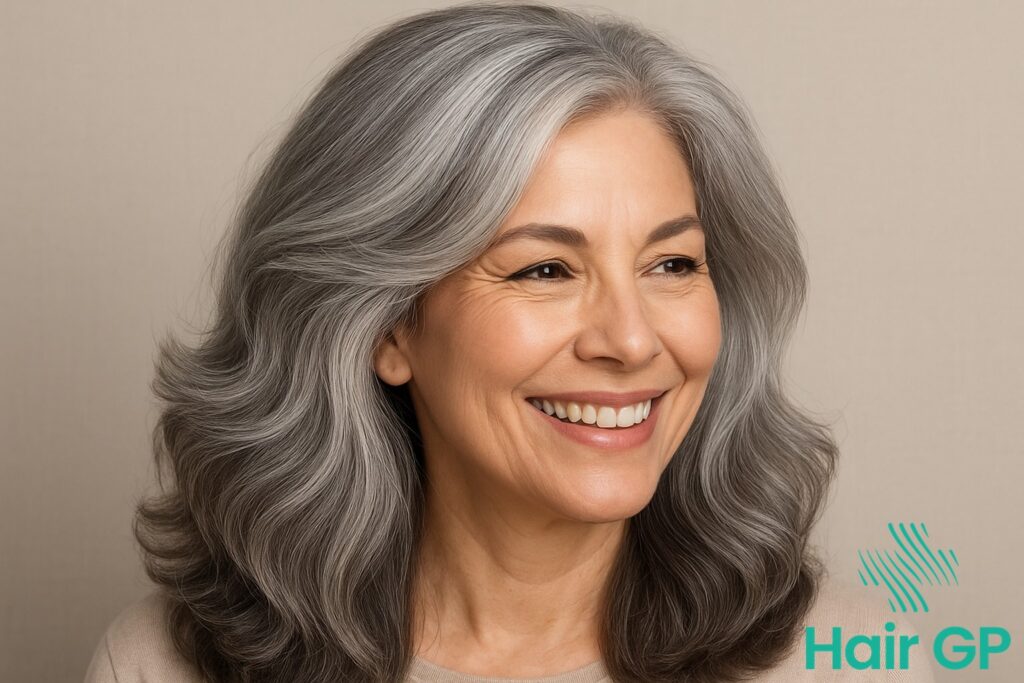
Credit: hairgp.co.uk
The Right Haircut And Style For Thin Hair
The style and length of your hair can create the illusion of volume.
1. Go Shorter
Shorter hair often looks thicker. Bobs, pixie cuts, or shoulder-length styles remove weight, making hair bounce up instead of lying flat. Long hair can pull itself down, making thin hair look even flatter.
A blunt bob with a slight angle or a short shag can add texture. If you’re nervous to go short, try trimming just a few inches at first and see the difference.
2. Add Layers
Layers add movement and lift. Ask your stylist for soft layers around the face and crown. Avoid heavy, blunt cuts that can make hair look even thinner.
Face-framing layers not only add volume but also bring attention to your facial features. Soft, blended layers are usually better than choppy or disconnected ones, which can actually make thin spots more visible.
3. Side Parts And Bangs
A deep side part lifts hair at the roots. Wispy bangs can add softness without removing too much hair. Changing your part from the usual spot even by a small amount can instantly boost volume at the roots.
Curtain bangs or long, side-swept bangs can help disguise thinning at the temples.
4. Avoid Heavy Extensions
Clip-in extensions can damage delicate hair. If you want extra length, talk to a stylist about lightweight options. There are newer types of extensions made for fine hair, but professional application and removal are key to avoiding breakage.
Tip: Bring photos to your stylist to show the look you want. Not every style suits every face or hair type. A consultation can help you decide the best option for your features and lifestyle.
Styling Products And Tools: What Works Best?
Choosing the right products and tools makes a big difference for thin, flat hair.
1. Volumizing Mousse Or Foam
Apply a golf-ball-sized amount to damp roots. Mousse adds body without stickiness. Avoid gels or waxes that weigh hair down. Modern mousses contain polymers that coat each strand, making hair feel thicker.
For maximum volume, distribute mousse evenly with a comb before blow-drying.
2. Root-lifting Sprays
These sprays target the roots, giving an instant lift. Use before blow-drying for best results. Spray directly onto the scalp at the crown and sides, then massage in with your fingers to distribute.
3. Heat Protectant
Thin hair is more prone to damage. Always use a heat-protectant spray before using a blow dryer, curling iron, or straightener. These sprays often contain silicones or proteins that form a protective layer over hair.
Heat protectant can also reduce frizz and help styles last longer.
4. Dry Shampoo
Dry shampoo is not just for oily days. It adds texture and grip, making hair appear fuller. Spritz at the roots, wait a minute, then massage in and brush out. Powder-based formulas are great for maximum lift.
5. Lightweight Serums
If you need to control frizz, choose a lightweight serum. Avoid oils and heavy creams that can flatten hair. Apply only a small amount to the ends and never at the roots.
6. Ceramic Tools
When using heated styling tools, pick ones with ceramic plates or barrels. They distribute heat evenly and reduce damage. Ceramic also helps retain moisture, keeping hair healthier overall.
7. Velcro Rollers
Old-fashioned but effective, Velcro rollers add body at the crown. Use them on dry hair, spray lightly, and let them cool for long-lasting volume. Even just a few rollers at the top of your head can make a visible difference.
8. Avoid High Heat
High temperatures can make thin hair weaker. Use the lowest effective heat setting. Letting hair cool in the shape you want helps styles last longer without extra heat.
Non-obvious insight: Many people skip heat protectant on dry hair, but it can also protect during touch-ups. For example, if you use a straightener to restyle second-day hair, always apply a light mist of protectant first.

Credit: hairgp.co.uk
Nourishing Hair From Within: Diet And Supplements
What you eat has a direct impact on hair thickness and health. After menopause, your body needs extra support.
Key Nutrients For Hair Volume
- Protein: Hair is mostly protein. Eat lean meat, eggs, beans, or tofu daily. A lack of protein can cause hair to shed or feel limp.
- Iron: Low iron causes shedding. Include spinach, lentils, or fortified cereals. Iron helps red blood cells carry oxygen to hair follicles.
- Biotin: This B vitamin supports hair health. Eggs, nuts, and seeds are good sources. Biotin deficiencies are rare, but even slightly low levels can affect hair.
- Zinc: Needed for repair and growth. Find it in seafood, pumpkin seeds, and beef. Too much zinc from supplements, however, can harm hair, so balance is key.
- Omega-3 fatty acids: These healthy fats add shine and reduce inflammation. Eat salmon, walnuts, or chia seeds. Omega-3s also soothe dry scalps.
- Vitamin D: Helps new hair growth. Get sun exposure or use supplements. Many women become vitamin D deficient after menopause, especially in winter.
- Vitamin C: Supports collagen, which strengthens hair. Citrus fruits, peppers, and berries are rich in vitamin C. Vitamin C also helps you absorb iron from plant foods.
Eating a wide variety of fresh foods, especially vegetables, fruits, and whole grains, helps ensure you get these nutrients.
Supplements: Do They Work?
Some women consider supplements like biotin, collagen, or multivitamins. They can help if you have a deficiency, but they are not magic pills. Always check with a doctor before starting new supplements.
Supplements should be a support, not a replacement for healthy eating. Sometimes, taking a supplement when you don’t need it can cause problems, such as acne from too much biotin or digestive upset from excess iron.
A common mistake is taking too many supplements at once, which can cause side effects or interact with medicines.
Hydration
Drink plenty of water. Dehydration makes hair brittle and flat. Herbal teas and water-rich foods (like cucumber or watermelon) also help hydration.
Scalp Health: The Foundation For Volume
The condition of your scalp directly affects hair growth and thickness.
1. Regular Scalp Massage
Gentle massage increases blood flow, bringing nutrients to hair roots. Use your fingertips for five minutes daily. You can add a few drops of rosemary or peppermint oil for extra stimulation.
Massage in small circles over the whole scalp. You can do this before washing your hair or at night while relaxing.
2. Exfoliate Your Scalp
Dead skin and product buildup can block hair follicles. Use a gentle scalp scrub once a week. You can buy a special scrub or make your own by mixing sugar with a little olive oil.
Scalp exfoliation helps keep follicles open, so new hairs can grow in more easily.
3. Treat Dandruff And Itch
Flaky or itchy scalp can slow hair growth. Choose a mild anti-dandruff shampoo if needed. Ingredients like zinc pyrithione or tea tree oil can soothe irritation.
Ignoring scalp problems often makes thinning worse, so tackle dryness, redness, or itch early.
4. Avoid Tight Hats Or Headbands
These can restrict blood flow and cause breakage along the hairline. Choose loose, soft styles and avoid wearing hats for long periods.
Insider tip: Many women forget to clean their scalp tools. Wash brushes and combs weekly to prevent buildup. Bacteria and oils from dirty tools can irritate the scalp and slow healthy growth.
Professional Treatments For Thin Flat Hair
Sometimes, home care isn’t enough. Professional treatments can provide a boost.
1. In-salon Volume Treatments
Salons offer deep conditioning and protein treatments that strengthen hair. Some treatments use keratin or collagen to add body. These are often done with heat to help ingredients penetrate the hair shaft.
Ask for treatments made for fine or color-treated hair. Some salons also offer scalp facials for deep cleansing and stimulation.
2. Scalp Micro-needling
This involves tiny needles that stimulate the scalp and encourage hair growth. It’s safe when done by professionals. The process encourages blood flow and may help hair follicles become more active.
Micro-needling is sometimes combined with serums or growth factors for better results.
3. Platelet-rich Plasma (prp) Therapy
Doctors use your own blood to create a plasma injection that helps hair follicles grow. Studies show it can thicken hair, but results vary. PRP is more effective when started early, and several sessions may be needed.
4. Low-level Laser Therapy (lllt)
Special lasers or light devices are used to stimulate hair growth. You can find in-salon treatments or at-home devices. Results take time, but some women see improvement in thickness and volume. Consistency is key—usually, treatments are needed several times a week for months.
5. Prescription Medications
If hair thinning is severe, doctors may prescribe topical minoxidil or oral medications. These can slow loss and sometimes regrow hair. Hormone therapies may help in some cases, but always discuss risks and benefits with your provider.
6. Hair Transplant
For advanced cases, transplant surgery moves hair from one area to another. This is a bigger step and not for everyone. Recovery can take weeks, and costs are high, but results can be permanent.
Practical advice: Always check the credentials of your provider before trying advanced treatments. Ask for before-and-after photos and reviews from other clients.
Natural Home Remedies For Volume
Some natural ingredients may help with volume and thickness.
1. Aloe Vera
Aloe soothes the scalp and can strengthen hair. Apply fresh aloe gel to your scalp for 15 minutes before washing. Aloe can also reduce itch and irritation.
2. Egg Mask
Eggs are rich in protein. Mix one egg with a tablespoon of olive oil, apply to damp hair, and leave for 20 minutes before rinsing. This can make hair feel softer and less brittle.
3. Fenugreek Seeds
Soak seeds overnight, blend into a paste, and apply to your scalp. Leave for 30 minutes. Fenugreek is believed to support hair growth. Some women notice less shedding after regular use.
4. Green Tea Rinse
Green tea is rich in antioxidants. Brew strong tea, let it cool, and use as a final rinse after shampooing. The antioxidants can soothe an inflamed scalp and may support new growth.
5. Castor Oil
Massage a small amount into your scalp. It is thought to increase circulation and nourish roots. Castor oil is thick, so use sparingly and always wash out well.
Important: Home remedies work best as part of a larger routine. They may not deliver dramatic results on their own. Patch-test new remedies to check for allergies.
Credit: istanbul-care.com
Lifestyle Changes That Support Hair Volume
Your overall lifestyle can affect your hair more than you think.
1. Manage Stress
High stress raises cortisol, which can trigger hair shedding. Practice relaxation methods like yoga, meditation, or deep breathing. Even short daily breaks can make a difference.
2. Get Enough Sleep
Aim for 7-8 hours per night. Hair grows and repairs itself during sleep. If you have trouble sleeping, try a calming routine before bed and limit screen time in the evening.
3. Avoid Smoking
Smoking reduces blood flow to the scalp and speeds up hair loss. Quitting can improve hair and skin health over time.
4. Limit Alcohol
Too much alcohol can dehydrate your body and weaken hair. Moderation is key.
5. Exercise Regularly
Exercise improves blood flow, which supports healthy hair. Activities like walking, swimming, or cycling are great choices.
6. Protect Hair From Sun And Pollution
Wear a hat or use UV spray when outdoors. Sun and pollution can damage hair and scalp. If you swim, rinse hair right after to remove chlorine or salt.
Note: Small daily habits add up. Consistency is more important than perfection. Even simple steps, done every day, can lead to stronger, fuller hair over time.
Comparing Popular Volumizing Shampoos
To help you choose, here’s a comparison of three leading volumizing shampoos for thin, flat hair.
| Brand | Main Features | Best For | Price Range |
|---|---|---|---|
| Nioxin System 1 | Removes buildup, supports scalp health | Normal to thin-looking hair | $$ |
| OGX Thick & Full Biotin & Collagen | Biotin, collagen, free from sulfates | Fine, limp hair | $ |
| Paul Mitchell Extra-Body | Wheat protein, panthenol, volumizing formula | Flat, lifeless hair | $$ |
Tip: Try sample sizes first to see which formula works best with your scalp and hair type.
Comparing Key Nutrients For Hair Volume
Some nutrients are more critical than others for hair health. Here’s a quick reference:
| Nutrient | Main Function | Food Sources | Signs of Deficiency |
|---|---|---|---|
| Protein | Builds hair structure | Eggs, lean meat, beans | Brittle, weak hair |
| Iron | Oxygen to roots | Spinach, lentils, beef | Shedding, dull color |
| Biotin | Cell growth | Eggs, nuts, seeds | Thinning, hair loss |
| Zinc | Repair, growth | Pumpkin seeds, seafood | Slow growth, breakage |
For best results, get most nutrients from food rather than supplements.
Styling Techniques For Maximum Volume
The way you style your hair makes a big impact on volume.
Blow-drying For Lift
- Start with towel-dried hair.
- Spray a root lifter at the crown.
- Use a round brush to lift hair as you blow dry.
- Dry in sections for even volume.
- Finish with a cool shot to set.
For even more lift, clip sections at the roots while they cool, then remove clips for bouncy volume.
Backcombing
- Gently tease hair at the roots using a fine-tooth comb.
- Smooth the top layer with a soft brush to hide teasing.
- Use hairspray for hold.
Only tease small sections to avoid damage. Always detangle gently after wearing teased styles.
Hot Rollers And Curling Irons
- Hot rollers set volume at the roots.
- Curling irons add texture and body.
- Always use a heat protectant.
Hot rollers can be left in while you finish getting ready, saving time.
Simple Updos
- A loose bun or ponytail with teased roots adds fullness.
- Avoid styles that pull tightly, which can stress fragile hair.
Adding a fabric scrunchie instead of a tight elastic helps prevent breakage.
Pro tip: Don’t overdo teasing or heat, as it can damage thin hair. Rotate styles to prevent stress on the same areas.
Mistakes To Avoid With Thin Flat Hair
Many women accidentally make their hair look thinner. Avoid these common pitfalls:
- Using heavy products: Thick creams, oils, or too much conditioner can weigh hair down.
- Skipping trims: Split ends travel up the hair shaft, making hair look even thinner.
- Washing with hot water: High temperatures dry out the scalp and weaken hair.
- Ignoring the scalp: Product buildup and oil can block follicles.
- Rough towel-drying: This causes breakage.
- Not protecting hair at night: Cotton pillowcases cause friction.
- Overprocessing with color or bleach: This can lead to breakage and thinning.
- Tight ponytails and clips: These can cause tension and breakage.
Non-obvious insight: Even small amounts of leftover styling product can build up and create flatness, so clarify hair every few weeks. Use a clarifying shampoo or apple cider vinegar rinse once a month.
Emotional Impact And Self-confidence
Thinning hair can be emotionally hard. Many women feel less feminine or worry about how others see them. It’s important to remember that you’re not alone—millions of women experience this change after menopause.
Talking with friends or support groups can help. Some women find new confidence by experimenting with scarves, hats, or headbands. Others take the chance to try a bold short style.
If hair loss is affecting your mood or self-esteem, consider talking to a counselor. Your well-being matters as much as your appearance.
Try to focus on what you can control—healthy habits, gentle styling, and experimenting with new looks. Sometimes, embracing change can spark new confidence and creativity.
When To See A Doctor
If hair thinning is sudden, patchy, or comes with other symptoms like rashes or fatigue, see a doctor. These could be signs of an underlying health issue, such as:
- Thyroid problems
- Iron deficiency anemia
- Autoimmune diseases
- Medication side effects
A dermatologist can check your scalp, run tests, and suggest treatments. Early action can prevent further loss.
Don’t wait if you notice bald patches, severe itching, or pain—these are not typical of normal menopausal hair changes.
Frequently Asked Questions
How Long Does It Take To See Results From Volume-boosting Strategies?
Most people see some improvement in 2 to 3 months with consistent care. This includes changes in diet, hair products, and styling methods. Professional treatments can show results sooner, but patience is important for lasting change.
Are There Hairstyles That Can Hide Thinning Areas?
Yes. Layered cuts, side parts, and soft bangs can camouflage thin spots. Ask your stylist for a cut that adds movement and lifts hair at the roots. Avoid long, straight styles, which tend to look flat.
Adding highlights or lowlights can also create the illusion of depth and fullness.
Is Minoxidil Safe For Postmenopausal Women?
Topical minoxidil is FDA-approved for female hair loss. It is generally safe, but some women experience scalp irritation or unwanted facial hair. Always follow your doctor’s instructions and report any side effects.
Do Natural Remedies Like Castor Oil Or Egg Masks Really Work?
Natural remedies can support hair health, but they are not cures for genetic or hormonal thinning. They work best as part of a larger routine. Scientific evidence is limited, but some women find them helpful for shine and strength.
Where Can I Find More Information On Menopause And Hair Health?
For trusted guidance, see the American Academy of Dermatology. They offer up-to-date information on hair loss, treatments, and scalp health.
Tackling thin flat hair after menopause is a journey. Small, consistent changes—both in your routine and your lifestyle—can lead to real improvements. Remember, you’re not alone, and solutions exist. Give your hair the support it needs, stay patient, and focus on healthy habits. With the right strategies, your hair can look fuller and more vibrant, helping you feel confident at any age.