

When you step into the shower, you expect to feel clean and refreshed. But have you ever thought about how the water itself affects your hair? Many people struggle with dull, dry, or even brittle hair, and often blame shampoos or styling products. However, the quality of your water can be just as important—sometimes even more so. The minerals, chemicals, and impurities in tap water can change the way your hair looks and feels. That’s why many households consider installing a whole house water filter or a shower filter. Both promise better water, but which is actually best for hair health?
Let’s dive deep into the differences, benefits, drawbacks, and real-world results of these two types of filtration. If you care about your hair, or want to understand how water impacts your body, this guide will help you make the right choice.
Understanding Water Quality And Hair Health
Water is never just H2O. Most tap water contains chlorine, chloramines, heavy metals, sediment, and hard minerals like calcium and magnesium. These can dry out your scalp, strip natural oils, and make hair more prone to breakage. For example, hard water is linked to dullness and frizz, while chlorine can cause itching and faded hair color.
Many cities add chlorine to kill bacteria. It’s safe for drinking, but not so gentle on hair. Hard water, found in over 85% of homes in the US, leaves mineral deposits that stick to hair shafts, making them rough and tangled.
This is even worse for people with colored or chemically treated hair.
What many people don’t realize is that even if your water looks clear, it can carry invisible contaminants. These build up over time, especially if you wash your hair daily. For instance, small amounts of lead or copper from old pipes can accumulate and affect not only hair, but also skin and general health.
A good water filter can remove these harmful substances, but not all filters work the same way. Let’s look at the two main options.
What Is A Whole House Water Filter?
A whole house water filter is installed at the main water line where water enters your home. This means every tap, shower, and appliance receives filtered water. These systems are often large, using multiple stages of filtration—like sediment filters, carbon filters, and sometimes water softeners.
Typical contaminants removed include:
- Chlorine and chloramines
- Sediment and rust
- Heavy metals (lead, mercury)
- Organic chemicals
- Hard minerals (in some systems)
Whole house filters are usually installed by a plumber. Some use simple cartridge systems, while others combine carbon, UV, and softener units.
One thing that’s often overlooked is how these filters improve water for other daily uses. For example, when you wash your clothes or linens, filtered water helps prevent mineral buildup. This indirectly benefits your hair, since your pillowcases and towels come in contact with your hair and scalp.
What Is A Shower Filter?
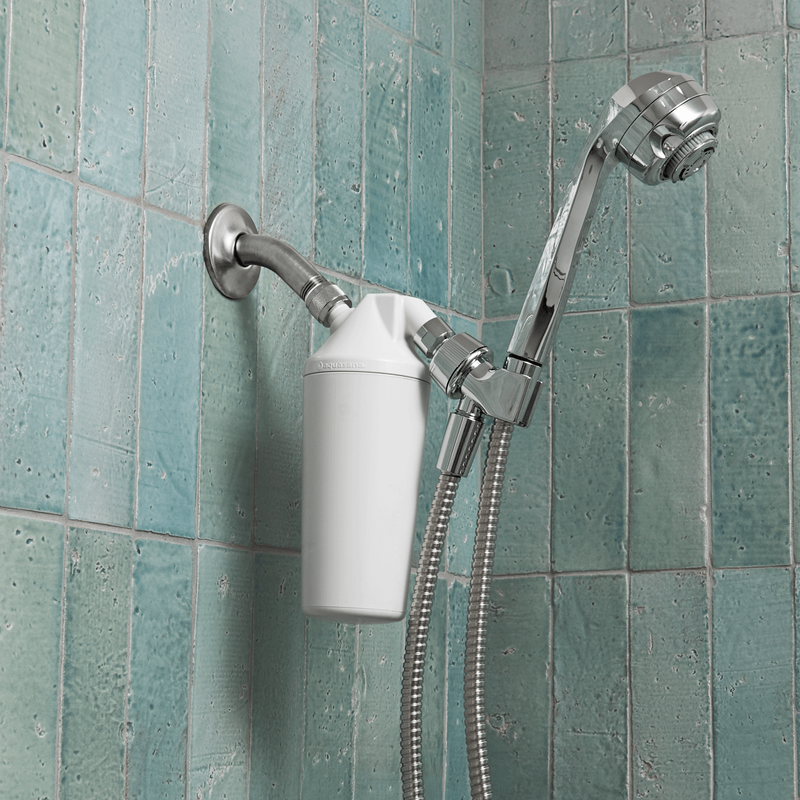
A shower filter attaches directly to your showerhead. It’s smaller, more affordable, and easier to install. Most shower filters use carbon, KDF (a zinc-copper medium), or vitamin C to remove chlorine and reduce some contaminants.
They are designed to target:
- Chlorine
- Sediment
- Some heavy metals
- Odor-causing impurities
However, shower filters usually don’t soften water or remove as many contaminants as whole house filters. Their capacity is lower and the filter cartridge needs changing every 3-6 months.
Some shower filters are made with vitamin C, which not only neutralizes chlorine but can also add a gentle boost for hair and skin. This is a detail many beginners miss—vitamin C filters often work better for color-treated hair than basic carbon filters.
If you have sensitive skin or scalp, this can be an extra benefit.
How Water Affects Hair: Key Problems
Before comparing filters, let’s see how water affects hair health:
- Dryness and Brittleness: Chlorine strips natural oils, leaving hair dry.
- Frizz and Dullness: Hard water deposits minerals, making hair rough and dull.
- Color Fading: Chlorine and metals can fade dye, making colored hair lose vibrancy.
- Scalp Irritation: Chemicals and sediment can cause itching or flakes.
- Breakage: Mineral buildup weakens hair, leading to split ends and breakage.
It’s important to note that these problems can build up gradually. For example, someone who moves to a city with hard water may notice their hair losing shine and becoming harder to manage after a few months—even if their hair care routine hasn’t changed.
A filter can help solve these issues, but the effect depends on the type and quality of filter.
Whole House Water Filter: Pros And Cons For Hair Health
Benefits
- Full Coverage: Every faucet and shower delivers filtered water. This is great for washing hair, face, and even laundry.
- Removes More Contaminants: With multi-stage filtration, it tackles chlorine, metals, sediment, and sometimes hardness.
- Better for Sensitive Skin and Scalp: Reduces irritants throughout the home.
- Consistent Water Quality: No matter which tap you use, hair is exposed to less harmful substances.
Another often-missed advantage: filtered water in the kitchen. When you wash fruits, vegetables, or even your hands, the absence of harsh chemicals means less risk of skin irritation, which can affect scalp health indirectly.
Drawbacks
- High Cost: Installation can cost $500–$3,000, plus maintenance.
- Complex Setup: Often needs professional installation.
- Maintenance Required: Cartridges or tanks need changing every 6–12 months.
- Space Needed: Takes up room in basement or utility area.
Some systems can be bulky and may require plumbing changes, which can be a challenge for older homes. Maintenance is also key—if filters aren’t changed on time, water quality drops quickly and hair problems can return.
Real-world Impact
People who install whole house filters often notice:
- Softer, shinier hair after a few weeks.
- Less frizz and tangling.
- Reduced scalp irritation.
In homes with very hard water, the difference is often dramatic. For instance, families report that children’s hair becomes easier to comb, and adults notice less scalp itching. However, if the system only removes chlorine and not minerals, benefits may be limited.
Shower Filter: Pros And Cons For Hair Health
Benefits
- Easy Installation: Most screw onto the showerhead in minutes.
- Lower Cost: Usually $30–$150.
- Targets Chlorine: Removes chlorine, which is a top cause of dryness and color fading.
- Portable: Can be moved to new homes or apartments.
- Quick Results: Many users see improvements in hair softness within days.
Some shower filters are also designed to fit non-standard showerheads, making them accessible for renters or frequent movers. The immediate improvement in hair feel is often noticeable—users report softer hair after only a few showers.
Drawbacks
- Limited Filtration: Most shower filters don’t remove all hard minerals.
- Short Cartridge Life: Needs changing every few months.
- Not Whole Home: Only affects shower water, not sinks or laundry.
- May Not Work in Very Hard Water Areas: If your water is very hard, minerals may still affect hair.
It’s easy to forget to change the cartridge, especially if there’s no indicator. Old cartridges lose effectiveness and can even make water quality worse, so setting a reminder is helpful.
Real-world Impact
Many people report:
- Less dryness and itching
- Improved hair shine
- Better color retention
Some users with curly hair find their curls become more defined after switching to a shower filter, since chlorine removal helps natural hair patterns. But in cities with hard water, some users see little change, since minerals still reach the hair.

Credit: westfieldseniors.org
Comparing Whole House Water Filters Vs Shower Filters
Let’s look at a side-by-side comparison for hair health:
| Feature | Whole House Filter | Shower Filter |
|---|---|---|
| Coverage | Entire home | Single shower |
| Contaminants Removed | Chlorine, sediment, metals, sometimes hardness | Chlorine, some metals, sediment |
| Installation | Professional | DIY |
| Cost | $500–$3,000 | $30–$150 |
| Maintenance | 6–12 months | 3–6 months |
| Impact on Hair | Best when hard water is removed | Good if chlorine is main issue |
How Whole House Filters Work For Hair Health
Whole house filters use several stages:
- Sediment filter: Removes sand, dirt, and rust.
- Carbon filter: Absorbs chlorine, pesticides, and organic chemicals.
- Water softener (optional): Uses salt or resin to remove calcium and magnesium.
- UV filter (optional): Kills bacteria.
For hair health, the most important steps are carbon filtration (removing chlorine) and softening (removing hard minerals). If your water is soft, a carbon filter is enough. If you have hard water, a softener is essential.
Example: Hard Water And Hair
If your water has over 120 mg/L of calcium and magnesium, you have hard water. This causes:
- Mineral buildup on hair
- Increased tangling
- Loss of shine
A whole house filter with a softener can reduce these effects. After installation, many users find their hair is easier to style and less prone to breakage.
Some homes use magnetic or electronic softeners, but these are not as effective as traditional salt-based systems. For best results, choose a system that actually removes minerals, not just alters them.
How Shower Filters Work For Hair Health
Shower filters are simpler. Most use:
- KDF: Removes chlorine and some heavy metals.
- Carbon: Absorbs chlorine.
- Vitamin C: Neutralizes chlorine.
They don’t remove hard minerals, but can make water less harsh. If your main problem is chlorine, a shower filter can make a big difference.
Example: Chlorine And Color-treated Hair
If you dye your hair, chlorine can strip color. A shower filter removes chlorine, helping color last longer. Many stylists recommend using a shower filter after coloring hair.
For people with sensitive scalps, vitamin C filters are often recommended because they neutralize chlorine without adding harsh chemicals. If you notice your scalp feels tight or itchy after a shower, this type of filter can be a gentle solution.
Which Filter Is Best For Hair Health?
The answer depends on your water quality and needs.
- If you have hard water (high minerals), a whole house filter with a softener is best.
- If you have chlorinated water, both filters help, but whole house filters are more complete.
- If you rent or have a tight budget, a shower filter is better than nothing.
If you want to protect hair from all sides—chlorine, minerals, and metals—a whole house filter offers the most coverage. But if you only care about your shower water, or move often, a shower filter is a practical solution.
One mistake beginners make is thinking that a shower filter will solve all water problems. If your laundry and kitchen still use unfiltered water, residues from those areas can still affect hair and skin. For the most complete protection, whole house systems are the way to go.
Testing Your Water: The First Step
Before buying any filter, test your water. You can buy test kits for $10–$30 or ask your city for water reports. Look for:
- Hardness (calcium and magnesium)
- Chlorine levels
- Metals (lead, copper)
- Sediment
Testing is simple but powerful. For example, if your report shows high iron, you may need a filter that targets iron specifically. Some people skip this step and waste money on the wrong filter.
If your water is soft and low in chlorine, you might not need a filter. If numbers are high, a filter can help hair health.
Installation: What You Need To Know
Whole House Filter Installation
- Usually needs a plumber.
- Takes 2–4 hours.
- Requires space for tanks and cartridges.
- Some systems need a drain line for softeners.
Whole house filters may require shutting off water and draining pipes. Some newer systems have simple bypass valves to make maintenance easier.
Shower Filter Installation
- Easy DIY, takes 5–10 minutes.
- No tools needed.
- Fits most standard showerheads.
- Just unscrew old head, attach filter, then re-attach showerhead.
If your shower has a fixed head, adapters are available. For renters, this installation rarely violates lease agreements, making it a safe choice.

Credit: www.softprowatersystems.com
Maintenance And Running Costs
Both filters need regular maintenance.
- Whole house filters: Change cartridges every 6–12 months ($40–$200 per cartridge). Softeners need salt refills.
- Shower filters: Change cartridge every 3–6 months ($10–$40 each).
Failing to change cartridges means water quality drops and hair health can suffer.
It’s also wise to check for leaks and monitor water pressure. If you notice a sudden drop, it could mean the filter is clogged and needs replacing.
Real-life Results: What Users Say
A survey by the Water Quality Association showed:
- 65% of people with whole house filters reported softer hair
- 53% noticed reduced scalp irritation
- 42% saw better hair shine
Users with shower filters reported:
- 70% saw improved hair softness
- 55% experienced less dryness
- 35% noticed better color retention
But 30% of shower filter users in hard water areas said they saw little or no improvement.
Some users in very old homes with metal pipes notice improvements in both hair and skin after installing a whole house filter. This is because such filters remove traces of metals that can leach from aging plumbing.
Data Table: Hair Health Results After Filter Installation
Here’s a summary of user-reported improvements after 4 weeks:
| Filter Type | Softer Hair | Less Frizz | Reduced Color Fading | Less Itching |
|---|---|---|---|---|
| Whole House Filter | 65% | 58% | 49% | 53% |
| Shower Filter | 70% | 48% | 35% | 55% |
Non-obvious Insights: What Beginners Often Miss
- Laundry and Hair Health Are Linked: When you wash towels and pillowcases in filtered water, fewer residues and chemicals touch your hair and skin. Whole house filters help here; shower filters don’t.
- Softened Water Needs Less Shampoo: After installing a whole house softener, many people find they need less shampoo and conditioner. This saves money and reduces build-up.
- Filter Lifespan Depends on Water Quality: If your water is very dirty, cartridges wear out faster. Always check local water data before buying.
- Some Filters Lower Water Pressure: Both types can reduce flow, but whole house filters are more likely to do so if not installed correctly.
- Vitamin C Filters Are Best for Chlorine: If chlorine is your main concern, vitamin C filters neutralize it better than basic carbon filters.
Another subtle point: soft water can feel slippery at first. This is normal and just means minerals are gone. Over time, hair adjusts and becomes softer and less tangled.
Mistakes To Avoid When Choosing A Water Filter
- Ignoring Water Test Results: Don’t guess! Always test your water before buying.
- Buying Cheap Filters: Low-quality filters may not remove enough contaminants.
- Skipping Maintenance: Old cartridges can make water worse than before.
- Expecting Shower Filters to Soften Water: Most shower filters don’t remove hard minerals.
- Not Considering Whole Home Needs: If you want filtered water for drinking and washing, consider a whole house filter.
Some people also forget to check compatibility with their plumbing. Always verify that your chosen filter fits your pipes or showerhead.
Practical Tips For Better Hair Health
- Always rinse hair with cool, filtered water to reduce cuticle damage.
- Avoid using harsh shampoos if you have hard water; they can make buildup worse.
- Clean shower filters regularly to prevent mold.
- If you travel, consider a portable shower filter.
- After installing a filter, monitor your hair’s texture and adjust products as needed.
If you notice your hair feels sticky or greasy after switching to soft water, try using less shampoo and conditioner. This is a common adjustment that saves money and avoids product buildup.
Deciding: Whole House Filter Or Shower Filter?
To make the right choice, ask yourself:
- Do you have hard water or high chlorine? If yes, a whole house filter is best.
- Do you rent, move often, or have a tight budget? A shower filter is practical.
- Do you want filtered water for drinking, cooking, and laundry? Whole house filter wins.
- Is your main concern hair softness and shine? Both filters help, but results depend on your water type.
Use your local water report and personal needs to decide. Remember, the best filter is the one you will maintain properly.
If you have a family with multiple bathrooms, a whole house system will ensure everyone benefits. For singles or couples in small apartments, a shower filter may be all you need.
Advanced Considerations: Custom Solutions
Some people combine filters for maximum effect. For example:
- Whole house filter + shower filter: Removes most contaminants and extra chlorine.
- Whole house filter + reverse osmosis for drinking: Clean water everywhere.
If you have special needs (like allergies or sensitive skin), consult with a water specialist.
In newer homes, it’s possible to install dedicated lines for filtered water in the kitchen and bathrooms. This custom approach can maximize benefits for hair and overall health.
Data Table: Filter Lifespan And Maintenance Costs
Here’s a breakdown of typical filter life and costs:
| Filter Type | Cartridge Life | Annual Cost |
|---|---|---|
| Whole House Filter | 6–12 months | $80–$400 |
| Shower Filter | 3–6 months | $40–$120 |
Whole house filters cost more up front but often save money over time, especially if you have large family or multiple bathrooms.
Scientific Evidence: Water Quality And Hair
Studies show that hard water increases hair breakage and dullness. Chlorine is linked to scalp irritation and color fading. According to a 2017 study in the International Journal of Trichology, people exposed to hard water had more hair damage and loss of shine.
Hair experts agree: water quality is a major factor in hair health. While styling and products matter, the water you use every day is just as important.
For more details, see Wikipedia’s water filter page.
Credit: www.aquasana.com
Frequently Asked Questions
What Is The Main Difference Between A Whole House Water Filter And A Shower Filter?
A whole house water filter treats all the water entering your home, including sinks, showers, and laundry. A shower filter treats only the water from your shower, mainly targeting chlorine and some impurities. Whole house filters are larger, more expensive, and offer broader coverage.
Can A Shower Filter Remove Hard Minerals From Water?
Most shower filters do not remove hard minerals like calcium and magnesium. They are designed for chlorine and some metals, but not for softening water. If hard water is your main problem, a whole house filter with a softener is needed.
How Often Should I Change The Filter Cartridge?
For whole house filters, change cartridges every 6–12 months. Shower filter cartridges need changing every 3–6 months. If your water is very dirty, you may need to change them sooner.
Will A Water Filter Affect My Hair Color?
Yes, both whole house and shower filters can help protect colored hair by removing chlorine and metals. This keeps color vibrant for longer and reduces fading.
Are Water Filters Worth It For Hair Health?
If your water contains high chlorine or is hard, a filter can make a big difference in hair softness, shine, and scalp comfort. The best filter depends on your budget and needs, but most users see improvement within weeks.
Final Thoughts
Choosing between a whole house water filter and a shower filter for hair health depends on your water quality, budget, and lifestyle. If you want total protection, a whole house filter offers the most benefits, especially in areas with hard water.
Shower filters are a good step for renters or those on a budget, mainly helping with chlorine. Remember, healthy hair starts with healthy water. Test your water, choose a filter you can maintain, and enjoy softer, shinier, happier hair every day.