

Pumpkin Seed Oil For Hair Loss: Dht Blocking Evidence
Hair loss is a common worry for many people around the world. Both men and women experience thinning hair, receding hairlines, or bald spots at some point in their lives. While there are many treatments and products on the market, interest in natural solutions is growing fast. One oil getting a lot of attention is pumpkin seed oil. Many claim it can block DHT (dihydrotestosterone), a hormone linked to hair loss. But does the evidence support these claims? Let’s explore how pumpkin seed oil works, what the science says, and how you can use it safely.
Understanding Hair Loss And Dht
Before looking at pumpkin seed oil, it’s important to understand why hair falls out. Most hair loss in adults is due to a condition called androgenetic alopecia—better known as male or female pattern baldness. This happens because of genetics, age, and hormones.
What Is Dht?
Dihydrotestosterone (DHT) is a hormone made from testosterone. It is much stronger than testosterone and is found in both men and women. DHT attaches to hair follicles and shrinks them over time. This makes the hair thinner, shorter, and can eventually stop new hair from growing. High DHT is the main reason for pattern baldness.
Why Block Dht?
Lowering or blocking DHT can slow down or even stop hair loss for many people. This is why some medications, like finasteride, are called DHT blockers. However, these medicines can have side effects, and not everyone wants to use them. This has led to a search for natural DHT blockers, and pumpkin seed oil is one that keeps coming up.
What Is Pumpkin Seed Oil?
Pumpkin seed oil is made by pressing the seeds of the pumpkin (Cucurbita pepo). The oil is dark green, thick, and has a nutty taste. It has been used in traditional medicine for centuries, especially in Eastern Europe and Asia.
Key Nutrients In Pumpkin Seed Oil
Pumpkin seed oil is rich in:
- Fatty acids (mainly linoleic and oleic acids)
- Phytosterols (especially beta-sitosterol)
- Vitamin E (tocopherols)
- Zinc
- Magnesium
- Antioxidants
These nutrients are known for supporting general health, but some may have special effects on hair and hormones.
The Science: Does Pumpkin Seed Oil Block Dht?
Many people want to know if pumpkin seed oil is a real DHT blocker, or just a popular myth. Let’s look at the evidence.
Laboratory Studies
Scientists have studied pumpkin seed oil in the lab to see if it affects DHT.
- Phytosterols in pumpkin seed oil, like beta-sitosterol, can block the enzyme 5-alpha reductase. This enzyme changes testosterone into DHT. If you reduce 5-alpha reductase, you make less DHT.
- One study found that pumpkin seed oil stopped the growth of prostate cells in rats by blocking DHT. This is important because the same process that affects the prostate can also affect hair follicles.
Human Clinical Trials
There are not many big studies on humans, but a few have been done.
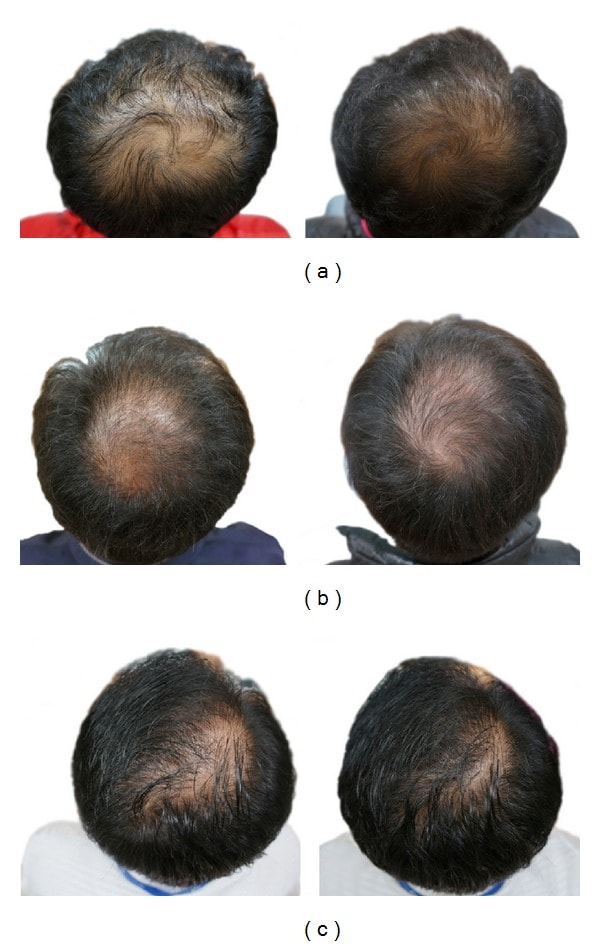
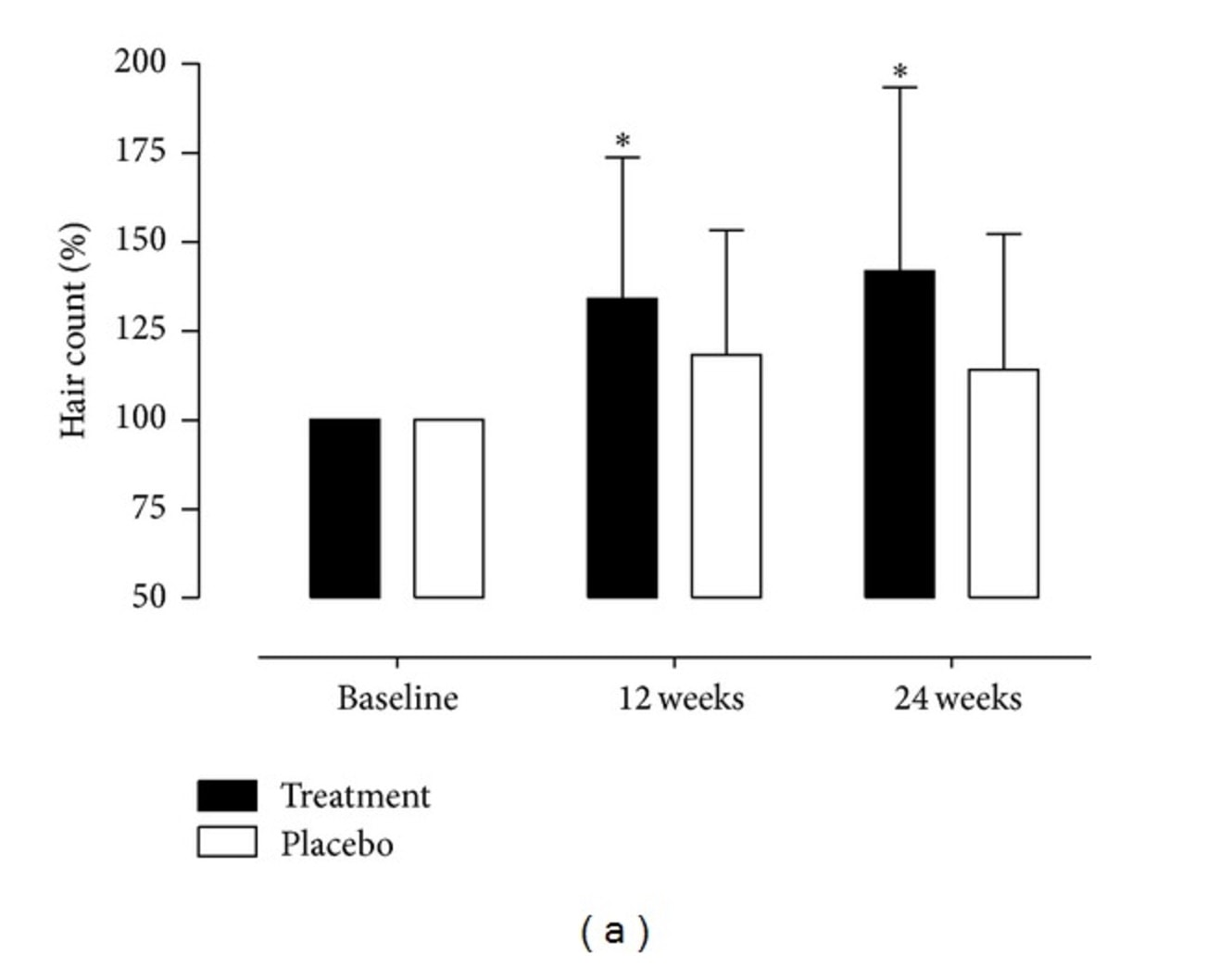
- A 2014 study in the journal Evidence-Based Complementary and Alternative Medicine followed 76 men with mild to moderate hair loss. Half took 400 mg of pumpkin seed oil each day, and the other half took a placebo. After 24 weeks, the group taking pumpkin seed oil had a 40% increase in hair count, compared to just 10% in the placebo group. The improvement was significant and visible.
- Another study found that combining pumpkin seed oil with other natural DHT blockers helped slow hair loss in men with enlarged prostates, suggesting a link with DHT.
Animal Studies
Animal studies are sometimes used to test new ideas before human trials.
- In one study, rats given pumpkin seed oil had lower prostate weights, which suggests less DHT activity.
- Another study showed that applying pumpkin seed oil to the skin helped fur regrow faster in mice, possibly by boosting blood flow and blocking DHT.
Limitations Of Current Research
While these results are promising, there are some limits:
- Most studies are small or short-term.
- Not all studies used the same dose or form of pumpkin seed oil.
- There are few studies on women or different types of hair loss.
Still, the evidence so far suggests that pumpkin seed oil may help block DHT and support hair growth, especially for mild to moderate hair loss.
How Pumpkin Seed Oil May Promote Hair Growth
Pumpkin seed oil doesn’t just block DHT. It may help hair in other ways too. Here’s how:
- Reduces Inflammation: Chronic inflammation can weaken hair follicles. The antioxidants and fatty acids in pumpkin seed oil help calm the scalp.
- Improves Blood Flow: Good blood circulation brings nutrients and oxygen to hair roots, helping them grow strong. Some studies suggest pumpkin seed oil can improve blood flow to the scalp.
- Moisturizes the Scalp: Dry skin can lead to hair breakage and slow growth. Pumpkin seed oil is a natural moisturizer.
- Boosts Nutrient Supply: The zinc and magnesium in pumpkin seed oil are important for healthy hair growth.
These extra benefits make pumpkin seed oil a well-rounded choice for anyone looking to improve their hair health naturally.
Comparing Pumpkin Seed Oil To Other Dht Blockers
How does pumpkin seed oil stack up against other natural and medical DHT blockers? Here’s a look at some popular options.
| DHT Blocker | Type | Main Action | Common Side Effects |
|---|---|---|---|
| Pumpkin Seed Oil | Natural | Blocks 5-alpha reductase, anti-inflammatory | Rare (mild digestive issues) |
| Finasteride | Prescription | Blocks 5-alpha reductase (Type II) | Sexual dysfunction, mood changes |
| Saw Palmetto | Natural | Blocks DHT production | Stomach upset, headache |
| Minoxidil | Over-the-counter | Increases blood flow (not a DHT blocker) | Itching, scalp irritation |
Pumpkin seed oil is unique because it has both DHT-blocking and anti-inflammatory effects, with very few side effects reported.
How To Use Pumpkin Seed Oil For Hair Loss
If you want to try pumpkin seed oil for hair loss, you have a few options. You can take it by mouth (oral) or apply it directly to your scalp (topical). Here’s how to use both methods safely and effectively.
Oral Use (capsules Or Liquid)
Many studies use pumpkin seed oil capsules. You can also take the oil by spoon.
- Typical Dose: 400–1000 mg per day (1–2 capsules or about 1 teaspoon)
- How to Take: With food, to help your body absorb the oil better
- Safety: Most people tolerate it well. Some may get mild stomach upset.
Topical Use (direct Application)
You can massage pumpkin seed oil into your scalp.
- How to Apply: Warm a few drops in your hands, massage into the scalp for 5–10 minutes, then wash out after 30–60 minutes.
- How Often: 2–3 times per week
- Tip: Mix with other oils like coconut or castor oil for extra moisture.
Combining Both Methods
Some people take pumpkin seed oil by mouth and use it on their scalp for double benefits. There’s no harm in combining both, but always start slowly to check for allergies.
Credit: perfecthairhealth.com
Choosing Quality Pumpkin Seed Oil
Not all pumpkin seed oils are the same. Here’s what to look for:
- Cold-Pressed: This means the oil is made without heat, keeping more nutrients.
- Dark Glass Bottles: Protects the oil from light and keeps it fresh.
- No Additives: Pure pumpkin seed oil is best—avoid oils with extra flavors or colors.
- Organic: Fewer chemicals and pesticides.
Checking The Label
Always read the label for:
- Source (country of origin)
- Expiry date
- Certification (organic or food-grade)
Pumpkin seed oil can go bad if stored in sunlight or heat. Keep it in a cool, dark place.
Possible Side Effects And Safety
Pumpkin seed oil is safe for most people, but it’s good to know the risks.
Common Side Effects
- Mild stomach upset
- Loose stools (if taken in high amounts)
- Rare allergic reactions (skin rash or itching)
Who Should Be Careful?
- People with pumpkin or seed allergies
- Anyone taking blood-thinning medicines (pumpkin seed oil may increase bleeding risk)
- Pregnant or breastfeeding women (not enough research yet)
If you have any health conditions or take medicine, talk to a doctor before starting pumpkin seed oil.
Credit: perfecthairhealth.com
What Beginners Often Miss
Many people new to pumpkin seed oil for hair loss make some simple mistakes. Here are two important things beginners usually miss:
- Consistency is Key: Pumpkin seed oil works slowly. You need to use it every day for at least 3–6 months to see results. Stopping early means you won’t notice a difference.
- Diet and Lifestyle Matter: Pumpkin seed oil is not magic. Poor diet, stress, and lack of sleep can still cause hair loss. For best results, combine the oil with a healthy lifestyle.
Another thing to remember: Everyone’s hair is different. Some may see results quickly, others more slowly—or not at all. Genetics, age, and overall health all play a role.
Real-life Success Stories
Many people share positive results online after using pumpkin seed oil for hair loss. Here are a few common themes:
- Users notice less hair shedding after 2–3 months
- Hair feels thicker and softer
- Bald spots fill in slowly
- Men with male pattern baldness see “peach fuzz” regrowth
Of course, not everyone has the same experience. Some people see little or no change. The good news is that side effects are rare and the oil is safe for most.
Combining Pumpkin Seed Oil With Other Treatments
Pumpkin seed oil can be used alone or with other hair loss treatments for better results. Here’s how it fits with common options.
With Minoxidil
You can use pumpkin seed oil alongside minoxidil (Rogaine). Minoxidil increases blood flow, while pumpkin seed oil blocks DHT. Together, they address two major causes of hair loss.
With Saw Palmetto
Both saw palmetto and pumpkin seed oil are natural DHT blockers. Some supplements combine them for a stronger effect. Always check the label for safe doses.
With Hair Growth Shampoos
Look for shampoos containing pumpkin seed oil or DHT-blocking herbs. Using oil and shampoo together may boost results.
With A Healthy Diet
A diet rich in zinc, biotin, protein, and iron supports healthy hair. Pumpkin seed oil can add healthy fats and nutrients to your diet.
Pumpkin Seed Oil For Women’s Hair Loss
Most studies focus on men, but many women use pumpkin seed oil too. Women can lose hair because of DHT, especially after menopause or during hormonal changes.
Is It Safe For Women?
Yes, pumpkin seed oil is safe for women. There are no reports of hormone side effects like those from medical DHT blockers. Women can use the same doses as men.
Special Considerations
- Women with PCOS (polycystic ovary syndrome) may have higher DHT. Pumpkin seed oil could help, but it is not a replacement for medical advice.
- If you are pregnant, check with your doctor before taking any new supplement.
Pumpkin Seed Oil Vs. Other Natural Oils For Hair
How does pumpkin seed oil compare to other popular oils for hair growth? Here’s a quick look.
| Oil | Main Benefit | DHT Blocking | Other Key Effects |
|---|---|---|---|
| Pumpkin Seed Oil | DHT blocking, scalp health | Yes (moderate evidence) | Anti-inflammatory, nutrient-rich |
| Coconut Oil | Moisturizes, reduces protein loss | No | Antifungal, supports scalp barrier |
| Castor Oil | Promotes thickness, supports growth | No | Improves circulation, thick texture |
| Rosemary Oil | May boost growth, improves circulation | Possibly | Antioxidant, improves scalp health |
Pumpkin seed oil stands out for its DHT-blocking effect. Other oils are great for moisturizing and scalp health, but don’t target the hormone causes of hair loss.
Myths And Misunderstandings About Pumpkin Seed Oil
As pumpkin seed oil grows in popularity, so do myths. Let’s clear up some common misunderstandings.
Myth 1: Pumpkin Seed Oil Works Overnight
Some people expect fast results—within days or weeks. In reality, hair grows slowly. Pumpkin seed oil needs time to block DHT and support new hair growth. Most people see changes after 3–6 months.
Myth 2: It Cures All Hair Loss
Pumpkin seed oil is helpful for pattern baldness (DHT-driven hair loss). It will not cure hair loss from scarring, severe illness, or chemotherapy. Always find the cause of your hair loss first.
Myth 3: More Oil Means More Hair
Taking too much pumpkin seed oil does not speed up results. Stick to safe doses. More is not always better and can cause stomach upset.
Expert Opinions
Most doctors and dermatologists agree that more research is needed, but pumpkin seed oil is a safe and promising option.
- Dr. Jerry Shapiro, a hair loss specialist, says natural DHT blockers like pumpkin seed oil are “worth considering” for mild cases.
- Nutritionists point out that the high zinc and antioxidants in pumpkin seed oil can support overall scalp health.
Experts warn not to replace prescription medicine with pumpkin seed oil without talking to a doctor, especially if your hair loss is fast or severe.
Practical Tips For Using Pumpkin Seed Oil
To get the best results from pumpkin seed oil, follow these practical suggestions:
- Start with a Patch Test: Before using on your scalp, test a drop on your skin to check for allergies.
- Stay Consistent: Use the oil daily or as directed for at least 3 months before judging results.
- Keep a Photo Diary: Take pictures every month to track hair changes.
- Combine with Gentle Hair Care: Avoid harsh shampoos, heat styling, and tight hairstyles.
- Eat a Balanced Diet: Pumpkin seed oil works best when you’re also eating well.
These simple steps can help you get the most from your hair care routine.
Research Gaps And Future Directions
While the evidence is promising, there are still gaps in research. Here’s what scientists are working on:
- Larger and longer studies on both men and women
- Comparing pumpkin seed oil with prescription DHT blockers
- Understanding the best dose and form (capsules, oil, or food)
- Studying effects on different types of hair loss
For now, pumpkin seed oil remains a low-risk, natural option with growing scientific support.
Where To Buy Pumpkin Seed Oil
You can find pumpkin seed oil in health food stores, pharmacies, and online shops. Look for brands with good reviews and clear ingredient lists.
- Capsules are easy to take and measure.
- Liquid oil is good for cooking, salads, or scalp massage.
If you buy online, check for customer ratings and independent lab testing.
How Pumpkin Seed Oil Fits Into A Hair Loss Plan
Pumpkin seed oil is not a cure-all, but it can be a smart part of a hair loss plan. Here’s how:
- For mild to moderate pattern hair loss, try pumpkin seed oil as a first step.
- For faster or severe hair loss, combine with other treatments (minoxidil, prescription DHT blockers).
- Use with a healthy lifestyle—good food, exercise, and stress control all matter.
- See a doctor if you notice bald patches, sudden hair loss, or have other symptoms.
Environmental And Nutritional Benefits
Using pumpkin seed oil is not just good for hair—it’s good for the planet and your diet too.
- Pumpkin seeds are a sustainable crop, needing less water and chemicals than some nuts.
- The oil is rich in healthy fats and antioxidants that support heart and brain health.
- You can use pumpkin seed oil for salad dressings or drizzle it over vegetables for extra flavor and nutrition.
This makes pumpkin seed oil a smart choice for your hair, body, and the environment.
Credit: hairgp.co.uk
Summary: The Evidence So Far
Pumpkin seed oil is one of the most promising natural DHT blockers for hair loss. Here’s what we know:
- Blocks DHT: The oil contains phytosterols that block the enzyme making DHT.
- Supports Hair Growth: Human and animal studies show more hair after using pumpkin seed oil.
- Few Side Effects: Most people can use it safely.
- Works Best With Consistency: Use daily for 3–6 months for best results.
While not a magic cure, it’s a low-risk, nutrient-rich option worth trying for anyone looking to fight hair loss naturally. If you want to learn more about the science behind DHT blockers, check out this Wikipedia article on 5-alpha reductase inhibitors.
Frequently Asked Questions
What Is The Best Way To Use Pumpkin Seed Oil For Hair Loss?
You can take pumpkin seed oil as a capsule or by spoon (400–1000 mg daily), or apply it directly to your scalp. For topical use, massage a few drops into your scalp, leave for 30–60 minutes, then wash out. Many people combine both methods for best results.
How Long Does It Take To See Results From Pumpkin Seed Oil?
Most people need to use pumpkin seed oil for at least 3–6 months to see visible changes. Hair grows slowly, so patience and consistency are important. Taking pictures every month can help you notice small improvements.
Are There Any Side Effects From Pumpkin Seed Oil?
Side effects are rare and usually mild. Some people may experience mild digestive upset or loose stools. Allergic reactions are very rare. Always start with a small dose to check for any problems.
Can Women Use Pumpkin Seed Oil For Hair Loss?
Yes, women can safely use pumpkin seed oil. It does not cause hormonal side effects like some prescription DHT blockers. Women with hormone-related hair loss may benefit, but should talk to a doctor if pregnant or breastfeeding.
Is Pumpkin Seed Oil Better Than Finasteride For Dht Blocking?
Finasteride is a stronger, prescription-only DHT blocker with more research behind it, but it can have side effects. Pumpkin seed oil is a gentler, natural option with fewer risks, but may be less powerful. Some people use pumpkin seed oil alone for mild hair loss, or together with other treatments for better results.
Pumpkin seed oil is a promising and safe way to support hair health and block DHT naturally. If you are struggling with hair loss, it’s worth considering as part of your routine, along with a balanced diet and good hair care habits.
As always, talk to a healthcare professional before starting any new supplement—especially if you have underlying health conditions.