

Many people want to understand their hair better, especially when it comes to how it absorbs and holds moisture. That’s why the idea of hair porosity is so popular online. Hair care blogs and social media are full of advice about low, medium, and high porosity hair. One simple test, called the hair porosity float test, is often recommended to figure out your hair type. It sounds easy: drop a strand of clean hair in a glass of water and watch if it sinks or floats.
But here’s a surprise: most dermatologists say this test isn’t accurate at all. In fact, many experts call it a myth. Why do professionals dismiss this test, and what’s the real science behind hair porosity? If you’ve ever wondered about the truth behind these viral hair tips, you’re in the right place. This article explores why the float test is unreliable, what actually determines hair porosity, and how you can truly understand and care for your hair—without falling for common internet myths.
Understanding Hair Porosity
Before digging into the float test, let’s get clear on what hair porosity actually means. Porosity is the hair’s ability to absorb and retain moisture. It depends on how the outer layer of your hair, called the cuticle, is structured.
When the cuticle lays flat and tight, moisture has a hard time getting in or out—this is low porosity. If the cuticle is raised or has gaps, moisture enters and escapes easily—this is high porosity. Medium porosity hair is somewhere in between: it absorbs moisture well and holds it for a reasonable time.
The main factors that affect porosity are:
- Genetics: The shape and arrangement of your cuticle are mostly inherited.
- Chemical treatments: Relaxers, dyes, and bleaches can damage the cuticle, making hair more porous.
- Heat styling: Flat irons or curling wands can also increase porosity by damaging the outer layer.
- Physical wear and tear: Brushing or friction from pillowcases can roughen the cuticle over time.
How The Float Test Became Popular
The float test is everywhere on beauty blogs and YouTube. The idea is simple:
- Wash your hair to remove oils and products.
- Take a clean strand and place it in a glass of water.
- Wait 2–4 minutes, then see if it floats or sinks.
If it sinks quickly, you supposedly have high porosity. If it floats, you have low porosity. Medium porosity hair might hover in the middle.
This test spread quickly for a few reasons:
- It’s easy to do at home.
- People like simple answers.
- Visual results feel convincing.
But easy does not always mean accurate. As we’ll see, dermatologists have strong reasons for doubting this test.
Why Dermatologists Dismiss The Float Test
Leading dermatologists and hair scientists say the float test is a myth. Here are the main reasons:
Hair Is More Complex Than Water
Hair is not just a simple strand. It’s made of layers of keratin, and each strand can have a different structure—even on the same person’s head. The float test ignores these differences.
Many Factors Affect Floating
Whether a hair sinks or floats depends on many things besides porosity:
- Surface oils: Even a tiny bit of natural oil can keep hair floating.
- Air bubbles: Hairs can trap air, making them float regardless of porosity.
- Water temperature: Warm water makes hair absorb water faster, changing the results.
- Cut length and curl pattern: Short, curly, or fine hair behaves differently than straight, thick hair.
- Previous treatments: Old dye or conditioner can change the way hair interacts with water.
No Scientific Support
There are no published studies proving that the float test reliably measures porosity. Dermatologists rely on evidence, not anecdotes. So far, the float test is not supported by research.
Real Porosity Needs Lab Testing
True porosity is measured using special tools in a lab. Scientists use electron microscopes, chemical dyes, or absorption tests. These methods are far more precise than a glass of water on your kitchen table.
The Science Of Hair Structure
Understanding why the float test fails means knowing a bit about hair structure. Each hair strand has three main layers:
- Cuticle: The outer layer, made of flat, overlapping cells. It protects the hair and controls moisture flow.
- Cortex: The thick middle layer, containing proteins and pigments.
- Medulla: The central core, which is often missing in fine hair.
Porosity is mostly about the cuticle. If the cuticle is smooth and tight, water has trouble getting in or out. If it’s rough or lifted, water flows more freely.
But here’s the catch: everyday life changes the cuticle all the time. Weather, shampoo, and even how you dry your hair can change its surface—sometimes just for a few hours.
Why The Float Test Gives Misleading Results
Let’s look at some specific reasons the float test can fool you:
1. Residue Left On Hair
Even after shampooing, hair can have traces of conditioner, oils, or styling products. These coat the hair and can make it repel water, causing it to float.
2. Trapped Air
When you place a strand in water, tiny air bubbles can stick to it. These bubbles keep the hair floating, even if the cuticle is damaged.
3. Water Quality
Hard water (full of minerals) and soft water (low minerals) interact with hair differently. A strand might sink in distilled water but float in tap water.
4. Hair Thickness
Fine hair usually floats, while coarse hair sinks—even if their porosity is the same. Thickness matters more than most people realize.
5. Temperature And Time
Hot water opens the cuticle and helps hair absorb water faster. Cold water does the opposite. The time you wait (2 minutes vs. 10 minutes) also changes the result.
6. Curl Pattern
Curly hair is more porous by nature, but the float test doesn’t account for this. Two people with the same porosity but different curl types may get different results.
7. Hair’s Condition
Damaged hair absorbs water quickly. But healthy hair can sometimes sink too, especially if it’s thick or coarse.
These factors show why the float test is more about luck than science.
What Dermatologists Recommend Instead
If the float test is unreliable, how should you check your hair’s porosity? Dermatologists offer better approaches.
Examine Your Hair’s Behavior
Look for these real-life signs:
- Low porosity: Water beads up on your hair. Products sit on the surface. Hair takes a long time to get wet.
- Medium porosity: Hair gets wet easily. Styles hold well. Hair feels balanced—not too dry or oily.
- High porosity: Hair dries very fast. It absorbs products quickly but loses moisture fast. Frizz and tangling are common.
Feel Test
Slide your fingers up a strand of hair (from tip to root):
- If it feels smooth, your cuticle is likely tight (low porosity).
- If it feels rough or bumpy, the cuticle may be lifted (higher porosity).
Absorption Test
Spray water on clean, dry hair:
- If water sits on top, you likely have low porosity.
- If it soaks in quickly, your hair is more porous.
While these tests are not perfect, they are better than the float test.
Talk To A Professional
A dermatologist or licensed hair specialist can examine your hair under a scope. They can tell if you have damage, breakage, or true porosity issues. This is the most reliable way to understand your hair.
Real-world Examples: The Float Test In Action
Let’s see how the float test can give wrong answers.
Example 1: Two Friends, Different Results
Maria and Jessica are friends with similar hair types. Maria tries the float test and her hair floats, so she thinks she has low porosity. Jessica’s hair sinks, so she believes she has high porosity. But both used the same conditioner that day.
In reality, the conditioner made Maria’s hair float.
Example 2: Same Person, Different Days
John tries the float test after using a clarifying shampoo. His hair sinks. A week later, after using a leave-in cream, his hair floats. His porosity didn’t change—just his hair’s surface.
Example 3: Curly Vs. Straight
A curly-haired person and a straight-haired person try the float test. The curly strand sinks, the straight floats. But under a microscope, both have medium porosity. The test is tricked by curl pattern and thickness.
Common Myths About Hair Porosity
The float test is just one of many myths. Here are others to watch out for:
- You can permanently change your porosity with products.
- Most products only coat the hair. They don’t change your genetics or cuticle structure.
- All strands on your head have the same porosity.
- Most people have a mix of porosities, especially if they use heat or dye.
- High porosity is always unhealthy.
- Some people naturally have high porosity hair. It’s not always a sign of damage.
- Porosity determines all your hair needs.
- Porosity matters, but so do thickness, density, and scalp health.
The Real Science: Lab Methods To Measure Porosity
Dermatologists and researchers use advanced methods to study hair porosity. Here’s what they use:
Microscopy
Electron microscopes let scientists look closely at the cuticle. They can see if it’s smooth, raised, or damaged.
Chemical Absorption
Scientists soak hair in special dyes or chemicals, then measure how much is absorbed. This shows how open or closed the cuticle is.
Moisture Retention
Researchers measure how fast hair loses water after being wet. High porosity hair dries faster.
These methods are precise and repeatable. The float test, in comparison, is rough and unreliable.
How Porosity Affects Hair Care
Even though the float test is a myth, porosity still matters for your routine. Here’s how:
Low Porosity Hair
- Needs lightweight products: Heavy creams can build up and sit on the surface.
- Benefits from heat: Warm water or a heated cap helps open the cuticle for better absorption.
- Avoids protein overload: Too much protein can make hair stiff.
Medium Porosity Hair
- Handles most products well.
- Responds to balanced routines: Moisture and protein work together.
- Styles hold easily.
High Porosity Hair
- Needs rich moisturizers: Oils and butters help seal moisture.
- Avoids harsh chemicals: Bleach and dyes can worsen damage.
- Benefits from leave-ins and sealants: These help lock in moisture.
But remember, porosity is just one part of a healthy hair routine. Listen to your hair, not just test results.

Credit: purespadirect.com
Why People Want Simple Answers
It’s easy to see why the float test is popular. People like clear rules:
- “If your hair floats, use this product.”
- “If it sinks, avoid protein!”
But hair is more complicated than a glass of water. The desire for quick answers can lead to mistakes.
What Beginners Often Miss
Here are two key points many people overlook:
1. Hair Changes Over Time
Your hair’s porosity can change. Sun, heat, and chemicals all play a role. What works now might not work in six months.
2. Your Routine Matters More
The products you use—and how you use them—have a bigger impact than your “porosity type. ” Healthy habits beat test results every time.
Credit: www.irestorelaser.com
Comparing Hair Tests: Float Test Vs. Real Methods
Let’s compare the float test to real scientific methods.
| Method | Accuracy | Ease of Use | Common Errors |
|---|---|---|---|
| Float Test | Poor | Very Easy | Product residue, air bubbles |
| Microscopy | Excellent | Needs Lab | Costly, not for home use |
| Absorption Test | Moderate | Easy | Surface oils, technique |
| Moisture Retention | Good | Medium | Time-consuming |
This shows why dermatologists prefer lab methods, not kitchen experiments.
How To Really Care For Your Hair
If you want healthy hair, focus on these basics:
- Gentle shampooing: Don’t strip your hair with harsh cleansers.
- Moisturizing regularly: Use conditioners and leave-ins that fit your hair’s needs.
- Protecting from heat: Use heat tools carefully, and always use a heat protectant.
- Regular trims: Prevent split ends and breakage.
- Balanced diet: Healthy hair starts from within.
Your hair’s needs can change with the seasons, your health, and your routine.
Common Mistakes When Testing Hair Porosity
Beginners often make these errors:
- Not cleaning hair fully: Oils and products skew results.
- Using the wrong water: Hard or soft water changes how hair reacts.
- Misinterpreting results: Sinking hair isn’t always damaged hair.
- Basing the whole routine on one test: Hair care should be flexible.
Why Dermatologists Are Trusted Sources
Dermatologists spend years studying hair and skin science. They rely on real data, not just trends. When they say the float test is a myth, they have evidence. Following their advice gives you a better chance at healthy, happy hair.
Credit: www.irestorelaser.com
Data: What Studies Actually Say
While no major studies support the float test, research shows that:
- Cuticle damage increases porosity. (Source: American Academy of Dermatology)
- Chemical treatments are the leading cause of increased porosity.
- Daily habits like heat styling and rough brushing can change porosity over time.
For more on the science of hair, visit the National Institutes of Health.
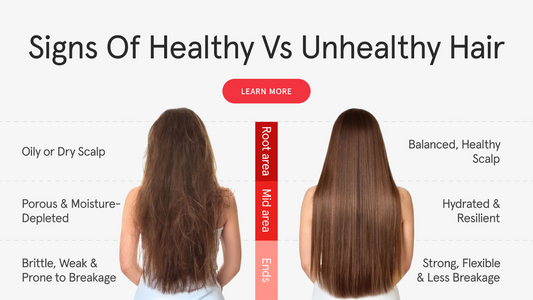
How To Tell If Your Hair Is Damaged
Porosity is just one sign of hair health. Watch for:
- Split ends
- Brittleness
- Excessive frizz
- Loss of shine
- Breakage
If you see these, it may be time to review your routine, regardless of what a float test says.
Product Choices: What Really Matters
Don’t choose products based only on porosity. Instead, look at:
- Your scalp health
- Climate and weather
- How your hair feels day to day
Try sample sizes and see how your hair responds. Adjust as needed.
Comparing Porosity, Thickness, And Density
Many confuse porosity with thickness (width of each strand) and density (number of hairs per area). But they are different.
| Feature | Definition | Effect on Hair Care |
|---|---|---|
| Porosity | Ability to absorb/retain moisture | Product choice, moisture needs |
| Thickness | Width of individual hair strands | Styling, strength, product weight |
| Density | Number of hairs per square inch | Volume, styling methods |
Knowing all three gives you a full picture of your hair.
When To See A Dermatologist
See a professional if you have:
- Sudden hair loss
- Scalp irritation or itching
- Persistent breakage
- Bald patches
- Changes in hair texture
Dermatologists can diagnose problems and suggest effective treatments.
How To Talk To Your Stylist About Porosity
Stylists are trained to recognize hair differences. Tell them:
- What products you use
- Any chemical or heat treatments
- How your hair reacts to water and products
A good stylist will help you choose the right care without relying on myths.
The Role Of Genetics
Genetics play a huge role in porosity. If your family has fine, low porosity hair, you likely will too. This doesn’t mean you can’t improve your hair’s health, but it helps set realistic expectations.
Environmental Factors Affecting Porosity
Weather, pollution, and water quality all affect your hair. For example:
- Humid climates can make hair swell and become frizzy.
- Hard water leaves mineral deposits, making hair feel rough.
- Sun exposure can lift the cuticle, increasing porosity.
Adjust your routine based on where you live.
The Bottom Line: What To Remember
The hair porosity float test is a popular idea—but not a reliable one. Dermatologists and scientists agree: it’s a myth. Your hair’s needs are unique, and no quick test can replace real observation and care.
Focus on how your hair behaves, not just what it does in a glass of water. Use products that work for you, protect your hair from damage, and see a professional when you need help. Healthy hair comes from consistent, thoughtful care—not internet shortcuts.
Frequently Asked Questions
How Accurate Is The Hair Porosity Float Test?
The float test is not accurate. Many factors—like oils, hair thickness, and trapped air—can affect whether hair floats or sinks. Dermatologists do not recommend this method.
Can I Test Hair Porosity At Home?
You can observe how your hair behaves with water and products, but there is no fully accurate home test. Watching how hair absorbs moisture is more useful than the float test.
Why Does My Hair Sink Even If It’s Healthy?
Healthy hair can sink due to thickness, lack of air bubbles, or water temperature. Sinking hair does not always mean high porosity or damage.
How Should I Choose Products For My Porosity?
Start with lightweight products if your hair resists moisture, and heavier creams if it absorbs quickly. Adjust based on how your hair feels, not just a test result.
Do All Hairs On My Head Have The Same Porosity?
No. Most people have a mix of porosities, especially if they style, dye, or use heat tools. Treat each section as needed for best results.
By understanding the real science behind hair porosity, you can make smarter choices—and avoid myths that waste time and money. For more expert advice, consult a licensed dermatologist or hair care professional.