

Preservatives In Moisturizer: Phenoxyethanol And Benzoate Safety Guide
Moisturizers are a daily essential for millions of people, helping to keep skin soft, hydrated, and healthy. But very few stop to think about what keeps these products fresh and safe to use. Without protection, moisturizers would spoil quickly, allowing bacteria, yeast, and mold to grow. That’s why preservatives are added. Two of the most common preservatives in modern skincare are phenoxyethanol and benzoates. These ingredients work in the background, but they sometimes raise questions: Are they safe? Should you worry about allergies or irritation? How do they compare to older preservatives like parabens?
This guide breaks down everything you need to know about phenoxyethanol and benzoate preservatives in moisturizers. We’ll explore how they work, their safety records, myths vs. facts, and how you can make confident choices for your skin.
Why Moisturizers Need Preservatives
Every time you open a jar or bottle, you expose the contents to air, light, and microbes from your hands. A moisturizer without preservatives can go bad in just a few days, especially if it contains water. Spoiled products may look or smell strange, but sometimes, the danger is invisible.
Harmful bacteria can multiply without any visible signs, leading to skin infections or worse.
Preservatives are added to stop the growth of:
- Bacteria: Cause spoilage and can lead to infections
- Yeast and mold: May cause irritation and allergic reactions
Most moisturizers, especially those with water or plant extracts, need preservatives to stay safe. Only a few products—like pure oils or balms—can skip them, but even these are sometimes at risk.
Meet The Preservatives: Phenoxyethanol And Benzoates
Let’s dive into the two main preservatives found in many modern moisturizers: phenoxyethanol and benzoates (such as sodium benzoate and potassium benzoate).
What Is Phenoxyethanol?
Phenoxyethanol is a clear, slightly oily liquid with a faint, rose-like scent. It’s used widely in skincare, makeup, and even some medical products. It works by stopping bacteria and yeast from growing. Unlike older preservatives, phenoxyethanol is less likely to cause allergies or disrupt hormones.
- Where it comes from: It can be made in a lab or found in nature (like green tea).
- How much is used: Usually at 0.5% to 1% in products.
- What it does: Protects against bacteria and some yeast.
What Are Benzoates?
Benzoates are salts of benzoic acid. The most common are sodium benzoate and potassium benzoate. They’re often used in food as well as skincare, especially in products with a lower pH (slightly acidic).
- How they work: Stop yeast and mold, and help control some bacteria.
- Where you find them: Moisturizers, cleansers, and even drinks like sodas.
- Typical use level: 0.1% to 0.5%.
Why Not Parabens?
Parabens were once the most common preservatives in cosmetics. But concerns about possible hormone disruption led many brands to switch to alternatives like phenoxyethanol and benzoates. Current research shows parabens are safe in low levels, but many people prefer to avoid them.
How Phenoxyethanol And Benzoates Work
Phenoxyethanol and benzoates target different types of microbes, making them a good team in many moisturizers.
Phenoxyethanol’s Mechanism
Phenoxyethanol damages the cell walls of bacteria, causing them to die. It works best against Gram-negative bacteria (like E. coli and Pseudomonas), but it also helps control some yeast.
Benzoates’ Mechanism
Benzoates are more effective against yeast and mold. They work by lowering the pH inside these cells, making it hard for them to survive. Benzoates need an acidic environment to work well, so they’re often used in products with a pH below 7.
Combining Preservatives
Many moisturizers use a mix of phenoxyethanol, benzoates, and other mild preservatives. This broadens the protection, covering bacteria, yeast, and mold together. Sometimes, a product will also add ethylhexylglycerin, which boosts phenoxyethanol’s power.
Safety Review: Phenoxyethanol
Safety is always the top concern when it comes to skincare ingredients. Let’s look closely at the data for phenoxyethanol.
What Do Health Authorities Say?
- The European Scientific Committee on Consumer Safety (SCCS) reviewed phenoxyethanol and found it safe at up to 1% in cosmetics.
- The US Food and Drug Administration (FDA) allows phenoxyethanol in cosmetics and baby products.
- The Japanese Ministry of Health also permits its use.
Skin Reactions
Phenoxyethanol is considered a low-risk allergen. It rarely causes skin irritation or allergic reactions, even in sensitive people. In a study of over 2,000 people, only about 0.5% had a mild skin reaction when exposed to phenoxyethanol in a patch test. Compare this to fragrances or some plant extracts, which cause reactions in up to 2–4% of users.
Eye And Inhalation Safety
While phenoxyethanol is safe on the skin, it should not get into the eyes. High concentrations may cause stinging or irritation. It’s also not meant to be inhaled, so avoid spraying it directly into the face.
Babies And Children
Phenoxyethanol is used in some baby wipes and lotions. The European SCCS specifically reviewed its safety in babies, finding no risk at normal levels. However, if a baby has very sensitive skin or eczema, it’s wise to do a small patch test first.
Ingestion And Systemic Effects
Phenoxyethanol is not meant to be swallowed. Large amounts can cause nausea and nervous system effects in animal studies, but these doses are much higher than what’s used in skincare.
Non-obvious Insight 1
Some people worry about “build-up” of preservatives in the body. Phenoxyethanol is quickly broken down by the liver and removed in urine. It does not accumulate in the body over time.
Safety Review: Benzoates
Benzoates are considered among the safest preservatives in food and cosmetics, but let’s look at the details.
Health Authority Opinions
- The US FDA lists sodium benzoate as “Generally Recognized as Safe” (GRAS) for food and cosmetic use.
- The European Union allows sodium and potassium benzoate in rinse-off and leave-on products at up to 0.5%.
- The World Health Organization (WHO) has reviewed benzoates and found no concerns at normal exposure levels.
Skin Reactions And Allergies
Benzoates have a very low risk of causing skin irritation. In patch tests, reactions are rare, even in people with eczema or allergies. However, a small number of people (less than 0.1%) may be sensitive, especially if they have a history of urticaria (hives).
Oral And Systemic Safety
Benzoates are used in many foods, from sodas to salad dressings. The body breaks them down into benzoic acid and then into hippuric acid, which is excreted in urine. This happens quickly and efficiently.
Babies And Special Considerations
Benzoates are used in some baby creams and foods. The key is to keep levels low. In rare cases, high doses in infants (especially with certain metabolic disorders) can cause issues, but this is extremely unlikely with normal moisturizer use.
Non-obvious Insight 2
Some websites warn about benzoates forming benzene, a harmful chemical, in the presence of vitamin C (ascorbic acid). However, this reaction needs heat and light—conditions not found in skincare. In moisturizers, this is not a practical risk.
Are Phenoxyethanol And Benzoates Better Than Parabens?
With so many products now labeled “paraben-free,” it’s fair to ask: are phenoxyethanol and benzoates actually safer?
Comparing The Data
Parabens have been used for over 90 years and are well studied. Most health authorities say they are safe at current levels in cosmetics. However, some animal studies suggested a weak link to hormone disruption. This led many brands to switch to phenoxyethanol and benzoates, which have different chemical structures.
| Preservative | Main Target | Allergy Risk | Hormone Concerns | Allowed Level (%) |
|---|---|---|---|---|
| Phenoxyethanol | Bacteria | Low | No | 1.0 |
| Sodium Benzoate | Yeast, mold | Very Low | No | 0.5 |
| Parabens | Bacteria, yeast | Low | Possible (weak) | 0.8 |
Advantages Of Phenoxyethanol And Benzoates
- No evidence of hormone disruption
- Lower allergy rates than many natural extracts
- Effective at low levels
- Widely approved by global safety agencies
Disadvantages
- Phenoxyethanol is slightly less effective against mold, so it’s often combined with other preservatives.
- Benzoates need a low pH to work well, so they may not suit all formulas.
Myths And Misunderstandings
When it comes to preservatives, rumors spread fast. Let’s clear up some common myths.
Myth 1: “natural” Preservative-free Is Safer
Some brands claim “preservative-free” moisturizers are safer. In reality, these products can spoil fast and grow bacteria. Even so-called “natural” preservatives like grapefruit seed extract may not be effective, and can cause allergies.
Myth 2: Preservatives Cause Cancer
There is no evidence that phenoxyethanol or benzoates cause cancer. The confusion often comes from studies on very high doses in animals, or from unrelated chemicals.
Myth 3: Preservatives Damage The Skin Barrier
At normal levels, phenoxyethanol and benzoates do not thin or damage the skin barrier. In fact, spoiled products without preservatives are more likely to cause skin problems.
Myth 4: All Preservatives Are The Same
Each preservative has its own strengths and weaknesses. A well-designed moisturizer uses a blend to give broad protection without irritation.
How To Read Moisturizer Labels For Preservatives
Many people want to know exactly what’s in their skincare. Learning to read ingredient lists helps you choose what feels right for your skin.
Where To Look
Preservatives are usually near the end of the ingredient list, as they’re used in small amounts. Look for names like:
- Phenoxyethanol
- Sodium Benzoate
- Potassium Benzoate
- Potassium Sorbate (another mild preservative often used with benzoates)
- Ethylhexylglycerin (often paired with phenoxyethanol)
Example Label
Here is a typical moisturizer ingredient list:
*Aqua, Glycerin, Caprylic/Capric Triglyceride, Cetearyl Alcohol, Phenoxyethanol, Sodium Benzoate, Potassium Sorbate, Fragrance. *
You can see phenoxyethanol, sodium benzoate, and potassium sorbate are all included near the end.
What If You React?
If you have a known allergy to a preservative, check labels carefully. True allergies are rare, but if you notice redness, itching, or rash, stop using the product and see a dermatologist.
How To Choose The Right Moisturizer For Sensitive Skin
If you have sensitive skin, here are some tips to minimize risks from preservatives:
- Patch Test: Try a small amount on your inner arm for 2-3 days before using it on your face.
- Simple Formulas: Fewer ingredients means fewer chances for irritation.
- Fragrance-Free: Perfume is a more common irritant than preservatives.
- Look for “Dermatologist-Tested”: These products are often tested for irritancy.
- Check for Known Allergens: If you’ve reacted to a preservative before, avoid it.
Preservatives And Skin Conditions
If you have eczema, rosacea, or allergies, ask your doctor about suitable products. Most people with sensitive skin tolerate phenoxyethanol and benzoates well, but everyone is different.
Are “preservative-free” Moisturizers Better?
Some brands offer “preservative-free” moisturizers. This sounds good, but it’s important to look closer.
How Do They Work Without Preservatives?
- Anhydrous (water-free) formulas: Like pure oils, butters, or balms—these are less likely to spoil.
- Single-use packaging: Keeps each dose sealed until use, reducing contamination.
- Alcohol or salt as preservatives: Sometimes these are used, but they can be drying or irritating.
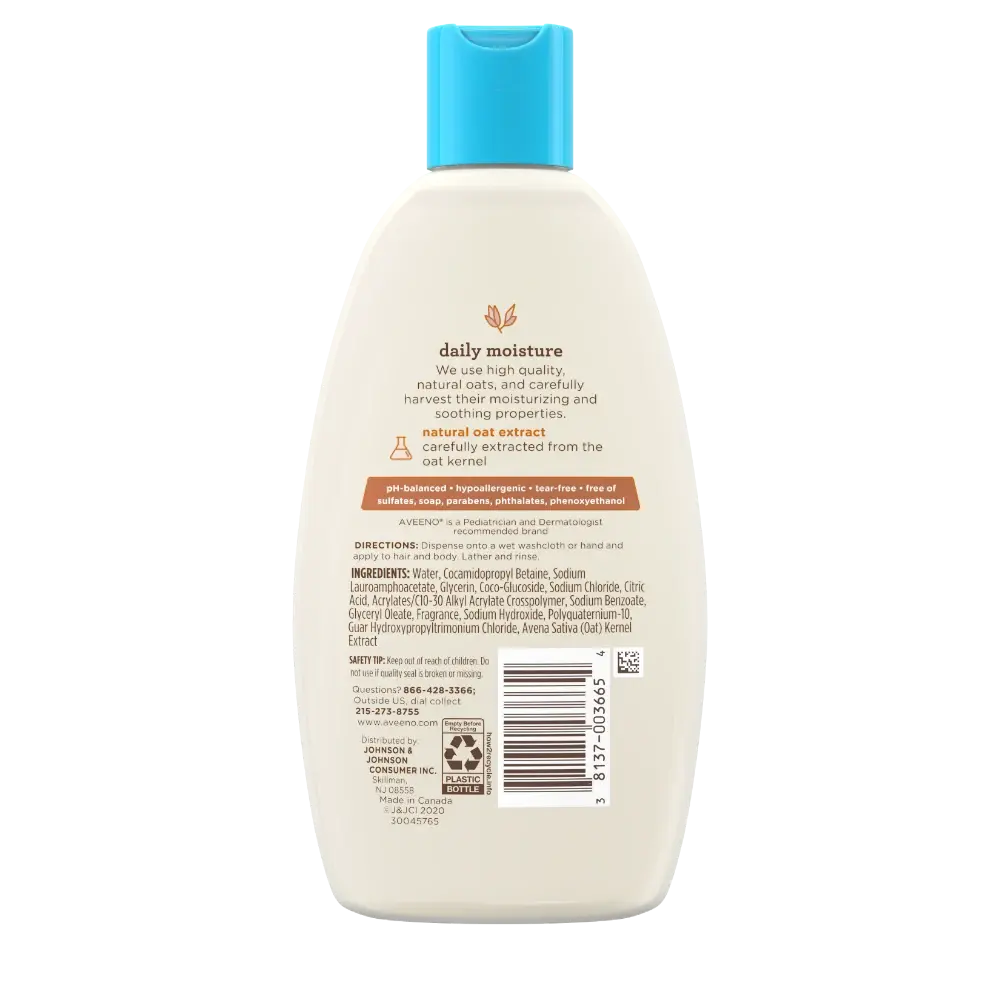
Risks Of Preservative-free Products
Without strong preservation, these products can grow bacteria or mold, especially if water gets inside the jar. This can cause infections, especially in people with broken skin.
Credit: www.aveeno.com
How Manufacturers Test Preservative Safety
Before a moisturizer goes to market, it must pass several tests to check the preservative system.
Preservative Efficacy Test (pet)
This test adds bacteria, yeast, and mold to the finished product. After set periods (like 7, 14, and 28 days), the product is checked to see if microbes are growing. If the preservative system works, the microbes die off or stay at safe levels.
Stability Testing
This checks if the preservative remains effective over time, at different temperatures and conditions. If a preservative breaks down, the product may need reformulation.
Real-world Packaging
Manufacturers also check how packaging affects safety. For example, wide-mouth jars are riskier than pumps or tubes, because fingers can introduce germs.
Phenoxyethanol And Benzoates In Popular Moisturizers
Many popular brands use phenoxyethanol and benzoates in their formulas. Here’s a comparison of some well-known moisturizers and their preservatives:
| Brand/Name | Main Preservatives | For Sensitive Skin? | Texture |
|---|---|---|---|
| Cetaphil Moisturizing Cream | Phenoxyethanol, sodium benzoate | Yes | Rich cream |
| CeraVe Moisturizing Lotion | Phenoxyethanol | Yes | Light lotion |
| Neutrogena Hydro Boost | Phenoxyethanol, sodium benzoate | Yes | Gel |
| La Roche-Posay Toleriane | Phenoxyethanol | Yes | Cream |
| Simple Kind to Skin | Phenoxyethanol, sodium benzoate | Yes | Light lotion |
This shows that even products for sensitive skin often use phenoxyethanol and benzoates, with a strong safety record.
Regulations Around The World
Preservative rules vary by country. Here’s an overview of limits for phenoxyethanol and benzoates:
Europe (eu)
- Phenoxyethanol: Allowed up to 1% in all cosmetic products.
- Sodium/Potassium Benzoate: Allowed up to 0.5% in leave-on and rinse-off products.
United States
- Phenoxyethanol: No specific limit, but the industry standard is 1% or less.
- Sodium Benzoate: No specific cosmetic limit; food limit is 0.1%.
Asia
- Japan: Follows EU-style limits for phenoxyethanol and benzoates.
- China: Allows phenoxyethanol up to 1.0%, benzoates up to 0.5%.
Why Limits Are Important
Authorities set these limits to keep daily exposure safe, even if you use several products. If a product exceeds the legal limit, it cannot be sold.
Environmental Impact Of Preservatives
Many people now ask about the environmental footprint of skincare ingredients.
Biodegradability
- Phenoxyethanol breaks down in the environment, but slowly. It is not considered a “persistent pollutant.”
- Sodium benzoate is highly biodegradable and does not build up in water or soil.
Water Systems
Both phenoxyethanol and benzoates are removed in water treatment plants. They are much safer for aquatic life than some older preservatives like triclosan.
Packaging
Preservatives allow moisturizers to last longer, meaning less waste from spoiled products. This can help reduce the number of unused products thrown away.

Credit: fragfree.com
Tips For Using Moisturizers Safely
- Keep lids tightly closed to prevent contamination.
- Use clean hands or a spatula to remove product from jars.
- Store in a cool, dry place away from direct sunlight.
- Do not add water to the product, as this can reduce preservative power.
- Check expiration dates and discard if the smell or color changes.
Allergic Reactions And What To Do
While reactions are rare, it’s good to know what to look for:
- Redness, itching, or bumps: Could be a mild allergy.
- Burning or stinging: Stop use and rinse with cool water.
- Swelling or severe rash: See a doctor right away.
If you have a reaction, bring the product to your healthcare provider to help identify the cause.

Credit: www.lemon8-app.com
The Role Of Preservatives In “clean Beauty”
The “clean beauty” movement has led to confusion about preservatives. Some brands remove them to appeal to shoppers, but this can be risky.
What Does “clean” Mean?
There’s no legal definition of “clean beauty. ” Some brands avoid parabens, but still use phenoxyethanol or benzoates. Others avoid all synthetic preservatives, but may use less effective natural ones.
How To Stay Safe
- Don’t assume “natural” means safer.
- Check for proven preservatives in any product with water.
- Be cautious with homemade or DIY moisturizers, as they often lack real preservation.
What’s Next In Preservative Science?
Scientists are always searching for better, safer preservatives. Trends include:
- Peptide-based preservatives: Inspired by natural defense molecules found in plants and animals.
- Probiotics and postbiotics: Using good bacteria to control harmful microbes.
- Smart packaging: Airless pumps and single-dose packs to reduce contamination.
But for now, phenoxyethanol and benzoates remain two of the most trusted options.
Frequently Asked Questions
What Happens If I Use A Moisturizer Without Preservatives?
Using a moisturizer without preservatives is risky unless it’s a pure oil or balm. Water-based products can quickly grow bacteria or mold, which may cause skin infections or spoilage. Always check if a product is designed to be preservative-free and how it stays safe.
Are Phenoxyethanol And Benzoates Safe During Pregnancy?
Yes, both phenoxyethanol and benzoates are considered safe for use during pregnancy when used as directed. They do not cross the placenta in harmful amounts, and health agencies have found no risks at cosmetic levels. If you have concerns, discuss with your doctor.
Can I Be Allergic To Phenoxyethanol Or Sodium Benzoate?
Allergies to these preservatives are very rare but possible. If you notice redness, itching, or rash after using a new product, stop use and consult a dermatologist. Doing a patch test before trying a new moisturizer can help prevent problems.
Is It True That Sodium Benzoate Forms Benzene In Skincare?
No, this is a common myth. Benzene forms only in the presence of high heat, light, and certain chemicals (like vitamin C), which does not happen in moisturizers. Studies show this is not a practical risk in cosmetic products.
What’s The Best Way To Store Moisturizer To Keep It Safe?
Store your moisturizer in a cool, dry place, away from direct sunlight. Always close the lid tightly and use clean hands or a spatula when dipping into jars. This helps the preservatives do their job and keeps your product fresh longer.
Preservatives like phenoxyethanol and benzoates are the silent guardians of your moisturizer, keeping it safe and effective. With decades of safety data and approval from top health agencies, they offer peace of mind for most users. Choosing a well-preserved moisturizer means you can care for your skin—without worrying about hidden dangers. For more science-backed information, visit the EWG Skin Deep Database. Always listen to your skin, check labels, and don’t be afraid to ask questions. Your healthiest skin starts with safe, smart choices.