

Mixed Porosity Hair: When Different Sections Have Different Needs
Hair care is never a one-size-fits-all journey. For many, the challenges start with understanding their hair’s unique structure. If you’ve ever noticed some parts of your hair dry quickly while others stay damp for hours, or if certain sections frizz up more than others, you may have mixed porosity hair. This isn’t just a quirky trait—it’s a real condition where your hair strands have different abilities to absorb and retain moisture. It explains why your favorite products sometimes work magic on one section but seem useless on another.
Mixed porosity hair can feel confusing and even frustrating. But with the right knowledge, you can unlock healthier, more manageable hair. This article dives deep into what mixed porosity really means, why it happens, and how to care for it.
Whether you’re a curly-haired enthusiast or someone with straight locks, understanding your hair’s porosity can make all the difference in your routine. You’ll discover practical advice, real-life examples, and pro tips that go beyond the basics. By the end, you’ll have a toolkit of ideas and strategies to help every section of your hair thrive—no matter how unpredictable it seems.
What Is Hair Porosity?
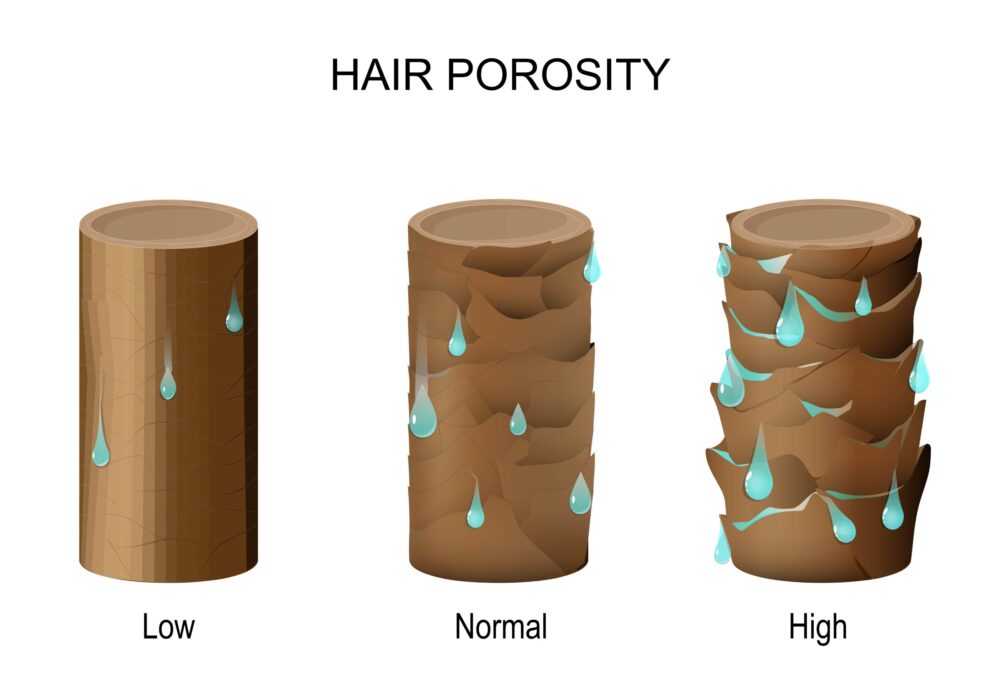
Hair porosity refers to how well your hair absorbs and retains moisture. It’s determined by the condition of the outer layer of each strand, called the cuticle. When the cuticles lie flat and tight, moisture stays in. When they’re raised or damaged, moisture escapes easily. Think of the cuticle like shingles on a roof—if they’re smooth and flat, water runs off easily, but if they’re lifted or missing, water can leak in and out. This is why porosity is so important to your hair’s look and feel.
There are three main categories:
- Low porosity: Cuticles are compact and resist moisture. Water and products tend to bead up on the surface, and hair can feel stiff or coated.
- Medium porosity: Cuticles are slightly raised, allowing balanced moisture flow. Hair is usually bouncy, shiny, and holds styles well.
- High porosity: Cuticles are raised or damaged, letting moisture in and out quickly. Hair can dry very fast, feel rough, and is often frizzy or brittle.
Most people have one dominant porosity type. But for those with mixed porosity hair, different sections behave differently. For example, your roots might dry fast (high porosity) while your ends stay damp (low porosity). Sometimes, the hair near your temples might soak up product immediately, while the back stays coated and greasy.
These differences can change how your hair feels, styles, and even how it reacts to weather.
Why Does Mixed Porosity Happen?
Several factors cause mixed porosity:
- Genetics: Your natural hair pattern can lead to varying porosity across your head. Some people are simply born with different cuticle structures on different parts of their scalp.
- Chemical treatments: Relaxers, dyes, and bleach can make some areas more porous. For example, if you highlight only the top layer, that section may become much more porous than the underneath.
- Heat styling: Frequent flat ironing or curling can damage cuticles unevenly. If you tend to straighten your bangs more than your crown, those areas may become high porosity while the rest stays low or medium.
- Environmental exposure: Sun, wind, and water can affect sections exposed more often. People with long hair who tie up their hair may notice the exposed ends behave differently than protected roots.
- Physical manipulation: Tight hairstyles, brushing, or even where you sleep can change porosity in specific spots. For example, if you always sleep on the same side, that area may become rougher and more porous over time.
For instance, people who wear ponytails often notice higher porosity near the elastic band due to breakage. Those who dye just the ends often have high porosity tips but lower porosity roots. Even something as simple as always parting your hair in the same place can expose one side to more sun or wind, slowly changing its porosity.

Credit: www.thedyelot.com
How To Identify Mixed Porosity Hair
Recognizing mixed porosity takes a bit of detective work. Here’s what you can do:
The Water Test
- Take clean, product-free hair strands from different sections (crown, nape, sides, ends).
- Drop them in a glass of room temperature water.
- Observe:
- Sinks quickly: High porosity.
- Floats for a long time: Low porosity.
- Stays suspended in the middle: Medium porosity.
If different strands behave differently, you likely have mixed porosity.
While this test isn’t perfect, it’s a quick way to get clues. For more accuracy, do the test on freshly washed hair, and try to use clear water so you can easily see the strand’s position. Repeat the test every few months, as porosity can change with routine or environment.
Signs To Look For
- Uneven moisture: Some sections feel dry, others greasy.
- Varied drying times: Certain areas dry much faster or slower.
- Product absorption: Leave-in conditioners soak in instantly in some spots but sit on top elsewhere.
- Curl pattern changes: Curls may be tighter or looser in high porosity sections.
- Frizz and tangling: Tends to happen more in high porosity areas.
You might also notice that certain areas break easily while others rarely split. Sometimes, one section resists chemical treatments or color, while another “takes” them too quickly.
Real-life Example
Maria, with shoulder-length wavy hair, noticed her crown dries in 20 minutes but her ends take over an hour. She also struggles with frizz at the temples but not at the nape. Testing revealed high porosity at the crown, medium at the sides, and low at the ends—a classic case of mixed porosity.
Another example: Kevin, who has straight hair, found that the back of his head always felt waxy after conditioning, while the front was dry and brittle. After doing porosity tests, he realized he needed to switch to lighter products at the nape and heavier creams at the front.
Why Mixed Porosity Hair Needs Special Care
Mixed porosity means your hair needs different products and routines for different sections. Treating your whole head the same can lead to:
- Over-moisturized roots and greasy scalp
- Dry, brittle ends
- Product buildup on low porosity areas
- Breakage in high porosity areas
Not addressing these differences can make hair harder to style, less shiny, and more prone to damage.
For example, applying a heavy oil all over might help your high porosity ends but will weigh down your low porosity roots, making them look lifeless. Or, using a protein-rich mask everywhere might cause the low porosity sections to feel stiff and snap easily, while the high porosity spots finally feel strong.
The key is to recognize your hair’s “map” and treat each section like its own mini hair type. Over time, this targeted care can help even out your hair’s condition and appearance.
Understanding Porosity Differences In Sections
Knowing how each section behaves helps you choose the right treatment. Here’s a breakdown of common patterns:
| Section | Typical Porosity | Common Issues |
|---|---|---|
| Crown/Top | High | Frizz, quick drying, split ends |
| Sides/Temples | Medium | Moderate frizz, balanced moisture |
| Nape/Back | Low | Product buildup, slow drying |
| Ends | High | Dryness, breakage |
This is just one example—your pattern might be different. Always test to know for sure.
People with tight curls often notice that the hair framing the face is more porous due to sun exposure or manipulation, while the inner layers stay lower porosity. If you wear hats or scarves, those covered sections may retain more moisture and become less porous than exposed areas.
Creating A Custom Routine For Mixed Porosity Hair
Managing mixed porosity isn’t about using more products—it’s about using the right ones, in the right places. Here’s how to build your own routine:
Step 1: Section Your Hair
Separate your hair by porosity types during wash and styling. Use clips to keep sections apart if needed.
If you have very thick or long hair, try dividing into four or more sections. This makes it easier to apply the right product and ensures even coverage. Some people use color-coded clips or hair ties as reminders for which section is which.
Step 2: Match Products To Each Section
- High porosity: Use heavier creams, butters, and oils to seal in moisture. Look for products with shea butter, mango butter, or avocado oil.
- Medium porosity: Lighter leave-ins and gels work well. You can use most standard products here without much trouble.
- Low porosity: Use lightweight, water-based products and avoid heavy butters. Sprays and milks absorb better and reduce buildup.
If your hair is short or you don’t want to buy lots of products, try layering: apply the heavier product only to high porosity spots, and use less or skip it on low porosity areas.
Step 3: Adjust Application Methods
- Apply heavier products only to high porosity areas.
- Use the “praying hands” method to smooth products over low porosity sections without overloading.
- For treatments, apply protein-rich products only where needed.
Another trick: Use a fine mist spray bottle for low porosity sections, and a rich cream for the ends. This prevents overdoing it where it’s not needed.
Step 4: Layer Products Wisely
- For high porosity ends, use the LOC method (Leave-in, Oil, Cream). This helps lock in moisture and keeps ends softer longer.
- For low porosity roots, stick to water-based sprays and mists. Avoid layering too many products.
If you’re unsure, start with less product and add more only where you notice dryness or frizz.
Step 5: Rinse And Dry Differently
- Rinse high porosity sections with cooler water to help cuticles close.
- Air dry low porosity areas or use a hooded dryer for even heat.
Some people find that gently blotting low porosity hair with a microfiber towel helps speed drying without causing frizz. For high porosity, avoid rough towels, as they can lift the cuticle even more.
Example Routine
Sarah, with coily hair, uses a creamy leave-in on her high porosity crown, a light mist on her low porosity nape, and a gel on her medium porosity sides. She clips her hair in sections to apply products carefully, resulting in more defined curls and less frizz.
A bonus tip: Some people make small travel-size portions of each product so they’re ready to use for different sections, even when on the go.
Essential Products For Mixed Porosity Hair
Choosing the right products makes all the difference. Here’s a comparison of product types for each porosity:
| Product Type | Best for High Porosity | Best for Medium Porosity | Best for Low Porosity |
|---|---|---|---|
| Shampoo | Moisturizing, sulfate-free | Gentle, balancing | Clarifying (occasionally) |
| Conditioner | Deep, protein-rich | Light, hydrating | Lightweight, no heavy oils |
| Leave-In | Thick cream | Milk or lotion | Spray |
| Oil | Castor, avocado | Argan, jojoba | Grapeseed, almond |
Always check ingredient labels and avoid silicones and heavy waxes in low porosity areas—they tend to cause buildup. If you use stylers like mousse or foam, these are often best for medium porosity areas, where you want hold but not too much weight.
If you’re unsure where to start, try sample sizes first. This prevents wasting money on products that don’t suit your hair’s unique needs.
Key Ingredients To Look For (and Avoid)
Some ingredients are better for certain porosity types:
- High porosity loves: Shea butter, mango butter, avocado oil, hydrolyzed protein. These help fill gaps and seal in moisture.
- Medium porosity benefits from: Aloe vera, light creams, coconut oil (if not protein sensitive). They keep hair soft and help with definition.
- Low porosity does well with: Glycerin, honey, water-based formulas, light oils. These absorb easily and don’t leave buildup.
Avoid heavy silicones and waxes in low porosity areas—they coat the hair and block moisture. For high porosity, avoid alcohol-heavy products that can dry out strands.
A less obvious tip: Humectants like glycerin can cause frizz in humid weather, especially for high porosity. Adjust your routine based on the climate, not just your hair type.
Credit: www.outsidepride.com
Common Mistakes When Caring For Mixed Porosity Hair
Many people make these errors:
- Using one product for everything: Each section needs its own care.
- Skipping protein treatments: High porosity areas often need extra protein.
- Over-moisturizing low porosity sections: Leads to limp, greasy hair.
- Not clarifying: Low porosity hair can get buildup. Use a clarifying shampoo once a month.
- Ignoring porosity changes: Hair porosity can shift with seasons, styling, or age.
A non-obvious insight: Sometimes, water quality (hard vs. soft) impacts how products work. If you move or travel, results may change.
Another overlooked mistake: Forgetting to clean tools (like brushes and combs) can transfer product buildup from one section to another, confusing your results.
How To Balance Protein And Moisture
This is a big challenge for mixed porosity hair. High porosity hair often needs protein to strengthen and fill gaps in the cuticle, while low porosity hair can easily get protein overload and turn stiff.
Signs You Need More Protein
- Hair feels mushy when wet
- Excessive breakage
- Limp, lifeless curls
Signs Of Protein Overload
- Hair is stiff, dry, or brittle
- Curls won’t clump or define
Balancing Tips
- Use protein-rich treatments only on high porosity sections.
- Apply moisturizing masks to low porosity areas.
- Alternate products, not just routines—switch every few washes.
A practical example: If your ends are high porosity, dab a protein leave-in on just those spots, not the roots. Or, mix a protein conditioner with a moisturizing one, and use the blend only where needed.
Another insight: Always follow a protein treatment with a hydrating conditioner, especially if your hair feels rough afterward. This helps restore elasticity and shine.
Protective Styling For Mixed Porosity Hair
Protective styles like braids, twists, and buns help limit damage, but mixed porosity requires extra attention:
- Moisturize high porosity areas before styling.
- Avoid heavy gels on low porosity sections.
- Use satin or silk scarves to minimize friction.
- Take down styles gently to avoid breakage in fragile, high porosity spots.
Remember, protective styles are only protective if you’re moisturizing and sealing properly.
If you notice certain sections getting drier in a protective style, open them up every few days to add moisture. You can use a small nozzle bottle to target just the high porosity areas.
Seasonal Changes And Mixed Porosity
Weather affects how your hair absorbs moisture. Here’s how to adjust:
- Summer: Humidity can cause frizz in high porosity areas; use anti-humectants.
- Winter: Dry air can strip moisture from all sections; add heavier creams to high porosity parts.
- Rainy season: Low porosity hair may swell from excess water—use less product.
Another non-obvious tip: Always test new products during a change in season—what works in winter may flop in summer.
If you travel, pack a variety of mini-sized products to adjust for different climates. Even a change in indoor heating or air conditioning can affect your routine.
Night Care For Mixed Porosity Hair
Night routines are key for maintaining moisture:
- High porosity: Apply a light oil before bed, braid or twist, and cover with a satin bonnet.
- Low porosity: Light mist only; avoid heavy creams overnight.
- Use a silk or satin pillowcase to reduce friction for all porosity types.
If you move a lot during sleep, pineapple your hair or use a silk scarf to prevent tangles.
You can also make a quick “night spray” by mixing water, aloe vera, and a drop of oil for a gentle refresh on high porosity ends before bed.
How Diet And Health Affect Porosity
What you eat and your overall health can influence porosity changes. Diets lacking in protein, biotin, and omega-3s can weaken hair, making it more porous. Hormonal changes (like pregnancy or menopause) can also shift porosity over time.
A practical insight: If you notice sudden changes in porosity or texture, consider checking your diet or consulting a doctor. Sometimes, thyroid conditions or deficiencies cause unexpected hair changes.
Drinking enough water and eating a balanced diet helps your hair maintain elasticity and strength. Supplements can help, but always check with a healthcare provider first.
Credit: www.drserkanaygin.com
Children And Mixed Porosity Hair
Kids can have mixed porosity hair too. Their routines should be gentle:
- Use mild shampoos and conditioners.
- Detangle with a wide-tooth comb and lots of water.
- Avoid heavy oils or butters on their scalp.
Focus on moisture and protection, not heavy styling or frequent washes.
A tip for parents: Teach kids to recognize how their hair feels in different spots, building lifelong healthy habits. Make wash days fun and educational by letting them help mix DIY sprays or choose their own gentle products.
Transitioning From Chemical Treatments
If you’re growing out relaxers, dye, or heat damage, you probably have extreme mixed porosity—new growth is low or medium, ends are high. Tips:
- Trim regularly to remove damaged, high porosity ends.
- Deep condition high porosity sections weekly.
- Be gentle during detangling—high porosity hair breaks easily.
Transitioning is challenging, but with patience, you’ll eventually have a more even porosity.
Don’t rush the process. Focus on maintaining moisture and protein balance as your hair grows. Protective styles can help reduce manipulation during this phase.
Diy Remedies For Mixed Porosity Hair
You don’t always need expensive products. Simple, natural remedies can help:
- Aloe vera gel: Lightweight for low porosity, soothing for scalp.
- Avocado masks: Rich in oils, perfect for high porosity ends.
- Rice water rinse: Adds protein, but use only on high porosity sections.
Always patch test—DIY treatments can cause reactions in sensitive areas.
You can also mix a teaspoon of honey with conditioner for an extra moisture boost on medium and low porosity sections. For high porosity, try adding a few drops of castor oil to your favorite cream.
How To Track Progress
Improvement takes time. Keep a hair journal with notes on:
- Products used (and where)
- Weather/season
- Porosity tests
- Results: Shine, frizz, breakage
Take photos every few weeks to see real changes. If you’re consistent, you’ll start to notice more balanced, healthier hair.
Another helpful tip: Rate your hair’s “good hair days” on a simple scale (for example, 1–5). This helps you spot patterns and adjust your routine faster.
When To See A Professional
If you struggle with breakage, scalp pain, or rapid changes in porosity, consult a trichologist or hair specialist. They can recommend treatments, spot underlying health concerns, and help you build a truly customized routine.
Some salons offer porosity mapping—they’ll test each section and recommend targeted care. This can be especially helpful if you’ve tried everything at home and still aren’t getting results.
The Science Behind Mixed Porosity
Porosity is determined by the structure of the hair cuticle. Damage from chemicals, heat, or environment lifts the cuticle, causing high porosity. Genetics can also cause some areas to have naturally tighter or looser cuticles.
Recent studies show that hair with uneven porosity reflects less light, making it appear dull. High porosity sections lose protein and moisture faster, which is why they feel dry and frizzy. For more on the science, see this resource from the National Institutes of Health.
Another scientific detail: The pH of your hair products can affect cuticle tightness. Slightly acidic products help close the cuticle, which can improve shine and reduce porosity problems.
Cultural And Social Aspects
Mixed porosity is especially common in those with textured, curly, or coily hair—often people of African, Latino, and mixed heritage. Cultural hair practices, like braiding or chemical relaxing, can also influence porosity differences.
Understanding porosity is empowering. Many find that learning about their hair type is a journey of self-acceptance and pride.
Sharing tips and routines with family or community can also help you find new ideas and support. In many cultures, hair care is a social activity, passed down through generations.
Real-world Stories: Mixed Porosity In Action
- Jamal has locs with low porosity roots and high porosity ends. He deep conditions only the ends and uses a water mist for the roots, resulting in fewer splits.
- Priya has wavy hair with medium porosity on top and low porosity underneath. She avoids oils on the nape to prevent greasiness, while using leave-in cream on the top to control frizz.
- Lina went blonde and now battles with high porosity at the tips, but medium everywhere else. She uses protein sprays only on the ends to keep them strong.
These stories show that with the right approach, mixed porosity hair can be healthy and beautiful.
Another example: Ana, who swims daily, noticed her hair near the face was always drier than the rest. She started using a swim cap and applying a pre-swim oil to high porosity areas, which helped retain moisture and reduce breakage.
Adapting Your Routine Over Time
Porosity is not fixed. Here’s how to adapt:
- After chemical treatments: Increase protein for high porosity sections.
- As hair grows: Trim off the most porous ends.
- Seasonal shifts: Use heavier products in winter, lighter in summer.
- Aging: Hair may become more porous as you age; add moisture as needed.
Stay flexible—what works today may need tweaking tomorrow.
Listen to your hair. If you notice more frizz, dryness, or limpness, it’s a sign to adjust your routine or try new techniques.
Tools And Accessories That Help
Some tools make mixed porosity care easier:
- Sectioning clips: For precise product application.
- Wide-tooth combs: Gentle on fragile, high porosity areas.
- Spray bottles: For misting low porosity sections.
- Satin pillowcases: Reduce friction and moisture loss.
- Scalp massagers: Boost circulation and product absorption.
Invest in quality tools—they make a daily difference.
Additionally, using a detangling brush with flexible bristles can reduce breakage in high porosity spots, while fingers or wide-tooth combs are best for low porosity sections.
The Emotional Side Of Mixed Porosity Hair
Managing mixed porosity can be frustrating, especially when results are inconsistent. But understanding your hair’s needs can transform your self-care routine into a more positive, empowering experience.
Remember, no one’s hair is “perfect. ” Embrace the uniqueness of your texture and porosity. With patience and the right routine, your hair can thrive.
Taking time to learn about your hair is a form of self-respect. Celebrate progress, not perfection, and enjoy the small wins—like a frizz-free day or a new style that works for you.
Frequently Asked Questions
What Causes Mixed Porosity Hair?
Mixed porosity hair is usually caused by a combination of genetics, chemical treatments, heat styling, and environmental exposure. These factors can change the cuticle structure in different sections, resulting in uneven moisture absorption.
Can I Change My Hair’s Porosity Permanently?
You can improve hair health and temporarily manage porosity with treatments and gentle care. However, permanent changes usually require growing out damaged sections and starting fresh with new growth.
How Often Should I Do Protein Treatments On Mixed Porosity Hair?
Apply protein treatments only on high porosity sections and limit to every 2-4 weeks. Overusing protein on low porosity areas can cause stiffness and breakage.
Are There Products Made Specifically For Mixed Porosity Hair?
Few products are labeled for mixed porosity, but you can mix and match products based on each section’s needs. Sectioning your hair and using targeted products is the best method.
Where Can I Learn More About Hair Porosity And Care?
Many resources are available, including research from the National Institutes of Health, professional stylists, and reputable hair care blogs.
Understanding and embracing your mixed porosity hair unlocks the door to healthier, more beautiful locks. With patience and the right knowledge, you can create a routine that works for every unique strand on your head.