

Medium porosity hair is often called the “Goldilocks” of hair types—not too absorbent, not too resistant, but right in the middle. While that might sound easy, caring for medium porosity hair still has its unique challenges. Most guides barely scratch the surface, leaving you guessing about the best ways to optimize your routine.
This guide will change that. You’ll discover the science, the care, and the real secrets to unlocking your hair’s full potential, with tips that go far beyond the basics.
What Is Medium Porosity Hair?
Medium porosity hair means your hair cuticles (the outer layer) are not too tight or too loose. They allow just the right amount of moisture in and out. It’s not as fragile as high porosity hair or as stubborn as low porosity hair.
This balance helps your hair absorb products well and keeps it healthy with less effort—when you know what to do.
People with medium porosity hair often notice:
- Their hair dries in a moderate amount of time (not very fast, not very slow)
- Most products work well, but too much product can make it greasy
- Hair holds style and color fairly well
- There’s a natural shine and bounce
But here’s what most people miss: medium porosity hair can easily swing toward high or low porosity if not cared for correctly. Over-processing, heat, or harsh chemicals can damage the cuticle, while lack of moisture can make it resistant. So, knowing how to keep your porosity balanced is key.
How To Identify Medium Porosity Hair
Many guides mention the “water test”—drop a clean strand of hair in a glass of water and see if it floats, sinks, or stays in the middle. While this can give clues, it’s not always accurate due to product buildup or hair oils.
A better approach is to look for these signs:
- Hair feels smooth but not overly silky or rough
- Absorbs water after a few seconds, not instantly
- Holds curls and styles, but doesn’t frizz easily
- Doesn’t look dry or overly shiny
- Responds to most products, but can get weighed down if overloaded
Still unsure? Visit a stylist for a professional analysis, or observe your hair’s reaction to different weather and products over a few weeks.
The Science Behind Medium Porosity
Understanding the science helps you make smarter choices. Hair porosity depends on how the cuticle layers overlap. In medium porosity, cuticles are slightly raised, allowing ideal moisture flow. This means your hair:
- Absorbs and retains water effectively
- Responds well to protein and moisture
- Can handle color and styling, but not excessive chemical treatments
One key insight: medium porosity is not static. Diet, age, environment, and product use can shift your hair toward higher or lower porosity. For example, repeated heat styling can lift the cuticles, making your hair more porous over time. Protecting your cuticle health keeps your porosity balanced.
Common Problems With Medium Porosity Hair
Medium porosity sounds ideal, but it’s not problem-free. Some common issues include:
- Product buildup – Because this hair type absorbs products well, it’s easy to overdo it.
- Protein-moisture imbalance – Medium porosity hair needs both, but too much of one can cause dryness or limpness.
- Heat sensitivity – While more resilient than high porosity, it can still be damaged by frequent heat styling.
- Environmental stress – Sun, wind, and pollution can raise or flatten the cuticle, changing porosity over time.
- Transition to high/low porosity – Without care, your hair can move out of the “medium” zone.
Creating The Perfect Routine For Medium Porosity Hair
Cleansing
Medium porosity hair does best with gentle but effective cleansing. Use a sulfate-free shampoo to avoid stripping natural oils. Washing 2-3 times per week is usually enough, but adjust based on your lifestyle.
Pro tip: If you use a lot of styling products, add a clarifying shampoo every 2-4 weeks. This prevents buildup without drying your hair.
Conditioning
Conditioner is your friend, but use it wisely. Too much can weigh hair down; too little can make it dry.
- Apply mid-length to ends, not on the scalp
- Rinse with cool water to seal the cuticle
- Try a leave-in conditioner for extra moisture, but use a light formula
Protein Treatments
Medium porosity hair benefits from occasional protein treatments. These strengthen the hair shaft, helping maintain balance. Use a protein mask once every 3-4 weeks, or if your hair feels limp or over-moisturized.
Beginner mistake: Many skip protein altogether or use it too often, leading to brittle or mushy hair. Watch how your hair responds—if it feels stiff, space out treatments.
Deep Conditioning
Deep condition every 1-2 weeks. Look for products with both protein (like keratin or silk amino acids) and moisture (like aloe vera or shea butter). Leave on for 15-30 minutes, then rinse thoroughly.
Insider tip: Use a plastic cap or mild heat to help the conditioner penetrate better.
Leave-in Products
Choose lightweight, water-based leave-ins. Heavy creams can build up quickly. Mist lightly, focusing on ends and dry areas.
Heat Styling
Medium porosity hair tolerates some heat, but not daily use. Always use a heat protectant spray and keep tools below 350°F (175°C). Limit hot tools to 1-2 times per week.
Protective Styling
Try braids, buns, or twists to protect hair from the environment. Avoid tight styles that pull on the scalp—these can cause breakage.
Product Guide: What Works Best For Medium Porosity Hair
With so many choices, it’s easy to get lost. Here’s a breakdown of what to look for:
| Product Type | Best Features for Medium Porosity | What to Avoid |
|---|---|---|
| Shampoo | Sulfate-free, gentle cleansers, low pH | Harsh sulfates, high alcohol content |
| Conditioner | Lightweight, contains both proteins & moisturizers | Heavy silicones, waxes |
| Leave-in | Water-based, light oils | Petrolatum, mineral oil |
| Styling Creams | Non-greasy, humidity protection | Thick butters, excess oils |
| Oils | Argan, jojoba, grapeseed | Coconut oil (can cause stiffness for some) |
Non-obvious insight: Many medium porosity users think “all oils are good.” In reality, heavy oils can suffocate the cuticle, while lighter oils like argan or grapeseed are better absorbed and less likely to cause buildup.
Credit: onesociety.co.uk
Moisture Vs. Protein: Finding Your Balance
Medium porosity hair loves balance, but what does that mean day-to-day? Here’s how to tell what your hair needs:
- Feels dry, rough, frizzy? Add more moisture.
- Feels limp, mushy, or breaking? Add a protein treatment.
- Looks shiny but feels heavy? Reduce product use and clarify.
Switch up your routine based on the season. Humid summers may need lighter products, while dry winters call for richer creams or oils.
Key tip: Keep a simple hair diary. Note how your hair feels after using different products or methods. Patterns will help you adjust your routine for the best results.
The Role Of Ph In Hair Health
Most people ignore pH, but it’s critical for medium porosity hair. Hair likes a slightly acidic pH (4. 5-5. 5). Products outside this range can raise or flatten the cuticle, changing porosity over time.
- Sulfate shampoos: Often too alkaline, can swell the cuticle
- Apple cider vinegar rinses: Restore acidity and shine
- Low pH conditioners: Help seal the cuticle after washing
Try an apple cider vinegar rinse (1 tablespoon per cup of water) once a month for extra shine and pH balance.
Color And Chemical Treatments
Medium porosity hair takes color well, but repeated chemical treatments can push it into high porosity territory—leading to dryness and breakage.
Guidelines:
- Space out treatments by at least 6-8 weeks
- Deep condition before and after coloring
- Use color-safe, sulfate-free shampoos
- Avoid overlapping chemical processes (like bleaching and relaxing at the same time)
If you notice increased dryness, split ends, or loss of elasticity, pause treatments and focus on repair.
Environmental Factors
Don’t underestimate the power of your environment. Sun, wind, hard water, and even air pollution can impact your hair’s porosity and health.
Sun Exposure
UV rays damage the cuticle, leading to dryness and color fading. Wear a hat or use a UV-protectant spray when outdoors for long periods.
Water Quality
Hard water (high in minerals) can cause buildup and dullness. Consider a shower filter or use a chelating shampoo monthly.
Pollution
Airborne pollutants stick to your hair, especially in cities. Wash regularly and use a lightweight serum to add a protective layer.
Hidden tip: Rinse hair with cool, filtered water after swimming in a pool or the ocean to remove chlorine or salt.
Styling And Tools: What To Use, What To Skip
Medium porosity hair is versatile, but some tools and techniques are better than others.
Brushes And Combs
Use wide-tooth combs or soft-bristle brushes. Avoid fine-tooth combs on wet hair—they cause breakage.
Heat Tools
Stick to ceramic or tourmaline tools for even heat distribution. Always use a heat protectant.
Rollers And Rods
Foam or satin rollers are gentle and help set styles without heat.
Hair Accessories
Choose fabric-covered bands or spiral ties. Avoid metal clips or rubber bands that can snag and break the hair.
Nighttime Care
Night is when your hair can lose moisture or become tangled. Simple steps can make a big difference.
- Satin or silk pillowcases reduce friction and prevent breakage.
- Loose braids or buns protect hair shape without stress.
- Light misting with water or leave-in keeps moisture balanced overnight.
Extra insight: Cotton pillowcases absorb hair oils, drying your hair over time. Switching to satin or silk is a game-changer for medium porosity hair.
Medium Porosity Hair Across Hair Types
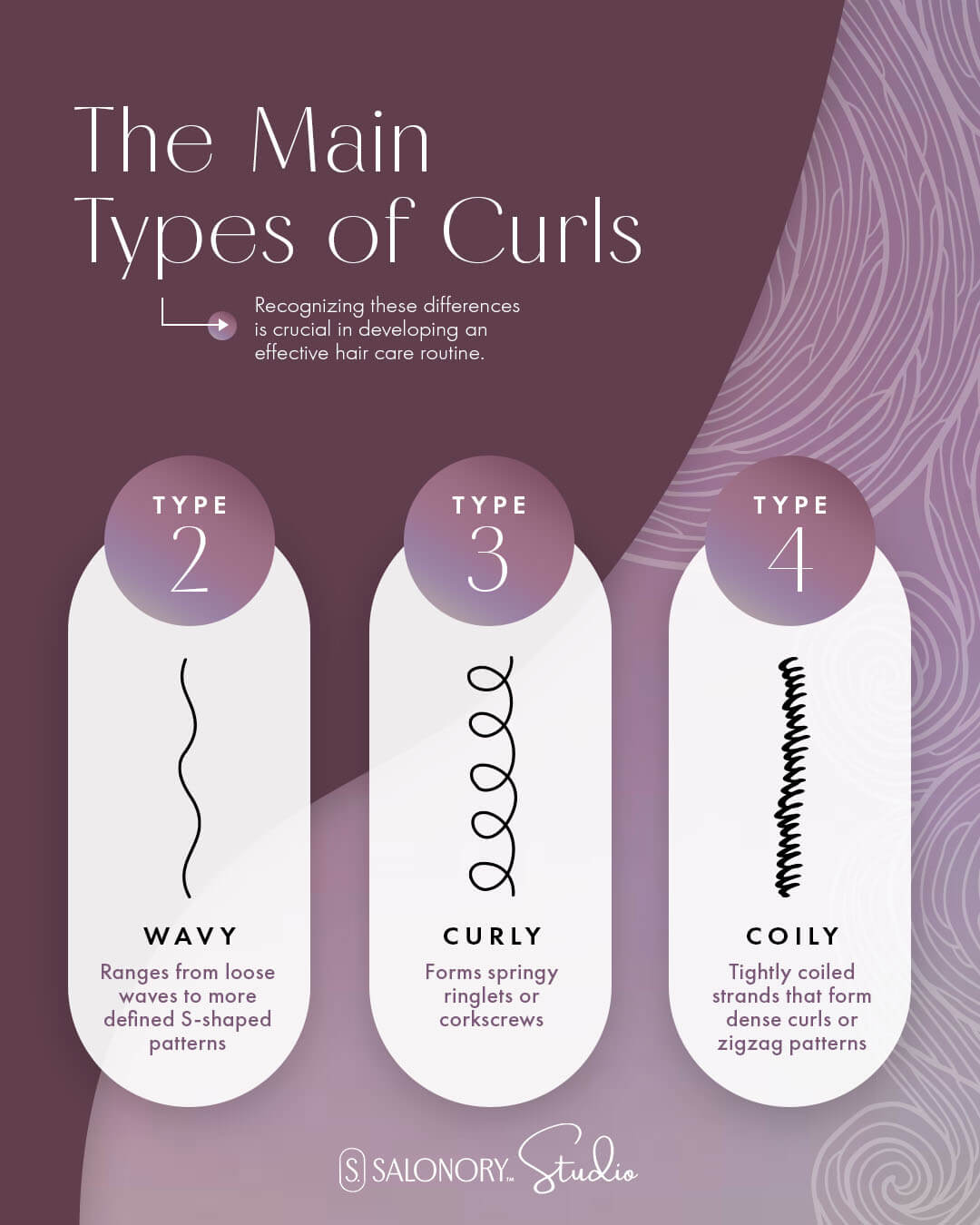
Medium porosity isn’t limited to one hair texture. Whether your hair is straight, wavy, curly, or coily, the principles stay the same but the techniques might differ.
| Hair Type | Best Practices | Common Mistakes |
|---|---|---|
| Straight | Lightweight products, avoid heavy oils | Over-conditioning, flatness |
| Wavy | Layering leave-ins and gels, air drying | Skipping protein, frizz |
| Curly | LOC method (liquid, oil, cream), gentle detangling | Neglecting deep conditioning |
| Coily | Protective styles, regular trims | Product overload, shrinkage |
Seasonal Adjustments
Your hair’s needs can change with the seasons.
Spring/summer
- Use lighter products to prevent greasiness
- Increase UV protection
- Wash more often if sweating or swimming
Fall/winter
- Add richer creams or oils to fight dryness
- Deep condition more often
- Protect hair from scarves and hats (which cause friction)
Observation: Many people stick to one routine year-round. Adapting with the weather can prevent dryness in winter and buildup in summer.
Diet And Lifestyle Impact
Healthy hair starts from within. Medium porosity hair, like all hair, reflects your overall health.
- Hydration: Drink enough water to keep hair hydrated from the inside out.
- Balanced diet: Include proteins (eggs, fish), healthy fats (avocado, nuts), and vitamins (like biotin and vitamin E).
- Stress: Chronic stress can change hair texture and porosity.
- Sleep: Good sleep supports hair growth and repair.
Lesser-known fact: Crash diets or sudden weight loss can change your hair’s porosity, making it more brittle or weak.
Myths And Misconceptions About Medium Porosity Hair
- Myth: Medium porosity hair is “easy” and doesn’t need special care.
- Reality: It needs balance and attention or it can easily shift to high/low porosity.
- Myth: All oils are good for medium porosity.
- Reality: Light oils work best. Heavy oils cause buildup.
- Myth: Protein treatments are only for damaged hair.
- Reality: Occasional protein keeps medium porosity hair strong, even if it’s healthy.
- Myth: You should use the same routine all year.
- Reality: Adjust with seasons and your hair’s changing needs.
- Myth: The water test is 100% accurate.
- Reality: It’s just a guideline. Product buildup, damage, and even shampoo can affect results.
Credit: studio.salonory.com
Common Mistakes To Avoid
- Over-conditioning: Using heavy products every wash can lead to limp, greasy hair.
- Ignoring protein: Skipping protein makes hair weak over time.
- Too much heat: Frequent heat styling raises porosity and damages the cuticle.
- Not clarifying: Product buildup is a hidden cause of dullness and poor absorption.
- Sleeping on cotton: Increases friction and moisture loss overnight.
Uncommon tip: Occasionally rinse your scalp with cool brewed green tea. It reduces inflammation and can boost shine.
Sample Weekly Routine For Medium Porosity Hair
Here’s an example you can adapt:
- Day 1: Wash with sulfate-free shampoo, condition, apply leave-in, air dry or diffuse
- Day 2: Light mist with water, style as desired
- Day 3: Refresh with leave-in or curl cream, protective style at night
- Day 4: Co-wash (conditioner wash) if needed, use lightweight oil on ends
- Day 5: Rest or low manipulation style
- Day 6: Deep conditioning treatment, detangle gently
- Day 7: Clarifying shampoo (every 2-4 weeks), follow with protein treatment
Customize: Adjust washing and treatment frequency to your hair’s needs and lifestyle.
How To Transition From Damaged To Healthy Medium Porosity
If your hair is damaged from chemicals or heat, you can recover its medium porosity with patience.
- Trim split ends regularly
- Reduce heat styling to once a week or less
- Switch to gentle, sulfate-free products
- Deep condition weekly
- Alternate protein and moisture treatments
- Protect from sun and harsh weather
- Be patient: Healthy cuticle layers take time to rebuild
Note: If your hair is severely damaged, it may never return to its original porosity, but you can improve health and manageability.
The Importance Of Regular Trims
Medium porosity hair can hide split ends better than high porosity hair, but regular trims (every 8-12 weeks) keep it looking fresh and prevent breakage from traveling up the shaft.
- Ask your stylist to “dust” (trim just the ends) if you’re growing your hair
- At home, use sharp scissors and only trim dry, clean hair
Fact: Trimming doesn’t make hair grow faster, but it prevents breakage—so you keep more length over time.

Credit: www.chinakangroad.com
When To See A Professional
Sometimes, home care isn’t enough. See a stylist or trichologist if you notice:
- Sudden changes in texture or porosity
- Persistent scalp issues (itching, flaking)
- Unexplained hair loss or thinning
- Breakage that doesn’t improve with care
A professional can help with a personalized plan and may recommend treatments you can’t do at home.
Top Medium Porosity Hair Care Products (2024)
These are some popular, effective options for medium porosity hair:
- Shampoo: SheaMoisture Manuka Honey & Yogurt Hydrate + Repair
- Conditioner: Briogeo Be Gentle, Be Kind Avocado + Quinoa
- Leave-in: Kinky Curly Knot Today
- Protein Mask: Aphogee Two-Step Protein Treatment
- Oil: The Ordinary 100% Organic Cold-Pressed Argan Oil
- Heat Protectant: TRESemmé Thermal Creations
- Clarifying Shampoo: Ouai Detox Shampoo
Remember, what works for one head of hair may not work for another. Patch test new products and introduce one at a time.
For deeper research on hair porosity, check out the National Institutes of Health.
Frequently Asked Questions
What Is The Fastest Way To Know If I Have Medium Porosity Hair?
Watch how your hair behaves after washing. If it absorbs water in a few seconds (not instantly or very slowly), dries in 1-2 hours, holds style well, and feels neither too dry nor greasy with most products, you likely have medium porosity hair.
How Often Should I Use Protein Treatments?
For medium porosity hair, a protein treatment every 3-4 weeks is ideal. Use it more often if your hair feels limp or breaks easily, and less often if it feels stiff or straw-like.
Can I Color Or Bleach My Medium Porosity Hair?
Yes, medium porosity hair takes color well. However, avoid back-to-back chemical treatments and always use deep conditioning before and after. Watch for signs of dryness or breakage, and adjust your routine as needed.
Why Does My Hair Feel Greasy After Using Conditioner?
This often means you’re using too much product or too heavy a formula. Apply conditioner only to mid-lengths and ends, rinse thoroughly, and choose lightweight, water-based products.
Will My Porosity Change As I Get Older?
Yes, porosity can change with age, diet, hormonal shifts, and hair treatments. Regularly reassess your routine and adjust products and methods to match your hair’s current needs.
Medium porosity hair is a gift—when you know how to care for it. With the right balance of moisture, protein, and protection, your hair can stay healthy, manageable, and beautiful through every season and style. Remember, optimization isn’t about perfection, but about understanding and responding to your hair’s unique needs.