

Finding the perfect moisturizer is a journey for many people. Some want a solution for dry skin, while others look for products that feel light and non-greasy. But in recent years, more people are asking a new question: what is really inside my moisturizer? They read labels and see long lists of chemicals or synthetic ingredients. Some worry about possible irritation or the environmental impact of these ingredients. For others, it’s about choosing something closer to nature—a product that feels safe and gentle.
This is why plant-based alternatives to synthetic moisturizer ingredients are getting so much attention. These natural options promise to hydrate and protect skin, often with fewer additives or harsh chemicals. But are they as effective as the synthetic versions? What are the best plant-based ingredients, and how do they compare to the standard ones found in most creams and lotions? This article explores these questions in depth. You’ll discover which plant-based options deliver real results, the science behind their benefits, and practical tips for choosing the right moisturizer for your needs.
Why People Are Moving Away From Synthetic Moisturizers
For decades, most moisturizers on the shelf used synthetic ingredients. These are man-made compounds created in laboratories. Examples include mineral oil, petrolatum, silicones (like dimethicone), parabens, and synthetic fragrances. There are several reasons why these ingredients became so common. They are cheap, easy to produce, have a long shelf life, and deliver quick results on the skin.
But there are growing concerns, such as:
- Allergic reactions: Some people develop rashes or irritation from chemicals in synthetic moisturizers.
- Pore-clogging: Ingredients like mineral oil can block pores, leading to acne for some users.
- Environmental issues: Sourcing and breaking down synthetic compounds can pollute the environment.
- Sensitive skin: People with conditions like eczema or rosacea may react badly to certain synthetic preservatives or fragrances.
Demand for natural skincare has risen sharply. According to a 2022 report from Statista, the global natural cosmetics market was valued at over $34 billion and is growing fast each year. Consumers are looking for plant-based alternatives that feel safer and more sustainable.
Understanding Moisturizer Ingredients: Synthetic Vs. Plant-based
To understand how plant-based alternatives work, let’s look at the main types of ingredients used in moisturizers.
The Three Key Roles Of Moisturizer Ingredients
Moisturizers usually combine three main types of ingredients:
- Occlusives: These form a barrier on the skin to prevent water loss. Example: petrolatum, mineral oil, silicones.
- Humectants: These attract and hold water in the skin. Example: glycerin, hyaluronic acid, propylene glycol.
- Emollients: These soften and smooth the skin’s surface. Example: isopropyl myristate, synthetic esters, silicones.
Most synthetic products use combinations of these. But plant-based alternatives exist for each role, often offering extra nutrients, vitamins, and antioxidants.
Why Choose Plant-based Alternatives?
Plant-based ingredients come from seeds, nuts, fruits, and leaves. They often contain fatty acids, vitamins, and natural compounds that support the skin’s barrier and healing abilities. Many are biodegradable and less likely to harm the environment. They can also offer extra benefits like anti-inflammatory effects, soothing properties, and a pleasant natural scent.
However, not all plant-based options are perfect for every skin type. Some may trigger allergies (like nut oils), and a few are less stable or have a shorter shelf life than synthetics. Still, for most people, the right plant-based moisturizer can provide excellent hydration and comfort.
Plant-based Alternatives For Occlusives
Occlusives are especially important for dry or sensitive skin because they lock in moisture. Traditional synthetic occlusives include petrolatum (petroleum jelly) and mineral oil. They are cheap and effective but can feel greasy and may block pores.
Here are the top plant-based alternatives:
1. Shea Butter
Shea butter is extracted from the nuts of the African shea tree. It has a rich, creamy texture and is packed with vitamin A, vitamin E, and essential fatty acids.
- Benefits: Deeply moisturizing, soothes inflammation, helps heal dry or cracked skin.
- Feel: Less greasy than petrolatum, absorbs better, and leaves a soft finish.
- Uses: Found in creams, balms, lip products, and even hair care.
Shea butter is non-comedogenic (does not clog pores for most people) and gentle enough for sensitive skin.
2. Cocoa Butter
Cocoa butter comes from cocoa beans. It is solid at room temperature but melts on contact with skin.
- Benefits: Locks in moisture, smooths rough patches, and helps reduce the appearance of stretch marks.
- Feel: Leaves a protective, velvety layer.
- Best for: Very dry skin or areas like elbows, knees, and heels.
3. Mango Butter
Mango butter is made from the kernel of the mango fruit. It is rich in stearic and oleic acids, which soften skin.
- Benefits: Non-greasy, lightweight, suitable for both face and body.
- Extra: Contains antioxidants that help protect the skin from environmental stress.
4. Candelilla Wax
Candelilla wax is a plant wax from the leaves of the candelilla shrub, native to Mexico.
- Benefits: Vegan alternative to beeswax, helps form a protective barrier, adds a silky feel to products.
- Best for: Balms, sticks, and creams needing a firmer texture.
5. Jojoba Oil
While technically a liquid wax, jojoba oil closely resembles the skin’s own sebum.
- Benefits: Balances oil production, reduces transepidermal water loss, non-comedogenic.
- Feel: Light, quickly absorbed, ideal for oily or acne-prone skin.
6. Squalane (plant-derived)
Squalane is a hydrogenated version of squalene, which is naturally found in the skin. Plant-based squalane is often made from olives or sugarcane.
- Benefits: Mimics skin’s natural oils, lightweight, stable, and suitable for sensitive skin.
- Extra: Non-greasy and works well under makeup.
Plant-based Vs. Synthetic Occlusives
Below is a comparison of common synthetic occlusives and their plant-based counterparts.
| Synthetic Occlusive | Plant-Based Alternative | Main Benefit |
|---|---|---|
| Petrolatum | Shea Butter | Deep hydration, skin barrier support |
| Mineral Oil | Jojoba Oil | Non-comedogenic, balances oil |
| Silicone (Dimethicone) | Squalane | Lightweight, fast-absorbing |
| Beeswax (not vegan) | Candelilla Wax | Vegan, firm texture |
Plant-based Alternatives For Humectants
Humectants are the “water magnets” of moisturizers. They draw moisture from the air into your skin, keeping it plump and hydrated. Synthetic humectants include glycerin (sometimes plant-based, sometimes synthetic), propylene glycol, and butylene glycol. Some people are sensitive to these chemicals.
Here are some top plant-derived humectants:
1. Vegetable Glycerin
Vegetable glycerin is made from plant oils like soy, coconut, or palm. It is a clear, odorless liquid and a classic humectant.
- Benefits: Pulls water into the skin, improves softness and flexibility.
- Non-obvious insight: Works best when there is some moisture in the air or when layered under a cream.
2. Aloe Vera Gel
Aloe vera comes from the inner leaf of the aloe plant. It contains vitamins, minerals, and amino acids.
- Benefits: Excellent for soothing sunburn, redness, or irritation, while providing hydration.
- Extra: Lightweight and non-greasy, perfect for oily or sensitive skin.
3. Hyaluronic Acid (plant Fermentation)
Many don’t realize that some hyaluronic acid is now produced using plant-based fermentation (rather than animal sources).
- Benefits: Holds up to 1,000 times its weight in water, boosts skin plumpness, reduces fine lines.
- Tip: Needs to be sealed in with an occlusive for best results.
4. Agave Extract
Agave comes from the same plant used for making tequila. The sap is a natural humectant.
- Benefits: Binds water to the skin, adds a smooth, silky feel.
- Extra: Contains polysaccharides that support skin elasticity.
5. Beta-glucan (from Oats Or Mushrooms)
Beta-glucan is a soluble fiber found in oats, barley, and some mushrooms.
- Benefits: Provides hydration, soothes inflammation, and supports the skin barrier.
- Non-obvious insight: Beta-glucan penetrates deeper than hyaluronic acid, making it a powerful anti-aging ingredient.
6. Cucumber Extract
Cucumber is mostly water, but its extract contains vitamin C and caffeic acid.
- Benefits: Hydrates, cools, and reduces puffiness; gentle enough for the under-eye area.
7. Panthenol (pro-vitamin B5 From Plants)
Panthenol can be derived from plants or made synthetically.
- Benefits: Attracts and holds moisture, soothes irritation, and promotes healing.
Comparison: Plant-based Vs. Synthetic Humectants
Here’s how plant-based humectants stack up against common synthetic options.
| Synthetic Humectant | Plant-Based Alternative | Key Feature |
|---|---|---|
| Propylene Glycol | Vegetable Glycerin | Gentle, plant-derived |
| Butylene Glycol | Aloe Vera | Soothing, anti-inflammatory |
| Animal Hyaluronic Acid | Fermented Hyaluronic Acid | Vegan, high water retention |
| PEGs | Beta-Glucan | Deep hydration, barrier support |
Plant-based Alternatives For Emollients
Emollients smooth and soften the skin, filling in gaps between skin cells. Synthetic emollients include isopropyl myristate, isopropyl palmitate, and synthetic esters. These can sometimes feel greasy or cause breakouts.
Plant-based emollients are often rich in vitamins and nutrients, making them a favorite for natural skincare.
1. Sweet Almond Oil
Sweet almond oil is light and full of vitamin E and fatty acids.
- Benefits: Softens rough skin, absorbs quickly, good for all skin types.
- Extra: Helps fade dark spots and improves skin tone.
2. Apricot Kernel Oil
Apricot oil is cold-pressed from the kernels of apricots.
- Benefits: Lightweight, non-greasy, rich in oleic and linoleic acids.
- Best for: Sensitive or mature skin.
3. Argan Oil
Argan oil is extracted from the nuts of the Moroccan argan tree.
- Benefits: High in vitamin E and antioxidants, helps restore elasticity, and provides a silky finish.
- Non-obvious insight: Great for both skin and hair, reducing frizz and dryness.
4. Safflower Oil
Safflower oil is pressed from the seeds of the safflower plant.
- Benefits: High in linoleic acid, which is ideal for acne-prone skin.
- Extra: Lightweight and quickly absorbed.
5. Rosehip Oil
Rosehip oil is cold-pressed from the seeds of wild rose bushes.
- Benefits: Rich in vitamin C, vitamin A, and essential fatty acids.
- Best for: Dull, uneven skin, and fading scars.
6. Sunflower Oil
Sunflower oil contains a high level of vitamin E and is often used in baby products.
- Benefits: Mild, non-irritating, helps maintain the skin barrier.
- Non-obvious insight: Sunflower oil is often used as a carrier oil in blends because it is stable and neutral.
7. Coconut Oil
Coconut oil is solid at room temperature and melts on contact.
- Benefits: Antibacterial, deeply moisturizing, good for body and hair.
- Caution: Can clog pores for some skin types, especially on the face.
8. Marula Oil
Marula oil comes from the kernels of the marula fruit.
- Benefits: High in antioxidants, absorbs quickly, improves smoothness.
- Extra: Lightweight and suitable for sensitive skin.
Plant-based Alternatives To Synthetic Preservatives
Preservatives are essential in moisturizers to prevent bacteria and mold. Synthetic preservatives like parabens, phenoxyethanol, and formaldehyde releasers are common but can cause skin reactions or hormonal concerns.
Plant-based or naturally derived alternatives include:
1. Vitamin E (tocopherol)
Vitamin E is an antioxidant that helps keep oils from going rancid.
- Benefits: Extends shelf life, offers antioxidant protection to skin.
- Limitation: Not a broad-spectrum preservative on its own but useful in oil-based products.
2. Rosemary Extract
Rosemary extract is a natural antioxidant with mild preservative properties.
- Benefits: Protects against oil oxidation, may provide antimicrobial effects.
3. Potassium Sorbate
Potassium sorbate is derived from sorbic acid, which occurs naturally in berries.
- Benefits: Effective against yeasts and molds, gentle on skin.
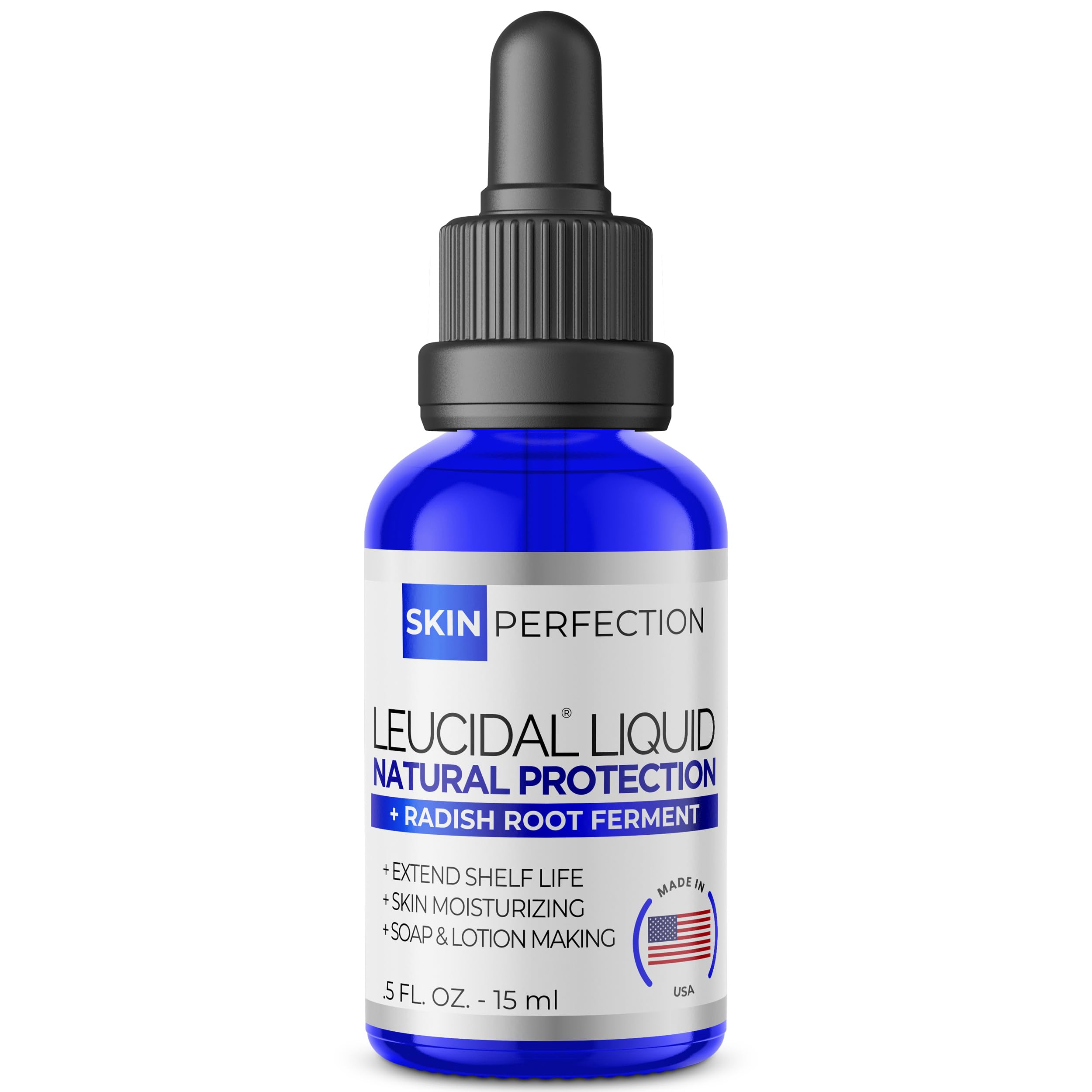
4. Leuconostoc/radish Root Ferment Filtrate
This is a peptide from fermented radish roots.
- Benefits: Provides antimicrobial action, used in many natural and organic skincare lines.
5. Gluconolactone
Gluconolactone is a polyhydroxy acid derived from corn.
- Benefits: Mildly exfoliating, offers some preservation, suitable for sensitive skin.
6. Willow Bark Extract
Willow bark contains natural salicylates (related to salicylic acid).
- Benefits: Antimicrobial and anti-inflammatory properties, helps clear pores.
7. Essential Oils (with Care)
Some essential oils, like tea tree, lavender, or lemon, have antimicrobial effects.
- Caution: Can be irritating in high concentrations; best used as part of a blend.

Credit: www.amazon.com
Comparing Synthetic And Plant-based Preservatives
Many plant-based preservatives are not as powerful as synthetic ones, so natural moisturizers may have a shorter shelf life. However, they are often gentler and less likely to cause irritation.
| Synthetic Preservative | Plant-Based Alternative | Notes |
|---|---|---|
| Parabens | Radish Root Ferment | Gentle, antimicrobial |
| Phenoxyethanol | Rosemary Extract | Antioxidant, mild antimicrobial |
| Formaldehyde Donors | Potassium Sorbate | Plant-derived, effective against molds |
Plant-based Alternatives For Fragrance
Synthetic fragrances can trigger allergies and contain phthalates, which are linked to hormone disruption. Plant-based scents offer a gentler, more natural aroma.
1. Essential Oils
Essential oils are concentrated extracts from flowers, leaves, and peels.
- Popular options: Lavender, rose, geranium, orange, peppermint.
- Tip: Always check for sensitivities before use.
2. Hydrosols (floral Waters)
Hydrosols are the byproduct of steam distilling plants for essential oils.
- Benefits: Gentle scent, provides light hydration, safe for sensitive skin.
3. Vanilla Extract
Natural vanilla extract gives a sweet, comforting scent without synthetic chemicals.
4. Cocoa Butter (natural Aroma)
Cocoa butter adds a mild chocolatey scent to products, often used alone for fragrance.
How To Choose The Right Plant-based Moisturizer
Switching to plant-based ingredients sounds simple, but not every formula is ideal for every person. Here’s how to choose wisely:
1. Understand Your Skin Type
- Dry skin: Look for rich butters (shea, cocoa) and oils (avocado, almond).
- Oily or acne-prone skin: Choose lightweight oils (jojoba, squalane, sunflower).
- Sensitive skin: Avoid strong essential oils and check for allergens.
2. Read The Ingredient List
Check if the main ingredients are truly plant-based. Sometimes a product is labeled “natural” but contains many synthetics.
3. Patch Test First
Natural ingredients can still cause reactions, especially nut oils or essential oils. Test a small amount before using on your face or body.
4. Shelf Life
Natural products may expire faster. Look for airtight packaging and check “best before” dates.
5. Certifications
Look for certifications like COSMOS, Ecocert, or USDA Organic for added assurance of authenticity.
Non-obvious Tips For Success
- Layering matters: Use a humectant (like aloe or hyaluronic acid) first, then seal with an oil or butter to trap moisture.
- Mix your own: A simple blend of aloe gel and a few drops of jojoba oil can be as effective as many store-bought creams.
Environmental Impact: Plant-based Vs. Synthetic
Plant-based ingredients are typically biodegradable and require less energy to produce than synthetics. However, sustainability depends on sourcing. For example, palm oil is plant-based but linked to deforestation. Choose oils and butters that are certified sustainable or from ethical suppliers.
Synthetic ingredients often use petroleum, a non-renewable resource, and may take years to break down in the environment. This is another reason many eco-conscious shoppers prefer plant-based skincare.
Credit: www.amazon.com
Are Plant-based Ingredients As Effective As Synthetics?
Research shows that many plant-based occlusives and emollients (like shea butter and jojoba oil) perform as well as petrolatum and mineral oil for moisturizing. Plant-based humectants like hyaluronic acid and beta-glucan are highly effective at improving skin hydration.
However, synthetic ingredients sometimes offer a longer shelf life and more stable performance. The best results often come from well-formulated blends using both plant-based and safe synthetic ingredients.
Common Myths About Plant-based Moisturizers
- Myth: Plant-based means hypoallergenic.
- Reality: Some people are allergic to nuts, seeds, or even plant extracts. Always patch test.
- Myth: Natural moisturizers are always better.
- Reality: Quality and freshness matter more than the label “natural.” Some synthetics are safe and effective.
- Myth: Plant oils clog pores.
- Reality: Some do (like coconut oil for some people), but others (like jojoba or sunflower oil) are non-comedogenic.
- Myth: They don’t work as well.
- Reality: Many plant-based ingredients are as moisturizing or even more nourishing than their synthetic counterparts.
Real-world Example: Swapping To Plant-based Moisturizer
Sarah, a 28-year-old graphic designer, had used a popular drugstore moisturizer with mineral oil and parabens for years. She often had breakouts and redness. After switching to a plant-based formula with aloe vera, shea butter, and jojoba oil, her skin became smoother and less irritated within weeks.
Her new moisturizer had a shorter shelf life, so she bought smaller containers and kept them in a cool place. She also learned to avoid products with strong essential oils, which could trigger sensitivity.
What To Watch Out For
Switching to plant-based moisturizers is not a guarantee of perfect skin. Here are some common mistakes:
- Using too much oil: Can feel heavy or greasy.
- Ignoring preservatives: Even natural products need protection from bacteria.
- Believing “natural” means “safe for everyone”: Allergies and sensitivities can still occur.
- Overusing essential oils: These can irritate skin if not diluted properly.
Where To Learn More
For readers who want to dig deeper into the science behind plant-based skincare, the Environmental Working Group’s Skin Deep Database and peer-reviewed journals provide ingredient safety ratings and research. You can visit EWG Skin Deep Database for more information.
Frequently Asked Questions
What Is The Main Benefit Of Using Plant-based Moisturizers?
The main benefit is that plant-based moisturizers often contain extra vitamins, antioxidants, and healthy fats that support skin health. They are usually gentler, less likely to cause irritation, and better for the environment compared to most synthetic options.
Are Plant-based Alternatives Suitable For Sensitive Skin?
Yes, many plant-based alternatives are suitable for sensitive skin, especially ingredients like aloe vera, shea butter, and oat-derived beta-glucan. But always patch test, as even natural ingredients can cause reactions in some people.
Do Plant-based Moisturizers Expire Faster Than Synthetic Ones?
Usually, yes. Plant-based moisturizers often have a shorter shelf life because they use fewer strong preservatives. Store them in a cool, dry place and check expiration dates to ensure safety.
Can Plant-based Oils Clog Pores?
Some plant oils (like coconut oil) can clog pores for certain skin types, but many (such as jojoba, sunflower, and hemp seed oil) are non-comedogenic and safe for acne-prone skin. Check the comedogenic rating of oils before use.
Are Plant-based Moisturizers More Expensive?
Prices vary. Some plant-based moisturizers are more expensive due to higher ingredient and processing costs, but there are also affordable options. Look for simple formulas and buy from trusted brands to get the best value.
Switching to plant-based alternatives for your moisturizer can be a rewarding choice for your skin and the planet. With a little knowledge and careful selection, you can enjoy the natural benefits these ingredients have to offer—without missing out on comfort or effectiveness.

Credit: skyandsol.co