
Hyaluronic Acid in Moisturizers: How It Works And Why Size Matters
If you have ever picked up a skin cream or serum, you have probably seen hyaluronic acid on the label. It is one of the most popular ingredients in skincare today. But what does it actually do? And why are some hyaluronic acid products much more effective than others? The secret is not just in the ingredient itself, but in the size of the hyaluronic acid molecules used.
Many people believe that all hyaluronic acid is the same. This is not true. The size of these molecules changes how well they work on your skin. Some moisturizers only hydrate the surface, while others go deeper for real change. In this guide, you will learn why molecular weight matters, how hyaluronic acid works, and how to choose the right product for your needs. If you want softer, plumper, and more hydrated skin, understanding this science can make a big difference.
What Is Hyaluronic Acid?
Hyaluronic acid (often shortened to HA) is a substance that your body naturally produces. It is found in your skin, eyes, and joints. In the skin, its main job is to hold water and keep tissues moist and flexible.
A single molecule of hyaluronic acid can hold up to 1,000 times its weight in water. This makes it one of the best natural moisturizers your skin can get. As we age, our natural hyaluronic acid levels drop, which leads to dryness, fine lines, and dullness.
Because of its amazing ability to bind water, hyaluronic acid is now used in many moisturizers, serums, and masks. It is safe for almost all skin types, including sensitive skin. It does not cause irritation or breakouts for most people.
The Science Behind Hyaluronic Acid
Hyaluronic acid is a glycosaminoglycan—a long chain of sugar molecules. Its structure allows it to trap and hold water, forming a kind of gel. This gel acts as a cushion and keeps tissues lubricated.
But not all hyaluronic acid is the same. The main difference is in the molecular weight—how large or small the molecules are. This is measured in units called Daltons (Da) or kilodaltons (kDa). High molecular weight means bigger molecules; low molecular weight means smaller ones.
Why does this matter? It changes how hyaluronic acid behaves on your skin. Large molecules stay on the surface; small ones can travel deeper.
How Does Hyaluronic Acid Work In Moisturizers?
When you apply a moisturizer with hyaluronic acid, it draws water from the air and from deeper layers of your skin. This water is then held in place, making your skin look plumper and smoother. You may notice an instant soft, dewy feeling after you use it.
But the effect is not just on the surface. Depending on the size of the molecules, hyaluronic acid can also help keep water in the deeper layers of your skin. This gives longer-lasting results and can improve the skin’s health over time.
Here are the main ways hyaluronic acid works in moisturizers:
- Surface hydration: Large molecules create a thin, invisible film that holds water on the skin’s surface.
- Deeper hydration: Small molecules can penetrate lower layers, delivering moisture where it is needed most.
- Improved elasticity: Hydrated skin is more flexible and less likely to develop fine lines.
- Barrier support: By keeping the skin moist, hyaluronic acid helps maintain a healthy skin barrier, which protects against bacteria and pollution.
It is important to understand that hyaluronic acid does not work like an oil. It is a humectant, not an emollient. This means it pulls water in, but does not seal it. For best results, many experts recommend applying a moisturizer with oils or occlusives after your hyaluronic acid product, to lock in the hydration.
Why Molecular Size Matters
The molecular size of hyaluronic acid is the key factor in how it works. This is something most people—and many brands—do not talk about enough.
Types Of Hyaluronic Acid By Molecular Weight
There are three main types of hyaluronic acid used in skincare:
- High molecular weight (HMW) hyaluronic acid: These molecules are large (1,500 kDa and above). They stay on the surface and form a protective film.
- Medium molecular weight hyaluronic acid: These are in the middle range (250-1,000 kDa). They can penetrate a little deeper, giving both surface and some deeper hydration.
- Low molecular weight (LMW) hyaluronic acid: These molecules are small (below 250 kDa). They can move deeper into the skin, delivering moisture to lower layers.
The table below compares these types:
| Type | Molecular Weight | Penetration Depth | Main Benefit |
|---|---|---|---|
| High MW | 1,500 kDa & above | Surface only | Instant hydration & smoothing |
| Medium MW | 250–1,000 kDa | Upper skin layers | Balanced hydration |
| Low MW | Below 250 kDa | Deeper skin layers | Long-term moisture & plumping |
Why Not Just Use The Smallest Size?
You might think that smaller is always better. But that is not true. High molecular weight hyaluronic acid is great for giving your skin an instant “drink” of water and making it look smooth. But it cannot go deep.
Low molecular weight hyaluronic acid can penetrate deeper, but if used alone, it may actually pull moisture out from the deeper skin layers and lose it to the air—especially in dry environments. This can sometimes make dryness worse if you do not use a good moisturizer on top.
The best moisturizers often use a mix of molecular sizes to get both instant and long-lasting effects.
Hyaluronic Acid: Natural Vs. Synthetic
All hyaluronic acid used in skincare is made in labs. It can come from:
- Fermentation (biofermentation): Using bacteria to create HA from natural sugars. This is the most common and is vegan-friendly.
- Animal sources: Rarely, HA can come from rooster combs, but this is uncommon today.
Both types are safe. The most important thing is the purity and molecular size, not the source.
Benefits Of Hyaluronic Acid In Moisturizers
Hyaluronic acid offers many benefits when added to your daily skincare routine. Some you may already know, but others might surprise you.
1. Intense Hydration
The most famous benefit is hydration. Hyaluronic acid can hold huge amounts of water, making dry skin feel softer and look healthier almost right away.
2. Reduces Fine Lines And Wrinkles
By plumping up the skin, hyaluronic acid can make fine lines and wrinkles look less visible. This effect is temporary, but with regular use, it helps support smoother skin over time.
3. Improves Skin Texture
If your skin feels rough or flaky, hyaluronic acid can help. It smooths the surface by drawing moisture to dry patches, making your skin feel more even.
4. Supports Healing
Hyaluronic acid is used in medical treatments for wounds and burns. On the skin, it helps with healing and can reduce redness and irritation.
5. Works For All Skin Types
Even sensitive or acne-prone skin can usually use hyaluronic acid. It is non-irritating and does not clog pores.
6. Enhances Barrier Function
A healthy skin barrier keeps out bacteria, pollution, and other irritants. Hyaluronic acid supports this barrier by keeping the outer layer moist and flexible.
7. Non-greasy Feel
Unlike many oils or heavy creams, hyaluronic acid gives hydration without a greasy or sticky finish. This makes it ideal for people who dislike heavy products.

Credit: www.ebay.com
How To Use Hyaluronic Acid Moisturizers For Best Results
If you want to get the most from your hyaluronic acid product, follow these tips:
- Apply to damp skin: Hyaluronic acid pulls water from its surroundings. If your skin is dry, it might pull water from deeper layers instead of the air. Always apply to slightly wet skin for best results.
- Seal with a moisturizer: After your serum or gel, use a cream or lotion on top. This helps lock in the water that hyaluronic acid has attracted.
- Watch your environment: In very dry places (like winter or air-conditioned rooms), hyaluronic acid can dry out your skin if you do not seal it with another product.
- Use morning and night: Hyaluronic acid is gentle enough for twice-daily use.
- Avoid overuse: Too much can sometimes cause a sticky feeling or, in rare cases, irritation.
Comparing Hyaluronic Acid With Other Moisturizing Ingredients
Hyaluronic acid is powerful, but how does it compare with other common moisturizing ingredients? Here is a quick comparison.
| Ingredient | Type | Main Function | Best For | Drawback |
|---|---|---|---|---|
| Hyaluronic Acid | Humectant | Draws water to skin | All skin types | Needs sealing for best effect |
| Glycerin | Humectant | Attracts water | Dry, sensitive skin | Can feel sticky |
| Squalane | Emollient | Softens & seals | Dry, mature skin | May be too rich for oily skin |
| Petrolatum | Occlusive | Blocks water loss | Very dry or damaged skin | Heavy, greasy feel |
| Ceramides | Barrier repair | Restores skin barrier | Sensitive, eczema-prone skin | Can be costly |
As you can see, hyaluronic acid works best when combined with other types of moisturizers. It draws water in, but needs help to keep it from escaping.
Who Should Use Hyaluronic Acid Moisturizers?
Almost anyone can benefit from using hyaluronic acid, but some groups will see the biggest changes.
Dry Or Dehydrated Skin
If your skin often feels dry, tight, or rough, hyaluronic acid can give you a real boost in comfort and appearance.
Oily Or Acne-prone Skin
Hyaluronic acid is water-based and does not clog pores. It offers lightweight hydration without adding oil or shine.
Mature Skin
As we age, the skin’s natural hyaluronic acid levels drop. Using it topically can restore some of the lost plumpness and reduce the look of fine lines.
Sensitive Skin
Because it is gentle and non-irritating, hyaluronic acid is safe for people with sensitive or reactive skin. It can even help calm redness from dryness.
Men And Women
Hyaluronic acid is not just for women’s skincare. Men with dry, rough, or aging skin can also benefit from regular use.
What To Look For In A Hyaluronic Acid Moisturizer
Not all hyaluronic acid products are created equal. Here are some tips to help you choose a good one:
1. Check The Ingredient List
Look for “sodium hyaluronate” or “hyaluronic acid” near the top of the list. Sodium hyaluronate is a salt form of hyaluronic acid and is smaller, so it penetrates better.
2. Look For Multiple Molecular Weights
The best products often say they contain “multi-molecular” or “multi-weight” hyaluronic acid. This means they use both large and small molecules for layered hydration.
3. Avoid Harsh Ingredients
If you have sensitive skin, avoid products with a lot of alcohol, fragrance, or essential oils. These can counteract the soothing effect of hyaluronic acid.
4. Consider Texture
Choose a texture that matches your skin type:
- Gels for oily or combination skin
- Creams for dry skin
- Lotions for normal skin
5. Packaging
Hyaluronic acid breaks down in sunlight and air. Look for products in opaque (non-clear) bottles or pumps.
6. Price Vs. Quality
You do not need the most expensive product, but very cheap options may use low-quality hyaluronic acid or not enough of it to work well.
How To Layer Hyaluronic Acid With Other Skincare Products
Using hyaluronic acid with other skincare products can boost its effects. Here’s a simple routine:
- Cleanse: Wash your face with a gentle cleanser.
- Apply hyaluronic acid: Use on damp skin, right after cleansing or toning.
- Serums: If you use other treatment serums (like vitamin C or niacinamide), apply them after hyaluronic acid.
- Moisturizer: Use a cream or lotion to seal in the moisture.
- Sunscreen: Always finish with SPF in the morning.
If you use facial oils, apply them last to lock in everything.
Myths And Facts About Hyaluronic Acid
There are many myths about hyaluronic acid. Here are some common ones, and the real facts:
Myth 1: Hyaluronic Acid Is An Exfoliating Acid
Fact: Despite its name, hyaluronic acid is not an exfoliant like glycolic or salicylic acid. It does not remove dead skin cells.
Myth 2: All Hyaluronic Acid Products Work The Same
Fact: The effect depends on the molecular size and the formula. Some only hydrate the surface, others go deeper.
Myth 3: Hyaluronic Acid Can Replace All Moisturizers
Fact: Hyaluronic acid is a humectant, not an occlusive or emollient. For best results, use it with a moisturizer that seals in water.
Myth 4: It Can Cause Breakouts
Fact: Hyaluronic acid is non-comedogenic and does not clog pores. Problems usually come from other ingredients in the product.
Myth 5: More Is Always Better
Fact: Overusing hyaluronic acid can sometimes make skin feel sticky or tight. Use the recommended amount.
Side Effects And Safety
Hyaluronic acid is very safe for most people. But, as with all skincare products, there are a few things to keep in mind:
- Allergic reactions are rare but possible. Always patch-test a new product before using it all over your face.
- Overuse can cause stickiness. If your skin feels tight or sticky, try using less or applying to damp skin only.
- Low humidity risk: In very dry climates, hyaluronic acid can pull water out of your skin instead of from the air. Always seal it in with a good moisturizer.
If you notice irritation, redness, or breakouts, stop using the product and talk to a dermatologist.
Hyaluronic Acid And Environmental Factors
Where you live and your daily habits can change how hyaluronic acid works. Here are some things to consider:
Humidity
Hyaluronic acid works best in humid environments, where it can pull water from the air. In very dry places, it may pull water from your skin instead.
Air Conditioning And Heating
Both air conditioning and central heating make the air dry. This means your hyaluronic acid needs to be sealed in with a moisturizer, or it may not work as well.
Pollution
A damaged skin barrier is more likely in polluted cities. Hyaluronic acid supports the barrier, but always combine it with a good moisturizer and sunscreen.
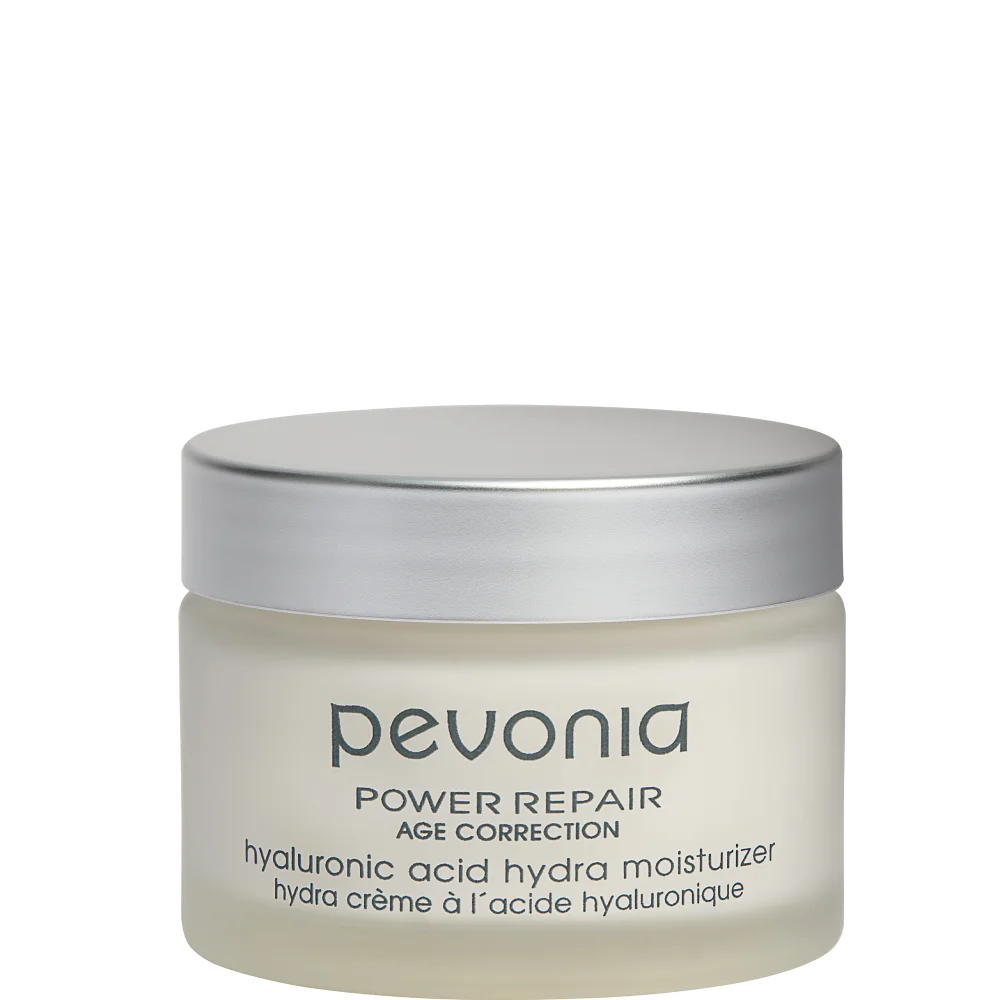
Credit: www.pevonia.com
Recent Research And Innovations
Scientists continue to develop new forms of hyaluronic acid for skincare. Some recent trends include:
- Cross-linked hyaluronic acid: This type has more stable, longer-lasting effects. It is used in some advanced serums and injectable fillers.
- Encapsulated hyaluronic acid: Tiny capsules deliver the acid deeper into the skin for better results.
- Multi-weight formulas: More brands are using blends of different molecular sizes for balanced hydration.
Research shows that combining hyaluronic acid with other ingredients, like ceramides or peptides, can improve barrier repair and skin health even more. For more details, check this scientific study on hyaluronic acid in dermatology.
How To Tell If Your Hyaluronic Acid Moisturizer Is Working
You should notice some changes soon after you start using a good hyaluronic acid product:
- Plumper, bouncier skin: Your skin will look and feel fuller and more elastic.
- Fewer dry patches: Flaky or rough areas should soften.
- Less visible fine lines: Skin looks smoother, especially around the eyes and mouth.
- Makeup goes on better: Hydrated skin makes foundation and concealer look more even.
If you do not see these results after a few weeks, try switching to a product with a different molecular weight or a formula with more hyaluronic acid.

Credit: www.ebay.com
Common Mistakes When Using Hyaluronic Acid
Even though it is simple to use, there are some mistakes many people make:
- Using on dry skin: Always apply to damp skin to avoid tightness or dryness.
- Not sealing with moisturizer: If you skip this step, you may not get full benefits.
- Using only one size: Products with just high or low molecular weight may not give balanced results.
- Layering too many products: Using too many serums or actives can cause irritation.
- Expecting instant miracles: Hyaluronic acid works fast, but deep changes take time and regular use.
The Role Of Hyaluronic Acid In Professional Treatments
Hyaluronic acid is not just for creams and serums. It is also used in:
- Dermal fillers: Injected into the skin to add volume and smooth wrinkles. These fillers use special forms of hyaluronic acid that last longer.
- Microneedling: Sometimes combined with hyaluronic acid serums for deeper penetration and quicker healing.
- Medical wound care: Used to speed up healing after burns, surgery, or injuries.
Professional treatments use very pure, high-quality hyaluronic acid. But for daily care, a good moisturizer or serum is enough for most people.
Environmental And Ethical Considerations
Most hyaluronic acid on the market today is made by biofermentation, which is vegan-friendly and does not use animal products. If you are concerned about animal testing or ingredients, look for products labeled cruelty-free and vegan.
Packaging also matters. Choose brands that use recyclable materials and avoid excessive packaging whenever possible.
Practical Tips For Beginners
If you are new to hyaluronic acid, start simple:
- Try a serum with multi-weight hyaluronic acid.
- Apply to damp skin right after washing your face.
- Follow with a moisturizer that matches your skin type.
- Use morning and night for best results.
If you have very dry skin, combine with other hydrating ingredients like glycerin, ceramides, or squalane. If you have oily skin, choose light, gel-based formulas.
Understanding Labels And Claims
Brands often use different words on their labels. Here’s what they usually mean:
- “Sodium hyaluronate”: Smaller, more easily absorbed form of hyaluronic acid.
- “Cross-linked hyaluronic acid”: Modified to last longer on the skin.
- “Hydrolyzed hyaluronic acid”: Broken down into even smaller pieces for deeper penetration.
- “Multi-molecular”: Contains several different sizes for layered hydration.
If a product just says “hyaluronic acid” with no details, it is often high molecular weight and works mainly on the surface.
Popular Myths About Hyaluronic Acid Debunked
Let’s revisit some common myths and clear them up:
- It can replace your moisturizer: False. It needs to be sealed in with a cream or lotion.
- It exfoliates your skin: False. It hydrates, but does not remove dead cells.
- It causes breakouts: False for most, but check the full ingredient list.
- It works instantly for everyone: Results are usually quick, but deeper changes take time.
How To Store Hyaluronic Acid Products
To keep your hyaluronic acid moisturizer fresh and effective:
- Store in a cool, dry place away from direct sunlight.
- Keep the container tightly closed.
- Avoid clear bottles or jars if possible.
Most products last about 6–12 months after opening.
Real-world Examples: Choosing The Right Product
Here are some scenarios to help you pick the best hyaluronic acid product:
1. For Oily Skin
Choose a lightweight gel with sodium hyaluronate and no oils. Apply to damp skin and follow with an oil-free moisturizer.
2. For Mature Skin
Look for a serum with multi-weight hyaluronic acid, peptides, and ceramides. Use under a rich cream to help fight wrinkles.
3. For Sensitive Skin
Use a simple formula with only a few ingredients. Avoid fragrance, alcohol, and essential oils.
4. For Very Dry Skin
Try a serum plus a cream with hyaluronic acid, glycerin, and squalane. Layer for extra moisture.
5. For Combination Skin
Pick a lotion or light cream with multi-weight hyaluronic acid. Adjust the amount based on how your skin feels.
Data: The Impact Of Hyaluronic Acid In Skincare
Studies show that using hyaluronic acid regularly can increase skin hydration by up to 96% in just 8 weeks. In one clinical trial, participants saw a significant reduction in fine lines after daily use for one month.
| Duration | Hydration Increase (%) | Reduction in Fine Lines (%) |
|---|---|---|
| 2 weeks | 32% | 15% |
| 4 weeks | 61% | 28% |
| 8 weeks | 96% | 45% |
These results are best when using products with multi-molecular hyaluronic acid and following up with a moisturizer.
Frequently Asked Questions
What Is The Difference Between Hyaluronic Acid And Sodium Hyaluronate?
Sodium hyaluronate is the salt form of hyaluronic acid. It has a smaller molecular size and can penetrate the skin deeper. Both hydrate, but sodium hyaluronate may be more effective for deeper hydration.
Can I Use Hyaluronic Acid Every Day?
Yes, hyaluronic acid is gentle enough for daily use. Most people use it twice a day—morning and night. Always follow with a moisturizer to lock in the hydration.
Is Hyaluronic Acid Safe For Sensitive Or Acne-prone Skin?
Hyaluronic acid is usually safe for sensitive and acne-prone skin. It does not clog pores and rarely causes irritation. Always check the ingredient list for other potential irritants.
Does The Climate Affect How Hyaluronic Acid Works?
Yes, hyaluronic acid works best in humid environments. In very dry climates, it may pull water from your skin instead of the air. Always seal with a moisturizer, especially in dry or air-conditioned spaces.
Can Hyaluronic Acid Replace My Regular Moisturizer?
No, hyaluronic acid draws water into the skin but does not seal it. For best results, use it before your regular moisturizer to keep the hydration in place.
A deeper understanding of hyaluronic acid—especially the importance of molecular size—can transform your skincare routine. By choosing the right product and using it correctly, you can enjoy smoother, plumper, and more hydrated skin every day. Remember, small changes in how you use your products can make a big difference in results. If you want science-backed, visible improvements, pay attention to the details and enjoy the benefits of modern skincare technology.