

Many people struggle to understand their own hair. If your hair often feels dry, never seems to soak up conditioner, or takes forever to dry after a wash, you may have low porosity hair. This unique hair type can be beautiful, but it comes with challenges that are often misunderstood—even among hair professionals. Managing low porosity hair requires a gentle approach, the right products, and a bit of science. Let’s dive deep into what low porosity hair is, how to recognize it, and most importantly, how to care for it so you can finally love your hair.
What Is Low Porosity Hair?
Porosity refers to how well your hair absorbs and holds moisture. Every strand of hair has an outer layer called the cuticle—tiny, overlapping scales, like shingles on a roof. For low porosity hair, these cuticles are packed tightly together. This makes it hard for water, oils, and products to enter the hair shaft.
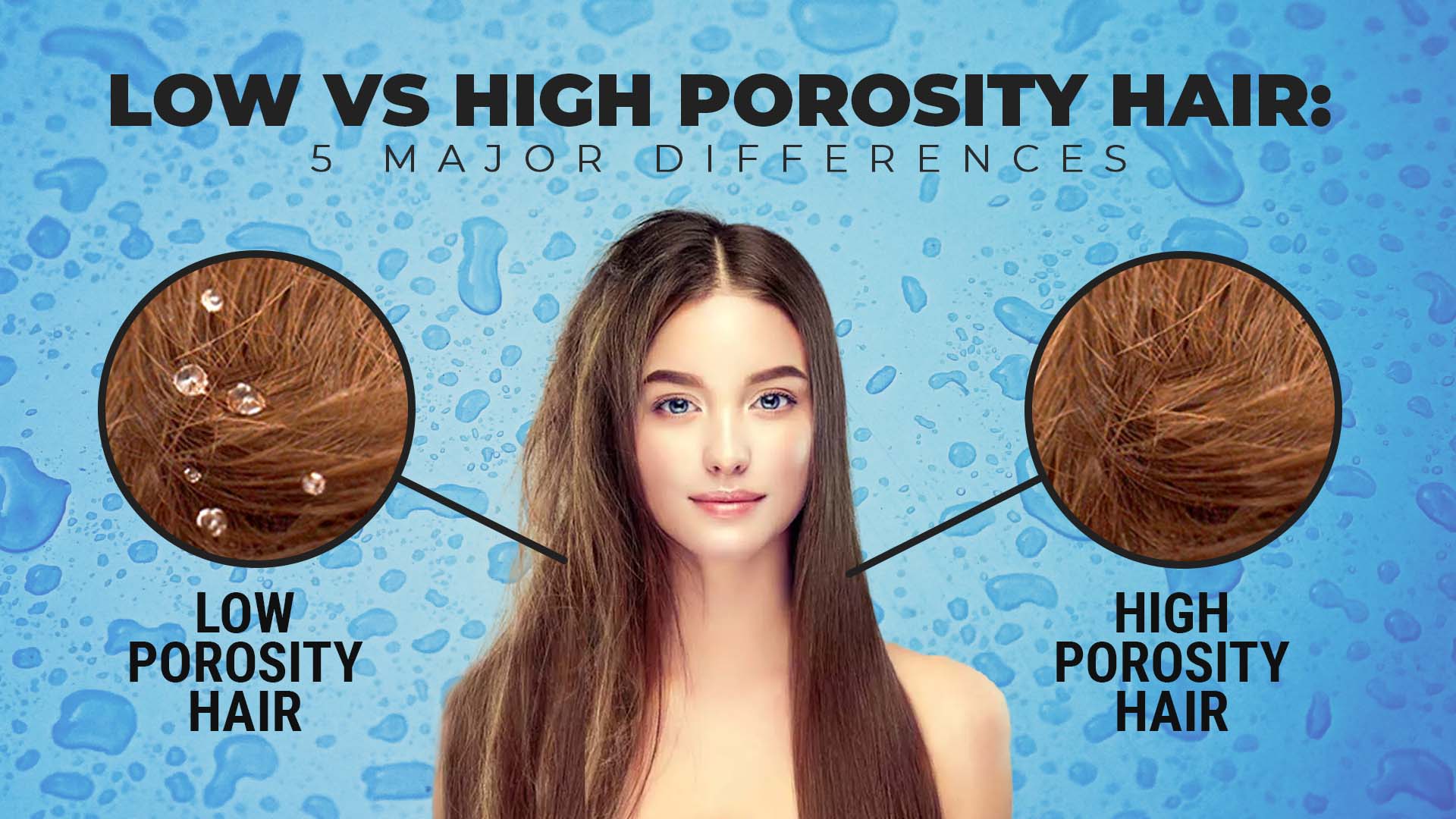
People with low porosity hair often notice that products seem to “sit” on top of their hair. Even after a long shower, your hair might still feel dry or look shiny but not soft. This is different from high porosity hair, where the cuticles are raised or damaged, making it easier for moisture to enter—but also to escape.
Low porosity hair is not unhealthy. In fact, its tight cuticle structure protects the inner layers from damage. However, it also creates unique care needs. Understanding these needs is the first step toward healthy, manageable hair.
How To Identify Low Porosity Hair
Not sure about your hair’s porosity? There are simple methods to help you figure it out. While these tests are not perfect, they provide helpful clues.
The Water Test
- Take a clean strand of hair (without any product).
- Drop it into a glass of room-temperature water.
- Wait for 2–5 minutes.
If the hair floats on top for a long time, you likely have low porosity hair. If it sinks quickly, your hair is more porous.
The Product Test
Apply a leave-in conditioner or oil to clean, wet hair. Does the product sit on the surface and feel sticky, or does it get absorbed right away? Low porosity hair usually shows product buildup instead of quick absorption.
Other Signs
- Hair takes a long time to get fully wet.
- Water beads on your hair instead of soaking in.
- Hair takes a long time to dry, even with heat.
- Products often cause buildup and flakes.
Many people with African, Asian, or straight hair have low porosity, but it can occur in any hair type.
Characteristics Of Low Porosity Hair
Recognizing your hair’s characteristics helps you create the right routine. Here are the most common features of low porosity hair:
- Tight cuticle structure: Smooth, flat cuticles make hair resistant to moisture.
- Slow water absorption: Hair stays dry longer in the shower and dries slowly afterward.
- Frequent buildup: Conditioners, creams, and oils can collect on the surface, making hair feel greasy or sticky.
- Shiny appearance: Light reflects off the smooth cuticle, making hair look glossy.
- Tangles easily: Because products don’t absorb well, hair can stick together.
- Hard to chemically treat: Coloring or perming takes longer and may not “take” well.
Understanding these traits allows you to focus on what your hair really needs—gentle care and the right products.
The Science Behind Low Porosity Hair
To care for low porosity hair, it helps to know why it acts the way it does. Each hair shaft has three layers:
- Cuticle: The outer layer with overlapping scales.
- Cortex: The main body, holding color and strength.
- Medulla: The inner core (not always present).
For low porosity hair, the cuticle scales are packed tightly and lay flat. This makes it difficult for moisture and products to enter the cortex. It’s like trying to pour water through a closed window.
Genetics play a big role in porosity. Some people naturally have tighter cuticles. Others may develop low porosity from overuse of protein treatments or heavy products that “seal” the cuticle. Environmental factors like hard water can also play a part, but genetics is the most common reason.
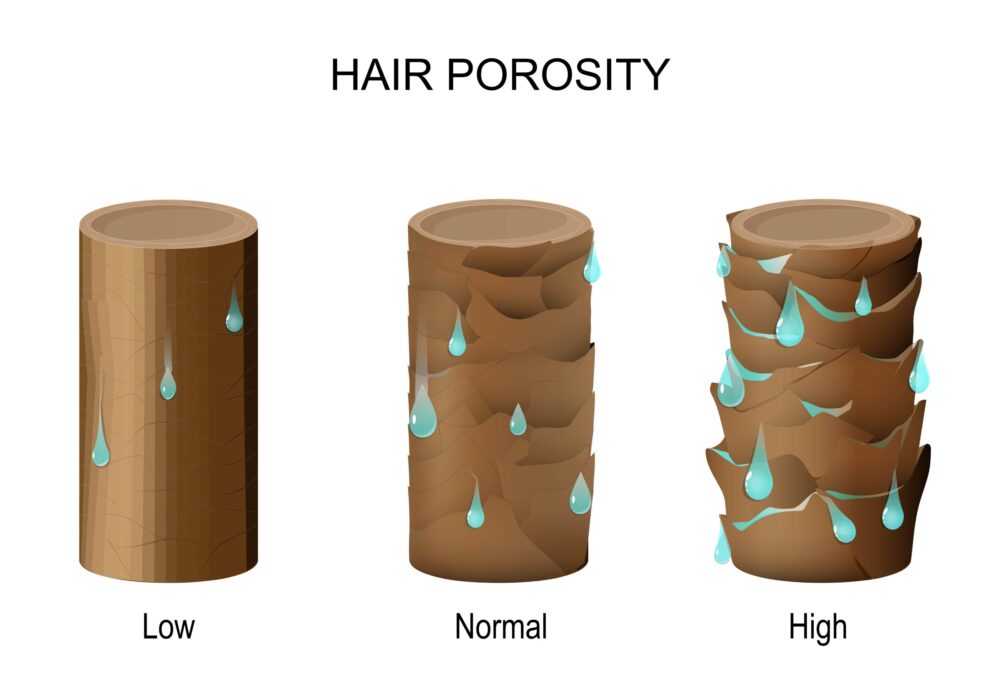
Credit: www.drserkanaygin.com
Common Challenges For Low Porosity Hair
Low porosity hair brings special challenges that can make care frustrating. Here are the most common problems:
1. Product Buildup
Because moisture and oils have trouble entering the hair shaft, products tend to stay on the surface. This causes dullness, flakes, and a heavy feeling.
2. Dryness
It seems strange, but low porosity hair can feel dry even though it is not truly lacking moisture. The problem is not getting moisture in, but letting it stay there. Hair feels stiff or brittle, especially after using protein-rich products.
3. Difficulty Absorbing Moisture
Washing and conditioning can be frustrating. Water and conditioners bead up on the surface, and hair feels dry even after a deep treatment.
4. Long Drying Time
After washing, hair may take hours to fully dry. Some people find their hair is still damp the next day.
5. Lack Of Volume
Because products sit on the hair, strands can stick together and look flat or lifeless.
6. Hard To Dye Or Chemically Treat
Color, perms, and relaxers often fail to penetrate, leading to uneven results. Treatments may not last as long as expected.
These issues can make it hard to develop a routine that works, especially if you use the wrong products.
How Low Porosity Hair Differs From Other Hair Types
Low porosity hair is not the same as dry or damaged hair. Understanding the differences helps you choose the right care methods.
| Feature | Low Porosity | Normal Porosity | High Porosity |
|---|---|---|---|
| Cuticle Structure | Tight, flat | Evenly spaced | Raised, open |
| Water Absorption | Slow | Moderate | Fast |
| Drying Time | Long | Average | Short |
| Product Absorption | Poor | Good | Excellent |
| Common Issues | Buildup, dryness | Few | Frizz, breakage |
Low porosity hair needs less protein and more moisture. High porosity hair, often caused by heat or chemical damage, needs both moisture and protein to help repair the cuticle.
Myths About Low Porosity Hair
Many “hair tips” on social media are wrong for low porosity hair. Here are myths you should ignore:
- “Oil is always good.” Heavy oils and butters often sit on the surface and cause buildup.
- “More protein means stronger hair.” Too much protein can make low porosity hair stiff and brittle.
- “You should deep condition every week.” Frequent deep conditioning with heavy products can lead to product overload.
- “Silicones are bad for all hair types.” Some silicones can help protect the hair, but buildup is a real problem for low porosity hair.
Listening to your own hair is more important than following every trend.
Best Products For Low Porosity Hair
Choosing the right products makes a huge difference. For low porosity hair, look for lightweight, water-based items.
Shampoos
- Use a gentle, sulfate-free shampoo. Clarifying shampoos are helpful once a month to remove buildup.
- Avoid heavy moisturizing shampoos that contain lots of oils or butters.
Conditioners
- Choose lightweight, water-based conditioners.
- Avoid protein-heavy formulas unless your hair is weak from damage.
- Rinse-out conditioners are often better than leave-ins.
Moisturizers
- Look for humectants like glycerin or honey. These draw moisture into the hair.
- Light creams or sprays are better than thick butters.
Oils
- Use light oils such as argan, grapeseed, or jojoba.
- Avoid coconut oil and castor oil, which can be too heavy.
Styling Products
- Opt for gels and foams that do not contain waxes.
- Avoid products with lots of silicones and heavy oils.
Here’s a quick comparison of popular oils for low porosity hair:
| Oil Type | Absorption Rate | Best For | Avoid If |
|---|---|---|---|
| Argan Oil | Fast | Everyday moisture | Rarely causes buildup |
| Grapeseed Oil | Very fast | Light sealing | Hair is already oily |
| Jojoba Oil | Fast | Scalp massages | Sensitive to nut oils |
| Coconut Oil | Slow | Deep treatments | Low porosity hair (buildup) |

Credit: redcarpetcurls.com
Building A Low Porosity Hair Routine
No two heads of hair are alike. Still, a simple routine works for most people with low porosity hair.
Step 1: Pre-wash (optional)
Try a gentle, warm water rinse to open the cuticle. Avoid oil pre-treatments, as they can block moisture entry.
Step 2: Gentle Shampoo
Use a clarifying shampoo once a month to remove buildup. For regular washing, stick to gentle, sulfate-free cleansers.
Step 3: Lightweight Conditioner
Apply a water-based conditioner and use a wide-tooth comb to help even coverage. Leave it on for 3–5 minutes.
Step 4: Rinse With Warm Water
Warm water helps open the cuticle slightly, allowing better absorption.
Step 5: Occasional Deep Conditioning
Use light, protein-free deep conditioners. Add gentle heat (like a warm towel) to help products penetrate.
Step 6: Moisturize And Seal
Use a lightweight leave-in or hair milk. Seal in moisture with a few drops of light oil.
Step 7: Air Dry Or Use A Hooded Dryer
Let hair air dry or use a hooded dryer on low heat. Avoid rubbing with a towel; pat dry instead.
Step 8: Refresh As Needed
Spritz hair with water or a light moisturizing spray between washes.
How To Deep Condition Low Porosity Hair
Deep conditioning is important, but it must be done the right way.
- Choose a protein-free, lightweight deep conditioner.
- After shampooing, apply to damp hair.
- Cover hair with a plastic cap.
- Add gentle heat—try a warm towel, hooded dryer, or a shower cap while bathing.
- Leave on for 15–30 minutes, then rinse with warm water.
Heat is key for low porosity hair. It helps lift the cuticle just enough for the conditioner to enter.
Common Mistakes
- Using heavy masks that never fully rinse out.
- Deep conditioning too often, causing buildup.
- Skipping heat, which limits product absorption.
Protein And Low Porosity Hair
Many hair products contain protein to help strengthen hair. But low porosity hair is easily overloaded by protein, leading to stiffness and breakage.
Signs Of Protein Overload
- Hair feels hard or straw-like.
- Increased breakage.
- Less curl definition.
Use protein treatments only if your hair is damaged (from heat or chemicals). Otherwise, focus on moisture.
Heat And Low Porosity Hair
Heat can be a friend or foe. Used correctly, heat helps open the cuticle for deeper treatment. Used too often, it can damage the hair.
Safe Ways To Use Heat
- Warm water for rinsing.
- Hooded dryer or heat cap for deep conditioning.
- Occasional use of a blow dryer on low heat.
Avoid high heat styling tools, which can damage the cuticle.
Trimming And Detangling Tips
Low porosity hair tangles easily, especially if it is curly or coily.
- Detangle with a wide-tooth comb or fingers on damp, conditioned hair.
- Work in small sections to avoid breakage.
- Trim hair every 8–12 weeks to remove split ends and keep hair healthy.
Dealing With Product Buildup
Product buildup is one of the most frustrating issues for low porosity hair. It leaves hair dull, heavy, and sometimes itchy.
How To Remove Buildup
- Use a clarifying shampoo once a month. Look for products with ingredients like apple cider vinegar or gentle surfactants.
- Avoid using heavy oils, butters, and silicones in your daily routine.
- Rinse hair well after every wash.
Signs You Need To Clarify
- Hair feels sticky or waxy, even after washing.
- Products seem to stop working.
- Scalp feels itchy or flaky.
Don’t over-clarify—once a month is enough for most people.
Moisturizing Techniques For Low Porosity Hair
Moisturizing is not just about applying a product—it’s about helping hair absorb and retain moisture.
The Lco Method
This stands for Liquid, Cream, Oil.
- Start with water or a water-based leave-in.
- Apply a light cream moisturizer.
- Seal with a few drops of light oil.
This method works better than LOC (oil before cream) for low porosity hair because oils can block moisture from entering the hair.
Misting
Fill a spray bottle with water and a few drops of leave-in conditioner. Lightly mist hair daily to refresh and hydrate.
Steaming
Using a hair steamer or sitting in a steamy bathroom can help open the cuticle and boost moisture absorption.
Protective Styling For Low Porosity Hair
Protective styles are great for keeping hair healthy and reducing manipulation.
- Try braids, twists, buns, or updos.
- Avoid tight styles that pull on the scalp.
- Moisturize before styling and cover hair at night with a silk or satin scarf.
Protective styles should not be worn for too long (2–4 weeks is best) to avoid matting and buildup.
Night Care For Low Porosity Hair
How you care for your hair at night makes a big difference.
- Sleep on a silk or satin pillowcase to reduce friction.
- Cover hair with a silk or satin scarf or bonnet.
- Lightly mist hair before bed if it feels dry.
Cotton pillowcases can pull moisture out of your hair, making dryness worse.
Ingredients To Avoid In Low Porosity Hair Products
Some ingredients are not friendly to low porosity hair.
- Heavy oils and butters (coconut, castor, shea butter)
- Waxes and mineral oil
- Non-water soluble silicones
- Protein-rich products (unless needed for damage repair)
Instead, look for products with water as the first ingredient, and natural humectants like aloe vera or glycerin.
How Weather Affects Low Porosity Hair
Environmental factors play a role in how your hair feels.
Humid Weather
Humidity can help low porosity hair absorb moisture—but can also cause frizz if products build up.
- Use light, water-based products.
- Avoid heavy oils that can “trap” sweat and moisture.
Dry Weather
Cold, dry air makes hair feel stiffer.
- Increase moisturizing frequency.
- Cover hair with a hat or scarf outdoors.
Winter and summer may require different routines.
Special Considerations For Curly And Coily Low Porosity Hair
Curly and coily hair types tend to be drier and more fragile. When combined with low porosity, special care is needed.
- Detangle gently with plenty of conditioner.
- Avoid tight hairstyles that stress the roots.
- Use protective styles to retain length.
- Moisturize often, focusing on ends.
Curly low porosity hair can be more prone to shrinkage. This is normal and not a sign of poor health.
Transitioning To A Low Porosity Routine
If you’ve been using heavy butters, lots of protein, or skipping clarifying, your hair may need time to adjust.
- Start by clarifying to remove buildup.
- Switch to lighter, water-based products.
- Reduce the frequency of protein treatments.
- Be patient—give your hair a month or more to show results.
It’s normal to see some shedding or dryness at first. This is your hair adjusting to a new routine.
Non-obvious Tips For Low Porosity Hair
Most guides miss these helpful ideas:
- Use warm water, not hot or cold: Warm water opens the cuticle just enough to help products work. Hot water can damage hair, while cold water can “lock out” moisture.
- Apply products to soaking wet hair: This helps distribute product evenly and prevents clumping.
- Clarify after swimming: Chlorine and saltwater can cause severe buildup on low porosity hair.
- Try rice water rinses sparingly: Rice water is rich in protein, so use it only if your hair feels weak.
- Listen to your hair: If your routine stops working, change it. Hair needs can change with the seasons, health, and age.
Mistakes To Avoid With Low Porosity Hair
It’s easy to make mistakes, especially when following popular advice for “all hair types.” Here are the biggest pitfalls:
- Overusing oils and butters
- Skipping clarifying shampoos
- Using too much protein
- Not using enough heat with treatments
- Detangling dry hair, which causes breakage
- Neglecting night protection
Make small changes and observe how your hair responds.
Real-life Example: Managing Low Porosity Hair
Let’s look at “Aisha,” who has shoulder-length, low porosity 4A curls. She used to use heavy butters and oil daily, but her hair always felt dry and sticky. After learning about low porosity care, she switched to:
- Monthly clarifying shampoos
- Lightweight, water-based leave-in conditioner
- Argan oil for sealing
- Weekly deep conditioning with gentle heat
- Silk scarf at night
Within two months, her curls became softer, more defined, and less prone to breakage. This shows how the right routine can transform low porosity hair.
When To See A Hair Professional
If you have tried everything and your hair still feels unhealthy, it may help to see a trichologist (hair specialist) or experienced stylist. Persistent dryness, breakage, or scalp issues could signal a medical problem. Professionals can do strand analysis and recommend treatments tailored to your needs.
Latest Research And Resources
Research on hair porosity is growing. New studies show that hair care should match porosity, not just curl pattern or texture. For more scientific information, you can visit the National Institutes of Health.
Credit: theradome.com
Frequently Asked Questions
What Is The Main Cause Of Low Porosity Hair?
The main cause is genetics. Some people are born with tighter cuticle layers. Overuse of certain products or environmental factors can make the problem worse, but most low porosity hair is inherited.
How Often Should I Wash Low Porosity Hair?
Wash once or twice per week. Use a gentle shampoo and clarify once a month to remove buildup. Over-washing can strip natural oils but under-washing leads to buildup.
Can I Use Coconut Oil On Low Porosity Hair?
Coconut oil is usually too heavy for low porosity hair. It can cause buildup and make hair feel greasy or stiff. Instead, try lighter oils like argan or grapeseed.
How Do I Know If My Hair Needs Protein?
If your hair is breaking, limp, or feels mushy, it may need a protein treatment. But if it feels stiff, straw-like, or hard, avoid protein. Most low porosity hair needs protein only after chemical damage.
Is Low Porosity Hair Harder To Grow?
Low porosity hair is not harder to grow, but it can be harder to retain length due to dryness and breakage. With proper care—moisture, gentle handling, and regular trims—you can reach your growth goals.
Low porosity hair can be tricky, but it is not a curse. Once you understand its needs, you can develop a routine that keeps your hair healthy, shiny, and full of life. Embrace your unique hair—it’s worth the effort.