

Our skin and scalp act as protective shields, keeping our bodies safe from outside threats like germs, pollution, and harsh weather. This shield is called the barrier. When it’s healthy, it locks in moisture, prevents irritation, and keeps us comfortable. But sometimes, this barrier gets damaged. Suddenly, we notice dryness, itchiness, redness, or even flaking. It can happen to anyone, and many people don’t realize what’s going on until their symptoms get worse.
Understanding the signs of a damaged barrier is the first step toward healing. In this guide, you’ll learn how to spot the symptoms both visually and through touch. We’ll cover the most common signs, why they happen, and how they differ between the skin and scalp. You’ll also see examples and advice to help you take action. Whether your concern is facial skin, body skin, or your scalp, this visual guide will make things clear—even if English isn’t your first language.
What Is The Skin And Scalp Barrier?
The skin barrier is the outer layer of your skin, known as the stratum corneum. It’s made of skin cells and lipids (oils) that fit together like bricks and mortar. This layer keeps moisture in and keeps harmful things out. Your scalp barrier works in a similar way, but it’s also affected by hair, sweat, and natural oils.
When the barrier is healthy, your skin and scalp feel smooth, hydrated, and comfortable. If it’s damaged, you’ll notice changes. Sometimes these changes are easy to see. Other times, you’ll feel them before you notice them.
The skin barrier is not just a simple layer—it’s a complex defense system. It fights off bacteria, viruses, and other germs, and it also shields us from harmful chemicals and weather. The scalp barrier, on the other hand, must balance oil production and protect hair follicles.
Hair can trap sweat and dirt, which makes the scalp more sensitive to irritation if the barrier is weak.
Non-obvious insight: A strong barrier helps your skin and scalp “bounce back” from stress, like a sunburn or a harsh product. If you heal quickly after such events, it’s a sign your barrier is working well.
Main Causes Of Barrier Damage
Understanding why your barrier gets damaged helps you avoid the problem. Here are the main causes:
- Harsh cleansing products: Soaps and shampoos with strong chemicals strip away natural oils.
- Frequent washing: Washing skin or scalp too often removes protective oils.
- Weather extremes: Cold, dry air or strong sun can break down the barrier.
- Allergic reactions: Some people react to perfumes, dyes, or preservatives.
- Skin conditions: Eczema, psoriasis, and dermatitis make the barrier weaker.
- Heat styling: Blow drying and straightening can dry out the scalp.
- Medical treatments: Acne medications or steroids may thin the barrier.
Non-obvious insight: Many people think only strong products damage the barrier, but even gentle products can cause problems if used too often or incorrectly. Another overlooked cause is friction—from hats, hairbands, or scratching.
There are more subtle causes, too. For example, hard water (water with lots of minerals) can dry out skin and scalp over time. Air conditioning or indoor heating can also lower humidity, making it harder for the barrier to stay strong.
Even emotional stress can worsen skin conditions by changing hormone levels and increasing inflammation.
Damaged Barrier Symptoms: Skin Vs. Scalp
Let’s look at the most common symptoms for both skin and scalp. Some signs overlap, but others are unique. You’ll find out how to spot each one visually and what they feel like.
Skin Symptoms
- Dryness and Rough Texture
- Skin feels tight, rough, or sandpaper-like.
- May look dull or ashy, especially on darker skin.
- Fine lines can appear, even in young people.
- Makeup or sunscreen might not sit smoothly.
- Flaking and Peeling
- Small white flakes on the face, arms, or legs.
- Sometimes skin peels in larger sheets after irritation.
- Flaking may worsen after washing or exposure to cold air.
- Redness and Irritation
- Areas look pink or red, especially cheeks and nose.
- Skin may sting or burn, even with gentle products.
- Red patches may spread or change shape during the day.
- Itching
- Persistent urge to scratch, especially at night.
- Can lead to more redness or broken skin.
- Sometimes causes difficulty sleeping or focusing.
- Increased Sensitivity
- Skin reacts quickly to new products or weather.
- Burning or tingling after applying creams.
- Even water or wind can feel uncomfortable.
- Tiny Cracks or Fissures
- Small splits in the skin, often around knuckles or heels.
- May bleed or hurt when touched.
- Cracks can make hands or feet more vulnerable to infection.
- Breakouts and Bumps
- Pimples or small red bumps, even in people without acne.
- Sometimes caused by barrier damage, not clogged pores.
- Bumps may be itchy or sore, and not respond to acne treatments.
- Inflammation
- Swollen or puffy areas.
- Warm to the touch.
- Swelling may worsen after scratching.
- Discoloration
- Patches of lighter or darker skin.
- May look uneven or blotchy.
- Sometimes mistaken for sun spots or scars.
- Delayed Healing
- Cuts or scratches take longer to heal.
- Scabs may form slowly.
- Old wounds may reopen with minor trauma.
Scalp Symptoms
- Dryness and Flaking (Dandruff)
- White or yellow flakes on hair and shoulders.
- Scalp looks dry or powdery.
- Flakes may increase after scratching or styling.
- Itching
- Persistent scratching, often worse after washing hair.
- Can cause soreness.
- May lead to broken skin or bleeding.
- Redness and Swelling
- Scalp appears red, especially around hairline.
- Swelling may occur if irritation is severe.
- Redness can sometimes be hidden by hair.
- Sensitivity and Burning
- Scalp feels tender, burns, or tingles after shampooing.
- Hard to wear hats or style hair.
- Even gentle brushing can feel painful.
- Greasy or Oily Feel
- Overproduction of oil as scalp tries to protect itself.
- Hair looks limp or feels sticky.
- Greasiness may alternate with dry patches.
- Sores or Small Bumps
- Painful bumps, sometimes filled with pus.
- Can be mistaken for acne.
- Soreness may spread if bumps burst or are picked.
- Hair Loss
- More hairs in brush or shower drain.
- Hair may thin in patches.
- Sometimes hair breaks easily near the root.
- Scabs or Crusts
- Hard patches on the scalp.
- May bleed or ooze if scratched.
- Crusts can trap bacteria and delay healing.
- Odor
- Unpleasant smell, even after washing.
- Caused by bacteria on damaged skin.
- Odor can make self-consciousness worse.
- Delayed Healing
- Cuts or wounds on scalp heal slowly.
- Persistent sores may last for weeks.
Skin Vs. Scalp Symptom Comparison
Here is a side-by-side comparison to help you see the differences and similarities:
| Symptom | Skin | Scalp |
|---|---|---|
| Dryness | Feels tight, rough, dull | Flakes, powdery, itchy |
| Redness | Pink, inflamed, stinging | Red patches, swelling |
| Itching | Persistent scratching | Often after washing |
| Flaking | Small white flakes | Dandruff, yellow flakes |
| Healing | Slow for scratches | Slow for wounds |
| Breakouts | Pimples, bumps | Sores, bumps |
| Discoloration | Blotchy patches | Rare, usually redness |
| Odor | Rare, unless infected | Common with severe damage |
Visual Signs: What To Look For
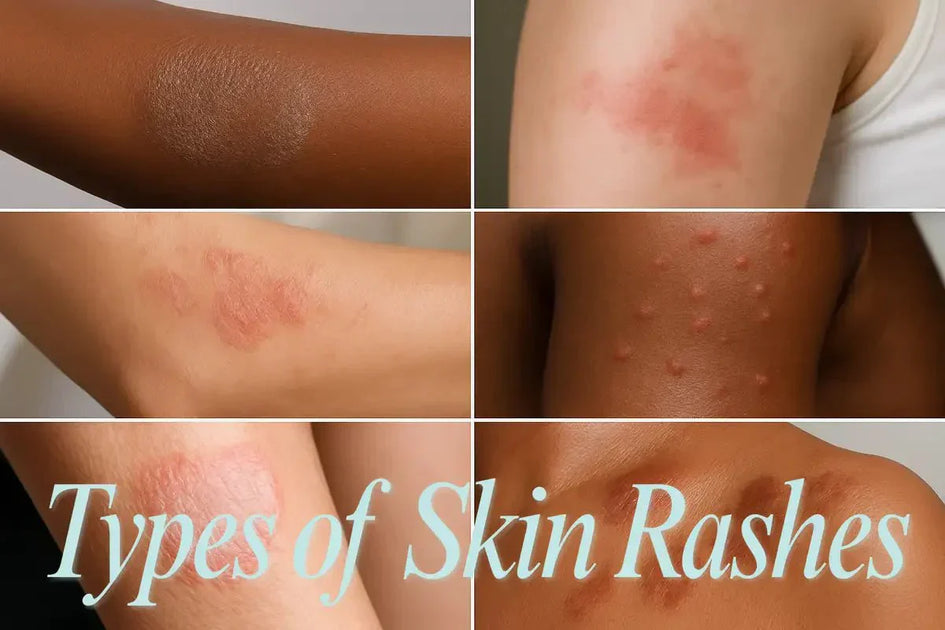
Spotting a damaged barrier can be tricky. Here’s a visual guide to help you recognize symptoms:
- Dry, flaky skin: Look for white flakes, rough patches, and dullness.
- Red, irritated skin: Notice pink or swollen spots, especially after using new products.
- Peeling or cracking: Check for tiny lines or splits, usually on hands, feet, or lips.
- Bumps and breakouts: Watch for unusual pimples or red bumps in places you don’t usually get acne.
- Slow healing: Observe how long it takes for cuts, scrapes, or blemishes to disappear.
For the scalp, examine:
- Flakes on shoulders or hair
- Redness along the hairline
- Tenderness or pain when brushing
- Greasy patches mixed with dry flakes
- Scabs or crusts under hair
Non-obvious insight: Many people ignore mild symptoms until they become severe. Even small changes, like slight redness or dry spots, can be early warning signs.
If possible, use a magnifying mirror for close inspection of the skin, or part your hair in small sections to check the scalp. Sometimes, symptoms are hidden under hair or in body folds.
How Barrier Damage Feels
Visual signs are important, but how your skin and scalp feel matters too:
- Tightness: Like your skin is stretched.
- Stinging or burning: Often after applying products.
- Itching: May be mild or intense.
- Tenderness: Painful to touch or brush.
- Warmth: Inflamed areas feel warmer.
If you notice these feelings, your barrier may be compromised.
Some people also notice a “tingly” or prickly feeling when they sweat, or after being outside in the wind. You might also find everyday activities, like showering or using a towel, suddenly feel uncomfortable.
Non-obvious insight: If your skin or scalp feels uncomfortable after swimming, working out, or traveling, it may be a sign of early barrier damage.
Who Is Most At Risk?
Some people are more likely to have barrier damage:
- Babies and young children: Their skin is thinner.
- Elderly people: Skin becomes less oily and more fragile.
- People with eczema or psoriasis: Barrier is naturally weaker.
- Frequent swimmers: Chlorine strips oils.
- Those living in dry climates: Less moisture in the air.
- People using retinoids or strong acne treatments: These thin the barrier.
Statistics show that up to 50% of people with eczema have visible barrier damage. Studies also reveal that 20% of adults experience scalp barrier problems at some point.
Other risk factors include people with autoimmune diseases, those who take hot showers daily, or people who wear tight headgear (like helmets or wigs) for long periods. For example, cyclists and construction workers often report more scalp symptoms due to sweat and friction.
Common Mistakes That Make Barrier Damage Worse
Many people try to fix symptoms but accidentally make things worse. Here are common mistakes:
- Over-cleansing: Washing too often removes oils.
- Using harsh products: Alcohol-based toners or strong shampoos.
- Scrubbing or picking: Friction damages the barrier further.
- Ignoring early symptoms: Waiting until things get severe.
- Applying too many treatments at once: Mixing active ingredients can irritate skin.
Non-obvious tip: Even “natural” products can cause irritation. Always test new products on a small area first.
Another common mistake is skipping moisturizer because of oily skin. In fact, all skin types need moisture to keep the barrier healthy. Also, don’t share towels, hats, or hairbrushes, as this can spread bacteria and worsen symptoms.
How To Repair And Protect The Barrier
Fixing a damaged barrier takes time and care. Here are practical steps:
- Use gentle cleansers: Choose products labeled as fragrance-free, pH-balanced, or for sensitive skin.
- Moisturize often: Look for creams with ceramides, hyaluronic acid, or oat extracts.
- Limit washing: Wash skin and scalp only as needed.
- Avoid hot water: Use lukewarm water to prevent dryness.
- Protect from weather: Wear hats, scarves, or gloves in extreme cold or sun.
- Avoid irritants: Stay away from products with alcohol, strong fragrances, or sulfates.
- Treat underlying conditions: If you have eczema or psoriasis, follow your doctor’s advice.
- Don’t scratch: Use anti-itch creams if needed.
- Give your skin a break: Stop using new products if symptoms appear.
A study in 2021 found that ceramide creams improved skin barrier function by 40% in just two weeks.
Also, apply moisturizer within three minutes after washing, while your skin is still damp. For the scalp, use leave-in treatments or gentle scalp oils. If you use hair dye or styling products, avoid those with ammonia or alcohol.
If you live in a dry climate, consider adding a humidifier to your bedroom. This keeps air moist and helps prevent overnight water loss from your skin and scalp.
When To See A Doctor
Sometimes, barrier damage needs professional care. See a dermatologist if:
- Symptoms last more than two weeks.
- You have severe redness, swelling, or pain.
- There is pus, oozing, or infection.
- Hair loss is sudden or severe.
- Scabs or sores don’t heal.
Doctors can prescribe stronger treatments or check for underlying conditions.
Don’t hesitate to get help if symptoms affect your daily life or confidence. Early treatment can prevent complications like scarring or permanent hair loss.
Diagnosing Barrier Damage: What Experts Look For
Dermatologists use both visual checks and touch to diagnose barrier problems. They look for:
- Pattern of symptoms: Where and how symptoms appear.
- History: When did symptoms start? What products do you use?
- Physical exam: Checking texture, flakes, redness, and swelling.
- Patch testing: To rule out allergies.
- Scalp examination: Sometimes a microscope is used.
They may also check for other causes, like fungal infections or autoimmune diseases.
Your doctor might ask about family history, recent travel, or changes in diet and medication. Sometimes a sample of skin or scalp is taken for lab testing if infection is suspected.
Real-life Examples
Let’s look at some real examples to make things clearer:
- Sara, 25, from Bangladesh: Noticed dry, flaky skin after using a new face wash. Redness appeared around her nose. She switched to a gentle cream and avoided washing her face too often. Symptoms improved in a week.
- John, 40, from Canada: Experienced scalp itching and flakes after frequent use of anti-dandruff shampoo. He reduced washing and used a moisturizer. Flaking stopped after two weeks.
- Mina, 60, from Egypt: Had small cracks on her hands in winter. She applied ceramide cream and wore gloves. Healing improved quickly.
Non-obvious insight: Many people experience barrier damage after travel, especially to dry or cold places.
Another example: Pedro, 34, from Brazil developed red patches and tenderness on his scalp after wearing a tight helmet during long bike rides. Switching to a softer helmet lining and using a mild shampoo helped reduce symptoms.
Visual Guide: Recognizing Symptoms Step By Step
- Check for dryness
- Rub your skin lightly. If it feels rough or tight, the barrier may be damaged.
- Look for redness
- Examine cheeks, nose, and hands. Redness that appears suddenly is a warning sign.
- Spot flakes or peeling
- Use a mirror in good light. Flakes on scalp or skin are easy to spot.
- Touch for bumps or cracks
- Gently feel your skin. Small bumps or splits can be missed visually.
- Monitor healing
- Track how fast wounds or pimples disappear. Slow healing means trouble.
Use your fingertips to feel for changes that are hard to see, like small bumps or roughness. If you wear glasses, notice if the skin under the frames gets red or flaky—this can be a sign of barrier stress from friction.
How Symptoms Change Over Time
Barrier damage often starts mild and worsens if not treated. Here’s a timeline:
| Time After Damage | Typical Symptoms |
|---|---|
| Day 1-2 | Dryness, mild itching |
| Day 3-5 | Redness, flaking, sensitivity |
| Day 6-10 | Peeling, cracks, bumps |
| Day 11+ | Slow healing, possible infection |
Non-obvious tip: If you treat symptoms early, they often disappear within a week. If ignored, healing can take months.
Severe cases may start to show signs of infection, like increased pain, swelling, or yellow crusts. Chronic damage can leave the skin or scalp looking uneven or feeling permanently rough.
Key Ingredients For Barrier Repair
Not all products are equal. Here are the best ingredients for repairing the barrier:
- Ceramides: Replace natural oils.
- Hyaluronic acid: Draws water into skin.
- Oat extracts: Calm irritation.
- Panthenol: Helps healing.
- Niacinamide: Reduces redness.
- Urea: Hydrates and softens skin.
Avoid ingredients like alcohol, sulfates, and strong acids.
You can also look for products with squalane, shea butter, or cholesterol, which help lock in moisture. For scalp care, aloe vera and tea tree oil (in low amounts) can soothe irritation.
Comparing Barrier-friendly Products
Here’s a quick comparison of barrier-friendly moisturizers:
| Product | Main Ingredient | Suitable For | Price (USD) |
|---|---|---|---|
| Ceramide Cream | Ceramides | Dry, damaged skin | 15-25 |
| Oat Lotion | Oat extract | Sensitive skin | 10-18 |
| Hyaluronic Gel | Hyaluronic acid | All skin types | 12-20 |
| Scalp Serum | Panthenol | Damaged scalp | 20-30 |
Try to select products with short ingredient lists and avoid unnecessary fragrances or dyes.
Practical Tips For Prevention
You can prevent barrier damage by following these steps:
- Use sunscreen: Protect skin from sun.
- Wear protective gear: Hats, gloves, scarves.
- Moisturize after washing: Apply cream while skin is damp.
- Limit styling tools: Reduce heat on scalp and hair.
- Choose gentle products: Look for “sensitive” or “barrier-repair” labels.
- Watch your diet: Eat foods rich in omega-3 and antioxidants.
Non-obvious tip: Humidifiers help keep skin and scalp moist, especially in winter.
Also, drink enough water and avoid smoking, which dries out the barrier. If you work with chemicals (like cleaners or hair dye), wear gloves and use scalp shields when possible.

Credit: www.cetaphil.com
How To Tell If Your Barrier Is Healing
Signs of improvement include:
- Less dryness: Skin feels softer.
- Reduced redness: Color returns to normal.
- No flakes or peeling: Skin appears smooth.
- Faster healing: Cuts and pimples disappear quickly.
- Less sensitivity: Products no longer sting or burn.
Healing can take 1–4 weeks, depending on severity.
You might also notice less itching, better makeup application, and hair that looks shinier or thicker.
What If Symptoms Don’t Improve?
If symptoms stay the same or get worse:
- Stop all new products.
- Visit a dermatologist.
- Check for allergies or other skin conditions.
- Review your routine for hidden irritants.
Sometimes, chronic barrier damage hides deeper issues like eczema, allergies, or infections.
Don’t try to “push through” with strong treatments. More is not always better—gentle care is key for a damaged barrier.
Myths About Skin And Scalp Barrier
Let’s clear up some common myths:
- “Dry skin is always due to lack of water.” Actually, a damaged barrier can cause dryness even if you drink plenty.
- “Dandruff means you have dirty hair.” Dandruff is usually a barrier problem, not poor hygiene.
- “Only harsh chemicals damage the barrier.” Even gentle products can harm the barrier if overused.
- “Barrier damage is only a cosmetic issue.” It can lead to infections or chronic skin problems.
- “All moisturizers repair the barrier.” Only those with the right ingredients help.
Myth-busting insight: Oily skin can also have a damaged barrier. Don’t skip moisturizer if your face or scalp feels greasy—focus on barrier repair instead.
How Skin And Scalp Barrier Differs
While both act as protective layers, they have differences:
- Skin barrier covers the whole body, faces more weather changes.
- Scalp barrier deals with hair, sweat, and styling products.
- Scalp is more likely to produce extra oil after damage.
- Skin may show more visible cracks and discoloration.
- Both can become infected if the barrier is broken.
The scalp also has more sebaceous (oil) glands, and hair can trap sweat, dust, and bacteria. This makes scalp symptoms sometimes harder to notice until they are severe.
Credit: blairskincare.com
Psychological Impact Of Barrier Damage
Many people feel embarrassed or stressed by visible symptoms. Studies show that 30% of people with skin conditions report lower confidence. Symptoms like redness, flaking, or hair loss can affect social life and self-esteem.
Non-obvious insight: Stress can make barrier damage worse. Try relaxation techniques and seek support if needed.
Some people avoid social events or activities like swimming or sports because of their symptoms. Talking to others or joining support groups can help you cope.
Trusted Resources For More Information
If you want expert advice, visit the American Academy of Dermatology website. They offer guides, tips, and help for skin and scalp care.
Credit: harlanmd.com
Frequently Asked Questions
What Is The Skin Barrier And Why Is It Important?
The skin barrier is the outer layer that keeps moisture in and blocks out germs and irritants. It protects your body and prevents problems like dryness, redness, and infection.
Can Barrier Damage Happen To Anyone?
Yes, anyone can have barrier damage. People with sensitive skin, babies, elderly, and those using strong products are at higher risk. Weather, washing habits, and health conditions also matter.
How Long Does It Take To Repair A Damaged Barrier?
Healing usually takes 1–4 weeks. Using gentle products, moisturizing often, and avoiding irritants can speed up recovery. Severe cases may need longer or medical help.
What Are The Best Products For Repairing Barrier Damage?
Products with ceramides, hyaluronic acid, oat extracts, and panthenol help repair the barrier. Always choose items labeled for sensitive skin or barrier repair.
When Should I See A Dermatologist?
See a dermatologist if symptoms last more than two weeks, worsen, or include infection, severe redness, or hair loss. Professional care helps diagnose and treat deeper issues.
—
Recognizing and understanding damaged barrier symptoms for both scalp and skin is the key to healthier, happier skin. By learning the signs, avoiding common mistakes, and using the right products, you can protect your barrier and restore comfort. Remember, early action makes a big difference. Don’t ignore small changes—your skin and scalp will thank you.