

Dry, sensitive skin can feel uncomfortable every day. Many people struggle with tightness, itching, redness, and flaking. Choosing the right moisturizer is not just about comfort—it’s about protecting your skin’s health. But finding a good moisturizer for this skin type is tricky. Many products contain fragrances, alcohol, or harsh chemicals that can make things worse. If you’re looking for the best moisturizer for dry sensitive skin, especially fragrance-free options, this article will help you find clear answers. You’ll discover what works, why these products are chosen, and learn practical tips that most beginners miss. Let’s explore the best choices and how to use them, so your skin feels calm, hydrated, and healthy.
Understanding Dry Sensitive Skin
Dry, sensitive skin is more than just feeling dry. It’s a skin type that reacts easily to weather, products, and even water. This skin often has a weak barrier, letting moisture escape and allowing irritants to enter. You may notice:
- Flaking or peeling
- Redness or small bumps
- Itching, burning, or stinging
- Feeling tight after washing
Many people with dry sensitive skin feel frustrated. They try different moisturizers, but often get reactions or no relief. One reason is that most products use fragrance or other additives, which can trigger sensitivity.
This skin type is also affected by factors like hot showers, cold wind, indoor heating, and even stress. Something as simple as using a rough towel can make it worse. People often forget that dry sensitive skin isn’t just a “cosmetic” problem—it can affect your confidence and quality of life.
If your skin is always uncomfortable, it can be distracting and even painful at times.
Why Fragrance-free Matters
Fragrance is common in skincare, but it can cause problems. For sensitive skin, fragrance may lead to:
- Allergic reactions
- Redness or irritation
- Long-term dryness
Fragrance is not just found in perfumes. Many creams, lotions, and even “natural” products add essential oils or extracts for scent. These can be just as irritating as artificial perfumes. Even a small amount of fragrance can trigger a reaction after repeated use.
Some people may not notice irritation right away, but over time the skin becomes more reactive.
Dermatologists recommend fragrance-free products for sensitive skin. This means no perfume, essential oils, or masking scents. Fragrance-free moisturizers are safer, and less likely to cause reactions. Sometimes, products say “unscented,” but still use masking agents. Always check for “fragrance-free” on the label.
A common mistake: thinking “natural” means safe. Even natural plant oils, like lavender or citrus, can irritate sensitive skin. Fragrance-free doesn’t just help you avoid rashes—it can also make your skin stronger over time, by giving it a “break” from daily irritation.
What Makes A Moisturizer Safe?
A good moisturizer for dry sensitive skin should:
- Hydrate deeply without causing irritation
- Repair the skin barrier
- Contain gentle, non-irritating ingredients
- Avoid alcohol, preservatives, and unnecessary fillers
Look for ingredients like ceramides, hyaluronic acid, glycerin, and squalane. Avoid parabens, sulfates, and dyes.
It’s important to understand that not all “alcohols” are bad. Fatty alcohols like cetyl and stearyl alcohol are safe and help soften skin. The problem is with drying alcohols like ethanol or isopropyl alcohol, which strip moisture. Beginners often avoid all alcohols, but this is a misunderstanding.
Always check which type is used.
Simple formulas are best. Fewer ingredients mean less chance of a reaction. If you see a long list of plant extracts, acids, or actives, be careful. Sensitive skin usually prefers the basics.
How Moisturizers Work For Dry Sensitive Skin
Moisturizers are not all the same. They help skin in three main ways:
- Humectants: Attract water to the skin. Examples: glycerin, hyaluronic acid.
- Emollients: Smooth and soften skin. Examples: squalane, shea butter.
- Occlusives: Form a barrier to lock moisture in. Examples: petrolatum, dimethicone.
For dry sensitive skin, the best products mix these types to hydrate and protect. They should feel comfortable, not greasy or sticky.
Many people don’t realize that the balance of humectants, emollients, and occlusives changes with the season and your environment. In winter, you might need a heavier cream with more occlusives. In summer, a lighter formula with more humectants may be enough.
It’s not about finding one “perfect” product, but understanding how your needs change.
Another overlooked detail: If your skin barrier is damaged, it can’t hold onto moisture well, no matter how much you apply. That’s why barrier-repair ingredients like ceramides are so important. They help rebuild the “bricks and mortar” of your skin so moisture stays in and irritants stay out.
Practical Tips For Moisturizer Use
- Apply moisturizer right after showering or washing your face, while skin is damp.
- Use gentle, upward strokes.
- Don’t rub hard—this can cause irritation.
- Start with a small amount. If your skin feels good, use more as needed.
- If trying a new product, patch test first. Apply a small amount to your inner arm and wait 24 hours.
Many beginners skip patch testing. This is a mistake. Sensitive skin can react unexpectedly, so always check before using a new moisturizer.
An additional tip: In cold or dry weather, keep a small moisturizer tube in your bag or at your desk. Reapply to dry areas during the day, especially after washing hands. Most people only moisturize in the morning or at night, but midday applications can make a big difference for very dry, sensitive skin.
For areas like lips or around the nose, use a thicker ointment at night to prevent cracking. Layering a lighter moisturizer under a heavier balm can also help seal in moisture, especially when the skin is very damaged.
The 15 Best Fragrance-free Moisturizers For Dry Sensitive Skin
Here are the top 15 fragrance-free moisturizers, ranked by effectiveness, safety, and popularity. Each is chosen for its gentle formula, deep hydration, and real-world results. All are widely available and recommended by dermatologists.
1. Cerave Moisturizing Cream
CeraVe Moisturizing Cream is a favorite among dermatologists. It contains ceramides, hyaluronic acid, and is free of fragrance and parabens. The cream is thick, but absorbs well, making it perfect for very dry, sensitive skin. Ceramides help repair the skin barrier, while hyaluronic acid draws in moisture.
Real-world users see improvement in dryness within days. It’s non-comedogenic, meaning it won’t clog pores. A non-obvious tip: Use it on both face and body—it’s safe for both.
CeraVe’s formula also includes cholesterol and fatty acids, which work together with ceramides. These ingredients mimic the skin’s natural barrier, making this cream especially helpful if you’ve over-exfoliated or used harsh treatments.
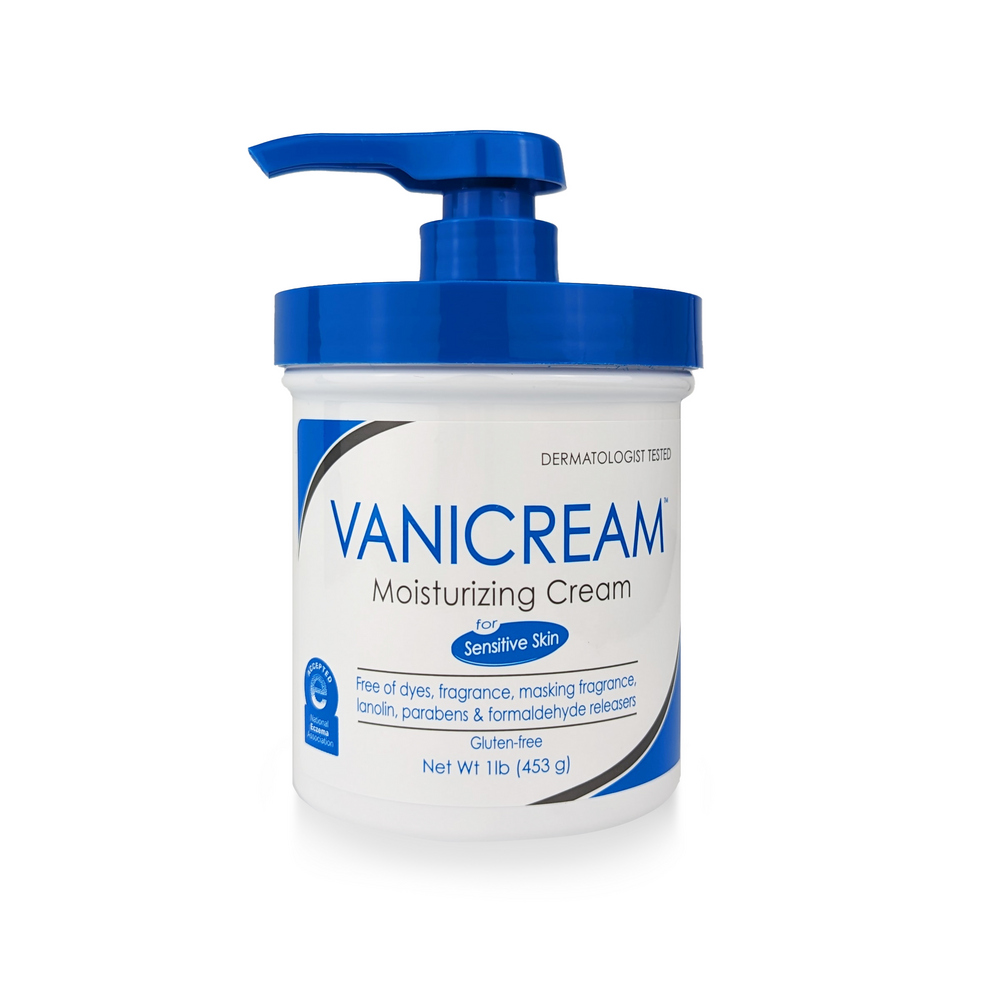
2. Vanicream Moisturizing Cream
Vanicream Moisturizing Cream is specially made for sensitive skin. It’s free from fragrance, dyes, lanolin, and formaldehyde. The cream is rich, yet gentle, and quickly reduces redness and itching.
Many people with eczema or allergies trust Vanicream. It works on face, hands, and body. Beginners often miss that Vanicream is also great for shaving rash or post-sun care.
It’s also a top choice for people with contact dermatitis, because it contains very few ingredients. Vanicream is often recommended by allergists for people who react to “everything else. ”
3. La Roche-posay Toleriane Double Repair Face Moisturizer
This moisturizer uses prebiotic thermal water and ceramides to soothe and rebuild the skin barrier. It’s light, non-greasy, and fragrance-free. The formula is tested on sensitive skin, with minimal ingredients.
La Roche-Posay’s product is ideal for daily use and layering under sunscreen. A unique insight: The prebiotic water helps balance skin’s microbiome, reducing sensitivity over time.
Another detail: This moisturizer contains niacinamide, a vitamin that gently calms redness and strengthens the barrier. It’s a good choice if you want something that hydrates but feels nearly weightless.
4. Neutrogena Hydro Boost Gel-cream (fragrance-free)
Hydro Boost Gel-Cream uses hyaluronic acid for deep hydration. Unlike many gels, this formula is designed for dry, sensitive skin and is completely fragrance-free. It absorbs quickly, leaving skin soft without stickiness.
Many beginners think gel moisturizers are only for oily skin. But this gel-cream is perfect for dry, sensitive types, especially in hot climates.
Hydro Boost’s lightweight feel makes it great for layering under sunscreen or makeup. It’s also a smart choice for men or teens who dislike thick, heavy creams.
5. Eucerin Advanced Repair Cream
Eucerin Advanced Repair Cream is made for extremely dry, sensitive skin. It uses urea and ceramides to hydrate and repair. The formula is thick, but not greasy, and is free of fragrance and dyes.
Urea is a powerful humectant, often overlooked. It helps exfoliate gently, reducing flaking. Eucerin’s cream is ideal for rough patches, elbows, and knees.
A detail many miss: Urea not only hydrates but also softens hard, cracked areas. It’s especially good for feet, hands, and stubborn dry spots.
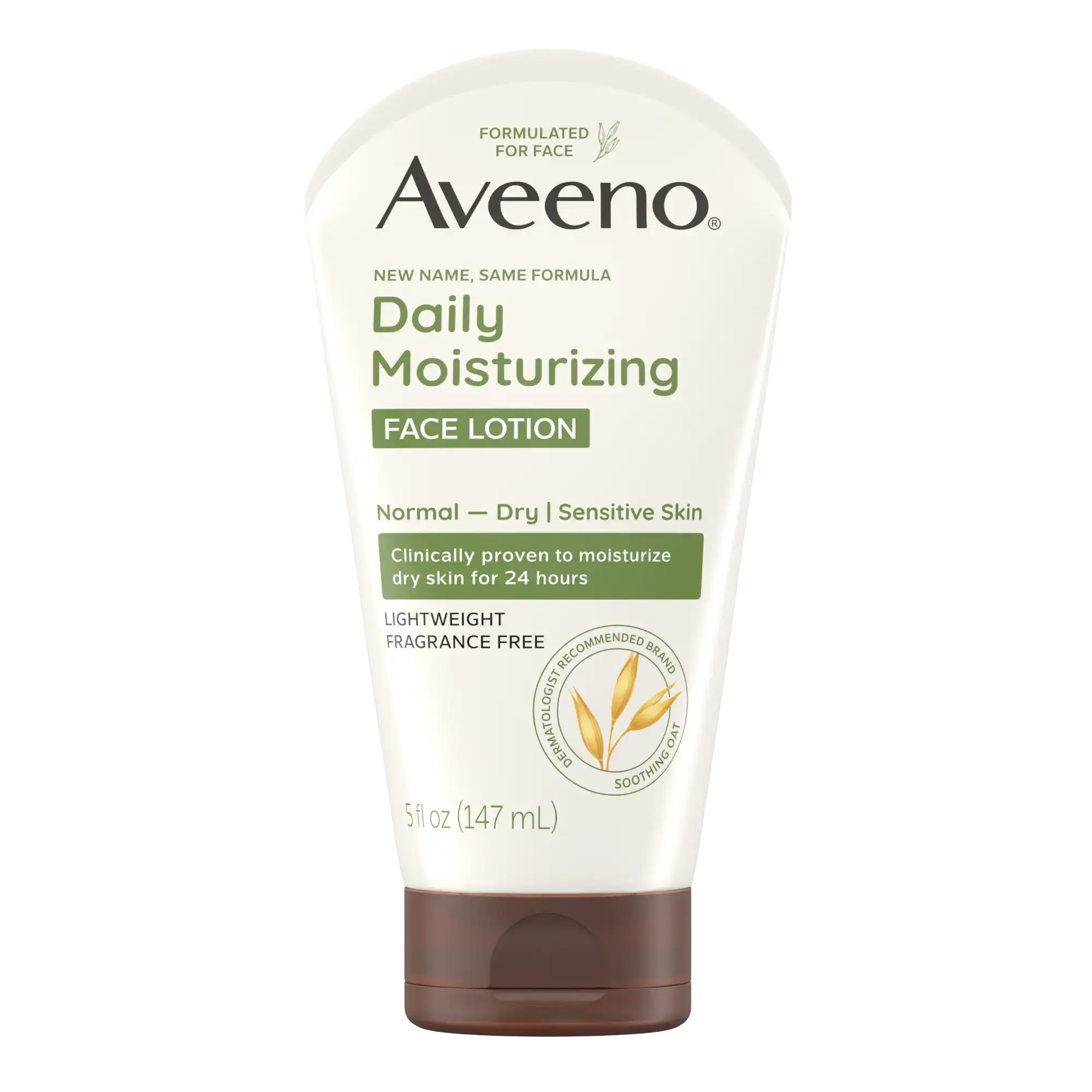
6. Aveeno Ultra-calming Daily Moisturizer (fragrance-free)
Aveeno’s Ultra-Calming uses feverfew extract, a natural anti-inflammatory. The moisturizer is gentle, hydrating, and free of fragrance and parabens. It’s perfect for redness-prone skin.
A key insight: Feverfew is more calming than chamomile, and Aveeno’s formula is designed for daily use under makeup.
It also contains SPF 15, making it a good morning option if you want some sun protection without irritation. The calming formula helps reduce flare-ups from wind, cold, or pollution.
7. First Aid Beauty Ultra Repair Cream
This cream uses colloidal oatmeal and shea butter to soothe and repair. It’s fragrance-free, suitable for eczema, and works for both face and body.
First Aid Beauty’s cream is popular for winter dryness. Colloidal oatmeal is often missed by beginners—it’s one of the best natural ingredients for calming irritation.
Another detail: This cream also includes allantoin and ceramides, which help repair the skin barrier and reduce itching. It’s a “rescue” product for sudden flare-ups or after sun exposure.
8. Avene Tolerance Extreme Cream
Avene’s cream is made with minimal ingredients, using thermal spring water to soothe sensitive skin. It’s fragrance-free, preservative-free, and packaged in a sterile tube.
The formula is rich, but light enough for daily use. A unique tip: The sterile packaging prevents contamination, making it safer for very sensitive skin.
This cream is also a good choice after dermatological treatments (like peels or lasers) when your skin is extra fragile.
9. Clinique Moisture Surge 100h Auto-replenishing Hydrator
Clinique’s Moisture Surge is fragrance-free, using aloe vera and hyaluronic acid for deep hydration. The gel-cream absorbs fast and keeps skin hydrated for up to 100 hours.
Many users overlook that this moisturizer can be used as a 5-minute mask for extra hydration. It’s non-comedogenic and safe for sensitive skin.
It’s also great for travel because it works well in both humid and dry climates. Layer it under sunscreen for extra comfort during flights or outdoor activities.
10. Eltamd Barrier Renewal Complex
EltaMD’s moisturizer uses ceramides, enzymes, and antioxidants to repair and protect. It’s fragrance-free and ideal for skin recovering from irritation or treatments.
A non-obvious tip: The enzymes help rebuild the skin barrier, speeding up healing after sunburn or peeling.
It’s lightweight but powerful, making it a favorite for people who use retinoids or acids and need to calm their skin.
11. Cetaphil Rich Hydrating Cream
Cetaphil’s cream uses hyaluronic acid and glycerin. It’s fragrance-free, gentle, and good for both face and body. Cetaphil is trusted for sensitive skin, and this rich formula is ideal for dry patches.
Beginners often skip Cetaphil, thinking it’s basic. But its simplicity is what makes it safe.
It’s also widely available and budget-friendly, making it a reliable choice if you need to moisturize large areas like arms or legs.
12. Paula’s Choice Clinical Ultra-rich Moisturizer
This moisturizer uses shea butter, ceramides, and antioxidants. It’s fragrance-free and designed for very dry, sensitive skin. The formula is thick, but sinks in well.
A unique insight: Paula’s Choice includes plant oils that help calm inflammation without causing breakouts.
The formula also contains peptides, which help support aging skin. It’s a smart pick for mature skin that’s both dry and sensitive.
13. Bioderma Atoderm Intensive Baume
Bioderma’s baume is rich and soothing, made for extremely dry, sensitive, and eczema-prone skin. It’s fragrance-free, with niacinamide, glycerin, and lipids to restore the skin barrier.
Many users miss that niacinamide reduces redness and supports barrier repair. It’s safe for children and adults.
It can also be used as an overnight mask for hands or feet. The balm texture locks in moisture all night.
14. Drunk Elephant Lala Retro Whipped Cream
This cream uses six plant oils and ceramides. It’s fragrance-free, vegan, and suitable for sensitive skin. The whipped texture feels luxurious but sinks in fast.
A tip: Drunk Elephant’s cream can be mixed with serums for extra hydration. It’s also safe for post-retinol use.
Another bonus: It contains marula oil, which is rich in antioxidants but rarely causes breakouts or reactions.
15. Simple Kind To Skin Replenishing Rich Moisturizer
Simple’s moisturizer is made for sensitive skin, using glycerin and vitamin B5. It’s fragrance-free, lightweight, and affordable.
Beginners often overlook Simple, but it’s a solid option for those new to skincare or on a budget.
The minimalist formula reduces the risk of irritation, making it a good “starter” moisturizer for teens or those trying to simplify their routine.
Comparison: Moisturizer Ingredients And Benefits
Here’s a comparison of the key ingredients and benefits of the top choices:
| Moisturizer | Main Ingredients | Hydration Level | Barrier Repair | Special Features |
|---|---|---|---|---|
| CeraVe Moisturizing Cream | Ceramides, Hyaluronic Acid | High | Excellent | Safe for face & body |
| Vanicream Moisturizing Cream | Petrolatum, Glycerin | High | Good | Ideal for eczema |
| La Roche-Posay Toleriane | Ceramides, Prebiotic Water | Medium | Excellent | Balances microbiome |
| Neutrogena Hydro Boost Gel-Cream | Hyaluronic Acid | High | Medium | Gel texture |
| Eucerin Advanced Repair Cream | Urea, Ceramides | High | Excellent | Gentle exfoliation |
| Avene Tolerance Extreme Cream | Thermal Water | Medium | Good | Sterile packaging |
How To Choose The Best Moisturizer For Your Skin
Choosing the right moisturizer depends on your skin’s needs, lifestyle, and budget. Here’s what really matters:
1. Know Your Skin’s Needs
- Very dry, flaky skin: Look for creams with ceramides, urea, or shea butter.
- Red, irritated skin: Choose products with colloidal oatmeal, feverfew, or niacinamide.
- Eczema-prone skin: Pick formulas tested for eczema, like Vanicream or Bioderma.
If your skin changes with the seasons, you may need more than one moisturizer. For example, use a lighter gel-cream in summer and a richer balm in winter. Listen to your skin and adjust as needed.
2. Ingredient Safety
Read labels carefully. Avoid:
- Fragrance
- Alcohol (except fatty alcohols like cetyl or stearyl, which are safe)
- Preservatives (some, like formaldehyde, can irritate sensitive skin)
- Essential oils (even natural oils can trigger reactions)
Choose products with short ingredient lists. This reduces the chance of irritation.
If you’re not sure about an ingredient, check resources like the Environmental Working Group’s Skin Deep database for safety ratings.
3. Texture Preference
- Creams: Best for very dry, sensitive skin.
- Gels: Good for hot climates or if you dislike heavy creams.
- Balms: Ideal for rough patches or extreme dryness.
Beginners often don’t realize that texture affects absorption and comfort. Try different types to see what feels best.
If your skin feels greasy or sticky after moisturizing, try using less product or switch to a lighter formula. The goal is hydrated, comfortable skin—not a heavy layer sitting on top.
4. Patch Testing
Always patch test new moisturizers. Apply a small amount to your inner arm or behind your ear. Wait 24 hours to check for reactions.
If you have a history of allergies or eczema, extend the test to 48 hours. It’s better to wait than deal with an unexpected rash.
5. Budget And Availability
There are excellent moisturizers in every price range. Don’t assume expensive means better. Simple, affordable brands like Cetaphil or Simple work well for many.
Buying travel or sample sizes first can help you avoid wasting money on products that don’t suit your skin.
Comparing Moisturizer Performance
Here’s a data table comparing performance in real-world use:
| Moisturizer | Absorption Speed | Long-Lasting Hydration | Redness Reduction | Price Range (USD) |
|---|---|---|---|---|
| CeraVe Moisturizing Cream | Medium | Excellent | Good | 12-18 |
| Vanicream Moisturizing Cream | Medium | Excellent | Excellent | 15-18 |
| Neutrogena Hydro Boost Gel-Cream | Fast | Good | Medium | 15-20 |
| First Aid Beauty Ultra Repair Cream | Medium | Excellent | Excellent | 28-36 |
| Simple Kind to Skin | Fast | Medium | Good | 7-12 |

Credit: www.amazon.com
Common Mistakes When Choosing Moisturizers
Many people make mistakes when picking a moisturizer for dry sensitive skin. Here’s what to avoid:
- Believing “unscented” means fragrance-free: Unscented products often have masking agents that can still irritate skin.
- Choosing too many active ingredients: Sensitive skin does better with simple formulas. Too many actives can cause reactions.
- Skipping patch tests: Even products for sensitive skin can cause problems. Always test before regular use.
- Using body creams on the face: Not all body creams are safe for facial skin. Look for “face and body” on the label.
- Trying new products too quickly: Introduce one new moisturizer at a time, and wait a week before adding another.
Another mistake: Not adjusting moisturizer use for different seasons. You may need to switch formulas as the weather changes. Also, avoid over-exfoliating—using scrubs, peels, or acids too often can destroy your skin barrier, making moisturizers less effective.
How To Apply Moisturizer For Best Results
Proper application makes a big difference. Follow these steps:
- Wash your face or body with lukewarm water and a gentle, fragrance-free cleanser.
- Pat skin dry—leave it slightly damp.
- Take a small amount of moisturizer and warm it between your fingers.
- Apply using gentle, upward strokes.
- Wait 2-3 minutes before layering sunscreen or makeup.
A non-obvious tip: Applying moisturizer on damp skin increases absorption and locks in more hydration.
For rough areas, like elbows or heels, apply a thicker layer at night and cover with cotton socks or gloves. This “overnight mask” method helps soften very dry spots by morning.
Don’t forget your neck and chest—these areas are often ignored but can be just as sensitive as your face.
Credit: www.vanicream.com
Moisturizer Use For Special Situations
For Eczema Or Dermatitis
Many people with dry sensitive skin also have eczema. Choose products like Vanicream or Bioderma, which are tested for eczema. Avoid harsh soaps and always moisturize after bathing.
You may also benefit from applying moisturizer more than twice a day, especially during flare-ups. For severe cases, ask your doctor about adding a prescription ointment.
For Allergies
If you have allergies, read ingredient lists carefully. Vanicream, Avene, and Simple are good choices with minimal allergens.
Keep a diary of products and reactions if you’re not sure what causes irritation. Sometimes, it’s a hidden ingredient or a combination of products.
For Children
Fragrance-free moisturizers are safest for children. Bioderma and Cetaphil have formulas safe for kids.
Children’s skin loses moisture faster than adults, so reapply after bathing, swimming, or outdoor play. Avoid “fun” scented lotions, which can trigger rashes.
For Aging Skin
Older skin often becomes drier and more sensitive. Use creams with ceramides, hyaluronic acid, and antioxidants. Clinique Moisture Surge and Paula’s Choice are excellent options.
Antioxidants like vitamin E or niacinamide help protect aging skin from environmental damage. Apply moisturizer at least twice daily, and use richer creams at night for extra support.
The Science: Why Fragrance-free Is Better
Studies show that fragrance is the most common cause of allergic reactions in skincare. In a study published by the American Academy of Dermatology, up to 30% of people with sensitive skin react to fragrances. Fragrance-free moisturizers reduce this risk and are recommended by dermatologists worldwide.
For more scientific detail, visit American Academy of Dermatology.
Another scientific insight: Fragrances can break down the skin barrier, making it easier for allergens and bacteria to enter. Over time, this can lead to chronic redness, flakiness, and even infections. Fragrance-free is not just “less irritating”—it’s a true investment in long-term skin health.
Real-world Examples And Tips
- Case Study: Maria, age 34, struggled with dryness and redness. She switched to CeraVe Moisturizing Cream and saw improvement in 2 weeks. The key was applying moisturizer right after showering, while skin was damp.
- Tip: If your moisturizer stings, stop using it immediately. Try Vanicream or Avene, which are made for ultra-sensitive skin.
- Tip: In winter, use thicker creams. In summer, switch to gel or lighter formulas like Neutrogena Hydro Boost.
Another real-world example: Raj, age 22, had peeling and burning after using a scented lotion. He moved to Bioderma Atoderm Baume and saw his skin calm down in days. Patch testing new products helped him avoid future reactions.
Comparison: Moisturizer Texture And Comfort
Here’s a table comparing texture and comfort for different products:
| Moisturizer | Texture | Comfort Level | Best Season |
|---|---|---|---|
| CeraVe Moisturizing Cream | Thick Cream | Very Comfortable | Winter |
| Neutrogena Hydro Boost Gel-Cream | Gel-Cream | Light, Refreshing | Summer |
| First Aid Beauty Ultra Repair Cream | Rich Cream | Comfortable | All Seasons |
| Simple Kind to Skin | Light Cream | Comfortable | Spring/Fall |
A detail beginners miss: Texture is not just about feel—it affects how makeup sits on your skin and whether you need to reapply during the day.
Credit: www.aveeno.com
Long-term Benefits Of Using The Right Moisturizer
Using the right fragrance-free moisturizer gives both immediate relief and long-term benefits:
- Stronger skin barrier: Ceramides and lipids repair damage, reducing sensitivity.
- Fewer reactions: Fragrance-free products lower the risk of irritation.
- Less redness and dryness: Hydrated skin stays healthier and looks better.
- Protection against environment: Moisturizers shield skin from pollution, wind, and cold.
Many beginners notice improvement in weeks, but long-term use gives lasting results. Consistency is key.
Over time, your skin may need less product because its barrier is stronger. You’ll also spend less time and money treating flare-ups or reactions. Healthy skin is more resilient, so you can enjoy activities like swimming, sports, or travel with less worry about irritation.
Frequently Asked Questions
What Is The Best Moisturizer For Very Dry, Sensitive Skin?
The best moisturizer depends on your needs, but CeraVe Moisturizing Cream and Vanicream Moisturizing Cream are top choices. Both are fragrance-free, contain ceramides, and provide deep hydration without irritation.
If you prefer a lighter feel, try Neutrogena Hydro Boost Gel-Cream or La Roche-Posay Toleriane Double Repair.
Are Fragrance-free Moisturizers Better For Sensitive Skin?
Yes, fragrance-free moisturizers are much safer for sensitive skin. Fragrance is a common cause of irritation and allergic reactions. Always look for “fragrance-free” on the label, not just “unscented.”
Even if you’ve never had a reaction before, fragrance exposure can build up over time. It’s best to avoid it from the start.
Can I Use Body Moisturizer On My Face?
It depends. Some body moisturizers, like CeraVe or Vanicream, are safe for both face and body. But others may be too heavy or contain ingredients not meant for facial skin. Check the label before using.
If your skin feels greasy or develops bumps, switch to a formula labeled “face and body” or “non-comedogenic. ”
How Often Should I Apply Moisturizer?
For dry sensitive skin, apply moisturizer twice daily—morning and evening. If your skin feels tight or dry, you can add a midday application. Always apply after washing or showering, while skin is damp.
You may need to reapply after swimming, heavy exercise, or being outside in wind and cold.
What Should I Avoid In Moisturizers For Sensitive Skin?
Avoid fragrance, harsh preservatives, essential oils, and alcohol (except fatty alcohols). Also skip products with many actives or complicated ingredient lists. Choose simple, gentle formulas.
If in doubt, consult a dermatologist or pharmacist for advice.
Finding the right moisturizer for dry sensitive skin can make life easier and more comfortable. Fragrance-free options are safest and most effective. With the tips, product rankings, and comparisons in this article, you can make confident choices and enjoy healthier skin every day.