

If you have high porosity hair, you know how challenging it can be to keep your color looking fresh and vibrant. You might spend hours (and a lot of money) at the salon, only to watch your color fade far too fast. The truth is, high porosity hair has unique needs—especially when it comes to color retention. But with the right strategies, you can make your hair dye last much longer, enjoy deeper tones, and keep your hair healthy.
Many people with high porosity hair feel frustrated because their color seems to “wash out” quickly, gets patchy, or looks dull. This doesn’t have to be your experience. Understanding your hair’s structure and following a routine built specifically for high porosity will make a big difference.
Let’s dive into what makes high porosity hair so different, why it loses color quickly, and practical steps you can take to lock in your new shade for weeks longer. You’ll also discover common mistakes to avoid, real-world examples, and smart product choices—all based on science and experience.
What Is High Porosity Hair?
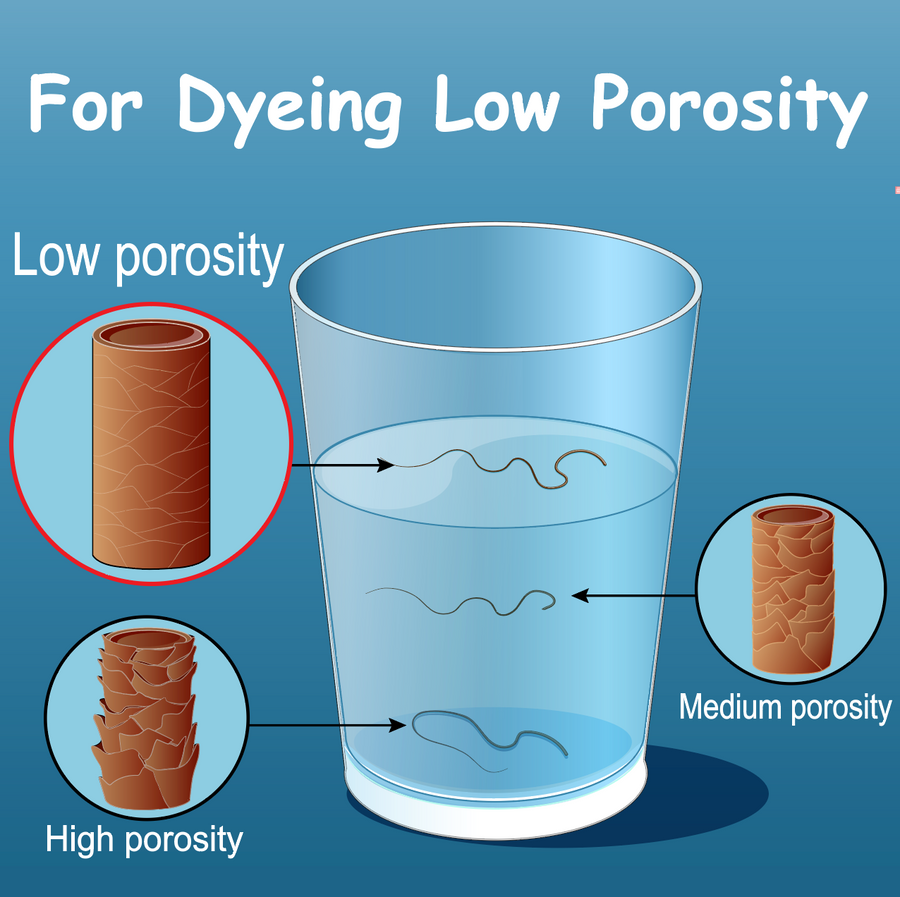
High porosity hair means your hair’s outer layer (the cuticle) has gaps, holes, or is raised. This can be genetic, or it can happen from chemical treatments, coloring, heat styling, or environmental damage. These open cuticles let moisture and hair dye molecules enter easily—but they also let them escape just as fast.
You can recognize high porosity hair by these signs:
- Hair absorbs water quickly, but dries very fast.
- Frizz, tangles, and breakage are common.
- Hair feels rough or straw-like when dry.
- Color fades quickly, sometimes after just a few washes.
- Your hair soaks up oils and products but still looks dry.
The open cuticle is both a blessing and a curse: color penetrates well, but it also leaves fast. So, the goal is to fill and seal those cuticles, reduce damage, and maintain a steady routine.
Why Does High Porosity Hair Lose Color So Fast?
High porosity hair’s loose cuticles can’t “hold on” to color molecules. When you dye your hair, the color goes in easily—but every time you wash, shower, or even style, some of that color leaks back out. Compare it to a leaky bucket: you can fill it, but unless you patch the holes, the water (or dye) keeps draining away.
Other reasons for fast color loss:
- Frequent washing: Each wash lifts the cuticle, pulling out dye.
- Heat styling: High heat opens cuticles further, allowing color to escape.
- Sun exposure: UV light breaks down color molecules quickly.
- Hard water: Minerals in hard water roughen the cuticle, speeding up fading.
- Chemical exposure: Chlorine from pools or harsh shampoos can strip color.
Understanding these factors is your first step toward longer-lasting color.
Preparing High Porosity Hair For Dye
Before you color, you need a plan. Prepping your hair correctly makes a huge difference in how long the color lasts. Here’s what you should do:
- Clarify (but not right before coloring): Use a gentle clarifying shampoo about a week before coloring. This removes buildup, minerals, and old product so your color applies evenly.
- Deep condition: A protein-rich deep conditioner can help fill the gaps in your cuticle, making hair smoother and more even for color. Do this 2-3 days before coloring.
- Avoid heavy oils: Oils or butters can block dye from fully entering the hair shaft. Skip these for a few days before you color.
- Trim damaged ends: Split or highly damaged ends won’t hold color well. Trim them off for a healthier look and better retention.
- Don’t wash the day of coloring: A little natural oil on your scalp protects your skin from irritation and helps the color process more gently.
Best Dye Choices For High Porosity Hair
Not all dyes are equal. Some are harsh, while others are designed for damaged or porous hair. Picking the right dye makes a big difference.
Permanent Vs. Semi-permanent
- Permanent dye: Longest-lasting but uses strong chemicals (ammonia, peroxide). Can make porosity worse if overused.
- Semi-permanent dye: Gentler, often fades more quickly, but less damaging overall. Needs frequent touch-ups.
- Demi-permanent dye: Middle ground—lasts longer than semi, less harsh than permanent. Good for high porosity hair.
Ammonia-free Options
Choose ammonia-free or “nourishing” dyes. These are less likely to open cuticles wide and cause further damage. Look for formulas with oils, proteins, or ceramides.
Professional Vs. Box Dye
Professional dyes tend to be more customizable and less harsh. Box dyes are convenient but often have higher concentrations of strong chemicals to “work on everyone. ” If possible, see a colorist who understands high porosity hair.
Vivid Colors Vs. Natural Shades
Bright, unnatural shades (vivid reds, blues, purples) tend to fade faster, especially on high porosity hair. Natural shades (browns, blacks, dark blondes) stick around longer.
Example Dye Brands
- Olaplex Hair Color Line: Contains bond-building ingredients to strengthen hair while coloring.
- Wella Koleston Perfect ME+: Professional, less damaging.
- Arctic Fox: Semi-permanent, vegan, gentle for porous hair.
Application Techniques That Help Color Last
How you apply dye can affect how long it lasts in high porosity hair.
- Use a porosity equalizer: Spray-on treatments (often called “porosity fillers”) help fill in gaps, giving a smoother surface for even color application.
- Apply to dry, detangled hair: This ensures even color coverage and prevents patchiness.
- Section carefully: Work in small sections to guarantee every strand is coated.
- Follow timing exactly: Leaving dye on too long can cause more damage, not better color.
- Rinse with cool water: Hot water opens cuticles, letting color escape. Always rinse with lukewarm or cool water to lock color in.
First Wash After Dyeing: Why Timing Matters
After coloring, your hair needs time to “set.” Don’t wash your hair for at least 48-72 hours after dyeing. This lets the color oxidize and bind fully to the hair shaft.
When you do wash:
- Use a sulfate-free, color-safe shampoo.
- Condition well to keep the cuticle smooth.
- Rinse with cool water.
Washing too soon is one of the most common reasons color fades quickly.
Building A Color-safe Wash Routine
High porosity hair needs gentle care to keep dye from slipping out. Here’s how to build your routine:
How Often Should You Wash?
Aim to wash hair only 1-2 times per week. The less you wash, the longer your color will last. In between, use a dry shampoo or simply rinse with water if needed.
Choosing The Right Shampoo
Look for shampoos labeled:
- Sulfate-free
- Color-safe
- Moisturizing or repairing
Avoid clarifying shampoos and “volumizing” shampoos, which can strip color.
Conditioning For Retention
Conditioning is essential. Use:
- A rich, color-safe conditioner every wash.
- Deep conditioning treatments (protein and moisture) once a week.
- Leave-in conditioners or sealants to help close the cuticle.
The Importance Of Ph
High porosity hair loves products with a slightly acidic pH (around 4.5-5.5). These products help seal the cuticle, locking in color. Check the pH if it’s listed, or choose products for “color-treated” or “damaged” hair.
Protecting Hair Between Washes
Most color loss happens during washing and styling, but you can lose color between washes too. Here’s how to protect your hair:
- Use a silk or satin pillowcase: Cotton can pull moisture and dye from your hair.
- Cover hair at night: A satin bonnet or scarf reduces friction and breakage.
- Avoid harsh brushing: Use a wide-tooth comb and start at the ends.
- Limit heat tools: Blow dryers, straighteners, and curling irons open the cuticle.
- Apply a UV protectant: Sun exposure can fade color fast. Use a leave-in with UV filters.
Smart Styling Tips For High Porosity, Color-treated Hair
Everyday styling can help or harm your color. Use these tips to keep your shade looking its best:
- Embrace air drying when possible. If you must use heat, always use a thermal protectant.
- Try protective styles: Braids, twists, and buns minimize daily manipulation and breakage.
- Avoid tight elastics: These can snag fragile, colored hair.
- Refresh color with tinted conditioners: These deposit a small amount of dye with each use, extending the life of your color.
- Don’t overuse oils: While oils can seal in moisture, too much can make hair look greasy and may break down color over time.
The Role Of Protein And Moisture Balance
High porosity hair often lacks protein (which gives strength) and moisture (which gives softness). Color treatments can make this imbalance worse.
- Protein treatments: Help fill gaps and repair the structure, keeping color molecules inside the hair shaft.
- Moisturizing treatments: Keep hair soft and flexible, preventing breakage and dryness.
Alternate between protein and moisture masks. Listen to your hair—if it feels brittle, add moisture; if it’s limp and mushy, add protein.
Best Products For High Porosity Hair Color Retention
There are thousands of products out there, but some are especially helpful for color-treated, porous hair. Here are top picks by category:
Shampoos
- Redken Color Extend Magnetics: Sulfate-free, strengthens and protects color.
- SheaMoisture Strengthen & Restore Shampoo: Gentle, great for curly and porous hair.
Conditioners & Masks
- Olaplex No.5 Bond Maintenance Conditioner: Repairs broken bonds, smooths cuticle.
- Aussie 3 Minute Miracle Moist: Affordable, quick moisture boost.
Leave-ins & Sealants
- It’s a 10 Miracle Leave-In for Blondes: Protects and adds shine.
- Briogeo Farewell Frizz Rosarco Milk: Lightweight, seals cuticle.
Porosity Equalizers
- Aphogee Curlific Texture Treatment
- Roux Porosity Control Corrector & Conditioner
Uv And Heat Protectants
- Aveda Sun Care Protective Hair Veil
- TRESemmé Keratin Smooth Heat Protect Spray
Color-depositing Conditioners
- Overtone Coloring Conditioner: Maintains vivid colors.
- Keracolor Clenditioner: Cleanses and refreshes color.
Ingredients To Seek (and Avoid)
Good ingredients for high porosity, color-treated hair:
- Hydrolyzed protein: Repairs and fills gaps.
- Ceramides: Seal and smooth the cuticle.
- Amino acids: Build strength.
- Natural oils (argan, jojoba, coconut): Lock in moisture, but use sparingly.
- Glycerin, panthenol: Attract moisture.
Ingredients to avoid:
- Sulfates (SLS, SLES): Strip color.
- Harsh alcohols (SD alcohol, isopropyl): Dry out hair.
- High pH products: Open the cuticle more, causing fade.
The Impact Of Water Quality
You might not realize it, but your tap water could be a big reason your color fades fast. Hard water contains minerals (calcium, magnesium, iron) that roughen the hair’s cuticle and strip dye. Here’s how to reduce the damage:
- Install a shower filter: Removes minerals and chlorine.
- Use chelating shampoos occasionally (not weekly) to remove buildup.
- Rinse with distilled or filtered water for your final rinse.
High porosity hair is especially sensitive to water quality. This small change can make a big difference.
How Diet And Health Affect Color Retention
Healthy hair starts from the inside. If you’re missing key nutrients, your hair may be weaker, more porous, and less able to hold color.
- Protein: Essential for strong hair.
- Biotin, zinc, iron: Deficiency can cause breakage and poor color retention.
- Omega-3 fatty acids: Keep hair soft and flexible.
- Hydration: Drink plenty of water to avoid dryness.
Stress, hormonal changes, and illness can also impact hair health and color retention. If you notice sudden changes, talk to your doctor.
Realistic Expectations: How Long Should Color Last?
Even with the best care, high porosity hair will not hold color as long as low porosity hair. Here’s a realistic timeline:
| Type of Dye | Expected Duration (High Porosity) | Expected Duration (Low Porosity) |
|---|---|---|
| Permanent | 3-6 weeks | 6-10 weeks |
| Demi-Permanent | 2-4 weeks | 4-8 weeks |
| Semi-Permanent | 1-2 weeks | 2-4 weeks |
| Vivid Colors | 5-10 washes | 10-15 washes |
Touch-ups will be needed more often, but you can stretch the time by following the strategies in this article.
Common Mistakes That Sabotage Color Retention
Many people with high porosity hair unknowingly make mistakes that cause rapid color fade. Here are the biggest ones to avoid:
- Over-washing: More washing means faster color loss.
- Using hot water: Always rinse with cool or lukewarm.
- Skipping protein treatments: Color needs a strong hair structure to last.
- Using harsh shampoos: Sulfates and high pH products are the enemy.
- Not protecting from sun or heat: UV and hot tools fade color quickly.
- Applying dye to dirty, oily hair: Too much buildup blocks color absorption.
- Not deep conditioning: Dry, porous hair can’t hold color well.
- Waiting too long between trims: Split ends lose color fastest.
Case Study: Transforming Color Retention On High Porosity Hair
Let’s look at a real-world example.
Maria had naturally curly, high porosity hair from years of bleaching. She loved vibrant red tones, but her color faded to orange after just a week. Here’s what she changed:
- Switched to a sulfate-free, color-safe shampoo and washed only once per week.
- Began alternating protein and moisture deep treatments.
- Installed a shower filter to combat hard water.
- Used a leave-in conditioner with UV protection.
- Slept with a satin bonnet.
- Added a red color-depositing conditioner every other wash.
Results after 2 months: Her color stayed vibrant for three weeks instead of one. Her hair felt softer, less frizzy, and breakage was reduced.
Comparing Product Effectiveness
To help you choose wisely, here’s a comparison of popular product types for color retention:
| Product Type | Benefit for High Porosity Hair | Drawback | Example |
|---|---|---|---|
| Sulfate-Free Shampoo | Gentle cleansing, less color fade | May not remove heavy buildup | Redken Color Extend Magnetics |
| Protein Treatment | Strengthens, fills cuticle gaps | Overuse can make hair stiff | Aphogee Two-Step |
| Color-Depositing Conditioner | Refreshes color, extends life | Can stain hands/surfaces | Overtone |
| Porosity Filler | Balances porosity, evens color | Must be used before dyeing | Roux Porosity Control |

Credit: www.silkrute.com
Advanced Tips: Non-obvious Insights For High Porosity Hair
Many people miss these next-level strategies:
- Try an acidic rinse after washing (like diluted apple cider vinegar or a store-bought pH balancing rinse). This smooths the cuticle and helps lock in color.
- Apply leave-in conditioner before swimming: This creates a barrier, protecting hair from chlorine and salt water.
- Use pre-shampoo oil treatments sparingly. Light oils (like argan) can help seal in moisture without weighing hair down or breaking down color—just don’t overdo it.
- Color in smaller, more frequent sessions: Instead of big color changes, small touch-ups are less damaging and easier to maintain.
- Track what works: Keep a simple hair diary. Note which products, routines, and dyes work best for your hair. Everyone’s high porosity hair is a little different.
When To See A Professional
Sometimes, home care isn’t enough. See a professional colorist if:
- Your color fades in just days, even with good care.
- Hair feels gummy, mushy, or breaks easily.
- You want to go much lighter or darker.
- You’re unsure how to balance protein/moisture.
A good colorist can recommend bond-building treatments, salon-grade color, and personalized routines.
Credit: radicousa.com
Long-term Strategies For Healthier, More Vibrant Hair
Color retention isn’t just about products—it’s about habits and patience. Over time, healthy hair holds color better. Here’s what to focus on:
- Regular trims every 2-3 months.
- Deep conditioning weekly.
- Gentle handling every day (no rough towel drying, tight styles, or aggressive brushing).
- Limit chemical processes (no overlapping color or bleach).
- Protect hair from sun, salt, and chlorine.
These habits add up to stronger, more resilient hair that holds color longer.
Resources For Further Reading
If you want to understand more about hair porosity and color science, check out this comprehensive resource: Hair Cosmetics: An Overview.

Credit: radicousa.com
Frequently Asked Questions
How Do I Know If I Have High Porosity Hair?
High porosity hair absorbs water quickly but dries just as fast. It often feels rough, frizzy, and loses color quickly. You can also do a “float test”: place a clean strand of hair in a glass of water—if it sinks in a few minutes, your hair is likely high porosity.
Can I Permanently Fix High Porosity Hair?
You can’t change your hair’s porosity permanently, especially if it’s due to genetics. But you can improve hair health, fill gaps with protein and seal cuticles, making hair act less porous and hold color longer.
Are There Specific Colors That Last Longer On High Porosity Hair?
Natural shades like browns, blacks, and dark blondes last longer than vivid colors (reds, blues, purples) on high porosity hair. The less lift and chemical processing involved, the better the retention.
Should I Avoid Coloring My Hair If It’s High Porosity?
You don’t have to avoid color completely, but you must be gentle and follow a color-safe routine. Opt for less harsh dyes, frequent trims, and lots of conditioning to keep hair healthy.
How Can I Make My Hair Dye Last Longer If I Swim Regularly?
Before swimming, wet your hair and apply a leave-in conditioner or oil to create a barrier. Wear a swim cap if possible. After swimming, rinse with fresh water immediately and follow with a gentle, color-safe shampoo and conditioner.
—
Keeping color in high porosity hair requires care, the right products, and smart routines—but it’s absolutely possible. By sealing the cuticle, nourishing your hair, and protecting it from daily damage, you can enjoy vibrant, long-lasting color and healthier hair overall.
Remember, small changes add up to big results. Your hair’s best days are ahead!