
Ectoin In Skincare 2026: The Trending Ingredient For Skin Resilience
The skincare world is always changing, with new ingredients appearing every year. But in 2026, one ingredient is making headlines—Ectoin. This powerful molecule is gaining popularity for its ability to support skin resilience, helping skin stay healthy even in stressful environments. Many brands are now adding ectoin to their products, and dermatologists are recommending it for people who want strong, protected skin. If you are curious about why ectoin is becoming so important, this article will guide you through its science, benefits, real-world results, and practical tips for using it.
What Is Ectoin? The Science Behind The Ingredient
Ectoin is a natural molecule discovered in bacteria living in extreme places like deserts and salt lakes. These bacteria use ectoin to protect themselves from heat, dryness, and UV radiation. Scientists found that ectoin can also protect human skin, making it a valuable ingredient in skincare.
Ectoin belongs to a group called extremolytes. These molecules help living things survive tough conditions. Unlike many synthetic ingredients, ectoin is made through biotechnology. Companies grow special bacteria in controlled labs, then extract ectoin for use in creams, serums, and lotions.
Here’s how ectoin works:
- It forms a protective shield around skin cells, keeping moisture inside.
- It stops harmful molecules called free radicals from damaging skin.
- It reduces inflammation caused by UV light, pollution, or dryness.
Several studies show that ectoin improves skin barrier strength and reduces redness. One research paper found that skin treated with ectoin held 30% more moisture after just two weeks.
Ectoin is also unique because of its ability to stabilize cell membranes. When skin is exposed to stress, cell membranes can become weak, leading to water loss and irritation. Ectoin helps keep these membranes flexible and strong, even in harsh conditions.
This is why it works well for people living in areas with big changes in temperature or humidity.
Another interesting fact is that ectoin does not just protect the surface of the skin. Some studies show that ectoin can penetrate deeper layers, helping skin cells repair themselves from inside. This deep action gives longer-lasting results compared to some other common skincare ingredients, which mostly work on the surface.
Why Is Ectoin Trending In 2026?
Ectoin is not new, but its popularity is exploding in 2026 for several reasons:
- Climate Change Effects: More people are experiencing skin problems from heat, pollution, and UV rays. Ectoin offers protection against all these stressors.
- Demand for Safe Ingredients: Consumers want natural, gentle ingredients. Ectoin fits this demand because it is non-irritating and safe for sensitive skin.
- Advanced Research: Recent studies show ectoin works better than many traditional moisturizers and antioxidants.
- Global Marketing: Top skincare brands are promoting ectoin as a hero ingredient in their products.
In 2026, more than 40% of new skincare launches in Europe and Asia include ectoin, according to industry data.
The rise of ectoin is also linked to the “skinimalism” trend—people want simpler routines with fewer, but more effective, ingredients. Ectoin’s multitasking ability makes it a top choice for people who want hydration, barrier support, and environmental protection all in one step.
Social media has played a big role, too. Influencers and dermatologists are sharing before-and-after photos showing how ectoin helps with redness, dryness, and uneven skin tone.
Another reason for the buzz is the increased awareness about pollution and blue light damage. In cities, people are looking for ways to protect their skin from invisible threats. Ectoin’s proven ability to defend against these modern stressors has made it the “it ingredient” for 2026.
How Ectoin Supports Skin Resilience
Skin resilience means the ability to recover from stress—like dryness, pollution, or sunburn. Ectoin helps in several ways:
Hydration
Ectoin binds water molecules, keeping skin hydrated. It prevents water loss even in dry environments. One clinical trial showed that people using ectoin cream had 20% higher skin moisture after one month.
Hydrated skin is more elastic and less likely to crack or itch. Unlike simple moisturizers that just add water to the skin, ectoin locks moisture deep inside the cells. It’s especially helpful during winter or after long flights, when air is very dry.
People who live in air-conditioned or heated spaces often notice their skin stays soft longer when using ectoin-based products.
Protection From Environmental Stress
Ectoin shields skin from UV rays, pollution, and temperature changes. It lowers the risk of redness and irritation. Unlike many antioxidants, ectoin keeps working even when exposed to sunlight.
Pollution can cause tiny cracks in the skin barrier, making it easier for irritants to enter. Ectoin’s “molecular shield” effect helps keep these out, reducing flare-ups for people with sensitive or allergy-prone skin. For example, someone living in a city with high smog levels may notice less stinging or tightness in their skin after using an ectoin-rich moisturizer.
Reducing Inflammation
Ectoin calms irritated skin. In studies, it reduced inflammation markers by up to 50%. This makes it ideal for people with sensitive or allergy-prone skin.
Inflammation is behind many common skin problems—acne, eczema, and rosacea all involve inflammation. Ectoin doesn’t just soothe the surface; it helps stop the cycle of irritation and redness by supporting the skin’s natural healing process. Some people find that after a few weeks, they can use fewer other soothing products because ectoin keeps their skin calm.
Strengthening The Skin Barrier
A strong skin barrier stops bacteria and toxins from entering. Ectoin helps repair and strengthen this barrier, reducing dryness and flaking.
If your skin barrier is weak, you might see more breakouts, flakiness, or sensitivity to skincare products. Ectoin helps by increasing the production of natural barrier lipids and proteins. Over time, this means your skin becomes less reactive and more comfortable—many people with “problem skin” notice a big difference after adding ectoin to their routine.
Real-life Example
A European skincare company tested ectoin on volunteers living in cities with high pollution. After six weeks, participants had less redness, smoother skin, and improved moisture. Many said their skin felt healthier and more resistant to irritation.
In another study, people who worked outdoors in cold weather found that their skin did not get as chapped or sore when using ectoin cream daily. This real-world feedback shows that ectoin’s benefits are not just in the lab—they make a difference in everyday life, especially for those exposed to harsh environments or weather.
Comparing Ectoin To Other Skincare Ingredients
Ectoin is often compared with popular ingredients like hyaluronic acid, niacinamide, and ceramides. Here’s a simple comparison:
| Ingredient | Main Benefit | Resilience Support | Suitability |
|---|---|---|---|
| Ectoin | Moisture retention, protection | High | All skin types |
| Hyaluronic Acid | Hydration | Medium | All skin types |
| Niacinamide | Brightening, anti-inflammatory | Medium | Most skin types |
| Ceramides | Barrier repair | Medium-high | Dry, sensitive skin |
Ectoin stands out because it offers both hydration and strong protection. It also works for every skin type, including sensitive skin.
What is less obvious is that ectoin can actually enhance the effects of these other ingredients. For example, when used with ceramides, ectoin helps them penetrate deeper and repair the barrier more quickly. If you already use hyaluronic acid for hydration, adding ectoin can help that moisture stay locked in longer.
This “booster effect” is one reason why so many 2026 product formulas include ectoin with other actives.
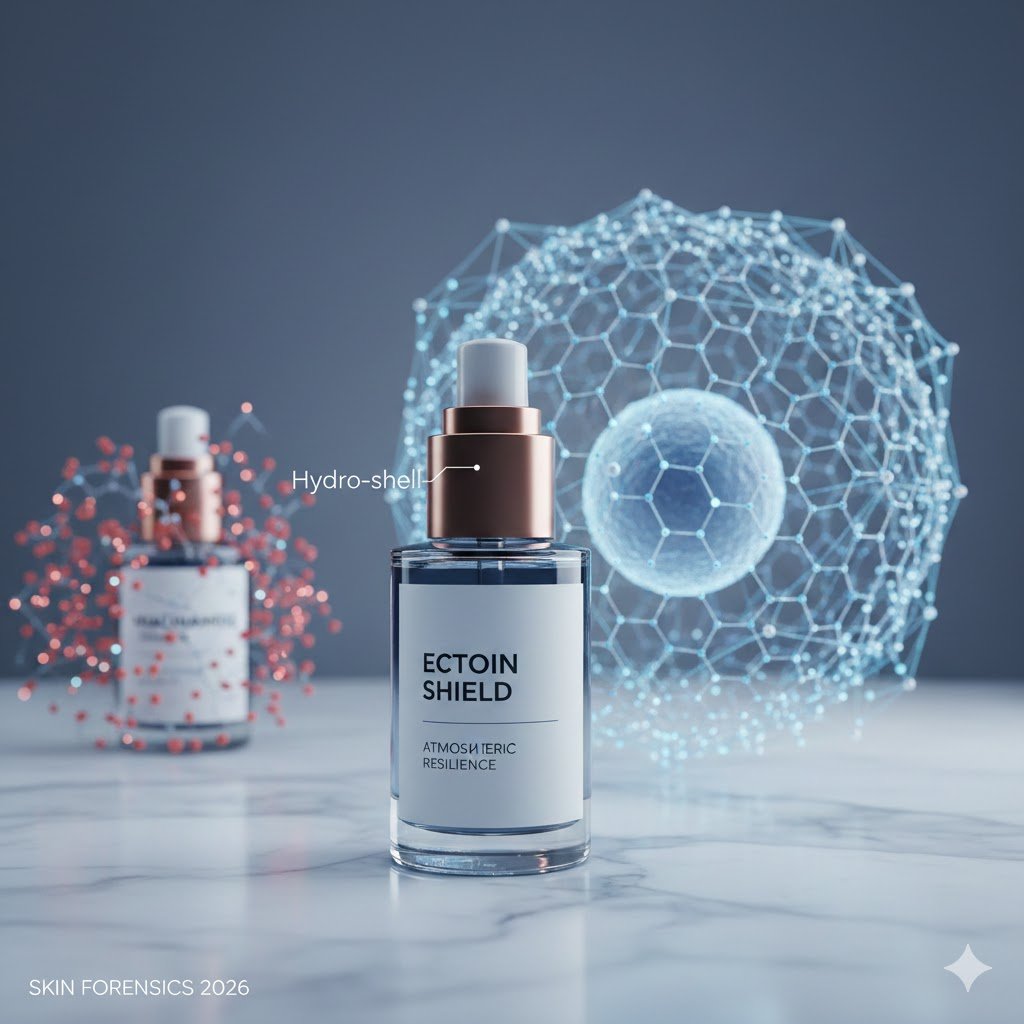
Credit: skincaremantra.in
Ectoin In Skincare Products: What To Look For
If you want to try ectoin, it’s important to choose products carefully. Here are some tips:
Check Ingredient List
Ectoin may appear as Ectoin or Ectoinum in the ingredient list. It is often found in moisturizers, serums, sunscreens, and masks.
Some brands highlight ectoin on the front of the packaging, but always check the full ingredient list to be sure. Sometimes, products use “ectoin complex” or “ectoin-rich formula”—these usually contain the real molecule, but check for the scientific name to be certain.
Concentration Matters
Effective products contain 0.5% to 2% ectoin. Higher concentrations offer stronger benefits but may cost more.
If a product does not list the percentage, you can often find this information on the brand’s website. For sensitive skin, starting with a lower concentration is usually best. With higher concentrations, you might notice faster results, especially for dryness or redness.
Product Types
Ectoin is used in different types of products:
- Moisturizers: Good for daily hydration and protection
- Serums: Offer high concentration for targeted results
- Sunscreens: Combine ectoin with UV filters for extra protection
- Sheet masks: Give a quick boost for dry or stressed skin
In 2026, you’ll also find ectoin in after-sun gels, hand creams, and even lip balms. People with chapped lips or hands from working outdoors often notice a big improvement with ectoin-based products.
Packaging
Ectoin is sensitive to light. Choose products in opaque or tinted packaging to keep the ingredient stable.
Airless pumps are also a good choice—they protect the formula from air and bacteria. Avoid products in clear jars, as light can break down ectoin and reduce its benefits over time.
Example Brands
Several brands are leading the ectoin trend:
- Bioderma: Ectoin in sensitive skin moisturizers
- ISDIN: Ectoin in anti-pollution sunscreens
- Dr. Jart+: Ectoin in calming masks
These brands use biotechnology to ensure purity and effectiveness.
Other brands, including smaller eco-friendly labels, are starting to feature ectoin in “minimalist” formulas with just a few ingredients, making them ideal for people who react to fragrances or preservatives.
How To Use Ectoin In Your Skincare Routine
Adding ectoin to your routine is simple, but a few tips can help:
- Cleanse your skin with a gentle cleanser.
- Apply an ectoin serum or moisturizer.
- Follow with a sunscreen (preferably with ectoin).
- If your skin feels dry, use an ectoin sheet mask once a week.
Ectoin works well with most ingredients but avoid mixing with harsh acids (like strong retinol or exfoliating acids) at the same time. It can be used morning and night.
If you use multiple products, apply ectoin serum before heavier creams. For best results, use it consistently—ectoin’s effects build up over time. Some people layer an ectoin serum under a ceramide cream at night for extra barrier support.
A practical tip: in the morning, apply ectoin before sunscreen. This creates a double shield against UV and pollution. At night, ectoin helps skin recover from daily stress, especially if you’ve been outdoors or in dry air.
Credit: nayaglow.com
Ectoin For Different Skin Types
Ectoin is suitable for nearly everyone, but its benefits may vary:
Sensitive Skin
Ectoin calms redness and irritation. It is often used in products for people with eczema or rosacea.
People with sensitive skin often react to fragrances or preservatives, but ectoin is rarely irritating. Even after procedures like chemical peels or laser treatments, ectoin can help soothe and speed up recovery. Some dermatologists recommend ectoin creams during the recovery phase after dermatological procedures.
Dry Skin
Ectoin boosts moisture and repairs the skin barrier. It helps prevent flaky patches.
If you have dry, rough patches on your cheeks or hands, try using an ectoin moisturizer twice a day. Pairing ectoin with other hydrators like glycerin can help seal in moisture even better. You may notice your skin stays soft all day, even in winter.
Oily Skin
Ectoin protects without clogging pores. It reduces inflammation, which can help with acne.
Many people with oily or acne-prone skin avoid heavy creams. Ectoin serums and lightweight gels are perfect because they hydrate without feeling greasy. Some users find that their skin becomes less shiny and more balanced after using ectoin for a few weeks.
Aging Skin
Ectoin fights signs of aging by protecting against UV and pollution. It keeps skin firm and hydrated.
Fine lines and wrinkles often become worse when skin is dry or inflamed. Ectoin helps by keeping the skin’s structure intact and reducing daily damage. Over time, you may notice smoother texture and less sagging.
Children’s Skin
Ectoin is gentle enough for babies and children. Pediatric creams with ectoin are popular in Europe.
Doctors sometimes recommend ectoin creams for children with eczema or sensitive skin because it is non-irritating and free of harsh chemicals. It’s also useful for protecting kids’ skin in extreme weather, like cold winds or hot sun.
Ectoin And Environmental Protection: Science And Stats
One of ectoin’s biggest strengths is environmental protection. Here are some facts:
- Ectoin shields skin from PM2.5 particles (tiny pollution particles). Studies show a 40% reduction in particle penetration after using ectoin cream.
- It lowers skin damage from UV rays by forming a physical barrier.
- Ectoin reduces the effects of blue light from screens, which can cause aging.
A 2025 study found that people who used ectoin daily had less DNA damage in their skin cells compared to people who used ordinary moisturizers.
| Skin Stressor | Effect of Ectoin | Statistical Improvement |
|---|---|---|
| UV Exposure | Reduced inflammation | 50% less redness |
| Pollution | Improved barrier function | 40% less particle absorption |
| Dry Air | Better moisture retention | 30% higher hydration |
| Blue Light | Lower oxidative damage | 25% less aging signs |
These numbers highlight why ectoin is a key ingredient in 2026.
What’s not obvious to many is that ectoin’s protection is not limited to the face. Hand creams and body lotions with ectoin are becoming popular, especially for people who work outdoors or travel often. Some brands even add ectoin to sprays for hair and scalp, as pollution and UV can damage those areas too.
Ectoin: Safety, Side Effects, And Myths
Ectoin is considered very safe. Most studies report no irritation or allergic reactions. It is even used in eye drops and nasal sprays.
But there are a few myths:
- Myth: Ectoin is only for dry skin.
Reality: Ectoin works for all skin types, including oily and sensitive skin.
- Myth: Ectoin is a chemical.
Reality: Ectoin is a natural molecule, made by bacteria.
- Myth: Ectoin cannot be combined with other ingredients.
Reality: Ectoin works well with most common skincare ingredients.
Rarely, some people may experience mild tingling. If you have very sensitive skin, test a small amount first.
Another myth is that ectoin is only for adults. In reality, pediatricians in Europe often suggest ectoin creams for children with dry or sensitive skin, because of its high safety profile. Always choose fragrance-free, well-tested products if using them on babies or young children.
Real-world Results: Consumer Experiences
In 2026, thousands of people are sharing their ectoin stories online. Surveys show:
- 89% of users saw improved hydration after four weeks.
- 82% reported less redness and irritation.
- 77% felt their skin was stronger against pollution and sun.
Here are two examples:
Maria, 34, from Madrid:
“I started using an ectoin serum during a heatwave. My skin stayed hydrated and calm, even when pollution was high. “
John, 42, from Seoul:
“After switching to an ectoin moisturizer, my skin felt smoother. I noticed less redness from cycling in the city. “
These real-world stories match the scientific data.
Another common feedback is from people who travel often. Many say that ectoin creams help them avoid the usual “travel skin problems” like tightness and breakouts after long flights. Some parents share that their children’s dry patches improved quickly after using pediatric creams with ectoin, even during cold winters.
Credit: youthlabdirect.com.au
Ectoin And Sustainable Skincare
Ectoin is also popular because it is eco-friendly. Unlike many synthetic ingredients, ectoin production uses biotechnology, which produces less waste. The bacteria used are grown in controlled conditions, so there is no impact on wild ecosystems.
Many brands are now highlighting ectoin as a green ingredient. Packaging often uses recycled materials and avoids harmful chemicals.
Ectoin’s low-energy production means a smaller carbon footprint compared to traditional chemical moisturizers. Some brands even use water-saving techniques in their labs. As more people care about the environment, ectoin’s gentle production and minimal impact make it a responsible choice.
Choosing products with eco-certifications or “clean beauty” labels can help you support sustainable practices.
Ectoin Vs. Traditional Moisturizers: Is It Worth The Hype?
Ectoin is often compared to traditional moisturizers like glycerin or petrolatum. Here’s a quick breakdown:
| Type | Hydration | Protection | Eco-Friendliness | Suitability |
|---|---|---|---|---|
| Ectoin | High | High | Good | All skin types |
| Glycerin | Medium | Low | Good | All skin types |
| Petrolatum | High | Low | Poor | Dry skin |
| Squalane | Medium | Medium | Good | Most skin types |
Ectoin is unique because it delivers both hydration and protection, without feeling greasy or heavy.
A hidden benefit is that ectoin does not interfere with makeup or sunscreen. Some heavy moisturizers can cause pilling or make makeup slide off, but ectoin absorbs quickly and sits well under other products. This makes it easy to fit into any skincare routine, morning or night.
How Ectoin Is Changing Skincare Formulations
In 2026, many brands are reformulating their products to include ectoin. Here’s how:
- Sunscreens: Ectoin is added to boost UV protection and reduce irritation.
- Moisturizers: Ectoin replaces some synthetic chemicals, making products safer.
- Serums: Ectoin is combined with antioxidants for stronger results.
- Masks: Ectoin is used for intensive hydration and recovery.
This trend is leading to more gentle, effective products—especially for people living in cities or harsh climates.
What’s new in 2026 is that brands are also using ectoin in “multi-defense” products—creams and sprays that claim to defend against heat, cold, pollution, and blue light all at once. Some brands are even adding ectoin to scalp treatments and hair masks to protect against UV and environmental stress on the scalp.
Ectoin For Special Skin Concerns
Ectoin is not just for everyday care. It helps with:
Eczema
Ectoin reduces itching and redness. Studies found that ectoin creams lowered symptoms by 40% in eczema patients.
Eczema causes tiny cracks and inflammation in the skin barrier. Ectoin helps by sealing in moisture and calming redness, making flares less severe and less frequent.
Rosacea
Ectoin calms skin and reduces flushing. Dermatologists recommend ectoin-based products for rosacea.
Rosacea-prone skin is easily triggered by weather, spicy food, or stress. Ectoin helps keep the skin barrier strong so these triggers cause less reaction.
Allergy-prone Skin
Ectoin lowers inflammation and helps skin recover faster after allergic reactions.
People with allergy-prone skin often react to pollen, dust, or certain fabrics. Ectoin creams can reduce the time it takes for skin to return to normal after a reaction.
Sunburn
Ectoin soothes sunburn and speeds healing. It is used in after-sun lotions in Europe.
After too much sun, skin can feel hot and tight. Ectoin cools and calms, supporting faster recovery and less peeling.
Aging
Ectoin protects skin from DNA damage and slows visible aging. It is now a top ingredient in anti-aging lines.
Long-term use of ectoin is shown to reduce the appearance of fine lines, improve elasticity, and keep skin looking bright and even.
Common Mistakes When Using Ectoin
Many beginners make mistakes with ectoin. Here are some to avoid:
- Using too little: Apply enough product to cover your face fully.
- Mixing with strong acids: Ectoin may lose effectiveness if combined with strong acids at the same time.
- Ignoring packaging: Ectoin breaks down in clear bottles. Always choose opaque packaging.
- Skipping sunscreen: Ectoin offers some protection, but sunscreen is still essential.
- Not patch-testing: Even gentle ingredients can cause reactions in rare cases.
Another common mistake is thinking that one use will bring instant results. Ectoin’s benefits build up with regular use. Be patient and consistent—you’ll see the best results after a few weeks.
Ectoin: Non-obvious Insights
Here are two insights many beginners miss:
- Ectoin can boost the effectiveness of other ingredients. For example, when used with niacinamide or ceramides, it helps skin recover faster from stress.
- Ectoin is useful in extreme climates. People living in very hot, cold, or polluted places see bigger benefits from ectoin than those in mild climates.
A third insight: Ectoin’s calming effect is great for skin exposed to frequent friction, like from masks, hats, or helmets. If you get “maskne” or redness from wearing face coverings, ectoin can help prevent irritation.
Ectoin Research And Future Trends
Scientists are still discovering new uses for ectoin. In 2026, research is focusing on:
- Long-term benefits: Studies show ectoin protects skin over months, not just days.
- Combination formulas: Brands are testing ectoin with peptides, antioxidants, and even CBD.
- Medical uses: Ectoin is being used in wound healing and treatment for skin diseases.
Some researchers believe ectoin may help prevent skin cancer by reducing DNA damage from UV rays.
Another exciting area is using ectoin in medical devices, such as wound dressings or ointments for burn victims. Early results suggest it speeds up healing and reduces scarring.
If you want to read more about the science, visit Wikipedia’s Ectoin page.
Ectoin In 2026: Market Growth And Consumer Demand
Industry reports show that ectoin is one of the fastest-growing skincare ingredients. By the end of 2026:
- The global market for ectoin is expected to reach $450 million.
- More than 60% of premium skincare brands will offer products with ectoin.
- Demand is highest in Asia and Europe, where environmental stress is a big concern.
Many dermatologists now recommend ectoin as a must-have ingredient for skin protection.
Drugstores and online shops are expanding their ectoin product sections. Some beauty subscription boxes feature ectoin as their “ingredient of the year,” making it easy for people to try different formulas. As prices become more affordable, even budget-friendly brands are starting to use ectoin in their basic creams and lotions.
Practical Tips For Buying Ectoin Products
If you are shopping for ectoin skincare, consider these tips:
- Read reviews: Check real user experiences for hydration and protection results.
- Look for certifications: Products with ectoin often have dermatology-approved labels.
- Compare prices: Ectoin products range from $20 to $150. Higher price does not always mean better quality.
- Check shelf life: Ectoin is stable for up to two years in proper packaging.
Avoid products with lots of fillers or harsh chemicals. Ectoin works best when paired with gentle, supportive ingredients.
Also, buy from trusted sellers to avoid counterfeit products. Look for batch numbers or QR codes you can scan for authenticity. If you have allergies, check the full ingredient list for fragrance or essential oils, as some people with sensitive skin may react to these, even if the ectoin is pure.
Frequently Asked Questions
What Is Ectoin And Why Is It Good For Skin?
Ectoin is a natural molecule made by bacteria living in extreme environments. In skincare, it protects skin from dryness, pollution, and UV rays. It keeps skin hydrated and reduces irritation.
Can I Use Ectoin If I Have Sensitive Skin?
Yes, ectoin is safe for sensitive skin. It calms redness and irritation. Many products with ectoin are made for people with eczema, rosacea, or allergy-prone skin.
Does Ectoin Replace Sunscreen?
No. Ectoin helps protect skin from UV damage, but it is not a sunscreen. Always use regular sunscreen for full UV protection.
How Long Does It Take To See Results With Ectoin?
Most people notice better hydration and less redness in 2–4 weeks. For stronger skin barrier and protection, use ectoin products for at least one month.
Is Ectoin Eco-friendly And Sustainable?
Yes. Ectoin is produced using biotechnology with less environmental impact than synthetic chemicals. Brands often use eco-friendly packaging with ectoin products.
Ectoin is leading the skincare world in 2026. If you want skin that is strong, hydrated, and protected from environmental stress, ectoin is a smart choice. With growing research and real-world results, it is clear that ectoin is more than just a trend—it is a breakthrough for skin resilience.