
Winter can be both beautiful and harsh. Cold air outside and dry heat inside can make your skin feel tight, flaky, and uncomfortable. If you wake up with dry patches or feel like your moisturizer is not enough, you are not alone. Many people struggle with winter skin issues. That is why using an extra occlusive night moisturizer can make a big difference during the cold months. These products are designed for overnight repair, helping your skin heal and stay hydrated while you sleep.
In this article, you will learn everything you need to know about extra occlusive night moisturizers for winter. We will explore how they work, the science behind their ingredients, and why your regular cream might not be enough. You will discover practical tips, common mistakes, and how to choose the right product for your unique skin type. By the end, you will understand how to keep your skin soft and healthy, even in the harshest winter weather.
Why Winter Skin Needs Extra Occlusion
Winter air contains less moisture than summer air. When you move from cold outdoors to heated indoors, your skin loses water faster. This process is called transepidermal water loss. The result is dryness, redness, and sometimes cracks or irritation. Even oily skin can feel dehydrated in winter.
An occlusive moisturizer acts like a shield. It traps water in your skin and prevents it from escaping overnight. During the day, lighter lotions may feel enough. But at night, your skin works to repair itself—so it needs more support. An extra occlusive formula offers a stronger barrier, keeping hydration locked in and helping other ingredients to work better. This is why many dermatologists recommend a richer night cream in the colder months.
Understanding Occlusive Ingredients
Not all moisturizers are the same. The effectiveness of a night moisturizer depends on the ingredients inside. Occlusives are special substances that form a protective layer over your skin. Here are some of the most effective occlusive ingredients found in winter night creams:
- Petrolatum: Also known as petroleum jelly, it can block up to 99% of water loss.
- Dimethicone: A type of silicone that feels lighter than petrolatum but still forms a strong barrier.
- Shea Butter: Rich in fatty acids, it softens and protects the skin.
- Lanolin: Derived from wool, it is a traditional occlusive with a waxy texture.
- Beeswax: Provides a natural shield, commonly used in balms.
- Mineral Oil: A classic occlusive, though less popular now due to some sensitivity concerns.
- Squalane: Lightweight and non-greasy, good for those who dislike heavy creams.
Occlusive ingredients are often combined with humectants (like glycerin or hyaluronic acid), which draw water into the skin, and emollients (like ceramides), which fill in cracks and smooth the surface. Together, they offer both immediate comfort and long-term repair.
How Night Moisturizers Work Differently
Night is when your body repairs itself, and your skin is no exception. At night, your skin’s cell turnover increases, and it absorbs products better. Using an extra occlusive night moisturizer at this time helps seal in moisture and support repair processes.
Day creams are often lighter, may contain sunscreen, and are designed to wear well under makeup. Night creams focus on repair and recovery. They are thicker, sometimes a bit sticky, and often include higher concentrations of barrier-restoring ingredients. Using a night-specific product in winter can mean the difference between waking up with dry, uncomfortable skin and enjoying a soft, healthy complexion.
Signs You Need An Extra Occlusive Night Moisturizer
Many people do not realize when their skin needs more help. Look for these signs that you might benefit from a richer, occlusive night cream:
- Flaky patches on cheeks, nose, or forehead
- Skin feels tight or itchy, especially in the morning
- Redness or increased sensitivity
- Fine lines look more visible (dehydration makes them stand out)
- Usual moisturizer no longer feels enough
If you notice these symptoms, do not ignore them. They are your skin’s way of saying it needs extra protection and hydration.
Comparing Regular And Extra Occlusive Night Moisturizers
It is easy to get confused by all the creams on the market. The main difference between regular and extra occlusive night moisturizers is the balance of ingredients. Extra occlusives have a higher percentage of heavy, barrier-forming ingredients.
Here is a simple comparison to help you see the difference:
| Feature | Regular Night Moisturizer | Extra Occlusive Night Moisturizer |
|---|---|---|
| Texture | Light to medium | Thick, sometimes greasy |
| Main Ingredients | Emollients, some humectants | High in petrolatum, dimethicone, or butters |
| Best For | Normal to oily skin, mild dryness | Very dry, sensitive, or damaged skin |
| Repair Power | Moderate | High – targets deep dehydration |
| Use Frequency | Every night or as needed | During winter or when skin is stressed |
While a regular cream may work in spring or summer, winter often calls for an upgrade.
How To Choose The Right Extra Occlusive Night Moisturizer
Choosing the right product can feel overwhelming. Here are steps to help you find the best fit for your skin:
1. Know Your Skin Type
- Dry to very dry skin: Needs the thickest, most occlusive formulas (petrolatum, shea butter).
- Combination skin: Choose products with a blend of occlusives and lighter emollients.
- Sensitive skin: Avoid strong fragrances or known irritants. Look for products with minimal ingredients.
- Oily skin: Surprisingly, occlusives can help, but pick non-comedogenic options like dimethicone or squalane.
2. Read The Ingredient List
Look for occlusives high on the list. If petrolatum or shea butter is in the top three, the product is likely to be effective for deep winter repair.
3. Consider Allergies And Preferences
Some people react to lanolin or mineral oil. Others dislike heavy scents. Test a small amount first if you are unsure.
4. Decide On Texture
Thicker creams are more protective but may feel greasy. Gel-cream hybrids offer occlusion with a lighter feel. Try a sample before committing.
5. Check Reviews And Clinical Data
Products tested in clinical studies or recommended by dermatologists are usually a safer bet. Real user reviews can reveal if a cream is too heavy, causes breakouts, or really works for winter skin.
6. Budget Matters
Expensive does not always mean better. Some pharmacy brands offer excellent extra occlusive night moisturizers at a reasonable price.

Credit: mamaearth.in
The Science Behind Overnight Repair
Why does your skin heal better at night? During sleep, your body increases blood flow to the skin, and cell regeneration peaks. This is called the skin circadian rhythm. However, winter conditions can disrupt this process by stealing moisture. When you apply an extra occlusive moisturizer, you support your skin’s natural repair in several ways:
- Prevents water loss: Occlusives lock in hydration, giving your skin a moist environment to heal.
- Improves barrier function: Ingredients like ceramides and fatty acids repair the protective layer.
- Soothes inflammation: Reduces redness and calms irritation from wind and cold.
- Helps actives work better: Sealing in serums or treatments under an occlusive cream increases their absorption.
Many studies have shown that skin treated with occlusives overnight is less dry, heals faster, and looks healthier by morning. For more on the science of skin repair, you can visit this research summary.
How To Apply An Extra Occlusive Night Moisturizer For Best Results
Using a thick night cream is not just about slapping it on. The method matters for the best overnight repair.
- Cleanse gently: Use a mild, non-foaming cleanser to avoid stripping your skin.
- Apply treatments first: If you use serums (like hyaluronic acid or vitamin C), put them on clean skin.
- Layer lighter moisturizers: If your skin is very dry, use a hydrating lotion or gel under the occlusive cream.
- Seal with the occlusive: Take a pea-sized amount and warm it between your fingers. Pat or gently massage onto your face and neck.
- Do not overuse: A thick layer is not always better. Too much can clog pores or feel uncomfortable.
- Focus on problem areas: Apply a bit extra to the driest spots (cheeks, nose, around lips).
- Let it absorb: Wait a few minutes before lying down to avoid transfer to your pillow.
A common mistake is skipping lighter hydrating steps. Occlusives trap moisture, but if there is not enough water in your skin, they can feel sticky with less benefit. Always hydrate before sealing.
Common Mistakes With Winter Night Moisturizers
Even with a good product, some habits can reduce its effectiveness. Avoid these errors:
- Using too little: A tiny dab may not be enough for deep hydration.
- Applying to dry, unprepared skin: Moisturizer works best on slightly damp skin.
- Skipping exfoliation: Dead skin cells can block absorption. Use a gentle exfoliant 1–2 times per week.
- Layering too many actives: Strong acids or retinols may increase irritation in winter.
- Not adjusting for climate: What works in a humid city might fail in a dry, cold place.
Listen to your skin and adjust your routine as needed.
Who Should Avoid Extra Occlusive Night Moisturizers?
While most people benefit from extra occlusion in winter, a few should be cautious:
- Acne-prone skin: Heavy occlusives can sometimes clog pores. Choose non-comedogenic formulas.
- Very oily skin: If your skin is never dry, you may not need thick creams. Try gels with dimethicone instead.
- Rosacea or eczema: Some occlusives (like lanolin) may worsen irritation for sensitive types. Always patch test first.
If you are unsure, consult a dermatologist before making big changes.
Credit: sevenpotions.com
How To Layer Skincare With An Occlusive Night Moisturizer
Layering products can increase results, but order and choice matter. Here is a sample winter night routine:
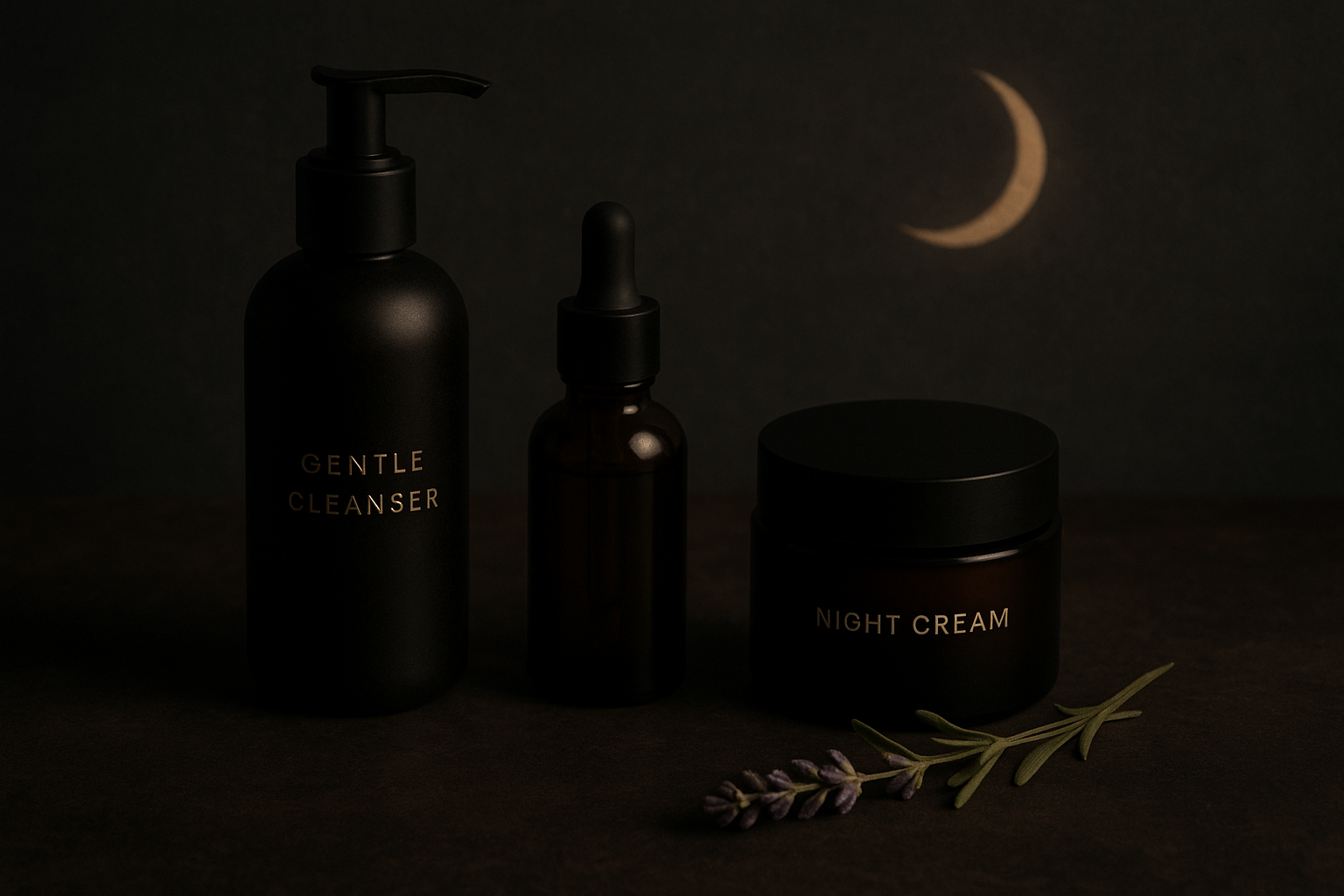
- Gentle cleanser: Removes dirt without drying.
- Hydrating toner: Adds a water layer (optional).
- Serum: Use a hydrating or repairing serum—avoid strong exfoliants unless your skin tolerates them.
- Light moisturizer: If your skin is very dry, add a thin lotion as a “first coat”.
- Extra occlusive night moisturizer: Pat over everything as the final step.
For very dry areas (like lips or around the nose), consider topping with a pure occlusive (petrolatum or balm) as a “slugging” step.
Key Benefits Of Using Extra Occlusive Night Moisturizers In Winter
Switching to a richer night cream in winter offers real advantages. Here are the main benefits:
- Prevents overnight dehydration: Locks in moisture so you wake up comfortable, not tight or flaky.
- Repairs the skin barrier: Helps heal cracks and micro-injuries from wind and cold.
- Boosts other products: Enhances the effect of serums and treatments.
- Reduces visible aging: Fine lines look less obvious when skin is well-hydrated.
- Soothes irritation: Calms redness and itching, making skin less reactive.
Many users notice softer, smoother skin within a few days of switching to an extra occlusive formula.
Ingredients To Look For (and Avoid) In Winter Night Creams
When shopping for a winter night moisturizer, check the label for these helpful ingredients:
- Occlusives: Petrolatum, shea butter, dimethicone, beeswax, lanolin, mineral oil, squalane.
- Humectants: Glycerin, hyaluronic acid, urea, panthenol.
- Emollients: Ceramides, fatty acids, cholesterol, natural oils (jojoba, almond, sunflower).
- Soothers: Oat extract, allantoin, centella asiatica.
Some ingredients should be avoided or used with caution in winter:
- Strong exfoliants: High-percentage glycolic acid or retinol can increase dryness.
- Heavy fragrance: Can irritate sensitive, dry skin.
- Alcohol: Some types (like denatured alcohol) can be drying, though fatty alcohols are fine.
Always patch test new products if you have sensitive skin.
Popular Extra Occlusive Night Moisturizers: Examples And What Makes Them Work
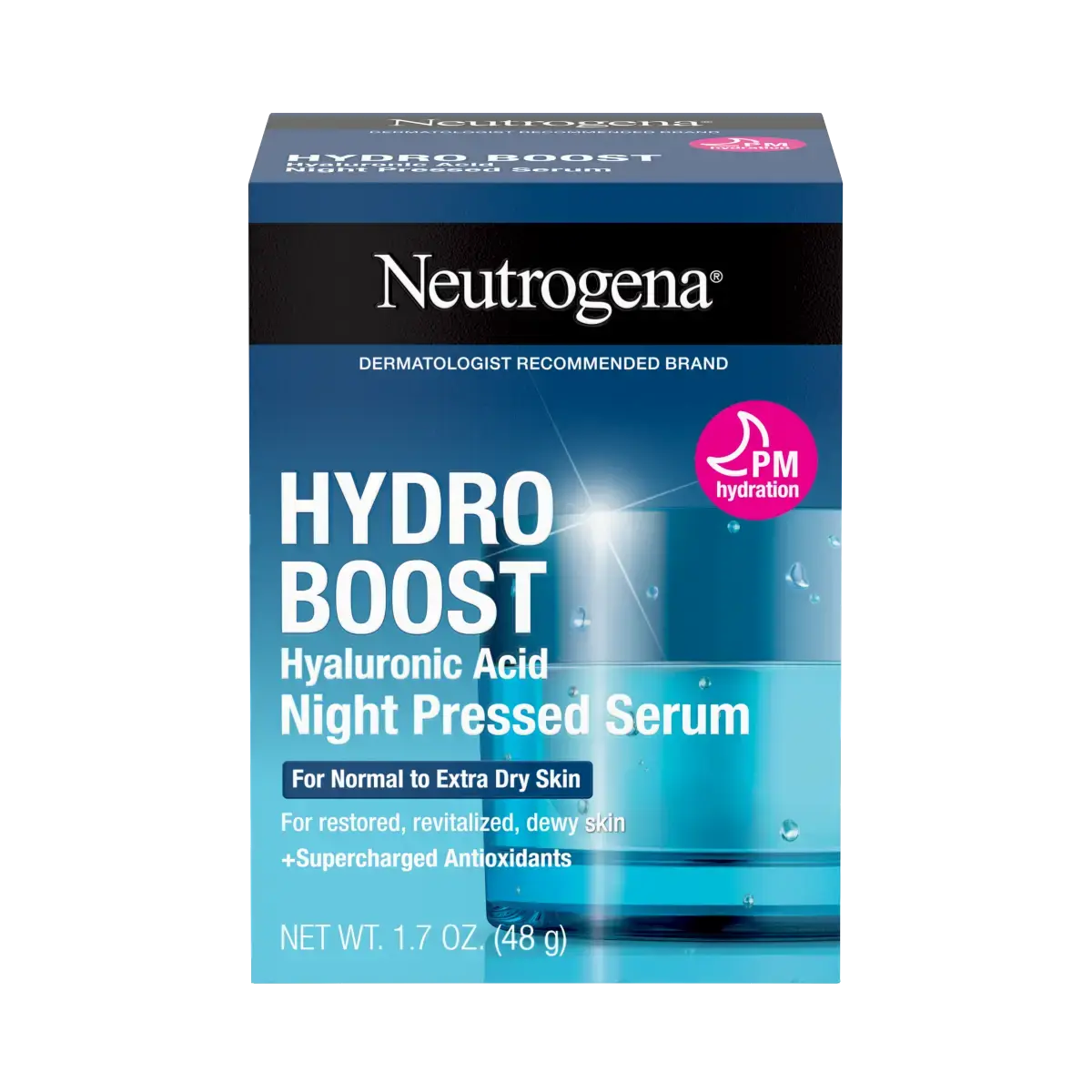
Here are examples of well-known products and what sets them apart in winter care:
- CeraVe Healing Ointment: High in petrolatum, contains ceramides and hyaluronic acid for barrier repair.
- Aquaphor Advanced Therapy: Petrolatum-based, includes panthenol and glycerin for extra healing.
- Vaseline Original: Pure petrolatum, simple and effective for severe dryness.
- Eucerin Advanced Repair Cream: Urea and ceramides with petrolatum for deep hydration.
- La Roche-Posay Cicaplast Baume B5: Panthenol, shea butter, and madecassoside to soothe and protect.
- Weleda Skin Food: Beeswax, lanolin, and plant oils for a natural, herbal-rich barrier.
- First Aid Beauty Ultra Repair Cream: Colloidal oatmeal, shea butter, and ceramides for sensitive skin.
- Aveeno Skin Relief Intense Moisture Repair Cream: Oat flour and petrolatum to calm and seal.
- Bioderma Atoderm Intensive Baume: Mineral oil, glycerin, and niacinamide for lasting comfort.
- Elizabeth Arden Eight Hour Cream: Petrolatum, vitamin E, and salicylic acid for all-purpose repair.
Most of these are fragrance-free or have minimal scent, and many are suitable for use on both face and body. When in doubt, start with a dermatologist-recommended brand.
Difference Between Occlusive, Humectant, And Emollient
Understanding these terms helps you pick the right formula. Here’s a simple breakdown:
| Type | What It Does | Common Ingredients |
|---|---|---|
| Occlusive | Seals in moisture, forms a barrier | Petrolatum, dimethicone, shea butter |
| Humectant | Attracts water into the skin | Glycerin, hyaluronic acid, urea |
| Emollient | Fills gaps, softens skin | Ceramides, fatty acids, oils |
The best winter night moisturizers combine all three for the strongest repair.
How To Tell If Your Moisturizer Is Occlusive Enough
Not all “rich” creams are truly occlusive. Here are some ways to check:
- Check the first five ingredients: Petrolatum, dimethicone, or butters should appear early in the list.
- Texture test: If a small amount sits on your skin for a few minutes before soaking in, it is likely occlusive.
- Morning feel: If your skin still feels moist and protected when you wake up, the product is working.
A non-obvious tip: Sometimes, layering a lighter cream under your occlusive moisturizer (“moisture sandwiching”) gives better results than using a heavy cream alone.
Diy Occlusive Night Mask For Winter
If you want to try making your own, here’s a simple overnight mask recipe for dry winter skin:
Ingredients:
- 1 tablespoon shea butter
- 1 teaspoon jojoba oil
- 1/2 teaspoon beeswax (optional for thicker texture)
- 2–3 drops vitamin E oil
Steps:
- Gently melt shea butter and beeswax together in a double boiler or microwave.
- Stir in jojoba and vitamin E oil.
- Let it cool until it thickens slightly.
- Apply a small amount over your usual moisturizer at night.
This simple mask can be used 2–3 times a week for a deep repair boost. Always patch test first.
How Weather And Environment Affect Skin Moisture
Winter is not the only factor. Other environmental elements can increase your need for an occlusive moisturizer:
- Wind: Strips moisture from the surface layer.
- Indoor heating: Reduces air humidity below 30%, drying skin.
- Altitude: Higher locations have drier air.
- Hard water: Can make skin feel tight after washing.
- Pollution: May weaken the skin barrier, increasing water loss.
If you live in a city, travel often, or spend time outdoors, adjust your routine as conditions change.
Credit: www.neutrogena.com
The Role Of Sleep And Nutrition In Skin Repair
Skin health is not just about what you put on the surface. Sleep quality and diet play a major role in overnight repair.
- Aim for 7–9 hours of sleep: This is when cell turnover peaks.
- Stay hydrated: Drink enough water, but do not rely on this alone for skin moisture.
- Eat healthy fats: Omega-3s (from fish, nuts, seeds) support the skin barrier.
- Limit alcohol and caffeine: Both can dehydrate your body and skin.
A holistic approach will help your extra occlusive night moisturizer work even better.
When To See A Professional
If your skin stays dry, red, or cracked even after using extra occlusive night moisturizers, it may be time to see a dermatologist. Persistent symptoms can be a sign of:
- Eczema
- Psoriasis
- Contact dermatitis
- Allergic reactions
A professional can help identify underlying issues and suggest prescription-strength treatments or patch testing.
Sustainable And Ethical Choices In Occlusive Moisturizers
More people are interested in eco-friendly skincare. Here’s what to look for if sustainability matters to you:
- Plant-based butters: Shea, cocoa, and mango butters are renewable.
- Beeswax alternatives: Candelilla wax is a vegan substitute.
- Recyclable packaging: Glass jars or post-consumer recycled plastic.
- Cruelty-free brands: Look for certifications if animal testing is a concern.
Some occlusives (like petrolatum) are petroleum-derived, but they are very stable and have a low allergy risk. Choose what fits your values and needs.
How To Transition Back To Lighter Moisturizers After Winter
As spring arrives and the air gets less dry, you may want to switch back to a lighter formula. Here’s how:
- Gradually reduce occlusive use: Use every other night, then switch to lighter creams.
- Watch for changes: If your skin feels greasy or starts to break out, it is time to adjust.
- Keep a thicker cream for emergencies: Sudden cold snaps or travel may require extra protection.
Transitioning slowly helps your skin adjust without new dryness or irritation.
Real-life Stories: What People Notice After Switching To Extra Occlusive Night Moisturizers
Many users are surprised at the difference a true winter night cream makes. Common feedback includes:
- “I woke up and my skin was actually soft, not flaky.”
- “My cheeks stopped stinging after a week of using a thicker cream.”
- “Fine lines looked smoother and my foundation went on better in the morning.”
- “I stopped scratching my face at night, which helped healing.”
One non-obvious benefit is less time spent “fixing” dry patches with makeup or extra products. Investing in a quality night moisturizer can save money and stress in the long run.
Frequently Asked Questions
What Makes A Moisturizer “extra Occlusive”?
An extra occlusive moisturizer has a high level of barrier-forming ingredients like petrolatum, dimethicone, or heavy butters. It creates a stronger protective film than regular creams, preventing water loss even in very dry conditions.
Can I Use An Extra Occlusive Night Moisturizer If I Have Oily Or Acne-prone Skin?
Yes, but choose non-comedogenic formulas. Look for dimethicone or squalane instead of petrolatum, and avoid products with added oils that may clog pores. Patch test before using all over your face.
How Often Should I Use An Extra Occlusive Night Moisturizer In Winter?
Most people benefit from nightly use during the coldest months. If your skin feels comfortable, you can reduce to every other night. Very dry or sensitive areas (like lips or cheeks) may need daily application.
Is “slugging” The Same As Using An Extra Occlusive Night Moisturizer?
Slugging is a trend where you apply a thick layer of petrolatum over your regular routine. It is a form of extra occlusion, but using a formulated night cream with added humectants and emollients gives more balanced hydration and repair.
Can I Use Body Occlusive Creams On My Face?
Some body creams are safe for the face, especially if they are fragrance-free and made for sensitive skin. However, facial skin is thinner and may react to heavy formulas. Start with a small amount, and avoid if you have acne-prone skin.
—
Strong, healthy skin is possible, even in the harshest winter. By choosing the right extra occlusive night moisturizer and using it correctly, you support your skin’s natural repair and keep dryness at bay. Remember to adjust your routine as the seasons change, and pay attention to your skin’s signals. With the right habits and products, you can wake up to soft, comfortable skin all winter long. For further reading on skin barrier science, you may visit the American Academy of Dermatology.