

Many people notice their skin feeling dry and itchy, or their scalp becoming flaky, but they rarely suspect the water they use every day. The truth is, hard water can silently damage your skin and scalp barrier, leading to discomfort and even chronic issues. This problem affects millions worldwide, yet it’s often misunderstood. If you’ve ever wondered why your skin routine isn’t working, or why your scalp feels irritated after washing, the answer may be in your tap.
Hard water is water with high levels of minerals—mainly calcium and magnesium. While not dangerous to drink, these minerals can change how water interacts with your skin and scalp. Over time, hard water can weaken the protective barriers that keep your skin and scalp healthy. This article explains how hard water damages these barriers, what signs to look for, and how to protect yourself. You’ll learn what really happens beneath the surface, why it matters, and what you can do about it.
What Is Hard Water?
Hard water is not a rare problem. In fact, about 85% of homes in the United States have hard water. Hard water contains more than 60 mg/L of calcium carbonate, and sometimes much more. The minerals come from rocks and soil, dissolving into water as it flows through the ground.
Some people only realize the issue when they see white spots on their kitchenware, but the effects go much further.
Main Components
- Calcium
- Magnesium
- Iron (sometimes)
- Other trace minerals
These minerals make hard water different from soft water, which has low mineral content. Hard water leaves white residue on faucets, makes soap less effective, and can cause appliances to wear out faster. In cities with older pipes, iron can also add a rusty tint to water, which can further stain surfaces and even hair.
How Hard Water Is Measured
Water hardness is measured in milligrams per liter (mg/L) or grains per gallon (gpg). Here’s a quick comparison:
| Water Type | Calcium Carbonate (mg/L) | Common Regions |
|---|---|---|
| Soft Water | 0–60 | Rainy areas, mountain regions |
| Moderately Hard | 61–120 | Urban and suburban areas |
| Hard Water | 121–180 | Midwest, Southwest USA, India, UK |
| Very Hard | 180+ | Rural, farming areas |
A practical tip: if you notice you need to replace your kettle often or see your white laundry turning gray, your water is likely hard. Many people only become aware after years of dealing with these small annoyances.
The Skin Barrier: What It Is And Why It Matters
The skin barrier is your body’s first line of defense. It keeps moisture in and blocks harmful substances out. If you picture your skin as a brick wall, the bricks are skin cells, and the mortar is a mix of fats and proteins. This “wall” keeps your body protected from the outside world.
Functions Of The Skin Barrier
- Keeps moisture: Prevents water loss.
- Blocks irritants: Stops pollutants, bacteria, and toxins.
- Regulates temperature: Maintains healthy warmth.
When the skin barrier is strong, skin feels soft, smooth, and comfortable. When it’s weak, you may notice dryness, redness, itching, or even eczema. The barrier also helps your skin repair itself quickly. For instance, if you get a small cut, a healthy barrier heals it faster and with less risk of infection.
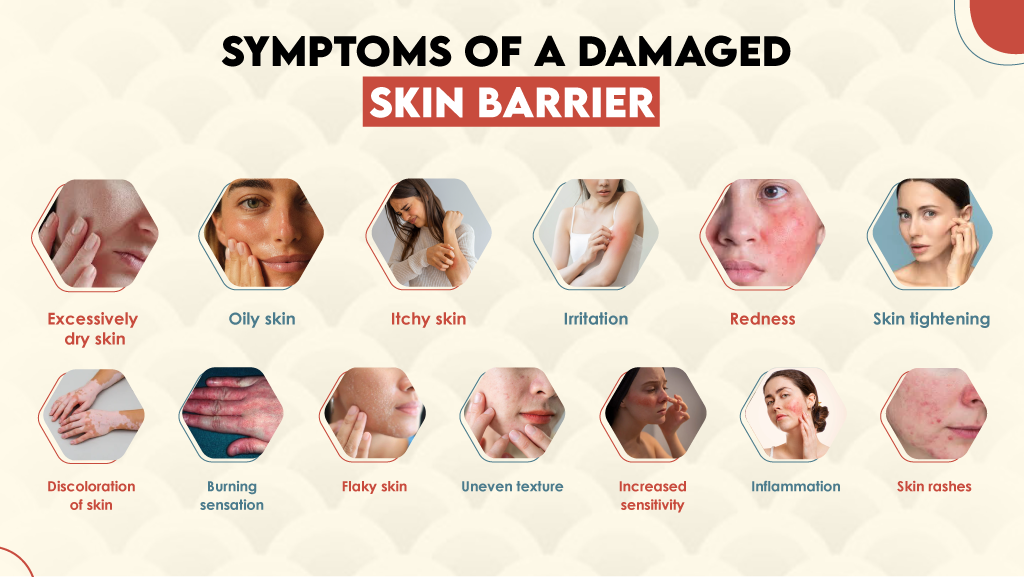
Signs Of Skin Barrier Damage
- Dryness
- Flaking
- Red patches
- Increased sensitivity
People with damaged skin barriers often see their usual moisturizers fail to work. They may also experience burning or stinging from products that never caused problems before. Sometimes, you’ll even notice fine lines appearing earlier, especially in areas that are washed frequently, like hands or face.
This is because a weak barrier loses elasticity and hydration.
A less obvious sign is when your skin seems to “soak up” products but still feels dry—this means the barrier is not holding moisture well.
The Scalp Barrier: Unique Challenges
The scalp barrier works much like the skin barrier, but it faces extra challenges. The scalp has more oil glands and is often covered with hair, which traps sweat and environmental dirt. It also gets exposed to shampoos, conditioners, and styling products.
Functions Of The Scalp Barrier
- Protects hair follicles: Keeps them healthy for hair growth.
- Maintains moisture: Prevents dryness and dandruff.
- Defends against microbes: Stops fungi and bacteria.
A healthy scalp barrier means fewer flakes, less itching, and stronger hair. When damaged, you may see hair thinning, more dandruff, or even scalp infections. The scalp also has a unique ecosystem of microbes, which can be thrown off by harsh water, leading to problems that are hard to treat with regular hair products.
Signs Of Scalp Barrier Damage
- Flaky patches
- Itching
- Tenderness
- Hair loss
Many people ignore these signs, thinking they’re normal or caused by shampoo. But hard water is often the hidden cause. You might notice, for example, that switching shampoos or conditioners doesn’t help, or that your scalp feels sore after every wash—these are clues that the problem is deeper.
How Hard Water Damages The Skin Barrier
Hard water’s minerals change how water interacts with your skin. Here’s what happens:
Soap And Mineral Reaction
When you use soap with hard water, calcium and magnesium react with soap to create soap scum. This sticky residue stays on your skin, blocking pores and making it harder to rinse clean. Over time, this scum can also trap bacteria and dirt, leading to breakouts or irritation.
Increased Ph
Hard water has a higher pH (more alkaline) than soft water. Your skin’s natural pH is slightly acidic—around 5. 5. When exposed to alkaline water, the skin barrier weakens, making it easier for irritants to enter and moisture to escape.
Some studies show that even small increases in pH can lead to inflammation and worsen conditions like acne or eczema.
Moisture Loss
The minerals in hard water pull moisture out of your skin. Instead of hydrating, showers can leave your skin feeling tight and dry. Over time, this causes the barrier to crack and flake. A common complaint is that even after applying lotion, skin feels dry again within an hour.
Cumulative Effects
The damage is not always obvious after one shower. But with daily exposure, the effects build up:
- Dryness increases
- Skin becomes rough
- Sensitivity rises
- Eczema and dermatitis worsen
In one study from 2017, children exposed to hard water were twice as likely to develop eczema compared to those using soft water. Adults can also develop new sensitivities, even if their skin was healthy before.
Hard Water Vs. Soft Water: Skin Impact
To compare, here’s how skin responds to each type:
| Water Type | Short-Term Effects | Long-Term Effects |
|---|---|---|
| Soft Water | Fresh, hydrated feeling | Healthy barrier, fewer issues |
| Hard Water | Dry, tight, sticky residue | Barrier damage, eczema, sensitivity |
Another subtle effect: some people notice that perfumes or skincare products smell different or fade faster after washing in hard water, because the residue can change how these products interact with your skin.
Credit: happycappyshampoo.com
How Hard Water Damages The Scalp Barrier
Your scalp is even more sensitive to hard water than your skin. Here’s why:
Residue Build-up
Hard water leaves minerals on the scalp and in the hair. This residue clogs hair follicles and blocks natural oils, leading to flakes and irritation. Over months, this can make the scalp more prone to fungal infections, especially if you sweat a lot or use hair styling products.
Shampoo Inefficiency
Shampoos don’t lather well in hard water, so you need to use more. But the extra shampoo mixes with minerals and creates more residue. This cycle leads to dryness and dandruff. You may find yourself double-washing or using more product, but this only increases buildup.
Ph Imbalance
Just like skin, the scalp needs an acidic environment. Hard water’s high pH disrupts this balance, making it easier for fungi (like the cause of dandruff) to grow. If you notice your scalp is itchy even after washing, or you develop sensitivity to fragrances, the water’s pH may be at fault.
Hair Weakening
Mineral deposits coat the hair, making it rough and brittle. This damages the scalp barrier indirectly, as weak hair pulls at follicles and causes inflammation. Over time, you may notice more hair in your brush or on your pillow—not always from hair loss, but from breakage caused by weakened hair shafts.
Scalp Barrier Vs. Hard Water
Here’s a summary of scalp responses:
| Exposure | Immediate Effect | Long-Term Effect |
|---|---|---|
| Soft Water | Clean, smooth scalp | Healthy hair, less dandruff |
| Hard Water | Sticky, itchy feeling | Flakes, hair loss, infections |
A less obvious sign: your hair color (natural or dyed) might start to look dull, and styling products may not work as well because of mineral buildup.
Scientific Evidence Linking Hard Water To Barrier Damage
Research proves the connection between hard water and barrier damage. For example:
- A 2017 study: Found that children in areas with hard water had a 50% higher risk of eczema.
- A 2012 review: Showed that hard water increases skin sensitivity and dryness.
- A 2020 survey: Found more dandruff and scalp irritation in populations using hard water.
In one experiment, volunteers washed their arms in hard water for two weeks. Their skin showed higher pH and more dryness compared to those using soft water. The same happens with the scalp, although fewer studies exist for hair.
Some new research is also exploring genetic factors—why some people are more affected than others. People with certain skin conditions (like atopic dermatitis) seem to have genes that make their barrier weaker, so hard water can trigger stronger reactions.

Credit: curlsmith.com
Common Symptoms And Signs Of Damage
Many people don’t realize hard water is harming their skin and scalp. The signs can be subtle or mistaken for other issues.
For Skin
- Persistent dryness: Even after moisturizing
- Rough patches
- Small bumps: Called “keratosis pilaris”
- Redness and itching
- Eczema flare-ups
Some people also develop a feeling of “tightness” after washing that doesn’t go away, or notice that fine lines are appearing faster than before.
For Scalp
- Flakes that don’t respond to dandruff shampoo
- Itching after washing
- Hair feels rough and tangled
- Unexplained hair loss
Another sign is increased static electricity in hair, making it frizzy or hard to style. If your scalp burns or stings after using products you’ve used for years, hard water may be making your scalp more reactive.
If you notice these signs and live in an area with hard water, the water may be the cause.
Hard Water Vs. Other Causes Of Skin And Scalp Issues
Not all dryness and irritation come from hard water. Here’s how hard water compares to other causes:
- Weather: Cold, dry air can cause dryness but doesn’t leave residue or change pH.
- Products: Harsh soaps and shampoos can harm the barrier, but usually stop once you change products.
- Diet: Poor nutrition affects the skin, but doesn’t create sticky residue.
Hard water is unique because it combines pH changes, mineral deposits, and soap inefficiency. It’s often overlooked, even by dermatologists.
A unique clue: If your symptoms get worse when you travel to a new city or improve when you stay with friends in a soft water area, hard water may be the culprit.
Who Is Most At Risk?
Some people are more vulnerable to hard water damage:
- Babies and children: Their skin barrier is thinner, making it easier to damage.
- People with eczema or psoriasis: Already have weak barriers.
- Older adults: Skin becomes thinner and drier with age.
- Those with sensitive skin or scalp: React more quickly to changes.
- People who wash frequently: More exposure means more damage.
If you fall into these groups, protecting your skin and scalp is critical. Even those with “normal” skin may develop issues after years of exposure, especially if their job or lifestyle involves frequent washing.
How To Identify Hard Water At Home
Knowing your water type is the first step. Here’s how to check:
- Look for white stains: On faucets, showerheads, and sinks.
- Soap doesn’t lather well: You need more soap or shampoo to get suds.
- Residue on skin/hair: Sticky feeling after washing.
- Buy a test kit: Cheap water hardness tests are available online.
- Ask your water supplier: Most city websites list water hardness.
A simple test: Fill a bottle with water, add a few drops of liquid soap, and shake. If few bubbles form and the water looks cloudy, you likely have hard water.
If your water is above 120 mg/L calcium carbonate, it’s considered hard.
How To Protect Your Skin Barrier From Hard Water
There are ways to minimize damage, even if you can’t change your water supply.
1. Use A Water Softener
A water softener replaces calcium and magnesium with sodium, making water gentler. Installing one for your shower or whole house can reduce barrier damage. Portable shower filters are a good option for renters or those on a budget.
2. Use Gentle Cleansers
Look for soap-free or syndet cleansers. These don’t react with minerals as much and leave less residue. Cream or oil-based cleansers are often less drying than foaming ones.
3. Moisturize Immediately
Apply a moisturizer right after showering, while your skin is still damp. Use products with ceramides and fatty acids to repair the barrier. Ingredients like hyaluronic acid help pull water into the skin, but always seal it with a heavier cream.
4. Limit Hot Showers
Hot water increases moisture loss. Use lukewarm water to protect your barrier. Shorter showers also reduce exposure to minerals.
5. Apply Barrier Creams
Barrier creams act like extra mortar, filling gaps in the skin wall. Products with petrolatum or dimethicone work well. These can be especially helpful before swimming or after hand washing.
6. Exfoliate Wisely
Gentle exfoliation removes mineral build-up. Avoid harsh scrubs, which can worsen damage. Once a week is enough for most people—too much can strip your skin further.
7. Drink Enough Water
Hydration from inside helps support the skin barrier. Aim for 8 glasses per day. Eating foods rich in omega-3 fats (like walnuts or salmon) can also help strengthen the barrier.
How To Protect Your Scalp Barrier From Hard Water
Protecting your scalp takes special steps:
1. Use Clarifying Shampoos
Clarifying shampoos remove mineral build-up. Use once a week, but not more often, as they can dry the scalp. Always follow with a deep conditioner.
2. Rinse With Filtered Water
Rinsing your hair with filtered or bottled water after washing can reduce mineral residue. Even using distilled water for the final rinse once a week can make a noticeable difference.
3. Choose Sulfate-free Shampoos
Sulfate-free shampoos are gentler and less likely to react with minerals. They keep the scalp’s natural oils, which help protect the barrier.
4. Condition Well
Use conditioners with glycerin or shea butter to lock in moisture. Leave-in conditioners can also help seal the hair cuticle, reducing mineral penetration.
5. Avoid Overwashing
Washing too often exposes your scalp to more minerals. Try washing hair every 2–3 days. If your hair gets oily, use a gentle dry shampoo between washes.
6. Scalp Oil Treatments
Natural oils like coconut oil or argan oil can create a protective layer. Massage into the scalp before washing and leave for 15–30 minutes. This not only protects but also nourishes the scalp.
7. Install A Shower Filter
Shower filters remove some minerals and chlorine, making water softer. Replace the filter regularly for best results.
Practical Tips For Daily Routine
Changing your routine can make a big difference.
- Pat dry instead of rubbing: Rubbing with a towel can worsen barrier damage.
- Wear hats or scarves: Protect scalp from sun and pollution.
- Avoid harsh chemicals: Hair dyes and perms weaken the barrier.
- Switch products: Try different moisturizers and shampoos to see what works.
- Use silk or satin pillowcases: These reduce friction and moisture loss from hair and skin at night.
Mistakes To Avoid
Many people make errors that worsen hard water damage.
- Using harsh soaps and shampoos: These react with minerals and make things worse.
- Over-exfoliating: Too much scrubbing removes healthy skin cells.
- Ignoring dryness: Waiting too long to treat symptoms lets damage build up.
- Applying alcohol-based products: These dry the skin and scalp further.
- Skipping conditioner: Conditioner helps remove residue and protect hair.
- Not cleaning showerheads: Mineral build-up here can worsen exposure.
Myths About Hard Water And Skin/scalp Damage
Some myths make the problem harder to solve.
- “Hard water only affects appliances.” Not true—skin and scalp are affected daily.
- “Soap residue is harmless.” Soap scum blocks pores and weakens barriers.
- “Only people with sensitive skin are at risk.” Hard water can harm anyone over time.
- “You can’t do anything about it.” Many strategies help reduce damage.
- “Filtered water is the same as soft water.” Not all filters remove minerals—choose one designed for hard water.
Understanding the facts helps you protect yourself better.
Real-life Examples And Stories
Consider Maria, a 32-year-old from London. She noticed her skin getting rough and her scalp itchy after moving to a new apartment. Despite trying expensive shampoos and creams, nothing worked. A friend suggested testing her water. It turned out her building had very hard water.
After installing a shower filter and switching to gentle products, her symptoms improved within weeks.
Another example: John, a father of two in Texas, saw his children develop eczema. Doctors prescribed creams, but the problem kept returning. After researching, he installed a water softener. The children’s skin improved, and eczema flare-ups reduced.
A less obvious case is Priya, who colors her hair. She found her hair color faded quickly and became dull, despite using color-protecting products. After switching to filtered water for rinsing, her hair retained its shine and color much longer.
Credit: cittaworld.com
Non-obvious Insights
- Mineral build-up can mask other symptoms. Sometimes, mineral residue makes skin look dull, hiding signs of irritation until it gets worse.
- Hard water can affect product effectiveness. Serums, creams, and shampoos may not work as intended because minerals block absorption.
- Hair color fades faster in hard water. The minerals strip color molecules, making dyed hair look dull.
- Hard water can cause “product buildup” even with minimal product use. People often blame their products for residue, but minerals are often the main culprit.
Key Differences: Hard Vs. Soft Water For Skin And Scalp Health
Hard water and soft water have different effects. Here’s a quick comparison:
| Property | Hard Water | Soft Water |
|---|---|---|
| Mineral content | High (Ca, Mg) | Low |
| Soap reaction | Creates residue | Rinses clean |
| Skin feel | Dry, tight | Soft, smooth |
| Scalp health | Flakes, itch | Healthy, less dandruff |
| Barrier damage | Common | Rare |
A practical detail: If you move from a soft water area to a hard water region, pay special attention to your skin and scalp for the first month—early action can prevent long-term issues.
Long-term Consequences Of Hard Water Exposure
If you ignore hard water damage, here’s what can happen:
- Chronic dryness: Skin and scalp never fully recover.
- Repeated eczema and dermatitis: Flare-ups become more frequent.
- Hair thinning and loss: Weak follicles lead to breakage.
- Infections: Damaged barriers let microbes in.
- Premature aging: Fine lines and wrinkles appear faster.
Some consequences are reversible, but others (like hair loss and deep skin damage) may be permanent. The longer you’re exposed, the harder it is to restore your natural barrier without professional treatment.
When To See A Dermatologist
If symptoms persist despite changing your routine, see a specialist. Look for:
- Severe eczema or dermatitis
- Unexplained hair loss
- Bleeding or crusting patches
- Painful scalp or skin
A dermatologist can test your skin barrier, recommend treatments, and help you find the cause. Sometimes, patch testing is used to rule out allergies. If hard water is the culprit, doctors may suggest prescription creams or special scalp treatments.
Latest Research And Developments
Recent studies focus on ways to fight hard water damage. New shower filters use advanced technology to remove minerals. Some skincare brands are making products specifically for hard water users. Research is ongoing to find better ways to repair the barrier.
There’s also interest in probiotics for the skin and scalp, as these may help restore the natural balance disrupted by hard water. Scientists are testing if adding certain minerals back to cleansers can help neutralize hard water’s effects.
For more scientific information, see this Wikipedia article on hard water.
Frequently Asked Questions
What Is Hard Water And How Does It Affect Skin?
Hard water is water with high levels of calcium and magnesium. It creates soap scum, raises skin pH, and pulls moisture out, leading to dryness, irritation, and barrier damage.
Can Hard Water Cause Dandruff?
Yes. Hard water leaves mineral residue on the scalp, disrupting pH and blocking natural oils. This creates flakes and increases dandruff, even if you use anti-dandruff shampoo.
How Can I Protect My Skin From Hard Water?
Use a water softener, gentle cleansers, and moisturize right after washing. Avoid hot showers and harsh soaps, and consider installing a shower filter if softeners aren’t possible.
Is Hard Water Dangerous For Children?
Hard water is not toxic, but it can damage children’s skin barriers, increasing the risk of eczema and dryness. Babies and young children are especially sensitive.
Will Changing My Shampoo Help With Hard Water Damage?
Switching to sulfate-free or clarifying shampoos can reduce residue, but the best results come from combining gentle products with water softening or filtering.
Hard water is a hidden enemy for skin and scalp health. Understanding how it causes barrier damage is the first step to protecting yourself. By changing your routine and using smart solutions, you can prevent dryness, itchiness, and long-term problems.
Don’t ignore the signs—your skin and scalp will thank you for taking action.