

The health of your skin and scalp is closely linked to something many people overlook: pH balance. You may know about pH from chemistry class, but you probably don’t realize how important it is for your daily skincare or hair care routine. The wrong pH can lead to itchiness, dryness, oiliness, or even breakouts and dandruff. When you find the right pH range, you support a healthy barrier that keeps moisture in and irritants out. So, what’s the best pH for your skin and scalp? How do you measure it? And why do products claim to be “pH balanced”? Let’s dive into the science and practical tips so you can make smart choices for your skin and hair.
What Is Ph And Why Does It Matter?
PH is a scale that measures how acidic or alkaline a substance is. The scale runs from 0 (very acidic) to 14 (very alkaline), with 7 being neutral. For example, lemon juice is acidic (pH 2), pure water is neutral (pH 7), and baking soda is alkaline (pH 9).
Your skin and scalp are not just passive coverings—they’re living barriers. The skin barrier is a thin layer called the acid mantle. This acid mantle protects you from bacteria, pollution, and moisture loss. For it to work well, it needs to stay slightly acidic.
If your skin’s or scalp’s pH shifts too far in either direction, this barrier weakens. Problems like eczema, acne, dryness, or excess oil can follow. That’s why pH is more than a number—it’s a core part of your skin and scalp health.
Understanding The Acid Mantle
The acid mantle is a fine film on the surface of your skin and scalp. It’s made from a mix of sweat, oils (called sebum), and natural acids. This thin layer keeps harmful bacteria and fungi away and helps retain moisture.
Key functions of the acid mantle:
- Defends against harmful microorganisms
- Reduces water loss
- Maintains skin’s flexibility
- Supports healthy skin cell turnover
When the acid mantle is disturbed (by harsh cleansers, over-washing, or the wrong products), your skin or scalp can quickly become irritated or vulnerable to infection.
The Optimal Ph Range For Skin And Scalp
The ideal pH for healthy skin and scalp is slightly acidic. Research shows:
- Skin surface pH: About 4.5 to 5.5
- Scalp pH: About 4.5 to 5.5
This range helps enzymes in the skin work properly and keeps the barrier strong. Many people think neutral pH 7 is best, but that’s a common mistake. Neutral pH is too high for your skin and scalp, which need more acidity to stay healthy.
Real-world Example
If you use a face wash with a pH of 9 (alkaline), it strips away the acid mantle. This can leave your skin feeling tight, dry, or even burning. Bacteria that cause acne or dandruff love alkaline environments, so you may see more breakouts or scalp flakes.
How Ph Affects The Skin Barrier
The skin barrier is like a brick wall—skin cells are the bricks, and oils and acids are the mortar. When the pH is right, this wall stays strong. If pH shifts, the mortar breaks down, letting irritants sneak in and moisture leak out.
Problems from disrupted pH:
- Dryness and flaking
- Increased sensitivity
- Redness or inflammation
- Acne or eczema flare-ups
- Slower healing
A healthy barrier means fewer irritations, a smoother appearance, and better defense against germs.
How Ph Affects The Scalp
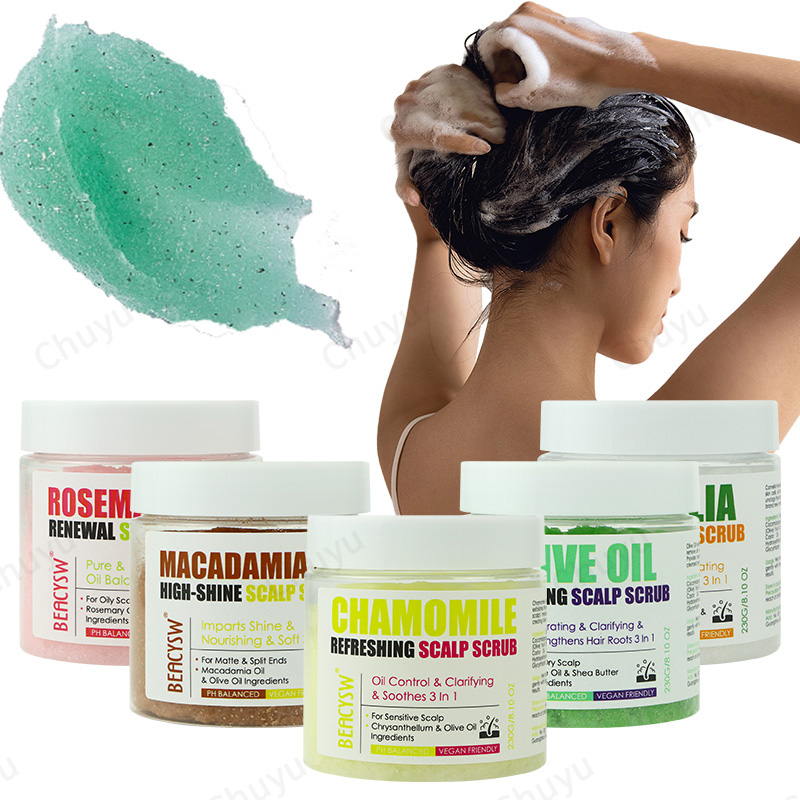
The scalp is skin, but it’s often neglected. Its acid mantle works just like the skin’s, defending against microbes and keeping hair follicles healthy. Shampoos with a high pH can cause problems like:
- Itchy, flaky scalp
- Oily buildup
- Dandruff
- Weak or brittle hair
Color-treated or curly hair is especially sensitive to pH shifts. The wrong shampoo can lift the hair cuticle, making strands rough and prone to breakage.
Common Causes Of Ph Imbalance
Many everyday habits and products can push your pH in the wrong direction. Here are key culprits:
- Harsh soaps and cleansers: Many soaps have a pH of 9 or higher.
- Over-washing: Frequent washing strips natural oils and acids.
- Hot water: Hot showers can disrupt the acid mantle.
- Chemical treatments: Hair dyes, perms, and relaxers are highly alkaline.
- Environmental factors: Pollution and hard water can shift your pH.
- Certain skin conditions: Eczema and seborrheic dermatitis raise skin pH.
How To Measure Ph Of Skin And Scalp
Most people don’t need to test their skin or scalp pH at home, but if you’re curious, you can try these methods:
- PH test strips: Special strips can give a rough estimate. Press the strip on the skin or scalp and compare the color to the chart.
- Professional analysis: Dermatologists or trichologists (hair specialists) use electronic meters for more precise readings.
Keep in mind that at-home tests are less accurate. It’s more important to notice how your skin and scalp feel and react to products.
Choosing Ph-balanced Products
Product labels often say “pH balanced,” but what does that mean? True pH-balanced products are formulated close to your skin or scalp’s natural pH.
What to look for:
- Products labeled pH 4.5–5.5
- Mild, sulfate-free cleansers
- Acidic or slightly acidic shampoos and washes
What to avoid:
- Bar soaps (often pH 9–10)
- Strong detergents (like sodium lauryl sulfate)
- Products with “alkaline” in the name
Even if a product is labeled “natural,” it may still have the wrong pH. Always check the details or ask the brand for pH information.
Comparing Ph Levels Of Common Products
It’s helpful to see how different products compare for skin and scalp care. Here’s a side-by-side look:
| Product Type | Typical pH Range | Effect on Skin/Scalp |
|---|---|---|
| Bar Soap | 9.0 – 10.0 | Disrupts acid mantle, causes dryness |
| “pH Balanced” Cleanser | 4.5 – 5.5 | Keeps barrier healthy |
| Shampoo (regular) | 5.0 – 7.0 | Can be too alkaline for scalp |
| Baby Shampoo | 7.0 | Mild, but not ideal for adults |
| Face Toner (acidic) | 3.5 – 5.0 | Helps restore pH after washing |
| Chemical Peels | 2.0 – 4.0 | Can be harsh; use only as directed |
This comparison shows why choosing the right product is key to maintaining your acid mantle.
How To Restore And Maintain Optimal Ph
If your skin or scalp feels off—itchy, tight, flaky, oily, or breaking out—it may be time to focus on pH. Here’s how to get things back on track:
1. Switch To Ph-balanced Cleansers
Look for products specifically labeled as pH 4. 5–5. 5. These support your barrier rather than stripping it. Avoid bar soaps and harsh detergents.
2. Don’t Over-cleanse
Washing your face or scalp too often removes protective oils and acids. For most people, once or twice a day is enough.
3. Use Lukewarm Water
Hot water can damage the acid mantle. Stick to warm or cool water when washing your face or hair.
4. Apply A Ph-adjusting Toner
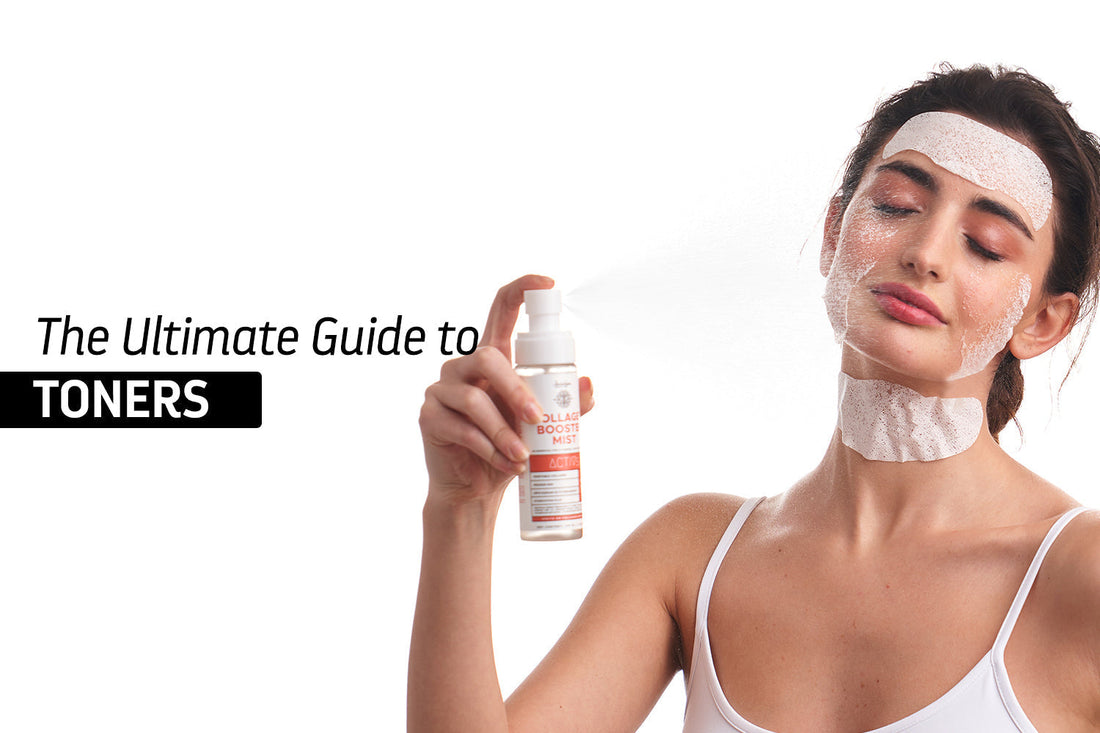
After cleansing, a mildly acidic toner (pH 4–5) can help restore balance. Look for ingredients like lactic acid, apple cider vinegar, or aloe vera.
5. Moisturize Regularly
A good moisturizer locks in hydration and supports your barrier. Choose products with ceramides, fatty acids, and cholesterol.
6. Protect From Environmental Stress
Pollution, sun, and wind can all disrupt your skin’s pH. Use sunscreen and cover up when needed.
7. Avoid Overuse Of Actives
Strong acids or retinoids can drop pH too low. Use them as directed and give your skin time to adjust.
8. Watch Hair Treatments
Chemical relaxers, dyes, and perms are highly alkaline. Use a post-treatment acidic rinse or mask to help restore scalp pH.
9. Listen To Your Skin And Scalp
If something feels wrong, stop using new products. Sometimes, less is more.
The Science Behind Ph And The Microbiome
Your skin and scalp are home to billions of tiny organisms—bacteria, fungi, and more. This microbiome works with your acid mantle to keep your skin and scalp healthy.
An acidic pH supports “good” bacteria and keeps the “bad” ones in check. When pH rises (becomes more alkaline), harmful bacteria like *Staphylococcus aureus* or fungi like *Malassezia* can take over. This can lead to acne, dandruff, or infections.
Recent studies show that restoring the right pH can quickly improve the balance of your skin’s microbiome. For example, one study found that using a pH 5. 5 cleanser reduced acne bacteria in just a few weeks.
Ph And Common Skin/scalp Problems
Let’s look at how pH relates to some frequent issues:
Acne
Acne-prone skin often has a higher pH. Alkaline cleansers can make breakouts worse by allowing acne bacteria to multiply. Using a slightly acidic cleanser helps keep pores clear and bacteria in check.
Eczema
People with eczema have a weaker barrier and higher skin pH. Restoring pH with gentle, acidic products can reduce flare-ups and itching.
Dandruff
Dandruff is linked to a fungus called *Malassezia*. This fungus grows faster in alkaline environments. Using a scalp wash with a pH of 5. 0–5. 5 can help control dandruff.
Dryness And Sensitivity
When the acid mantle is damaged, skin loses moisture easily. This leads to tightness, flaking, and redness. Acidic products help rebuild the barrier and lock in hydration.
Ph And Hair Health
While the scalp’s pH matters for comfort and flake control, the hair shaft itself is also affected by pH. Hair is made of keratin, and its outer layer (the cuticle) can open or close depending on pH.
- Acidic pH (4–5): Cuticle stays smooth and flat, hair looks shiny and feels soft.
- Alkaline pH (8+): Cuticle opens, hair feels rough, tangles, and is prone to breakage.
Many conditioners are acidic for this reason—they help “close” the cuticle after washing or coloring.
Example: The Ph Of Hair Products
| Product | Typical pH | Effect on Hair |
|---|---|---|
| Clarifying Shampoo | 6.0 – 7.5 | Removes buildup, may dry hair |
| Conditioner | 4.0 – 5.0 | Seals cuticle, adds shine |
| Hair Dye/Relaxer | 9.0 – 12.0 | Opens cuticle for color/straightening, can damage |
| Leave-In Spray | 4.5 – 5.5 | Protects and smooths hair |
How To Check The Ph Of Your Products
If the product label doesn’t list pH, there are a few ways to find out:
- Contact the brand: Most companies will tell you the pH if you ask.
- Test with pH strips: Place a drop of the product on a test strip.
- Check online reviews or databases: Some websites list pH levels for popular products.
Remember, the goal is to keep your routine mostly in the acidic range (4. 5–5. 5), especially for cleansers and leave-in products.
Diy Tips: Balancing Ph At Home
You don’t always need expensive products to support your skin and scalp’s pH. Here are a few simple ideas:
Apple Cider Vinegar Rinse
Mix 1 part apple cider vinegar with 3–4 parts water. After shampooing, pour over your scalp and hair, leave for 1–2 minutes, and rinse. This can help reset scalp pH and add shine to hair.
Aloe Vera Gel
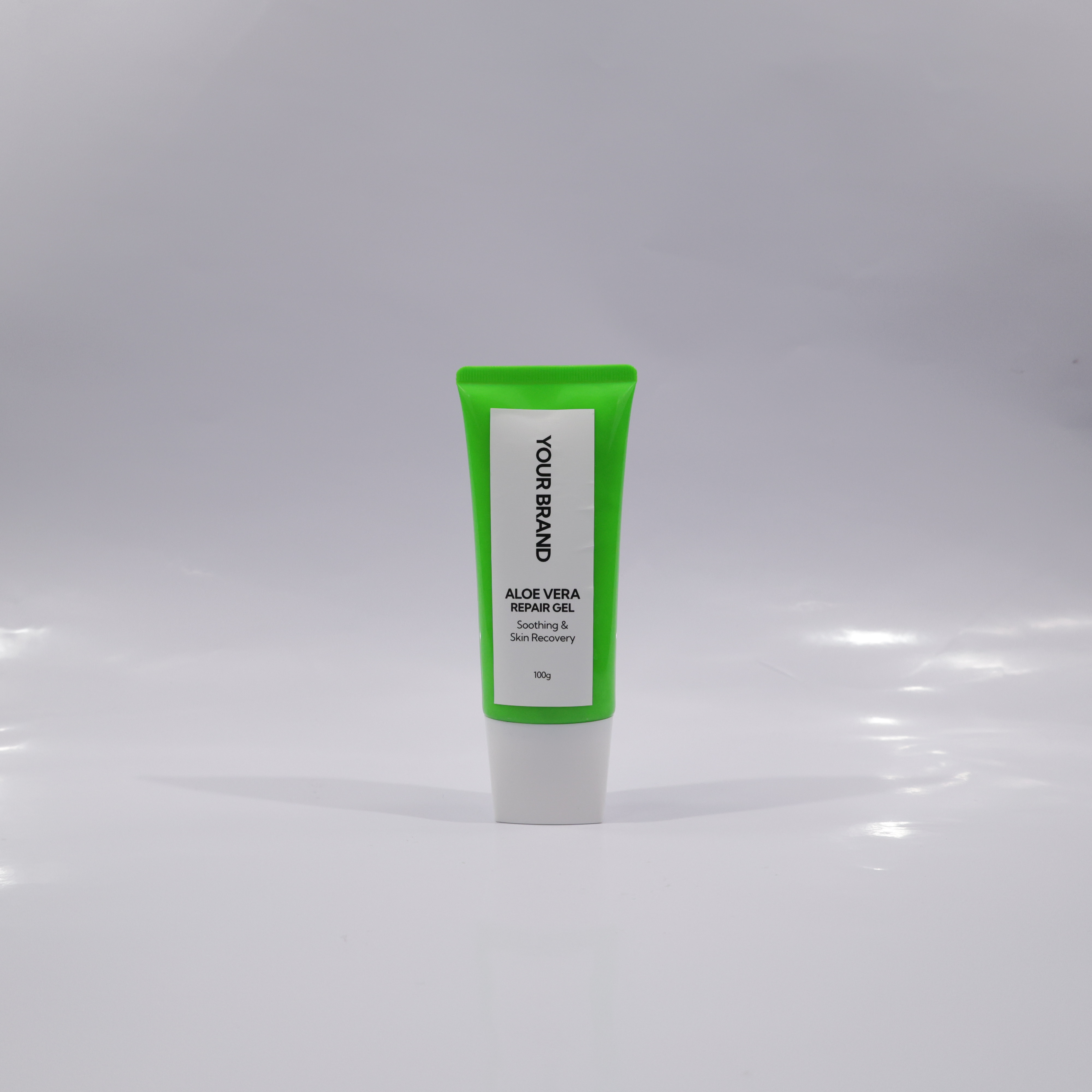
Aloe vera is naturally slightly acidic (pH 4. 5–5. 5). Use pure aloe vera gel as a soothing mask for irritated skin or scalp.
Oatmeal Mask
Colloidal oatmeal has a pH close to skin and helps calm irritation. Mix with water to make a paste and apply for 10–15 minutes.
Two insights beginners often miss:
- Overusing “deep cleaning” or alkaline products may feel refreshing short term but slowly destroys your acid mantle, leading to long-term problems.
- Many people think baby shampoo is safest for adults, but its neutral pH is not ideal for grown-up skin or scalp.
How Age And Genetics Affect Ph
Your skin and scalp pH can change over time and due to your genes.
- Babies: Skin pH is close to neutral at birth but becomes acidic in the first year.
- Elderly: Skin becomes more alkaline with age, which weakens the barrier and increases dryness.
- Genetics: Some people naturally have a stronger or weaker acid mantle. If you have sensitive skin, you may need to be extra careful with your pH choices.
Credit: indulgeoessentials.com
Ph And Cultural Differences
Your environment and traditions play a role in pH balance. For example:
- In areas with hard water (high in minerals), skin and scalp pH can rise, leading to dryness.
- Traditional soaps in some cultures are very alkaline.
- Natural oils (like argan or coconut) used in some regions can help balance pH.
If you move to a new climate or use different water, your skin and scalp might need time to adjust.
The Role Of Diet In Skin And Scalp Ph
What you eat does not change your skin or scalp pH directly, but certain foods can support your barrier:
- Healthy fats: Omega-3 and omega-6 support skin flexibility and moisture.
- Antioxidants: Vitamins A, C, and E help fight environmental damage.
- Hydration: Drinking enough water keeps your barrier working well.
Avoiding very spicy or sugary foods may help if you have sensitive skin, but remember, pH is mostly controlled from the outside.
Credit: plantin.alibaba.com
Myths About Skin And Scalp Ph
It’s easy to get confused by marketing claims or common advice. Here are some myths, debunked:
- “The lower the pH, the better.” Not true—very acidic products can irritate skin.
- “Alkaline cleansers are stronger.” They may clean well, but they damage the acid mantle.
- “You can change your skin’s pH permanently.” No, your body is always working to restore balance, but you can help or hurt the process.
Signs Your Ph Is Off
Pay attention to how your skin and scalp feel. Some clear signs of pH imbalance include:
- Persistent dryness or oiliness
- Itching or flaking
- Sudden sensitivity to products
- Breakouts or irritation after washing
- Dull, lifeless hair
If these happen, review your routine and look for high- or low-pH products.
Credit: plantin.alibaba.com
Professional Treatments And Ph
Dermatologists and trichologists use specialized treatments to help restore pH:
- Acidic peels for acne or aging
- Barrier-repair creams for eczema
- Scalp masks for dandruff
If you have a chronic problem, see a professional. They can recommend products and treatments suited for your skin or scalp’s needs.
Future Trends: Ph In Skincare And Haircare
The beauty industry is putting more focus on pH. New products are designed to mimic the skin’s natural acidity. Smart devices are being tested to measure skin pH at home. Some brands now use probiotics or prebiotics to support your skin’s microbiome and acid mantle.
These trends mean you’ll see more options for pH-balanced care, but also more confusing claims. Always look for clear pH numbers and gentle, evidence-based ingredients.
Summary Table: Optimal Ph Ranges
Here’s a quick reference for the best pH ranges for skin, scalp, and hair:
| Area | Optimal pH Range | Why It Matters |
|---|---|---|
| Facial Skin | 4.5 – 5.5 | Strong barrier, fewer breakouts |
| Body Skin | 4.7 – 5.7 | Moisture retention, less irritation |
| Scalp | 4.5 – 5.5 | Flake control, healthy follicles |
| Hair Shaft | 4.0 – 5.5 | Smooth, shiny hair |
Practical Steps To Maintain Healthy Ph
To keep your skin and scalp in their optimal state, follow these simple steps:
- Choose cleansers labeled pH 4.5–5.5.
- Limit washing to once or twice daily.
- Rinse with lukewarm, not hot, water.
- Use a mild toner to reset pH after cleansing.
- Moisturize right after washing.
- Avoid harsh chemical treatments when possible.
- Pay attention to how your skin and scalp feel.
- Switch products if you notice irritation or dryness.
Remember, healthy skin and scalp start with the right pH.
Frequently Asked Questions
What Is The Fastest Way To Restore Skin Or Scalp Ph?
The quickest method is to stop using harsh, alkaline products and switch to a pH-balanced (4. 5–5. 5) gentle cleanser. Applying a mildly acidic toner (like diluted apple cider vinegar or a commercial pH-restoring spray) can also help. Within a few days, most people notice less irritation and better moisture.
Can I Use The Same Ph-balanced Product For Both Skin And Scalp?
Yes, many mild cleansers and toners with a pH of 4. 5–5. 5 are safe for both face and scalp. However, products designed for hair may have added ingredients not suitable for facial skin, so check the label. Always patch-test new products before using them widely.
Are Natural Or Homemade Products Always Better For Ph?
Not necessarily. Some natural products (like soap made from lye) are actually very alkaline. Homemade recipes may not have the right pH unless you test and adjust them. Always check pH when making or choosing DIY products.
How Do I Know If A Product’s Ph Is Right For Me?
Look for products labeled “pH balanced” with numbers between 4. 5 and 5. 5. If the pH is not listed, contact the brand or check online reviews. If your skin or scalp feels calm, hydrated, and not irritated after use, the product is likely in the right range for you.
Where Can I Learn More About Ph And Skin Health?
You can find in-depth information from dermatology organizations and research journals. One trusted source is the National Institutes of Health, which publishes detailed scientific articles about skin barrier and pH.
Finding the right pH for your skin and scalp is not complicated, but it does take a little attention. By understanding your acid mantle and making a few smart choices, you can enjoy healthier, more comfortable skin and hair every day.
Your barrier will thank you, and you’ll see the results in the mirror and feel them every time you touch your skin or hair.