

Every skincare lover has faced it: you finish your careful routine, apply moisturizer, and suddenly, tiny balls of product start rubbing off your face. This is called pilling, and it’s one of the most annoying skincare problems. It can make your skin look patchy, waste expensive products, and ruin your makeup. Even if you follow every step perfectly, moisturizer pilling can still happen. The good news? You can prevent it once you understand why it happens and what to do about it.
Let’s dive deep into why your products ball up and how to fix it for good. Whether you’re a beginner or a skincare enthusiast, you’ll find practical advice, expert tips, and answers to questions you didn’t even know you had.
What Is Moisturizer Pilling?
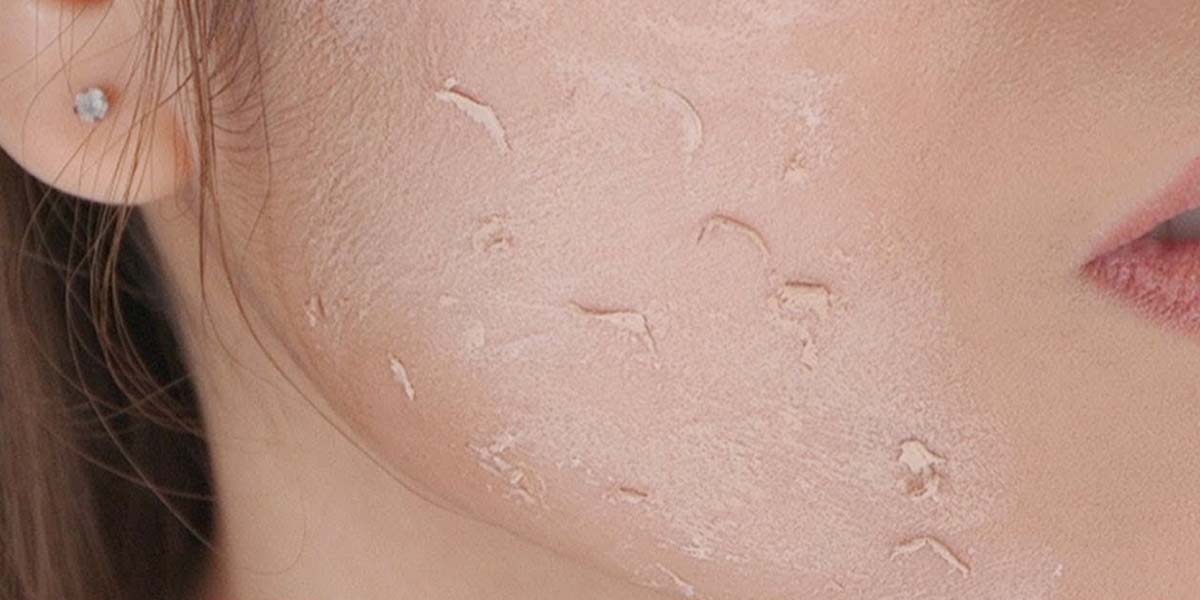
Moisturizer pilling is when tiny balls or flakes of product form on your skin as you rub in or layer your skincare. It looks like little eraser shavings, and it means your products aren’t absorbing the way they should. This isn’t just a small annoyance—it can stop your skin from getting the real benefits of your routine.
Pilling is most common with moisturizers, but it can happen with sunscreens, serums, or makeup too. It often appears when you layer several products, but sometimes just one product can cause it.
Why Do Skincare Products Pill? The Real Reasons
Understanding why pilling happens is the first step to solving it. Here are the main causes:
- Too many layers: If you use several products, especially thick ones, they may sit on top of the skin instead of absorbing. When you rub in the next product, the layers mix and ball up.
- Ingredients that don’t mix well: Some ingredients, like high amounts of silicones (dimethicone, cyclopentasiloxane), certain polymers, or heavy oils, don’t combine smoothly with others. This causes them to separate and form balls.
- Rubbing too much or too soon: If you don’t give each layer enough time to absorb, the next product can disturb the layer below. Rubbing too hard can also make pilling worse.
- Using too much product: More is not always better. A thick layer can’t absorb fully, so the extra sits on the surface and pills when touched.
- Dry or flaky skin: Dead skin cells create a rough surface. Products can’t sink in evenly, so they roll off with the flakes.
- Wrong product order: Some products are meant to go first. If you layer heavy creams before lighter serums, the serums won’t absorb and may pill.
- Low-quality formulas: Cheaper products may use fillers or poor emulsifiers that don’t blend well with other skincare or makeup.
- Mixing incompatible brands: Not all brands test their products to work together. One product’s texture might not blend with another’s.
- Humidity and climate: In dry air, products dry on top of the skin instead of soaking in, leading to pilling.
- Expired or old products: The texture and consistency can change, making them prone to pilling.
How To Prevent Moisturizer Pilling: Proven Strategies
Now that you know what causes pilling, here are practical steps to avoid it. These tips work for all skin types and routines.
1. Exfoliate Regularly
Dead skin cells are a main reason products don’t absorb. Gentle exfoliation removes the rough layer and lets products sink in. Use a chemical exfoliant (like AHA or BHA) 1-3 times a week, depending on your skin. Avoid scrubbing too hard, which can irritate your skin.
2. Use Less Product
Start small—a pea-sized amount is enough for most moisturizers. You can always add more if needed. This helps the skin absorb everything without leaving excess on the surface.
3. Layer Products In The Right Order
The basic rule: lightest to heaviest. Start with watery products (toners, essences), then move to serums, lotions, moisturizers, and finally oils or sunscreen. This helps each layer absorb properly.
4. Wait Between Layers
Give each product 1-2 minutes to absorb before applying the next. If you’re in a hurry, gently pat the product in rather than rubbing.
5. Choose Compatible Formulas
Look for products that are labeled as non-pilling or “works well under makeup.” Water-based products generally layer better than heavy silicone or oil-based ones. If you use a silicone-heavy primer, avoid layering with silicone-heavy moisturizer.
6. Pat, Don’t Rub
Instead of rubbing, try pressing or patting products into your skin. This reduces friction and helps absorption.
7. Avoid Mixing Too Many Actives
Active ingredients like vitamin C, retinol, or niacinamide can be tricky to layer. If you use more than one, let each one absorb fully before the next, or use them at different times of day.
8. Store Products Properly
Heat and light can change the texture of skincare, making it more likely to pill. Store products in a cool, dry place and close lids tightly.
9. Use Fresh Products
Check the expiration date. If a product looks, smells, or feels different, it may be expired and more likely to pill.
10. Test Product Combinations
If you buy something new, test it with your other products on a small patch of skin. This can save you from surprises in your full routine.
How Ingredients Affect Pilling
Not all ingredients are equal when it comes to pilling. Here’s how some common ones behave:
Silicones
Silicones (like dimethicone or cyclopentasiloxane) are smooth and help makeup glide on, but they can cause pilling if layered with other silicone products or heavy creams. If your moisturizer or primer is silicone-heavy, choose water-based foundations and serums.
Oils And Waxes
Heavy oils and waxes can sit on the skin and trap other products, stopping them from absorbing. Try lightweight oils (like squalane) if you have this issue.
Polymers
Many gels and primers contain polymers for a smooth feel. Too many in one routine can lead to balling up. Check your ingredient lists and try to avoid layering multiple polymer-rich products.
Humectants
Humectants like glycerin and hyaluronic acid attract water and usually help absorption. But if used in very dry air, they can pull moisture out of your skin instead, making pilling more likely.
Emulsifiers
Emulsifiers help mix oil and water in creams. Cheap or poor-quality emulsifiers can separate, especially if you mix brands.
Here’s a comparison of common moisturizer ingredients and their effect on pilling:
| Ingredient | Texture | Pilling Risk | Tip |
|---|---|---|---|
| Dimethicone | Silky, smooth | High (if layered) | Pair with water-based products |
| Shea Butter | Thick, creamy | Medium | Use sparingly, after light layers |
| Glycerin | Light, sticky | Low | Apply to damp skin |
| Squalane | Light oil | Low | Great for sealing in hydration |
| Aloe Vera | Gel | Low | Absorbs quickly, good for layering |
The Role Of Skin Type In Pilling
Your skin type can influence how likely you are to experience pilling.
- Dry skin: More prone to flakiness and pilling, especially if not exfoliated.
- Oily skin: Heavy products may not absorb well, causing balling.
- Combination skin: You may see pilling in dry areas, especially around the nose or cheeks.
- Sensitive skin: Irritation or redness can make pilling more noticeable.
If you have dry or flaky skin, focus on gentle exfoliation and lightweight, hydrating products. For oily skin, avoid thick creams and opt for gels or oil-free moisturizers.
Pilling And Sunscreen: A Special Case
Sunscreen is one of the most important steps in any routine, but it’s also a top cause of pilling. Many modern sunscreens use film formers and silicone for a smooth finish, which can clash with moisturizers or makeup.
Tips to avoid sunscreen pilling:
- Let your moisturizer absorb fully before sunscreen.
- Use a thin, even layer of sunscreen.
- Pat on sunscreen instead of rubbing.
- Choose sunscreens labeled “non-pilling” or “sits well under makeup.”
- If your sunscreen always pills, try a different formula (gel, fluid, or milk types are less likely to ball up).
How To Fix Pilling If It Happens
Even with the best routine, pilling can still surprise you. Here’s what to do:
Stop And Assess
If you see pilling, stop rubbing. More friction will make it worse.
Remove Excess
Gently dust away the pills with a soft tissue or brush. Don’t use water, as it can smear the product and make things patchy.
Reapply Strategically
If possible, remove the layers with pilling and start again, waiting longer between layers or using less product. If you can’t start over, dab on a thin layer of a compatible moisturizer or mist to smooth things out.
Adjust Your Routine
After you fix the immediate problem, look at what caused it. Did you use too much? Did you mix brands? Make a note and tweak your next routine.
Common Beginner Mistakes That Cause Pilling
Many people accidentally create the perfect conditions for pilling without realizing it. Here are common mistakes and how to avoid them:
- Over-applying products: More isn’t better. Use just enough to cover your face.
- Skipping exfoliation: Even the best products won’t absorb well on rough, flaky skin.
- Mixing too many actives at once: Powerful ingredients can clash and cause balling.
- Layering incompatible textures: For example, oil before water-based serum.
- Not waiting between steps: Patience pays off. Let each layer absorb.
- Using old or expired products: These change texture and can pill easily.
- Expecting instant results: Sometimes products need a few minutes to “set.” Give them time.
How Skincare Routine Order Influences Pilling
The order you use your products matters more than you might think. Here’s a quick guide:
- Cleanser: Removes dirt and excess oil.
- Toner/Essence: Preps the skin, adds light hydration.
- Serum: Delivers active ingredients.
- Moisturizer: Seals in hydration.
- Sunscreen (AM only): Protects from UV rays.
If you use oils, apply them last (except for sunscreen). If you use spot treatments, apply them before moisturizer but after serum.
Moisturizer Pilling And Makeup: How To Get A Smooth Finish
Makeup can make pilling more visible, especially foundation and primer. Here’s how to get a flawless base:
- Use a gripping primer: These are made to help makeup stick and resist pilling.
- Let moisturizer and sunscreen absorb fully before makeup.
- Apply foundation with a sponge: Dabbing instead of rubbing helps prevent pilling.
- Avoid heavy layers: Thin, even layers work best.
A common non-obvious insight: Some setting sprays can help “melt” layers together for a smoother look. Try a hydrating spray between steps.

Credit: www.beautifulwithbrains.com
How To Choose Anti-pilling Moisturizers
If you struggle with pilling, look for moisturizers with these qualities:
- Lightweight or gel formulas: These absorb quickly.
- Minimal silicones: Too much can increase pilling risk.
- Non-comedogenic: Won’t clog pores or sit heavily on skin.
- Tested under makeup: Some brands test their moisturizers with makeup for compatibility.
Here’s a simple comparison of popular moisturizer textures:
| Type | Texture | Absorption Speed | Pilling Risk |
|---|---|---|---|
| Gel | Light, watery | Fast | Low |
| Lotion | Light, creamy | Moderate | Medium |
| Cream | Thick, rich | Slow | High |
| Oil | Slick, heavy | Varies | Medium |
Real-world Examples: How People Solved Their Pilling Problems
Learning from others can help you find solutions faster. Here are two real stories:
Example 1: The Overlayering Dilemma
A skincare fan with dry skin used an exfoliating toner, vitamin C serum, hyaluronic acid, moisturizer, face oil, and sunscreen—six products, all before makeup. Every morning, her skin pilled badly. She cut back to toner, serum, moisturizer, and sunscreen, waited 2 minutes between steps, and pilling stopped.
Sometimes, less is more.
Example 2: The Brand Mismatch
A man used a moisturizer from one brand and sunscreen from another. Every time, the sunscreen would ball up. After checking ingredients, he found both had high silicone content. He switched to a water-based sunscreen, and the problem disappeared. Matching product textures can make a big difference.
Extra Tips For Smooth, Pill-free Skin
- Hydrate from within: Drink enough water. Well-hydrated skin absorbs products better.
- Use a humidifier: In dry climates, this helps products stay moist long enough to absorb.
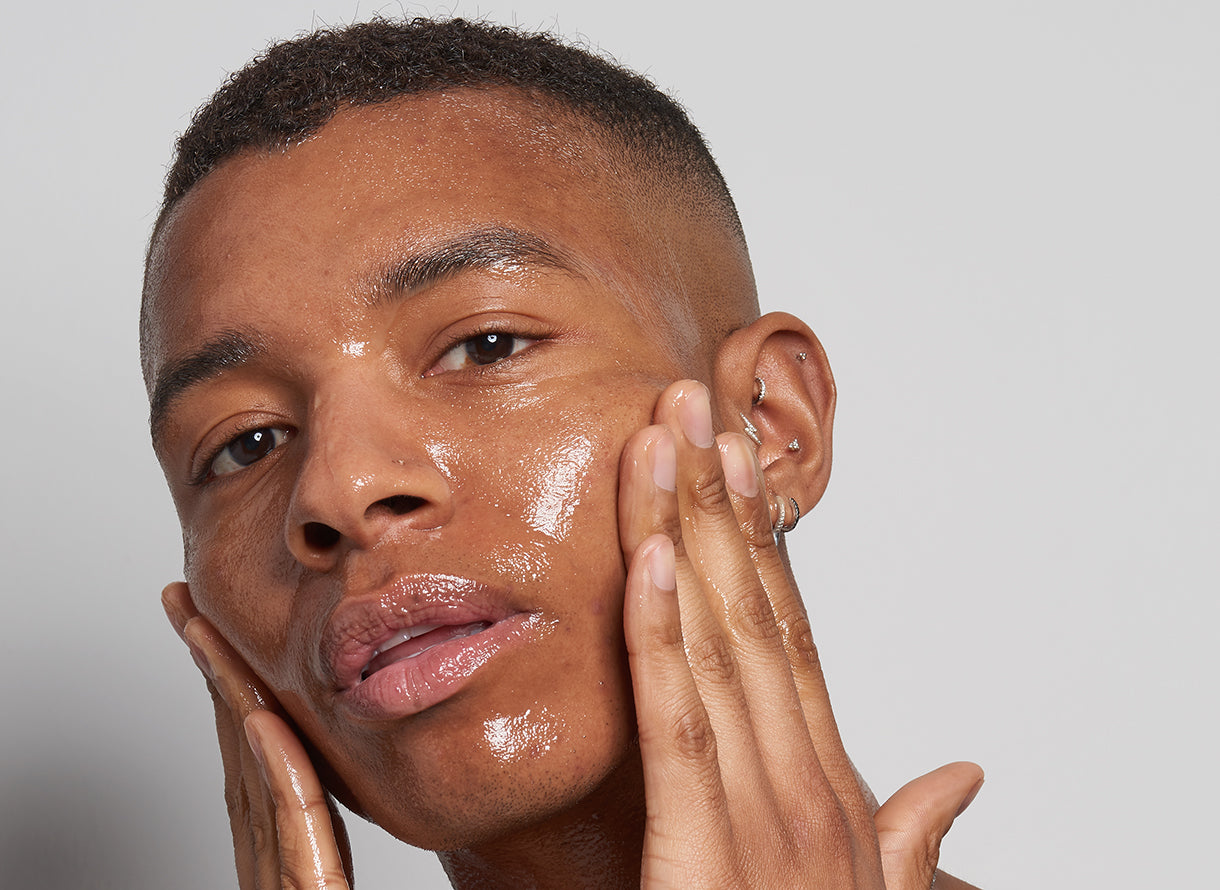
- Apply to damp skin: Especially for hyaluronic acid and glycerin products.
- Don’t skip patch testing: New products may cause unexpected reactions.
- Listen to your skin: If it feels sticky or heavy after your routine, you may have used too much.
A tip many beginners miss: If your routine is working, don’t change it just because a new product is trending. Consistency is key.
How Product Quality And Price Relate To Pilling
It’s tempting to think that expensive products never pill, but that’s not true. Sometimes, even premium creams ball up if the formula is heavy or not suited to your skin type. However, higher-quality products usually use better emulsifiers and more stable ingredients, which can reduce pilling.
Here’s a general overview:
| Price Range | Typical Formula Quality | Pilling Likelihood |
|---|---|---|
| Low (drugstore) | Basic, may use more fillers | Medium |
| Mid-range | Balanced, usually stable | Low to Medium |
| High (luxury) | Advanced, premium ingredients | Low (but not zero) |
Remember, what matters most is how a product suits your skin, not just the price.
Credit: amperna.com
The Science Of Absorption: Why Some Products Sink In And Others Don’t
Skin has a natural barrier called the stratum corneum. It only lets certain ingredients pass through easily. The main factors that affect absorption are:
- Molecular size: Smaller molecules absorb better. Large ones, like some silicones and heavy oils, tend to sit on the surface.
- Product texture: Watery or gel products absorb faster than creams.
- Skin condition: Damaged or dry skin may absorb unevenly.
A non-obvious insight: Applying products to slightly damp skin can help absorption, but if your skin is too wet, it can dilute the product and reduce effectiveness.
How To Read Ingredient Lists For Pilling Risk
When shopping for moisturizers or serums, check for these red flags:
- High on the list: Silicones, waxes, or polymers (especially if they appear in the first 5 ingredients)
- Multiple thickening agents: Like carbomer, xanthan gum, or cetearyl alcohol
- Lots of film formers: Ingredients like acrylates or copolymers
If you see several of these, the product may be more likely to pill, especially if you use other heavy products.
Credit: www.theinkeylist.com
When To See A Dermatologist
If you’ve tried all the tips above and still get severe pilling, it could be a sign of an underlying skin condition, like eczema or psoriasis. In rare cases, pilling can be confused with skin shedding or irritation. If you notice redness, itching, or rash, consult a dermatologist for advice.
Frequently Asked Questions
What Is The Main Cause Of Moisturizer Pilling?
The most common cause is layering too many products or using formulas that don’t mix well together. Too much product, not enough absorption time, or certain ingredients like silicones can all make pilling worse.
Can I Prevent Pilling If I Have Very Dry Skin?
Yes, but it takes more care. Focus on regular exfoliation to remove flakes, use lightweight hydrating products, and always apply moisturizer to slightly damp skin. Give each layer time to absorb before moving on.
Does The Brand Of Moisturizer Matter For Pilling?
Sometimes. Different brands use different formulas, so mixing products from various brands can increase the risk of pilling. Try using products from the same brand or line, or always patch test new combinations.
Is Moisturizer Pilling Harmful To My Skin?
No, pilling itself isn’t harmful, but it means your skincare isn’t working as well as it should. Your skin may not get full hydration or protection. Fixing pilling helps you get the most from your routine.
Where Can I Learn More About Skincare Ingredients And Pilling?
A trusted resource is the National Institutes of Health, which shares research on skin absorption and product formulation.
Finding the right routine is a journey, but understanding moisturizer pilling puts you ahead. With smart layering, the right products, and a gentle touch, you’ll enjoy smoother, healthier skin—and get the full benefit of every product you use.