

Collagen Supplements: Do They Really Work for Hair, Skin, and Nails
Looking for smoother skin, healthier hair, and stronger nails? You’ve probably seen collagen supplements everywhere—powders, capsules, drinks, even protein bars. Promises of anti-aging, fast hair growth, and “glowing” skin are everywhere. But do collagen supplements really work for hair, skin, and nails, or are they just another trend?
Let’s explore what collagen is, how it works, what science says about these supplements, and what you should know before trying them. This guide will help you make a smart decision with facts, not hype.
What Is Collagen And Why Does It Matter?
Collagen is a protein found throughout your body. It’s in your skin, hair, nails, bones, muscles, and more. In fact, it’s the most common protein in your body—making up about one-third of your total protein. Think of it as the “glue” that keeps everything together.
Collagen fibers are like ropes. They provide structure and firmness. Without enough collagen, your skin loses its strength and becomes saggy. Your hair and nails can also become weak and break easily.
As you get older, your body naturally makes less collagen. This usually starts in your mid-20s and speeds up after age 40. By age 60, your body produces much less than when you were young. Sun exposure, smoking, poor diet, and stress can speed up this loss.
Less collagen means thinner skin, wrinkles, brittle nails, and hair that breaks more easily.
That’s why collagen supplements are so popular. They promise to help your body rebuild what’s lost. But is it really that simple? It’s important to remember that collagen is not just about beauty. Collagen also keeps your joints, bones, and connective tissues strong.
So, when your body loses collagen, you may also feel more joint pain or stiffness, not just changes in how you look.
Types Of Collagen And Their Functions
There are at least 16 types of collagen, but three are the most important for skin, hair, and nails:
- Type I Collagen: Most common in skin, hair, nails, tendons, and bones. It gives skin strength and structure. About 90% of the collagen in your body is Type I.
- Type II Collagen: Found mostly in cartilage and joints. It’s important for smooth movement and protecting your joints from wear and tear.
- Type III Collagen: Often found with Type I, important for skin elasticity and blood vessels. It helps your skin stretch and bounce back.
Most supplements contain hydrolyzed collagen (also called collagen peptides). This means the collagen is broken down into smaller pieces, making it easier for your body to absorb. Hydrolyzed collagen mixes easily with water and has no strong taste or smell, which is why it’s used in most powders and drinks.
Some products may also contain “gelatin,” which is a less broken-down form of collagen. While gelatin can also be good for the skin and joints, it’s less popular because it does not dissolve as well in cold liquids.
How Collagen Supplements Work In The Body
When you take a collagen supplement, your body digests it like any other protein. The collagen is broken down into amino acids and small peptides in your stomach. These pieces then travel into your bloodstream.
Your body uses these amino acids to build new proteins wherever they’re needed. This could be in your skin, hair, nails, or even your joints. It’s a bit like taking apart a brick wall, carrying the bricks somewhere else, and using them to build a new wall.
Here’s a key point: Your body decides where to use these amino acids. There’s no guarantee they’ll go straight to your skin, hair, or nails. However, some research suggests that when you take collagen regularly, your body may increase collagen production in your skin.
Also, taking collagen may send signals to your cells to make more collagen on their own. This “tricks” your body into thinking it needs to repair or build more collagen, which can help with skin repair and other benefits.
Non-obvious insight: Collagen supplements are not just for the skin—they may also help your gut lining and bone strength because these areas also use collagen.
What Science Says: Collagen For Skin
Most research on collagen supplements focuses on skin health. Let’s look at what the studies show:
- A review of 19 studies published in 2021 found that people who took hydrolyzed collagen for 8-12 weeks saw improvements in skin elasticity, hydration, and wrinkle depth.
- One clinical trial with 69 women aged 35-55 showed that after eight weeks of daily collagen peptides, skin elasticity improved compared to a placebo.
- Another study found that women taking 2.5–5 grams of collagen daily for eight weeks had significantly higher skin hydration and reduced wrinkle depth.
These results sound promising. But it’s important to know that most studies are small and funded by supplement companies. More independent research is needed.
Other studies have measured changes in skin roughness, firmness, and color. While improvements are often small, many people notice their skin feels smoother and looks “plumper” after a few months of use. Some dermatologists say collagen can make the skin look more youthful, especially in people over 35 who have started to lose collagen naturally.
How Collagen May Help Your Skin
- Increases skin hydration: Collagen attracts water, keeping skin moist. Dry skin can look dull and wrinkled, so improved moisture helps skin look fresher.
- Improves elasticity: Collagen fibers give skin its “bounce.” This is why younger skin snaps back when pinched, while older skin stays wrinkled.
- Reduces wrinkles: More collagen helps fill in fine lines. This works best for shallow wrinkles, not deep folds.
- Supports wound healing: Collagen is key for repairing skin. It helps new skin cells grow and close small cuts or scratches faster.
Non-obvious insight: Vitamin C is needed for your body to make collagen. If you’re low in vitamin C, collagen supplements may not work as well. Citrus fruits, berries, and peppers are good sources of vitamin C.
Another detail beginners miss: Sun protection is just as important. UV light destroys collagen in your skin, so if you don’t use sunscreen, you may not see good results from supplements.
Collagen And Hair Growth: Is There Evidence?
Hair is made mostly of keratin, not collagen. But collagen supports the scalp’s structure and provides amino acids used to build keratin.
- Some small studies and animal research suggest collagen supplements may help reduce hair thinning and promote hair growth. For example, collagen may protect hair follicles from damage and help the scalp stay healthy.
- A 2012 study found that certain collagen peptides could stimulate hair follicle cells in a lab.
- There’s not much strong human data yet, but many people report less hair shedding and thicker hair after using collagen for several months.
Collagen may also help by fighting free radicals, which are tiny molecules that damage hair follicles and cause hair to weaken. By providing important amino acids and antioxidants, collagen can give your hair a better chance to grow strong.
Non-obvious insight: Stress, hormones, and diet often affect hair more than collagen levels. Collagen may help, but it’s not a fix for all hair loss causes. If you have sudden hair loss, it’s best to check for iron deficiency, thyroid problems, or hormone changes as well.
For best results, combine collagen with good scalp care, gentle brushing, and a nutrient-rich diet.
Collagen For Stronger Nails: What Research Shows
Brittle, splitting nails are a common problem, especially with age. Collagen is a major part of the nail bed and helps keep nails strong.
- A small study in 2017 found that women who took 2.5 grams of collagen peptides daily for 24 weeks had a 12% increase in nail growth rate and a 42% drop in broken nails.
- Most people in the study also said their nails felt less brittle.
While this is encouraging, this was a small study. More research with larger groups is needed.
Some people notice changes in nail thickness and smoothness after a few months of collagen. Nails may grow faster and feel harder, making them less likely to break or split.
Non-obvious insight: Frequent hand washing, strong soaps, and nail polish removers can also weaken nails. For best results, combine collagen with gentle nail care.
Comparing Collagen Supplements: Powders, Pills, And Drinks
With so many products out there, it’s hard to know what’s best. Here’s a comparison to help you understand the main differences.
| Form | How You Take It | Pros | Cons |
|---|---|---|---|
| Powder | Mix in drinks or food | Flexible dose, easy to mix, often cheaper | Taste can be an issue, may clump |
| Pills/Capsules | Swallow with water | Convenient, no taste | May require many pills for full dose, more expensive |
| Drinks/Ready-to-go liquids | Drink directly | Easy to take, often has flavor | Usually more expensive, added sugars possible |
Most research uses hydrolyzed collagen powder. There’s no strong evidence that one form is much better than another, as long as you get enough.
Powder lets you adjust your dose and add it to any drink or food. Some people even put it in coffee, tea, or oatmeal. Pills are best for those who travel or dislike the taste, but you may need to swallow many pills to get the full dose.
Drinks are convenient but often cost more and may have extra ingredients.
Non-obvious tip: Read labels for added ingredients. Some flavored collagen drinks contain sugar or artificial sweeteners, which may not fit all diets.
Animal Vs. Marine Collagen: Is There A Difference?
Collagen supplements come from animals (usually cows, pigs, or chickens) or fish (marine collagen). Here’s a quick look at how they compare:
| Source | Main Types | Absorption | Cost | Best For |
|---|---|---|---|---|
| Bovine (Cow) | Type I & III | Good | Lower | Skin, hair, nails, joints |
| Marine (Fish) | Type I | Best (smallest peptides) | Higher | Skin, anti-aging, pescatarians |
| Poultry (Chicken) | Type II | Good | Lower | Joints, cartilage |
Marine collagen is often praised for better absorption and being more “bioavailable.” This means your body may use it more easily, but the difference is small for most people.
If you avoid beef or pork for religious or health reasons, marine collagen is a good choice. It also dissolves well in cold liquids. Bovine collagen is usually less expensive and easy to find. Chicken collagen is best for joint health, but not as helpful for skin, hair, or nails.
Non-obvious insight: Marine collagen is less likely to cause allergies, but if you are allergic to fish, avoid it.
The Right Dosage: How Much Collagen Should You Take?
The best dosage depends on the supplement and your goals. But most studies use:
- 2.5 to 10 grams per day of hydrolyzed collagen
- For skin: 2.5–5 grams daily
- For nails: 2.5 grams daily
- For hair: No official dose, but 2.5–5 grams is common
Taking more than 10–15 grams per day doesn’t seem to give better results.
Tip: Take collagen with vitamin C to help your body use it. Some supplements include vitamin C, but you can also eat a piece of fruit with your dose.
Non-obvious detail: Consistency is more important than timing or amount. Skipping days or stopping and starting will not give good results.
How Long Before You See Results?
Many people expect fast results, but collagen works slowly. Here’s what research and user reports suggest:
- Skin: 4–12 weeks for improved hydration and elasticity
- Hair: 3–6 months for reduced shedding and stronger hair
- Nails: 2–6 months for less breakage and faster growth
Individual results vary. Your age, diet, and lifestyle all play a role.
It’s best to take photos and notes before you start so you can track changes. Some people see results in as little as four weeks, but most need at least two to three months.
Non-obvious insight: If you stop taking collagen, the benefits may fade after a few months, since your body will continue to lose collagen with age.
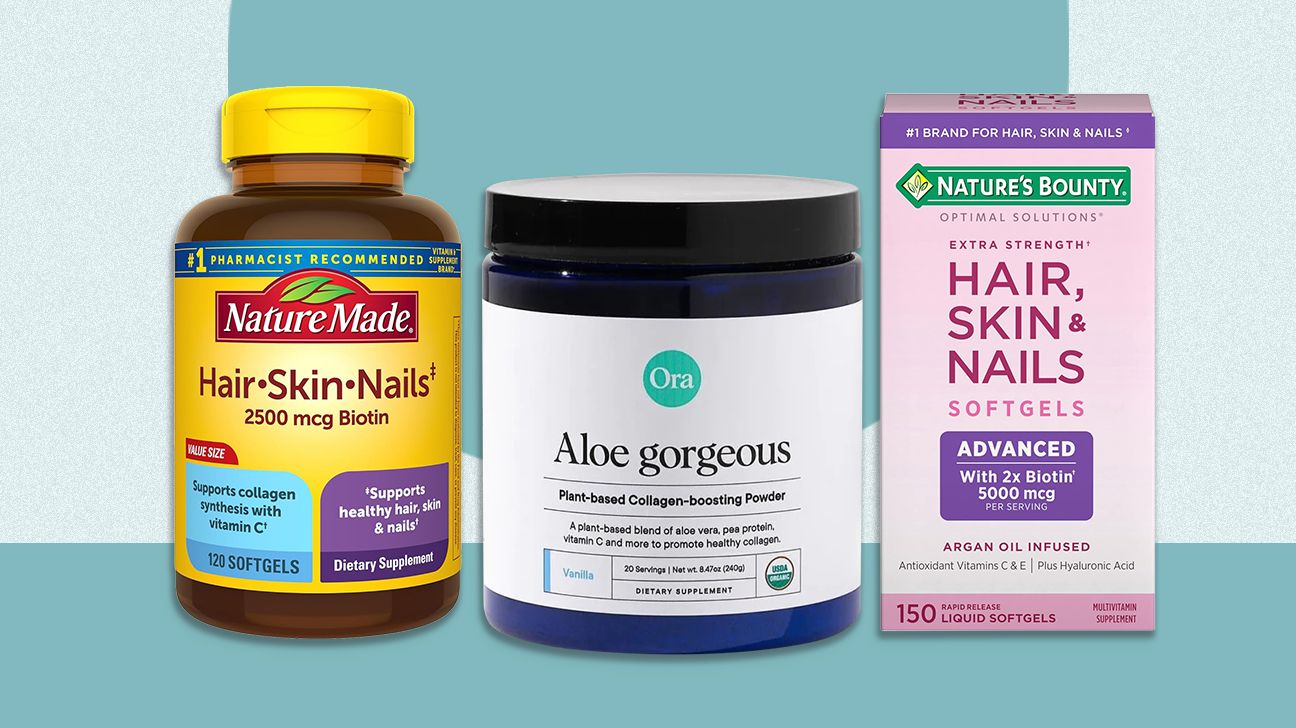
Credit: www.healthline.com
Collagen Supplements Vs. Other Beauty Supplements
Collagen isn’t the only supplement for skin, hair, and nails. How does it compare?
| Supplement | Main Benefit | Best For | Downside |
|---|---|---|---|
| Collagen | Hydrates skin, supports structure | Skin aging, brittle nails | Expensive, not vegan |
| Biotin | Supports keratin production | Hair and nail strength | Rarely helps unless you’re deficient |
| Vitamin C | Boosts collagen production | All-around skin health | Overdose can cause stomach upset |
| Hyaluronic Acid | Hydrates skin | Dry, aging skin | Effect mostly topical, not oral |
Collagen is unique because it provides the building blocks for your skin, hair, and nails. Other supplements may help, but they don’t replace collagen.
Biotin is helpful for people with a true deficiency, but most people get enough in their diet. Vitamin C helps your body make collagen, but can’t replace it. Hyaluronic acid is best used as a cream or serum on the skin, rather than in pills.
Non-obvious tip: Combining collagen with vitamin C and a balanced diet gives better results than using just one supplement.
Are Collagen Supplements Safe?
For most healthy adults, collagen supplements are considered safe. Side effects are rare and usually mild. Some people report:
- Stomach upset or fullness
- Bad taste
- Allergic reactions (especially with fish or egg-based collagen)
If you have allergies to fish, eggs, or certain animals, read labels carefully. Pregnant or breastfeeding women should talk to a doctor before using collagen supplements.
Non-obvious insight: Some collagen supplements contain added ingredients like sweeteners, flavors, or vitamins. Always check the label if you have sensitivities.
Rarely, people with kidney problems may need to avoid extra protein. If you take medicine or have health conditions, check with your doctor before starting a supplement.
Choosing A Quality Collagen Supplement
Not all supplements are created equal. Here’s what to look for:
- Source: Bovine, marine, or chicken. Choose based on your dietary needs.
- Type: For skin, hair, and nails, look for Type I or a mix of Type I & III.
- Hydrolyzed: Easier to digest and absorb.
- Third-party tested: Ensures purity and safety.
- No unnecessary additives: Avoid sugar, artificial flavors, and fillers.
Look for brands that are transparent about their sourcing and testing. Third-party testing means an outside company checks the supplement for purity and safety.
Don’t fall for “magic” claims. Even the best collagen can’t guarantee perfect skin or hair.
Non-obvious tip: Collagen from grass-fed or wild-caught animals is often considered higher quality, but there is little scientific proof that it works better.
Common Myths About Collagen Supplements
With so much hype, there are many myths about what collagen supplements can and can’t do.
- Myth 1: Collagen supplements erase wrinkles overnight.
- Fact: Results take time, and they’re often modest.
- Myth 2: All collagen supplements are the same.
- Fact: Source, type, and processing matter for quality and absorption.
- Myth 3: Collagen is only for women or older adults.
- Fact: Collagen helps anyone with skin, hair, or nail concerns.
- Myth 4: Topical collagen creams work as well as supplements.
- Fact: Collagen molecules are too big to enter skin from creams.
- Myth 5: Collagen supplements can replace a healthy diet.
- Fact: They support, but can’t replace, good nutrition.
Another myth is that more collagen means better results. In truth, your body can only use a certain amount each day.
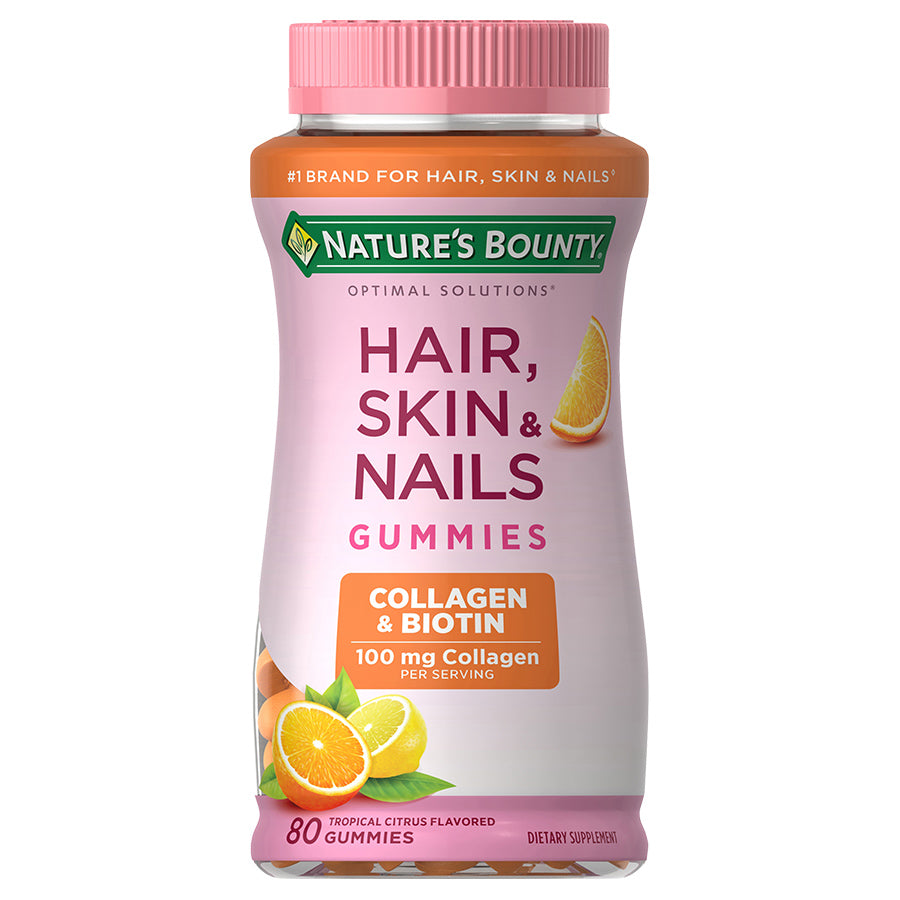
Credit: naturesbounty.com
Who Should Avoid Collagen Supplements?
While collagen is safe for most, some people should avoid it or speak to a doctor first:
- Those with allergies to fish, shellfish, eggs, or beef
- People with certain kidney issues (high protein load can be a concern)
- Vegetarians and vegans (collagen is animal-derived)
- Anyone on strict religious or ethical diets
For a plant-based option, look for supplements that support your body’s own collagen production (like vitamin C, zinc, and amino acids from plants).
If you have a chronic illness or take medication, it’s best to check with a healthcare provider before starting collagen.
Are There Ways To Boost Collagen Naturally?
Supplements are not the only way to support your body’s collagen. Here are a few natural tips:
- Eat protein-rich foods: Eggs, lean meats, fish, dairy, beans, tofu, and lentils.
- Get enough vitamin C: Citrus fruits, berries, bell peppers, broccoli, and tomatoes.
- Add zinc and copper: Nuts, seeds, whole grains, and shellfish.
- Protect your skin: Wear sunscreen to prevent sun damage.
- Stay hydrated: Water helps keep skin and nails healthy.
- Limit smoking and alcohol: Both reduce collagen production.
Another way to support collagen is by getting enough sleep and managing stress. Chronic stress and poor sleep increase inflammation, which can break down collagen faster.
Non-obvious tip: Bone broth is a natural source of collagen. Making soup from chicken, beef, or fish bones can add collagen and minerals to your diet.

Credit: www.youtube.com
Realistic Expectations: What Collagen Can And Cannot Do
Collagen supplements can help improve skin hydration, elasticity, and nail strength for some people. Some may notice thicker hair or less shedding. But results vary, and not everyone will see a dramatic change.
Collagen is not a miracle cure. If you have serious hair loss, skin conditions, or nail problems, talk to a doctor. Collagen works best as part of a healthy lifestyle—not as a replacement for medical care.
It’s also important to keep using sunscreen, eat a healthy diet, and avoid smoking for best results. Collagen alone cannot reverse deep wrinkles, baldness, or severe nail problems.
The Bottom Line: Do Collagen Supplements Really Work?
So, do collagen supplements really work for hair, skin, and nails? Science shows they can help—especially for skin hydration and elasticity and reducing brittle nails. There’s also some early evidence they may support hair growth and strength.
However, results are usually modest and take time. Collagen works best when combined with a healthy diet, sun protection, and good skin care. Always choose quality supplements and manage your expectations.
Remember, your body’s ability to use collagen is affected by age, diet, and lifestyle. Supplements can help, but there’s no “magic bullet. ” For most people, collagen is a safe, helpful addition to their beauty routine—but not a miracle.
If you want to see what collagen can do for you, try it for at least 8–12 weeks. Track your results with photos or notes. And if you have concerns or health conditions, talk to a healthcare professional.
For more in-depth science on collagen, visit this research summary.
Frequently Asked Questions
What Is The Best Time Of Day To Take Collagen Supplements?
There is no proven “best” time. Some people take collagen in the morning with breakfast, while others mix it into their evening routine. The most important factor is consistency—take your supplement daily. You can mix collagen powder into coffee, smoothies, or even soups.
Some people find taking collagen with food helps prevent stomach upset. If you notice any digestive issues, try splitting the dose or taking it with a meal.
Can Collagen Supplements Cause Weight Gain?
Collagen itself is low in calories and does not cause weight gain. However, some flavored or pre-mixed collagen drinks contain added sugars or fats. Always check the nutrition label. Collagen supplements are not a source of significant calories.
If you are watching your weight, choose unflavored or plain powders and add them to low-calorie drinks or foods.
Is Collagen Safe For People With Food Allergies?
Collagen supplements are made from animal or fish sources. If you are allergic to beef, fish, shellfish, eggs, or chicken, read the label carefully before using. Some people may react to added ingredients as well. When in doubt, choose third-party tested supplements and consult your doctor.
If you have celiac disease or gluten sensitivity, check that your supplement is certified gluten-free.
Do Vegan Or Plant-based Collagen Supplements Work?
Currently, there is no true vegan collagen. Some supplements are called “plant-based collagen boosters”—they provide nutrients like vitamin C, zinc, and amino acids that help your body make its own collagen. While helpful, they do not supply real collagen peptides.
If you eat a plant-based diet, focus on getting enough protein and vitamin C from whole foods, and consider “collagen booster” products if you wish.
How Can I Tell If My Collagen Supplement Is Working?
Look for changes after 8–12 weeks. Signs include improved skin hydration and elasticity, fewer wrinkles, stronger nails with less breakage, and possibly thicker hair. Take before-and-after photos and note changes. Results vary from person to person, so patience is key.
Some people also notice less joint pain or better recovery after exercise, which may be another sign collagen is working for you.
Collagen supplements are not a cure-all, but they can be a valuable part of your beauty and health routine when used wisely. By understanding how they work and what to expect, you’ll make smarter choices for your skin, hair, and nails.