

After a chemical peel, your skin needs special care. It is sensitive, sometimes red, and often feels tight or dry. Choosing the best moisturizer after chemical peel can make a big difference in how quickly your skin recovers and how good it looks after healing. Many people worry about which product to use, which ingredients to avoid, and how to build a routine for the days and weeks after a peel. This guide will help you understand everything you need to know about post-peel hydration—from the science behind skin recovery to the top moisturizers for different skin types. You will also learn about mistakes beginners often make, and how to avoid them for a smoother, safer healing process.
Why Moisturizing Is Critical After A Chemical Peel
A chemical peel removes the top layers of skin to treat problems like acne, wrinkles, or dark spots. Afterward, your skin loses moisture easily and needs extra support. The skin barrier (the top layer that keeps water in and irritants out) is weakened. If you do not moisturize properly, your skin can become more irritated, take longer to heal, and may even scar.
Moisturizers help by:
- Replacing lost water
- Creating a protective layer
- Reducing redness and discomfort
- Supporting new cell growth
Doctors recommend using a gentle, effective moisturizer right after your peel and for at least 1–2 weeks as your skin recovers.
Key Ingredients To Look For In Post-peel Moisturizers
Not all moisturizers are safe after a chemical peel. Some ingredients can cause burning or stinging, while others soothe and repair. Here are the most important ingredients:
1. Ceramides
These help rebuild your skin’s barrier. Ceramides are natural fats found in healthy skin. After a peel, your skin needs more ceramides to protect against dryness and infection.
2. Hyaluronic Acid
A powerful hydrator, it pulls water into your skin and keeps it there. Hyaluronic acid is safe for sensitive skin and can reduce tightness.
3. Panthenol (vitamin B5)
Panthenol calms redness and speeds up healing. It is gentle and helps keep skin soft.
4. Glycerin
Another humectant, glycerin draws water into the skin and prevents dehydration.
5. Squalane
A lightweight oil that mimics the skin’s natural moisture. Squalane is non-irritating and ideal for dry or sensitive skin.
6. Allantoin
Known for soothing, allantoin reduces irritation and helps skin recover faster.
7. Shea Butter
A rich moisturizer, shea butter locks in hydration and calms the skin.
8. Niacinamide (vitamin B3)
This ingredient supports healing, reduces inflammation, and strengthens the skin barrier.
9. Petrolatum
Petrolatum (like Vaseline) is an occlusive agent. It seals in moisture and protects skin from outside irritants.
10. Aloe Vera
Aloe Vera is famous for calming burns and irritation. It is gentle and helpful after peels.
Ingredients To Avoid
- Fragrance
Perfumes can sting and cause allergic reactions.
- Alcohol
Drying alcohols (like ethanol) remove moisture and irritate skin.
- Acids
Skip products with AHAs, BHAs, or retinoids. They can damage skin further.
- Essential Oils
Natural, but often harsh after a peel.
- Harsh preservatives
Like methylisothiazolinone, which can cause allergies.
Types Of Chemical Peels And Recovery Needs
There are three main types of chemical peels, each with different recovery needs.
1. Superficial Peels
These use mild acids like glycolic or lactic acid. They cause slight redness and dryness. Recovery takes 1–7 days.
2. Medium Peels
These use stronger acids, like trichloroacetic acid (TCA). Skin is red and may swell or peel for 7–14 days.
3. Deep Peels
These use phenol or strong TCA. Recovery can take several weeks. Skin is very sensitive and needs heavy moisturization.
A moisturizer that is safe for a superficial peel may not be enough for a medium or deep peel. Always follow your doctor’s advice and adjust your routine based on how your skin feels.
Best Moisturizers After Chemical Peel: Top Recommendations
Choosing the right product is easier when you know your options. Here are the most recommended moisturizers for post-peel care, based on dermatologists, clinical studies, and user reviews.
1. Cerave Moisturizing Cream
CeraVe is famous for its ceramides and hyaluronic acid. This cream is rich but not greasy, and it works for all skin types. It repairs the skin barrier and stops water loss.
- Suitable for: All skin types, especially dry/sensitive
- Fragrance-free and non-comedogenic
- Helps prevent redness and flaking
2. Aquaphor Healing Ointment
Aquaphor uses petrolatum to lock in moisture. It’s thicker than cream and ideal for deep peels or very dry skin.
- Suitable for: Dry, sensitive, or healing skin
- Safe to use even on small wounds
- Can be used as a night mask
3. La Roche-posay Cicaplast Baume B5
This balm contains panthenol, glycerin, and shea butter. It’s made for irritated skin and supports fast recovery.
- Suitable for: Sensitive or irritated skin
- Soothes burning and itching
- Used widely in Europe for post-procedure care
4. Vanicream Moisturizing Cream
Vanicream is simple and free from fragrance, dyes, and harsh chemicals. It’s gentle enough for allergy-prone skin.
- Suitable for: Allergy-prone, sensitive skin
- No common irritants
- Good for children and adults
5. Eucerin Advanced Repair Cream
Eucerin uses urea and ceramides for deep hydration. It softens rough patches and keeps skin smooth.
- Suitable for: Dry, flaky, or thickened skin
- Fragrance-free
- Helps with post-peel dryness
6. Avene Cicalfate+ Restorative Cream
This cream is packed with thermal spring water, copper, and zinc to calm irritation. It is used for burns and post-surgery healing.
- Suitable for: Sensitive and healing skin
- Reduces redness and speeds up repair
- Lightweight, absorbs quickly
7. Neutrogena Hydro Boost Water Gel
Neutrogena’s gel uses hyaluronic acid for intense hydration. It is light, non-greasy, and works for oily or combination skin.
- Suitable for: Oily, combination, or normal skin
- Non-comedogenic
- Feels cool and refreshing
8. Eltamd Barrier Renewal Complex
EltaMD is a favorite among dermatologists. It uses ceramides, enzymes, and fatty acids to restore the skin barrier.
- Suitable for: All skin types
- Helps repair and calm skin
- Great for after procedures
9. First Aid Beauty Ultra Repair Cream
This cream contains colloidal oatmeal, shea butter, and ceramides. It is made for sensitive or eczema-prone skin.
- Suitable for: Very sensitive, dry, or eczema-prone skin
- Relieves itching and irritation
- Absorbs quickly
10. Dr. Jart+ Ceramidin Cream
Dr. Jart’s cream is rich in ceramides and works well for skin that feels tight or dry. It is popular in Korea for post-peel care.
- Suitable for: Dry, sensitive skin
- Builds a strong skin barrier
- Long-lasting hydration
11. Bioderma Atoderm Intensive Baume
Bioderma’s balm is made for very dry, irritated skin. It contains niacinamide and glycerin.
- Suitable for: Very dry, sensitive, or allergic skin
- Reduces itching and restores comfort
- Used in hospitals for post-procedure care
12. Paula’s Choice Omega+ Complex Moisturizer
This moisturizer uses omega fatty acids, ceramides, and antioxidants. It supports healing and fights inflammation.
- Suitable for: All skin types, especially after peels
- Lightweight but deeply hydrating
- Improves texture
13. Aveeno Calm + Restore Oat Gel
Aveeno’s gel uses oat extract and glycerin. It is calming, non-greasy, and perfect for redness.
- Suitable for: Red, sensitive, or inflamed skin
- Calms and hydrates
- Safe for daily use
14. Skinceuticals Triple Lipid Restore 2:4:2
SkinCeuticals is a premium choice, with ceramides, cholesterol, and fatty acids in the ideal ratio.
- Suitable for: Mature, dry, or damaged skin
- Restores the skin’s natural lipids
- Improves recovery time
15. Squalane-based Moisturizers (e.g. Biossance Squalane + Omega Repair Cream)
Squalane is gentle and helps repair the skin barrier. Biossance’s cream is rich in squalane and omega fatty acids.
- Suitable for: Dry, sensitive, or healing skin
- Lightweight but rich
- Helps prevent flaking
16. Petrolatum-based Products (e.g. Vaseline, Cerave Healing Ointment)
For deep peels, simple petrolatum can be the safest choice. It locks in moisture and protects from infection.
- Suitable for: Deep peels, very dry or compromised skin
- Cost-effective
- Can be layered over other moisturizers
17. Dermatologist-recommended Custom Formulas
Some clinics offer custom mixes for post-peel care. These may include prescription-strength ingredients or higher concentrations of ceramides, panthenol, or niacinamide.
- Suitable for: Severe or complex cases
- Tailored to your needs
- Often more expensive
18. Natural Moisturizers (e.g. Aloe Vera Gel, Pure Shea Butter)
Pure aloe vera gel or shea butter can be good for mild peels. Make sure the product is free from fragrance and additives.
- Suitable for: Mild peels, sensitive skin
- Simple, one-ingredient hydration
- Good for patch testing
19. Ointments For Overnight Recovery (e.g. Aquaphor, Vaseline, Cicalfate)
Using a thick ointment overnight can speed up recovery. These products protect skin while you sleep.
- Suitable for: Night care after peels
- Helps prevent dryness and cracking
- Can be used over a lighter moisturizer
20. Moisturizers With Anti-inflammatory Agents (e.g. Eucerin Redness Relief, Avene Antirougeurs)
After a peel, inflammation is common. Products with ingredients like licorice extract, feverfew, or thermal spring water can help.
- Suitable for: Red, inflamed skin
- Reduces discomfort
- Speeds up healing
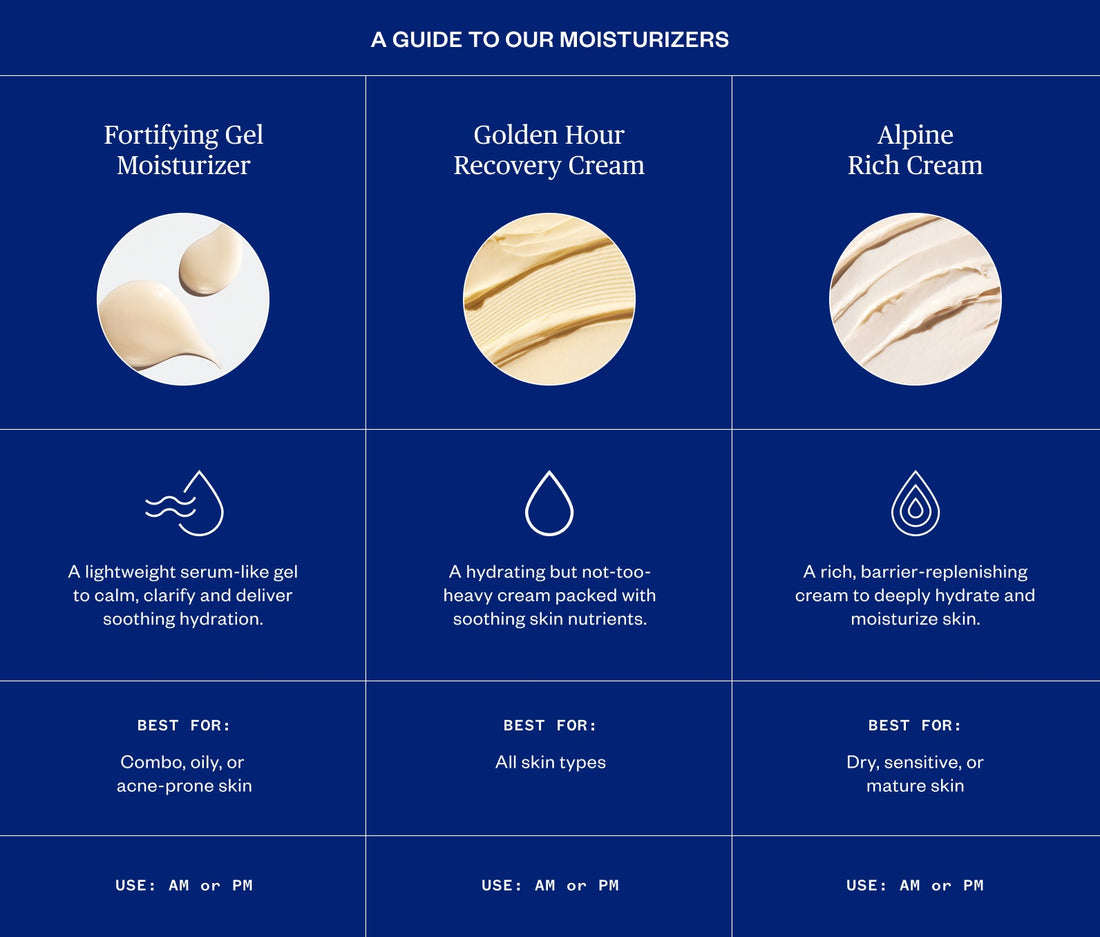
Comparing Moisturizers: Which Works Best For Your Skin Type?
Choosing the best moisturizer depends on your skin type and how deep your peel was. Here is a comparison of top products based on the three main skin types.
| Skin Type | Best Moisturizers | Key Ingredients | Texture |
|---|---|---|---|
| Dry | CeraVe, Eucerin, SkinCeuticals, Biossance | Ceramides, Hyaluronic Acid, Squalane, Shea Butter | Rich Cream |
| Oily/Combination | Neutrogena Hydro Boost, Aveeno Oat Gel | Hyaluronic Acid, Glycerin, Oat Extract | Light Gel |
| Sensitive | La Roche-Posay Cicaplast, Vanicream, Avene Cicalfate | Panthenol, Allantoin, Thermal Water | Gentle Balm |
How To Use Moisturizer After A Chemical Peel: Step-by-step Recovery Routine
Applying moisturizer the right way is just as important as choosing the right product. Here’s how to build your post-peel routine:
1. Wash Gently
Use lukewarm water and a mild, fragrance-free cleanser. Do not scrub or rub your skin.
2. Pat Dry, Don’t Rub
Use a soft towel and gently tap your skin dry.
3. Apply Moisturizer
Within 1–2 minutes of drying, apply your chosen moisturizer. This helps lock in water.
4. Repeat 2–3 Times A Day
For the first week, moisturize morning, midday, and evening. Adjust if your skin feels too greasy or too dry.
5. Add An Occlusive Layer
For deep peels or severe dryness, add a thin layer of petrolatum or ointment over your moisturizer at night.
6. Avoid Makeup And Harsh Products
Do not use makeup, exfoliants, or acids for at least 7–14 days.
7. Protect From Sun
Use a mineral sunscreen (zinc oxide or titanium dioxide) once your skin can tolerate it. Never go outside without protection, as post-peel skin is very sensitive to UV rays.
8. Watch For Signs Of Infection
If you notice yellow crusts, severe pain, or spreading redness, contact your doctor.
Example Recovery Routine For A Medium Peel
- Day 1–3: CeraVe or Aquaphor 3 times a day, avoid sun
- Day 4–7: Continue moisturizing, add gentle sunscreen if healing well
- Day 8–14: Switch to lighter moisturizer if skin feels normal
Credit: www.ursamajorvt.com
What Beginners Often Miss: Two Non-obvious Insights
1. Timing Matters
Many people wait too long to start moisturizing, thinking their skin needs to “breathe. ” Actually, starting hydration within 1–2 hours after your peel is ideal. The skin’s barrier is most open and will absorb moisture better. Delaying can lead to deeper dryness and slower recovery.
2. Layering Is Powerful
For severe dryness, layer a lightweight moisturizer first (like Neutrogena Hydro Boost), then add an occlusive ointment (like Vaseline). This double layer locks in water and prevents evaporation, especially overnight. It is more effective than using only one product.
Mistakes To Avoid After A Chemical Peel
Proper care is important, but many people make mistakes that slow recovery or cause complications.
- Using hot water
Hot water increases redness and irritation. Always use lukewarm water.
- Scrubbing or picking
Let peeling skin fall off naturally. Picking can cause scarring.
- Using makeup too soon
Wait until your skin is fully healed, or you risk infection.
- Skipping sunscreen
Your skin is very vulnerable to sun damage after a peel.
- Choosing scented products
Fragrance can trigger allergic reactions and slow healing.
- Not moisturizing enough
If your skin feels tight, it needs more hydration. Do not be afraid to reapply.
- Ignoring signs of infection
If you see pus, spreading redness, or severe pain, get medical help.
Credit: int.livhospital.com
Data: How Long Does Recovery Take With Proper Moisturizing?
Research shows that using the right moisturizer can shorten recovery time by up to 30%. Here’s a summary of healing times with and without proper post-peel care.
| Peel Depth | No Moisturizer | With Moisturizer | Difference |
|---|---|---|---|
| Superficial | 5–7 days | 3–5 days | 2 days faster |
| Medium | 10–14 days | 7–10 days | 3–4 days faster |
| Deep | 21–28 days | 14–21 days | 7 days faster |
How To Choose The Right Moisturizer For Your Situation
Choosing the best moisturizer after chemical peel depends on:
- Peel depth
Deep peels need thicker, occlusive ointments. Superficial peels can use lighter creams or gels.
- Skin type
Dry skin needs richer creams. Oily skin does better with gels or lightweight lotions.
- Sensitivity
If you have allergies or very reactive skin, choose products without fragrance, alcohol, or harsh preservatives.
- Budget
Some products are expensive, but simple options like Vaseline or pure aloe vera can work well.
- Personal preference
Texture, scent (if any), and packaging matter for comfort and ease of use.
Quick Comparison: Drugstore Vs. Premium Brands
| Brand Type | Example | Price Range | Effectiveness |
|---|---|---|---|
| Drugstore | CeraVe, Aquaphor, Vanicream | $10–$25 | Very Effective |
| Premium | SkinCeuticals, Dr. Jart+ | $40–$120 | Highly Effective |
| Natural | Pure Aloe Vera, Shea Butter | $5–$20 | Effective for Mild Peels |
Credit: int.livhospital.com
Practical Tips For Faster Recovery
- Keep skin moist, not wet
Too much water can cause swelling; enough moisture is key.
- Choose mineral sunscreen
Chemical sunscreens can sting after a peel. Use zinc oxide or titanium dioxide formulas.
- Avoid exercise for 2–3 days
Sweat can irritate healing skin.
- Stay indoors during peak sun hours
UV rays are strongest from 10 am to 4 pm.
- Use a humidifier
Dry air slows healing. A humidifier can keep your skin comfortable.
When To See A Doctor
Most peels heal without problems, but see a doctor if you have:
- Severe pain
- Yellow crusts or pus
- Spreading redness
- Fever
- Unusual swelling
Prompt medical care can prevent scarring or infection.
Long-term Care: Keeping Your Skin Healthy After Recovery
After the peeling and healing phase, your skin is still sensitive. Continue using gentle moisturizers for at least 1–2 months. Avoid harsh exfoliants, retinoids, or strong acids until your skin is fully normal. Building a simple routine can keep your results looking good and prevent new damage.
- Cleanse gently
- Moisturize daily
- Use sunscreen every morning
- Avoid harsh treatments
Over time, you can slowly add back stronger products if your doctor approves.
Expert Advice: Insights From Dermatologists
Dermatologists emphasize:
- Moisturizing is the single most important step after a chemical peel.
- Using a product with ceramides, hyaluronic acid, and panthenol gives the best results.
- Avoiding sun is critical; new skin burns easily.
- Do not use anything new without patch testing.
- If you are unsure, use simple products like Vaseline or Aquaphor.
You can find more detailed medical information at American Academy of Dermatology.
Frequently Asked Questions
How Soon Can I Start Moisturizing After A Chemical Peel?
You should start moisturizing as soon as your skin stops feeling hot or burning, usually within 1–2 hours after the peel. Early hydration helps your skin heal faster and prevents dryness.
Can I Use My Regular Moisturizer After A Chemical Peel?
Not always. Many regular moisturizers contain fragrance or acids that can irritate post-peel skin. Choose a product that is fragrance-free, gentle, and made for sensitive skin.
How Often Should I Moisturize During Recovery?
Moisturize at least 2–3 times a day during the first week. If your skin feels dry, you can reapply more often. Listen to your skin and adjust as needed.
Is It Safe To Use Sunscreen After A Chemical Peel?
Yes, but wait until your skin is less sensitive (usually after 2–3 days). Use a mineral sunscreen with zinc oxide or titanium dioxide, as chemical sunscreens may sting.
What Should I Do If My Skin Gets Worse After Moisturizing?
If you notice severe redness, pain, or signs of infection, stop using all products and contact your doctor. You may need a special prescription cream or medical care.
Moisturizing after a chemical peel is a key part of your recovery. The right products and routine will help your skin heal faster, reduce discomfort, and keep your new skin healthy. Avoid common mistakes, follow expert advice, and choose gentle, effective moisturizers that match your skin type and peel depth.
With careful care, you can enjoy smoother, clearer skin and get the best results from your chemical peel.