
Everyone looks forward to the weekend, but few people use Sunday as a true reset for their body and mind. Modern life is busy. Stress, pollution, and poor habits can leave your scalp, hair, and skin feeling tired and neglected.
A weekly self-care ritual is not just about looking good—it’s about caring for yourself, feeling refreshed, and starting the new week strong.
Imagine spending two hours every Sunday just for you. No screens, no rush, just simple steps to nourish your scalp, hair, and skin. This guide is your blueprint for a Sunday reset. You’ll learn how to turn routine grooming into a powerful self-care ritual. You’ll also find tips, science-backed facts, and answers to common questions.
Let’s dive into a complete, step-by-step ritual to restore your glow, confidence, and inner peace for the week ahead.
Why A Weekly Self-care Ritual Matters
Self-care is more than pampering. It’s about maintenance, prevention, and mental health. A weekly ritual helps you:
- Remove buildup from products and pollution.
- Prevent common issues like dandruff, breakouts, and dullness.
- Reduce stress and improve mood.
- Encourage mindfulness and relaxation.
Over time, skipping regular self-care can cause small problems to become bigger. For example, clogged scalp pores can slow hair growth, while ignored dry skin can lead to irritation or premature wrinkles. A weekly ritual isn’t just about fixing issues—it’s a way to check in with your body before problems start.
Studies show that people who practice regular self-care have lower levels of anxiety and better overall well-being. By making self-care a Sunday habit, you set a positive tone for the whole week.
Another benefit: weekly rituals create a sense of routine and control. In a fast-paced world, having a set time for yourself can provide comfort and stability, especially if your weekdays are unpredictable.
Preparing For Your Sunday Reset
Before you begin, create a calm environment. Preparation makes the ritual more effective and enjoyable.
- Choose your time: Pick a time with no interruptions—ideally late morning or early evening.
- Set the mood: Light a candle, play soft music, or open a window for fresh air.
- Gather your tools: You’ll need:
- A wide-tooth comb and hairbrush
- Soft towels
- Hair oils or masks
- Gentle shampoo and conditioner
- Scalp scrub or brush
- Face cleanser, exfoliator, and mask
- Body scrub and moisturizer
- Clean pillowcase and hair wrap
Having everything ready means you won’t break the flow, which is important for relaxation.
A helpful tip: lay out your products and tools in the order you’ll use them. This makes the process smoother and ensures you don’t skip any step. If you share your home with others, let them know you’ll need some uninterrupted time—this helps protect your space and focus.
Some people find it helpful to write down their steps or keep a checklist. This isn’t about being strict, but about making your ritual easy to follow, especially when you’re just starting out.
Scalp And Hair: Deep Cleansing And Nourishment
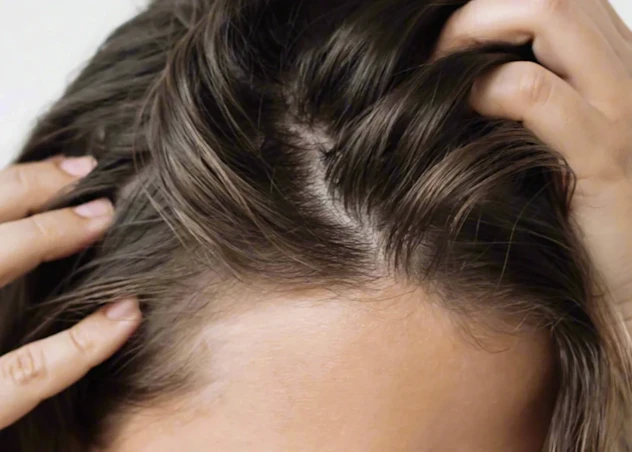
Your scalp is the foundation for healthy hair. Pollution, sweat, and styling products build up over the week. Deep cleansing every Sunday can prevent problems and boost hair growth.
Healthy hair starts with a healthy scalp, but many people focus only on the hair itself. The skin on your scalp is just as important as the skin on your face. When the scalp is clean and nourished, hair grows stronger and breaks less.
Step 1: Scalp Pre-treatment
Start with a scalp massage using an oil that suits your hair type:
- Dry scalp: Coconut or olive oil
- Oily scalp: Jojoba or grapeseed oil
- Dandruff-prone: Tea tree oil mixed with a carrier oil
Gently massage oil into your scalp for 5-10 minutes. This boosts blood flow, loosens dead skin, and relaxes you. Massage is proven to increase hair thickness over time.
For best results, use the pads of your fingers (not nails) and start at the front of your scalp, moving slowly toward the back. Focus on areas that feel tight or itchy. You can also use a scalp massage brush if you have one—it helps distribute oil and gives a gentle exfoliation.
Step 2: Hair Oil Or Mask
After the scalp massage, apply a hair oil or nourishing mask to the lengths and ends of your hair. Focus on areas that feel dry or brittle.
- For fine hair: Use lightweight oils like argan.
- For thick/coarse hair: Use richer masks with shea butter or avocado oil.
Leave the treatment on for at least 20 minutes. Wrap your hair in a warm towel to help it absorb better.
If your hair is especially damaged (for example, from coloring or heat styling), leave the mask on for up to an hour. Just be careful not to overload the roots, as too much product at the scalp can make hair feel greasy.
Step 3: Scalp Scrub Or Exfoliation
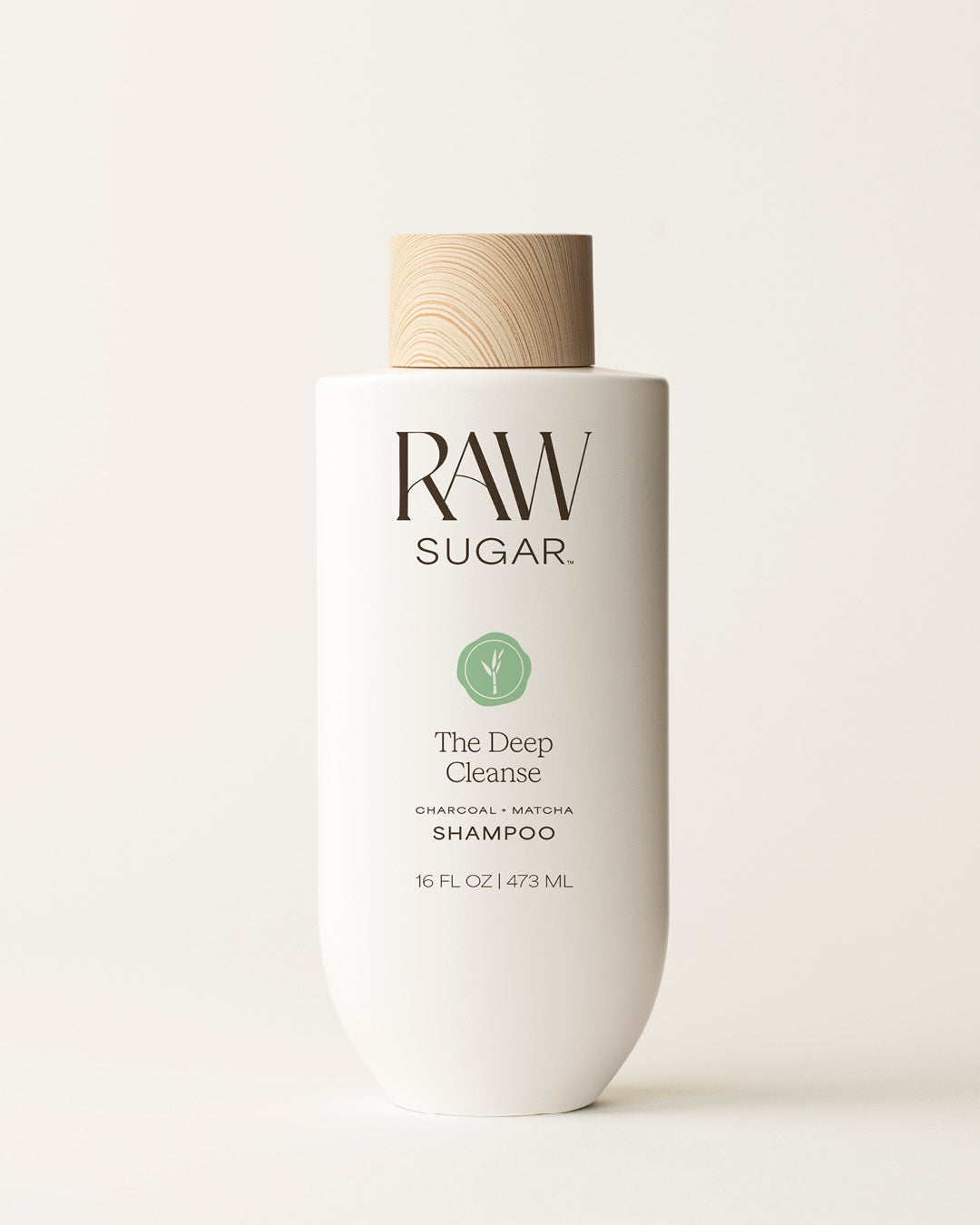
Once a week, use a scalp scrub to remove buildup and flakes. You can buy a scrub or make a simple one with sugar and olive oil.
Rub gently in small circles, focusing on areas that get oily or itchy. Rinse well. Scrubbing too hard can irritate, so be gentle.
Many people don’t realize that scalp exfoliation can help with issues like itchiness, flaking, and even slow hair growth. If you wear hats, use a lot of products, or live in a polluted city, this step is especially helpful.
Step 4: Double Shampoo
Cleansing is key. Start with a gentle clarifying shampoo to remove oil and dirt, then follow with your regular shampoo.
This two-step wash is especially important if you use styling products or live in a city.
If you have color-treated hair, choose sulfate-free shampoos to avoid fading. Rinse thoroughly between shampoos to ensure no residue is left behind. This helps your conditioner or mask work better in the next step.
Step 5: Conditioner Or Deep Mask
After shampooing, use a hydrating conditioner or deep mask. Leave it on for 3-5 minutes (or longer if your hair is very dry). Use a wide-tooth comb to detangle gently, starting from the ends.
A tip for curly or long hair: detangle with your fingers first before using a comb. This reduces breakage and makes hair easier to manage.
Step 6: Cool Rinse And Drying
Finish with a cool water rinse to seal the cuticle, making hair shinier and stronger. Blot hair with a soft towel—never rub hard. Let your hair air dry whenever possible.
Using a microfiber towel or an old T-shirt for drying helps reduce frizz and breakage. If you must use a blow-dryer, set it to cool or low heat and don’t point it too close to the scalp.
Key Insights For Scalp And Hair
- Most people skip scalp care, but it’s as important as facial skincare.
- Weekly exfoliation prevents clogged follicles, which can lead to hair loss.
- Avoid using hot water or harsh towels, which can cause frizz and breakage.
- Sleeping with a silk pillowcase can help keep hair smooth and reduce tangles.
- Never brush wet hair with a regular brush; use a wide-tooth comb to avoid stretching or snapping strands.
Skin Reset: Face And Body Ritual
Your skin faces sun, sweat, and pollution all week. Deep cleansing and nourishment restore its glow.
Glowing skin isn’t just about products—it’s about regular habits and gentle care. Sunday is the perfect time to do those extra steps you skip during a busy week.
Step 1: Gentle Cleansing
Start with a mild cleanser suited to your skin type. For dry skin, use a cream or oil-based formula. For oily skin, gel cleansers work best.
Massage cleanser in upward circles for 1-2 minutes. Rinse with lukewarm water.
Be patient during cleansing. Massaging helps boost circulation and makes your skin look fresher. Don’t forget less obvious areas like your jawline, hairline, and behind your ears.
Step 2: Exfoliation
Exfoliate your face and body to remove dead cells and boost radiance. Choose a gentle scrub for your face and a coarser one for your body.
- For sensitive skin: Use enzyme or lactic acid exfoliants.
- For normal/oily skin: Use scrubs with sugar or fine grains.
Limit exfoliation to once a week. Over-exfoliating can cause redness and breakouts.
For the body, focus on elbows, knees, and ankles—these areas tend to get rougher. Use light pressure. If you shave, exfoliate before shaving to help prevent ingrown hairs.
Step 3: Steam (optional)
If you have time, steam your face for 5-10 minutes. Fill a bowl with hot water, cover your head with a towel, and let the steam open your pores.
This step softens the skin and makes masks more effective.
Add a drop of essential oil (like lavender or tea tree) for extra benefits, but be careful if you have sensitive skin. After steaming, gently pat your face dry.
Step 4: Mask Time
Apply a face mask based on your skin’s needs:
- Clay masks for oily or congested skin
- Hydrating masks for dry skin
- Brightening masks with vitamin C for dullness
Leave on for 10-15 minutes. Use this time to rest—read, meditate, or just breathe.
If you have combination skin, try “multi-masking”—apply a clay mask to oily areas (like the T-zone) and a hydrating mask to drier cheeks. This targets multiple concerns at once.
Step 5: Toning
After rinsing the mask, apply a gentle toner. This balances your skin’s pH and tightens pores.
Avoid harsh, alcohol-based toners. Look for options with soothing ingredients like rose water or aloe vera.
Step 6: Deep Moisturizing
Apply a serum or facial oil, then a moisturizer. Don’t forget your neck and chest. For body, use a rich cream while your skin is still damp.
Layering a serum under moisturizer helps lock in active ingredients. For extra dry skin, try a sleeping mask or overnight hydration treatment.
Step 7: Sun Protection
If you’ll be outside later, use sunscreen—even on cloudy days. Sun damage is a major cause of early aging and uneven skin tone.
Choose a broad-spectrum SPF 30 or higher. Reapply every two hours if you’re outdoors for long periods.
Key Insights For Skin Care
- Many skip the neck and chest, but these areas show age first.
- Applying moisturizer on damp skin locks in more hydration.
- Using sunscreen after at-home facials prevents pigmentation.
- Double cleansing (oil-based then water-based cleanser) is helpful if you wear heavy makeup or sunscreen.
- Try not to touch your face too often after your ritual to keep skin clean and breakout-free.
Credit: haircode.com
Mindful Extras: Rituals For Relaxation
A Sunday reset isn’t just about physical care. It’s about calming your mind, too. Try these extras to make your ritual complete.
Aromatherapy
Use essential oils like lavender, rose, or sandalwood in a diffuser. Scents can reduce anxiety and help you unwind.
Aromatherapy also helps mark the start and end of your ritual, signaling your brain that it’s time to relax. If you don’t have a diffuser, add a few drops of oil to your bath or onto a tissue near your pillow.
Journaling
Write down your thoughts, goals, or things you’re grateful for. This clears your mind and sets positive intentions for the week.
Even five minutes of journaling can help you process emotions and let go of stress. Try prompts like “What went well this week? ” or “What do I want to focus on next week? ”
Gentle Stretching Or Yoga
Just 10-15 minutes of stretching can release tension from your neck, shoulders, and back. This is especially helpful if you work at a desk.
Simple moves like neck rolls, shoulder shrugs, and forward bends can make a big difference. If you prefer yoga, try child’s pose, cat-cow, or gentle twists.
Hydration Ritual
Drink a big glass of water or herbal tea during your reset. Hydration is often overlooked but is critical for healthy skin and hair.
Try adding lemon or cucumber slices to your water for extra refreshment. Herbal teas like chamomile or peppermint can also support relaxation.
Mindful Breathing
Take a few minutes to close your eyes and breathe deeply. This reduces stress hormones and helps you enjoy the moment.
A simple technique is 4-7-8 breathing: inhale for 4 seconds, hold for 7, exhale for 8. Repeat several times to calm your mind and body.
Weekly Self-care Ritual Example Schedule
Here’s a sample two-hour Sunday reset you can follow or adapt:
| Time | Activity | Purpose |
|---|---|---|
| 0:00 – 0:10 | Scalp oil massage | Stimulate roots, relax mind |
| 0:10 – 0:30 | Hair mask application | Deep nourishment |
| 0:30 – 0:40 | Face & body cleansing | Remove dirt, prep skin |
| 0:40 – 0:50 | Exfoliation | Shed dead cells, brighten |
| 0:50 – 1:05 | Face steam + mask | Detox, hydrate |
| 1:05 – 1:20 | Double shampoo & scalp scrub | Cleanse scalp & hair |
| 1:20 – 1:30 | Conditioner, detangle hair | Moisturize & soften |
| 1:30 – 1:45 | Moisturizing (face & body) | Lock in hydration |
| 1:45 – 2:00 | Mindful breathing, journaling, stretching | Relax & reset |
You can adjust the times and steps based on your needs.
If two hours feels too long, pick three or four steps to focus on. Over time, you may find it easier to add more steps as the ritual becomes a habit.
Comparing Weekly Vs. Daily Self-care
Some people wonder if a weekly ritual is enough, or if daily care is better. Here’s a quick look at both approaches:
| Aspect | Weekly Ritual | Daily Routine |
|---|---|---|
| Time spent | 1-2 hours once a week | 10-15 minutes daily |
| Depth of care | Deep cleansing, intensive treatments | Basic maintenance |
| Mental impact | Mindful, relaxing, resets mood | Consistent, less intense |
| Best for | Busy people, long-term results | Everyone, especially for prevention |
Ideally, do both: daily basics and a Sunday reset for deep care.
Daily routines are important for keeping your skin and hair healthy, but they are usually quick and don’t allow for deeper treatments. Weekly rituals let you do those extra steps—like masks, scalp scrubs, or extended massages—that simply don’t fit into busy mornings or evenings.
One insight: even if you miss a daily routine, a weekly ritual gives your body a chance to “catch up” and recover from the stress of the week.
Common Mistakes To Avoid
Even with the best intentions, some habits can undo your progress. Watch for these pitfalls:
- Using harsh products: Strong shampoos, scrubs, or masks can strip natural oils and cause irritation.
- Skipping hydration: Not drinking enough water or using moisturizer can leave skin and hair dry.
- Over-exfoliating: More is not always better. Stick to once a week for exfoliation.
- Not cleaning tools: Dirty hairbrushes, towels, or makeup sponges can spread bacteria.
- Neglecting scalp and neck: These areas are often forgotten, but they show signs of aging and stress first.
A less obvious mistake is using too many new products at once. Introduce new treatments one at a time to see how your skin or scalp reacts. If you notice irritation, stop and simplify your routine.
Another common error: forgetting to rinse off masks or conditioner completely. Any leftover product can clog pores or make hair feel heavy. Rinse thoroughly, and remember that “less is more” with most products.
Customizing Your Ritual For Different Needs
Everyone’s skin and hair are different. Here’s how to adapt your Sunday reset:
If You Have Sensitive Skin
- Use fragrance-free, hypoallergenic products.
- Patch test new treatments before full use.
- Skip steam or hot water.
Sensitive skin can react to even natural products. Look for short ingredient lists, and avoid essential oils unless you’re sure they won’t cause a reaction.
If You Have Curly Or Coarse Hair
- Use heavier oils and masks (like shea butter).
- Detangle with fingers or a wide-tooth comb.
- Avoid sulfates and drying alcohols.
Curly hair is naturally drier, so weekly deep conditioning is key. Consider sleeping with a silk scarf or bonnet to keep curls defined and reduce breakage.
If You Have Oily Skin Or Hair
- Use clay masks and clarifying shampoos.
- Avoid heavy creams or oils.
- Exfoliate gently but consistently.
Oily types may need to wash pillowcases and hair wraps more often. Look for lightweight, non-comedogenic products that won’t clog pores.
If You Have Dry Skin Or Hair
- Choose creamy cleansers and richer masks.
- Apply moisturizer while skin is damp.
- Sleep with a humidifier if possible.
Dry skin and hair benefit from “layering” moisture—using a serum, then a cream, and sealing with oil for extra protection.
Adapting your products and steps makes the ritual more effective and enjoyable.
Essential Products For A Sunday Reset
You don’t need expensive or many products. Focus on quality over quantity. Here’s a simple shopping guide:
- Scalp oil (coconut, jojoba, or argan)
- Hair mask (hydrating or repairing)
- Clarifying shampoo
- Gentle conditioner
- Scalp scrub (store-bought or DIY)
- Face cleanser (match your skin type)
- Face exfoliant (enzyme, lactic acid, or gentle scrub)
- Face mask (clay, hydrating, or brightening)
- Toner (alcohol-free)
- Serum or facial oil
- Moisturizer (face and body)
- Sunscreen (SPF 30+)
- Body scrub
- Clean towels and pillowcase
Replace products every 3-6 months to keep them fresh.
If you want to minimize waste, look for multi-purpose products—like oils that work for both scalp and skin, or masks suitable for face and neck. Always store your products away from direct sunlight and heat to extend their shelf life.
Practical Tips For A Relaxing, Effective Reset
- Wear a robe or old T-shirt so you don’t worry about stains.
- Put your phone on “Do Not Disturb.”
- Play relaxing music or nature sounds.
- Use a silk pillowcase for smoother hair and less frizz.
- Track your skin and hair changes in a journal.
- Involve a friend or family member for a bonding ritual.
A less obvious tip: try combining your reset with another relaxing activity, like listening to an audiobook or gentle podcast. This can help you look forward to the ritual each week.
If you struggle to relax, try a short meditation before you start. Taking just two minutes to focus on your breathing can help you be more present during every step.
Science Behind Weekly Self-care
Research shows that scalp massage increases hair thickness by stretching the cells of hair follicles. This encourages hair growth and makes the roots stronger.
A 2021 study found that people who exfoliated their skin weekly had 30% better absorption of skincare products. Another study from the American Academy of Dermatology proved that regular moisturizing improves skin barrier function in as little as two weeks.
Self-care rituals also reduce levels of cortisol, the stress hormone. This leads to better sleep, mood, and even stronger immunity.
Many people don’t realize that skin and hair health are closely linked to overall health. For example, chronic stress can cause hair thinning and breakouts. By lowering stress through self-care, you’re supporting both your appearance and your body’s long-term health.
If you want to read more about the science behind skin and hair health, check out this research review.

Credit: salonziba.com
Tracking Your Progress
How do you know if your ritual is working? Keep a simple log:
- Take before-and-after photos once a month.
- Note improvements (less dandruff, softer hair, clearer skin).
- Adjust products and steps based on your results.
Consistency is more important than perfection. Small improvements add up over time.
Another tip: don’t rely only on visual changes. How your skin feels (softer, less irritated) and how your hair behaves (less shedding, easier to style) are good signs that your ritual is working.
Simple Diy Recipes For Your Ritual
You don’t need to buy everything. Many effective treatments can be made from kitchen ingredients.
Diy Scalp Scrub
- 2 tablespoons sugar
- 1 tablespoon coconut oil
- Few drops of tea tree oil (optional)
Mix and gently massage into your scalp before shampooing.
Hydrating Face Mask
- 2 tablespoons plain yogurt
- 1 tablespoon honey
- 1 teaspoon olive oil
Mix and apply for 10-15 minutes, then rinse.
Brightening Body Scrub
- 1/2 cup ground coffee
- 2 tablespoons olive oil
- 1 tablespoon brown sugar
Scrub in the shower, then rinse for smooth skin.
DIY blends are affordable, fresh, and avoid harsh chemicals.
If you have sensitive skin, skip essential oils or test a small patch before using. For extra cooling, keep your DIY masks in the fridge for 10 minutes before applying—this can reduce puffiness and redness.
Credit: rawsugarliving.com
How To Stay Consistent
Forming a new habit takes time. Here’s how to make your Sunday reset stick:
- Schedule it: Block off the same time each week in your calendar.
- Set reminders: Use phone alerts so you don’t forget.
- Start small: If two hours is too long, begin with 30-45 minutes and build up.
- Celebrate wins: Notice how you feel after each session.
- Share with others: Invite a friend or partner to join you.
Remember: Self-care is not selfish. It’s a basic need, like eating or sleeping.
It also helps to prepare in advance—lay out your products Saturday night or write down your steps. The easier you make it, the more likely you’ll keep going.
If you miss a week, don’t worry. Just pick up where you left off. Consistency is about regular effort, not perfection.
When To See A Dermatologist Or Trichologist
While a weekly ritual helps most people, some issues need professional care:
- Persistent dandruff, itchiness, or hair loss
- Severe acne or skin irritation
- Allergic reactions to products
If you notice these problems, consult a dermatologist or trichologist (hair specialist). They can tailor treatments for you.
Don’t try to fix serious or painful issues at home. Professionals can diagnose hidden conditions, recommend medical treatments, and guide you on safe self-care.
Adapting The Ritual For Busy Schedules
Not everyone has two hours every Sunday. Here’s how to make it work even if you’re busy:
- Focus on one area each week (scalp/hair one week, face/body the next).
- Do quick versions—10-minute scalp massage, 5-minute face mask.
- Batch tasks—apply a mask while doing house chores.
- Use overnight treatments (leave-in oils, sleep masks).
Consistency, not perfection, brings the best results.
If you travel often, keep a mini kit of your favorite products in travel sizes. Even a 15-minute ritual in a hotel room or guest house can help you feel centered and refreshed.
The Deeper Benefits: More Than Skin Deep
A weekly self-care ritual is about more than beauty. It’s a way to reconnect with yourself, reduce stress, and build confidence. Over time, you’ll notice not just softer skin and shinier hair, but better sleep, a calmer mind, and more energy for the week ahead.
A ritual becomes a reminder: you are worth the time and care you give yourself.
In fact, the process of caring for your body can teach you to listen to its signals—like early signs of dryness, irritation, or stress. This awareness can help you prevent problems before they start and make better choices all week long.
Frequently Asked Questions
How Long Should A Sunday Self-care Ritual Take?
Most people spend 1-2 hours on a full reset. If you’re short on time, focus on your biggest need (hair, scalp, or skin) and do a quick version in 30-45 minutes.
The most important part is being fully present for whatever time you have, even if it’s short.
Can Men Follow This Sunday Reset Ritual?
Yes. Scalp, hair, and skin care are important for everyone. Men may prefer lighter products or shorter steps, but the basics are the same.
If you have facial hair, use beard oils or gentle cleansers to keep the skin underneath healthy.
Is It Safe To Use Diy Treatments Every Week?
Most DIY recipes are safe once a week. Always patch test first, especially if you have sensitive skin. Avoid using strong acids or scrubs too often.
Stick to simple ingredients and avoid any recipe that causes stinging or discomfort.
What If I Have Curly Or Textured Hair?
Curly hair needs more moisture. Use heavier oils, deep masks, and avoid harsh clarifying shampoos. Detangle gently with fingers or a wide-tooth comb.
Consider protective styles or overnight hair treatments to keep curls hydrated.
Do I Need To Change My Pillowcase After A Reset?
Yes. A clean pillowcase prevents dirt, oil, and bacteria from undoing your hard work. Use a silk pillowcase for extra benefits—less friction and fewer split ends.
Change your pillowcase at least once a week to keep your skin and hair fresh.
Create your own Sunday reset ritual. Care for your scalp, hair, and skin—and you’ll step into the week feeling renewed, confident, and ready for anything.