

Living in a tropical humid climate means your skin deals with unique challenges every day. The air is sticky, the sun is strong, and sweat feels almost constant. Finding a moisturizer that works in this weather isn’t always simple. In fact, the wrong texture or formula can make your skin feel greasy, block your pores, or even lead to breakouts. If you’re searching for the best moisturizer for hot, humid weather, you’re not alone. Many people feel confused by so many choices—gels, creams, serums, lotions, and more.
The good news? You don’t have to keep guessing. By understanding how texture, ingredients, and skin needs interact in tropical weather, you can pick the right moisturizer for a fresh, healthy look. This article will guide you through everything you need to know, from the science behind humid skin to practical tips on what to buy. You’ll also discover expert advice, data comparisons, and answers to common questions—so you can shop with confidence and enjoy comfortable, glowing skin, no matter how hot it gets.
Why Moisturizer Texture Matters In Tropical Humid Climates
Moisturizer isn’t just about adding water to your skin. In tropical humid climates, the way your moisturizer feels—its texture—makes a big difference. Thick, heavy creams can trap sweat and oil, making your face look shiny or feel suffocating. Light, fast-absorbing products can help your skin breathe, stay hydrated, and avoid clogged pores.
The climate can change the way your skin reacts to products. For example, a moisturizer that feels perfect in a cool or dry place might be uncomfortable in a hot, sticky country. This is why the texture—how light or heavy the moisturizer feels, how quickly it absorbs, and whether it leaves a residue—matters so much.
The Science Of Humidity And Skin
When the air is full of moisture, your skin doesn’t lose water as quickly as in dry places. But this doesn’t mean you should skip moisturizer. In fact, sweat and humidity can actually lead to water loss from your skin, especially if you wash your face often or use air conditioning.
Also, the combination of sweat and oil can block pores and cause breakouts if you use a heavy moisturizer.
There’s another layer to consider: in tropical climates, people often use air conditioning to feel comfortable indoors. Air conditioning removes moisture from the air, which can dry out your skin even if the outdoor air is humid. You might also wash your face more often to remove sweat, which strips away natural oils and can make your skin feel tight or irritated. These habits make the right moisturizer texture even more important.
Common Skin Issues In Hot, Humid Weather
- Shiny skin: Too much oil and sweat can give a greasy look, which can be uncomfortable and affect your confidence.
- Breakouts and acne: Clogged pores are more common with heavy creams, especially if you sweat a lot or wear makeup.
- Dehydration: Surprisingly, your skin can still get dry if you use harsh cleansers or spend time indoors with AC. This dehydration is not always obvious—it can show up as dullness, rough patches, or tightness.
- Irritation: Heat and sweat can make your skin sensitive, especially with the wrong products. Wearing masks or hats can make this worse.
The right moisturizer texture helps balance oil, sweat, and water so your skin stays comfortable—not sticky or dry. Sometimes, people with oily skin think they don’t need moisturizer, but skipping it can actually make your skin oilier. Your skin may try to “fix” the dryness by making even more oil.
Understanding Moisturizer Textures
Moisturizers come in many types, and each feels different on the skin. Here’s a closer look at the most popular textures and how they perform in tropical, humid climates.
Gel-based Moisturizers
Gels are usually water-based, clear, and light. They absorb quickly and don’t leave a greasy feeling. This makes them ideal for people with oily or combination skin, and they’re often a top pick in hot, sticky weather.
Pros:
- Fast absorption, so you can apply makeup or sunscreen quickly after.
- Cooling effect on skin, which feels refreshing after sweating or sun exposure.
- Less likely to clog pores, so they reduce the risk of breakouts.
Cons:
- May not be enough for very dry skin or for people using strong acne treatments.
- Need to reapply more often, especially after sweating or swimming.
Example: If you jog in the morning, a gel moisturizer won’t slide off your skin like a heavy cream might. You can also keep gel moisturizers in the fridge for an extra cooling effect.
Water Creams
Water creams are like a mix between gels and traditional creams. They feel light, spread easily, and deliver hydration without heaviness. Many water creams use advanced technology to lock in moisture while letting your skin breathe.
Pros:
- Light, non-greasy finish that doesn’t add shine.
- Suitable for most skin types, even combination or sensitive skin.
- Good for layering with sunscreen or makeup, which is important if you spend time outdoors.
Cons:
- Can be more expensive due to the special technology or ingredients used.
- Sometimes contain alcohol (check the label), which can irritate sensitive skin.
Example: If you spend all day at work in air conditioning, water creams can keep your skin hydrated without making it oily.
Lotions
Lotions are thinner than creams but thicker than gels. They usually contain both water and oil, but in lighter amounts. Lotions work well for people who want a bit more moisture but still want a light feel.
Pros:
- Easy to spread, covering large areas quickly.
- Offers more moisture than gels, which can help if your skin feels tight after cleansing.
- Good for body and face, especially for people who want a simple routine.
Cons:
- Some can feel sticky in extreme humidity, especially if over-applied or layered under makeup.
Example: If your arms and legs get dry from sun or saltwater, a light lotion can be a good all-over hydrator.
Emulsions
Emulsions are lightweight, milky fluids often used in Korean and Japanese skincare. They hydrate like a cream but feel as light as a lotion. Emulsions are great for layering, especially if your skin gets a bit dry in air conditioning.
Pros:
- Absorbs quickly, so you don’t have to wait before applying sunscreen or makeup.
- Good for sensitive skin, as many are fragrance-free and gentle.
- Can be used under other products, making them versatile for both day and night.
Cons:
- Not enough for very dry skin alone, so you might need to add a richer cream at night.
Example: If you travel between hot outdoors and cold, dry indoor spaces, emulsions help your skin adjust.
Serums
Serums are concentrated fluids, sometimes thicker than water but lighter than creams. Many contain special ingredients like hyaluronic acid for hydration. In humid climates, a hydrating serum alone may be enough for oily skin.
Pros:
- Delivers active ingredients deeply, so you get more benefit from antioxidants or vitamins.
- Lightweight feel, perfect for layering without feeling heavy.
- Layers well with sunscreen, which is essential in sunny climates.
Cons:
- Not always enough for dry or mature skin, especially overnight.
- Some serums are expensive and need to be used with a moisturizer for best results.
Example: If you notice sunspots or redness, serums with vitamin C or niacinamide can help even out your skin tone.
Creams
Creams are thicker and richer, with more oils. In tropical climates, most people find them too heavy, especially during the day. But some lightweight creams are designed for humid weather, so don’t rule them out completely.
Pros:
- Good for dry spots or nighttime use, especially on cheeks or around the eyes.
- Feels comforting on sensitive skin, especially after sunburn or irritation.
Cons:
- Can feel greasy or suffocating, especially if used in the morning.
- May lead to breakouts if too rich, especially for oily skin types.
Example: If you have mature skin or use retinol at night, a cream can help balance dryness and support the skin barrier.
Comparison Of Moisturizer Textures
See how different textures compare for hot, humid weather:
| Texture | Best For | Absorption Speed | Common Issues | Climate Suitability |
|---|---|---|---|---|
| Gel | Oily/Combo Skin | Very Fast | May need reapplication | Excellent |
| Water Cream | All Skin Types | Fast | Possible alcohol content | Excellent |
| Lotion | Normal/Dry Skin | Medium | Sometimes sticky | Good |
| Emulsion | Sensitive Skin | Fast | Not enough for dry skin alone | Very Good |
| Serum | Oily/Young Skin | Very Fast | Not enough for dry skin | Good |
| Cream | Dry/Mature Skin | Slow | May clog pores | Fair (use at night) |
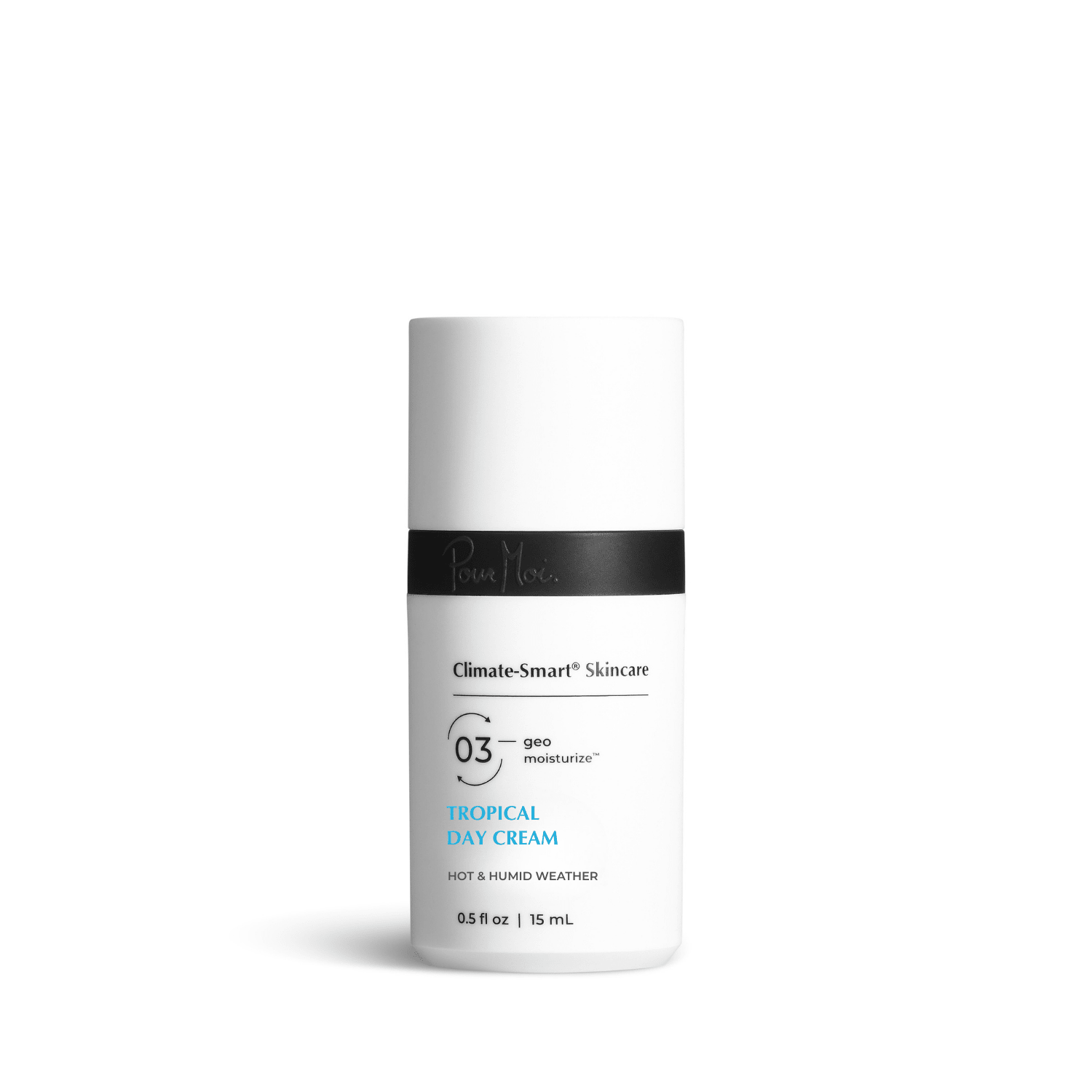
Credit: pourmoiskincare.com
Key Ingredients That Make A Difference
Not every moisturizer is created equal. In tropical humid climates, certain ingredients work better because they hydrate without adding heaviness or blocking pores.
Top Hydrating Ingredients
- Hyaluronic Acid: Attracts and holds water in your skin without making it oily. It works well in humid air, as it draws moisture from your environment into your skin, keeping it plump.
- Glycerin: Another excellent humectant that draws moisture from the air. It’s safe for sensitive skin and doesn’t feel sticky if used in the right concentration.
- Aloe Vera: Soothes irritation and offers light hydration. It’s also calming after sun exposure or shaving.
- Panthenol (Vitamin B5): Calms and hydrates the skin barrier, making it great for people with redness or after treatments like waxing.
- Squalane: A lightweight oil that hydrates without feeling greasy. It mimics your skin’s natural oils and is less likely to clog pores than heavier oils.
Practical insight: Many gel or water-based moisturizers use a combination of these ingredients for a multi-layered hydration effect. This means your skin stays hydrated for longer, even in challenging weather.
Ingredients To Avoid
- Heavy oils (like coconut oil or mineral oil): Can block pores in humid weather, especially if you’re prone to acne.
- Petrolatum: Good for dry, cracked skin but too occlusive for hot climates. It forms a barrier that traps heat and sweat.
- Thick butters (like shea or cocoa butter): May feel too rich and cause breakouts.
- Alcohol (in high amounts): Can dry out your skin if used every day, especially if you already use other drying products like acne treatments.
Non-obvious mistake: Natural doesn’t always mean better. Some natural oils can make breakouts worse in humid weather.
Skin-friendly Additives
Some moisturizers include antioxidants (like vitamin C or green tea), which help protect your skin from sun and pollution damage. Niacinamide is another favorite—it balances oil production and calms redness.
Extra tip: If you live in a city with high pollution, look for antioxidants in your moisturizer to help repair and protect your skin barrier.
How To Choose The Best Moisturizer Texture For Your Skin Type
Everyone’s skin is different. In a tropical, humid climate, knowing your skin type helps you pick the right moisturizer texture.
For Oily Or Acne-prone Skin
- Go for gel-based or serum textures. These absorb quickly and don’t add extra oil.
- Look for “oil-free” or “non-comedogenic” on the label.
- Avoid thick creams and butters.
Tip: Using too little moisturizer can make your skin produce even more oil. Don’t skip this step!
Insight: Some people with oily skin benefit from using a hydrating toner before their gel moisturizer, which adds a thin layer of moisture and helps with absorption.
For Combination Skin
- Use a water cream or emulsion for balance. These offer hydration without excess oil.
- Spot-treat dry areas with a light lotion if needed.
Practical example: If your cheeks are dry and your T-zone is oily, use a water cream all over and dab a richer lotion just on dry spots.
For Normal Skin
- Water creams, lotions, or emulsions work well.
- Adjust thickness at night if your skin feels dry.
Tip: Normal skin still benefits from lightweight hydration, so don’t pick the richest cream unless you notice dryness.
For Dry Or Dehydrated Skin
- Try a lotion or a light cream for extra comfort.
- Layer a hydrating serum under your moisturizer for better results.
- Use richer textures at night if needed.
Non-obvious insight: Dehydrated skin can sometimes feel oily on the surface but tight underneath. This is common in humid climates with lots of air conditioning.
For Sensitive Skin
- Pick fragrance-free, gentle emulsions or gels.
- Avoid alcohol and harsh chemicals.
Tip: Sensitive skin often reacts to preservatives or fragrances, so patch test new products before using them all over.
Skin Type And Texture Recommendations
| Skin Type | Suggested Texture | Key Ingredients | Notes |
|---|---|---|---|
| Oily | Gel, Serum | Hyaluronic Acid, Niacinamide | Oil-free, non-comedogenic |
| Combination | Water Cream, Emulsion | Glycerin, Panthenol | Adjust based on area |
| Normal | Lotion, Water Cream | Aloe Vera, Squalane | Layer for flexibility |
| Dry/Dehydrated | Lotion, Light Cream | Hyaluronic Acid, Ceramides | Use serum under moisturizer |
| Sensitive | Emulsion, Gel | Panthenol, Allantoin | Fragrance-free formulas |

Credit: www.amazon.com
Moisturizer Application Tips For Hot, Humid Weather
Even the best moisturizer can backfire if you don’t use it correctly. Here’s how to get the most from your skincare routine in tropical climates:
1. Apply To Damp Skin
After cleansing, don’t let your face dry out completely. Applying moisturizer to slightly damp skin helps lock in more water. This method is especially helpful in humid weather, as you seal in the moisture your skin already absorbed from the air.
2. Use The Right Amount
A pea-sized amount is usually enough for your whole face. Using too much can cause stickiness. If you feel greasy after applying, you might be using more than needed.
3. Layer Smartly
If you need extra hydration, layer a hydrating serum under your moisturizer. Don’t pile on thick products. In humid climates, thin layers work better than one heavy product.
4. Wait Before Sunscreen
Let your moisturizer absorb for at least 1-2 minutes before applying sunscreen. This prevents pilling and ensures both products work well. If you’re in a rush, gently pat your skin to speed up absorption.
5. Adjust For Night
If your skin feels dry at night (from air conditioning), use a slightly richer lotion or cream, but keep it lightweight. At night, your skin repairs itself, so hydration is important, but you don’t want to block pores.
6. Don’t Forget The Neck
Your neck faces the same climate as your face. Apply moisturizer there too for balanced skin. Many people skip this step and later notice the neck aging faster than the face.
7. Cleanse Gently
Avoid harsh cleansers that strip your skin, or you might end up needing a heavier moisturizer. Creamy or gel cleansers are usually best in tropical climates.
Non-obvious insight: Sometimes, less is more in humid climates. Over-moisturizing can lead to even more oil production, so listen to your skin and adjust as needed.
Bonus tip: If you sweat a lot during the day, rinse your face with water and reapply a small amount of moisturizer to refresh your skin.
Best Practices For Day And Night Moisturizing
Your skin’s needs change between morning and evening, especially in tropical climates.
Morning Routine
- Cleanse with a gentle, non-stripping face wash. This removes sweat and oil without damaging your skin barrier.
- Apply a light gel or water cream moisturizer. These hydrate without shine.
- Finish with a broad-spectrum sunscreen (SPF 30 or higher). Sun protection is essential, as UV exposure is stronger near the equator.
Practical tip: If you wear makeup, choose a moisturizer that works as a good base so your makeup lasts longer in the heat.
Evening Routine
- Remove sunscreen and sweat with a mild cleanser. Double cleansing can help if you wore heavy sunscreen or makeup.
- Use a hydrating serum if your skin feels dry. This can add a boost of moisture without heaviness.
- Apply a lightweight lotion or emulsion. This helps your skin recover from sun and sweat exposure.
- For very dry areas, dab on a richer cream as a spot treatment.
Pro tip: If you exercise outside, reapply your moisturizer after showering. Sweat and sun can both dry out your skin.
Extra insight: If you notice irritation or redness at night, avoid products with strong acids or retinol on hot, humid days. Stick with calming ingredients like panthenol or aloe.
Common Mistakes To Avoid With Moisturizer In Humid Weather
Many people make small errors that can lead to sticky, uncomfortable, or breakout-prone skin. Here’s what to watch out for:
- Using thick, occlusive creams during the day: These can trap sweat and oil, especially under sunscreen or makeup.
- Skipping moisturizer: Your skin still needs hydration, even if it feels oily.
- Not checking the ingredients: Some “lightweight” products still contain pore-clogging oils or hidden alcohols.
- Over-applying: Too much product can make your skin feel heavy and lead to shine or breakouts.
- Not adjusting routine for season changes: Even in tropical climates, the rainy season can affect your skin’s needs. You may need a lighter product during the dry season and something a bit richer when it’s rainy.
- Ignoring your body: Your neck, chest, and back also need lightweight hydration, especially if you sweat a lot.
Non-obvious insight: Sometimes, a moisturizer can feel perfect in the store but fail at home. Always test a new product for a few days before fully committing.
Extra tip: If you travel between climates (for example, from a humid city to a dry mountain area), bring travel-sized versions of your moisturizer so you can adjust as needed.
Top-rated Moisturizer Textures For Tropical Humid Climates
Let’s look at examples of real product textures that have become favorites in hot, sticky weather. This list is based on user reviews, dermatologist recommendations, and ingredient quality. (Note: These are not product endorsements, but texture guides.)
1. Aqua Gels
These clear, watery gels absorb in seconds. Popular in Asia, aqua gels often contain hyaluronic acid or glycerin.
- Example: Neutrogena Hydro Boost Water Gel
- Why people like it: Feels cool, disappears instantly, never greasy
Aqua gels are also great for men, who often prefer non-sticky skincare. Some people keep them in the fridge for an extra-refreshing morning routine.
2. Light Water Creams
Water creams glide over skin and leave a plump, hydrated finish. They’re a good choice for both men and women.
- Example: Laneige Water Bank Moisture Cream
- Why people like it: Hydrates deeply, layers under makeup, not sticky
If you like using makeup, water creams help foundation look smoother and last longer, even in humid weather.
3. Milky Emulsions
Emulsions have a soft, milky texture. They work well for sensitive or combination skin.
- Example: Hada Labo Gokujyun Emulsion
- Why people like it: Gentle, fragrance-free, hydrates without shine
Emulsions are a top pick for people who get redness or irritation from heat.
4. Oil-free Lotions
These lotions are thin and spread easily, hydrating without clogging pores.
- Example: Cetaphil Daily Oil-Free Hydrating Lotion
- Why people like it: Simple formula, works under sunscreen
This type is also good for teenagers and anyone who prefers a “barely there” feel.
5. Lightweight Serums
Hydrating serums with hyaluronic acid are perfect for oily or young skin in humid weather.
- Example: The Ordinary Hyaluronic Acid 2% + B5
- Why people like it: Adds hydration without oil, helps calm redness
Some people use only a serum in the morning and layer a lotion at night if needed.
Extra insight: Many top-rated moisturizers are fragrance-free, which reduces the risk of irritation in hot weather when your skin is more sensitive.
How To Test And Select The Right Moisturizer For You
Buying the right moisturizer sometimes takes trial and error. Here’s how to test new products safely:
- Patch test: Apply a small amount behind your ear or on your jawline. Wait 24 hours. This helps you catch any allergies or irritation before using the product on your whole face.
- Trial period: Use the new moisturizer for at least 7 days before judging results. Sometimes, your skin needs time to adjust.
- Watch for reactions: Signs like redness, bumps, or itchiness mean it’s not for you.
- Adjust seasonally: You may need different textures in the wet vs. dry seasons. Don’t be afraid to switch products if your skin changes.
- Sample sizes: Many brands offer small tubes—try before investing in a full-size product.
Pro tip: Sometimes, the best moisturizer isn’t the most expensive one. Focus on texture and ingredients, not just the brand.
Extra tip: Take note of how your skin feels after 2-3 hours, not just immediately after applying. In humid weather, some products can feel fine at first but become sticky later in the day.
Data On Moisturizer Performance In Humid Climates
Studies show that gel-based moisturizers and water creams perform best in tropical climates for most skin types. According to a 2022 survey by the International Society of Dermatology:
- 68% of users in Southeast Asia preferred gels or water creams in hot weather.
- 54% of users reported fewer breakouts when switching from cream to gel textures.
- Lightweight emulsions reduced redness and irritation in 72% of people with sensitive skin.
This data supports the idea that light, water-based textures keep skin healthy and comfortable, even when the weather is hot and sticky.
For further scientific reading on moisturizers and climate, see this research article.
Extra insight: While user preferences are important, always listen to your own skin. If a product works for you—even if it’s not the most popular choice—stick with it.

Credit: www.amazon.com
Frequently Asked Questions
What Texture Of Moisturizer Is Best For Oily Skin In Humid Climates?
Gel-based or oil-free serums are best. These textures hydrate without adding oil or blocking pores. Look for products labeled “non-comedogenic” and avoid thick creams or butters.
Can I Skip Moisturizer If My Skin Feels Oily In Tropical Weather?
No, you should not skip moisturizer. Even oily skin needs hydration. Skipping moisturizer can make your skin produce even more oil. Choose a light, fast-absorbing product instead.
How Can I Tell If A Moisturizer Is Too Heavy For My Skin?
If your skin feels greasy, looks shiny, or develops new pimples after using a moisturizer, it’s probably too heavy. Switch to a lighter texture like a gel or water cream and see if your skin improves.
Is It Safe To Use The Same Moisturizer For Face And Body In Humid Climates?
Yes, but only if the product is lightweight and non-comedogenic. Many body lotions are thicker and may cause breakouts on your face. For best results, use a gel or water cream for your face and a light lotion for your body.
How Often Should I Reapply Moisturizer During The Day?
In most cases, once in the morning and once at night is enough. If you sweat a lot, wash your face and reapply after heavy sweating or after swimming. Over-applying can make your skin feel sticky.
What Should I Do If My Skin Changes With The Seasons Or My Environment?
Adjust your moisturizer texture as needed. If you feel drier indoors, add a hydrating serum or switch to a lotion at night. If you’re outside more, stick to gels or water creams.
Choosing the right moisturizer texture can transform your daily comfort in hot, humid climates. By focusing on light, water-based formulas with the right ingredients, you keep your skin fresh, hydrated, and clear—without the shine or breakouts. Remember to adjust your routine as needed, test new products carefully, and always pay attention to what your skin is telling you. With these tips and insights, you’re ready to face even the stickiest weather with confidence and glowing, healthy skin.