

Transition From Relaxed To Natural Hair: Managing Mixed Porosity
Changing your hair from relaxed to natural is a big journey. If you’ve made this decision, you are not alone. Many people want to embrace their natural hair texture, but the process can be confusing—especially if your hair has mixed porosity. Mixed porosity means some parts of your hair absorb water quickly, while other parts don’t. This can cause uneven results with products, dryness, or even breakage. You might notice that the ends are dry but the roots are oily. Or, the back of your head feels soft, but the top is rough. These differences make caring for your hair more challenging, but with the right knowledge and strategies, you can manage mixed porosity and have healthy, natural hair.
In this article, you’ll learn what mixed porosity means, how it affects your transition, and practical steps to keep your hair healthy. We’ll explore why porosity matters, how to test it, and how to choose products that fit your hair’s needs.
You’ll also get advice on styling, deep conditioning, and avoiding mistakes that can damage your hair. Whether you are just starting your journey or you’ve already begun, this guide will help you understand every part of the process. With patience, consistency, and the right approach, you can achieve strong, vibrant, natural hair—even with mixed porosity.
Understanding Mixed Porosity
Hair porosity is about how well your hair absorbs and keeps moisture. When you move from relaxed hair to natural hair, your hair can have different porosity levels in different areas. Relaxed hair usually has higher porosity because chemicals open the hair cuticle. Natural hair can have lower porosity, so it repels water. If your hair is mixed, you’ll see both—sometimes on the same strand.
Why does porosity change during transition?
- Relaxed hair is damaged by chemicals, making it absorb water easily.
- New, natural hair grows from the roots with closed cuticles, so water rolls off.
- The line where relaxed and natural hair meet is called the demarcation line. This is the weakest part and needs special care.
Mixed porosity is common for transitioners because your head may have areas that were relaxed more often, or sections that were exposed to more heat or chemicals. Sometimes, the front hairline (edges) is more damaged, while the crown or nape is less processed, leading to different porosity.
You may even find that your hair changes porosity as it grows out and as you cut away relaxed ends.
Signs Of Mixed Porosity
Some signs help you spot mixed porosity:
- Uneven moisture: Roots feel moisturized, ends feel dry.
- Product buildup: Some parts get greasy, others stay dry.
- Tangling: Certain areas tangle more easily.
- Hard to style: Styles don’t look the same all over.
Other clues include inconsistent curl definition, frizzy patches, or areas that take longer to dry after washing. If you notice that your wash-and-go results are unpredictable, or your twist-outs look neat in some sections but frizzy in others, mixed porosity is likely the cause.
Pay attention to how products behave in different areas—sometimes, you need to apply more in dry zones or less in greasy zones.
How To Test Your Hair’s Porosity
To manage mixed porosity, first, you need to know where it is. Here are two easy ways to check:
- Water Test: Take a clean strand of hair and drop it in a glass of water. If it sinks fast, it has high porosity. If it floats, it’s low porosity. If it stays in the middle, it’s normal. Try this with hair from different parts of your head.
- Product Test: Apply a leave-in conditioner. If it absorbs quickly, that area is high porosity. If product sits on top, it’s low porosity.
Pro tip: Your hair’s porosity may change as you transition. Test often to keep track.
As your natural hair grows, you may notice that the roots start to absorb product differently compared to the ends. It’s helpful to test every few months—especially after trimming, coloring, or changing your routine. Sometimes, you may find your hair acts differently in winter versus summer, so consider testing during season changes.
Why Mixed Porosity Matters In Transition
Mixed porosity affects:
- Moisture retention: Some areas lose water fast, others don’t get enough.
- Breakage: The demarcation line is fragile and prone to snapping.
- Product effectiveness: Some products work in one area, but not another.
If you don’t adjust your routine, you risk breakage, uneven curls, or dryness.
Managing mixed porosity means you need to personalize your care routine. For example, if you apply a heavy oil everywhere, low porosity sections might get greasy and limp while high porosity sections stay dry. Understanding porosity helps you make better choices and avoid wasting money on products that don’t work for your unique hair.
The Science Behind Hair Porosity
Porosity comes from the structure of your hair cuticle—the outer layer. There are three main types:
- Low Porosity: Cuticles are tight and flat. Water and products have a hard time entering. Hair dries slowly, products build up, and it feels stiff.
- Normal Porosity: Cuticles are slightly open. Hair absorbs water and products well, stays moisturized, and holds styles easily.
- High Porosity: Cuticles are raised or damaged. Hair absorbs water quickly but loses it just as fast. It dries quickly, feels rough, and breaks easily.
Mixed porosity means you have more than one type. Often, relaxed ends are high porosity, while new growth is low or normal.
Porosity can also change due to outside factors. For example, regular coloring or bleaching lifts the cuticle, making hair more porous. Heat styling opens the cuticle temporarily, but repeated heat can cause permanent damage. Even daily sun exposure or swimming in chlorinated pools can change porosity over time.
Causes Of Mixed Porosity
- Chemical relaxers
- Heat styling (flat irons, blow dryers)
- Coloring or bleaching
- Environmental stress (sun, wind, pollution)
- Genetics
During transition, all these factors affect different sections of your hair.
Genetics play a role, too. Some people naturally have hair that is low porosity at the roots and high porosity at the ends. If you have a family history of curly or coily hair, you may notice more mixed porosity as your natural texture grows out.
Environmental stress can make mixed porosity worse—urban pollution, harsh weather, and even hard water can shift porosity in certain sections.
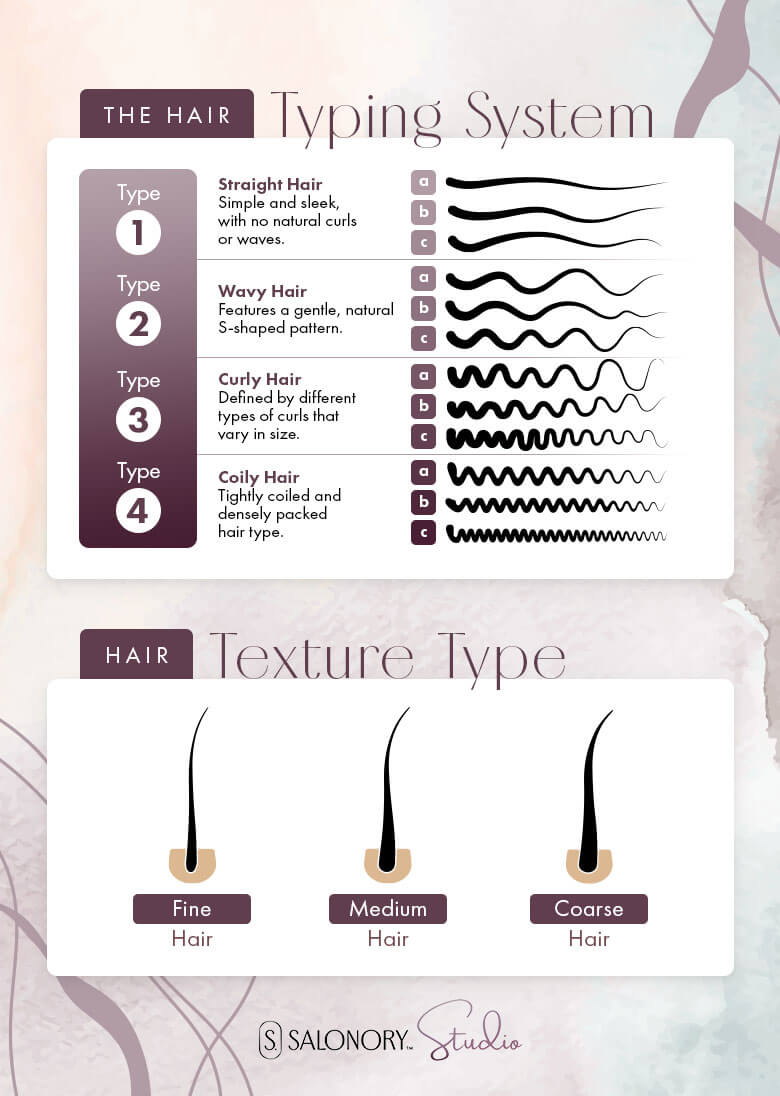
Credit: studio.salonory.com
Challenges In Transitioning With Mixed Porosity
Moving to natural hair is not just a physical change—it’s emotional too. Mixed porosity adds complexity. Here are key challenges:
Moisture Imbalance
You might notice that your roots stay hydrated, while your ends dry out quickly. This makes your hair look dull, tangled, and unhealthy. Moisture imbalance is a leading cause of breakage.
For example, after washing, your roots may feel soft and bouncy, but your ends are rough and brittle. If you use a heavy cream, the roots may become greasy, while the ends still feel dry. Moisture imbalance can also cause your styles to fail—twist-outs or braids may unravel or frizz in some sections.
Breakage At The Demarcation Line
This is the spot where relaxed hair meets natural hair. It is the weakest point and often breaks if not handled gently. Extra care is needed here.
Many transitioners report snap or split ends right at the demarcation line. This is because the texture and strength change suddenly from one section to another. If you pull too hard while detangling, or if you use harsh products, breakage will increase.
Some people find that their hair thins out during the first six months—this is usually linked to poor care at the demarcation line.
Uneven Product Results
One shampoo or conditioner might work for your roots but not for your ends. Styling products can make some areas sticky or greasy, while others stay frizzy.
You may find that your favorite leave-in conditioner works wonders on your new growth, but does nothing for your relaxed ends. Or, a curl cream gives definition in one section, but leaves another limp and undefined. This happens because each porosity area needs different ingredients and moisture levels.
Difficulty Detangling
Mixed porosity hair tangles easily, especially at the line between new growth and relaxed ends. Detangling can be painful and cause more breakage.
Some sections may knot up more than others, especially where the texture changes. If you try to detangle dry hair, you risk tearing or snapping strands. Using the right tools—like a wide-tooth comb or your fingers—can help, but you also need to use proper products to make detangling smoother.
Styling Challenges
Styles like twist-outs, braid-outs, or wash-and-go look uneven because different areas react differently to products and techniques.
It’s common for the curls at the nape to look defined, while the crown is frizzy and loose. You may spend extra time adjusting or redoing styles to get a consistent look. Some people try to “force” their hair into a style using more gel or mousse, but this can cause buildup or even make porosity issues worse.
Building A Custom Care Routine
Every person’s transition is unique, but there are proven strategies to care for mixed porosity hair.
Step 1: Cleanse Gently
Use a sulfate-free shampoo or a cleansing conditioner. Harsh shampoos strip moisture, especially from high-porosity ends.
Frequency: Wash once a week or as needed.
Tip: Focus shampoo on the scalp and roots. Let the suds run down to the ends without scrubbing them.
If your scalp gets oily faster, you can wash twice a week, but avoid scrubbing the ends too often. Over-washing can make high porosity ends more brittle. Try co-washing (using conditioner only) between shampoo days if your hair feels dry.
Step 2: Condition With Care
Conditioners are key. Use a moisturizing conditioner for the whole head, but pay attention to how each area responds.
Tip: Apply extra conditioner to dry, high-porosity ends. Use less on low-porosity roots.
After rinsing, check if the ends still feel rough. If so, add a second layer of conditioner to those sections and leave it in for a few minutes longer. For low porosity areas, use warm water to help the conditioner penetrate.
Step 3: Deep Condition Regularly
Deep conditioning helps balance porosity. Use treatments every week or every two weeks.
- For high porosity: Choose protein-rich treatments. They fill gaps in the cuticle and strengthen hair.
- For low porosity: Use moisture-rich masks with heat to open cuticles.
Try using a hooded dryer or a warm towel for 20–30 minutes during deep conditioning. For stubborn low porosity areas, steam treatments can help products absorb better. If you notice buildup, clarify once a month with a gentle shampoo.
Step 4: Moisturize And Seal
Mixed porosity hair needs both moisture and oil.
- For high porosity: Use heavy creams and oils like shea butter or castor oil.
- For low porosity: Use light leave-in conditioners and oils like jojoba or argan.
Apply products in sections to target each area.
You can also try layering products—use a water-based leave-in first, then oil, then cream. For low porosity sections, skip heavy oils and stick to lightweight formulas. If the ends still dry out, use a thicker oil just on those tips.
Step 5: Detangle Carefully
Use a wide-tooth comb or your fingers. Start from the ends and move up to the roots.
Tip: Detangle when hair is damp and coated with conditioner. Never detangle dry hair.
Finger detangling works well for mixed porosity hair, especially at the demarcation line. If you use a comb, choose one with smooth, rounded teeth to avoid snagging. Always take your time—rushing causes breakage.
Step 6: Protect The Demarcation Line
This spot is fragile. Handle gently:
- Avoid tight styles.
- Don’t pull or tug.
- Use protective styles like braids, twists, or buns.
You can use a special leave-in or oil blend on the demarcation line for extra strength. Some people braid their hair in sections to reduce stress on the line. If you notice breakage, try protective styles that don’t stress the roots—like loose buns or flat twists.
Step 7: Trim Regularly
Trim relaxed ends every 6–8 weeks. This reduces breakage and helps you see progress.
If you’re nervous about cutting, start with small trims every month. This encourages healthy growth and makes the transition smoother. You’ll notice less breakage and tangling as damaged ends disappear.
Step 8: Avoid Heat And Chemicals
Heat styling and chemical products increase porosity problems. Limit use or avoid completely.
Pro tip: If you must use heat, always apply a heat protectant.
Air drying is safer for mixed porosity hair, but if you need to use a blow dryer, use the cool setting and always protect the ends. Chemical treatments—like relaxers, perms, or colors—should be avoided during transition.
Step 9: Monitor Progress
Keep a hair diary. Write down what works and what doesn’t. Take pictures to track growth and changes.
You can use a notebook or an app to log wash days, products used, and how your hair feels. This helps you spot patterns and adjust your routine. Over time, you’ll see which strategies give the best results.
Choosing Products For Mixed Porosity Hair
Picking the right products is important. Not all products work for mixed porosity. Here’s a practical comparison to help you:
| Product Type | Best For | Common Ingredients | Tips |
|---|---|---|---|
| Sulfate-free shampoo | All porosity types | Aloe vera, coconut oil | Gentle, avoids stripping |
| Moisturizing conditioner | High porosity ends | Shea butter, glycerin | Apply extra to ends |
| Protein treatment | High porosity areas | Hydrolyzed keratin, silk protein | Use once a month |
| Light leave-in | Low porosity roots | Jojoba oil, panthenol | Don’t over-apply |
| Heavy cream/oil | High porosity areas | Castor oil, mango butter | Seal moisture after washing |
How To Layer Products
The LOC method (Liquid, Oil, Cream) works for many people. For mixed porosity, adjust as follows:
- On high porosity ends: Use LOC—start with water or leave-in, then oil, then cream.
- On low porosity roots: Use LC—water or leave-in, then cream. Oil may weigh down hair.
Mistake to avoid: Using heavy oils on low porosity areas can cause buildup.
You can also try the LCO method (Liquid, Cream, Oil) if you find that oil seals better when applied last. Experiment to see what works for your hair. For mixed porosity, try layering products differently in each section for balanced moisture.
Reading Product Labels
Look for:
- Protein: Good for high porosity, bad for low porosity if used too often.
- Humectants (glycerin, honey): Draw moisture in, good for normal to high porosity.
- Emollients (shea butter, coconut oil): Seal moisture, best for high porosity.
Avoid:
- Silicones: Cause buildup on low porosity hair.
- Sulfates: Strip moisture, especially from high porosity hair.
It’s helpful to keep a list of your favorite ingredients and avoid products with alcohol or drying agents. If you’re unsure, check reviews or ask other transitioners for advice.
Practical Styling Tips
Styling during transition can be tricky. Here are proven tips:
Use Protective Styles
Protective styles reduce manipulation and prevent breakage. Try:
- Braids
- Twists
- Buns
- Updos
- Wigs (with care)
Tip: Don’t make styles too tight—this damages the demarcation line.
You can also experiment with styles that don’t stress the scalp, like loose ponytails or half-up, half-down looks. If you wear wigs, make sure your hair is braided gently underneath and avoid glue or tight caps.
Low Manipulation
Limit combing, brushing, and styling. Less handling means less breakage.
Try finger styling or use your hands to smooth hair into shape. On wash days, let hair air dry and avoid touching it once it’s styled. The less you manipulate, the healthier your hair will be.
Stretch Your Hair
Stretching helps reduce tangling and breakage. Use:
- Banding
- African threading
- Twist-outs
Avoid heat-based stretching.
Banding is a simple method—wrap sections with soft bands to keep curls stretched. African threading uses yarn to gently stretch hair without heat. Twist-outs and braid-outs also stretch hair while giving defined curls.
Night Care
Protect hair at night. Wear a satin or silk bonnet or use a pillowcase. This reduces friction and moisture loss.
If you sleep with loose hair, pineapple it (gather hair on top of your head) to preserve curls. Silk bonnets prevent breakage and keep styles neat. Refresh in the morning with a water-based spray.
Managing Moisture Balance
Keeping moisture levels balanced is the most important step for mixed porosity hair.
Hydration Strategies
- Use water-based sprays daily.
- Deep condition with heat for low porosity areas.
- Seal moisture in high porosity areas with oils.
Try misting your hair before styling, then apply leave-in and oil to seal. If your ends dry out during the day, add a drop of oil or cream to those sections. Adjust your routine based on how your hair feels.
Humidity Control
Weather affects porosity. In humid climates, hair absorbs more water. In dry climates, hair loses moisture faster.
Tip: Adjust products based on weather. In humid weather, use anti-humectant products. In dry weather, use more oils and butters.
If you live in a dry area, keep a small spray bottle handy for touch-ups. In humid climates, use light gels or creams to prevent frizz and swelling. Seasonal changes may require different products—be flexible and listen to your hair.
Common Moisture Mistakes
- Over-moisturizing low porosity hair (causes limpness and buildup)
- Not sealing high porosity hair (leads to dryness)
- Using same products everywhere (causes uneven results)
If you notice product buildup, clarify with a gentle shampoo. If ends are still dry, try heavier creams or oils. Always check how each area responds—your routine should change as your hair grows.
Protein And Moisture Balance
Proteins strengthen hair, but too much can make hair stiff. Moisture softens hair, but too much makes it weak.
How To Find Balance
- High porosity hair needs more protein.
- Low porosity hair needs more moisture, less protein.
Tip: Alternate between protein and moisture treatments. If hair feels hard, add moisture. If it feels mushy, add protein.
A simple test: try bending a strand. If it stretches and breaks, add protein. If it feels stiff and snaps, add moisture. Keep a log of treatments and adjust based on results.
| Porosity | Signs of Protein Need | Signs of Moisture Need |
|---|---|---|
| High | Breaks easily, feels mushy | Feels dry, rough |
| Low | Feels stiff, brittle | Feels hard, not absorbing product |
Transitioning Techniques: Big Chop Vs. Gradual Transition
You have two main choices for transitioning:
Big Chop
Cut off all relaxed hair at once. This is a fast way, but it leaves you with only natural hair.
Pros:
- Easier to manage one porosity
- Less breakage
Cons:
- Short hair may not suit everyone
- Emotional adjustment
Some people find the big chop freeing—it removes damaged hair and lets you start fresh. Others feel nervous about short hair or worry about styling. If you choose the big chop, research styles that work for your new length.
Gradual Transition
Grow out natural hair, trim relaxed ends over time. This is slower but gentler.
Pros:
- Keeps length
- Easier emotional adjustment
Cons:
- Mixed porosity for longer
- More styling challenges
Gradual transition is popular because it lets you keep length and get used to your natural texture. However, you’ll need to manage mixed porosity longer and may face more breakage. Plan regular trims and use protective styles to help.
Tip: Choose the method that fits your lifestyle and comfort.
Caring For The Demarcation Line
This area is where most breakage happens. It needs special care.
How To Protect
- Use gentle detangling methods.
- Moisturize often.
- Avoid tight styles.
- Trim regularly.
Use a special oil blend or leave-in on the demarcation line. Be gentle when styling—avoid ponytails or buns that pull at the roots. If you notice thinning, try loose styles or use scalp massages to increase blood flow.
Non-obvious Insights
- Finger detangling is safer than combing.
- Don’t use heavy protein treatments near the demarcation line—they can make it brittle.
Another tip: use a silk scarf to protect the demarcation line at night. This prevents friction and breakage. If you see breakage, reduce manipulation and add moisture.
Real-life Examples And Data
Many people have successfully transitioned from relaxed to natural hair with mixed porosity. According to a 2022 survey by NaturallyCurly, over 65% of transitioners reported mixed porosity, and 48% said breakage at the demarcation line was their biggest problem.
One woman, Tasha, shared her experience: “My roots felt soft, but my ends were dry and breaking. I learned to deep condition with heat, use lighter products near my scalp, and trim every two months. Now my hair is healthy and growing.”
Key data points:
- Transition time averages 12–18 months.
- Most breakage happens in the first 6 months.
- Protective styles reduce breakage by 37%.
Some people find that joining support groups or forums helps them stay motivated. Sharing progress photos and asking questions can make the journey easier. The data shows that tracking your routine and using protective styles can make a big difference.
Avoiding Common Mistakes
Transitioning can be smoother if you avoid these errors:
- Using same products everywhere: Each area needs different care.
- Skipping trims: Leads to more breakage.
- Ignoring the demarcation line: Causes weak spots.
- Overloading protein: Makes hair stiff and brittle.
- Using heat frequently: Raises porosity and breaks hair.
- Not monitoring progress: Hard to know what works.
- Using heavy oils on low porosity hair: Causes buildup.
- Combing dry hair: Leads to snapping.
Other mistakes include not protecting hair at night, using harsh brushes, or switching products too often. Stick to a routine for a few weeks before making changes, and always listen to your hair.
Adjusting Your Routine Over Time
As your hair grows, porosity changes. Be ready to adjust:
- Test porosity every 2–3 months.
- Change products as needed.
- Increase trims as relaxed hair disappears.
- Try new styles as your natural hair grows.
Your routine should evolve—what works at six months may not work at twelve months. As you trim away relaxed ends, you’ll notice more uniform porosity. Adapt your routine to match your hair’s needs and celebrate progress.
Making The Transition Positive
The transition is not just about hair—it’s about self-confidence and learning. Celebrate small wins, like less breakage or softer curls. Join online communities for support and advice. Track your progress with photos and notes.
If you feel discouraged, remember that every journey has ups and downs. Focus on the health of your hair, not just length. Share your story with others—your experience can inspire someone else.
Credit: www.camillerose.com
Expert Tips For Mixed Porosity Management
- Section your hair when applying products.
- Use steam treatments for low porosity areas.
- Mix oils and creams for custom blends.
- Try clay washes for gentle cleansing.
- Use leave-in conditioners daily.
- Avoid over-styling.
- Wear protective styles 50% of the time.
- Don’t rush the process.
- Listen to your hair—adjust when needed.
- Consult a professional stylist if unsure.
You can also experiment with scalp massages, hair masks, or even DIY treatments—just make sure you understand your hair’s needs before trying new products.
Comparing Transition Strategies
Let’s compare gradual transition vs. big chop for mixed porosity:
| Strategy | Porosity Management | Breakage Risk | Emotional Impact |
|---|---|---|---|
| Big Chop | Single porosity | Low | High (short hair) |
| Gradual Transition | Mixed porosity | High (demarcation line) | Medium |
If you’re unsure which method to choose, talk to a stylist or consult online forums. Some people do a partial chop—cutting some relaxed ends but not all at once. This can ease the emotional transition while reducing breakage.
Credit: www.allaboutsalon.com.au
Addressing Emotional Aspects
Transitioning is emotional. You may feel frustrated, sad, or excited. Mixed porosity adds stress, but remember:
- Every person’s journey is unique.
- Support from friends, family, or online groups helps.
- Progress is slow but worth it.
- Hair health is more important than length.
Remind yourself that setbacks are normal. If you lose patience, take a break and revisit your goals. Practice self-care and celebrate every milestone, no matter how small.
Resources For Further Learning
For more in-depth information, visit NaturallyCurly. This website has tips, product reviews, and stories from transitioners.
You can also find helpful YouTube channels, blogs, and books on transitioning hair. Local salons may offer workshops or consultations. The more you learn, the easier your journey becomes.
Frequently Asked Questions
How Often Should I Deep Condition Mixed Porosity Hair During Transition?
Deep conditioning is key. For most people, once a week is enough. If your hair feels dry or breaks, increase to twice a week. Use heat for low porosity areas to help products penetrate.
Which Oils Are Best For Mixed Porosity Hair?
For high porosity ends, use castor oil or shea butter. They seal moisture. For low porosity roots, use jojoba oil or argan oil—they are lighter and won’t cause buildup.
Can I Use Protein Treatments On All Areas?
No. Use protein treatments mostly on high porosity areas (like relaxed ends). Low porosity hair can get stiff if you use too much protein. Alternate with moisture treatments.
How Do I Avoid Breakage At The Demarcation Line?
Be gentle. Detangle with fingers or a wide-tooth comb when hair is damp. Moisturize often. Avoid tight styles. Trim regularly. Protective styles help too.
What’s The Best Way To Style Mixed Porosity Hair?
Use protective and low manipulation styles. Braids, twists, and buns work well. Apply products in sections, so each area gets what it needs. Avoid heat and over-styling.
Transitioning from relaxed to natural hair with mixed porosity is a unique journey. With patience, knowledge, and the right care, you can manage the challenges and enjoy healthy, beautiful hair. Remember—your hair is a reflection of your care and confidence.
Celebrate your progress, and never stop learning.