

Winter brings cold winds, dry air, and indoor heating. All these things make your skin lose water and feel rough. If your skin is dehydrated, you may notice tightness, flaky patches, or dull tone. Many people confuse dehydration with dry skin, but they are different. Dehydrated skin lacks water, not oil. Even oily skin can be dehydrated in winter. To fix this, you need a smart moisturizer routine that works layer by layer. In this article, you will learn how to build a layer-by-layer protocol for winter, what products to choose, and how to apply them for maximum hydration.
Most people use only one cream or lotion, but that is often not enough. A good layer-by-layer protocol uses several types of products, each doing a special job. This method is popular among skincare experts because it gives better results, especially in tough winter months.
You will find practical advice, step-by-step routines, tips for different skin types, and common mistakes to avoid. By the end, you will know how to keep your skin soft, comfortable, and glowing—even when the weather is harsh.
What Is Dehydrated Skin?
Dehydrated skin means your skin does not have enough water. It can feel tight, sensitive, or look dull. Unlike dry skin, which does not make enough oil, dehydrated skin can happen to anyone, even if your skin is oily or combination.
Signs Of Dehydrated Skin
- Tightness, especially after washing your face
- Dull or tired appearance
- Fine lines that look more visible
- Itchy or uncomfortable feeling
- Flaky patches (but skin may still feel oily in places)
Causes Of Dehydration In Winter
Cold air holds less moisture. Heaters inside buildings dry the air even more. This makes your skin lose water faster than in warmer months. Some habits, like taking hot showers or using strong soaps, can also make the problem worse.
Difference Between Dry And Dehydrated Skin
Dry skin is a skin type. It produces less oil. Dehydrated skin is a skin condition—it can affect any skin type if there is not enough water. Many people make the mistake of treating dehydration with heavy creams, but these do not add water. You need a mix of hydrating and moisturizing products.
Why Layering Is Important For Winter Hydration
Applying skincare products in layers helps your skin absorb more water and keep it inside longer. Each layer has a purpose. If you use only one product, you may miss important steps.
How Layering Works
You start with light products that add water. Then you use heavier products that lock the water in. This is called the layer-by-layer protocol. You can adjust the routine for your skin type, age, and climate.
Benefits Of Layering
- Better hydration, both on the surface and deep inside skin
- Stronger skin barrier, which protects against wind and cold
- Fewer breakouts, since you avoid heavy creams that block pores
- Smooth, glowing skin even in harsh winter conditions
Common Layering Mistakes
Many beginners use products in the wrong order. For example, using oil before water-based products stops absorption. Some skip layers, thinking it saves time, but this reduces results. Another mistake is using too much of each product, which can cause pilling or waste.
The Layer-by-layer Protocol: Step-by-step Guide
A true layer-by-layer protocol involves several steps. Each one has a special job. Follow this routine for the best winter hydration.
Step 1: Gentle Cleanser
Start with a gentle cleanser. Avoid harsh soaps or foaming cleansers. These can strip your skin and make dehydration worse. Look for cleansers with mild surfactants and no alcohol.
- Example: Cream or gel cleansers with glycerin
- Avoid: Bar soaps, strong acne washes
Step 2: Hydrating Toner
After cleansing, use a hydrating toner. This step adds water and prepares your skin for the next layers. Choose toners with humectants like hyaluronic acid, glycerin, or panthenol.
- Pat the toner onto your skin. Do not rub.
- Example: Toners labeled “hydrating” or “moisture boost”
Step 3: Essence Or Hydrating Serum
Essences and serums are more concentrated than toners. They deliver water and nutrients deeper into the skin. Look for serums with hyaluronic acid, polyglutamic acid, niacinamide, or ceramides.
- Apply a few drops and gently press into your skin.
- If using both essence and serum, apply essence first.
Step 4: Moisturizer
Now use a moisturizer. This product locks in the water from earlier steps and adds extra comfort. Choose moisturizers with a mix of humectants, emollients, and occlusives. In winter, thicker creams often work better than lotions.
- Apply a thin layer, covering all areas.
- Look for ingredients like squalane, ceramides, sheabutter, or dimethicone.
Step 5: Facial Oil (optional)
If your skin is very dry or exposed to strong cold, a facial oil can help. Oils seal in moisture and soften the skin. Use only a few drops. Oils like jojoba, rosehip, or argan are good choices.
- Apply after moisturizer.
- Do not use too much—too much oil can block pores.
Step 6: Sunscreen (morning Only)
Even in winter, UV rays can damage skin and make dehydration worse. Always finish your morning routine with sunscreen.
- Choose broad-spectrum SPF 30 or higher.
- Apply generously to face and neck.
Step 7: Night Mask (optional, Night Only)
Night masks are thicker products used before sleep. They give extra hydration and help skin recover overnight. Use 2-3 times per week.
- Choose masks labeled “hydrating” or “overnight recovery”.
Example Layer-by-layer Routine
- Gentle cleanser
- Hydrating toner
- Essence or serum
- Moisturizer
- Facial oil (optional)
- Sunscreen (morning)
- Night mask (night, optional)
Choosing Moisturizers For Dehydrated Skin
Picking the right moisturizer is key. In winter, your skin needs more than just oil or water.
Important Ingredients
Look for products with:
- Hyaluronic acid: Pulls water into skin
- Glycerin: Keeps skin moist
- Ceramides: Repair skin barrier
- Squalane: Softens and protects
- Shea butter: Adds comfort and locks in moisture
- Panthenol: Calms and hydrates
Avoid moisturizers with alcohol, strong fragrances, or heavy mineral oils. These can irritate or block pores.
Types Of Moisturizers
There are three main types:
- Humectants: Draw water into skin (e.g., hyaluronic acid, glycerin)
- Emollients: Smooth and soften (e.g., squalane, fatty acids)
- Occlusives: Seal water inside (e.g., petrolatum, shea butter)
In winter, a mix of all three works best.
Comparing Moisturizer Types
Here is a simple comparison:
| Type | Purpose | Common Ingredients | Best For |
|---|---|---|---|
| Humectants | Pull water into skin | Hyaluronic acid, glycerin | All skin types, dehydration |
| Emollients | Soften skin, fill gaps | Squalane, fatty acids | Dry, rough skin |
| Occlusives | Seal water inside | Shea butter, petrolatum | Very dry, winter conditions |
How To Test If A Moisturizer Is Right
- Apply on a small area for three days
- Check if your skin feels comfortable and hydrated
- Look for no irritation, redness, or breakouts
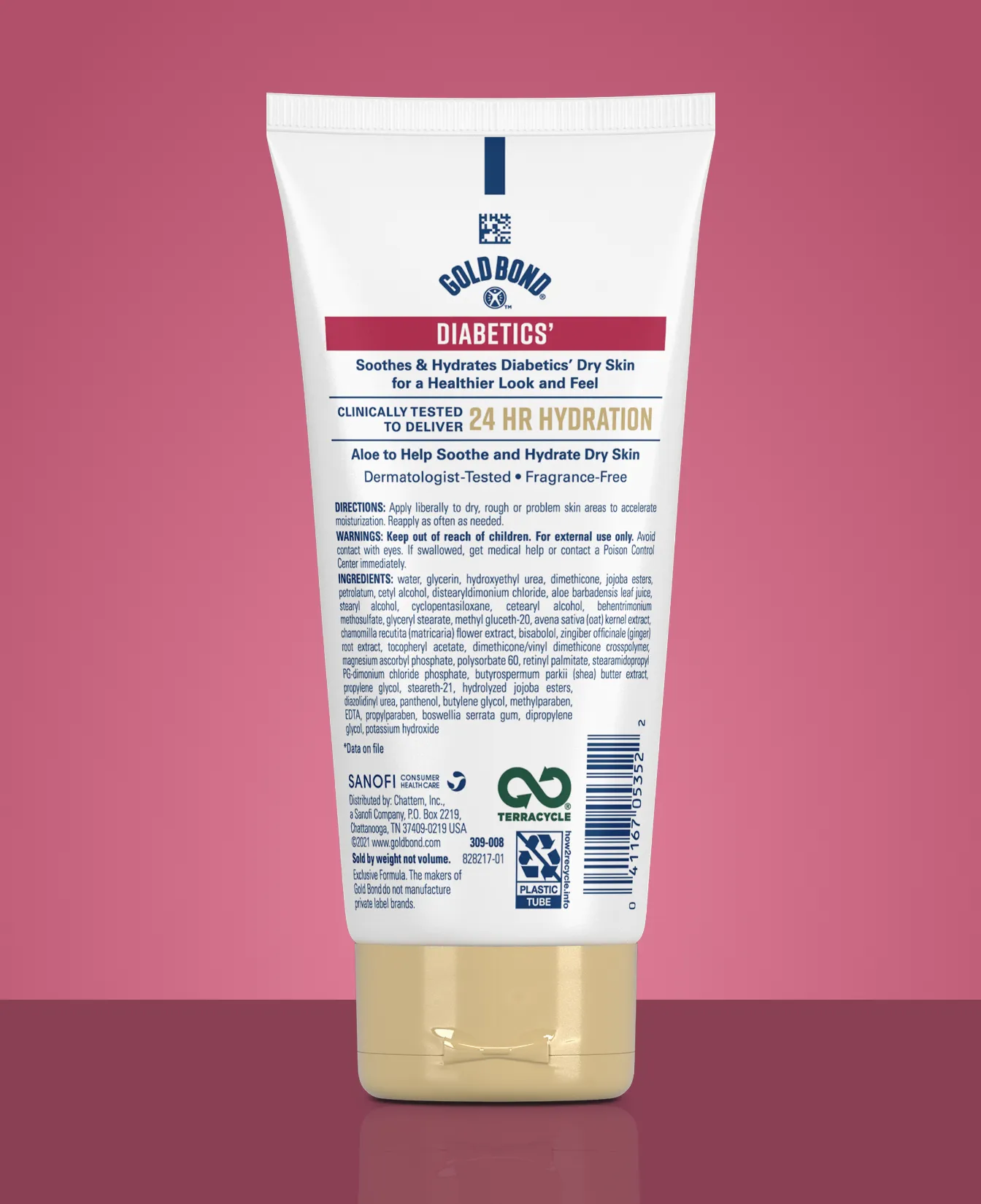
Credit: www.goldbond.com
Winter Skincare Tips For Dehydrated Skin
Small changes in your daily routine can make a big difference.
1. Use Lukewarm Water
Hot water removes oils and dries skin. Use lukewarm water for washing face and hands.
2. Humidify Your Home
Indoor heating dries the air. Use a humidifier to add moisture. This helps skin stay hydrated.
3. Drink Enough Water
Skin hydration starts inside. Drink at least eight cups of water daily. Herbal teas are also good.
4. Avoid Strong Products
Skip products with strong acids or retinoids in winter, unless advised by a dermatologist. These can make dehydration worse.
5. Reapply Moisturizer
If your skin feels dry during the day, reapply a light moisturizer or hydrating mist.
6. Protect Skin Outdoors
Cover face with a scarf in strong wind. Use gloves for hands. This prevents water loss.
7. Use Barrier Repair Products
If your skin barrier is damaged, use products with ceramides or cholesterol. These help skin recover faster.
8. Sleep Well
Skin repairs itself at night. Aim for 7-8 hours of sleep. Stress and poor sleep make dehydration worse.
9. Patch Test New Products
Winter skin is more sensitive. Always test new products on a small area first.
10. Avoid Over-exfoliation
Exfoliating removes dead skin, but too much can damage the barrier. Limit to once per week.
Layering For Different Skin Types
Not everyone needs the same routine. Adjust the protocol for your skin type.
Oily Skin
Oily skin can be dehydrated. Use light, gel-based moisturizers with humectants. Avoid heavy creams or oils. Focus on water-based products.
- Example: Gel moisturizer with hyaluronic acid
Dry Skin
Dry skin needs extra emollients and occlusives. Use thicker creams and oils. Layer with hydrating toner and serum.
- Example: Cream with ceramides and shea butter
Combination Skin
Combination skin has oily and dry areas. Use gel moisturizer on oily parts, cream on dry parts. Layering helps balance both.
- Example: Apply serum everywhere, cream only on cheeks
Sensitive Skin
Sensitive skin can react to strong ingredients. Choose fragrance-free, gentle products. Avoid alcohol and strong acids.
- Example: Moisturizer with squalane and ceramides
Adjusting The Protocol For Severe Winter Conditions
If you live in places with freezing temperatures or strong wind, your skin may need extra care.
Double Moisturizing
Apply a thin layer of moisturizer, wait five minutes, then add another layer. This gives stronger protection.
Extra Occlusive Layer
Finish your routine with a thick occlusive, like petrolatum or balm, on areas that get very dry (nose, cheeks).
Reduce Washing Frequency
Do not wash your face more than twice a day. Over-washing removes natural oils.
Use Hydrating Masks More Often
Increase mask use to 2-3 times per week. Choose masks with hyaluronic acid, aloe, or panthenol.
Science Behind Layering: Why Does It Work?
Layering is not just a trend. Science supports its benefits.
Water Loss In Skin
Skin loses water through transepidermal water loss (TEWL). In winter, TEWL increases. Layering products slows this loss.
Role Of Humectants
Humectants attract water from the environment and deeper layers of skin. They fill gaps and make skin look plump.
Barrier Function
The skin barrier is made of lipids and cells. Moisturizers with ceramides and fatty acids repair this barrier. When the barrier is strong, skin keeps water inside.
Real-life Example
A study by the Journal of Dermatology showed that using a layered routine with humectants, emollients, and occlusives reduced TEWL by up to 40% in winter.
Common Beginner Mistakes In Winter Moisturizing
Many people make mistakes that stop their skin from getting enough water.
Using Only One Product
A single cream is not enough in winter. Layering gives better results.
Applying Products In Wrong Order
Always go from thin to thick. Water-based products first, oils and creams last.
Skipping Sunscreen
UV rays damage skin, even in winter. Always finish with sunscreen in the morning.
Using Too Much Product
More is not better. Use a thin layer of each product. Too much can cause pilling or block pores.
Ignoring The Neck
The neck loses water like the face. Apply all layers to neck as well.
Not Adjusting For Weather
Cold, wind, and indoor heating need more protection. Change routine if you travel or weather changes.
How To Layer Products For Maximum Hydration
If you want perfect winter hydration, follow these tips:
Start On Damp Skin
Apply toner or serum to damp skin. This helps products absorb better.
Wait Between Layers
Wait 30-60 seconds between each product. This avoids pilling and helps absorption.
Use Pressing Motions
Gently press products into skin, do not rub hard. This avoids irritation.
Layer Sunscreen Last
Sunscreen always goes last in the morning. It protects from UV and seals other layers.
Adjust Amount
Use less in summer, more in winter. Check your skin daily and change as needed.

Credit: us.babor.com
Best Practices For Layering Moisturizer In Winter
Here are some expert-approved steps for winter:
- Cleanse gently, no strong soap
- Apply hydrating toner (look for hyaluronic acid)
- Layer essence or serum (choose one with ceramides or panthenol)
- Use moisturizer (thicker cream for cold months)
- Add facial oil if skin is very dry
- Finish with sunscreen in morning
- Apply night mask twice per week
Example Product Choices
- Cleanser: Cream cleanser with glycerin
- Toner: Hyaluronic acid hydrating toner
- Serum: Niacinamide + ceramides serum
- Moisturizer: Shea butter + squalane cream
- Facial oil: Jojoba or argan oil
- Night mask: Panthenol overnight mask
How Climate And Lifestyle Affect Your Protocol
Your routine must fit your climate and daily habits.
Cold, Dry Climate
Use thicker creams and occlusives. Reapply moisturizer midday. Humidify your home.
Warm, Humid Climate
Use lighter gel moisturizers. Reduce occlusive layers. Drink more water.
Active Lifestyle
If you spend time outdoors, use stronger protection. Carry a hydrating mist. Cover face and hands.
Office Work
Indoor heating dries skin. Keep a humidifier at your desk. Reapply hydrating toner midday.
Travel
Change routine for airplane travel or ski trips. Airplanes dry skin fast—use masks and occlusives before flight.
How Age Changes Your Winter Hydration Needs
As you get older, your skin produces less oil and holds less water.
Young Skin (under 30)
Usually needs light layers. Focus on humectants and light moisturizers.
Mature Skin (30+)
Needs more emollients and occlusives. Layer with rich creams and oils. Use products with peptides for repair.
Elderly Skin (60+)
Needs even more barrier repair. Use thick creams, occlusives, and gentle cleansers.
Comparing Popular Moisturizer Brands For Winter
Many brands make good winter moisturizers. Here is a comparison of popular choices:
| Brand | Main Ingredients | Texture | Best For |
|---|---|---|---|
| CeraVe | Ceramides, hyaluronic acid | Medium cream | All skin types |
| La Roche-Posay | Thermal water, niacinamide | Light cream | Sensitive skin |
| Neutrogena | Hyaluronic acid | td>GelOily skin | |
| Eucerin | Urea, ceramides | Rich cream | Very dry skin |
| Clinique | Glycerin, aloe | Light cream | Combination skin |
Practical Layering Example: Real-life Routine
Let’s walk through a real routine for winter:
- Wash face with cream cleanser (morning and night)
- Pat on hydrating toner with hyaluronic acid
- Apply niacinamide + ceramide serum
- Layer shea butter cream
- Use facial oil on cheeks and nose (if needed)
- Finish with SPF 50 sunscreen (morning)
- Twice per week, apply overnight mask after moisturizer
This routine works for most skin types. Adjust products and thickness for your needs.
Two Insights Most Beginners Miss
- Humidifier is as important as moisturizer. Many people skip this step, but dry indoor air makes any routine less effective. A humidifier adds water to the air so your skin stays hydrated longer.
- Moisturizer layering works best when skin is damp. Applying products on dry skin reduces absorption. Always start with damp skin for maximum benefit.
Layer-by-layer Protocol For Hands And Body
Face gets most attention, but hands and body also suffer in winter.
Hands
- Wash with gentle soap
- Pat dry, do not rub
- Apply hydrating hand cream with urea or glycerin
- Use occlusive balm at night
Body
- Use cream-based body wash
- Apply lotion or cream after shower, while skin is damp
- Layer with body oil if skin is very dry
Comparing Hand Creams
| Brand | Main Ingredient | Texture | Hydration Level |
|---|---|---|---|
| Neutrogena | Glycerin | Thick | High |
| Aveeno | Oat extract | Medium | Medium |
| O’Keeffe’s | Allantoin | Thick | Very High |
How To Recover From Severe Dehydration
If your skin feels very tight, flaky, or painful, take these steps:
- Stop using strong acids or exfoliants
- Use gentle, fragrance-free cleanser
- Apply hydrating toner and serum every morning and night
- Use rich moisturizer and occlusive balm
- Avoid hot water and wind
- Use humidifier at home
- If no improvement in one week, see a dermatologist
:max_bytes(150000):strip_icc():focal(1999x0:2001x2)/peo-group-shot-face-moisturizer-dry-skin_tstaples_891-2-208003d94cec4c628255a9240ed9db2c.jpeg)
Credit: people.com
Layering Protocol For Kids And Teens
Kids and teens often get dehydrated skin in winter. Their routine should be simple and safe.
- Use gentle cleanser (no soap)
- Apply light moisturizer (no fragrance)
- Use sunscreen in morning
- Avoid strong acids or retinoids
When To See A Dermatologist
If your skin does not improve, or you notice redness, swelling, or pain, professional help is needed. Some conditions, like eczema or psoriasis, need special care.
Frequently Asked Questions
What Is The Best Moisturizer For Dehydrated Skin In Winter?
The best moisturizer has a mix of humectants, emollients, and occlusives. Look for products with hyaluronic acid, ceramides, squalane, and shea butter. Brands like CeraVe and Eucerin are popular for winter hydration.
How Many Layers Should I Use In My Skincare Routine?
Most people use 3-5 layers: cleanser, toner, serum, moisturizer, and sunscreen (morning) or night mask (evening). Adjust the number of layers based on your skin type and climate.
Can Oily Skin Be Dehydrated In Winter?
Yes, oily skin can lose water and become dehydrated. Use gel-based moisturizers with humectants, and avoid heavy creams or oils.
Should I Use Facial Oils In Winter?
Facial oils can help lock in moisture, especially if your skin is very dry. Use only a few drops, and apply after moisturizer. Choose oils like jojoba or argan.
How Do I Know If My Skin Is Dehydrated Or Just Dry?
Dehydrated skin feels tight, looks dull, and may have fine lines. It can happen to any skin type. Dry skin produces less oil and feels rough all the time. You can have both, so use products that add water and lock it in.
—
Keeping your skin hydrated in winter needs more than just one cream. The layer-by-layer protocol gives stronger, deeper hydration. By choosing the right products, using the correct order, and adjusting for your skin type, you can enjoy soft, comfortable skin all winter. Remember, hydration is not just about products—it’s about your whole routine, including water intake and home humidity. With these practical steps, you can protect your skin from winter damage and feel confident every day. For more detailed scientific insights, you can visit National Institutes of Health.