

If you have sensitive skin or rosacea, finding the right skincare can feel like solving a puzzle. Many moisturizers promise hydration but contain ingredients that cause stinging, redness, or even trigger flare-ups. When your face feels tight, itchy, or hot, using the wrong product can make things much worse. This is why a fragrance-free moisturizer isn’t just a nice option—it’s often a must.
People with sensitive skin and rosacea face unique challenges. Their skin barrier is weaker, making it easy for irritants to enter. Fragrance, even if it smells pleasant, is one of the most common causes of irritation. Add in harsh preservatives, alcohols, or strong plant extracts, and you have a recipe for discomfort.
Choosing a moisturizer without these triggers can make daily life calmer, more comfortable, and even help your skin look its best.
This guide will explain why fragrance matters, what ingredients to look for, how to build a skincare routine, and what science says about caring for sensitive skin and rosacea. You’ll also find product recommendations, tips to avoid common mistakes, and clear answers to questions many people have.
Whether you’re new to skincare or have spent years looking for relief, you’ll find everything you need to make smarter, safer choices for your skin.
Why Fragrance-free Matters For Sensitive Skin And Rosacea
Fragrance is one of the most common triggers for skin irritation. Even products labeled “natural” or “hypoallergenic” may contain perfumes, essential oils, or masking scents. These can irritate the skin, especially if you have a sensitive or reactive skin type like rosacea.
How Fragrance Triggers Problems
Fragrances are made up of complex chemicals. These include synthetic compounds and natural extracts, both of which can:
- Break down the skin barrier, making it easier for irritants to get in.
- Trigger allergic reactions or contact dermatitis, which causes redness, itching, and even swelling.
- Increase skin sensitivity over time, especially if used daily.
Rosacea-prone skin is even more vulnerable. Research shows that up to 50% of people with rosacea react to fragranced products, compared to about 10% of the general population.
Fragrance-free Vs. Unscented
These terms sound similar but are different:
- Fragrance-free: No perfumes or masking scents are added, and none are used to hide the smell of other ingredients.
- Unscented: No strong scent, but masking agents might be added to neutralize odors. These can still cause irritation.
If you want the safest choice, always pick fragrance-free over “unscented.”
The Role Of The Skin Barrier
The skin barrier acts like a wall, keeping moisture in and irritants out. If it’s damaged, your skin feels dry, tight, and reacts more easily. Fragrance can break down this barrier, leading to a cycle of irritation and sensitivity.
People with rosacea have a weaker barrier to start with, so avoiding anything that could make it worse—including fragrance—is key.
Understanding Sensitive Skin And Rosacea
Sensitive skin is a broad term. It means your skin reacts more than normal to common products or environmental factors. Rosacea is a specific medical condition that causes redness, flushing, visible blood vessels, and sometimes bumps or pimples.
Signs You Have Sensitive Skin Or Rosacea
- Redness or flushing
- Burning or stinging
- Dry, tight feeling
- Small bumps or pimples
- Visible blood vessels (telangiectasia)
- Reactions to skincare, weather, or stress
Why Do These Conditions Occur?
- Genetics: Some people are just born with thinner, more reactive skin.
- Environment: Sun, wind, pollution, and temperature changes can trigger symptoms.
- Ingredients: Fragrance, alcohol, and strong acids are common culprits.
- Stress and hormones: Both can make symptoms worse.
Common Triggers For Flare-ups
- Heat: Hot showers, saunas, spicy foods
- Sun exposure: UV rays damage sensitive skin
- Harsh skincare products: Especially those with fragrance or alcohol
- Alcoholic drinks: Especially red wine
- Stress: Can worsen both sensitivity and rosacea
Understanding your triggers is the first step to controlling symptoms.
What Makes A Great Fragrance-free Moisturizer?
Not all moisturizers are equal. The best ones for sensitive or rosacea-prone skin have a few things in common.
Key Qualities To Look For
- Truly fragrance-free: Check the ingredient list for “parfum,” “fragrance,” or essential oils.
- Few ingredients: Less is often better for sensitive skin.
- Non-comedogenic: Won’t clog pores or trigger acne.
- Gentle preservatives: Avoid formaldehyde releasers or parabens if possible.
- No drying alcohols: Steer clear of SD alcohol, denatured alcohol, or ethanol.
Ingredients That Help
The best moisturizers contain ingredients that soothe and repair:
- Ceramides: Help restore the skin barrier.
- Hyaluronic acid: Attracts and holds water for deep hydration.
- Glycerin: A gentle, effective humectant.
- Niacinamide: Reduces redness and strengthens skin.
- Squalane: Lightweight oil that moisturizes without feeling greasy.
- Panthenol (Pro-vitamin B5): Calms and hydrates.
- Allantoin: Reduces irritation.
Ingredients To Avoid
Sensitive and rosacea-prone skin can react badly to:
- Fragrance and essential oils: Even natural ones like lavender or citrus.
- Alcohol (denatured, SD, ethanol): Dries out the skin.
- Strong acids: Like glycolic or lactic acid (unless recommended by a dermatologist).
- Harsh preservatives: Methylisothiazolinone, parabens, and formaldehyde releasers.
Example Comparison Of Common Moisturizer Ingredients
Below, you’ll see how typical ingredients compare in terms of suitability for sensitive and rosacea-prone skin.
| Ingredient | Benefit | Suitable for Sensitive/Rosacea? |
|---|---|---|
| Ceramides | Repairs barrier | Yes |
| Fragrance | Smells pleasant | No |
| Hyaluronic Acid | Hydration | Yes |
| Alcohol | Evaporates quickly | No |
| Niacinamide | Reduces redness | Yes |
| Essential Oils | Natural fragrance | No |
How To Choose The Right Fragrance-free Moisturizer
Walking into a store or browsing online, you’ll find hundreds of options. How do you pick the one that’s best for you?
Step 1: Read The Ingredient List
Don’t trust the front label alone. Many brands highlight “sensitive skin” but still include irritants.
- Look for ceramides, hyaluronic acid, glycerin, squalane, and niacinamide.
- Make sure “fragrance” and “parfum” are not in the list—even at the end.
- Avoid essential oils like lavender, peppermint, or citrus.
Step 2: Consider Texture And Skin Type
- Lightweight gel or lotion: Best for oily or combination skin.
- Cream or balm: Better for very dry, flaky skin.
- Ointment: Good for night use or severe dryness.
Step 3: Patch Test First
Apply a small amount to your inner arm or behind the ear. Wait 24 hours. If there’s no reaction, it’s likely safe to try on your face.
Step 4: Check For Clinical Testing
Look for products that have been dermatologist-tested or approved for sensitive skin. Some brands partner with rosacea foundations or have clinical data to back up their claims.
Step 5: Avoid Common Marketing Traps
- “Unscented” is not the same as fragrance-free.
- “Natural” doesn’t mean safe—many natural extracts are irritating.
- “Hypoallergenic” can still contain allergens.
Example Moisturizer Comparison
Here’s a side-by-side look at three popular fragrance-free moisturizers for sensitive and rosacea-prone skin.
| Brand | Key Ingredients | Texture | Special Features |
|---|---|---|---|
| CeraVe Moisturizing Cream | Ceramides, hyaluronic acid | Cream | Non-comedogenic, accepted by National Eczema Association |
| La Roche-Posay Toleriane Double Repair | Ceramides, niacinamide, glycerin | Lotion | Dermatologist-tested, lightweight |
| Vanicream Moisturizing Cream | Glycerin, petrolatum | Cream | Free of dyes, parabens, formaldehyde |
Building A Rosacea-friendly Skincare Routine
A good moisturizer is just one part of your routine. Using the right products in the right order can reduce irritation and help your skin heal.
Basic Routine For Sensitive And Rosacea-prone Skin
- Gentle Cleanser: Use a mild, fragrance-free cleanser. Avoid scrubs or foaming washes.
- Moisturizer: Apply right after cleansing, while skin is still damp.
- Sunscreen: Use daily, even on cloudy days. Choose a mineral-based (zinc oxide or titanium dioxide) sunscreen without fragrance.
- Optional treatment: If prescribed, use rosacea medication before moisturizing.
Tips For Each Step
- Use lukewarm water—hot water increases redness.
- Pat skin dry with a soft towel.
- Apply products with clean hands, using gentle motions.
- Wait a few minutes between steps to let each product absorb.
What To Avoid In Your Routine
- Strong exfoliants or scrubs
- Toners with alcohol or fragrance
- Oily, heavy makeup
- Products with menthol, camphor, or eucalyptus
Example Simple Routine
Morning:
- Gentle, fragrance-free cleanser
- Fragrance-free moisturizer
- Mineral sunscreen
Night:
- Gentle, fragrance-free cleanser
- Fragrance-free moisturizer
Consistency is more important than using many products.
Science Behind Fragrance-free Moisturizers
Understanding the science can help you make better choices. Research has shown that fragrance-free moisturizers improve skin barrier function, reduce redness, and increase comfort for people with sensitive skin and rosacea.
What Clinical Studies Show
- A study in the Journal of the American Academy of Dermatology found that people who used fragrance-free products had 40% fewer flare-ups** than those who used scented products.
- Another study showed that moisturizers with ceramides improved barrier repair in 70% of participants with sensitive skin.
- Moisturizers containing niacinamide reduced redness and irritation in people with mild to moderate rosacea after 8 weeks of use.
Why Does Fragrance Cause Problems?
The skin’s immune system can see fragrance molecules as invaders. When this happens, the body sends out inflammatory chemicals, causing redness, swelling, and itching. For people with rosacea, this response is even stronger.
Unique Insights
Most people don’t realize that even products you wash off—like cleansers—can cause problems if they contain fragrance. The residue left behind can continue to irritate the skin for hours.
Also, using too many products at once, even if they are all fragrance-free, can overload sensitive skin. Stick to a simple routine for the best results.
Popular Fragrance-free Moisturizers For Sensitive Skin And Rosacea
Finding the right product often takes trial and error. Here are some top picks, with a focus on their special features for reactive skin.
1. Cerave Moisturizing Cream
- Texture: Thick, rich cream
- Best for: Dry to very dry skin
- Key ingredients: Ceramides, hyaluronic acid
- Why it works: Repairs and strengthens the skin barrier; accepted by the National Eczema Association
- Extra tip: Also available in a lighter lotion for daytime use
2. Vanicream Moisturizing Cream
- Texture: Rich, non-greasy cream
- Best for: All skin types, especially extremely sensitive
- Key ingredients: Glycerin, petrolatum
- Why it works: Free of dyes, fragrance, parabens, and common preservatives
- Extra tip: Often recommended by dermatologists for eczema and rosacea
3. La Roche-posay Toleriane Double Repair Face Moisturizer
- Texture: Lightweight lotion
- Best for: Normal to combination skin
- Key ingredients: Ceramides, niacinamide, glycerin
- Why it works: Calms redness and hydrates without feeling heavy
4. Eucerin Advanced Repair Cream
- Texture: Thick, but absorbs well
- Best for: Dry, flaky skin
- Key ingredients: Urea, ceramides, glycerin
- Why it works: Urea gently exfoliates and hydrates; ceramides repair the barrier
- Extra tip: Avoid if you have deep cracks or open wounds, as urea can sting
5. Neutrogena Hydro Boost Gel-cream (fragrance-free)
- Texture: Gel-cream, very lightweight
- Best for: Oily to combination skin
- Key ingredients: Hyaluronic acid, glycerin
- Why it works: Hydrates without clogging pores; absorbs quickly
6. Aveeno Ultra-calming Nourishing Night Cream
- Texture: Creamy, not greasy
- Best for: Sensitive, redness-prone skin
- Key ingredients: Feverfew extract, glycerin
- Why it works: Feverfew is known to reduce redness; no fragrance or dyes
7. First Aid Beauty Ultra Repair Cream
- Texture: Whipped cream, rich but not heavy
- Best for: Dry, irritated skin
- Key ingredients: Colloidal oatmeal, shea butter, ceramides
- Why it works: Colloidal oatmeal soothes irritation; safe for eczema and rosacea
8. Avene Tolerance Extreme Emulsion
- Texture: Light, fluid emulsion
- Best for: Normal to sensitive skin
- Key ingredients: Glycerin, squalane
- Why it works: Only six ingredients; sterilized packaging prevents contamination
9. Cetaphil Redness Relieving Daily Facial Moisturizer Spf 20
- Texture: Lightweight lotion
- Best for: Redness-prone skin
- Key ingredients: Glycerin, allantoin
- Why it works: Calms redness and provides sun protection
10. Paula’s Choice Calm Restoring Moisturizer
- Texture: Light lotion or richer cream (two formulas)
- Best for: Normal, oily, or dry sensitive skin
- Key ingredients: Ceramides, glycerin, squalane
- Why it works: Designed for sensitive, redness-prone skin
How Do They Compare?
Here’s a comparison of three moisturizers for different skin types.
| Product | Best Skin Type | Key Soothing Ingredient | Texture |
|---|---|---|---|
| Neutrogena Hydro Boost Gel-Cream | Oily/Combination | Hyaluronic acid | Gel-cream |
| CeraVe Moisturizing Cream | Dry/Very Dry | Ceramides | Cream |
| Avene Tolerance Extreme Emulsion | Normal/Sensitive | Glycerin | Emulsion |
Practical Tips For Using Moisturizer With Sensitive Skin And Rosacea
Even the best moisturizer can cause problems if used the wrong way. Here are some smart tips to help you get the most benefit without irritation.
Apply Moisturizer To Damp Skin
Right after washing your face, pat gently but leave skin a bit damp. Applying moisturizer now helps lock in extra water, making your skin feel plumper and less tight.
Use Clean Hands And Tools
Sensitive skin can react to bacteria. Wash your hands before applying moisturizer. If you use a spatula or scoop, clean it often.
Don’t Over-apply
A thin, even layer is enough. Using too much can clog pores or make skin feel greasy.
Layer With Care
If you use other products—like prescription creams or sunscreen—apply moisturizer after any treatment, but before sunscreen. Wait a few minutes between each step.
Avoid Rubbing Or Massaging Hard
Gentle pressure is best. Rubbing too hard can cause more redness and irritation.
Watch For Hidden Triggers
Some moisturizers are safe, but you might react to another product in your routine. If you get a flare-up, review everything you’re using.
Be Patient
Sensitive skin needs time to heal. It can take a few weeks for redness or irritation to calm down after switching to a fragrance-free moisturizer.
Mistakes People Make With Fragrance-free Moisturizers
Even with the right product, some common mistakes can undo your progress.
1. Using Too Many Products At Once
More isn’t always better. Layering many “gentle” products can still overwhelm your skin. Stick to a simple routine.
2. Switching Products Too Often
Give your skin time to adjust. Changing moisturizers every few days can make irritation worse.
3. Ignoring Other Irritants
If you change your moisturizer but keep using fragranced cleansers, toners, or makeup, you might not see improvement. All parts of your routine matter.
4. Skipping Sunscreen
Sun is a major trigger for rosacea and sensitive skin. Use a mineral sunscreen every day, even indoors if you sit near windows.
5. Not Reading The Ingredient List
Don’t rely on marketing claims or packaging. Always check the full list of ingredients.
Non-obvious Insights For Sensitive Skin And Rosacea
Invisible Irritants In Packaging
Some people with extremely sensitive skin react to traces of fragrance in packaging. For example, jars that aren’t well-sealed or are stored next to fragranced products can pick up scents. Opt for sealed tubes or airless pumps if you have severe reactions.
The Role Of Water Quality
Hard water (high in minerals) can make sensitive skin worse. If you notice extra redness after washing your face, try rinsing with filtered or distilled water.
:max_bytes(150000):strip_icc()/byr-best-moisturizers-for-rosacea-tout-recirc-1-1936e1881588462481d062a9664a3505.jpg)
Credit: www.byrdie.com
How To Spot A Flare-up And What To Do
Even with the best care, flare-ups can happen. Here’s how to spot them and what to do.
Signs Of A Flare-up
- Sudden redness or flushing
- Burning or stinging
- New bumps or pimples
- Swelling or warmth
What To Do
- Stop all new products. Go back to basics: Gentle cleanser and moisturizer only.
- Apply a cold compress. Use a clean, damp cloth.
- Avoid sun, heat, and spicy foods.
- If severe, see a dermatologist. Prescription creams may be needed.
When To See A Dermatologist
If your skin doesn’t improve after a few weeks with fragrance-free products, or if symptoms get worse, see a doctor. They can check for other causes and prescribe stronger treatments if needed.
- Signs you need help:
- Painful swelling or pus
- Eye involvement (ocular rosacea)
- Thickening skin
A dermatologist can recommend medical treatments that work with your gentle skincare routine.
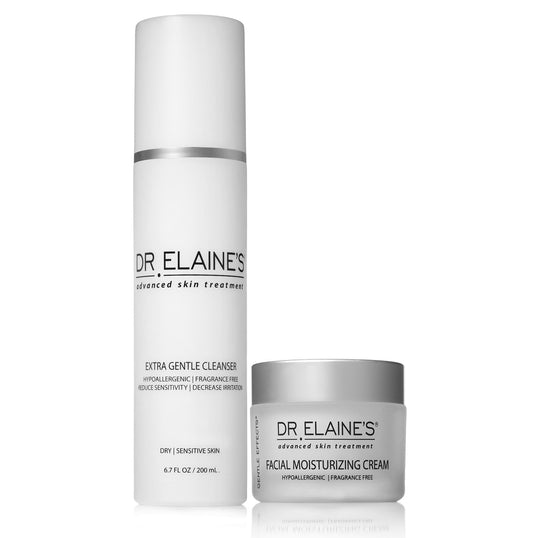
Credit: skintreatment.com
Real-world Stories: Sensitive Skin And Rosacea Journeys
People with sensitive skin often feel alone, but millions face the same struggles. Here are some brief stories from those who found relief with fragrance-free moisturizers.
Ana, Age 30
Ana tried dozens of “natural” creams that always left her cheeks burning. After switching to a fragrance-free cream with ceramides, her skin stopped stinging and her redness faded within a month.
Michael, Age 45
Michael’s rosacea flared up every time he tried a new moisturizer. He finally read ingredient lists and found a plain, fragrance-free lotion. Now, he sticks to just three products and hasn’t had a major flare-up in over a year.
Priya, Age 26
Priya’s sensitive skin reacted to everything—until she realized her “unscented” moisturizer had masking agents. She swapped it for a true fragrance-free formula and saw improvement within days.
These stories show that small changes, like reading labels and simplifying routines, can make a big difference.
Frequently Asked Questions
What Is The Difference Between Fragrance-free And Unscented?
Fragrance-free means no perfumes or masking scents are added, while unscented may still contain chemicals to hide other smells. For sensitive skin and rosacea, always choose fragrance-free.
Can I Use A Fragrance-free Moisturizer If I Don’t Have Sensitive Skin?
Yes, fragrance-free moisturizers are safe for all skin types. They’re especially good if you want to avoid potential irritants or are prone to allergies.
Is It Okay To Use Fragrance-free Body Lotions On My Face?
It depends on the ingredients. Some body lotions are too heavy or contain ingredients not meant for facial skin. Always check the label and do a patch test first.
Do Fragrance-free Moisturizers Expire Faster?
Not usually. As long as they contain safe preservatives and are stored properly (cool, dry place, sealed cap), they last as long as regular moisturizers.
Where Can I Find More Information On Safe Skincare For Rosacea?
Visit the American Academy of Dermatology for expert advice, research, and product recommendations.
Choosing a fragrance-free moisturizer is one of the smartest moves for anyone with sensitive skin or rosacea. It protects your skin barrier, reduces flare-ups, and helps your face feel comfortable again. By understanding ingredients, reading labels, and building a gentle routine, you can give your skin the best chance to stay calm and healthy. Remember: simple is powerful, and your skin will thank you for it.

Credit: www.amazon.com