

There’s a growing buzz about LED face masks—the glowing, futuristic devices you see on social media and in beauty clinics. These masks promise to clear acne, reduce wrinkles, and even fade dark spots. But do they really work, or is it all just clever marketing? If you’re thinking about buying one, or just curious, you’re in the right place. Let’s break down the science, the real results, and what you need to know before you put a glowing mask on your face.
What Are Led Face Masks?
LED face masks are wearable devices that use light-emitting diodes (LEDs) to shine specific colors of light onto your skin. These are not the same as ultraviolet (UV) tanning beds. Instead, LED masks use visible light in colors like red, blue, and near-infrared. Each color is believed to target different skin problems.
You’ll often see these masks at spas, but home versions have become popular. Most masks are made from plastic, shaped to fit your face, and have small lights inside. You usually wear them for about 10–20 minutes at a time, several times a week.
Some newer masks use flexible silicone, making them more comfortable and easier to adjust. Home devices are generally lighter and less powerful than professional ones. They usually connect to a small control box or a mobile app, letting you choose the color and session time.
It’s important to know that these masks don’t get hot and don’t burn the skin. The light feels gentle, not like a heat lamp. This makes them safe for regular use at home.
LED masks are used by a wide range of people, from teenagers with acne to adults looking to slow signs of aging. In social media photos, you’ll often see celebrities wearing them—sometimes as a self-care ritual or as part of a beauty routine before big events.
The Science Behind Led Light Therapy
LED therapy isn’t new. NASA first used it in the 1990s to help plants grow in space and later found it helped heal astronaut’s wounds. Today, LED therapy is widely used in dermatology clinics. But how does it work for skin?
Light from LEDs penetrates the skin at different depths, depending on the color. This light energy triggers natural processes in the skin. For example:
- Red light stimulates collagen, which can reduce wrinkles.
- Blue light kills acne-causing bacteria.
- Amber or yellow light is said to reduce redness and pigmentation.
- Near-infrared light goes even deeper, helping with inflammation and healing.
The key is that each color works differently. Not all masks offer every color, and not all brands use the same strength.
The science behind light therapy is called “photobiomodulation. ” This means that cells absorb energy from the light and respond in positive ways. For example, red light can “wake up” fibroblast cells, making them produce more collagen and elastin. Blue light, on the other hand, is absorbed by molecules in acne bacteria, causing a reaction that destroys the bacteria.
One important detail is that the light used in these masks is not the same as harmful UV rays from the sun. LED light does not cause sunburn or cancer.
Another insight is that the benefits come from repeated exposure over time. One or two sessions won’t do much—you need regular treatments to see real changes in your skin.

Credit: www.amazon.com
How Led Face Masks Claim To Help
Many brands and clinics claim LED masks can:
- Clear up acne and prevent breakouts
- Reduce fine lines and wrinkles
- Fade dark spots and even out skin tone
- Soothe redness or sensitive skin
- Speed up wound healing
Let’s look at what the research actually says about each of these skin concerns.
LED masks are also said to help with rosacea, a condition that causes redness and bumps on the skin. Some users report that their skin feels calmer and less inflamed after regular use.
Another claim is that LED masks can help your skin recover faster after treatments like microneedling or peels. The gentle light is thought to reduce swelling and redness, making the skin heal more quickly.
Still, it’s important to remember that not all claims are backed by strong evidence. Some benefits, like reducing stress or helping you relax, are more about the experience than the science.
Led Face Masks For Acne
How Blue Light Fights Acne
Blue LED light is the most studied for acne. It works by killing Propionibacterium acnes (now called Cutibacterium acnes), the bacteria that cause pimples. Blue light causes the bacteria to produce molecules called porphyrins. When these porphyrins are exposed to blue light, they create oxygen that destroys the bacteria.
This process is painless and does not damage healthy skin cells. Blue light can also reduce oil production in the skin, which helps prevent future breakouts. Some masks combine blue and red lights because red light can calm inflammation and help pimples heal faster.
What The Research Shows
Several clinical studies show blue light can help mild to moderate acne. For example, a 12-week study found that using blue light twice a week reduced pimples by about 50%. Another review found that 77% of people saw at least some improvement with blue light therapy.
But, it’s important to know:
- Blue light does not usually help with blackheads or deep cystic acne.
- Most studies used professional machines, which are stronger than home masks.
- Results are slow—often taking 6–12 weeks.
A 2021 study in teens with mild acne showed that after 8 weeks, those using blue light had fewer pimples compared to those using only face wash. However, the difference was more obvious in people who used the device exactly as instructed.
If you have oily skin, blue light may also help control oil, making your skin look less shiny.
Non-obvious Insights
- Consistency is key. Skipping sessions can slow or reverse your progress.
- Blue light works best for surface-level pimples, not deep or hormonal acne.
A third point often missed: If you use harsh acne products (like benzoyl peroxide) right before a session, your skin may feel more dry or sensitive. It’s better to use gentle products before and after LED treatments.
Example
If you have mild breakouts (small red pimples), you’re likely to see the most benefit. For severe acne, LED masks are usually not enough alone.
For example, Emma, a college student with mild acne on her cheeks, used a blue light mask four times a week. After two months, her breakouts were less frequent and less red, but she still needed a spot treatment for deeper pimples.
Led Face Masks For Aging
How Red Light Affects Wrinkles
Red and near-infrared lights are used to boost collagen and elastin, which give skin its firmness and bounce. These wavelengths penetrate deeper than blue light, reaching cells called fibroblasts. These cells then make more collagen.
More collagen means skin that looks smoother and feels firmer. Red light can also improve blood flow, bringing more nutrients to the skin. This can help you look less tired and more refreshed.
Some masks use a mix of red and near-infrared lights to get the best of both—surface benefits and deeper healing.
What The Research Shows
Studies in clinics show that after 8–12 weeks of red light therapy, people often see:
- Fewer fine lines, especially around the eyes and mouth
- Smoother skin texture
- Improved skin firmness
One trial found that 80% of users noticed some improvement in wrinkles after 8 weeks of red light sessions three times a week.
But, results are modest. You won’t look ten years younger overnight. And stronger, professional devices work better than at-home masks.
Long-term studies show that if you keep using red light, your results can last. But if you stop, your skin will slowly go back to how it was before.
Red light is also gentle enough to use on sensitive skin, unlike some creams or peels that can cause redness or peeling.
Non-obvious Insights
- Red light can boost results of other anti-aging treatments (like retinoids or microneedling), but always check with a dermatologist first.
- Results often fade if you stop using the mask.
Another tip: Red light can help with wound healing after procedures like microdermabrasion or laser treatments. This makes it popular with people who want to recover faster and get better results from other skincare routines.
Example
If you’re starting to see fine lines but don’t want injections or lasers, red light therapy may help your skin look fresher. But it’s not a substitute for stronger cosmetic procedures.
For instance, John, age 40, noticed his forehead lines were less deep after using a red light mask three times a week for three months. The effect was mild but noticeable, and he felt more confident without makeup.
Led Face Masks For Pigmentation
What Causes Pigmentation?
Pigmentation means dark spots or patches on your skin. This can be from sun damage, melasma, acne scars, or even inflammation.
These spots often show up on the cheeks, forehead, or upper lip. People with darker skin tones may notice pigmentation more easily, and it can be harder to treat.
How Light Therapy May Help
Some colors of LED light—mainly amber, red, and near-infrared—may help fade dark spots. They do this by:
- Reducing inflammation that triggers pigment
- Speeding up cell turnover (the skin’s renewal process)
- Calming redness, making spots look less obvious
Light therapy can also support your skin’s natural healing, which is important after acne or other injuries.
What The Research Shows
Evidence is more limited for pigmentation. Some small studies show improvement, especially for post-inflammatory hyperpigmentation (dark marks left after pimples). However, results are slow and less dramatic than with acne or wrinkles.
Professional treatments, like lasers or chemical peels, work faster for pigmentation. Still, LED masks are gentle and safe for all skin tones.
Recent research suggests that red and near-infrared light can help stop new dark spots from forming, especially if your skin is often inflamed or irritated. But for stubborn spots, you may need to combine LED masks with creams or sunscreen.
Non-obvious Insights
- LED masks can help prevent new dark spots by calming inflammation, but they rarely erase old spots completely.
- For melasma (patchy pigment), overuse of some lights can make things worse. Always check with a doctor if you have melasma.
Also, it’s important to protect your skin from the sun while using LED therapy. UV rays can undo any progress you make with fading dark spots.
Example
If you have mild dark marks after acne, LED therapy may slowly fade them. But don’t expect dramatic results for sunspots or melasma.
For example, Priya used an LED mask with red and amber light three times a week after her acne cleared. Over three months, her dark marks faded a little, but some older spots remained the same.
Comparing Led Light Colors And Their Effects
Not all LED masks are the same. Here’s a simple comparison of the most common light colors and what they do:
| Light Color | Main Skin Benefits | Common Uses |
|---|---|---|
| Blue | Kills acne bacteria | Acne, oily skin |
| Red | Boosts collagen, reduces wrinkles | Aging skin, healing |
| Amber/Yellow | Reduces redness, soothes skin | Sensitive skin, rosacea |
| Near-Infrared | Deep healing, reduces inflammation | Wound healing, pain relief |
Some masks also have green light, which is said to help with redness and brightening, but research is limited. Most people see the best results by focusing on blue for acne and red for aging.
If you have sensitive skin or redness, a mask with amber or yellow light may be more comfortable, as it is gentler and less likely to cause irritation.
What To Look For In An Led Face Mask
If you’re considering buying an LED mask, there are a few important factors that can affect results:
1. Number And Strength Of Leds
The more LEDs and the stronger the light (measured in milliwatts), the better the coverage and results. Cheaper masks often have fewer LEDs and weaker power.
A mask with too few LEDs can leave some areas untreated, leading to uneven results. High-quality masks usually have 60–150 LEDs, while budget models may have less than 30.
2. Light Wavelength
For skin benefits, the most studied wavelengths are:
- Blue: 415 nm
- Red: 630–660 nm
- Near-infrared: 830–850 nm
Wavelength matters because it determines how deep the light goes.
Some brands list only the color, not the specific wavelength. If you want the best results, check for devices that tell you the exact numbers.
3. Comfort And Fit
A mask that’s uncomfortable or heavy is harder to use regularly. Look for soft silicone masks or those with adjustable straps.
Some masks press tightly on the nose or cheeks. If you have sensitive skin or wear glasses, pick a flexible design that fits your face shape.
4. Fda Clearance Or Clinical Testing
Some devices are FDA-cleared for safety and effectiveness. This means they’ve passed basic tests. Not all masks have this, so check before buying.
Look for devices with clinical studies or dermatologist recommendations. This can help you avoid wasting money on products that don’t work.
5. Automatic Timer And Eye Protection
A timer prevents overuse. Some masks include built-in eye shields, but you may still want to wear goggles.
If you have sensitive eyes or worry about light exposure, look for a mask with extra eye protection. Some brands offer removable or built-in shields.
Example Comparison
Here’s how three popular features compare:
| Feature | Why It Matters | What to Check |
|---|---|---|
| LED Count | More LEDs = better coverage | Look for at least 50 LEDs |
| Wavelength | Correct wavelength = best results | Check the product specs |
| Timer | Prevents overuse, increases safety | Built-in auto shut-off |
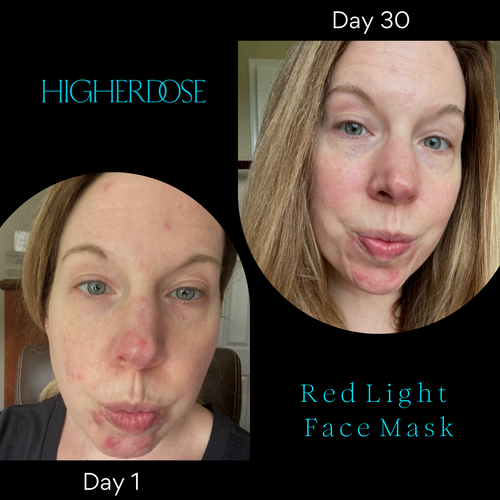
Another tip: Try to read user reviews and before-and-after photos. Real experiences can help you decide if a mask is worth buying.
Credit: higherdose.com
How To Use An Led Face Mask Safely
Using an LED mask is simple, but following these tips can help you get the most out of your treatment:
- Cleanse your skin before using the mask—no makeup, creams, or sunscreen.
- Start with short sessions (5–10 minutes) to see how your skin reacts.
- Follow manufacturer’s instructions on how often to use (usually 2–5 times per week).
- Avoid staring directly at the lights. Use eye protection if needed.
- Moisturize after treatment to help skin recover.
- Don’t use on broken skin or open wounds.
Before your first use, do a patch test on your arm to check for any unexpected reaction.
Common Mistakes
- Using the mask for too long can cause skin irritation.
- Skipping sessions will slow results.
- Not cleaning your mask can lead to bacteria buildup.
Make sure to unplug or turn off the device after use. Wipe the inside with a clean, damp cloth to keep it hygienic.
Never use an LED mask right after applying strong skincare acids or retinol. This can make your skin more sensitive.
Who Should Not Use Led Face Masks
LED masks are safe for most people, but there are some exceptions:
- Pregnant women: Safety is not fully known, so check with a doctor.
- People with epilepsy: Flashing lights can trigger seizures.
- Those taking photosensitizing drugs: Some medicines (like certain antibiotics or acne treatments) make skin more sensitive to light.
- People with severe skin diseases: Always ask a dermatologist first.
If you have active skin infections (like cold sores or impetigo), wait until your skin heals before using an LED mask.
People with chronic migraines or light-triggered headaches should also be careful, as bright light can sometimes cause discomfort.
Realistic Results: What To Expect
For Acne
- Most people see a 30–50% reduction in pimples after 8–12 weeks.
- Best for mild to moderate acne, not severe or cystic acne.
- Results fade if you stop using the mask.
The effects are usually not dramatic overnight. You’ll notice your skin feels less oily, and breakouts heal faster.
For Aging
- Fine lines may soften after 8–12 weeks.
- Skin texture can feel smoother and firmer.
- Deep wrinkles and sagging will not disappear.
You might notice your skin looks more radiant and less tired, especially if you combine LED therapy with good sleep and skincare.
For Pigmentation
- Mild fading of post-acne marks after 8–12 weeks.
- Little effect on deep sunspots or melasma.
- Works best as part of a routine with sunscreen and other brightening products.
For best results, use the mask as part of a full skincare plan, including sunscreen and gentle exfoliants.
Side Effects And Safety
LED masks are considered low-risk, but side effects can happen:
- Redness or irritation: Usually mild and temporary.
- Dryness: Moisturize after use.
- Eye discomfort: Use goggles or keep eyes closed.
Serious side effects are rare. If you notice burning, pain, or lasting redness, stop using the mask.
Some people feel a mild warmth or tingling during treatment. This is normal, but if you feel pain, stop and talk to a doctor.
If you have sensitive skin, start with fewer sessions and see how your skin reacts before increasing usage.
How Led Masks Compare To Other Treatments
Let’s see how LED masks stack up against other popular skincare treatments:
| Treatment | Best For | Cost | Results Time | Risks |
|---|---|---|---|---|
| LED Mask | Mild acne, fine lines, mild pigmentation | $$ (one-time) | 8–12 weeks | Low |
| Topical Retinoids | Wrinkles, acne, pigmentation | $ | 4–12 weeks | Dryness, irritation |
| Chemical Peels | Pigmentation, rough texture | $$$ | 2–4 weeks | Peeling, redness |
| Lasers | Deep wrinkles, strong pigmentation | $$$$ | 1–3 sessions | More side effects |
LED masks are less risky than peels or lasers. There’s no downtime—you can go back to daily life right after a session. But if you want fast or dramatic results, professional treatments work better.
How To Maximize Results With Led Masks
- Be consistent: Use the mask regularly as directed.
- Combine with good skincare: Sunscreen, gentle cleansers, and moisturizers help results last.
- Track your progress: Take photos every 2–4 weeks to see changes.
- Be patient: Improvements are slow and steady.
- Consult a dermatologist if you have medical skin concerns or are unsure.
If you’re also using prescription treatments, talk to your doctor before starting LED therapy. They can help you avoid irritation and get better results.
Some users find it helpful to set reminders on their phone or add mask sessions to their weekly schedule.
Common Myths About Led Face Masks
“led Masks Work Overnight.”
Results take weeks, not days. Most people need at least 2 months to see visible changes.
“led Masks Can Replace All Other Treatments.”
LED masks are a tool—not a miracle. You’ll get the best results when you use them with a proper skincare routine.
“more Sessions Mean Better Results.”
Overuse can irritate your skin. Stick to the recommended schedule.
“all Led Masks Are The Same.”
Quality, number of LEDs, and wavelengths can vary greatly. Not all masks are effective.
Another myth: “LED light is dangerous like UV.” In reality, LED masks use safe, non-UV light.
What Beginners Often Overlook
- Not all colors are needed for every problem. You don’t need a mask with all seven colors if you only want acne treatment—focus on blue light.
- Sun protection is still essential. LED masks won’t protect you from UV rays. Always use sunscreen to prevent new dark spots and aging.
A third point: Many people forget to clean their mask after each use. This can lead to breakouts or skin infections.
What The Experts Say
Dermatologists generally agree that LED masks are safe and can help with mild acne and early signs of aging. But results are usually less dramatic than professional treatments. Dr. Whitney Bowe, a well-known dermatologist, says, “LED masks can be a nice addition to your skincare routine, but don’t expect miracles. Choose a device that has clinical evidence and use it consistently.”
For more on the science of light therapy, you can read this review from the National Institutes of Health.
Frequently Asked Questions
How Long Does It Take To See Results From An Led Face Mask?
Most people start to see results in 8 to 12 weeks if they use the mask 2–5 times per week. Acne may improve first, while changes in wrinkles and pigmentation can take longer.
Can I Use An Led Face Mask Every Day?
It’s best to follow the instructions from your device. Most recommend 2–5 times a week. Using it every day may cause irritation or dryness.
Are Led Face Masks Safe For All Skin Types?
Yes, they are generally safe for all skin types and tones. However, people with certain conditions (like epilepsy or photosensitivity) should avoid them or consult a doctor first.
Do Led Face Masks Help With Acne Scars?
LED masks can help fade red or brown marks left by acne (post-inflammatory hyperpigmentation), but they won’t remove deep scars or pitted marks. For these, stronger treatments are needed.
Is It Better To Buy A Professional Led Mask Or An At-home One?
Professional devices are stronger and give faster results, but they are more expensive and require clinic visits. At-home masks are convenient and safer for beginners, but may take longer to show effects.
—
LED face masks offer a promising, easy way to support your skin’s health. If you want to tackle acne, fine lines, or mild pigmentation, these devices are a gentle option. Remember, consistency and patience are key. Choose a high-quality mask, use it correctly, and combine it with good skincare habits. While LED masks aren’t magic, they can be a valuable part of your beauty routine—helping you glow, one session at a time.
Credit: www.reddit.com