
Sodium Hyaluronate Vs Hyaluronic Acid: Which Penetrates Skin Better
Every year, more people look for ways to keep their skin hydrated and youthful. Two ingredients show up again and again in face creams, serums, and even injectables: hyaluronic acid and sodium hyaluronate. Both are praised for their ability to hold water and plump the skin, but many people wonder: which one actually sinks into the skin better? The answer is not simple, but it’s important if you want to get the most from your skincare products.
Let’s dive into what makes these two ingredients special, how they work, and which one your skin will love more.
What Are Hyaluronic Acid And Sodium Hyaluronate?
Many people hear “hyaluronic acid” and think of a magical skin hydrator. In fact, hyaluronic acid is a natural sugar molecule found in your body. It’s mainly in your skin, joints, and eyes, where it helps keep things moist and smooth. One amazing fact: hyaluronic acid can hold up to 1,000 times its weight in water. That’s why it’s so popular in moisturizers.
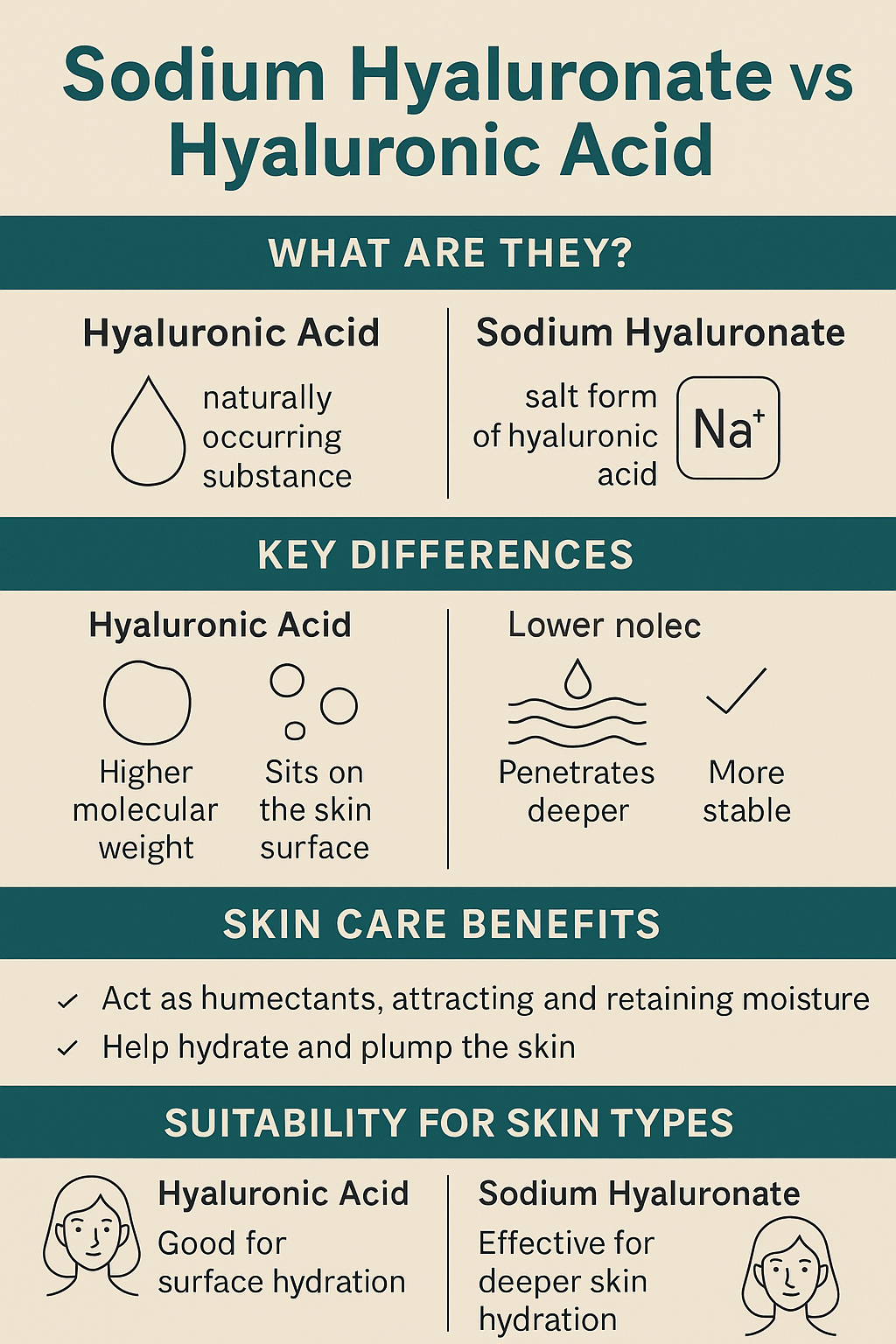
Sodium hyaluronate is a salt form of hyaluronic acid. It’s made by taking hyaluronic acid and adding a sodium atom. This small change gives sodium hyaluronate a slightly different structure and some new abilities, especially when it comes to skincare products.
Both ingredients are used to hydrate and soften skin. But their effects are not exactly the same, especially when we talk about how deeply they can penetrate the skin.
Understanding these two ingredients also means knowing how they are made. Hyaluronic acid is usually extracted from plants or made by bacteria in a laboratory. Sodium hyaluronate is produced by breaking down hyaluronic acid, often using a process called hydrolysis.
This process makes sodium hyaluronate more stable and easier to use in many types of skincare formulas.
Another non-obvious fact is that sodium hyaluronate is more resistant to oxidation and breakdown. Hyaluronic acid can sometimes lose its effectiveness when exposed to air or light, but sodium hyaluronate stays active longer, which is why it’s often seen in products that need to be shelf-stable for months.
How Skin Absorbs Ingredients
Before comparing the two, it’s important to understand how our skin works. The skin is not just a simple surface. It’s made of multiple layers. The outermost layer, called the stratum corneum, acts like a strong wall. It keeps water inside and blocks germs and chemicals.
Most skincare ingredients have a hard time getting past this barrier. Their size, structure, and the way they are made all decide whether they can reach deeper layers or just sit on the surface.
Molecular size is key. Smaller molecules can pass through the skin’s barrier more easily. Larger ones tend to stay on the surface. So, when we ask which ingredient penetrates better, we’re really asking: which one is smaller and more easily absorbed?
Another factor is the skin’s condition. If your skin is damaged or dry, the barrier can be weaker. This means ingredients might penetrate a little more. But this also increases the risk of irritation. For healthy, strong skin, only certain ingredients—especially those with smaller sizes—can reach below the surface.
One detail beginners often miss is that temperature and humidity also affect absorption. Warm, moist skin is more open to ingredients. That’s why applying skincare right after a shower or gentle cleansing can improve results.
The Science Behind Hyaluronic Acid
Hyaluronic acid is a big, long-chain molecule. In science, it’s called a “high molecular weight” polymer. This means that, in its natural state, hyaluronic acid molecules are quite large—often between 1,000,000 to 1,500,000 Daltons. (Daltons are units for measuring atomic mass.)
The large size helps hyaluronic acid do two things:
- Hold water on the skin’s surface
- Form a protective, soft layer
But because it’s so big, most hyaluronic acid stays on the outside of the skin. It doesn’t go deep. This is not bad—surface hydration is important—but it means the deepest layers won’t get as much benefit.
It’s also worth noting that hyaluronic acid’s ability to create a film on the skin surface protects against environmental damage. Pollution and wind can dry out your skin, but the layer formed by hyaluronic acid acts as a shield. This is especially helpful for people who live in cities or harsh climates.
Some brands use “cross-linked hyaluronic acid,” which is even larger and more stable. Cross-linking means the molecules are tied together, making them stronger and longer-lasting on the skin. This type is often used in injectable fillers, but sometimes in creams for extra surface protection.
The Science Behind Sodium Hyaluronate
Sodium hyaluronate is made by turning hyaluronic acid into a salt. This process breaks the molecule into smaller pieces. Most sodium hyaluronate used in skincare has a molecular weight between 10,000 and 1,000,000 Daltons. That’s much smaller than pure hyaluronic acid.
Because it’s smaller, sodium hyaluronate can:
- Go deeper into the upper layers of the skin
- Hydrate more than just the surface
This doesn’t mean it gets all the way to the deepest layers. But it does move past the outermost skin barrier, which is farther than most big molecules can go.
Another practical insight: sodium hyaluronate is often used in eye creams and serums because these areas have thinner skin. The smaller molecule can hydrate these delicate areas without causing heaviness or clogging pores. That’s why sodium hyaluronate is seen in products for fine lines around the eyes and mouth.
Sodium hyaluronate also mixes well with other ingredients. It can be combined with peptides, vitamins, or antioxidants in serums without losing its effectiveness. This makes it a favorite for multi-purpose products.
Comparing Molecular Sizes And Skin Penetration
It’s easier to compare the two side by side. Here’s a simple look at their differences:
| Property | Hyaluronic Acid | Sodium Hyaluronate |
|---|---|---|
| Molecular Weight | 1,000,000 – 1,500,000 Daltons | 10,000 – 1,000,000 Daltons |
| Penetration Depth | Surface of the skin | Upper layers of the skin |
| Water Retention Ability | Very high | High |
| Common Use | Moisturizers, creams | Serums, eye creams |
| Stability | Less stable in water | More stable in water |
This table shows why sodium hyaluronate is often said to “penetrate better. ” Its smaller size lets it move deeper, while hyaluronic acid stays close to the top.
Also, when products claim “deep hydration,” they are usually referring to sodium hyaluronate or low-molecular-weight hyaluronic acid. High-molecular-weight hyaluronic acid is better for instant smoothing and protecting the skin barrier.
How Each Ingredient Works In The Skin
When you apply a product with hyaluronic acid, it draws water from the air and from inside your body. It forms a soft, cushiony layer. This layer helps smooth out fine lines and gives your skin a dewy look.
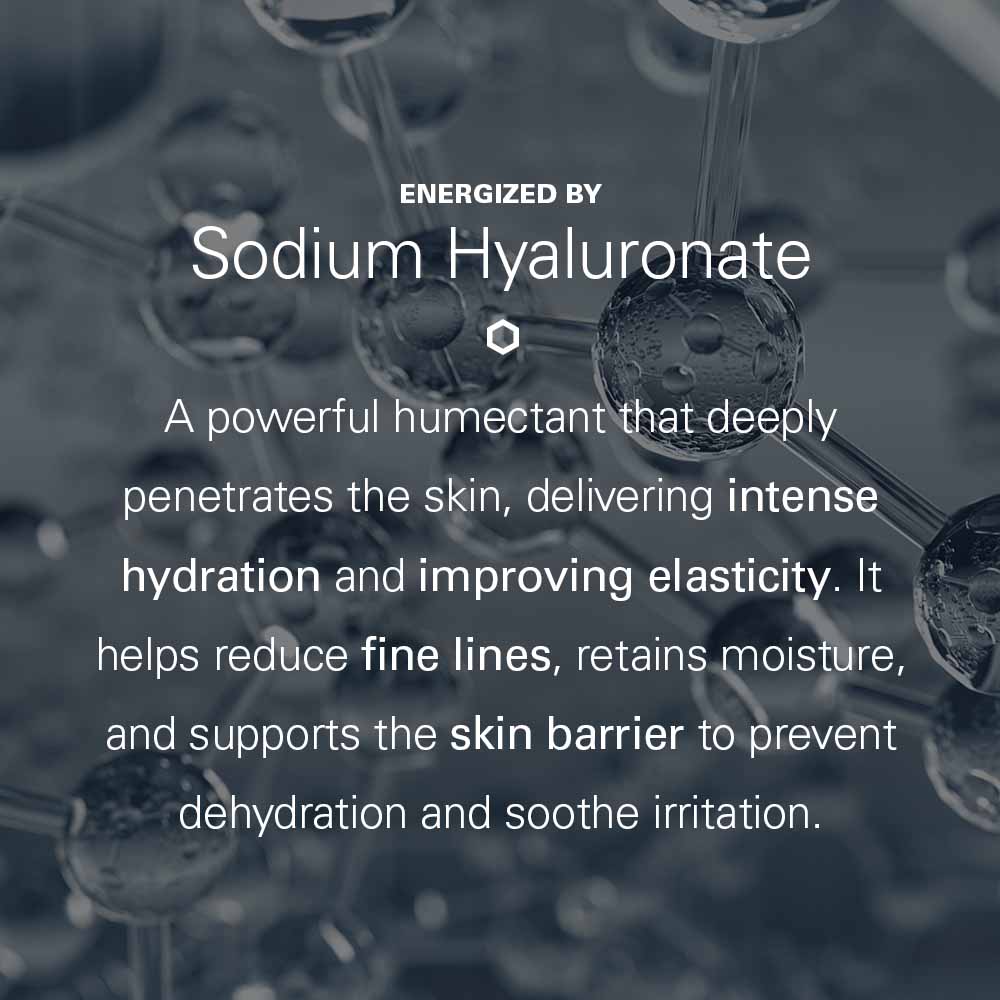
Sodium hyaluronate, because of its small size, can move past the surface barrier. It pulls water into the skin’s upper layers, making the skin look plumper and more hydrated from within. This can help fill out wrinkles and keep your skin feeling bouncy for longer.
Here’s a simple example: Imagine pouring water on a sponge (hyaluronic acid) versus squeezing water into the inside of the sponge (sodium hyaluronate). The first keeps the outside moist; the second hydrates the inside.
Another detail: sodium hyaluronate can also support the skin’s repair process. When your skin is damaged or inflamed, deeper hydration helps speed healing and reduce redness. Some studies show sodium hyaluronate helps with wound healing, especially in post-procedure skincare.
Credit: www.3lab.com
Why Formulators Use Both
You might notice that many high-end serums and creams list both ingredients. That’s because using both can give the best results. The hyaluronic acid keeps the surface hydrated and protected. The sodium hyaluronate goes deeper to add moisture below the surface.
Some products also use “multi-molecular weight hyaluronic acid. ” This means they include both large and small molecules for layered hydration. It’s like watering both the leaves and the roots of a plant.
Formulators sometimes add other humectants, like glycerin or panthenol, to boost the effect. When combined with hyaluronic acid and sodium hyaluronate, these extra ingredients help lock in moisture and keep skin soft for hours.
A practical tip: When shopping, look for products that list both on the label. This usually means you’ll get hydration at every level—surface, upper layers, and deeper areas where the skin needs repair.
Real-world Effects: What Users Notice
People who use products with hyaluronic acid often report:
- Softer, smoother skin right after use
- Less dryness and flakiness
- Makeup goes on more evenly
With sodium hyaluronate, users sometimes notice:
- Plumper, more elastic skin after a few days
- Fewer visible fine lines
- Longer-lasting hydration
The results are not always dramatic overnight. But over weeks, people see a healthier glow and fewer signs of dryness or aging.
Another detail: users with oily or acne-prone skin often prefer sodium hyaluronate. It absorbs quickly and doesn’t leave a sticky film, which helps prevent clogged pores. For people in dry climates, hyaluronic acid can create a protective layer against wind and pollution, while sodium hyaluronate keeps skin hydrated even in harsh air.
What Do Studies Say?
Scientific research helps us understand the real difference. In one study, products with sodium hyaluronate improved skin hydration and elasticity after just two weeks. The smaller molecule moved deeper into the skin’s layers compared to larger hyaluronic acid molecules.
Another study tested different molecular weights of hyaluronic acid. They found that the lower molecular weight types (like sodium hyaluronate) reached deeper but could sometimes cause irritation if used in very high doses. The high molecular weight types stayed on the surface and worked well for sensitive skin.
So, while sodium hyaluronate is better for deeper hydration, some sensitive skin types may still prefer pure hyaluronic acid.
A non-obvious insight: studies also show that using a combination of both can boost the skin’s moisture retention by up to 30% more than using only one type. This layered approach is why multi-molecular serums are so popular.
Stability And Shelf Life
There’s one more difference: stability. Hyaluronic acid is sensitive to heat and can break down in water-based products. Sodium hyaluronate is more stable and lasts longer in creams and serums. That’s why many companies prefer it, especially in products that need a long shelf life.
It’s also less likely to become sticky or change color, which keeps your product fresh and pleasant to use.
For people who travel or keep their skincare in warm bathrooms, sodium hyaluronate’s stability is a big advantage. You won’t have to worry about your serum going bad quickly or losing its effectiveness before you finish the bottle.
Credit: hollyberrycosmetics.co.uk
Price And Availability
You might wonder if one is more expensive than the other. Pure hyaluronic acid can cost more to make, especially in its pure, high-molecular-weight form. Sodium hyaluronate is usually cheaper and easier to add to different formulas.
Most affordable serums use sodium hyaluronate or a mix of both. High-end brands might use special types of hyaluronic acid, but the difference for your skin is often small.
Some luxury products claim to use “medical-grade” hyaluronic acid, but unless you’re getting an injectable filler, this usually just means high purity. The real benefit comes from the blend of sizes, not just the price or brand name.
Safety And Side Effects
Both ingredients are very safe for most people. They are naturally found in your body, so allergic reactions are rare. Still, it’s possible to get irritation if you use a very strong serum or if you have extremely sensitive skin.
One non-obvious fact: low-molecular-weight hyaluronic acid (including sodium hyaluronate) can sometimes cause redness if used too much, especially in people with eczema or rosacea. That’s why some dermatologists suggest starting with a gentle product and using it every other day at first.
If you ever feel tightness, tingling, or see redness, pause use and try a milder formula. For most people, side effects are rare and mild.

Credit: mamaearth.in
How To Choose The Right Product
If you want to pick a product, think about your skin’s needs:
- For surface hydration (dry, flaky skin): Look for high-molecular-weight hyaluronic acid.
- For deep hydration (fine lines, dullness): Choose a serum with sodium hyaluronate or low-molecular-weight hyaluronic acid.
- For sensitive skin: Start with pure hyaluronic acid and patch-test before using sodium hyaluronate.
Read ingredient lists carefully. Sometimes products use fancy names, but you’re really just getting one or the other. If a product says “multi-molecular” or “hydrolyzed hyaluronic acid,” it probably contains both sizes.
Beginners often miss that creams with hyaluronic acid are best for daytime, while serums with sodium hyaluronate can be more effective for overnight hydration. Experiment to see what works best for your skin type and climate.
How To Use For Best Results
Getting the most from these ingredients is easy, but there are a few tips:
- Apply to damp skin. These molecules hold water. If your skin is dry, they may pull water out from deeper layers, making dryness worse. After washing your face, pat it lightly and apply your serum or cream right away.
- Seal with a moisturizer. After your hyaluronic acid or sodium hyaluronate serum, use a simple cream to keep water from escaping.
- Don’t overdo it. More is not always better. Start with a small amount once a day.
- Watch for changes. If you notice redness or irritation, reduce how often you use the product.
Many people skip these steps and wonder why their skin feels tight or dry. Hydrating ingredients need water to work!
Another tip: avoid products with strong acids (like glycolic acid) right before using hyaluronic acid or sodium hyaluronate. Acids can change the pH of your skin, making it harder for these hydrators to do their job.
Myths About Skin Penetration
Some brands say their hyaluronic acid “penetrates 10 layers deep. ” That’s not really true. The skin’s barrier is strong. Even the smallest sodium hyaluronate molecules only reach the top few layers.
Also, “penetration” is not always better. The surface layers are where most hydration is needed. Too much deep penetration can sometimes cause irritation. Balanced hydration is best.
Another myth: some people believe hyaluronic acid can “replace lost moisture” deep in the skin. In reality, it mostly boosts hydration in the top layers. For true deep repair, ingredients like ceramides or fatty acids are needed.
Ingredient Names On Labels
It’s easy to get confused by all the names on skincare labels. Here’s what to look for:
- Hyaluronic Acid: Usually means high-molecular-weight type.
- Sodium Hyaluronate: The salt form, smaller molecule.
- Hydrolyzed Hyaluronic Acid: Broken into very small pieces, even smaller than sodium hyaluronate.
- Sodium Acetylated Hyaluronate: Modified for extra staying power and moisture.
If you’re not sure, look for products that explain the molecular size or say “multi-molecular. ”
Who Should Avoid These Ingredients?
Most people can use both. But if you have:
- Extremely sensitive skin
- Recent facial procedures (like chemical peels or laser)
- Active skin infections
You should talk to a dermatologist before trying new products. Sometimes, even gentle ingredients can irritate healing skin.
For people with autoimmune skin conditions, it’s always best to get advice before starting new hydrators. Rarely, certain skin diseases make the skin react to even gentle molecules.
Sodium Hyaluronate In Injections Vs. Creams
Some people get confused because hyaluronic acid is also used in fillers and injectables. In that case, sodium hyaluronate is injected directly under the skin, where it adds volume and smooths wrinkles from the inside. This is different from topical use (creams and serums), where the molecules can’t reach the deepest layers.
Injectables are a medical procedure and should be done by a trained professional. Don’t expect a cream to give the same results as an injection.
A hidden insight: injectable forms are often cross-linked for extra strength. This makes them last longer under the skin, sometimes up to a year. Topical products are not cross-linked, so their effects are temporary and need daily use.
Environmental Factors And Effectiveness
Humidity and weather can change how well these ingredients work. In dry weather, hyaluronic acid may pull water from deeper in your skin if there’s no moisture in the air. That’s why using a moisturizer after your serum is important, especially in winter or air-conditioned rooms.
Sodium hyaluronate, because it penetrates a little deeper, can sometimes help your skin stay hydrated longer, even when the air is dry.
If you live in a humid climate, hyaluronic acid and sodium hyaluronate work best. If you’re in a dry climate, always use a cream or oil after your serum to “lock in” the moisture.
Comparing Popular Products
Let’s compare a few well-known products that use these ingredients:
| Brand/Product | Main Ingredient | Claimed Benefit | Best For |
|---|---|---|---|
| The Ordinary Hyaluronic Acid 2% + B5 | Multi-molecular hyaluronic acid | Layered hydration, smoothness | All skin types |
| La Roche-Posay Hyalu B5 Serum | Sodium hyaluronate | Deep hydration, skin repair | Dry, aging skin |
| Neutrogena Hydro Boost Water Gel | Sodium hyaluronate | Lightweight, long-lasting moisture | Oily/combination skin |
| SkinCeuticals Hydrating B5 Gel | Hyaluronic acid | Surface hydration, softness | Dry, sensitive skin |
Most top brands use sodium hyaluronate for deeper hydration, or a mix for all-day moisture.
An extra tip: if you’re unsure which to try, start with a sample size or travel kit. This lets you test how your skin reacts before committing to a full bottle.
Non-obvious Insights For Beginners
- Layering matters. Hyaluronic acid works best when layered with other hydrating ingredients. If you use it alone, you might not see the full benefit.
- Molecular weight is not always listed. Some brands use marketing names. If a product feels sticky or doesn’t absorb, it may have high-molecular-weight hyaluronic acid only.
- Skin pH affects results. Hyaluronic acid and sodium hyaluronate work best at a neutral pH. Using products with strong acids or bases can reduce their effectiveness.
- Sun exposure breaks down hyaluronic acid. If you’re using products during the day, always use sunscreen. UV rays can reduce the effectiveness of hydrators.
Common Mistakes To Avoid
- Using hyaluronic acid on dry skin without adding water
- Skipping moisturizer after serum
- Overusing strong serums (leading to irritation)
- Believing marketing claims about “deep” penetration
If you correct these mistakes, your skin will get more benefit from both hyaluronic acid and sodium hyaluronate.
Another mistake: mixing too many products at once. Layering is good, but using five serums can overload your skin and cause breakouts or irritation. Stick to one or two hydrators for best results.
The Verdict: Which Penetrates Better?
If your main goal is to get moisture into the upper layers of your skin, sodium hyaluronate is the winner. Its smaller size lets it move past the tough outer barrier. If you want a soft, dewy finish on the surface, hyaluronic acid is your best choice.
For most people, a combination is ideal. Products with both ingredients give layered hydration—surface smoothing and deeper plumping. Look for serums that mention “multi-molecular” or list both on the label.
If you’re curious about the science, you can read more in this NIH study on skin barrier and ingredient absorption.
Frequently Asked Questions
What Is The Main Difference Between Sodium Hyaluronate And Hyaluronic Acid?
Sodium hyaluronate is the salt form of hyaluronic acid. It has a smaller molecular size, which helps it move deeper into the skin’s upper layers. Hyaluronic acid is larger and stays on the surface, holding moisture and forming a protective layer.
Can I Use Both In My Skincare Routine?
Yes! Many products use both for “multi-layer” hydration. If you use a serum with sodium hyaluronate, you can follow it with a cream containing hyaluronic acid for the best effect.
Is Sodium Hyaluronate Safe For Sensitive Skin?
It is safe for most people, but if you have very sensitive skin, start slowly. Use it every other day and watch for irritation. High doses of small-molecule hyaluronic acid (including sodium hyaluronate) can sometimes cause redness.
Which Is Better For Anti-aging?
Sodium hyaluronate hydrates deeper layers, making skin look plumper and reducing fine lines. Hyaluronic acid smooths the surface. For anti-aging, a product with both usually works best.
How Can I Tell Which Ingredient Is In My Product?
Check the ingredient list. “Hyaluronic acid” means the larger form. “Sodium hyaluronate” is the smaller, salt form. Sometimes, brands list both. If you’re not sure, look for explanations about molecular weight on the packaging or brand website.
—
Choosing between sodium hyaluronate and hyaluronic acid depends on your skin’s needs. Both have their place in a good routine. If you want deep, lasting hydration, sodium hyaluronate is a great pick. For a smooth, hydrated surface, hyaluronic acid is perfect.
The best results often come from using both together—so your skin gets the benefit of top-to-bottom moisture.