

Microneedling At Home Vs Professional: Skin And Scalp Benefits Compared
Microneedling has become one of the most talked-about beauty treatments in recent years. People searching for smoother skin, fewer wrinkles, and even hair growth are curious about this technique. But with so many at-home microneedling devices available and clinics offering professional treatments, one question comes up: should you try microneedling at home, or is it better to see a professional?
Choosing between at-home microneedling and professional microneedling isn’t just about cost or convenience. The benefits for your skin and scalp, safety, results, and even the risks can be very different. Many people don’t know that the type of device, needle length, and skill of the person doing the treatment all play a big role in the results you get.
This article will explain everything you need to know about microneedling at home vs professional treatments. You’ll learn about the science behind microneedling, the benefits for both skin and scalp, and what you should think about before choosing your option.
There are also tables comparing key features, practical tips, and answers to common questions people ask. If you want to understand which option is right for you, keep reading.
How Microneedling Works
Microneedling, sometimes called collagen induction therapy, uses tiny needles to make small injuries in the skin or scalp. These micro-injuries start the body’s natural healing process. As the skin repairs itself, it makes more collagen and elastin—two proteins that keep skin strong, smooth, and firm.
When microneedling is done on the scalp, it can also help with hair growth. The tiny wounds bring more blood to the hair follicles and may help deliver hair growth products deeper into the skin.
Key facts:
- Needle sizes can range from 0.2 mm (very shallow) up to 3 mm (very deep).
- Home devices usually have shorter needles (0.25–0.5 mm).
- Professional treatments can use longer needles (up to 2.5 mm for skin, sometimes more for medical use).
At-home Microneedling: What To Expect
At-home microneedling has become popular because it’s much cheaper than professional sessions and more convenient. Most people use derma rollers or derma stamps with short needles.
Benefits For Skin
- Smoother texture: Regular use can reduce the look of small scars, fine lines, and large pores.
- Brighter skin: Many people see more even skin tone and better absorption of skincare products.
- Mild improvement in scars: Shallow needles can help with light acne scars or pigmentation.
Benefits For Scalp
- Improved absorption: Hair serums and minoxidil can soak in better after microneedling.
- Potential hair growth: Some studies suggest that even shallow microneedling may help with mild hair thinning, but results are usually modest.
Main Limitations
- Limited needle depth: Home devices can’t reach deep layers of the skin.
- Results take longer: You may need months to see visible changes.
- Risk of mistakes: Improper technique can cause scratches or infection.
Who Is It Best For?
At-home microneedling is best for people with mild skin concerns or those who want to maintain results between professional sessions. It’s also good for people comfortable following careful hygiene steps at home.
Professional Microneedling: What To Expect
Professional microneedling is done by dermatologists, licensed estheticians, or hair specialists. They use advanced tools like dermapens or motorized devices.
Benefits For Skin
- Deeper collagen production: Professionals can use longer needles to target deeper scars and wrinkles.
- Faster results: Most people see changes after 2-4 sessions.
- Custom treatments: Settings are adjusted for your skin type and goals.
- Safer for dark skin: Professionals know how to avoid hyperpigmentation.
Benefits For Scalp
- Stronger hair growth response: Deeper treatment can wake up more hair follicles.
- Better for severe hair loss: Clinics may combine microneedling with PRP (platelet-rich plasma) for more dramatic results.
Main Limitations
- Higher cost: A single session can cost $150–$700, depending on the area and location.
- Downtime: You may have redness and swelling for 2–5 days.
- Appointment needed: Less convenient than home use.
Who Is It Best For?
Professional microneedling is best for people with deep acne scars, stubborn wrinkles, or advanced hair loss. It’s also good for those who want faster, more visible results and are willing to pay for expert care.
Key Differences: At-home Vs Professional Microneedling
The table below highlights the main differences between home and professional microneedling for both skin and scalp.
| Feature | At-Home Microneedling | Professional Microneedling |
|---|---|---|
| Needle Length | 0.2–0.5 mm | 0.5–2.5 mm (or more) |
| Results Timeline | 3–6 months for visible change | 2–4 sessions for visible change |
| Cost per Session | $20–$100 (device cost) | $150–$700 |
| Downtime | Minimal (some redness for a few hours) | 2–5 days (redness, swelling possible) |
| Risks | Infection, irritation (if not clean) | Bruising, bleeding, infection (rare with expert care) |
| Best For | Mild skin/scalp concerns | Moderate to severe concerns |
The Science: How Microneedling Helps Skin And Scalp
Microneedling’s main goal is to trigger the body’s healing response. Each tiny puncture causes the skin to make new collagen and elastin. This means firmer, thicker, and more youthful skin.
For Skin
- Reduces wrinkles: A 2018 study showed that people who had four professional microneedling sessions, one month apart, saw a 45% reduction in facial wrinkles after three months.
- Fades scars: Research found that after six sessions, 80% of people noticed a big improvement in acne scars.
- Shrinks pores: Collagen around pores makes them look smaller.
For Scalp
- Boosts hair growth: One clinical study combined microneedling with minoxidil and found that hair counts increased by 40% after 12 weeks, compared to just 12% with minoxidil alone.
- Improves product delivery: Open channels in the scalp allow hair growth serums to reach deeper layers.
Step-by-step: At-home Microneedling
If you decide to try microneedling at home, following the right steps is very important for safety and results.
- Choose the right device: Look for a derma roller or stamp with 0.25–0.5 mm needles made from titanium or stainless steel.
- Disinfect the tool: Soak it in 70% isopropyl alcohol for 10 minutes before and after use.
- Clean your skin/scalp: Wash with a gentle cleanser and let dry.
- Roll or stamp: Gently roll in one direction, then lift and roll again. Do not press hard—let the needles do the work. For scalp, part hair to reach the skin.
- Apply serum: Use a simple, non-irritating serum like hyaluronic acid for skin, or minoxidil for the scalp. Avoid strong acids or retinol right after microneedling.
- Clean and store tool: Wash and disinfect again, then let dry.
- Sun protection: Use sunscreen daily, as skin is more sensitive.
How Often?
- Skin: Once a week or every other week.
- Scalp: 1–2 times per week.
Non-obvious tip: Replace your roller every 10–15 uses. Dull needles can scratch the skin and cause damage.
Common mistake: Using too much pressure. This can cause bleeding and increase infection risk.

Credit: drpen.com.au
Step-by-step: Professional Microneedling
Professional sessions are more advanced and can use deeper needles. Here’s what happens during a typical clinic visit.
- Consultation: The expert checks your skin/scalp and asks about your goals.
- Preparation: Area is cleaned, and a numbing cream is applied for comfort.
- Treatment: A motorized pen or stamp makes controlled punctures. The expert adjusts speed, depth, and passes for your needs.
- Serum or PRP applied: Special serums or PRP may be added for extra benefits.
- Aftercare: You’ll get instructions for healing and which products to use or avoid.
How Often?
- Skin: Every 4–6 weeks, for 3–6 sessions.
- Scalp: Usually every 2–4 weeks, sometimes with PRP.
Non-obvious tip: Professionals can combine microneedling with other treatments like lasers or chemical peels for even better results, but these combinations must be done carefully to avoid irritation.
Common mistake: Not following aftercare advice. Skipping sunscreen or using harsh products can undo your results.
Comparing Results: Skin And Scalp
How do results really compare between at-home and professional microneedling? Let’s look at the data.
For Skin
- Fine lines and wrinkles: Home use can improve texture, but deeper wrinkles respond much better to professional treatment.
- Acne scars: Shallow home needles help with discoloration but can’t reach deep scars. Professional sessions can break up tough scar tissue.
- Hyperpigmentation: Both can help fade dark spots, but professional care is safer for those with darker skin.
For Scalp
- Mild hair thinning: Home rollers can help maintain hair health and boost product absorption.
- Severe hair loss: Clinics using microneedling plus PRP see more dramatic regrowth, especially in men with male pattern baldness.
Here’s a comparison to help visualize typical results.
| Concern | At-Home Results | Professional Results |
|---|---|---|
| Fine lines | 10–20% smoother after 3 months | Up to 45% smoother after 3–4 sessions |
| Acne scars | Some fading of red/purple marks | Deep scars flattened, pigment improved |
| Hair thinning | Slight thickening, slower loss | Visible regrowth in 60–80% of cases |
| Pore size | Moderate improvement | Significant tightening |
Safety And Risks: What You Need To Know
Microneedling is generally safe, but there are important risks—especially if you do it at home.
At-home Risks
- Infection: Using dirty tools or touching your skin with unwashed hands can lead to serious infections.
- Scarring: Pressing too hard or using dull needles can make scars worse.
- Irritation: Using strong skincare products right after needling can cause rashes or burns.
Professional Risks
- Bruising: Deeper needles can cause mild bruising or bleeding, but this is rare with a skilled provider.
- Allergic reactions: Some serums or numbing creams can cause reactions, but professionals are trained to handle this.
- Temporary redness/swelling: Normal after deep treatments, but usually goes away in a few days.
Important: Never microneedle over active acne, eczema, or infections. This can spread bacteria and make skin worse.
Who Should Avoid Microneedling?
Microneedling isn’t right for everyone. You should not do it (at home or professionally) if you have:
- Active acne, cold sores, or warts in the area
- Eczema, psoriasis, or other skin rashes
- History of keloid (raised) scars
- Blood clotting problems or are on blood thinners
- Very sensitive or thin skin
- Are pregnant or breastfeeding (unless your doctor approves)
Pro tip: If you’re not sure, always ask a dermatologist before starting.
Microneedling Devices: What’s The Difference?
There are many types of microneedling tools. Not all are created equal.
At-home Devices
- Derma rollers: Rolling cylinder with needles. Easy to use but harder to control depth.
- Derma stamps: Flat stamp, better for small areas or scars.
- Manual pens: Pen-shaped tool for spot treatment.
Quality tip: Look for FDA-registered devices. Cheap rollers can rust or break, increasing infection risk.
Professional Devices
- Automated pens: Electric or battery-powered, adjustable depth and speed.
- Radiofrequency microneedling: Adds heat to boost collagen even more (only in clinics).
- Combination systems: May use PRP or growth factors during the procedure.
Non-obvious insight: Needle sharpness matters more than needle length for safety and results. Dull needles cause more pain and trauma.
Pain And Recovery: What Does It Really Feel Like?
Many people worry about pain. Here’s what to expect.
At Home
- Mild discomfort: Feels like sandpaper or a prickly brush. Most people do not need numbing cream.
- Redness: Lasts a few hours, rarely more than a day.
Professional
- Numbing cream: Used to make the treatment comfortable.
- More redness and swelling: Can last 1–3 days, sometimes up to a week after deep treatments.
- Pinpoint bleeding: Possible with deep needles but stops quickly.
Recovery tip: Always use gentle, hydrating skincare after any microneedling.
Cost Comparison: At-home Vs Professional
One of the biggest reasons people try microneedling at home is the price. But is it really cheaper in the long run?
| Item | At-Home Microneedling | Professional Microneedling |
|---|---|---|
| Starter Device | $20–$100 (one time) | Not needed (included in session) |
| Serums/Creams | $10–$50 per month | Included or $20–$100 extra |
| Sessions Needed | Weekly or biweekly for 6+ months | 3–6 sessions, every 4–6 weeks |
| Total Cost (6 months) | $80–$300 | $600–$3,000 |
Insight: While home kits are cheaper, professional sessions may give results in fewer treatments. That means some people end up spending more on products and time at home, with less visible change.
Combining At-home And Professional Microneedling
Some people use both approaches. For example, they see a professional for deep scars or hair loss, then use a home roller to maintain results.
How to do it safely:
- Wait at least 2 weeks after a clinic session before home use.
- Always follow aftercare instructions from your provider.
- Never use home devices on broken, irritated, or recently treated skin.
Pro tip: Many clinics sell high-quality home rollers to use between visits.
What Results Can You Really Expect?
It’s easy to find photos online showing dramatic before-and-after results. But real progress depends on your starting point, age, and how carefully you follow instructions.
Skin: Most people see smoother texture, smaller pores, and faded scars after 3–6 months of consistent use.
Scalp: Hair looks fuller and thicker, especially when combined with proven treatments like minoxidil or PRP.
Important: Results are not instant. Collagen building takes weeks or months. Patience and consistency are key.
How To Choose: At-home Or Professional?
Ask yourself these questions:
- What are my main concerns? Deep scars or big hair loss need professional care.
- What is my budget? Home kits are cheaper but slower.
- Am I willing to follow strict hygiene? Infections from home microneedling can be serious.
- Do I want fast results? Clinics offer more dramatic changes, faster.
- Is my skin sensitive or dark? Professionals know how to avoid side effects in these cases.

Credit: hairscience.org
Myths And Truths About Microneedling
Many people believe things about microneedling that are not true. Let’s clear them up.
- Myth: Home rollers can do everything a clinic can.
- Truth: Home devices can help, but only professional tools reach deep enough for major changes.
- Myth: More pressure means better results.
- Truth: Pressing too hard causes damage, not better healing.
- Myth: Microneedling is only for the face.
- Truth: It’s used on the scalp, neck, chest, and even stretch marks.
- Myth: Results are instant.
- Truth: Collagen takes time to build. Most people need 2–6 months to see big changes.
- Myth: Only young people benefit.
- Truth: People in their 40s, 50s, and beyond can see real improvements.
Practical Tips For Best Results
To get the most from microneedling (home or pro), follow these expert tips:
- Always clean tools before and after use.
- Use gentle, non-irritating serums after treatment.
- Avoid makeup, sun, or strong products for 24–48 hours after.
- Drink plenty of water and eat healthy—your skin heals better.
- Be patient and consistent with treatments.
Advanced tip: If you have darker skin, ask your provider about ways to avoid post-inflammatory hyperpigmentation, a risk with deeper microneedling.
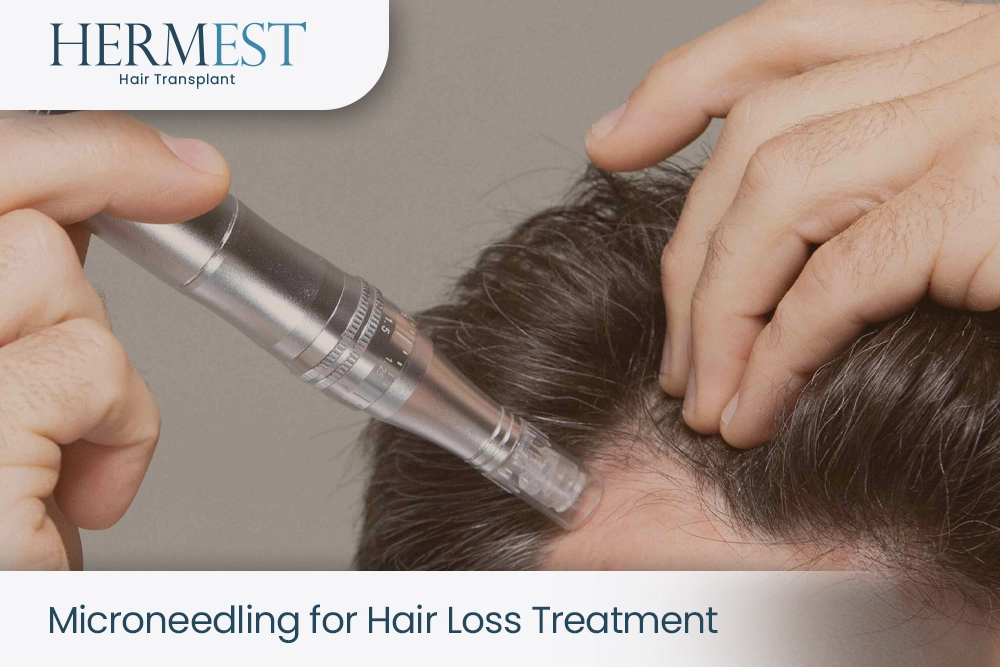
Credit: www.hermestclinic.com
Are There Alternatives To Microneedling?
Yes. If you can’t use microneedling, or want to try something else, options include:
- Chemical peels: Remove outer skin layers for brighter, smoother skin.
- Laser treatments: Target deep scars or wrinkles with light energy.
- Microdermabrasion: Exfoliates with tiny crystals.
- Topical retinoids: Boost collagen over time, but more slowly.
Each has its own risks, costs, and results. Talk to a dermatologist to find the best fit for you.
What Do Studies And Experts Say?
Dermatologists agree that microneedling is safe when done correctly. It’s proven to boost collagen, fade scars, and even help with hair loss. Studies show:
- Microneedling plus minoxidil is up to 3x more effective for hair growth than minoxidil alone.
- Professional microneedling has an 80% satisfaction rate for acne scar treatment.
- Home rollers can improve skin absorption of vitamin C and hyaluronic acid by up to 90%.
Want to read more? Visit this scientific review of microneedling for more details.
Frequently Asked Questions
How Long Does It Take To See Results From Microneedling?
Most people see small changes after the first few weeks. For real improvements—like smoother scars, fewer wrinkles, or thicker hair—it usually takes 2–6 months of regular treatments. Professional sessions often give faster results than home use.
Is Microneedling Safe For All Skin Types?
Yes, microneedling is safe for most skin types, including dark skin. However, people with very sensitive, thin, or damaged skin should be careful. If you have a history of keloids, active acne, or skin infections, ask a dermatologist before trying microneedling.
Can I Do Microneedling At Home If I Have Hair Loss?
Mild hair thinning can benefit from at-home microneedling, especially when combined with hair growth serums. For advanced hair loss or bald patches, professional microneedling (sometimes with PRP) is more effective.
What Should I Avoid After Microneedling?
After microneedling, avoid sun exposure, makeup, strong acids, retinol, or any harsh skincare for at least 24–48 hours. Do not touch your skin with dirty hands. Always use gentle, hydrating products and sunscreen.
How Do I Clean My Microneedling Device?
Rinse the tool with hot water, then soak it in 70% isopropyl alcohol for 10 minutes before and after each use. Let it air dry on a clean surface. Replace the device after 10–15 uses or if it looks damaged.
—
Microneedling can change how your skin and scalp look and feel. Whether you choose at-home rollers or professional treatments, the most important thing is to use safe, clean methods and be patient. The journey to better skin or hair isn’t instant, but with the right approach, real results are possible.
If you have doubts, always get advice from a qualified expert.