

Many people are trying intermittent fasting today to lose weight or improve their health. It’s a simple idea: eat only during certain hours and fast the rest of the time. But as more people use this method, a new question appears: “Can intermittent fasting cause hair loss?” And, does the timing of your calories really matter for your hair health?
If you have noticed more hair on your brush or pillow since starting fasting, you’re not alone. Hair is a sensitive part of your body. It often shows the first signs if something is wrong inside. This article will explain how intermittent fasting affects hair, what role calorie timing plays, and what you can do to keep your hair healthy while following this eating plan. Let’s take a closer look at the science, common misunderstandings, and real-life tips for anyone worried about hair loss and intermittent fasting.
What Is Intermittent Fasting?
Intermittent fasting is not a diet in the usual sense. Instead, it is an eating pattern that cycles between periods of eating and fasting. People use it for weight loss, better blood sugar control, and sometimes for mental clarity.
There are a few common methods:
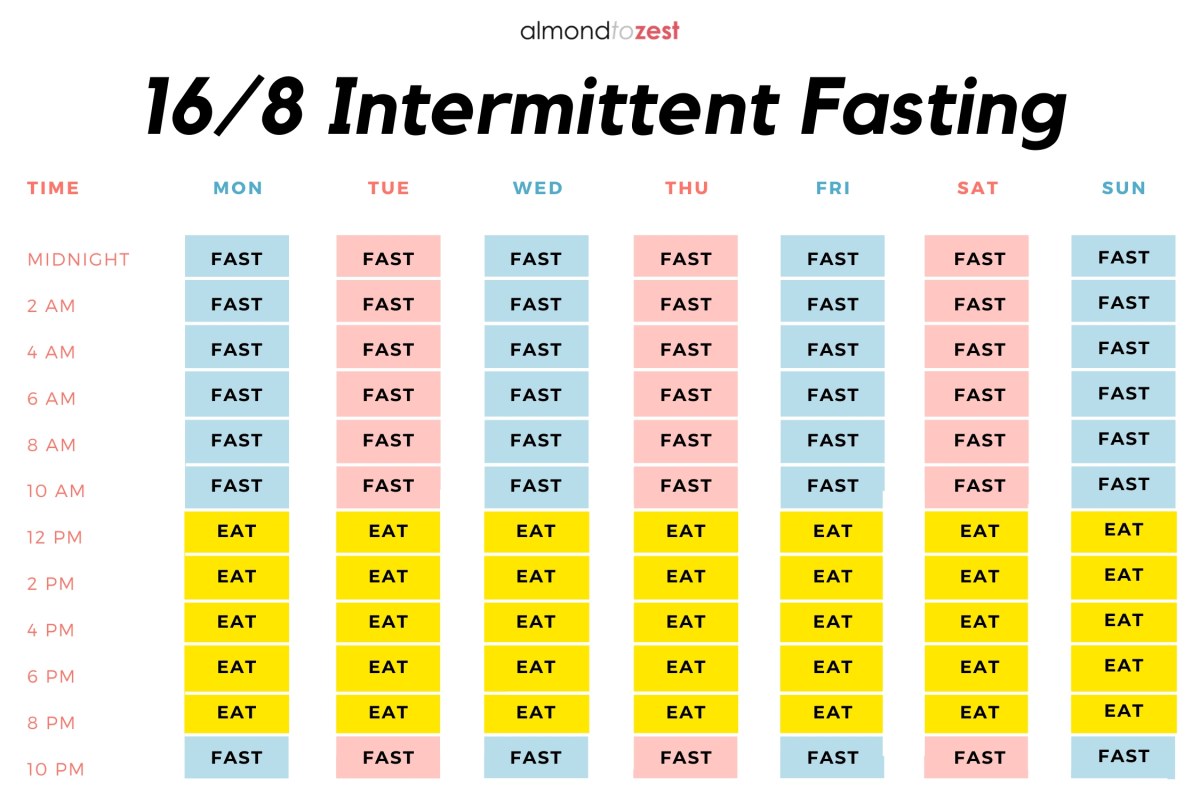
- 16/8 method: Fast for 16 hours, eat during an 8-hour window.
- 5: 2 diet: Eat normally five days a week, and eat only about 500–600 calories on two days.
- Alternate-day fasting: Eat every other day or limit calories every second day.
The main idea is to give your body time without food, which may have benefits for metabolism and cell repair. However, this also means your body gets all its calories and nutrients in a shorter time frame.
How Hair Grows And Why It Falls Out
To understand hair loss, you need to know a little about how hair grows. Hair grows from follicles in your skin. Each hair follicle has its own cycle with three main phases:
- Anagen (growth phase): Lasts 2–7 years. Most of your hair is in this stage.
- Catagen (transition phase): Lasts 2–3 weeks. Hair stops growing and gets ready to fall out.
- Telogen (resting phase): Lasts about 3 months. Hair falls out and a new one starts to grow.
Normally, you lose about 50–100 hairs a day. But if something shocks your system, more hairs can enter the telogen phase at once, leading to noticeable shedding. This is called telogen effluvium.
Common causes of hair loss include:
- Stress
- Illness
- Sudden weight loss
- Nutrient deficiencies
- Hormonal changes
Some of these can happen during or after starting intermittent fasting, especially if you are not careful about your nutrition.
The Link Between Intermittent Fasting And Hair Loss
Many people report hair shedding after starting intermittent fasting. But does fasting itself cause hair loss? The answer is not always simple.
Possible Reasons For Hair Loss During Fasting
- Calorie Deficit: When you eat fewer calories than your body needs, it may “save” energy by slowing down less important processes, such as hair growth. If you lose weight too fast, your body can react by pushing more hairs into the resting phase.
- Nutrient Deficiency: If your fasting plan leads to poor nutrition — for example, not enough protein, iron, zinc, or vitamins — your hair may suffer. Hair cells are among the fastest-growing cells in your body, and they need plenty of nutrients.
- Stress: Changing your eating pattern can be a physical and emotional stress. Stress hormones (like cortisol) can trigger hair shedding.
- Hormonal Changes: Fasting can affect hormones such as thyroid hormones, insulin, and even sex hormones. Changes here can impact hair growth cycles.
- Timing of Calories: Some believe that when you eat your calories (morning vs. evening) could affect how your body uses nutrients, including those needed for healthy hair.
What Does The Research Say?
There are very few studies directly linking intermittent fasting and hair loss. However, there is strong evidence that crash dieting, severe calorie restriction, and rapid weight loss can trigger telogen effluvium.
A study published in the journal *Dermatology Practical & Conceptual* found that people who lost weight quickly often reported hair shedding within 2–5 months. Other research shows that low-calorie diets can lead to deficiencies in iron, zinc, and biotin — all important for hair health.
Still, many people do intermittent fasting without losing hair. It seems the real problem is not the fasting itself, but how you do it.
Calorie Timing: Does It Matter For Hair Health?
Now let’s focus on calorie timing — when you eat your food during the day. Could this make a difference for your hair?
The Science Of Calorie Timing
Your body has a natural clock, known as the circadian rhythm. This clock controls many functions, including hormone release, digestion, and even how your hair grows. Some research suggests that eating in line with your body’s clock — for example, having more calories earlier in the day — may be better for metabolism and overall health.
When you eat all your calories late at night, you might not absorb nutrients as well. Also, your body may not have enough resources to repair and grow hair during sleep if it’s still digesting a big meal.
Practical Example
Imagine two people, both eating the same number of calories and nutrients:
- Person A eats most of their food between 8 a.m. and 4 p.m.
- Person B eats the same food, but only between 4 p.m. and midnight.
Studies show that Person A may have better blood sugar control and less inflammation. If your body is less stressed and working smoothly, it may support hair growth better. However, there is no proof yet that calorie timing alone will prevent hair loss.
Key Points
- Eating regular, balanced meals during your eating window helps your body get and use nutrients.
- Try not to skip protein or key vitamins and minerals during your eating period.
- Don’t eat too close to bedtime; it may affect sleep and how your body repairs itself, including your hair.

Credit: www.clinikally.com
Nutrients Essential For Healthy Hair
If you want to keep your hair healthy while fasting, you must make sure you get enough of the right nutrients. Let’s look at the most important ones for hair growth.
Protein
Hair is made of a protein called keratin. If you do not get enough protein, your body may slow down hair growth or shed more hair. People on fasting plans sometimes eat less protein, especially if they skip breakfast or eat fewer meals.
Iron
Low iron is a common cause of hair loss, especially in women. Good sources include red meat, lentils, beans, and spinach. If you are fasting and not eating enough iron-rich foods, you could become deficient.
Zinc
Zinc helps with cell repair and growth, including in hair follicles. You can find zinc in beef, pumpkin seeds, and chickpeas. Too little zinc can cause hair to thin or fall out.
Biotin
Biotin is a B-vitamin needed for healthy hair and nails. It’s found in eggs, nuts, and whole grains. Fasting rarely causes biotin deficiency, but if your diet is very limited, it could happen.
Vitamin D
Many people are low in vitamin D, which may affect hair growth. Sunlight is the best source, but you can also get it from fatty fish and fortified foods.
Other Nutrients
- Omega-3 fatty acids: Help keep hair and scalp healthy. Found in fish, flaxseeds, and walnuts.
- Vitamin A: Needed for cell growth, but too much can cause hair loss.
- Vitamin E: Protects hair follicles from stress.
How To Get Enough Nutrients While Fasting
- Plan your meals to include protein, iron, and healthy fats.
- Eat a variety of fruits and vegetables.
- Consider a multivitamin if your eating window is very short or your food choices are limited.
- If you are vegan or vegetarian, pay extra attention to iron and B-vitamins.
Common Mistakes When Fasting That Can Lead To Hair Loss
People often make mistakes when starting intermittent fasting. These can increase the risk of hair problems.
- Cutting Calories Too Much: Fast weight loss often leads to hair shedding. Aim to lose no more than 0.5–1 kg (1–2 lbs) per week.
- Skipping Protein: Many skip meals and end up eating mostly carbs or fats. Your hair needs protein every day.
- Not Eating Enough Variety: Eating the same foods every day can lead to nutrient gaps.
- Not Drinking Enough Water: Dehydration can make your hair look dry and lifeless.
- Ignoring Stress: Fasting is a stress for your body. Add mental or emotional stress, and you have a recipe for hair loss.
- Ignoring Medical Causes: Sometimes hair loss is not about diet. Thyroid problems, PCOS, or other health issues can play a role.
How To Prevent Hair Loss While Doing Intermittent Fasting
You can fast and keep your hair healthy if you follow some simple rules.
Eat Enough Calories
Don’t let your total calorie intake drop too low. Your body needs energy for basic functions, including hair growth. If you feel tired, cold, or weak, you may be undereating.
Prioritize Protein
Aim for at least 1–1. 2 grams of protein per kilogram of your body weight daily. Include a protein source in every meal during your eating window.
Focus On Iron And Zinc
If you are a woman, vegan, or have a history of low iron, get your levels checked by a doctor. Add iron-rich and zinc-rich foods to your meals.
Take Care With Supplements
If you can’t get all nutrients from food, talk to your doctor about supplements. Don’t overdo it — too much vitamin A or zinc can also cause hair problems.
Manage Stress
Try to reduce stress with regular exercise, enough sleep, and relaxing activities. Chronic stress can make hair shedding worse.
Watch Your Eating Window
Don’t make your eating window too short. A 6–8 hour window works for most people. This gives you enough time to eat balanced meals.
Listen To Your Body
If you notice more hair shedding, feel weak, or get sick easily, re-evaluate your plan. Sometimes taking a break or adjusting your fasting schedule can help.
Real-life Example
Anna, a 32-year-old woman, started 16/8 intermittent fasting and lost 8 kg in 3 months. After two months, she noticed more hair in the shower. Her doctor found she was low in iron and protein. By adding lean meat and beans, and taking an iron supplement, her hair loss slowed after two months.
Comparing Intermittent Fasting Methods And Hair Loss Risk
Different fasting methods may affect your hair differently. Here’s a simple comparison:
| Fasting Method | Eating Window | Risk of Hair Loss (if not careful) |
|---|---|---|
| 16/8 Method | 8 hours | Low to Moderate |
| 5:2 Diet | Normal 5 days, 500-600 kcal on 2 days | Moderate |
| Alternate-Day Fasting | Every other day | Moderate to High |
| One Meal a Day (OMAD) | 1 hour | High |
Fasting methods with shorter eating windows (like OMAD) or big calorie cuts (like 5:2 or alternate-day) make it harder to get enough nutrients, so the risk for hair loss goes up.
Typical Timeline: When Does Hair Loss Happen With Fasting?
Most people who experience hair loss from dieting or fasting notice it 2–4 months after starting. This is because hair follicles take time to react to changes in nutrition or stress.
Here’s a general timeline:
| Time After Starting Fasting | What May Happen |
|---|---|
| First 1–4 weeks | No hair changes, body adjusting |
| 1–2 months | Possible mild shedding if nutrition is poor |
| 2–4 months | Noticeable hair shedding (telogen effluvium) may begin |
| 4–6 months | Hair loss may slow if nutrition improves; regrowth starts |
Some people recover quickly, while others may need several months for hair to return to normal. Remember, hair regrowth takes time.
Who Is Most At Risk Of Hair Loss From Fasting?
Not everyone will lose hair when they fast. But certain groups are at higher risk:
- Women of childbearing age: More likely to have low iron.
- Vegans and vegetarians: May miss out on key nutrients like iron, zinc, and B12.
- People with thyroid or hormonal problems: Their hair is already sensitive to changes.
- Anyone doing extreme fasting: Very short eating windows or big calorie cuts.
- People with a history of hair loss: Genetics or past episodes make future hair loss more likely.
If you are in one of these groups, be extra careful about your nutrition and watch for signs of hair loss.
Credit: www.ctcd.edu
Myths And Facts About Fasting And Hair Loss
There is a lot of misinformation online. Let’s clear up some common myths.
Myth 1: “fasting Always Causes Hair Loss.”
Fact: Most people who fast and eat well do not lose hair. Hair loss happens when you eat too little, miss key nutrients, or are under a lot of stress.
Myth 2: “hair Loss From Fasting Is Permanent.”
Fact: In most cases, hair loss from fasting (telogen effluvium) is temporary. Hair usually grows back when nutrition and health improve.
Myth 3: “supplements Can Prevent All Hair Loss.”
Fact: Supplements can help if you have a deficiency, but they can’t fix poor eating habits or extreme calorie cuts. Food should be your first source of nutrients.
Myth 4: “more Protein Always Means More Hair.”
Fact: Too much protein doesn’t make hair grow faster. Your body needs a balance of protein, iron, zinc, vitamins, and healthy fats.
Myth 5: “eating Late At Night Causes Hair Loss.”
Fact: There is no proof that late meals directly cause hair loss. But eating all your calories at night may affect sleep and digestion, which can indirectly impact hair health.
Hair Loss Vs. Hair Shedding: What’s The Difference?
It’s important to know the difference between hair loss and hair shedding:
- Hair shedding (telogen effluvium) is usually temporary and happens after stress, weight loss, or illness. Hair will usually grow back.
- Hair loss (alopecia) can be permanent if caused by genetics, autoimmune disease, or scarring.
If you see thinning at your hairline or bald spots, see a doctor. If your hair looks thinner all over, but you don’t see bald patches, it’s likely shedding and should improve.

Credit: www.yahoo.com
How To Check If Your Diet Is Causing Hair Loss
If you think your new eating plan is making your hair fall out, ask yourself:
- Am I eating fewer than 1,200 calories/day (women) or 1,500 calories/day (men)?
- Am I eating protein at every meal?
- Do I eat a variety of fruits, vegetables, whole grains, and healthy fats?
- Have I lost weight very quickly (more than 1 kg or 2 lbs per week)?
- Do I feel tired, weak, or look pale?
If you answered “yes” to one or more, your diet may be part of the problem.
When To See A Doctor
Sometimes hair loss is a sign of a medical problem, not just a diet issue. See a doctor if:
- Hair loss is severe or getting worse
- You see bald patches or scarring
- You have other symptoms (fatigue, cold intolerance, heavy periods, skin changes)
- Hair does not start to grow back after 6 months
A doctor can check for thyroid disease, iron deficiency, or other conditions that may need treatment.
Tips For Healthy Hair During Intermittent Fasting
- Eat enough calories: Don’t starve yourself; slow, steady weight loss is safest.
- Include protein at every meal: Eggs, meat, beans, tofu, dairy, or nuts.
- Add iron-rich foods: Red meat, lentils, spinach, pumpkin seeds.
- Eat colorful fruits and vegetables: For vitamins and antioxidants.
- Use healthy fats: Olive oil, fish, avocado, nuts.
- Stay hydrated: Drink water throughout your fasting and eating windows.
- Limit processed foods: These can be low in nutrients your hair needs.
- Manage stress: Yoga, meditation, walks, or hobbies can help.
- Sleep enough: Hair grows best when you sleep well.
- Don’t panic: Some shedding is normal during diet changes.
Insights Beginners Often Miss
- Fasting is a stressor: Your body sees any change in eating pattern as stress. If you add other stresses (work, family, lack of sleep), hair loss risk goes up.
- Short eating windows can limit nutrients: The shorter your window, the harder it is to get enough protein, iron, and vitamins. Spreading meals over 8 hours is usually safer than eating all at once.
Realistic Expectations: What To Do If You Notice Hair Loss
If you start losing hair after beginning intermittent fasting:
- Review your calorie and protein intake. Increase if too low.
- Add more iron-rich foods and check your levels if you are at risk.
- Consider a break from fasting or switch to a less strict method.
- Be patient — hair regrowth usually takes several months.
Remember, health comes first. Your body will signal if something is wrong.
Comparing Intermittent Fasting With Other Diets And Hair Loss
How does intermittent fasting compare with other diets for hair health?
| Diet Type | Hair Loss Risk | Key Concerns |
|---|---|---|
| Intermittent Fasting | Low to Moderate | Calorie/nutrient gaps, stress |
| Very Low-Calorie Diet | High | Rapid weight loss, severe deficiency |
| Keto/Low Carb | Moderate | Low calories, low micronutrients if not planned |
| Vegan/Vegetarian | Low to Moderate | Iron, B12, zinc deficiencies |
| Balanced Diet | Low | Usually safe if calories and nutrients are enough |
Extreme calorie restriction of any type is the biggest risk for hair problems. A slow, balanced approach is best.
The Role Of Genetics And Other Factors
Not all hair loss is due to diet or fasting. Genetics plays a big role. If you have a family history of hair thinning, you may be more sensitive to diet changes. Other factors include:
- Age: Hair grows slower as you get older.
- Hormones: Menopause, thyroid issues, and pregnancy can cause shedding.
- Medications: Some drugs list hair loss as a side effect.
- Illness: Infections, fever, or surgery can trigger hair loss.
Always think about the whole picture, not just your diet.
Is Intermittent Fasting Safe For Hair? The Bottom Line
For most healthy adults, intermittent fasting is safe and does not lead to hair loss — if you eat enough calories and nutrients. The problems start when you cut calories too much, skip protein, or miss key vitamins and minerals.
Calorie timing may play a small role, but the most important thing is to eat balanced meals during your eating window. Don’t rush weight loss, and listen to your body. If you notice more hair shedding, adjust your plan or talk to a doctor.
For more on the science of intermittent fasting and nutrition, see this review from the National Institutes of Health.
Frequently Asked Questions
Does Intermittent Fasting Always Cause Hair Loss?
No, most people who practice intermittent fasting do not lose hair. Hair loss is more likely if you eat too few calories, lose weight quickly, or miss important nutrients.
How Long After Starting Intermittent Fasting Could Hair Loss Begin?
Hair shedding usually starts 2–4 months after a big diet or lifestyle change. This is because hair follicles have a delayed response to stress or poor nutrition.
Can Changing The Timing Of My Meals Help Prevent Hair Loss?
Eating regular, balanced meals during your eating window helps. Spreading your food over 6–8 hours makes it easier to get enough nutrients than eating all at once. However, meal timing alone is less important than total nutrition.
Will Hair Lost From Intermittent Fasting Grow Back?
In most cases, yes. Hair loss from fasting is usually temporary (telogen effluvium). When you correct your diet and reduce stress, hair should regrow within 3–6 months.
Should I Take Supplements While Fasting To Protect My Hair?
Supplements can help if you have a proven deficiency (like iron or vitamin D). But food is the best source of nutrients. Only take supplements after checking with your doctor, as too much of some nutrients can cause harm.
Intermittent fasting can be part of a healthy lifestyle, but your hair needs the right fuel. Eat well, watch for signs of trouble, and remember: your health is more important than any diet trend.