

In 2026, the beauty industry is seeing a quiet revolution. AI-powered skin analysis tools are changing how people understand and care for their skin. No longer do you need to visit expensive clinics or buy random products hoping they work. Now, your smartphone can scan your face, measure important details, and recommend a personalized skincare routine—all within minutes. These apps are not just fun gadgets. They use advanced algorithms, real-time data, and even connect with dermatologists to give expert advice tailored to you.
But with so many options, how do you know which app is right for you? This article explores the best AI-powered skin analysis apps in 2026, explains how they work, what makes them different, and how you can use technology for healthier, more beautiful skin.
Whether you have sensitive, oily, or aging skin, or you just want to know more about your face, these tools can help. Let’s dive in and see how AI is making skincare smarter, simpler, and more personal than ever.
How Ai Skin Analysis Tools Work
AI skin analysis tools use your device’s camera to take high-resolution images of your face. Then, artificial intelligence examines these images. It looks for things like wrinkles, pores, dark spots, and skin tone. The AI compares your skin data with large databases of other people’s skin. It checks thousands of images, learns from patterns, and gives you a report within seconds.
Many apps use machine learning to get better over time. As more people use the app, the AI understands more about different skin types, ages, and concerns. Some tools even use deep learning, which means they can spot very small changes—like early signs of sun damage or dehydration.
The best part? You don’t need to be a tech expert. Most apps guide you step by step. You just open the app, take a selfie, and let the AI do the rest.
Key Features Of Modern Ai Skin Analysis
- 3D face mapping: Creates a detailed map of your skin’s surface for deeper analysis.
- Personalized recommendations: Suggests products and routines that match your unique skin.
- Progress tracking: Monitors changes over time with before-and-after images.
- Real-time advice: Gives instant feedback on your skin’s needs.
- Integration with wearables: Some apps connect with smart mirrors or fitness trackers to include lifestyle data.
Why Personalized Skincare Matters
Everyone’s skin is different. Age, genetics, environment, and even diet affect how your skin looks and feels. Generic routines or one-size-fits-all products often miss the mark. That’s why personalized skincare is so powerful.
Using AI, these apps look at your skin’s unique features. They consider things like oiliness, dryness, dark spots, and even your daily habits. This means you get advice that fits you—not just someone like you.
Personalized routines help you:
- Avoid wasting money on products that don’t work.
- Catch skin problems early.
- Get faster, better results.
- Build confidence in your routine.
Two details beginners often miss: First, AI can help spot hidden issues, like UV damage under the skin’s surface. Second, tracking progress with AI means you see small improvements you might otherwise miss.

Credit: apps.shopify.com
Top 10 Ai-powered Skin Analysis Apps In 2026
New apps keep launching, but only a few truly stand out in 2026. Here are the best AI-powered skin analysis tools for personalized skincare routines this year.
1. Skingenius Pro
SkinGenius Pro leads the market with its highly accurate 3D face scanning. The app uses your phone’s camera to build a detailed map of your skin. It checks for fine lines, pigmentation, acne, and hydration levels. What’s unique is its partnership with dermatologists. After your scan, you can get expert feedback from licensed professionals.
SkinGenius Pro also connects with your smart mirror and tracks your daily progress. Its database includes over 10 million skin profiles, which makes its recommendations very precise.
Standout features:
- Real-time dermatologist chat
- Personalized product suggestions with links to purchase
- Progress tracker with AI-generated reports
2. Dermaai Insight
DermaAI Insight is famous for its deep learning technology. It analyzes over 30 skin concerns, from redness to enlarged pores. The app uses advanced filters to show you what your skin might look like in the future, based on current care habits.
What sets DermaAI apart is its integration with DNA test kits. If you upload your genetic skin profile, the app customizes your routine even further. Its user interface is simple, making it easy for beginners.
Standout features:
- DNA-based personalization
- Virtual aging simulations
- Easy-to-understand charts and visual guides
3. Glowlens
GlowLens focuses on skin health rather than just appearance. It connects with fitness trackers to monitor your sleep, stress, and diet. Then, it links this data with your skin analysis for a complete health report.
GlowLens is popular with those who want to improve their overall wellness. It also offers a “skin diary” feature, letting you record how your skin feels each day. GlowLens is highly rated for its accuracy in detecting dehydration and early signs of irritation.
Standout features:
- Health and lifestyle integration
- Daily skin diary
- Early warning for irritation or allergies
4. Faceiq
FaceIQ uses augmented reality (AR) to show you how your skin might change with different routines. After scanning, it overlays a “future you” image, helping you see the effects of good skincare habits.
The app also ranks products based on your skin’s needs and local environment—like humidity or pollution in your city. FaceIQ’s community feature allows users to share tips and compare progress with friends.
Standout features:
- Augmented reality visualizations
- Local environment adjustments
- Community sharing tools
5. Beautiscan
BeautiScan is known for its simple interface and fast results. It’s a favorite for people new to AI skincare. The app checks for the basics—oiliness, dryness, and blemishes—in just 10 seconds.
BeautiScan’s “Routine Builder” lets you pick your budget, preferred brands, and even product textures. The app then builds a full morning and evening routine, with step-by-step instructions.
Standout features:
- Fast 10-second scan
- Budget-friendly routine builder
- Step-by-step skincare guide
6. Skinai Lab
SkinAI Lab offers a more scientific approach. The app gives you a “skin score,” rating your hydration, elasticity, and pigmentation. It uses high-resolution imaging and analyzes changes down to the pixel level.
A unique detail: SkinAI Lab tracks how your skin responds to new products, warning you if something causes irritation. This feedback loop helps you avoid mistakes and adjust quickly.
Standout features:
- Scientific skin scoring system
- Reaction tracking for new products
- Detailed pixel-level analysis
7. Clearview Skin
ClearView Skin is the top choice for people with acne or sensitive skin. The app uses AI to tell the difference between acne, rosacea, and allergic reactions—something even some dermatologists can miss without a close look.
The app offers a “symptom tracker” so you can log triggers like food or stress. It then adjusts your routine and recommends lifestyle changes.
Standout features:
- Advanced acne and sensitivity detection
- Symptom and trigger tracking
- Personalized lifestyle tips
8. Youthmirror
YouthMirror is designed for anti-aging routines. It scans for fine lines, wrinkles, and loss of firmness. The app compares your scans with global age averages, so you see how your skin is aging compared to others your age.
YouthMirror also includes a “habit coach,” which sends reminders for sunscreen, hydration, and sleep—key factors in healthy aging.
Standout features:
- Anti-aging focus
- Age comparison charts
- Habit coaching notifications
9. Puretone
PureTone stands out for analyzing skin tone and pigmentation. It’s popular among people with darker skin who want accurate recommendations. The app helps spot uneven tone, melasma, and sun spots.
PureTone works closely with cosmetic brands that specialize in diverse skin tones. Its recommendations are sensitive to cultural and genetic differences.
Standout features:
- Advanced tone and pigmentation analysis
- Recommendations for all skin colors
- Culturally aware advice
10. Lumiderma
LumiDerma is an all-in-one tool that balances speed and depth. It scans your face, analyzes pores, redness, and overall health, and gives instant feedback. LumiDerma’s AI can adjust your routine based on the season or travel plans.
Its “routine auto-adjust” is a favorite feature—if you travel to a dry climate, the app updates your recommendations before you arrive.
Standout features:
- Fast, accurate scans
- Seasonal routine adjustments
- Travel-aware recommendations
Comparing The Top Apps: What Matters Most
Choosing the right AI skin analysis app depends on your needs and preferences. Some focus on deep science, while others are quick and simple. To help you see the differences, here’s a comparison of the top apps based on important features:
| App Name | Focus Area | Unique Feature | Best For |
|---|---|---|---|
| SkinGenius Pro | Comprehensive 3D Analysis | Dermatologist Chat | All Skin Types |
| DermaAI Insight | Deep Learning & DNA | Virtual Aging | Tech Lovers |
| GlowLens | Skin Health & Wellness | Lifestyle Integration | Health-Focused Users |
| FaceIQ | AR Visualization | Future You Preview | Visual Learners |
| BeautiScan | Quick Analysis | Budget Routine Builder | Beginners |
| SkinAI Lab | Scientific Scores | Reaction Tracking | Experimenters |
| ClearView Skin | Acne & Sensitivity | Symptom Tracker | Sensitive Skin |
| YouthMirror | Anti-Aging | Age Comparison | Mature Skin |
| PureTone | Tone & Pigmentation | Cultural Sensitivity | Diverse Users |
| LumiDerma | All-in-One | Seasonal Adjustments | Travelers |
Data Privacy And Ai Skin Apps
AI skin analysis means sharing close-up photos of your face. Many users worry about privacy and data security. In 2026, most top apps use strong encryption and don’t store photos on their servers unless you allow it.
A few apps let you use “local analysis,” meaning your data stays on your phone. Others offer full transparency, showing exactly how your data is used. Always check the privacy policy before uploading sensitive images.
What To Look For In App Privacy
- End-to-end encryption for images and reports
- Option to delete your data at any time
- Clear statements about data sharing with third parties
- Regular security updates
An insight: Some apps use anonymized data to improve their AI. This means your images help the AI learn, but your identity stays private.
How To Use An Ai Skin Analysis App: Step-by-step
If you’re new to AI skincare, here’s how to get started.
- Download and install the app. Choose one that matches your needs from the list above.
- Create an account. Some apps need your age, gender, and skin concerns.
- Prepare your face. Remove makeup and wash your face for the most accurate scan.
- Take a clear, well-lit selfie. Most apps give tips for the best angle and lighting.
- Run the analysis. The AI checks your skin and gives a report in seconds.
- Review the results. Look at the scores, problem areas, and suggestions.
- Build your routine. Use the recommended products and steps.
- Track your progress. Scan again every week or month to see changes.
Remember, the more you use the app, the smarter its advice becomes. Many apps adapt to your skin’s changes across seasons or stress levels.

Credit: apps.shopify.com
Common Mistakes When Using Ai Skin Analysis Tools
AI skin apps are powerful, but they’re not perfect. Avoid these mistakes for better results:
- Poor lighting: Dim or colored light can confuse the AI. Always use natural or white light.
- Heavy makeup: Even a little concealer can hide real skin issues.
- Ignoring lifestyle factors: Some users forget that diet, sleep, and stress impact skin.
- Not updating the app: Outdated apps may have old AI models.
- Treating AI as a doctor: Apps are helpful but cannot replace medical advice for serious skin problems.
A useful tip: Many apps let you compare your scans over time. Use this to notice small changes and adjust your routine.
Real Stories: How Users Benefit
Many people share their experiences with AI-powered skin analysis. Here are a few examples:
- Amira, 27, from Dubai: “I used GlowLens to understand why my skin was breaking out. The app connected my poor sleep to more acne. Changing my routine helped clear my skin in just two months.”
- Luis, 35, from Mexico City: “FaceIQ showed me how pollution was aging my skin faster. I switched to products with antioxidants and saw fewer new wrinkles.”
- Helen, 52, from London: “YouthMirror motivated me to wear sunscreen daily. Seeing my ‘future face’ was a wake-up call. Now, my skin looks younger than last year.”
These stories show that AI tools do more than analyze—they help people change habits for the better.
How Ai Skin Analysis Helps Different Skin Types
One advantage of AI is customization for all skin types. Here’s how top apps adapt to different needs:
| Skin Type | AI Benefit | Best App Example |
|---|---|---|
| Oily | Detects excess sebum, recommends lighter products | BeautiScan |
| Dry | Spots dehydration, suggests hydrating ingredients | GlowLens |
| Sensitive | Flags irritation, offers gentle routines | ClearView Skin |
| Mature | Tracks wrinkles, advises on retinoids/peptides | YouthMirror |
| Acne-prone | Identifies breakout patterns, recommends actives | ClearView Skin |
| Darker tones | Analyzes pigmentation, prevents over-brightening | PureTone |
The Science Behind Ai Skin Analysis
AI skin analysis uses two main types of technology:
- Computer vision: This lets the app “see” your face, measuring things like pore size, redness, or roughness.
- Machine learning: The app learns from millions of skin images, improving its accuracy over time.
Research shows that some AI apps can match or even beat trained dermatologists for certain skin problems. For example, a 2025 study found that AI detected acne with 92% accuracy, compared to 89% for doctors.
But AI is not perfect. It can make mistakes if the lighting is bad, or if the user’s skin is very unique. This is why the best apps always encourage users to confirm results with a human expert if something looks unusual.
When To See A Dermatologist
AI apps are great for everyday care and early detection. But sometimes, you need a real doctor. See a dermatologist if you notice:
- Unusual moles or spots that change shape or color
- Skin problems that get worse, not better, with AI advice
- Pain, bleeding, or severe rashes
Many top apps, like SkinGenius Pro, offer a direct line to dermatologists for extra peace of mind.
The Future Of Ai-powered Skincare
The field is moving fast. In the next few years, expect even more advanced features:
- 4D analysis: Tracking your skin in motion, not just in photos.
- Real-time product scanning: Hold up a product, and the app tells you if it’s right for you.
- Global skin databases: Apps will learn from every climate and ethnicity, making advice even more precise.
- AI-powered virtual dermatologists: Soon, you may have a “skin coach” available 24/7.
AI will not replace human experts, but it will make personalized skincare possible for everyone, everywhere.
Tips For Getting The Best Results
For the most accurate and helpful skin analysis, keep these points in mind:
- Scan your skin at the same time of day, in similar lighting.
- Update your routine in the app if you change products.
- Take progress photos every week to see improvements.
- Share honest feedback with the app to improve its AI.
- Protect your privacy by checking app permissions and deleting data when needed.
A little patience goes a long way. Skin changes slowly—track your results over months, not just days.
How To Choose The Right App For You
With so many choices, picking the best AI skin analysis app can feel overwhelming. Here’s what matters most:
- Accuracy: Look for apps with large databases and advanced AI.
- Privacy: Choose apps with strong security and clear data policies.
- Customization: Make sure the app addresses your skin type and main concerns.
- Ease of use: A simple interface helps you stay consistent.
- Expert support: Access to dermatologists is a big plus if you have serious concerns.
Don’t be afraid to try a couple of apps before settling on your favorite. Most offer free trials or basic versions.
Trusted Sources For Skincare Information
While AI apps are helpful, always look for advice from reliable sources. For deeper learning, you can visit the American Academy of Dermatology.
Frequently Asked Questions
How Accurate Are Ai-powered Skin Analysis Apps?
Modern AI skin analysis apps are highly accurate—often matching or surpassing dermatologists for common concerns like acne or pigmentation. However, accuracy depends on good lighting, clear photos, and following the app’s instructions. For unusual or serious problems, always consult a professional.
Is My Data Safe When Using These Apps?
Most top apps use strong encryption and give you control over your data. Always review the privacy policy before uploading photos. Look for options to delete your scans and avoid apps that share data without permission.
Can These Apps Replace Seeing A Dermatologist?
No, AI apps cannot replace medical professionals. They are useful for daily care, tracking changes, and learning about your skin. If you see something worrying or if your skin does not improve, make an appointment with a dermatologist.
Do I Need Special Equipment For Ai Skin Analysis?
All you need is a smartphone or tablet with a good camera. Some advanced apps work even better with smart mirrors or fitness trackers, but these are optional. Good lighting is the most important factor for accurate results.
How Often Should I Use An Ai Skin Analysis App?
For best results, scan your skin once a week or at least once a month. Regular scans help you notice small changes and adjust your routine quickly. Many people scan more often when starting a new product or during changes in weather or stress.
AI-powered skin analysis tools are changing skincare for good. With the right app and routine, you can understand your skin better, avoid common mistakes, and enjoy healthy, glowing skin—now and in the future.
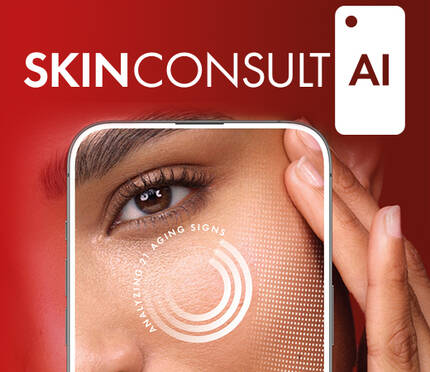
Credit: www.vichyusa.com