

Dehydration Effects On Skin Elasticity And Scalp Health
Your skin and scalp are not just about appearance—they are important barriers that protect you from the environment. But what happens when your body does not get enough water? Many people underestimate how dehydration can change the way their skin looks and feels. Even mild dehydration can quickly show up as dullness, tightness, and reduced elasticity. Your scalp, often hidden under hair, is just as sensitive to water loss. Problems like itching, flaking, or even hair thinning can begin with something as simple as not drinking enough fluids.
In this article, we will explore how dehydration affects skin elasticity and scalp health in detail. You will learn how your daily habits, environment, and diet can impact your skin and scalp, and what you can do to protect and restore them. Along the way, you will find practical advice, scientific data, and little-known tips that can make a real difference. Whether you want to maintain a youthful look or simply avoid discomfort, understanding the connection between hydration, your skin, and your scalp is essential.
How Dehydration Affects The Body
When you lose more water than you take in, your body quickly starts to show warning signs. Water makes up about 60% of an adult’s total body weight. Every cell, tissue, and organ depends on water to function well. When you are dehydrated, your body saves water for the most critical functions—like keeping your heart and brain working.
Less important areas, like your skin and scalp, get less water.
Early Signs Of Dehydration
The first signs of dehydration are often subtle:
- Dry mouth
- Headache
- Fatigue
- Less urine or darker urine
Your skin and scalp may not be the first things you notice, but they are often affected early on.
Why Hydration Is Essential For Skin And Scalp
Water moves nutrients into cells and flushes out toxins. It helps skin cells stay plump and flexible, giving skin its natural bounce. On the scalp, good hydration keeps hair roots healthy and supports the natural oil barrier that protects against irritation.
Skin Structure And The Role Of Water
To understand how dehydration affects skin, it helps to know the basics of skin structure. Your skin has three main layers:
| Layer | Main Function | Water Content (%) |
|---|---|---|
| Epidermis | Barrier, protection | 20-30 |
| Dermis | Elasticity, strength, supports hair follicles | 60-70 |
| Hypodermis | Insulation, energy storage | 10-30 |
The dermis is most responsible for skin elasticity. It contains proteins like collagen and elastin, plus a lot of water. If your body lacks water, the dermis loses volume, and your skin can become less flexible and more likely to wrinkle.
How Water Moves In The Skin
- Water enters the skin from the bloodstream.
- It travels upward from the dermis to the outermost layer (epidermis).
- The outer layer (stratum corneum) acts as a barrier to prevent water loss.
Every day, your skin loses about 300-400 ml of water through evaporation—a process called transepidermal water loss (TEWL).
What Is Skin Elasticity?
Skin elasticity is your skin’s ability to stretch and return to its normal shape. Young, healthy skin quickly bounces back when pinched or pulled. This bounce is due to two key proteins:
- Collagen – provides structure and firmness
- Elastin – allows the skin to stretch and move
Water supports these proteins, keeping the skin plump and springy. When your body is low on water, collagen fibers stick together, and elastin loses its shape. The result is rough, sagging, or wrinkled skin.
Measuring Skin Elasticity
Doctors and skincare experts sometimes use a simple test:
- Pinch a small area of skin on the back of your hand.
- Hold for a few seconds, then release.
- If the skin snaps back quickly, elasticity is good.
- If it stays “tented” or returns slowly, elasticity is poor—often a sign of dehydration.
The Science Behind Dehydration And Skin Aging
Lack of water does not cause permanent wrinkles, but it can make skin look much older. Studies show that dehydrated skin loses its shine, feels rough, and forms fine lines more easily.
Research in the *Journal of Cosmetic Dermatology* found that even a 2% drop in hydration can reduce skin elasticity by as much as 10%. Over time, repeated dehydration can weaken the skin’s protective barrier, leading to long-term problems.
Key Effects Of Dehydration On Skin
- Tightness and discomfort – skin feels less flexible
- Dull, uneven tone – healthy glow disappears
- Fine lines – small creases become more visible
- Increased sensitivity – more likely to react to products or pollution
- Slower healing – wounds and irritations take longer to clear
Dehydration Effects On The Scalp
Your scalp is skin too—but with extra challenges. It is covered by hair, exposed to styling products, and often forgotten in skincare routines. When you are dehydrated, the scalp suffers in similar ways, but signs can be less obvious.
Common Scalp Problems Caused By Dehydration
1. Dryness And Flaking
A lack of water makes the scalp dry and flaky. This can look like dandruff but is actually a sign of dehydration.
2. Itching Or Irritation
Dry scalp is more likely to itch or sting, especially after washing or using hair products.
3. Weak Hair Roots
Dehydration reduces blood flow to the hair follicles, making roots weak and hair more likely to fall out.
4. Slower Hair Growth
Healthy hair needs a moist, nourished environment. Dehydrated scalps grow hair more slowly.
5. Increased Oiliness
Oddly, dry scalps sometimes produce more oil to compensate. This can lead to greasy hair and blocked pores.
Scalp Vs. Skin: How Are They Different?
| Feature | Skin (Face/Body) | Scalp |
|---|---|---|
| Hair Follicles | Fewer, larger spacing | Many, closely packed |
| Oil Glands | Moderate density | Very high density |
| Water Loss Rate | Lower | Higher (due to hair and heat) |
| Product Absorption | Slower | Faster (more porous) |
Because of these differences, the scalp can become dehydrated even if the rest of your skin feels fine.
How Dehydration Happens
You can become dehydrated for many reasons—not just by drinking too little water. Some common causes include:
- Hot, dry weather or high altitude
- Air conditioning or heating
- Intense exercise and sweating
- Illness (vomiting, diarrhea, fever)
- Caffeine or alcohol intake
- Salty or processed foods
- Some medications (diuretics, antihistamines)
Even mild dehydration can build up over days or weeks, especially if you ignore thirst signals.
Hidden Everyday Habits That Cause Dehydration
Many people do not realize how daily habits affect their water balance. For example:
- Using harsh soaps or hot showers can strip the skin’s natural oils and speed up water loss.
- Long hours indoors under air conditioning can dry out both skin and scalp.
- Using hair dryers, straighteners, or curling irons can heat the scalp and increase evaporation.

Credit: www.amazon.com
Visible Signs Of Dehydrated Skin And Scalp
Spotting dehydration early can help you prevent bigger problems. Look for these signs:
Skin
- Feels tight, especially after cleansing
- Looks dull or “grayish”
- Fine lines appear around eyes and mouth
- Flaky patches or rough texture
- Makeup does not sit well (cakes or cracks)
Scalp
- Itchy or tight feeling under hair
- Visible flakes (not oily like dandruff)
- Hair feels dry, brittle, or breaks easily
- Scalp redness or sensitivity after washing
Who Is Most At Risk?
Some people are more likely to develop dehydration-related problems:
- Children and elderly – Their bodies lose water faster and sense thirst less clearly.
- Athletes – Heavy sweating without enough rehydration.
- People with skin disorders – Eczema, psoriasis, or dermatitis can worsen with dryness.
- Those living in dry or cold climates – Low humidity speeds up water loss.
The Difference: Dehydrated Vs. Dry Skin
Many confuse “dehydrated” with “dry” skin, but they are different. Dehydrated skin lacks water. Dry skin lacks oil. You can have oily skin that is dehydrated, or dry skin that is well-hydrated.
Key differences:
- Dry skin feels rough and may crack or peel.
- Dehydrated skin feels tight and looks dull but may still feel oily in some areas.
How Much Water Does Your Skin And Scalp Need?
There is no magic number, but most adults need about 2–3 liters of water per day from all sources (drinks and food). Factors like age, activity, and climate matter.
- You lose about 300–400 ml of water daily through your skin.
- Up to 20% of your skin’s water comes from what you drink, not just from creams or lotions.
Eating water-rich foods (fruits, vegetables, soups) also helps.
Can You Hydrate Skin And Scalp From The Outside?
Moisturizers, hair masks, and serums help, but they cannot fully replace water inside your body. Topical products trap water in the skin, but if you are dehydrated, there is less water to trap.
How Topical Hydration Works
- Humectants (like hyaluronic acid) pull water into the skin’s surface.
- Occlusives (like oils, butters) seal in moisture and slow down water loss.
For best results, combine inside-out hydration (drinking water) with outside-in products.
Practical Steps To Prevent And Reverse Dehydration Effects
1. Drink Enough Fluids
- Aim for small, regular sips throughout the day.
- Adjust intake based on activity, weather, and health.
2. Eat Water-rich Foods
Some foods are especially helpful:
- Watermelon, cucumber, oranges, strawberries
- Leafy greens, celery, tomatoes
- Broths and clear soups
3. Avoid Common Dehydrators
- Limit alcohol and caffeine (they increase urination).
- Watch out for salty snacks and processed foods.
4. Protect Against Environmental Water Loss
- Use a humidifier in dry or heated rooms.
- Wear hats or scarves in strong sun or wind.
- Avoid very hot showers or baths.
5. Choose The Right Skin And Scalp Care Products
- Use gentle, non-foaming cleansers.
- Look for products with hyaluronic acid, glycerin, or urea.
- Avoid harsh alcohols, sulfates, and fragrances.
6. Adjust Your Routine By Season
- In winter, switch to richer creams and oils.
- In summer, use lighter lotions but stay hydrated inside.
7. Be Gentle With Hair And Scalp
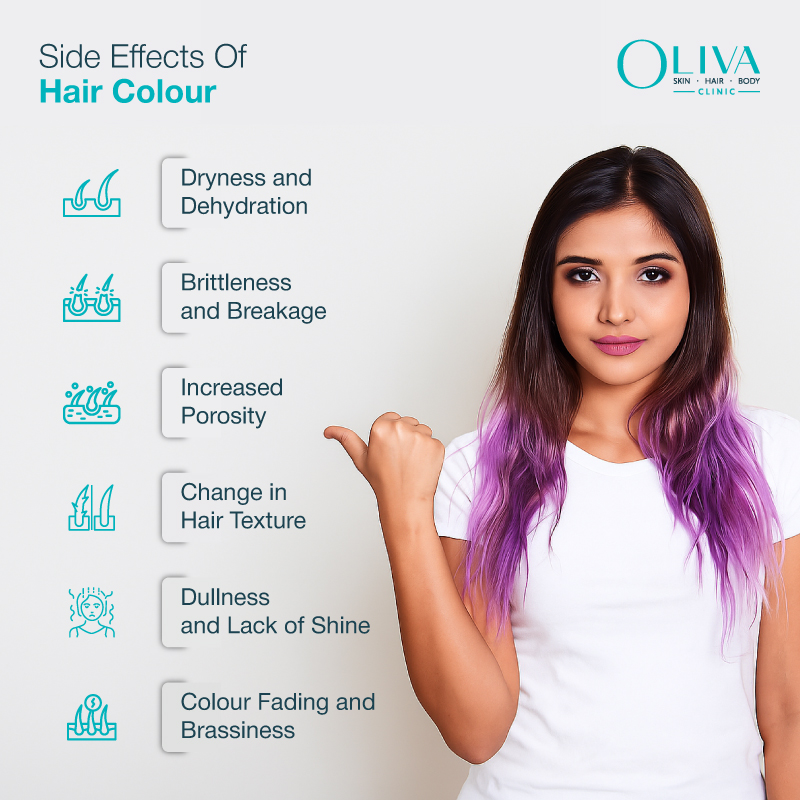
- Limit heat styling and chemical treatments.
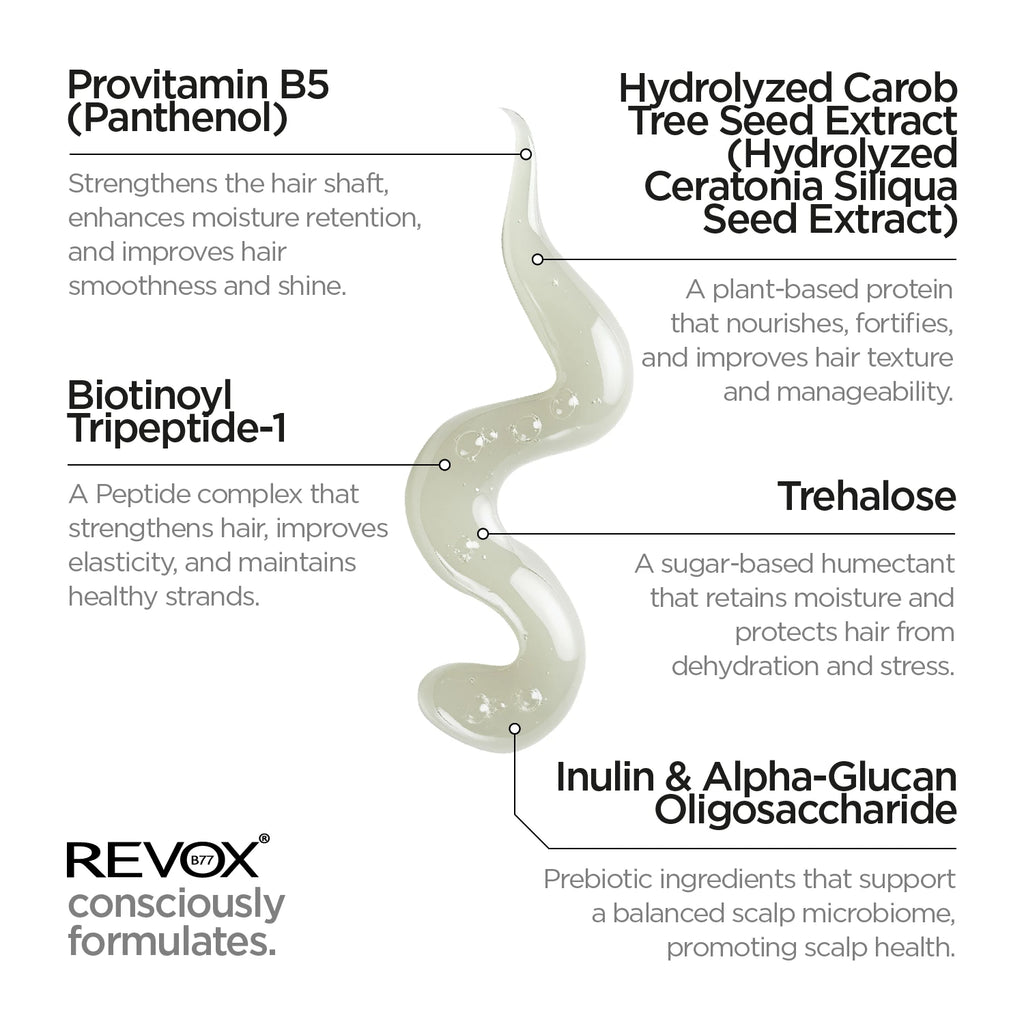
- Use a scalp moisturizer or oil if needed.
- Massage your scalp to boost blood flow.
Credit: www.olivaclinic.com
Advanced Strategies For Improving Skin Elasticity And Scalp Health
Supplements And Diet
Certain nutrients support skin and scalp hydration:
- Omega-3 fatty acids (fish, flaxseed, walnuts) help strengthen the skin barrier.
- Vitamin C boosts collagen production and repair.
- Zinc and biotin support hair growth and repair.
Professional Treatments
If you have severe dehydration or damage, consider:
- Hydrating facials (use masks or serums to boost water)
- Scalp treatments (special lotions or light therapy)
- Microneedling (stimulates collagen, improves absorption of hydrating products)
Always check with a dermatologist before starting professional treatments.
Common Myths About Dehydration And Skin
1. “if I Drink Water, My Skin Will Look Perfect Right Away.”
Drinking water helps, but improvements take time (days to weeks). External factors, genetics, and skincare matter too.
2. “oily Skin Cannot Be Dehydrated.”
Oily skin can still lack water. Dehydrated skin often produces more oil to compensate.
3. “moisturizers Alone Can Cure Dehydrated Skin.”
Moisturizers help, but you must also hydrate from within.
4. “only Hot Weather Causes Dehydration.”
Cold, dry air and indoor heating can be just as drying.
How To Tell If Dehydration Is Affecting Your Skin Or Scalp
If you are unsure, try tracking your habits and symptoms for a week. Write down:
- How much water and what foods you consume
- Your environment (indoors, outdoors, weather)
- Products you use on skin and scalp
- When you notice symptoms (tightness, flaking, itching)
Pattern tracking often reveals hidden causes you may not notice day to day.
When To See A Doctor
Most dehydration-related skin and scalp problems improve with better habits. But see a healthcare provider if:
- Symptoms are severe or long-lasting
- You have open sores, infections, or sudden hair loss
- You suspect an underlying health condition (thyroid, diabetes, etc.)
A doctor can check for causes like allergies, fungus, or chronic diseases.
Credit: www.revoxb77.com
Case Studies: Real-life Examples
Case 1: Office Worker In Air Conditioning
Sarah, age 34, worked long hours in an air-conditioned office. She noticed her skin felt tight and flaky, and her scalp became itchy after a few weeks. She realized she drank only coffee and rarely water during work.
What helped: Adding a water bottle to her desk, using a desk humidifier, and switching to a gentle cleanser. Her symptoms improved in two weeks.
Case 2: Athlete Training Outdoors
James, age 28, trained for a marathon. He drank water during workouts but not enough during the rest of the day. He developed a flaky scalp and noticed more hair in his brush.
What helped: Increasing daily water intake, using a light scalp oil, and wearing a hat in the sun. His scalp returned to normal after a month.
Case 3: Elderly Woman With Chronic Illness
Mrs. Lin, age 72, had dry, thin skin and a sensitive scalp. She took diuretics for high blood pressure and did not feel thirsty often.
What helped: Her daughter reminded her to sip water often, added more soups and fruits to her diet, and switched her to a thicker moisturizer and scalp cream. Her comfort improved, and her skin looked healthier.
These cases show that small changes can make a big difference.
Insights Beginners Often Miss
- Your skin and scalp can be dehydrated even if you do not feel thirsty. Thirst is a late signal—by the time you are thirsty, mild dehydration has already started.
- Skin products alone do not fix the problem. You must improve water intake and avoid dehydration triggers for best results.
- Scalp dehydration can lead to hair problems. Many people treat dandruff or hair loss without realizing dehydration is the root cause.
- Environment matters as much as diet. Air conditioning, heaters, and wind can dry your skin and scalp quickly, even if you drink enough water.
Data Snapshot: How Quickly Dehydration Affects Skin
Research shows visible skin changes can appear after just 24–48 hours of moderate dehydration.
| Time Without Enough Water | Skin/Scalp Symptoms |
|---|---|
| 12 hours | Tightness, mild dullness |
| 24 hours | More visible lines, patchiness, scalp dryness |
| 48 hours | Flaking, itching, reduced elasticity, increased hair shedding |
| 1 week | Persistent roughness, sensitivity, possible infection risk |
This highlights why regular hydration is vital—not just for comfort, but to prevent lasting damage.
Adapting Your Routine For Long-term Results
- Make hydration a daily habit, not just a quick fix.
- Check your skin and scalp every week, especially during season changes.
- Pay attention to hidden dehydration triggers, like heaters or exercise.
- Teach children and elderly family members about the signs—they may not notice symptoms.
For more detailed scientific background, read the overview from the National Center for Biotechnology Information.
Frequently Asked Questions
How Do I Know If My Skin Is Dehydrated Or Just Dry?
Dehydrated skin feels tight and looks dull, but may still feel oily in places. Dry skin feels rough, may crack, and always needs more oil. You can have both at the same time, but dehydration is about water, not oil.
Can Drinking More Water Really Improve Skin Elasticity?
Yes, but results take time. Regular water intake helps maintain skin elasticity from within. For best results, combine water with a balanced diet and suitable skincare products.
Is Scalp Flaking Always Due To Dehydration?
No. Flaking can also be caused by dandruff, eczema, or fungus. If flakes are dry and appear after exposure to dry air, dehydration is likely. If flakes are oily and itchy, another cause may be present.
How Can I Keep My Scalp Hydrated Without Making Hair Greasy?
Use lightweight scalp serums with humectants like glycerin. Avoid heavy oils on the scalp itself, and focus on gentle cleansing and avoiding harsh shampoos.
Are Sports Drinks Better Than Water For Preventing Dehydration In Skin And Scalp?
For most people, plain water is best. Sports drinks can help after heavy sweating, but are not needed for daily hydration. Watch for added sugars, which can dry out the skin.
Staying hydrated is not just about drinking water—it is about protecting your whole body, inside and out. With the right habits and awareness, you can keep your skin elastic and your scalp healthy for years to come.