

Accutane, or isotretinoin, is a powerful medication used to treat severe acne. While it can clear stubborn breakouts, it often brings a tough side effect: extremely dry skin. Many people who start Accutane are surprised by how quickly their skin becomes tight, flaky, and sometimes even painful. If you’re starting this medication or already struggling with dryness, finding the right moisturizer for Accutane dry skin is not just helpful—it’s essential.
Learning how to choose and use ultra-hydrating solutions can make your treatment journey much more comfortable. In this article, you’ll discover how Accutane affects your skin, what to look for in a moisturizer, common mistakes to avoid, and practical advice for building a skincare routine that truly works.
By the end, you’ll feel ready to face Accutane’s side effects with confidence and comfort.
Understanding Accutane And Dry Skin
Accutane works by reducing the size and activity of your skin’s oil glands. This is great for fighting acne, but it also means your skin loses its natural lubrication. The result? Dryness, peeling, and increased sensitivity—sometimes within just a week of starting treatment.
Unlike typical dry skin, Accutane dryness is often more intense. Your lips may crack, the skin around your nose can flake, and even gentle cleansers might sting. For some, eczema-like patches or painful fissures develop. It’s not just the face; your arms, legs, and hands might also feel rough and parched.
But why does this happen? Isotretinoin doesn’t just slow oil production—it changes the skin’s barrier. The outer layer, meant to lock in moisture and block irritants, becomes weaker. This makes your skin more vulnerable to the environment, bacteria, and harsh products.
Understanding this unique dryness is the first step to managing it. Regular moisturizers may not be enough; you’ll need products that provide deep hydration, help repair your skin’s barrier, and soothe irritation. The right routine can prevent small problems from becoming big ones, letting you focus on your acne treatment—not just its side effects.
What Makes A Moisturizer Accutane-friendly?
Not every moisturizer can handle Accutane-level dryness. The best ones combine science-backed ingredients with gentle, non-irritating formulas. Here’s what matters most when searching for the perfect product:
- Rich, non-comedogenic formulas: Your skin needs intense moisture, but you don’t want new breakouts. Look for creams or ointments labeled non-comedogenic (won’t clog pores).
- Barrier repair ingredients: Accutane weakens your skin’s barrier, so you need ingredients like ceramides, cholesterol, fatty acids, and niacinamide to rebuild it.
- Humectants: These draw water into your skin. Glycerin, hyaluronic acid, and urea are especially effective.
- Occlusives: These trap moisture and prevent evaporation. Petrolatum, dimethicone, shea butter, and lanolin are good choices.
- No harsh additives: Avoid alcohol, strong fragrances, and essential oils. These can sting or worsen irritation.
- Gentle, simple formulas: The fewer potential irritants, the better. Sensitive skin loves minimal ingredient lists.
- Hypoallergenic and dermatologist-tested: These labels can help, but always patch test new products.
Surprisingly, some people find that a thick ointment at night and a lighter lotion during the day work best. Others need to reapply moisturizer several times daily. The right solution depends on your skin type, climate, and how far along you are in your Accutane course.
Top Ingredients To Soothe And Repair Accutane Dryness
Choosing the right moisturizer starts with understanding the most effective ingredients. Here are key components to look for:
Ceramides
Ceramides are natural lipids found in your skin’s barrier. Accutane depletes them, making skin more prone to dryness and irritation. Moisturizers with ceramides help restore this barrier, reducing both water loss and sensitivity.
Hyaluronic Acid
This molecule holds up to 1,000 times its weight in water. Hyaluronic acid attracts moisture from the environment and deeper skin layers, plumping up parched areas without feeling greasy.
Glycerin
Glycerin is a classic humectant that draws in water and keeps your skin supple. It’s gentle, effective, and found in many top moisturizers.
Petrolatum
Petrolatum (the main ingredient in Vaseline) is one of the best occlusives available. It creates a protective layer on your skin, locking in hydration and speeding up healing for cracks or irritation.
Shea Butter
Shea butter is rich in fatty acids and vitamins. It softens rough patches, calms inflammation, and helps your skin recover from peeling or flaking.
Urea
Low concentrations (2–10%) of urea hydrate and soften the skin. Urea also gently exfoliates, which can help with stubborn flakes, but higher concentrations may sting sensitive skin.
Niacinamide
Niacinamide (vitamin B3) supports skin repair, reduces redness, and strengthens the barrier. It’s especially helpful if you’re experiencing both dryness and sensitivity.
Panthenol
Also called provitamin B5, panthenol soothes irritation and helps skin heal faster. It’s a great ingredient if your skin feels raw or uncomfortable.
Squalane
Squalane is a lightweight oil that mimics your skin’s natural lipids. It hydrates without clogging pores and is unlikely to cause breakouts.
Moisturizer Types: Cream, Lotion, Ointment—what’s Best For Accutane Skin?
The type of moisturizer you choose matters. Each has different strengths:
| Type | Texture | Main Benefit | When to Use |
|---|---|---|---|
| Cream | Rich, smooth | Deep hydration, barrier repair | Face, hands, body (day/night) |
| Lotion | Light, fluid | Quick absorption, less greasy | Daytime, humid climates |
| Ointment | Thick, greasy | Maximum moisture lock | Night, spot treatment, lips |
Most people on Accutane prefer creams or ointments over lotions. Creams are a good balance—rich but not too heavy. Ointments (like Aquaphor or Vaseline) are great at night or for very dry spots, but can feel greasy for daytime use. Lotions may not provide enough moisture unless you live in a humid place or have only mild dryness.

Credit: www.self.com
Top-rated Moisturizers For Accutane Dry Skin
Let’s look at some of the most trusted products, why they work, and who they’re best for.
1. Cerave Moisturizing Cream
Packed with ceramides and hyaluronic acid, this cream is a favorite among dermatologists. It’s rich but absorbs well, suitable for face and body. Non-comedogenic and fragrance-free, it helps repair your barrier without feeling heavy.
2. Vanicream Moisturizing Cream
Vanicream is popular for people with sensitive skin or allergies. It’s free from dyes, fragrances, parabens, and formaldehyde. The texture is thick, making it perfect for intense dryness.
3. Aquaphor Healing Ointment
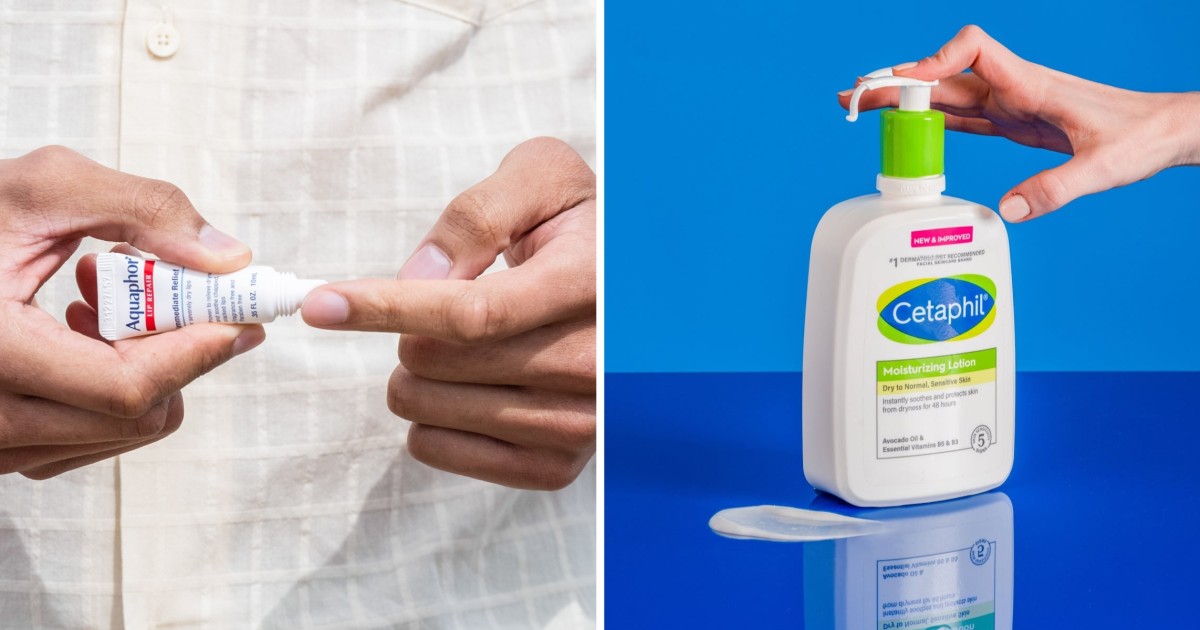
This classic ointment contains petrolatum, glycerin, and panthenol. It’s perfect for severely dry areas, lips, or even around the nose. Many use it as an overnight mask for extra hydration.
4. La Roche-posay Cicaplast Baume B5
Formulated with panthenol and madecassoside, this balm soothes, repairs, and moisturizes. It’s gentle enough for irritated or sensitive skin and works well on both face and body.
5. Eucerin Advanced Repair Cream
Urea and ceramides make this cream great for rough, flaky skin. It softens stubborn dry patches and helps restore smoothness over time.
6. Aveeno Skin Relief Intense Moisture Repair Cream
Contains colloidal oatmeal for soothing and glycerin for hydration. Ideal for itchy, sensitive skin made worse by Accutane.
7. Neutrogena Hydro Boost Gel-cream
A lightweight option with plenty of hyaluronic acid. Good for people who dislike heavy creams, but may not be enough for severe dryness on its own.
8. First Aid Beauty Ultra Repair Cream
Rich in colloidal oatmeal and shea butter, this cream calms irritation and deeply moisturizes. It’s well-loved by those with eczema-like symptoms.
9. Avene Cicalfate+ Restorative Protective Cream
Contains copper-zinc sulfate and sucralfate to promote healing. A good option if you have red, irritated patches or minor cracks.
10. Bioderma Atoderm Intensive Baume
Formulated for very dry, atopic skin. The Skin Barrier Therapy patent and niacinamide help reduce irritation and restore comfort.
How To Apply Moisturizer For Maximum Hydration
The way you use your moisturizer is just as important as what you use. Here’s how to get the best results:
- Apply to damp skin: Moisturizer works best right after washing your face or showering, when your skin is still slightly wet. This locks in water and boosts hydration.
- Use enough product: Don’t skimp. Apply a generous layer to all affected areas, not just your face. For some, this means reapplying every few hours.
- Layer if needed: You can use a lighter lotion first, then seal it with a thicker cream or ointment on top, especially at night.
- Don’t forget lips and eyes: These areas are often the driest on Accutane. Use a special lip balm and a gentle eye cream or ointment.
- Be gentle: Avoid rubbing or tugging your skin. Pat moisturizer in with your fingertips.
- Spot treat problem areas: For cracked corners of the mouth or flaky patches, apply ointment directly and cover with a small bandage at night if needed.
- Wash hands before applying: This prevents bacteria from irritating your already sensitive skin.
Pro Tip: Avoid using hot water to wash your face or body. Hot water strips away natural oils, making dryness worse. Stick to lukewarm water instead.
Credit: www.nbcnews.com
Building An Accutane-safe Skincare Routine
Accutane skin is delicate and easily irritated. A simple, gentle routine is best. Here’s a sample routine to keep your skin comfortable and hydrated:
Morning
- Gentle cleanser (fragrance-free, non-foaming)
- Hydrating toner (optional, alcohol-free)
- Moisturizer (cream or lotion)
- Sunscreen (SPF 30+; mineral formulas are less likely to sting)
Evening
- Gentle cleanser
- Moisturizer (thick cream or ointment)
- Spot treatment (if needed, for cracked lips or dry patches)
Throughout The Day
- Lip balm (apply every 1–2 hours)
- Hand cream (after washing hands)
- Facial mist or hydrating spray (optional, for extra comfort)
You may need to adjust the routine as your skin changes. Some people require more frequent moisturizing during winter, or after long flights, or if they spend time in air-conditioned spaces.
Common Mistakes And How To Avoid Them
Many Accutane users make the same errors when caring for their dry skin. Learn from these to keep your skin healthy:
- Skipping moisturizer because of oily skin history: Even if you used to have oily skin, Accutane changes everything. Not moisturizing makes dryness and irritation much worse.
- Using old, harsh acne products: Stop all products with benzoyl peroxide, salicylic acid, or alcohol. These can burn or cause peeling.
- Over-exfoliating: Scrubs and peels may seem like a solution for flakes, but they can create micro-tears and worsen irritation. Stick to gentle options, or let your doctor recommend safe exfoliation.
- Ignoring lips: Lip dryness can become severe fast. Start using a thick balm on day one of Accutane, before you even feel dryness.
- Neglecting sunscreen: Accutane makes your skin more sensitive to the sun. Skipping sunscreen can lead to burning, redness, and long-term damage.
- Trying too many new products at once: When skin is fragile, introducing many new ingredients can cause reactions. Add new products one at a time, and always patch test.
- Not moisturizing enough: Once a day is rarely enough. Most people need to apply moisturizer at least twice daily, sometimes more.
- Using high-fragrance products: Fragrance is a common irritant. Stick to fragrance-free or hypoallergenic options.
Hidden insight: Many people don’t realize that climate affects how often and what kind of moisturizer you need. In dry or cold environments, you may have to switch to heavier creams or layer products for extra protection.
Credit: www.walmart.com
Ultra-hydrating Solutions For Lips, Hands, And Body
While most people focus on facial moisturizers, Accutane can dry out your entire body. Don’t overlook these areas:
Lips
The lips are usually the first and worst hit. Regular lip balms won’t cut it. Look for:
- Petrolatum-based balms (like Aquaphor or Vaseline)
- Lanolin-based balms (like Lansinoh, often used for nursing mothers)
- Beeswax balms (if you’re not allergic)
Apply often—every hour if needed. Some users even coat lips before eating to prevent food from irritating cracks.
Hands
Frequent handwashing or cold weather can cause painful, cracked skin. Keep a tube of fragrance-free hand cream with you and apply after every wash. CeraVe and Eucerin both make excellent options.
Body
Don’t skip moisturizing your arms, legs, and torso. Flaking and itching here can be just as bad as on your face. Use a thick cream or ointment after every shower. For especially dry spots (knees, elbows), double up on ointment overnight and cover with cotton socks or gloves.
Pro Tip: If you develop stubborn scaly patches, a cream with low-dose urea or lactic acid (5–10%) can help soften them. Avoid these on broken or irritated skin.
How Climate, Habits, And Lifestyle Affect Accutane Dryness
Your environment plays a huge role in how dry your skin gets on Accutane. Low humidity (like winter weather or air-conditioned rooms) makes skin lose water faster. Here’s how to adjust:
- Use a humidifier in your bedroom, especially at night. Aim for 40–60% humidity.
- Avoid long, hot showers, which strip away oils.
- Wear soft, breathable clothing to prevent rubbing or irritation.
- Stay hydrated: Drinking enough water won’t directly fix dry skin, but it helps your body function better overall.
Lifestyle habits also matter. Smoking slows skin healing. Stress can make irritation worse. If you’re active outdoors, always apply extra sunscreen and reapply as needed.
Non-obvious tip: If you sleep with your mouth open, you might wake up with painfully dry lips and mouth. A humidifier or taping your lips shut at night (using medical tape) can help, but talk to your doctor before trying this.
Combining Moisturizer With Other Accutane-safe Products
Moisturizer is the foundation, but you might also need:
- Sunscreen: Choose mineral-based (zinc oxide or titanium dioxide) sunscreens. Chemical sunscreens can sting.
- Gentle cleanser: Avoid foaming or exfoliating cleansers. Opt for cream or lotion formulas.
- Hydrating serum: If your skin tolerates it, a serum with hyaluronic acid or panthenol can add an extra layer of moisture.
- Soothing mist: Thermal water sprays can calm irritation, especially in hot or dry climates.
If you experience severe redness, cracking, or pain, consult your dermatologist. Sometimes, prescription creams (like mild steroids or barrier repair ointments) are needed.
Comparing Moisturizers: Price, Ingredients, And User Experience
With so many options, it helps to compare top picks side-by-side. Here’s a comparison of popular Accutane-friendly moisturizers:
| Product | Main Ingredients | Texture | Price Range (USD) | Best For |
|---|---|---|---|---|
| CeraVe Moisturizing Cream | Ceramides, Hyaluronic Acid | Cream | 15–20 (16oz) | All-over hydration, barrier repair |
| Vanicream Moisturizing Cream | Petrolatum, Glycerin | Cream | 13–18 (16oz) | Sensitive skin, allergies |
| Aquaphor Healing Ointment | Petrolatum, Panthenol | Ointment | 7–14 (14oz) | Severe dryness, lips |
| La Roche-Posay Cicaplast Baume B5 | Panthenol, Madecassoside | Balm | 15–20 (3.4oz) | Redness, irritation |
| Neutrogena Hydro Boost Gel-Cream | Hyaluronic Acid | Gel-Cream | 16–22 (1.7oz) | Light hydration, oily-prone skin |
Note: Prices vary by region and retailer. Always check ingredient lists for allergens or sensitivities.
When To See A Dermatologist
While most dryness can be managed with over-the-counter products, sometimes problems go beyond what moisturizers can fix. See your doctor if you experience:
- Painful cracks that bleed or won’t heal
- Oozing, crusting, or infection signs
- Severe redness, swelling, or burning
- Eczema-like patches that don’t improve
- Any allergic reactions (rash, hives, swelling)
Dermatologists can prescribe stronger barrier creams, ointments, or even short-term topical steroids in severe cases. Never try to “tough it out”—ignoring these symptoms can make things worse.
The Emotional Side: Confidence And Comfort On Accutane
Dealing with extreme dryness can be frustrating. Your skin might look flaky or red, and constant discomfort can distract you from daily life. Remember, this is temporary. With the right care, most side effects fade after treatment ends. In fact, caring for your skin now can help you develop healthy habits that last long after Accutane is over.
You’re not alone—thousands go through this process each year. Online communities and support groups can offer encouragement and share product recommendations. If you feel overwhelmed, talk to your doctor or a counselor.
Hidden insight: Many Accutane users find that pampering their skin becomes a positive self-care ritual. Treating yourself kindly with ultra-hydrating products can boost your mood and confidence, even on tough days.
Frequently Asked Questions
How Often Should I Moisturize While On Accutane?
Apply moisturizer at least twice daily—morning and night. If your skin feels tight, flaky, or uncomfortable, apply more often. Some people need to moisturize every few hours, especially during the first months of treatment.
Can I Use Oils Instead Of Creams On Accutane?
Some oils, like squalane or mineral oil, are safe and hydrating. However, oils alone may not provide enough barrier repair or moisture lock. It’s usually best to combine oils with a cream or ointment for maximum comfort.
Is It Safe To Exfoliate While On Accutane?
Be cautious. Physical scrubs and strong acids can irritate Accutane-treated skin. If you have stubborn flakes, try a gentle washcloth or a moisturizer with low-dose urea, but only after checking with your dermatologist.
What Should I Avoid In Moisturizers During Accutane?
Skip products with fragrance, alcohol, strong acids, or essential oils. These can sting, burn, or make dryness worse. Always read ingredient labels and patch test new products.
Will My Skin Stay Dry After Accutane Ends?
Most people find their skin returns to normal oil levels within weeks or months after stopping Accutane. Some experience longer-lasting dryness, but it’s usually less severe. Keep moisturizing until your skin feels balanced again.
Managing Accutane dry skin is all about choosing the right ultra-hydrating solutions and using them consistently. With a little patience and care, you can focus on the benefits of your treatment, knowing your skin is protected and comfortable. For more on isotretinoin and skincare, visit the American Academy of Dermatology for expert advice.