
The spa world is always changing, and now there is a new trend: scalp facials. For years, salons focused mostly on hair itself, offering coloring, cutting, and styling. But today, more salons are adding scalp treatments to their menus. Why this sudden shift? People are starting to realize that healthy hair begins with a healthy scalp. Just like your face, your scalp needs care to look and feel its best. This new focus is not just a passing trend; it’s based on science, real results, and changing beauty habits.
Let’s explore why scalp facials are becoming popular, what happens during a scalp facial, and what makes this treatment different from regular hair care. We’ll look at the real benefits, the science behind scalp health, and why salons everywhere are joining this movement.
Whether you want to boost hair growth, fix dryness, or simply relax, scalp facials might be exactly what you need.
The Scalp Facial Explained
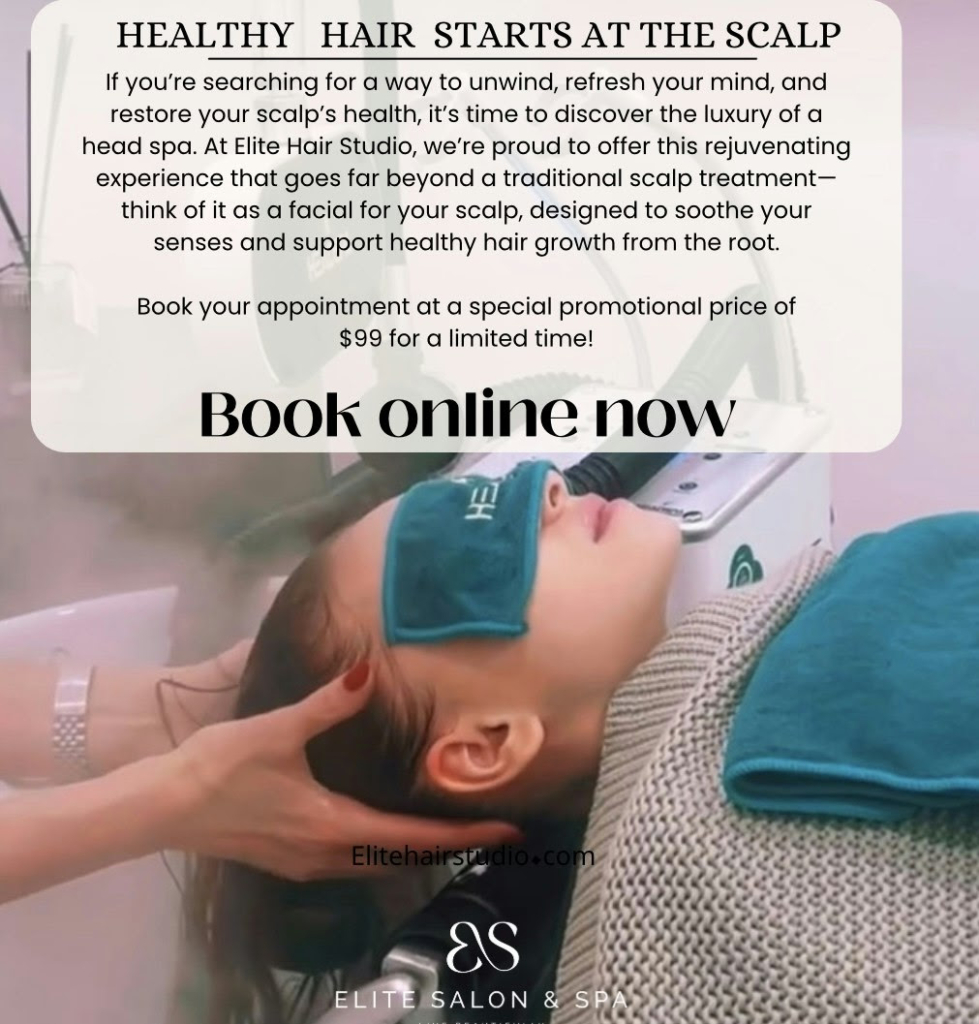
A scalp facial is a deep treatment for the skin on your head. It’s like a facial for your face, but focused on the scalp. During this treatment, salons use special products and techniques to cleanse, exfoliate, hydrate, and massage the scalp. The process removes dirt, oil, dead skin cells, and product buildup that regular shampooing often misses.
A typical scalp facial includes:
- Scalp analysis using a magnifying glass or digital camera
- Cleansing with gentle shampoos or micellar water
- Exfoliation with scrubs or chemical peels
- Hydration with masks, oils, or serums
- Massage to boost blood circulation
- Finishing care like tonics or leave-in treatments
Each step targets a specific scalp need. For example, exfoliation removes flakes, while hydration soothes dryness or itching.
Why Salons Are Adding Scalp Treatments
Growing Demand For Scalp Health
People are now more aware that hair health starts at the root. Social media, beauty blogs, and influencers share stories about scalp issues like dandruff, itchiness, and hair loss. As a result, clients ask salons for help, and salons respond by adding scalp facials to their services.
Hair Loss Concerns
Hair thinning and loss affect both men and women. Stress, pollution, and harsh hair products can make things worse. Scalp facials help by cleaning follicles and improving circulation, which may support healthy hair growth.
Influence Of Korean Beauty (k-beauty)
K-Beauty has made multi-step skin routines popular worldwide. Now, these ideas are moving into hair care. Korean salons have offered scalp care for years, and now salons in the US, UK, and beyond are doing the same.
Differentiation And Added Value
Salons need to stand out in a crowded market. Offering scalp treatments helps attract new clients and gives existing clients a reason to come back more often. These treatments also let salons charge higher prices for a premium service.
Credit: elitehairstudio.com
The Science Behind Scalp Facials
Scalp Skin Vs. Facial Skin
Your scalp skin is not the same as the skin on your face. It’s thicker and has more oil glands and hair follicles. Product buildup, sweat, and pollution can block these follicles, leading to problems like dandruff or hair loss.
Exfoliation And Cell Turnover
Just like your face, your scalp sheds dead skin cells. If these are not removed, they can block hair follicles and slow hair growth. Exfoliation helps keep the scalp clean and healthy.
Improved Circulation
Scalp massage, a key part of most facials, increases blood flow. Better circulation brings more nutrients and oxygen to hair roots. Some studies show this can support stronger, thicker hair.
Product Penetration
A clean, healthy scalp lets treatments like serums or growth tonics work better. Removing oil and buildup improves the effectiveness of other hair care products.
What Happens During A Scalp Facial?
Each salon has its own method, but most scalp facials include a few basic steps. Let’s look at these in detail.
Step 1: Scalp Analysis
A stylist first checks your scalp. They may use a magnifying glass or a digital camera to see the condition of your scalp up close. They look for signs of oiliness, dryness, dandruff, redness, or blocked follicles. This step helps choose the right products for you.
Step 2: Deep Cleansing
The stylist applies a gentle shampoo, micellar water, or a scalp cleanser. This removes surface oil, dirt, and sweat. Sometimes, salons use steam to open pores and help the cleanser work better.
Step 3: Exfoliation
The next step is to remove dead skin cells and product buildup. This can be done using a physical scrub (with fine grains) or a chemical exfoliant (like salicylic acid). Exfoliation helps unclog pores and refresh the scalp.
Step 4: Hydration And Treatment
The stylist applies a hydrating mask, oil, or serum based on your needs. If your scalp is dry, they may use a nourishing oil. If you have dandruff, they might use a soothing or antifungal serum.
Step 5: Massage
A long, relaxing scalp massage follows. This boosts blood flow, helps products absorb, and feels great. Massage is one of the main reasons people love scalp facials.
Step 6: Finishing Products
Finally, the stylist may use a scalp tonic, cooling spray, or leave-in treatment. This protects your scalp and keeps it balanced until your next visit.
Scalp Facials Vs. Regular Hair Treatments
Many people wonder how scalp facials are different from regular salon treatments. Here’s a comparison:
| Feature | Scalp Facial | Regular Hair Treatment |
|---|---|---|
| Focus Area | Scalp skin and follicles | Hair shaft and ends |
| Main Purpose | Cleansing, exfoliation, hydration of scalp | Repair, color, shine, or smoothness of hair |
| Techniques Used | Massage, exfoliation, scalp serums | Conditioners, masks, styling products |
| Frequency | Once a month or as needed | Weekly or bi-weekly |
| Typical Results | Healthier scalp, reduced itch, improved growth | Softer, shinier, or straighter hair |
As you can see, scalp facials work deeper, focusing on the skin and roots rather than just the hair. This makes them a great addition to your beauty routine, not a replacement for regular hair care.
Who Needs A Scalp Facial?
Scalp facials are not just for people with scalp problems. Almost anyone can benefit, but they are especially helpful for:
1. People With Dandruff Or Flaky Scalp
Scalp facials remove flakes, calm irritation, and keep the scalp balanced.
2. Those With Oily Hair Or Buildup
If your scalp feels greasy quickly, exfoliation and deep cleansing remove excess oil and product residue.
3. Anyone With Itchy Or Sensitive Scalp
Hydrating and soothing products can reduce itchiness and discomfort.
4. People Experiencing Hair Thinning
By cleaning follicles and improving circulation, scalp facials may support new growth.
5. Frequent Users Of Styling Products
Gels, sprays, and creams can build up on the scalp. Facials remove this buildup for a fresher feel.
6. Anyone Looking For Relaxation
The massage part of a scalp facial relieves stress and tension.
7. People Living In Polluted Cities
Pollution settles on the scalp. Deep cleansing is especially important if you live in a big city.
Benefits Of Scalp Facials
Healthier Hair Growth
A clean, balanced scalp is the best environment for hair to grow. Removing blockage and buildup lets hair grow freely.
Reduced Dandruff And Flakes
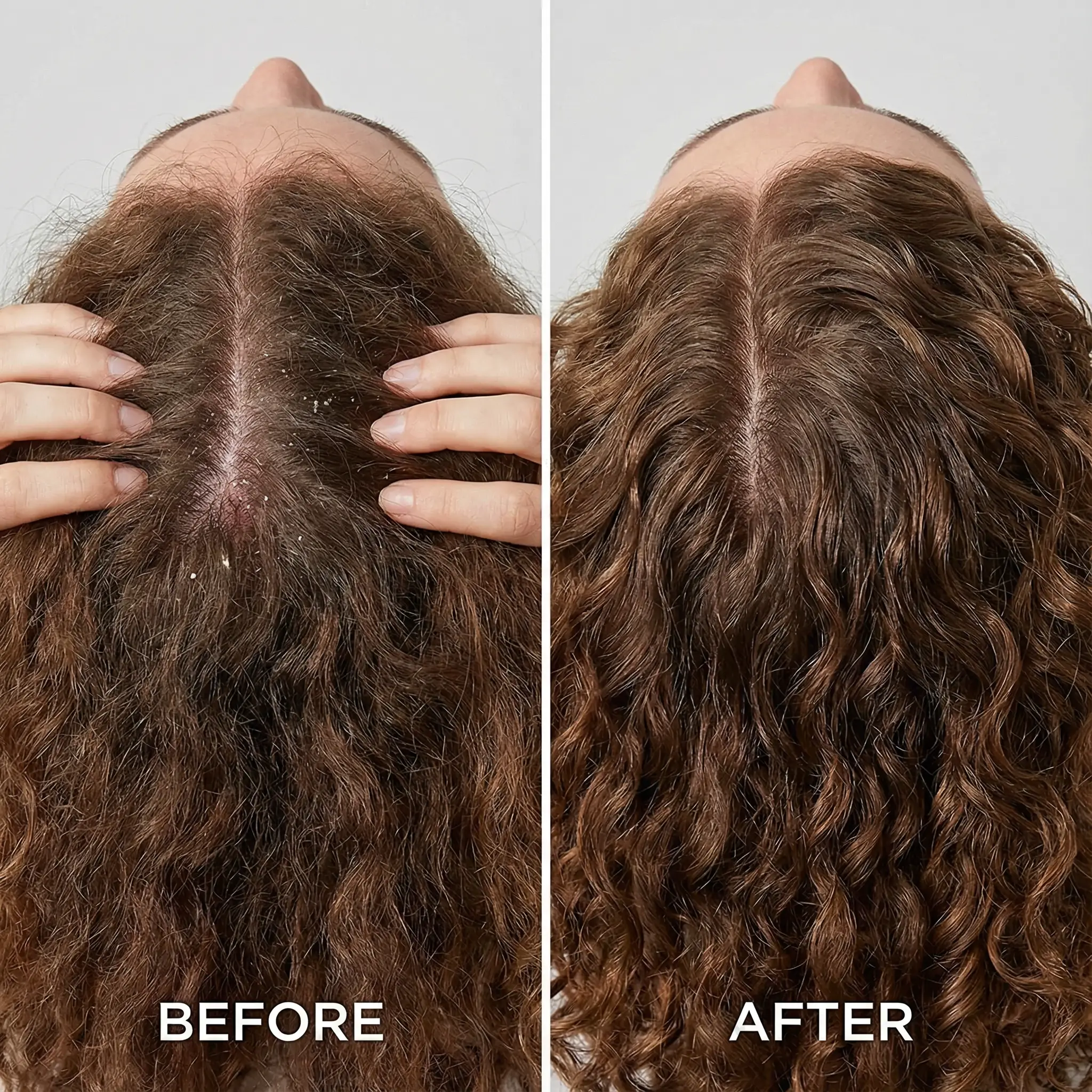
Exfoliation and hydration can clear up dandruff or dry patches, reducing visible flakes and itch.
Improved Blood Circulation
Massage improves circulation, which brings nutrients to hair roots. This can lead to stronger, thicker hair over time.
Better Product Absorption
After a facial, your scalp is clean and ready to absorb treatments like growth serums or oils.
Relaxation And Stress Relief
The massage and pampering help reduce stress, which is a common trigger for hair problems.
Visible Results
Many people see and feel a difference after just one treatment: less itch, fewer flakes, and sometimes even shinier, healthier-looking hair.
Key Ingredients Used In Scalp Facials
Salons use many different ingredients in their scalp facials, depending on the client’s needs. Here are some common ones:
1. Salicylic Acid
Helps break down oil and exfoliate dead skin cells. Great for oily or flaky scalps.
2. Tea Tree Oil
Known for its antibacterial and antifungal properties. Soothes itch and fights dandruff.
3. Peppermint Oil
Cools the scalp and boosts circulation. Leaves a fresh feeling.
4. Aloe Vera
Soothes and hydrates dry or sensitive skin.
5. Charcoal
Deep cleans by absorbing oil and impurities.
6. Hyaluronic Acid
Delivers intense hydration without weighing hair down.
7. Rosemary Extract
May help with hair growth and scalp stimulation.
8. Apple Cider Vinegar
Balances pH and removes product buildup.
Not every scalp facial uses all these ingredients, but these are some of the most common and effective.
Scalp Facial Treatments Around The World
Scalp facials are not just a trend in one country. Here’s how different regions approach scalp care:
United States
Salons in big cities now offer luxury scalp treatments. These often use high-tech tools like micro-cameras and steamers. Prices range from $50 to $200 per session, depending on the salon and the products used.
United Kingdom
Many UK salons have added scalp facials to their “skin wellness” menus. Some focus on natural or organic ingredients. The emphasis is often on relaxation as well as results.
South Korea
K-Beauty salons have offered scalp facials for years. Treatments often include scalp scaling, herbal rinses, and LED therapy. Many Korean men and women visit scalp clinics regularly.
Japan
Japanese salons use a holistic approach, focusing on both scalp and hair health. Treatments may include shiatsu massage and herbal tonics.
India
Ayurvedic salons offer oil-based scalp massages and treatments using traditional herbs. These are believed to balance the body and scalp.
France
Luxury salons in Paris use essential oils and gentle peels. French women see scalp care as part of their overall beauty routine.
Data: Scalp Health And The Beauty Market
The global scalp care market is growing fast. According to market research, the scalp care segment is expected to reach over $13 billion by 2027, growing at a rate of about 7% per year. More than 60% of adults report having had a scalp issue like dandruff, itchiness, or excess oil at some point. These numbers show why salons are investing in scalp treatments.
What To Expect At Your First Scalp Facial
Trying a scalp facial for the first time? Here’s what usually happens:
1. Consultation
The stylist asks about your scalp and hair concerns. They may check your scalp under a bright light or with a camera.
2. Product Selection
Based on your needs, the stylist chooses the right cleansers, exfoliants, and treatments.
3. Treatment Process
You’ll lean back in a comfortable chair. The stylist applies each product step by step. There may be a gentle steam, a scalp scrub, a hydrating mask, and a long massage.
4. Aftercare Advice
After the treatment, the stylist may suggest special products or tips to keep your scalp healthy at home.
5. Results
Expect your scalp to feel clean, fresh, and balanced. Many people also notice their hair looks fuller and shinier.
Popular Types Of Scalp Facials
Salons offer many different styles of scalp facials. Some focus on relaxation, while others target specific scalp problems.
Detox Scalp Facial
This treatment uses deep-cleansing ingredients like charcoal or clay to remove oil, pollution, and product buildup. Great for people who style their hair often or live in big cities.
Hydrating Scalp Facial
If you have a dry, itchy, or sensitive scalp, this facial uses aloe vera, hyaluronic acid, or nourishing oils to moisturize and calm the skin.
Exfoliating Scalp Facial
For people with flakes or dandruff, this treatment uses scrubs or gentle acids to lift away dead skin and clear blocked follicles.
Hair Growth Scalp Facial
This version uses massage, growth serums, and circulation-boosting ingredients like peppermint or rosemary to support thicker hair.
Relaxation Scalp Facial
Focuses mostly on massage, often using warm oils and aromatherapy. The goal is to relieve stress and tension.
Credit: www.sullivanbeauty.com
How Often Should You Get A Scalp Facial?
Most experts recommend a scalp facial every 4-6 weeks. People with oilier scalps or heavy product use may benefit from more frequent treatments, while those with sensitive scalps might wait longer. Your stylist can help you decide what’s best for your needs.
Scalp Facials At Home: Are They Worth It?
Many brands now sell at-home scalp facial kits. These include exfoliating scrubs, cleansing shampoos, and hydrating oils. While at-home treatments can be helpful, they usually don’t offer the deep cleansing or expert massage you’ll get in a salon.
Here’s a quick comparison:
| Aspect | Salon Scalp Facial | At-Home Scalp Facial |
|---|---|---|
| Level of Cleanse | Deep, professional | Moderate, depends on skill |
| Massage Quality | Expert, relaxing | Self-massage, less effective |
| Product Strength | Salon-grade | Consumer-level |
| Cost | Higher ($50+ per session) | Lower (one-time product purchase) |
| Customization | Personalized to your scalp | General formulas |
If you want the best results, a salon facial is ideal. At-home kits are good for in-between maintenance or when you can’t visit a salon.
Common Myths About Scalp Facials
There are some misunderstandings about scalp facials. Let’s clear them up.
“regular Shampooing Is Enough”
Even the best shampoo can’t remove all buildup or deeply exfoliate the scalp. Scalp facials go beyond what normal washing can do.
“scalp Facials Are Only For People With Problems”
Anyone can benefit from a scalp facial, not just people with dandruff or hair loss. It’s like a facial for your skin—it helps everyone.
“they Make Hair Greasy”
A good scalp facial actually balances oil production. If your scalp feels greasy after, it’s likely the wrong products were used.
“you Can’t Do Scalp Facials If You Color Your Hair”
Most scalp facials are safe for colored hair. Just tell your stylist if your hair is color-treated so they can pick the right products.
How To Choose The Right Salon For A Scalp Facial
Not all salons offer the same quality or style of scalp facial. Here’s how to pick the right one:
1. Check The Menu
Look for salons that list scalp facials or treatments as a main service, not just an add-on.
2. Ask About Training
Choose salons where stylists have special training in scalp health.
3. Read Reviews
Look for reviews that mention real results, comfort, and clean facilities.
4. Ask About Products
A good salon uses high-quality, scalp-safe products. If you have allergies or sensitivities, ask for details.
5. Visit For A Consultation
Some salons offer a free or low-cost consultation to check your scalp before you commit.
The Role Of Technology In Modern Scalp Facials
Salons now use new technology to improve scalp facials. Here are a few examples:
- Scalp Cameras
These let you and your stylist see your scalp up close on a screen, making it easier to spot problems.
- Steamers
Steam opens pores and helps products work better.
- LED Therapy
Some salons use red or blue light to reduce inflammation or boost hair growth.
- Ultrasound Devices
These help serums and treatments penetrate deeper into the scalp.
Technology makes scalp facials more precise, effective, and tailored to your needs.
Cost Of Scalp Facials
Prices for scalp facials vary by location, salon reputation, and treatment length. Here’s a general overview:
- Basic Scalp Facial: $50–$80
Includes cleansing, exfoliation, and massage.
- Advanced Scalp Facial: $100–$150
Includes high-tech tools, premium products, or targeted treatments (like hair growth serums).
- Luxury Scalp Facial: $200+
Includes all steps, plus extras like aromatherapy, LED therapy, or a longer massage.
These prices are averages. Some salons may offer discounts for packages or first-time clients.
Scalp Facials And Hair Loss: What The Research Says
Hair loss has many causes, including genetics, hormones, stress, and poor scalp health. While scalp facials can’t fix all types of hair loss, they can help in several ways:
- Unclogging Follicles
Blocked follicles can slow or stop new hair growth. Cleansing and exfoliation help keep follicles open.
- Reducing Inflammation
Conditions like seborrheic dermatitis cause redness and flaking. Soothing treatments can calm inflammation.
- Boosting Circulation
Massage brings more blood and nutrients to hair roots, which may support new growth.
A study published in the journal “Dermatology and Therapy” found that regular scalp massage improved hair thickness in some people after 24 weeks. While not a miracle cure, scalp facials can be part of a healthy hair routine.
How Scalp Facials Fit Into A Healthy Hair Routine
Scalp facials work best when combined with other good habits. Here’s how to get the most out of your treatment:
1. Use Gentle Shampoos
Avoid harsh cleansers that strip oils.
2. Don’t Overwash
Washing too often can dry out your scalp.
3. Limit Styling Products
Heavy gels and sprays can cause buildup. Use them sparingly.
4. Eat A Balanced Diet
Nutrients like iron, zinc, and biotin are important for scalp health.
5. Manage Stress
Stress can trigger scalp problems and hair loss.
6. Protect Your Scalp From Sun
Wear a hat or use scalp sunscreen if you’re outside for long periods.
Credit: hairnnownyc.com
Non-obvious Insights About Scalp Facials
Many people think scalp facials are just about cleaning. In reality, two less-known benefits are:
- Early Problem Detection: Stylists often spot early signs of scalp or hair problems during a facial—like thinning patches or unusual redness—before you notice them yourself. Early detection means you can treat issues sooner.
- Improved Hair Color Longevity: A healthy, balanced scalp holds color better. People who get regular scalp facials often find their hair color lasts longer and fades less quickly.
Precautions And Who Should Avoid Scalp Facials
While scalp facials are safe for most people, some should be cautious:
- Open Wounds or Infections
If you have cuts, sores, or a scalp infection, wait until it heals.
- Allergies
Tell your stylist about any allergies or sensitivities. Some ingredients, like essential oils, can cause reactions.
- Serious Skin Conditions
People with psoriasis or eczema should check with their doctor before trying a scalp facial.
- Recent Hair Transplants
Wait until your doctor says it’s safe.
If in doubt, consult a dermatologist before booking your treatment.
The Future Of Scalp Care In Salons
Scalp facials are here to stay. As people learn more about the connection between scalp health and beautiful hair, salons will continue to innovate. Expect to see more high-tech treatments, personalized solutions, and even “scalp wellness” packages that combine facials with nutrition and stress management advice.
Some salons now partner with dermatologists or trichologists (hair and scalp experts) to offer medical-grade treatments. This shows how important scalp health has become in the world of beauty.
Frequently Asked Questions
What Is The Main Difference Between A Scalp Facial And A Regular Hair Treatment?
A scalp facial targets the scalp skin, focusing on deep cleansing, exfoliation, hydration, and massage. Regular hair treatments focus on the hair shaft, aiming for shine, smoothness, or repair. Scalp facials work at the root level to improve both scalp and hair health.
How Long Does A Typical Scalp Facial Take?
Most scalp facials last 30 to 60 minutes, depending on the salon and the treatment steps. Some luxury versions may take longer if they include extra massage or high-tech add-ons.
Can Scalp Facials Help With Hair Loss?
Scalp facials can help with hair loss if the cause is blocked follicles, buildup, or poor circulation. They won’t fix genetic hair loss, but they can support a healthier scalp environment, which may encourage stronger, thicker hair. For medical hair loss, always see a doctor or specialist.
Are Scalp Facials Safe For Color-treated Hair?
Yes, most scalp facials are safe for color-treated hair. Just let your stylist know about your hair color. They will choose gentle, color-safe products to avoid fading or damage.
How Do I Find A Reputable Salon Offering Scalp Facials?
Look for salons with trained staff, positive reviews, and a clear description of their scalp facial services. You can also check directories or beauty websites for recommendations. For more on scalp health, see the American Academy of Dermatology.
The rise of scalp facials shows that healthy hair truly begins with a healthy scalp. By adding this treatment to your beauty routine, you can enjoy cleaner, stronger hair—and a little extra relaxation, too. As salons continue to innovate, scalp facials will become a key part of modern self-care.