

Scalp Micropigmentation: Everything You Need To Know Before Committing
Hair loss can be a deeply personal struggle. For many, losing hair affects self-image, confidence, and even mental health. While some accept baldness with grace, others search for solutions—from hair fibers to surgery. But in recent years, a different option has gained serious attention: scalp micropigmentation (often called SMP). This treatment creates the illusion of a fuller head of hair without surgery, wigs, or magic potions. It’s not just for men; women, too, are turning to SMP for thinning or patchy hair.
But what exactly is scalp micropigmentation? Is it safe? Does it look natural? How long does it last? Before you make any decisions, it’s important to understand the process, the benefits, the risks, and what to expect. Here’s a detailed, practical guide that covers everything you need to know before committing to SMP.
What Is Scalp Micropigmentation?
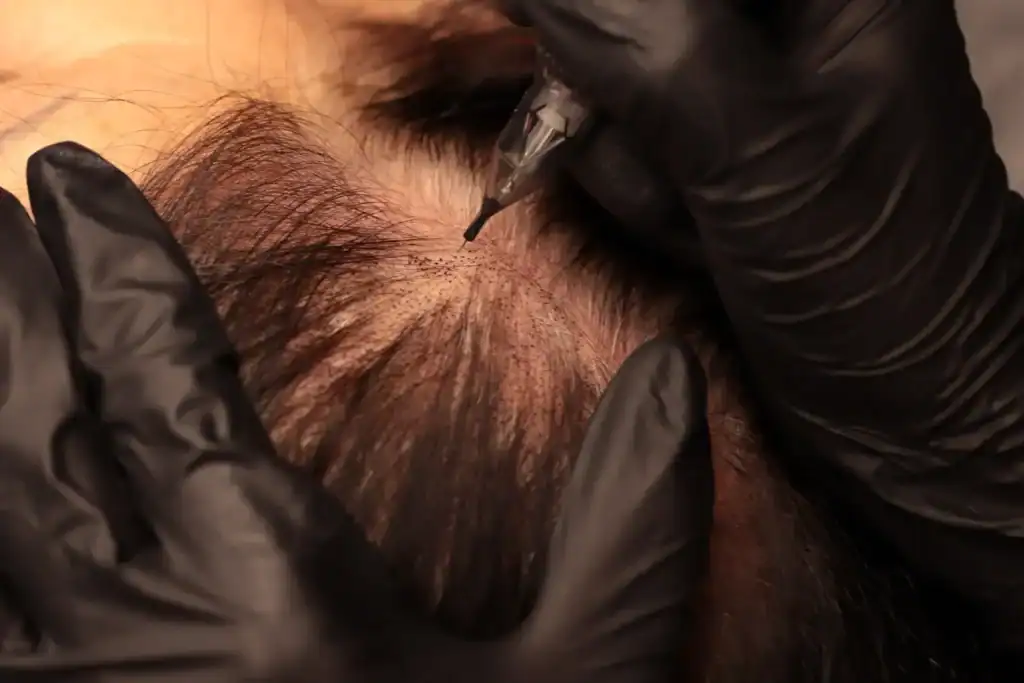
Scalp micropigmentation is a non-surgical cosmetic procedure that uses micro-needles to deposit pigment into the scalp. Think of it as a highly specialized tattoo technique, but instead of creating artwork, it creates the appearance of tiny hair follicles. The result? A shaved or buzzed look for bald scalps, or a denser appearance for thinning hair.
SMP is sometimes called a “hair tattoo,” but this is a bit misleading. The tools, pigments, and skills used for SMP are very different from traditional body tattooing. SMP pigments are designed to mimic the natural color of hair stubble, and they are implanted at a shallow depth to avoid blurring or color changes.
Some people choose SMP to cover scars from hair transplants or injuries. Others want to lower their hairline, fill in thinning areas, or create the effect of more volume.
Who Is A Good Candidate For Smp?
Scalp micropigmentation is versatile. It works for many types of hair loss, including:
- Male pattern baldness: The most common reason men seek SMP. It can create a sharp hairline or a soft, natural edge.
- Female pattern hair loss: Women with thin or see-through hair can use SMP to reduce the contrast between scalp and hair, giving the illusion of fullness.
- Alopecia: SMP can help those with alopecia areata or totalis by camouflaging bald patches.
- Scar coverage: Especially after hair transplant surgeries or head injuries, SMP can hide visible scars.
- Thinning hair: SMP can make thin hair look thicker and denser, especially when styled short.
However, SMP is not for everyone. People with certain skin conditions, such as active psoriasis or eczema on the scalp, may not be suitable. If you have a history of keloid scarring, consult with a dermatologist before proceeding.
The Smp Procedure: Step By Step
Understanding how SMP is performed helps you know what to expect and reduces anxiety. Here’s a step-by-step look at the process:
1. Consultation
The journey begins with a consultation. A skilled SMP artist will examine your scalp, discuss your goals, and help you choose a hairline style. They will also recommend the right pigment shade to match your natural hair and skin tone.
2. Patch Test
Most clinics perform a patch test to check for allergies and ensure the pigment looks natural on your skin.
3. Preparation
Before your first session, you may be asked to shave your head (if going for the shaved look) or wash your hair thoroughly. Avoid blood thinners, caffeine, and alcohol for 24 hours before the procedure.
4. The Procedure
- The artist uses a micro-needle (much finer than tattoo needles) to deposit pigment dots into the upper dermis.
- The session lasts 2–4 hours, depending on the area covered.
- A numbing cream is usually applied, but some discomfort (like light scratching) can be expected.
5. Aftercare
You’ll receive detailed instructions, but common aftercare includes:
- Avoiding direct sunlight, sweating, and washing the scalp for a few days.
- Applying a gentle moisturizer.
- Not picking or scratching the scalp.
6. Follow-up Sessions
Most people need 2–4 sessions spaced 1–2 weeks apart. This builds up the density and ensures an even, natural look.
Comparing Smp With Other Hair Loss Solutions
Choosing the right solution for hair loss can be tough. Here’s a side-by-side comparison of common options:
| Solution | Invasiveness | Longevity | Downtime | Cost (USD) | Natural Appearance |
|---|---|---|---|---|---|
| Scalp Micropigmentation | Non-surgical | 4–8 years | Minimal | 2,000–4,000 | Very high (when done well) |
| Hair Transplant | Surgical | Permanent | 2–10 days | 5,000–15,000 | High (if enough donor hair) |
| Wigs/Hairpieces | Non-surgical | Months–years (replaceable) | None | 200–3,000 | Varies (can look artificial) |
| Topical Treatments (e.g., Minoxidil) | Non-surgical | As long as used | None | 30–60/month | Limited (for thinning only) |
As you can see, SMP offers a unique mix of non-surgical results, long-lasting effects, and a realistic look—especially for those who keep their hair short.
Benefits Of Scalp Micropigmentation
SMP isn’t just about looks. Here’s why many people choose this treatment:
- Immediate results: Unlike hair transplants or medications, the change is visible right after your first session.
- Low maintenance: No special shampoos, no daily routines. Just keep your scalp clean and moisturized.
- No surgery, no scars: There’s no cutting, no stitches, and minimal risk of infection.
- Boosts confidence: Many clients report feeling younger and more self-assured.
- Customizable: You can choose the hairline shape, density, and shade that suits you.
- Safe for most skin types: SMP works on a range of skin tones and types.
- Helps with scars and alopecia: It can hide scars or patchy areas that other treatments can’t fix.
- Cost-effective in the long run: After the initial investment, there’s little need for ongoing spending.
One insight beginners often miss: SMP does not give you “real” hair—it gives the illusion of hair follicles. This matters if your goal is to grow, style, or feel hair. For many, though, the visual impact is enough.
Risks And Side Effects
As with any cosmetic procedure, SMP has risks. Here’s what you need to be aware of:
- Infection: Rare if done by a reputable clinic, but possible if aftercare is ignored.
- Allergic reaction: Uncommon, especially if a patch test is done.
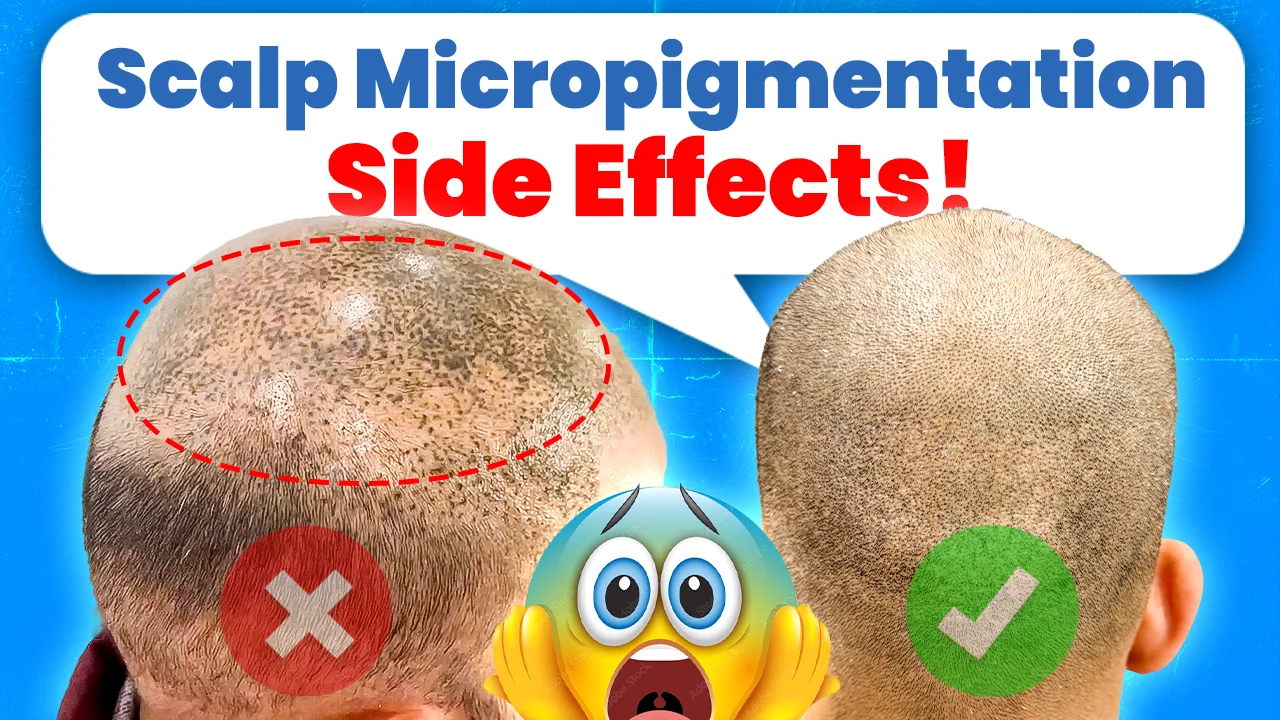
- Color changes: Poor-quality pigments can fade to blue or green over time.
- Uneven results: Inexperienced artists may create unnatural hairlines or patchy density.
- Pain or discomfort: Most people tolerate the process well, but some feel mild pain, especially in sensitive areas.
A less obvious risk: SMP is hard to reverse. Removing pigment requires laser treatments, which can be costly and uncomfortable. Always be sure before you commit.
How Long Does Smp Last?
Scalp micropigmentation is considered semi-permanent. Most results last 4 to 8 years before noticeable fading. Factors that influence how long SMP lasts include:
- Sun exposure: UV rays can break down pigment. Wearing hats or sunscreen extends results.
- Skin type: Oily skin may cause faster fading.
- Aftercare: Following instructions helps maintain color.
- Pigment quality: High-grade pigments last longer and fade more naturally.
Touch-up sessions every few years can refresh the look and adjust for changes in your hair color or style.
What Does Smp Look Like Up Close?
A common worry is that SMP will look fake or obvious, especially up close. When done by a skilled artist, the dots mimic the look of shaved hair follicles—even from a short distance. The color is matched to your existing hair and skin tone. The hairline design is critical: a “too perfect” hairline can look unnatural, while a soft, irregular edge mimics real hair.
For those blending SMP with existing hair, the technique used is different than for a fully bald scalp. The artist will create a gradient effect, with less density near the hairline and more density further back.
One non-obvious tip: Lighting can affect how SMP looks. Under harsh sunlight, the dots may be more visible, while in soft indoor light, the effect is very natural. Always check your artist’s healed results in various lighting conditions.
Choosing The Right Smp Practitioner
The success of your SMP depends mostly on the skill of the practitioner. Here’s how to choose wisely:
- Credentials and experience: Look for artists with specific SMP training, not just tattoo experience.
- Portfolio of healed results: Ask to see before-and-after photos, especially after 6–12 months.
- Client reviews: Search for independent reviews on forums or social media.
- Hygiene standards: The clinic should use sterile, single-use needles and maintain strict cleanliness.
- Consultation quality: A good practitioner will listen to your goals, offer realistic advice, and never rush you.
Avoid clinics with prices that seem too good to be true. Quality SMP takes time and skill.
The Cost Of Scalp Micropigmentation
SMP costs vary based on your location, the experience of the artist, and the size of the area treated. Here’s a breakdown:
| Area Treated | Typical Price (USD) |
|---|---|
| Full scalp (male pattern baldness) | 2,500–4,000 |
| Hairline only | 1,000–2,000 |
| Scar camouflage | 800–1,500 |
| Small patch/thinning area | 1,000–2,000 |
| Touch-up session | 300–800 |
These prices usually include all sessions needed for completion. Some clinics offer payment plans. Always get a written quote before starting.
Preparing For Your Smp Sessions
A little preparation helps ensure the best results and a smooth recovery:
- Avoid blood thinners (like aspirin) for several days before treatment.
- Stay hydrated and eat a light meal beforehand.
- Shave or trim your hair as recommended by your practitioner.
- Avoid sunburn or scalp irritation in the week before your appointment.
- Clear your schedule for the day, as sessions can take several hours.
After your session, plan for some downtime. You may notice redness or slight swelling, but this usually fades within 24–48 hours.
Aftercare And Maintenance
Good aftercare is essential for great results and long-lasting pigment. Here’s what most practitioners recommend:
The First Few Days
- Avoid washing your scalp for 3–5 days.
- Stay out of direct sunlight and avoid sweating.
- Don’t pick, scratch, or rub the area.
The First Week
- Wash gently with a mild, fragrance-free cleanser.
- Moisturize with a light, non-greasy lotion.
- Avoid swimming pools, saunas, and heavy exercise.
Ongoing Care
- Use sunscreen or wear hats when outdoors.
- Keep your scalp moisturized to prevent dryness or flaking.
- Book touch-up sessions as recommended to keep the look fresh.
Skipping aftercare can cause fading or uneven healing. Some people are surprised to learn that chlorinated pools and saltwater can speed up fading, so minimize exposure.

Credit: lipsandbrows.ae
Smp For Women: What’s Different?
While most people think of SMP for men, it’s also popular among women with thinning hair. The approach differs:
- No shaved head required: Most women keep their existing hair. The practitioner applies pigment between strands to reduce contrast.
- Density building: The goal is to create a shadow effect, making hair appear thicker.
- Strategic placement: Focus is often on the hair part, temples, or crown.
SMP can be life-changing for women who feel self-conscious about visible scalp. It’s important to find a practitioner experienced with female clients, as the technique is more subtle.
Smp For Scar Camouflage
Hair transplant scars (like FUT or FUE) or scars from injuries can be hard to hide. SMP provides a solution by matching pigment to your natural hair color and blending it into the scar tissue.
Scar tissue can be tricky—sometimes pigment holds differently, or the skin is more sensitive. Multiple sessions may be needed, and the results can be dramatic. For best results, choose a practitioner with experience in scar camouflage.
What Smp Cannot Do
While SMP has many benefits, it’s important to know its limitations:
- No hair growth: It’s a cosmetic tattoo, not a hair regrowth treatment.
- No long hair effect: SMP works best for shaved or closely cropped styles.
- Not always permanent: Fading is expected over time.
- May not cover all types of scarring or skin conditions: Some scars or skin diseases may not be suitable for SMP.
If you want to wear longer hairstyles, SMP alone may not be the right choice.
Myths And Misconceptions About Smp
There are many myths about scalp micropigmentation. Let’s clear up a few:
1. Myth: Smp Is Just A Tattoo.
Fact: SMP uses different pigments, needles, and techniques. Regular tattoo ink can blur or discolor on the scalp.
2. Myth: It Looks Fake.
Fact: When done by a skilled artist, SMP looks very natural. Poor results usually come from inexperienced practitioners.
3. Myth: Smp Is Painful.
Fact: Most people describe the feeling as mild discomfort, not pain.
4. Myth: Smp Is Only For Bald Men.
Fact: SMP works for women, people with thinning hair, and those with scars.
5. Myth: It’s Permanent And Can’t Be Changed.
Fact: SMP is semi-permanent. Touch-ups can adjust the look, and laser removal is possible (though not easy).
6. Myth: Smp Is Unsafe.
Fact: When done in a clean, professional clinic, SMP is very safe. Infection risk is low with proper aftercare.
Understanding the facts helps you make a confident decision.
Credit: americanhairline.com
Real-life Results And Experiences
Thousands of people have had SMP with positive results. Here are two real examples:
- David, age 36: After years of receding hairline and failed hair fibers, David chose SMP. “After the second session, I looked in the mirror and felt like myself again. Friends noticed I looked younger, but couldn’t guess why.”
- Amina, age 29: Suffering from thinning hair since her teens, Amina tried SMP to reduce the contrast between her dark hair and pale scalp. “No one noticed I did anything, but I finally stopped worrying about people staring at my scalp.”
It’s normal to feel nervous before your first session. Talking to others who have had SMP, or joining online forums, can help you set realistic expectations.
How To Spot Poor Quality Smp
Sadly, not all SMP clinics deliver good results. Here are warning signs of poor quality work:
- Dots are too large or blurry: This looks like a tattoo, not hair follicles.
- Color doesn’t match: Pigment that’s too dark, too light, or turns blue/green over time.
- Straight, unnatural hairlines: Real hairlines are rarely perfectly straight.
- Uneven density: Patchy or spotted areas look fake.
- Obvious scarring or infection: Poor hygiene or technique can cause problems.
If you notice any of these issues in a clinic’s portfolio, look elsewhere. It’s better to wait for the right artist than risk a result you’ll regret.
Smp And Skin Types: Does It Work For Everyone?
SMP works on most skin types and tones. However, there are some things to consider:
- Oily skin: May cause pigment to fade faster.
- Very dark or very light skin: Requires careful color matching.
- Sensitive or scarred skin: May need special techniques or extra sessions.
- Active skin conditions: SMP should be avoided until the condition is under control.
A good practitioner will assess your skin and suggest the best approach for you.
Smp Vs. Hair Transplant: Which Is Better?
Both SMP and hair transplants have their place. Here’s a side-by-side comparison to help you decide:
| Aspect | SMP | Hair Transplant |
|---|---|---|
| Invasiveness | Non-surgical | Surgical (with downtime) |
| Effect | Illusion of hair | Actual hair growth |
| Cost | Lower (2,000–4,000 USD) | Higher (5,000–15,000 USD) |
| Time to results | Immediate | 6–12 months for full results |
| Scarring | None | Possible (donor site) |
| Maintenance | Touch-ups every few years | Minimal (after healing) |
| Hair styling | Limited (shaved look) | Can style longer hair |
The best choice depends on your budget, hair goals, and comfort with surgery.
Credit: www.nyfacemd.com
Common Mistakes To Avoid With Smp
If you’re considering scalp micropigmentation, avoid these beginner mistakes:
- Choosing based on price alone: Cheap SMP can mean poor results or even health risks.
- Not researching the artist: Always check credentials, reviews, and healed photos.
- Ignoring aftercare: Skipping care instructions leads to fading or infection.
- Unrealistic expectations: SMP creates the look of shaved hair—not long, growing hair.
- Skipping the patch test: Allergies are rare, but always possible.
- Trying DIY SMP kits: Home kits are risky and often result in poor, hard-to-fix results.
The Future Of Smp: Trends And Innovations
SMP continues to evolve. Here are some recent and upcoming trends:
- Better pigments: New formulas last longer and fade more naturally.
- Advanced needles: Micro-needles allow for even finer, more realistic dots.
- 3D SMP: Artists now use multiple pigment shades and angles for a more lifelike effect.
- Combination treatments: Some combine SMP with hair transplants or PRP therapy for best results.
- Virtual consultations: Clinics offer video consultations for out-of-town clients.
These innovations make SMP more accessible and natural-looking than ever before.
Questions To Ask Before Committing To Smp
Don’t be shy about asking your practitioner important questions. Here are some to consider:
- What training and experience do you have in SMP?
- Can I see photos of healed results, not just fresh work?
- What pigments do you use? Are they tested for safety?
- How do you match color to my skin and hair?
- What is your infection control protocol?
- What aftercare do you recommend?
- How many sessions will I need?
- What is your policy if I’m not satisfied with the results?
A good practitioner will answer openly and honestly.
Where To Find Reliable Smp Information
Choosing SMP is a big decision. Get your information from trusted sources. Forums, client reviews, and professional organizations are good places to start. For an in-depth scientific overview, the Wikipedia page on Scalp Micropigmentation is a solid resource.
Frequently Asked Questions
What Does Scalp Micropigmentation Feel Like During The Procedure?
Most people feel mild discomfort, similar to light scratching or a slight burning sensation. Some areas, like the temples or crown, may be more sensitive. Numbing cream is usually applied to reduce pain. People with low pain tolerance may still feel uncomfortable, but few find it unbearable.
How Soon Can I Return To Work After Smp?
You can usually return to work the next day. Mild redness or swelling may last for 24–48 hours, but it is easy to cover with a hat. Avoid heavy sweating, swimming, or sun exposure for the first week.
Will People Be Able To Tell I Had Smp Done?
A well-done SMP is hard to detect, even up close. Most people will notice you look different—fresher, younger—but can’t guess why. If your SMP is too dark, too straight, or patchy, it may look less natural. Choosing a skilled artist is key.
How Do I Care For My Scalp After The Procedure?
Follow your practitioner’s aftercare instructions carefully. Common steps include avoiding washing or sweating for a few days, moisturizing, and using sunscreen. Avoid picking or scratching the area. Gentle care helps ensure the best results.
Can Smp Be Removed If I Change My Mind?
SMP can be removed with laser treatments, but the process can be uncomfortable and may require multiple sessions. Results vary depending on the pigment used and your skin type. Always be sure about your choice before starting.
Scalp micropigmentation is a powerful tool for anyone struggling with hair loss. It’s not a miracle cure, but it can make a huge difference in confidence and appearance. By understanding the process, risks, and benefits, you can make a choice that fits your needs and lifestyle.
Take your time, ask questions, and choose your practitioner carefully. Your journey to a confident, new look starts with the right information.