

Menopausal Hair Thinning Supplement Protocol: What Actually Works
Menopause is a normal stage in a woman’s life, but for many, it brings unexpected changes. One of the most frustrating changes is hair thinning. Women often notice more hair in the brush, on their pillow, or thinning at the crown. This can affect confidence and self-image, making the search for real solutions very important.
While many products promise thicker hair, not all supplements work. Some are backed by science, others are just hype. In this article, you’ll learn what actually helps for menopausal hair thinning, which supplements to consider, how they work, and how to build an effective protocol. You’ll also discover extra tips and mistakes to avoid for the best results.
Why Does Hair Thinning Happen During Menopause?
As menopause approaches, estrogen and progesterone levels drop. These hormones help hair grow and stay thick. When they decrease, the hair’s growth phase shortens, and more hair enters the shedding phase. At the same time, androgens (male hormones) can become more active, shrinking hair follicles and causing thinning.
Other factors also play a role:
- Stress can worsen hair loss. Chronic stress increases cortisol, which can weaken hair follicles and lead to more shedding.
- Nutrient deficiencies become more common with age. Many women absorb less iron, zinc, and B vitamins as they get older, which directly impacts hair health.
- Medical conditions like thyroid problems can affect hair. Hypothyroidism and hyperthyroidism are both linked to diffuse hair loss, and these conditions often start or worsen near menopause.
Sleep quality and immune changes also matter. Poor sleep, which is common during menopause, affects hair recovery and growth. Autoimmune issues, sometimes triggered by hormonal changes, can lead to more serious hair loss patterns.
Understanding the cause helps you target the right solution. Treating only the surface, like using shampoos, often isn’t enough. You need a protocol that works from the inside out.
What To Look For In A Hair Thinning Supplement
Not all hair supplements are created equal. Here’s what matters most:
- Scientific Evidence: Choose ingredients with research supporting hair growth. Look for clinical trials, not just testimonials.
- Right Dosage: Too little will not help; too much can be harmful. For example, biotin works at 2.5–5 mg, but higher doses offer no extra benefit.
- Absorption: Some nutrients are hard to absorb. Look for forms that the body uses well, like methylcobalamin for B12 or chelated minerals.
- Safety: Avoid supplements with risky fillers or high doses of certain vitamins. Check for third-party testing and certification.
- Personal Factors: Consider allergies, medications, and your health history. For example, marine complexes may cause reactions if you have seafood allergies.
A supplement protocol works best when it fits your body’s needs and menopause symptoms. If you have other health issues, it’s smart to tailor your protocol with professional guidance.
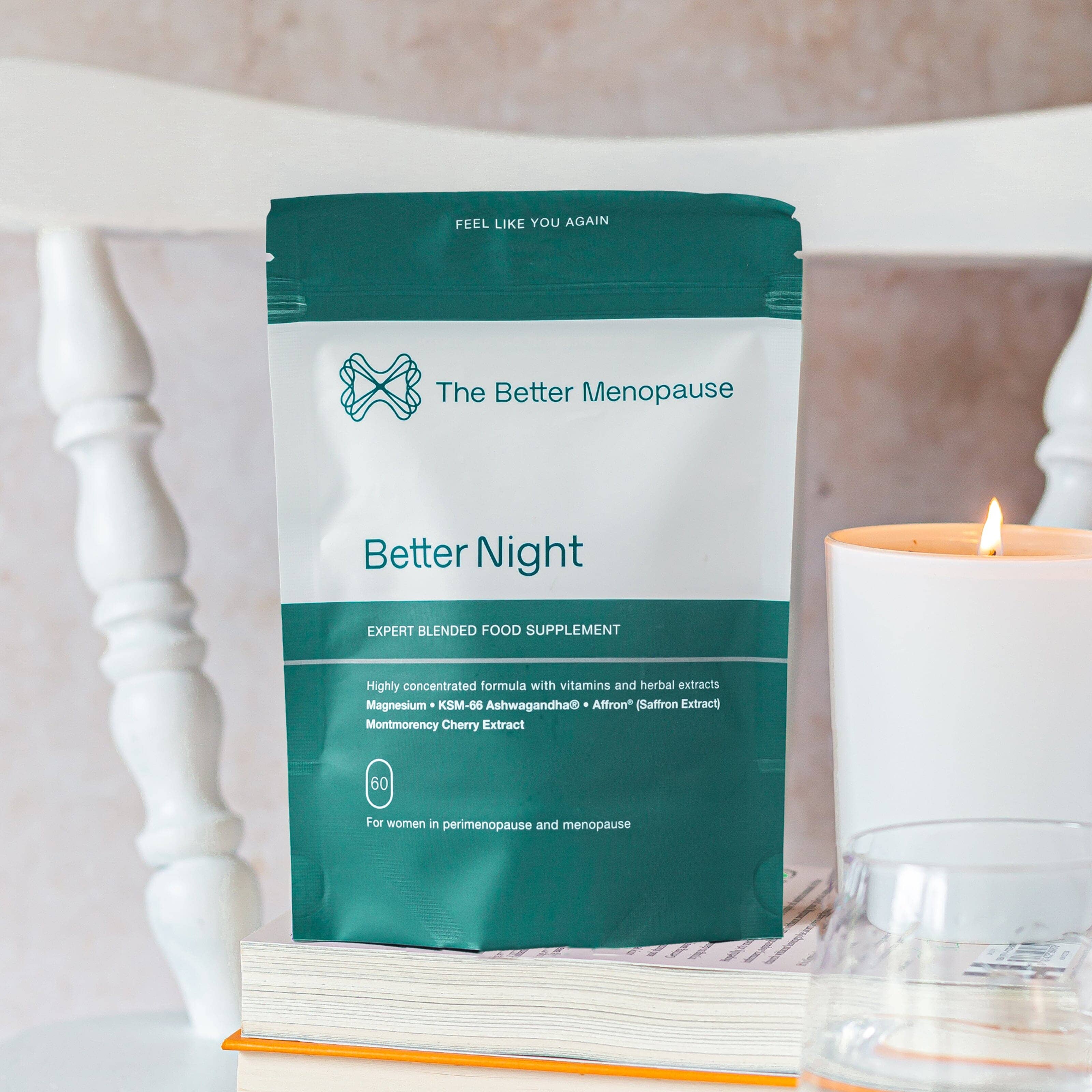
Credit: thebettermenopause.com
Key Nutrients And Compounds For Menopausal Hair Thinning
Scientific research and clinical practice highlight several nutrients and compounds that help most women during menopause. Here’s a deeper look at each:
1. Biotin (vitamin B7)
Biotin is popular for hair growth. It helps produce keratin, the protein making up hair.
- Dosage: 2.5-5 mg per day is common.
- Evidence: Studies show biotin improves hair strength, especially if you are low in it.
- Tip: True biotin deficiency is rare, but even mild deficiency can cause brittle hair.
If you notice brittle nails and hair, biotin may help. However, most people get enough from their diet unless there’s an absorption issue. Eggs, nuts, and whole grains are good dietary sources.
2. Vitamin D
Many women over 40 are low in vitamin D. This vitamin is key for healthy hair follicles.
- Dosage: 1000-2000 IU daily (higher if blood tests show deficiency).
- Evidence: Research links low vitamin D to hair loss, especially in women.
- Example: A study in the International Journal of Trichology found women with hair loss often had lower vitamin D levels.
Vitamin D also supports immune function. If you spend little time outdoors or live in a northern climate, you’re more likely to be low. Supplementing can help overall hair quality and new growth.
3. Iron
Iron deficiency is a leading cause of hair thinning in women, even without full anemia.
- Dosage: 18 mg daily is standard for women, but test your ferritin level first.
- Warning: Too much iron can be toxic. Always check blood levels before supplementing.
- Non-Obvious Insight: Ferritin (stored iron) should be above 40 ng/mL for healthy hair growth.
Women who have heavy periods before menopause are at higher risk for low iron. Symptoms include fatigue, pale skin, and brittle hair. Iron-rich foods include red meat, lentils, and spinach.
4. Zinc
Zinc supports hair follicle recovery and immune function.
- Dosage: 8-15 mg per day.
- Evidence: Studies link zinc deficiency to hair loss. It’s often low in menopausal women.
- Tip: High doses can block copper absorption, so balance is important.
Zinc also helps fight inflammation in the scalp. Oysters, beef, and pumpkin seeds are good sources. If supplementing, look for zinc picolinate or citrate for better absorption.
5. Omega-3 Fatty Acids
Omega-3s (like in fish oil) reduce inflammation and help scalp health.
- Dosage: 1000 mg EPA/DHA per day.
- Evidence: Trials show omega-3s slow hair thinning and improve hair density.
- Practical Tip: Choose purified fish oil to avoid mercury.
Vegetarian sources include flaxseed oil and chia seeds, but they provide ALA, which converts less efficiently to EPA/DHA. Some brands offer algae-based omega-3s for non-fish options.
6. Collagen Peptides
Collagen provides building blocks for hair and skin.
- Dosage: 5-10 grams daily.
- Evidence: Some studies suggest collagen can make hair thicker and more elastic.
- Non-Obvious Insight: Collagen is better absorbed with vitamin C.
Natural sources include bone broth and chicken skin. Collagen powders are easy to mix into drinks. For best absorption, take with citrus or another vitamin C source.
7. Saw Palmetto
This herbal extract blocks DHT, a hormone linked to hair thinning.
- Dosage: 160-320 mg per day, standardized to fatty acids.
- Evidence: Research supports its use for androgenic (hormone-related) hair loss.
- Tip: Works best combined with other nutrients.
Saw palmetto is found in many hair supplement blends. It’s also used for prostate health in men, but it’s safe for women.
8. Pumpkin Seed Oil
Also blocks DHT and supports scalp health.
- Dosage: 400 mg per day.
- Evidence: Clinical studies show improved hair count in women using pumpkin seed oil.
- Practical Example: One study found a 40% increase in hair count after 24 weeks.
Pumpkin seed oil is easy to add to smoothies or salads. It also contains zinc and healthy fats.
9. Silica
Silica strengthens hair and prevents breakage.
- Dosage: 5-10 mg daily.
- Evidence: Limited studies, but many women report thicker hair and nails.
- Non-Obvious Insight: Bamboo extract is a highly absorbable source of silica.
Silica is also found in oats, bananas, and leafy greens. It supports collagen production in the body.
10. B Vitamins
B12, B6, and Folate help with cell growth and oxygen delivery.
- Dosage: Varies; often included in B-complex formulas.
- Evidence: Deficiency can cause hair thinning, especially in older adults.
- Tip: Check for active methylated forms for best absorption.
Vegetarians and older adults often need extra B12. B-complex supplements are a safe way to cover all bases.
11. Vitamin C
Vitamin C helps absorb iron and supports collagen.
- Dosage: 75-100 mg daily.
- Evidence: Low vitamin C can worsen iron absorption, slowing hair growth.
- Practical Tip: Pair iron and vitamin C supplements for maximum benefit.
Citrus fruits, bell peppers, and broccoli are rich in vitamin C. Deficiency can also cause gum problems and bruising.
12. Protein
Hair is made of protein. Not eating enough can cause thinning.
- Dosage: 0.8-1.0 grams per kg of body weight daily.
- Non-Obvious Insight: Plant-based eaters may need more, as plant protein absorbs differently.
Try to include protein in every meal. Eggs, dairy, lentils, and tofu are all good options. If you have trouble getting enough, protein shakes can help.
13. Marine Complexes (e.g., Viviscal)
Some supplements use special marine extracts for hair.
- Dosage: Follow label, usually 2 tablets per day.
- Evidence: Clinical trials show improved hair thickness and reduced shedding.
- Example: Viviscal is a well-studied option, but marine allergies are a concern.
Marine extracts contain amino acids not found in plant foods. These help regenerate hair follicles.
14. Methylsulfonylmethane (msm)
MSM is a sulfur compound that improves keratin production.
- Dosage: 1-3 grams per day.
- Evidence: Early studies show MSM helps hair grow faster and stronger.
MSM also supports joint health. It’s usually taken in powder or capsule form.
15. Amino Acids (l-lysine, L-cysteine)
These are building blocks for hair.
- Dosage: 500 mg of L-lysine and L-cysteine daily.
- Evidence: Deficiencies can worsen hair thinning, especially with low iron.
Amino acids can be found in eggs, beans, and meat. They’re often included in hair supplement blends.
16. Probiotics
Gut health affects nutrient absorption and inflammation.
- Dosage: 5-20 billion CFU daily.
- Evidence: Some research shows certain strains (like Lactobacillus) may improve hair density.
- Non-Obvious Insight: Probiotics help you get more from your other supplements.
Probiotics support a healthy gut, which means better vitamin and mineral absorption. Yogurt and fermented foods are good sources.
17. Curcumin
The active ingredient in turmeric, curcumin reduces inflammation.
- Dosage: 500-1000 mg per day with black pepper for absorption.
- Evidence: May slow hair loss linked to inflammation.
- Tip: Not a primary supplement, but useful for women with scalp inflammation.
Turmeric tea or capsules are easy to add to your routine. Curcumin is also good for joint and overall health.
18. Tocotrienols (vitamin E Complex)
A special form of vitamin E with antioxidant properties.
- Dosage: 100-200 mg per day.
- Evidence: Studies found 34% more hair growth in women taking tocotrienols.
Tocotrienols are found in palm oil, rice bran, and supplements. They protect hair from oxidative damage.
19. Grape Seed Extract
Rich in antioxidants to protect hair follicles.
- Dosage: 100-300 mg per day.
- Evidence: Some animal studies support hair growth, human evidence is growing.
Grape seed extract also supports skin and circulation. It’s used in many anti-aging supplements.
20. Adaptogens (ashwagandha, Rhodiola)
Help the body handle stress, which can worsen hair thinning.
- Dosage: 300-600 mg per day.
- Evidence: Ashwagandha especially helps balance cortisol, which can impact hair.
Adaptogens are safe for most people but should be rotated or used for limited periods. They help mood and energy as well.
How To Build Your Supplement Protocol
Choosing the right supplements is only the first step. How you combine them is just as important.
Step 1: Identify Your Deficiencies
Before starting, get a blood test for iron, vitamin D, B12, and thyroid levels. If you’re low, target these first.
Symptoms can guide you, but lab tests are more accurate. For example, if you feel tired and cold, check thyroid and iron.
Step 2: Choose A Core Stack
Most women benefit from a core stack:
- High-quality multivitamin (with B vitamins, zinc, and vitamin D)
- Biotin (if not in your multi)
- Omega-3 supplement
- Collagen peptides
- Iron (if you test low)
- Saw palmetto or pumpkin seed oil (if androgenic hair thinning is suspected)
This covers the most common deficiencies and targets hormone-related hair loss.
Step 3: Add Targeted Boosters
If you have extra hair shedding, add:
- Marine complexes (like Viviscal)
- MSM
- Amino acids
If stress and inflammation are issues, consider:
- Adaptogens
- Curcumin
For digestive issues or poor nutrient absorption, probiotics can help.
Step 4: Check Supplement Quality
Look for:
- GMP or third-party tested brands
- No artificial colors or fillers
- Bioavailable forms (e.g., methylcobalamin for B12, citrate for magnesium)
If a supplement smells or tastes strange, check the expiry date and source. Well-known brands are usually safer.
Step 5: Monitor And Adjust
Track your hair’s progress every 3 months. Supplements take time—6 months is a fair trial. If you see no improvement, review your protocol or see a specialist.
Keep a journal with photos and notes. This helps you notice subtle changes and stay motivated.

Credit: hairgp.co.uk
Sample Supplement Protocol Table
Here’s how a typical daily routine might look:
| Supplement | Dosage | Best Time to Take | Notes |
|---|---|---|---|
| Multivitamin | 1 tablet | Morning with food | Choose one with iron if needed |
| Omega-3 Fish Oil | 1000 mg | With breakfast | Look for EPA/DHA content |
| Collagen Peptides | 5-10 g | Anytime | Mix in coffee or smoothie |
| Biotin | 5 mg | Morning | Only if not in multivitamin |
| Saw Palmetto | 320 mg | With food | For androgenic hair loss |
You can add MSM or marine complex in the afternoon for better absorption. Iron supplements are best taken with vitamin C and away from calcium.
Common Mistakes To Avoid
Even the best protocol can fail if you make these mistakes:
- Skipping Blood Tests: Guessing your deficiencies can lead to wrong supplements or overdose.
- Expecting Quick Results: Hair grows slowly. Most supplements need at least 3-6 months.
- Ignoring Root Causes: Thyroid or autoimmune issues require medical treatment, not just supplements.
- Overloading on Biotin: Too much can mess with lab tests and does not always help if you’re not deficient.
- Not Checking Interactions: Some supplements (like iron and calcium) block each other’s absorption.
- Using Low-Quality Brands: Cheap supplements often lack potency or have contaminants.
Another mistake is using too many supplements at once. This can cause stomach upset and confusion about what is working.
Lifestyle Tweaks To Boost Results
Supplements work best alongside healthy habits. Consider these tips:
- Eat a balanced diet with enough protein, fruits, and vegetables. Variety ensures you get all essential nutrients.
- Reduce stress through meditation, yoga, or walking. Chronic stress slows hair growth and increases shedding.
- Avoid harsh hair treatments, like bleaching or hot styling. These weaken hair strands and cause breakage.
- Get enough sleep; hair repair happens at night. Aim for 7–8 hours if possible.
- Massage your scalp to boost blood flow. Use your fingertips or a soft brush for 5 minutes daily.
Staying hydrated is also key. Drink water throughout the day to support hair moisture and scalp health.
Comparing Popular Hair Supplements
Many brands claim to help menopausal hair thinning. Here’s a comparison of three top options:
| Brand | Main Ingredients | Clinical Evidence | Unique Features |
|---|---|---|---|
| Viviscal | Marine complex, biotin, vitamin C | Strong, multiple studies | Well-tolerated, long history |
| Nutrafol Women | Saw palmetto, ashwagandha, marine collagen | Moderate, growing evidence | Targets stress and hormones |
| Nutrafol Women’s Balance | Saw palmetto, tocotrienols, maca | Moderate, menopause-specific | Formulated for menopausal women |
Non-Obvious Insight: Some women react differently to the same supplement. If one brand does not work after several months, try another with different active ingredients.
It’s also wise to check ingredient sources. Some brands use synthetic ingredients, while others use more natural forms.
Realistic Results: What To Expect
Supplements can help, but they are not magic. Here is what you can realistically expect:
- 3 months: Less shedding, some new hairs may appear.
- 6 months: Noticeable thickening, especially at the crown or temples.
- 12 months: Maximum benefit, but ongoing use may be needed.
Results depend on your starting point. If follicles are healthy but dormant, regrowth is possible. If they are damaged or scarred, improvement may be limited.
Some women notice faster nail growth or healthier skin before seeing hair changes. This is a good sign your supplements are working.
If hair loss is severe or sudden, see a doctor. Some causes (like alopecia areata or thyroid disease) need medical care.
How To Combine Supplements Safely
Safety is important, especially during menopause. Here’s how to combine supplements:
- Don’t take more than one multivitamin at a time.
- Space out iron and calcium by at least 2 hours.
- If on medication, check for interactions with your doctor.
- Rotate adaptogens (don’t use the same one daily for more than 3 months).
- Monitor blood levels of vitamin D, iron, and B12 every 6-12 months.
Watch for signs of overdose like nausea, headaches, or rashes. Stop supplements and consult your doctor if symptoms appear.

Credit: www.youtube.com
Extra Tips For Stronger, Thicker Hair
- Use silk pillowcases to reduce breakage. Cotton can snag and pull hair.
- Choose gentle shampoos without sulfates. Sulfates strip natural oils and weaken hair.
- Limit ponytails or tight styles to avoid pulling. Loose styles are safer for fragile hair.
- Protect from sun—UV rays can weaken hair. Wear hats or use hair SPF sprays.
- Stay hydrated; dry hair breaks more easily. Drink water throughout the day.
Trimming split ends every 2–3 months prevents further breakage. Try to avoid brushing wet hair, which is more fragile.
When To See A Specialist
Supplements help many women, but sometimes you need more. See a dermatologist or trichologist if:
- Hair loss is rapid or patchy
- Scalp is red, itchy, or scaly
- You have other symptoms (fatigue, weight change, skin issues)
- No improvement after 6-12 months of a good protocol
A specialist can check for hidden causes and offer treatments like topical minoxidil, PRP therapy, or prescription medications.
They may also recommend scalp biopsies or advanced blood tests. Early diagnosis can prevent permanent hair loss.
Are There Risks With Supplements?
Most supplements are safe when used as directed, but risks include:
- Over-supplementation: Too much iron, vitamin A, or selenium can cause harm.
- Contamination: Poor-quality brands may contain heavy metals.
- Interactions: Some herbs interact with blood thinners or hormone therapy.
Allergic reactions can happen, especially with marine or herbal supplements. If you feel itching, swelling, or stomach upset, stop and review ingredients.
Always choose reputable brands and talk to your healthcare provider before starting new supplements, especially if you have medical conditions.
Research And Further Reading
For more on the science behind hair supplements, visit this resource: National Institutes of Health.
Frequently Asked Questions
What Is The Best Supplement For Menopausal Hair Thinning?
There is no single “best” supplement. Most women benefit from a combination of biotin, vitamin D, iron (if low), omega-3s, and a multivitamin. Supplements like saw palmetto and marine complexes also help, especially if hormone changes are the main cause.
How Long Does It Take To See Results From Hair Supplements?
Most women notice less shedding in 3 months and thicker hair by 6 months. Hair grows slowly, so patience is important. For best results, use supplements consistently and support them with a healthy lifestyle.
Can Supplements Regrow Hair Lost Many Years Ago?
Supplements help with active hair follicles. If follicles are still alive but weak, regrowth is possible. If hair loss is advanced and follicles are gone, supplements may not restore hair, but they can prevent further thinning and improve remaining hair’s quality.
Are There Side Effects From Taking Hair Supplements?
Most supplements are safe at recommended doses. Common side effects include mild stomach upset or, rarely, allergic reactions. High doses of certain vitamins or herbs can be harmful. Always follow label instructions and talk to your doctor if you have concerns.
Should I Stop My Protocol If I Start Hormone Replacement Therapy (hrt)?
No, you can usually continue your hair supplement protocol with HRT, but check with your doctor. Some nutrients (like iron and vitamin D) are still important. If you add new medications, review your full supplement list for safety.
Menopausal hair thinning can be stressful, but with the right supplement protocol and lifestyle changes, you can regain confidence and support healthy hair growth. Choose wisely, be patient, and track your progress for the best results.