

Hair loss and chronic skin problems like eczema, psoriasis, and acne can be frustrating and tough to manage. Many people spend years trying different shampoos, creams, or even medicines, hoping for real results. But what if the root cause is not only on the outside, but also inside your body?
Recent research shows that inflammation plays a key role in both hair loss and skin conditions. Inflammation is your body’s natural response to injury or infection. But when it lasts too long or becomes too strong, it can damage healthy cells—including those in your scalp and skin. The good news? What you eat can either make inflammation worse, or help calm it down.
This is where the anti-inflammatory diet comes in. It is not a strict set of rules, but a pattern of eating that helps your body fight inflammation. Many doctors and nutritionists now recommend it as a way to improve both hair and skin health, especially for people who have not seen results with other treatments.
This article will explain how inflammation affects your hair and skin, what the anti-inflammatory diet is, which foods to eat and avoid, and how to get started. We will also look at scientific studies, practical tips, and common mistakes. If you want to support your hair and skin from the inside out, keep reading.
Understanding The Link: Inflammation, Hair Loss, And Skin Conditions
To see why diet matters, it helps to know how inflammation works in your body. In simple terms, inflammation is your immune system’s way of protecting you. For example, if you get a cut, the area becomes red and swollen.
This is inflammation helping your body heal.
But sometimes, inflammation does not turn off. When it becomes chronic (long-lasting), it can damage healthy cells. This is common in many skin and scalp conditions:
- Alopecia areata: An autoimmune disease where the immune system attacks hair follicles, causing hair loss.
- Psoriasis: An inflammatory skin disease causing red, scaly patches.
- Eczema (atopic dermatitis): Causes itchy, inflamed skin.
- Seborrheic dermatitis: Leads to scaly patches and dandruff.
- Acne: Inflammation around clogged pores.
Research shows that in all these cases, inflammation plays a key role. For example, people with severe acne often have higher levels of C-reactive protein (a marker of inflammation) in their blood.
Also, hair loss is not just about genetics or age. Chronic inflammation of the scalp can make hair follicles weak, slow hair growth, or even cause permanent loss.
Two non-obvious facts:
- Inflammation often starts in the gut. Problems like leaky gut, food sensitivities, or an unhealthy gut microbiome can trigger inflammation that later affects your skin or hair.
- Hidden inflammation may have no obvious symptoms at first. Many people have low-grade inflammation without pain, redness, or swelling. They only see the effects later as thinning hair or chronic skin problems.
What Is The Anti-inflammatory Diet?
The anti-inflammatory diet is not a short-term plan. It is a way of eating that focuses on foods that lower inflammation in the body. It is based on research about how certain foods can either trigger or reduce inflammation.
Most versions of the anti-inflammatory diet are similar to the Mediterranean diet. They include lots of fruits, vegetables, healthy fats, and whole grains. Some versions add more focus on omega-3-rich foods, fermented foods, and spices.
Key features:
- High in antioxidants: These are compounds that help protect your cells from damage. Found in berries, leafy greens, nuts, and seeds.
- Rich in healthy fats: Especially omega-3s from fish, flaxseeds, and walnuts.
- Low in added sugars and processed foods: These can make inflammation worse.
- Includes fiber: Supports gut health, which is important for lowering inflammation.
- Avoids common triggers: Such as trans fats, too much red meat, and artificial additives.
The goal is not just to reduce inflammation, but also to provide the nutrients your body needs to repair and protect hair and skin cells.
Key Foods To Eat For Hair And Skin Health
Choosing the right foods is essential. Here are some of the best anti-inflammatory foods for hair and skin:
| Food Group | Best Choices | Main Benefits |
|---|---|---|
| Fruits | Berries, cherries, oranges, papaya | High in antioxidants, vitamin C, helps collagen |
| Vegetables | Leafy greens, broccoli, sweet potatoes, carrots | Vitamins, minerals, fiber |
| Healthy Fats | Extra virgin olive oil, avocados, nuts, seeds | Reduce inflammation, support cell health |
| Omega-3s | Salmon, sardines, flaxseeds, walnuts | Anti-inflammatory, supports scalp health |
| Whole Grains | Oats, quinoa, brown rice | Fiber, B-vitamins, steady energy |
| Fermented Foods | Yogurt, kefir, kimchi, sauerkraut | Support gut health, reduce inflammation |
| Spices | Turmeric, ginger, cinnamon | Potent anti-inflammatory effects |
Why These Foods Matter
- Berries and leafy greens are high in polyphenols and vitamin C, which help the body fight oxidative stress—a big trigger for both hair loss and skin aging.
- Healthy fats, especially omega-3s, are used to build the skin barrier and scalp oils. People with dry, flaky skin or dandruff often lack enough of these fats.
- Fermented foods feed the good bacteria in your gut. Since the gut and skin are closely linked (the “gut-skin axis”), a healthier gut can mean less inflammation on the skin and scalp.
Foods To Avoid (and Why)
Just as some foods fight inflammation, others can make it worse. For people with hair loss or chronic skin problems, avoiding these can be as important as adding healthy foods.
- Sugary foods and drinks: Sodas, candies, cakes, and even too much fruit juice can spike your blood sugar. High blood sugar has been linked to increased inflammation and more severe acne.
- Refined grains: White bread, white rice, and pastries are stripped of fiber and nutrients. They quickly raise blood sugar and may trigger flare-ups.
- Fried and fast foods: These often contain trans fats and processed oils that are strongly linked to inflammation.
- Red and processed meats: Bacon, sausages, and too much red meat can increase compounds in the body that trigger inflammation.
- Dairy (for some people): Not everyone reacts to dairy, but for people with eczema or acne, it can make symptoms worse.
- Artificial additives: Some preservatives, colors, and sweeteners can irritate the gut and skin, especially in sensitive people.
- Excess alcohol: Too much alcohol weakens the gut barrier and promotes inflammation.
A non-obvious insight: Food sensitivities can be unique. Some people react to gluten, eggs, or even nightshade vegetables (like tomatoes and eggplant), which are generally healthy. If your symptoms do not improve, consider working with a doctor to test for sensitivities.

Credit: www.health.harvard.edu
How The Anti-inflammatory Diet Supports Hair Growth
Hair is made of a protein called keratin. Hair follicles need a steady supply of nutrients to grow strong, healthy hair. Inflammation can disrupt this process in several ways:
- Reduces blood flow: Inflammation can narrow small blood vessels, making it harder for nutrients to reach hair follicles.
- Triggers immune attacks: In autoimmune conditions like alopecia areata, inflammation causes the body to attack its own hair roots.
- Increases oxidative stress: When inflammation is high, the body produces more free radicals. These damage hair follicles and slow growth.
By eating more anti-inflammatory foods, you support the body’s natural repair process. For example, omega-3s in fatty fish help calm overactive immune cells, while vitamin C from fruits helps build collagen around the hair root.
A 2017 study found that people who ate a Mediterranean-style diet (rich in anti-inflammatory foods) had a lower risk of androgenetic alopecia (male or female pattern baldness), especially if they ate plenty of raw vegetables and fresh herbs more than 3 times a week.
How The Anti-inflammatory Diet Improves Chronic Skin Conditions
Many skin problems are linked to inflammation. Here’s how the diet helps with common issues:
Eczema (atopic Dermatitis)
Eczema causes itchy, inflamed skin. Studies show that people with eczema often have higher levels of inflammatory markers in their blood. Eating more omega-3s (from fish or flaxseed) and antioxidants (from fruits and vegetables) can lower these markers and reduce flare-ups.
Psoriasis
Psoriasis is an autoimmune disease where skin cells grow too quickly. This causes red, scaly patches. A diet high in fruits, vegetables, and omega-3s has been shown to lower the severity of psoriasis. Some studies even show that people who eat more Mediterranean-style diets have milder symptoms.
Acne
Acne is not just a problem for teenagers. Inflammation around clogged pores and bacteria are the main causes. Diets high in sugar and dairy are linked to more severe acne, while diets high in fiber, omega-3s, and antioxidants can help clear the skin.
Seborrheic Dermatitis
This condition causes flaky, itchy patches on the scalp and face. It is often linked to an imbalance in skin oils and yeast. Eating more omega-3s and less sugar may help balance oils and reduce inflammation.
A non-obvious tip: Gut health is often ignored in skin care. By adding fermented foods and fiber, you can support your gut microbiome, which helps regulate inflammation all over the body—including the skin.
Sample 7-day Anti-inflammatory Meal Plan
To make the diet easier to follow, here’s an example of a week’s worth of anti-inflammatory meals. This plan is rich in nutrients, easy to adapt, and avoids common triggers.
| Day | Breakfast | Lunch | Dinner | Snack |
|---|---|---|---|---|
| 1 | Oatmeal with berries and walnuts | Quinoa salad with chickpeas, greens, olive oil | Grilled salmon, sweet potato, broccoli | Carrot sticks, hummus |
| 2 | Greek yogurt, chia seeds, sliced kiwi | Lentil soup, spinach, brown rice | Stir-fried tofu with mixed veggies | Apple slices, almond butter |
| 3 | Avocado toast on whole grain bread | Chicken breast, quinoa, cucumber salad | Baked cod, roasted carrots, kale | Handful of walnuts |
| 4 | Smoothie: spinach, banana, flaxseed, berries | Turkey and veggie wrap (whole wheat) | Vegetable curry, brown rice | Mixed berries |
| 5 | Eggs with spinach and tomatoes | Salmon salad, leafy greens, olive oil | Quinoa stir-fry with shrimp and peas | Yogurt with pumpkin seeds |
| 6 | Overnight oats, chia seeds, pear | Grilled chicken, sweet potato, green beans | Lentil stew with vegetables | Carrot sticks, guacamole |
| 7 | Berry smoothie with kefir and oats | Tuna salad, mixed greens, quinoa | Baked eggplant, tomato sauce, chickpeas | Handful of almonds |
This plan is just a starting point. You can swap foods based on your preferences and sensitivities. The key is to keep meals balanced, colorful, and based on whole foods.
Supplements And The Anti-inflammatory Diet
Food should be your main source of nutrients. But some people benefit from supplements, especially if they have dietary restrictions or higher needs. Here are some that may help:
- Omega-3 fish oil: If you do not eat fish often, this can help lower inflammation.
- Vitamin D: Low levels are linked to worse skin conditions, especially in people who get little sun.
- Probiotics: Support gut health, which can reduce inflammation in the skin.
- Zinc: Supports hair growth and helps with acne, but too much can cause problems.
- Biotin: Important for hair strength, but true deficiency is rare.
Always talk to your doctor before starting new supplements. Too much of a good thing can be harmful.
A practical tip: Focus on food first. Whole foods contain many nutrients that work together, while supplements often provide only one.
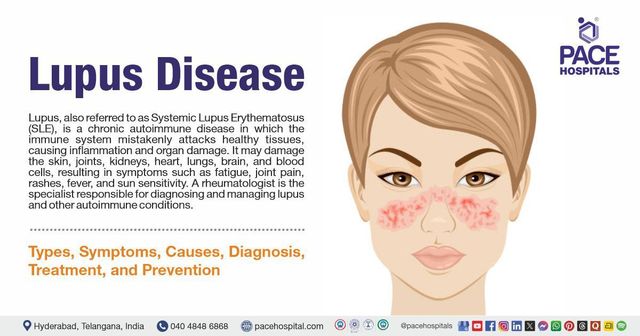
Credit: www.pacehospital.com
Practical Tips For Success
Switching to an anti-inflammatory diet may sound hard, but small steps make a big difference. Here’s how to make it work:
- Start slow. Replace one meal a day with an anti-inflammatory option. For example, swap sugary cereal for oatmeal with berries.
- Cook at home. This lets you control ingredients and avoid hidden sugars or unhealthy fats.
- Batch cook. Prepare large amounts of grains, beans, or roasted vegetables to use all week.
- Read labels. Watch for added sugars, artificial ingredients, and unhealthy oils.
- Experiment with spices. Add turmeric, ginger, or cinnamon to meals for extra anti-inflammatory power.
- Stay hydrated. Drink plenty of water and herbal teas. Good hydration helps your skin stay healthy.
- Listen to your body. If a food seems to make your symptoms worse, try removing it for a few weeks to see if you improve.
A non-obvious insight: Meal timing can matter. Some research suggests that eating most of your calories earlier in the day (rather than late at night) may help lower inflammation.
Common Mistakes To Avoid
Even with the best intentions, some mistakes can stop you from seeing results:
- Focusing only on single foods. Eating a handful of berries will not help if the rest of your diet is full of sugar and fried foods.
- Ignoring food sensitivities. Even healthy foods can trigger inflammation if you are sensitive to them.
- Not giving it enough time. Skin and hair take weeks to show change. Expect to try the diet for at least 8-12 weeks before judging results.
- Skipping healthy fats. Low-fat diets can make dry skin and hair worse. Healthy fats are essential for cell repair.
- Overusing supplements. More is not always better. Focus on balanced meals.
- Forgetting about stress and sleep. Both can trigger inflammation. Diet is only part of the puzzle.
The Role Of Lifestyle: Beyond Diet
While food is powerful, it is not the only factor. For the best results, combine the anti-inflammatory diet with other healthy habits:
- Regular exercise: Physical activity helps lower inflammation. Aim for at least 30 minutes most days.
- Manage stress: Chronic stress increases inflammation. Try yoga, meditation, or deep breathing.
- Sleep well: Poor sleep raises inflammation levels. Aim for 7-8 hours a night.
- Avoid smoking and limit alcohol: Both can worsen inflammation and damage hair and skin.
A non-obvious insight: Sun protection matters. Too much sun can cause inflammation and worsen skin conditions, but a little sunlight (10-15 minutes) helps your body make vitamin D.
Real-world Success Stories
Many people have seen dramatic improvements by following an anti-inflammatory diet. Here are two examples:
- Maria, age 35: Struggled with psoriasis for years. After switching to a Mediterranean-style diet, including more fish and vegetables, her flare-ups became less frequent and severe. She also noticed her hair became thicker.
- James, age 28: Had severe adult acne and early hair thinning. He cut out sugary drinks, added more leafy greens and nuts, and saw his skin clear up within 3 months. His hair stopped shedding as much.
While not everyone sees instant results, most people notice at least some improvement in their skin, scalp health, or energy levels.
Scientific Evidence: What The Research Says
Many studies support the benefits of an anti-inflammatory diet for hair and skin health:
- A 2018 review in the journal Nutrients found that diets high in fruits, vegetables, and omega-3s helped reduce the severity of psoriasis and eczema.
- A study in JAMA Dermatology showed that higher dairy and sugar intake was linked to more severe acne in adults.
- Research from the Harvard T.H. Chan School of Public Health found that following a Mediterranean-style diet lowered markers of inflammation, improved skin elasticity, and slowed hair thinning in both men and women.
- In a 2020 clinical trial, people with alopecia areata who followed an anti-inflammatory diet had better hair regrowth compared to those who did not change their diet.
For more details on research, visit the National Institutes of Health.
Is The Anti-inflammatory Diet Safe For Everyone?
Most people can follow this diet safely, as it is based on whole, unprocessed foods. But some people may need to adjust:
- People with allergies: Avoid foods you are allergic to, even if they are “healthy.”
- People with chronic diseases: If you have kidney problems, heart disease, or take certain medicines, talk to your doctor before making big changes.
- Vegetarians and vegans: Focus on plant sources of omega-3s, like flaxseed and walnuts, instead of fish.
It is always wise to check with your doctor or a registered dietitian before starting a new diet, especially if you have health issues.

Credit: www.frontiersin.org
How To Get Started: A Step-by-step Guide
If you are ready to try the anti-inflammatory diet, here’s a simple plan:
- Clean out your pantry. Remove or donate sugary snacks, processed foods, and unhealthy oils.
- Stock up on basics. Buy fruits, vegetables, whole grains, nuts, olive oil, and fish or plant proteins.
- Plan your meals. Use the 7-day sample above or create your own. Planning prevents last-minute unhealthy choices.
- Prep ahead. Wash and cut vegetables, cook grains, and portion snacks for the week.
- Stay flexible. If you slip up, do not give up. Every meal is a new chance.
A non-obvious tip: Track your symptoms. Keep a food and symptom journal. Note what you eat and how your skin, scalp, or hair feels. Over time, you may spot patterns that help you fine-tune your diet.
Frequently Asked Questions
Is The Anti-inflammatory Diet A Cure For Hair Loss Or Skin Conditions?
No diet is a guaranteed cure, especially for genetic or severe autoimmune conditions. However, many people see significant improvement in symptoms, fewer flare-ups, and better overall hair and skin quality. The diet works best as part of a complete treatment plan.
How Long Does It Take To See Results?
For most people, it takes 8-12 weeks to notice changes in hair and skin. This is because both grow and heal slowly. Some people see small improvements (like less itching or redness) within a few weeks.
Can I Eat Out Or Travel On This Diet?
Yes. When eating out, choose grilled or baked foods, salads, and vegetable sides. Avoid fried foods, creamy sauces, and sugary drinks. For travel, pack nuts, fruit, and whole grain crackers. Many restaurants now offer healthier options.
Do I Need To Avoid All Dairy And Gluten?
Not everyone needs to avoid dairy or gluten. Only cut these foods if you notice they trigger your symptoms, or if you have a medical reason (like celiac disease or lactose intolerance). For others, moderate amounts are usually fine.
Where Can I Find More Information?
Reliable sources include registered dietitians, your doctor, and trusted websites like the Harvard Health website. Always be careful with advice from unverified internet sources.
Final Thoughts
Hair loss and chronic skin problems are often more than just a surface issue. By focusing on an anti-inflammatory diet, you give your body the tools it needs to heal from the inside out. The key is consistency, patience, and a willingness to try new foods and habits.
While no diet can promise perfect results, most people feel and look better when they eat in a way that supports their body’s natural defenses. If you are struggling with hair or skin issues, this could be a powerful step toward lasting health.