

Sleep is more than just a time for rest. It’s a powerful process that repairs, renews, and rejuvenates your body every night. When you don’t get enough sleep, it doesn’t just make you tired—it can also change how you look.
Many people notice that after a few sleepless nights, their skin loses its glow, and their hair looks lifeless. But what is really happening under the surface? And how does sleep deprivation leave such a strong mark on our hair and skin?
This article dives deep into the science, visible effects, and real-world impact of not getting enough sleep, especially on your appearance.
Why Sleep Is Essential For Skin And Hair
Sleep is a time when your body repairs itself. During deep sleep, blood flow to your skin increases, and your body produces growth hormones. These hormones are important for cell repair and regeneration. For your hair, sleep is when nutrients and proteins are delivered to hair follicles, helping them grow and stay strong. Without enough sleep, these natural repair and growth processes slow down, leaving both your skin and hair vulnerable.
It’s not just about the hours you spend in bed—the quality of your sleep matters just as much. Deep, uninterrupted sleep gives your body time to enter the most restorative stages, when repair happens the fastest. If your sleep is often interrupted or too short, your skin and hair miss out on these benefits.
Over time, small nightly disruptions can add up, leading to more visible changes.
Another key reason sleep is so important is that it helps regulate your body’s internal clock, or circadian rhythm. This rhythm controls when certain repair processes take place. If you regularly go to bed late or wake up at different times, your body may not be able to repair skin and hair as efficiently.
This is why people who work night shifts or travel often can see faster changes in their appearance.
The Science Behind Sleep Deprivation
When you miss sleep, your body produces more of the stress hormone called cortisol. High cortisol levels lead to inflammation, which is known to damage skin cells and hair follicles. Your immune system also becomes weaker, which can worsen skin problems and slow down healing. Studies show that even one night of poor sleep can increase visible signs of aging, such as wrinkles and dullness. Chronic sleep deprivation makes these effects much worse.
But the science goes even deeper. For example, sleep deprivation reduces your skin’s ability to hold water, causing dehydration at a cellular level. This is why your skin can look dry and feel tight after just a few rough nights.
The body also makes less melatonin, a natural antioxidant, during sleep loss. Without enough melatonin, your skin is less able to defend itself against damage from pollution and UV light.
Researchers have also found that sleep loss disrupts the natural cycle of cell turnover. Normally, your skin sheds old cells and creates new ones during sleep. When you don’t sleep well, this process slows down, leading to a buildup of dead skin and a rougher texture.
For hair, disrupted sleep affects the growth cycle, shortening the phase when hair grows and lengthening the phase when it rests or sheds.
Visible Effects Of Sleep Deprivation On Skin
A sleepless night is often easy to see on someone’s face. Here are the most noticeable ways that lack of sleep affects your skin:
1. Dull, Pale Complexion
When you don’t sleep enough, blood flow to the skin is reduced. This causes your face to look pale, dull, and less vibrant. The healthy, rosy glow disappears because your skin cells are not getting enough oxygen and nutrients. This effect can become stronger with each night of poor sleep.
Some people may notice a grayish tone or that their cheeks and lips have lost color. Makeup can help, but it often sits unevenly on tired skin, making the problem more obvious. Over time, your skin may look tired even after you try to cover it up.
2. Dark Circles And Puffy Eyes
One of the most common signs of sleep deprivation is dark circles under the eyes. This happens because blood vessels become more visible under thin skin. Fluid can also collect under the eyes, causing puffiness. These changes make you look older and more tired.
Some people are more likely to get dark circles due to genetics, but lack of sleep makes them worse for everyone. Rubbing your eyes from tiredness can also break small blood vessels, deepening the color. Chronic puffiness stretches the skin, which may lead to permanent bags over time.
3. Increased Fine Lines And Wrinkles
During sleep, your skin makes new collagen, a protein that keeps it firm and smooth. Less sleep means less collagen, which leads to fine lines and wrinkles. Over time, these signs of aging become more noticeable.
Repeated facial movements, like squinting when you’re tired, can also add to wrinkles. If you’re always tired, you may see lines forming around the eyes and mouth earlier in life. Skin also loses elasticity, making wrinkles look deeper.
4. Dryness And Flaky Skin
Sleep helps your skin maintain moisture and balance oils. When you’re sleep-deprived, your skin can lose water, leading to dryness and flakiness. This can make makeup look patchy and skin feel uncomfortable.
Dry skin is also more likely to crack, itch, and become irritated. In cold or dry climates, the effect is even stronger. You may notice that even your usual moisturizer no longer works as well after several nights of lost sleep.
5. Slower Healing
Cut your skin or have a breakout? Without enough sleep, your skin takes longer to heal. That’s because your body’s repair systems don’t work as well when you’re tired.
Even small wounds or pimples may last longer or leave scars more easily. If you have a skin condition like eczema or psoriasis, flares may take longer to clear. This can be frustrating and may make you want to cover up with more makeup, starting a cycle of irritation.
6. Increased Sensitivity
Lack of sleep makes your skin more sensitive to irritants, sun, and pollution. You may notice more redness, itching, or allergic reactions.
Products you normally use without a problem may suddenly sting or cause rashes. Sensitive skin also means you’re more likely to react to weather changes, soaps, or even laundry detergents.
7. More Breakouts
Poor sleep raises inflammation and stress hormones, which can trigger acne and other skin issues. If you’re prone to pimples, you may notice more breakouts after nights of poor rest.
These breakouts can be larger, redder, and more painful than usual. In people with oily skin, lack of sleep can increase oil production, blocking pores and making acne worse.
How Sleep Deprivation Affects Hair
Your hair depends on a healthy body to grow strong and stay shiny. When you don’t sleep well, your hair shows it quickly.
1. Increased Hair Loss
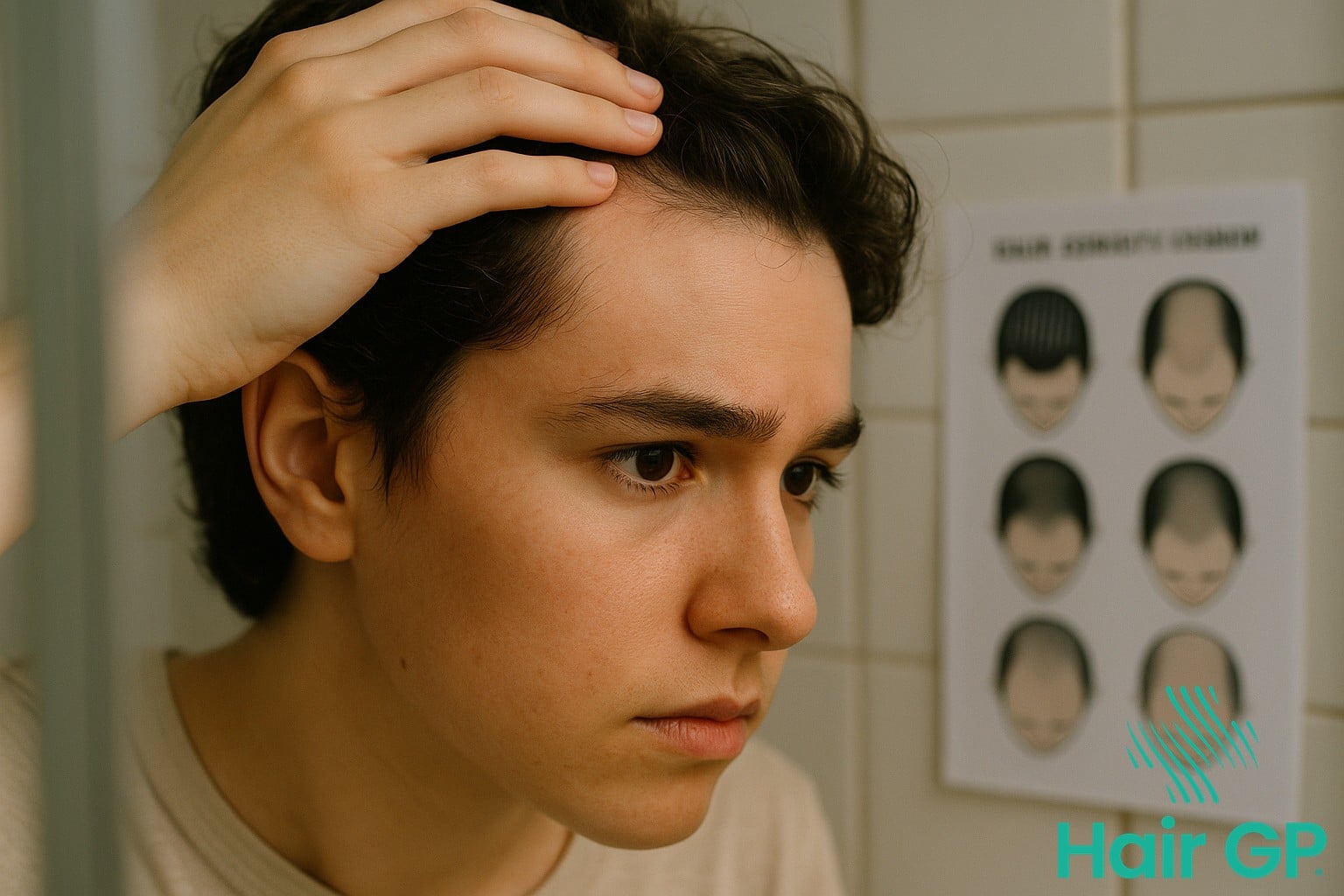
Sleep deprivation is a big factor in hair shedding. High cortisol levels damage hair follicles and shorten the growth phase of hair. This can lead to more hair falling out than usual.
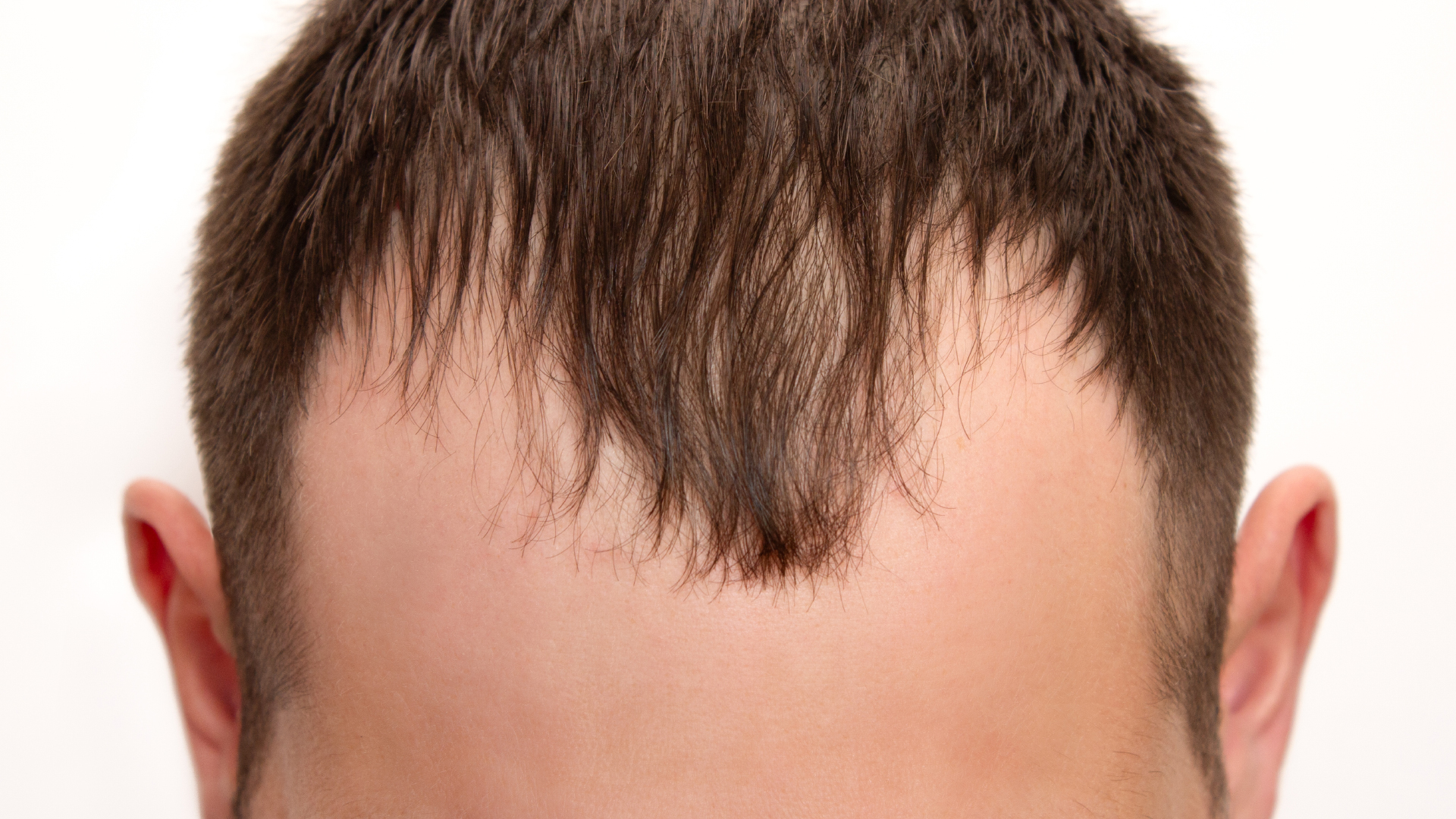
You may notice more hair on your pillow, in the shower, or in your hairbrush. For some, this shedding is temporary and improves with better sleep. But if sleep loss continues, it can lead to noticeable thinning, especially around the temples or part line.
2. Slow Hair Growth
Hair grows in cycles. During sleep, the body sends nutrients and proteins to the scalp. If you’re sleep-deprived, hair growth slows down, and your hair may look thinner over time.
This effect is often subtle at first. Hair that once grew quickly may seem to stall. If you’re trying to grow your hair longer or recover from a bad haircut, poor sleep will make it harder.
3. Dull And Brittle Hair
Sleep is when your body repairs and strengthens hair strands. Without enough rest, hair loses moisture and shine. It can become dull, dry, and more likely to break.
Split ends and breakage become more common, especially for people who color or heat-style their hair. Hair may look frizzy or “fried” even if you haven’t changed your products.
4. Scalp Problems
Poor sleep affects the skin on your scalp, too. You might notice more dandruff, itchiness, or irritation. These issues make it harder for hair to grow well.
A flaky scalp can cause discomfort and make it harder to style your hair. In severe cases, scratching from itchiness can cause small wounds, which slow hair growth even more.
5. Worsened Hair Conditions
If you already have scalp problems like psoriasis or eczema, lack of sleep can make them worse. This can lead to discomfort and even more noticeable hair changes.
For example, people with seborrheic dermatitis may see more redness and flakes, and those with alopecia might notice faster hair loss during periods of poor sleep.
Credit: hairgp.co.uk
Real Data: Sleep And Appearance
To understand the impact of sleep on your hair and skin, let’s look at some research findings:
| Effect | Visible in 1-2 Nights? | Visible after 1 Week? |
|---|---|---|
| Dark Circles | Yes | Yes, more intense |
| Dull Skin | Sometimes | Yes, very obvious |
| Hair Shedding | No | Yes, starts to increase |
| Fine Lines | No | Yes, can become deeper |
A study published in the journal “Sleep” found that people who slept only four hours per night for five nights had more visible wrinkles, pale skin, and less healthy-looking hair compared to those who slept seven to eight hours.
Other studies using photographs have shown that volunteers look less attractive, less healthy, and more tired when photographed after a night of poor sleep. These changes are visible not just to experts, but to friends and strangers as well. This proves that sleep’s effect on appearance is real—not just something you imagine.
How Hormones Link Sleep, Hair, And Skin
Hormones play a major role in how sleep affects your appearance. While you sleep, your body releases growth hormone and melatonin. Growth hormone repairs tissues and helps your hair and skin renew themselves. Melatonin is an antioxidant that fights damage from free radicals.
But when you’re sleep-deprived, cortisol rises and growth hormone drops. This change damages the building blocks of healthy hair and skin. Over time, these hormonal changes can make you look tired, stressed, and older.
For women, sleep loss can also disturb levels of estrogen and progesterone, which are important for hair thickness and skin moisture. For men, low testosterone from poor sleep can slow hair growth and make skin thinner. If you have a thyroid problem, sleep loss can make symptoms worse, leading to even more visible changes.
Sleep Deprivation Vs. Other Factors: What’s Worse?
Many things affect your skin and hair, like diet, stress, sun exposure, and genetics. But sleep is a critical piece of the puzzle. Compared to other factors, poor sleep can speed up visible aging and worsen existing problems.
Here’s a side-by-side look:
| Factor | Speed of Visible Effects | Reversibility |
|---|---|---|
| Sleep Deprivation | Fast (1-2 nights) | Yes, with recovery |
| Poor Diet | Medium (weeks to months) | Slower |
| Sun Damage | Slow (years) | Difficult |
| Genetics | Varies | No |
This shows that sleep deprivation creates changes quickly, but the good news is that the effects can often be reversed if you improve your sleep habits.
Also, while you can’t change your genetics or fully reverse sun damage, you have control over your sleep habits. This makes sleep one of the most powerful tools you have for healthy hair and skin.
Non-obvious Effects Most People Miss
Many people think sleep deprivation only causes dark circles and tired eyes, but there are less obvious effects:
- Uneven Skin Tone: Lack of sleep makes your skin less able to renew itself, causing blotchy or uneven color.
- Weakened Skin Barrier: Sleep loss can damage your skin’s protective layer, making it easier for irritants and pollution to cause damage.
- Inflamed Hair Follicles: Poor sleep increases inflammation, which can trigger scalp problems like folliculitis—small, sore bumps on the scalp.
Another effect is increased oil production in some people. This can make skin appear greasy and lead to clogged pores, especially for those with acne-prone skin. In others, sleep loss can lead to more visible redness or broken capillaries.
Some people notice their lips become dry, or their nails become brittle after periods of poor sleep. These changes, though small, add up to a less healthy appearance.

Credit: emrahcinik.com
Common Myths About Sleep And Appearance
There are many myths around sleep and beauty. Let’s clear up a few:
- Myth: You can “catch up” on lost sleep on weekends.
- Truth: Recovery sleep helps, but it cannot fully undo all the damage from chronic sleep deprivation.
- Myth: Expensive creams can replace lost sleep.
- Truth: No cream can truly fix the deep repair and renewal that only happens during sleep.
- Myth: Only older people see effects.
- Truth: People of all ages can see visible changes after missing sleep—even teenagers.
Some also believe that drinking coffee can “wake up” their skin or that splashing cold water erases all signs of tiredness. While these tricks may help you feel better for an hour, they don’t fix the root problem. Only sleep can restore your natural glow and hair strength.
How Much Sleep Do You Really Need?
The right amount of sleep depends on your age and health. Most adults need 7 to 9 hours per night. Teenagers need more—about 8 to 10 hours. Children need even more sleep to support growth. It’s not just about the total hours, but also the quality of sleep.
Signs you’re not getting enough include:
- Waking up tired, even after a full night
- Needing caffeine to get through the day
- Noticing more skin or hair issues
Listening to your body is key. If you notice your skin is not healing or your hair is shedding more than usual, it may be a sign that you need more rest. Tracking your sleep for a week can help you spot patterns and make changes.
How To Protect Your Hair And Skin From Sleep Loss
You can’t always control your schedule, but you can take steps to limit the damage from sleep deprivation.
1. Prioritize A Consistent Sleep Schedule
Try to go to bed and wake up at the same time every day—even on weekends. This helps regulate your body’s natural clock.
If you have to shift your schedule, do it gradually by 15–30 minutes each day. Sudden changes confuse your body and make it harder to sleep well.
2. Create A Relaxing Night Routine
A calm routine before bed signals your body it’s time to rest. Ideas include gentle stretching, reading, or listening to soothing music. Avoid screens and bright light.
Even simple habits, like dimming lights an hour before bed or sipping herbal tea, can help your body relax. Over time, your body learns these signals and falls asleep faster.
3. Keep Your Bedroom Cool And Dark
A cool, dark room helps your body fall asleep faster and stay asleep longer. Use blackout curtains and keep electronics out of the bedroom.
White noise machines or fans can also block out distracting sounds. The ideal temperature for sleep is usually around 18–20°C (65–68°F).
4. Limit Caffeine And Heavy Foods At Night
Caffeine and heavy, rich foods can keep you awake. Avoid coffee, energy drinks, and large meals close to bedtime.
Try to finish eating at least two hours before bed. Choose light snacks if you’re hungry, like yogurt or a banana. Herbal teas (without caffeine) can help you unwind.
5. Use Moisturizers And Gentle Hair Care
If you’ve lost sleep, help your skin and hair recover by using a gentle moisturizer and avoiding harsh shampoos or heat styling tools.
Look for products with calming ingredients like aloe vera, ceramides, or oatmeal. For hair, let it air dry and avoid tight ponytails that can pull on fragile roots.
6. Manage Stress
High stress makes it harder to sleep. Try meditation, deep breathing, or even a short walk to lower stress levels.
Writing down worries before bed or practicing gratitude can also help clear your mind. If stress is a big problem, consider talking to a counselor or therapist.
Skincare Tips For Sleep-deprived Days
If you wake up after a poor night’s sleep, there are ways to help your skin look better:
- Splash your face with cool water to reduce puffiness.
- Use a moisturizer with hyaluronic acid for instant hydration.
- Apply a cold compress or chilled spoons under your eyes to reduce swelling.
- Choose a tinted moisturizer or concealer to hide dark circles.
- Always use sunscreen—tired skin is more sensitive to sun damage.
You can also try facial massage to boost circulation, or use sheet masks with calming ingredients for a quick refresh. Avoid heavy makeup, which can settle into lines and make tired skin look worse.
Hair Care For Tired Mornings
Your hair can look flat and lifeless after bad sleep. Here’s how to boost it quickly:
- Use a volumizing spray or dry shampoo to refresh roots.
- Gently massage your scalp to increase blood flow.
- Avoid tight hairstyles that pull on fragile hair.
- Eat a quick, protein-rich breakfast for hair health.
A silk pillowcase can reduce friction and help your hair look smoother after restless nights. If your hair is very dry, apply a light leave-in conditioner to add shine and moisture.
When To Worry: Signs Of Serious Sleep Deprivation
Most people see mild changes after a few bad nights. But if you notice these signs, it could mean chronic or severe sleep loss:
- Hair is falling out in large amounts
- Skin wounds or acne are not healing
- You feel exhausted even after sleeping
- Mood swings, memory problems, or trouble focusing
If these symptoms last more than a few weeks, talk to a doctor or dermatologist. Sometimes, underlying health problems can affect both sleep and appearance.
Real-life Examples: How Sleep Improved Appearance
- Case 1: A college student with chronic breakouts started sleeping 8 hours each night. Within two weeks, her skin became clearer and less oily, and her friends noticed her “glow” returned.
- Case 2: A young professional noticed thinning hair during a busy work period. After improving his sleep schedule and reducing stress, his hair stopped shedding and regained shine.
- Case 3: A mother of two struggled with dark circles and dull skin. She began a nighttime routine and prioritized sleep, seeing a more even complexion and fewer breakouts in just one month.
These cases show that changes can happen quickly with better sleep. Even small improvements, like sleeping one extra hour per night, can make a visible difference.
The Role Of Diet And Hydration
Sleep is critical, but what you eat and drink also impacts your hair and skin. A balanced diet full of antioxidants, healthy fats, and lean protein supports repair during sleep. Dehydration makes sleep-deprived skin look even worse, so drinking enough water is essential.
Foods rich in vitamin C, zinc, and omega-3 fatty acids, like citrus, nuts, and fish, help your body heal and protect itself. Avoid too much sugar or processed foods, which can increase inflammation and worsen sleep.
For more on healthy sleep habits, see this Sleep Foundation resource.
Comparing Good Sleep Vs. Poor Sleep On Hair And Skin
The differences between a good night’s sleep and poor rest are dramatic. Here’s a visual comparison:
| Feature | Good Sleep (7-9 hrs) | Poor Sleep (<6 hrs) |
|---|---|---|
| Skin Tone | Bright, even | Dull, uneven |
| Under-Eye Area | Clear, smooth | Dark circles, puffy |
| Hair Shine | Glossy, full | Brittle, limp |
| Wrinkles | Less visible | More pronounced |
| Healing Speed | Fast | Slow |
These changes are not just about looks—they also reflect the health of your body inside. Good sleep means your body is working at its best.
Sleep Disorders And Their Impact
Some people can’t get enough sleep because of sleep disorders like insomnia, sleep apnea, or restless leg syndrome. These problems not only make you tired but can also lead to long-term changes in your skin and hair.
Insomnia
People with insomnia struggle to fall or stay asleep. Chronic insomnia can cause deep lines, dry skin, and hair loss.
Insomnia also raises stress levels, which can make skin conditions like eczema or acne worse. People with insomnia often feel frustrated or anxious, which further disturbs sleep and appearance.
Sleep Apnea
This condition causes breathing to stop and start during sleep, often waking the person many times per night. It’s linked to high cortisol and inflammation, making hair and skin problems worse.
Sleep apnea is more common in people who are overweight, smoke, or have certain health conditions. Treatment can improve both sleep and appearance.
Restless Leg Syndrome
Uncomfortable feelings in the legs keep people awake. This leads to the same skin and hair effects as other forms of sleep loss.
If you notice tingling, crawling, or the urge to move your legs at night, talk to your doctor. Treating restless leg syndrome can improve sleep quality and help your skin and hair recover.
If you suspect you have a sleep disorder, seek help from a doctor or sleep specialist.
The Role Of Age And Genetics
While sleep is crucial for everyone, age and genetics also play a role in how your skin and hair react to sleep deprivation.
- Younger people: Often recover faster, but can still see quick changes like acne and puffiness.
- Older adults: May notice deeper lines and slower recovery. Sleep problems are also more common with age.
- Genetics: Some people are more likely to get dark circles or hair thinning due to their genes. Sleep loss can make these issues worse but is rarely the only cause.
Hormonal changes during puberty, pregnancy, or menopause can make the effects of sleep loss stronger. If you notice changes that don’t improve with better sleep, genetics or age may be a bigger factor.
The Social And Emotional Side
Visible effects of sleep deprivation can affect your confidence and social life. People may comment on your tired look, or you may feel embarrassed about dark circles or thinning hair. This can increase stress and anxiety, making sleep even harder. It becomes a cycle: less sleep, more visible changes, more stress, and even less sleep.
Social events, work presentations, and special occasions can feel more stressful when you’re not happy with your appearance. Remember, everyone experiences tired days, but focusing on healthy habits can break the cycle.
Credit: www.bodyexpert.online
How To Break The Cycle
You can improve your sleep and appearance by:
- Setting a regular bedtime and sticking to it
- Creating a calming bedtime routine
- Limiting blue light and screens before bed
- Keeping caffeine and alcohol to a minimum
- Seeking help if you have ongoing sleep problems
Small changes can add up. Even 30 extra minutes of sleep each night can make a difference in how you look and feel.
When To See A Professional
If you’ve tried sleep tips and still notice hair loss, skin changes, or constant tiredness, it’s time to talk to a professional. A dermatologist or sleep specialist can help find the root cause and create a plan for recovery.
They may recommend blood tests, sleep studies, or special treatments to address underlying issues. Early action helps prevent long-term problems and speeds recovery.
Frequently Asked Questions
How Quickly Does Sleep Deprivation Affect Skin And Hair?
You may notice dark circles and dull skin after just one night of poor sleep. Hair usually shows changes after a week or more of sleep loss, with increased shedding and loss of shine.
Can Better Sleep Really Reverse Skin And Hair Problems?
Yes, many visible effects of sleep deprivation are reversible. With regular, quality sleep, your skin can regain its glow and your hair can grow stronger. However, long-term damage may take longer to improve.
Are Some People More Sensitive To Sleep Loss Than Others?
Yes, genetics, age, and existing health issues can make some people more vulnerable to sleep-related changes in appearance. For example, those with sensitive skin or hair loss in their family may notice stronger effects.
Do Naps Help Reduce The Visible Effects Of Sleep Deprivation?
Short naps (20-30 minutes) can help your body recover and may reduce signs of tiredness, but they cannot fully replace a good night’s sleep.
What Products Can Help Tired Skin And Hair?
Look for moisturizers with hyaluronic acid, vitamin C serums for brightness, gentle cleansers, and nourishing hair masks. But remember, these can help, but only sleep can provide full repair.
Getting enough sleep is one of the simplest and most powerful ways to protect your hair and skin. Prioritizing rest can help you look and feel your best every day. If you want a fresher face and healthier hair, start tonight—your pillow is your best beauty tool.