

If you’ve ever wondered why your hair sometimes seems to grow fast, then slow down, or even fall out, you’re not alone. Most people notice their hair changing, but few understand the science behind these changes. Hair growth is not a simple, continuous process. Instead, it follows a cycle with different phases—anagen, catagen, and telogen. Each stage has its own unique function and timeline. Knowing how these cycles work can help you understand hair loss, thinning, and even how to care for your hair better.
Let’s take a journey through the world of hair cycles. We’ll break down each phase, show you what happens inside your scalp, share interesting facts, and answer common questions. By the end, you’ll have a clear and complete picture of how hair grows, rests, and sheds—and why it matters for your everyday life.
What Is The Hair Growth Cycle?
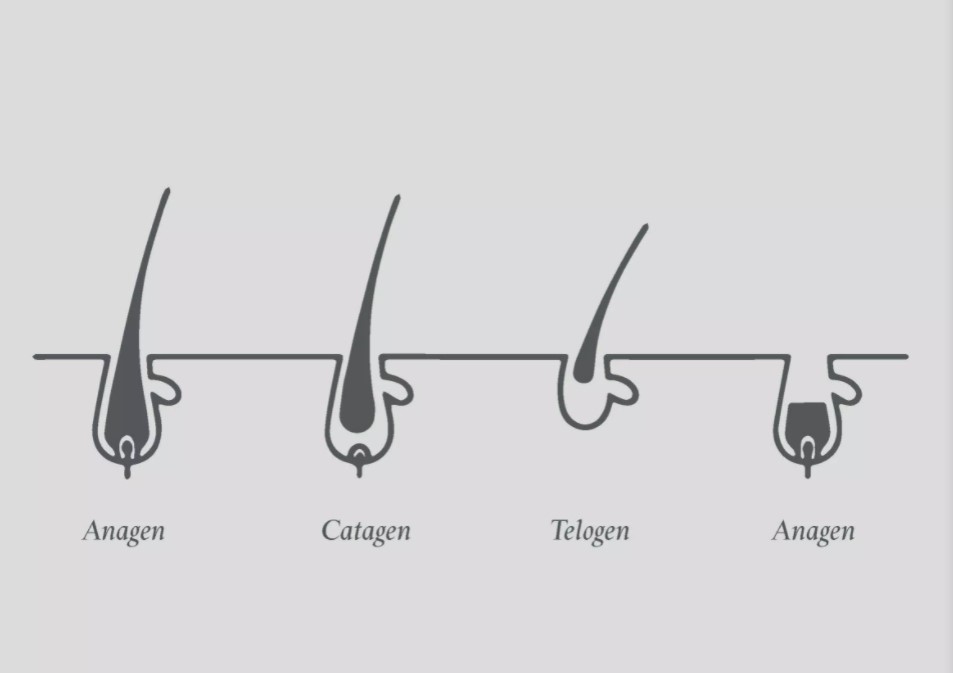
Hair growth is a repeating pattern that takes place in your scalp. This pattern is called the hair growth cycle. It is made up of three main stages:
- Anagen (growth phase)
- Catagen (transition phase)
- Telogen (resting phase)
Each strand of hair on your head is in one of these phases. Not all hairs are in the same phase at the same time. This is why you do not lose all your hair at once.
The length of each phase can be different from person to person. Genetics, age, hormones, and health all play a role. On average, the cycle can last from two to seven years.
Understanding The Anagen Phase
The anagen phase is the most important stage for hair growth. This is when your hair is actively growing longer.
What Happens In Anagen?
During anagen, cells in the root of your hair (the hair bulb) divide very fast. New hair is pushed out from the follicle and keeps growing. The length of this phase decides how long your hair can get.
For scalp hair, anagen usually lasts 2 to 7 years. Some people have a longer anagen phase, which is why their hair can grow very long. Others have a shorter anagen phase, so their hair will not grow as long, no matter how much time passes.
Key Facts About Anagen
- 85% to 90% of your scalp hairs are in the anagen phase at any time.
- The average hair grows 0.3 to 0.5 millimeters per day during anagen (about 1 to 1.5 centimeters per month).
- Eyelashes and eyebrows have a much shorter anagen phase—only about 30 to 45 days. That is why they do not grow as long as scalp hair.
Factors That Affect Anagen
Several things can influence how long your hair stays in anagen:
- Genetics: Some people are born with a longer or shorter growth phase.
- Age: As you get older, the anagen phase can become shorter.
- Health and nutrition: Poor diet, illness, or stress can reduce the length of anagen.
- Hormones: Pregnancy, menopause, or thyroid problems can change the growth phase.
How To Support The Anagen Phase
If you want to keep your hair in the anagen phase as long as possible, focus on:
- Eating a balanced diet with enough protein, iron, and vitamins
- Avoiding harsh chemicals and heat styling
- Reducing stress through exercise or meditation
- Treating medical conditions, like thyroid disorders, that can affect hair growth
Exploring The Catagen Phase
The catagen phase is a short and special time in the hair cycle. It is a signal that the hair is about to stop growing.
What Happens In Catagen?
Catagen is also called the transition phase. It lasts only 2 to 3 weeks. During this time, hair growth stops, and the hair follicle shrinks. The lower part of the hair root dies and separates from the blood supply.
This phase is important because it lets the hair prepare for the next stage—rest and shedding.
Key Facts About Catagen
- Only about 1% of scalp hairs are in catagen at any time.
- The hair is now called a club hair because of its shape at the base.
- No new growth happens during catagen.
Why Is Catagen Important?
Catagen is a “reset” for your hair follicles. It removes old hairs and makes room for new ones. Without this phase, your hair would not renew itself, and you could not grow new hair in place of old strands.
Examples And Insights
If you ever notice a hair with a “bulb” at the end after brushing, it is likely a club hair that finished catagen and entered the next phase.
The Telogen Phase: Resting And Shedding
The telogen phase is when your hair takes a break. It is also known as the resting phase.
What Happens In Telogen?
During telogen, the hair does not grow. It just sits in the follicle, waiting to fall out and make room for a new strand. This phase lasts about 3 to 4 months for scalp hair.
At the end of telogen, the hair will shed naturally. A new hair will start to grow, pushing the old one out.
Key Facts About Telogen
- 10% to 15% of your scalp hairs are in telogen at any time.
- The average person loses 50 to 100 hairs per day—mostly telogen hairs.
- Hair is more likely to fall out during brushing or washing in this phase.
Why Do Some People Lose More Hair?
Many factors can push hairs into telogen too soon. This is called telogen effluvium. Causes include:
- Stress (physical or emotional)
- Major surgery or illness
- Rapid weight loss
- Childbirth
- Some medicines
When this happens, you may notice more hair falling out than usual. This is often temporary, and hair usually grows back once the cause is removed.
How To Tell If Hair Loss Is Normal
It is normal to see some hairs in your brush or on your pillow. If you notice a lot more hair than usual, or if you see bald patches, speak to a doctor. Sometimes, hair loss can be a sign of a health problem.
Comparing Anagen, Catagen, And Telogen
To help you see the differences among the three phases, here is a simple comparison:
| Phase | What Happens | How Long | % of Scalp Hairs |
|---|---|---|---|
| Anagen | Active hair growth | 2-7 years | 85-90% |
| Catagen | Transition, follicle shrinks | 2-3 weeks | ~1% |
| Telogen | Resting, shedding occurs | 3-4 months | 10-15% |
The Hair Follicle: Where It All Begins
Every hair on your body starts in a hair follicle. This is a tiny “pocket” in your skin where hair is made.
Structure Of A Hair Follicle
The follicle has several parts:
- Bulb: The base where new cells are made
- Dermal papilla: Feeds the hair with blood and nutrients
- Sebaceous gland: Makes oil for the hair
- Arrector pili muscle: Can make your hair “stand up” (goosebumps)
Each part plays a role in the hair growth cycle. If something goes wrong in the follicle, it can affect how your hair grows or falls out.
Follicle Health And Hair Growth
Healthy follicles are needed for strong, long hair. Things that can damage follicles include:
- Scalp infections
- Burns or injuries
- Some medical treatments, like chemotherapy
Once a follicle is badly damaged, it may not grow hair again.
How Hormones Affect Hair Growth Cycles
Hormones are powerful chemicals in your body that control many things—including hair growth.
Androgens And Hair
Androgens are a group of hormones (like testosterone) found in both men and women. They can make hair follicles smaller, especially in people with “pattern baldness.”
In men, high androgens can cause hair loss at the temples and crown. In women, they can cause thinning on top of the head.
Estrogen’s Role
Estrogen helps keep hair in the anagen (growth) phase longer. That is why many women notice thicker hair during pregnancy, when estrogen is high. After childbirth, estrogen drops, and many hairs move into telogen, leading to more shedding.
Thyroid Hormones
Your thyroid gland controls how fast your body works. If you have too much or too little thyroid hormone, your hair growth cycle can change. Both conditions can lead to thinning hair or loss.
Other Hormones
Hormones like cortisol (the stress hormone) can also cause more hairs to enter telogen. This is why stressful events sometimes lead to hair shedding months later.
The Impact Of Age On Hair Growth Cycles
As you get older, your hair growth changes. Here’s what usually happens:
- The anagen (growth) phase becomes shorter.
- Hair follicles may shrink or stop making new hair.
- The number of hairs in the growth phase drops.
- Hair becomes thinner and finer.
This is a normal part of aging. But some people notice changes earlier due to genetics or health problems.
Hair Growth Cycles By Age Group
| Age Group | Anagen Phase | Hair Density |
|---|---|---|
| Children | Long (5-7 years) | High |
| Young Adults | Medium (4-6 years) | High |
| Middle Age | Shorter (3-5 years) | Moderate |
| Older Adults | Short (2-4 years) | Lower |
Some people may keep thick hair into old age, while others may see thinning or baldness much earlier. Genes play a big role in this process.
Hair Growth Cycles And Hair Loss Conditions
There are many types of hair loss. Most of them are related to problems with the hair growth cycle.
Androgenetic Alopecia (pattern Hair Loss)
This common condition is also known as male or female pattern baldness. It happens when hair follicles become sensitive to androgens. Over time, the anagen phase gets shorter, hairs get thinner, and some follicles stop making hair.
Telogen Effluvium
Telogen effluvium is when many hairs enter the telogen (resting) phase too soon. This causes more hair shedding than usual. It can be caused by stress, illness, or changes in diet.
Alopecia Areata
This is an immune system problem. The body attacks hair follicles, causing hair to fall out suddenly. It can affect the hair growth cycle at any stage.
Cicatricial (scarring) Alopecia
In this rare condition, inflammation destroys hair follicles and replaces them with scar tissue. The normal hair growth cycle cannot continue, and hair does not grow back.
Comparison Of Hair Loss Types
| Condition | Main Cause | Affected Cycle Phase | Is Hair Loss Permanent? |
|---|---|---|---|
| Androgenetic Alopecia | Genetics, hormones | Anagen shortened | Often permanent |
| Telogen Effluvium | Stress, illness | More hairs in telogen | Usually temporary |
| Alopecia Areata | Immune system | Any phase | Can regrow |
| Cicatricial Alopecia | Inflammation, scarring | Follicle destroyed | Permanent |
How To Promote Healthy Hair Growth Cycles
Many people want to know how to keep their hair growing strong. While you cannot change your genes, there are steps you can take to support healthy hair cycles.
Nutrition
Eating well is key. Your hair needs:
- Protein: Hair is made of a protein called keratin.
- Iron: Needed for blood supply to follicles.
- Vitamins A, C, D, and E: Help cell growth and repair.
- Zinc and Biotin: Support healthy hair.
A poor diet can lead to shorter anagen phases and more hair in telogen.
Scalp Care
A clean, healthy scalp helps follicles do their job. Try these tips:
- Wash regularly to remove oil and dirt, but do not over-wash.
- Massage your scalp to boost blood flow.
- Avoid harsh shampoos or treatments that can dry your scalp.
Gentle Hair Practices
Be kind to your hair:
- Use a wide-tooth comb to avoid pulling.
- Limit heat styling (blow dryers, flat irons).
- Avoid tight hairstyles that pull at the roots.
- Do not brush hair when it’s wet and fragile.
Manage Stress
Stress can push more hairs into the telogen phase. Try relaxation techniques like:
- Deep breathing
- Yoga or meditation
- Regular exercise
Medical Treatments
Some medicines, like minoxidil (Rogaine), can help keep more hair in the anagen phase. Always talk to a doctor before starting any treatment.

Credit: neofollics.com
Common Myths About Hair Growth Cycles
Many myths surround hair growth. Let’s clear up some confusion:
1. Cutting Hair Makes It Grow Faster
Cutting your hair does not affect the anagen phase or speed up growth. Hair grows from the follicle, not the ends.
2. Shampoo Causes Hair Loss
Normal shampooing does not make hair fall out. It only removes hairs that are already in the telogen (shedding) phase.
3. Hair Loss Is Always Permanent
Most hair loss is temporary, especially if caused by stress, illness, or diet. Once the cause is fixed, hair can regrow.
4. All Hair Grows At The Same Rate
Each hair has its own cycle. Some grow fast, others slow. That’s why hair thickness and length can vary across your scalp.
5. Only Men Lose Hair
Women also experience hair loss, especially with age, hormonal changes, or health problems.
Non-obvious Insights About Hair Growth Cycles
Sometimes, the most important facts are the ones people overlook. Here are a few insights many beginners miss:
Insight 1: Synchronization Is Rare
Most people’s hairs are in different phases. This is why you do not go bald all at once. But, after a shock (like childbirth or illness), many hairs may synchronize and enter telogen together. This can cause noticeable shedding a few months later.
Insight 2: Seasonal Changes
Studies show that more hairs may enter the telogen phase in the summer and fall. This means you might shed more hair during these seasons. It is a normal process and not usually a sign of a problem.
Insight 3: Hair Growth Varies By Body Area
Scalp hair has the longest anagen phase. Body hair (like arms or legs) spends more time in telogen and has a much shorter anagen phase. That’s why your arm hair never gets as long as your head hair.
Insight 4: Follicle “miniaturization” In Pattern Baldness
In pattern baldness, follicles shrink over time. They produce thinner, shorter hairs. Eventually, they stop making hair. This process is called miniaturization and is driven by hormones.
Insight 5: Physical Trauma And Hair Cycles
Physical trauma, like a burn or surgery, can push many hairs into telogen (shedding phase). This is called traumatic alopecia. Hair usually regrows if the follicle is not destroyed.
Hair Growth Cycles And Medical Treatments
Medical treatments can affect hair cycles, sometimes leading to hair loss or changes in growth.
Chemotherapy
Chemotherapy drugs attack fast-growing cells, including those in the hair bulb during the anagen phase. This can cause sudden hair loss all over the body. Most hair will regrow after treatment ends, though sometimes it comes back with a different texture or color.
Radiation Therapy
Radiation can destroy hair follicles in the treated area. If the damage is deep, hair may not regrow.
Medications
Some medicines for blood pressure, depression, or acne can cause hair shedding. Talk to your doctor if you notice changes after starting a new medicine.
Genetics And Hair Growth Cycles
Your genes decide a lot about your hair:
- How long your anagen phase lasts
- How thick or thin your hair is
- Whether you develop pattern baldness
If your parents have long, thick hair, you might too. But if baldness runs in your family, you may notice changes earlier.
How To Track Your Own Hair Growth Cycle
Paying attention to your hair can help you spot changes early. Here’s what you can do:
- Take regular photos of your hairline and crown.
- Count how many hairs you shed in your brush or shower.
- Note changes in hair texture or thickness.
If you notice sudden, large amounts of hair loss, see a doctor to check for underlying causes.
When To See A Doctor About Hair Loss
Normal shedding is part of the hair growth cycle. But see a doctor if you notice:
- Bald patches
- Rapid thinning
- Itching or pain on the scalp
- Signs of infection (redness, swelling, pus)
A doctor can check for medical causes and suggest treatment.

Credit: www.forhair.com
The Science Of Hair Regrowth Products
Many products claim to boost hair growth. Some have real evidence, others do not.
Minoxidil
This over-the-counter medicine can help keep more hairs in anagen. It is approved for both men and women.
Finasteride
A prescription pill for men with pattern baldness. It works by blocking certain hormones that shrink follicles.
Biotin And Supplements
While biotin is important for hair health, there is little proof that taking extra helps if you already have enough.
Laser Devices
Low-level laser therapy may help some people with hair loss. Talk to your doctor before trying new treatments.
For more scientific information, you can visit the Wikipedia page on human hair growth.
Frequently Asked Questions
What Causes Hair To Switch From The Anagen To The Telogen Phase?
The switch from anagen to telogen is controlled by signals in the hair follicle. These signals can be affected by age, hormones, stress, diet, and health. For example, after pregnancy or illness, many hairs may move into telogen together, causing more shedding.
Can You Make The Anagen Phase Longer?
You cannot easily change your natural anagen phase length, as it is mostly decided by genetics. However, eating well, reducing stress, and treating health problems can help you keep your hair in the growth phase as long as possible. Some medicines may also help, but results vary.
Is Shedding 100 Hairs A Day Normal?
Yes, losing 50 to 100 hairs per day is normal for most people. These are usually hairs in the telogen (resting) phase. If you notice much more hair loss, or bald spots, see a doctor.
Does Hair Grow Back After Telogen Effluvium?
In most cases, yes. Telogen effluvium is usually temporary. Once the cause (like stress or illness) is gone, hair follicles return to the anagen phase and new hair grows back. Full recovery can take several months.
Why Does Hair Sometimes Regrow With A Different Color Or Texture?
After hair loss from treatments like chemotherapy, new hair may grow back curly, straight, or a different color. This happens because the hair follicle can be changed by medicine, injury, or age. These changes are usually harmless.
Understanding how your hair growth cycles work helps you make better decisions about care, treatment, and expectations. Every person’s cycle is unique, but knowing the basics puts you in control of your own hair journey. If you have concerns, seek advice from a medical professional—they can help you find the best path forward.
Credit: www.philipkingsley.com