

Many people notice that pregnant women often have thick, shiny hair. You may have heard friends say, “My hair never looked better than when I was pregnant!” This has made many non-pregnant women wonder: Can prenatal vitamins help with hair growth even if you are not pregnant? The idea sounds simple—take the same vitamins and maybe your hair will grow faster or become fuller. But is it really that straightforward? Let’s explore what prenatal vitamins are, how they work, and whether they’re a good choice for boosting hair health in non-pregnant women.
Pregnant women experience a lot of changes in their bodies, and hair growth is just one of them. The idea that taking prenatal vitamins can improve hair has become popular on social media and among beauty bloggers. But it’s important to separate myths from facts.
Understanding what’s inside these vitamins—and how your body uses those nutrients—can help you make a smart decision for your hair.
What Are Prenatal Vitamins?
Prenatal vitamins are special supplements made for women who are pregnant or planning to become pregnant. Their main purpose is to give the body extra nutrients needed to support a healthy pregnancy and a developing baby. The most common ingredients are:
- Folic acid
- Iron
- Calcium
- Vitamin D
- Iodine
- Vitamin B12
- Omega-3 fatty acids (sometimes included)
These vitamins and minerals help lower the risk of birth defects, support the mother’s health, and help the baby grow properly. Prenatal vitamins are often stronger, or have higher doses, than regular women’s multivitamins.
Many doctors recommend starting prenatal vitamins even before conception to ensure the mother’s body is well-prepared. For example, folic acid is very important in the early weeks of pregnancy, often before a woman knows she is pregnant. That’s why prenatal vitamins are designed with higher amounts of certain nutrients.
Another thing to know is that prenatal vitamins are not all the same. Some brands add extra ingredients, like DHA (an omega-3 fatty acid), choline, or more B vitamins. But all prenatal vitamins focus on what science shows is most important for a healthy pregnancy—not necessarily for beauty or hair.
Why Do People Think Prenatal Vitamins Help Hair Growth?
There’s a common belief that prenatal vitamins can make your hair grow faster and thicker. This idea started because many pregnant women notice changes in their hair—more volume, less shedding, and sometimes faster growth. People think the vitamins must be responsible.
But here’s an important fact: During pregnancy, changes in hair often happen because of hormones, not just vitamins. The rise in estrogen slows down hair loss, so more hair stays on your head. Still, some women who are not pregnant try prenatal vitamins, hoping for similar results.
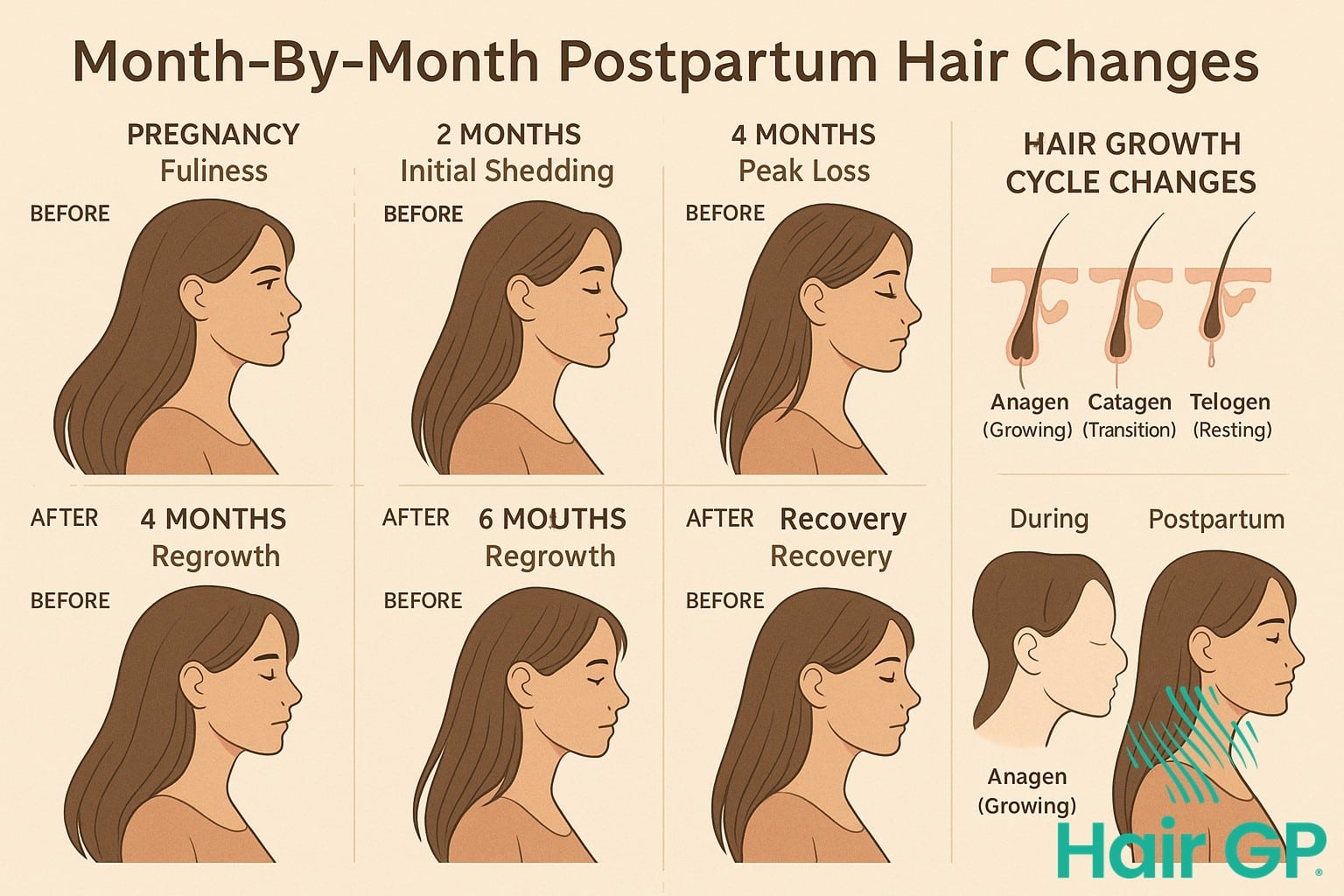
Many people overlook the power of hormones. During pregnancy, the body produces higher levels of estrogen, which can extend the growth phase of hair. This means hair that would normally fall out stays in place longer, making hair appear fuller. After childbirth, estrogen levels drop and many women notice more hair shedding—a process called postpartum hair loss.
Some women who take prenatal vitamins when not pregnant do see changes, but these are usually due to fixing a deficiency, or other changes in their health routine. Sometimes, people also change their diet, reduce stress, or use new hair products at the same time, making it hard to know what really caused the difference.
Key Nutrients In Prenatal Vitamins That Affect Hair
Even though prenatal vitamins are made for pregnancy, some of their ingredients are also important for healthy hair. Let’s look closer at some of these key nutrients:
Folic Acid (vitamin B9)
Folic acid helps the body make new cells, including hair cells. It is important for tissue growth and repair. Not getting enough folic acid can lead to hair thinning.
For example, women who have low folic acid levels sometimes notice slower hair growth or more breakage. Folic acid also helps your body make red blood cells, which carry oxygen and nutrients to your hair follicles.
Iron
Iron helps carry oxygen in the blood to your cells. Hair follicles need a good blood supply to grow. Iron deficiency is a common reason for hair loss, especially in women.
Iron-deficiency anemia is common in women of childbearing age, especially those with heavy periods. Hair loss from low iron can be patchy or diffuse (all over the scalp), and correcting the deficiency can help hair return to normal.
Biotin (vitamin B7)
Some, but not all, prenatal vitamins contain biotin. Biotin is famous for supporting hair, skin, and nails. A lack of biotin may cause brittle hair or hair loss.
Biotin is found in foods like eggs, nuts, and whole grains, but true biotin deficiency is rare. Most people get enough from their diet, but supplementing can help those who are low. However, more biotin does not always mean better hair—once your body has enough, extra biotin is simply passed out in urine.
Vitamin D
Vitamin D helps with hair follicle health. Too little vitamin D can lead to thinning hair or slow growth.
Vitamin D also plays a role in the immune system and skin health. People who live in areas with less sunlight, or who spend most of their time indoors, may be low in vitamin D. Some studies link low vitamin D to certain types of hair loss, like alopecia areata.
Zinc
Some prenatal vitamins have zinc. This mineral helps with cell repair and growth, which supports healthy hair.
Zinc is involved in making proteins like keratin, which is a key building block of hair. Low zinc can cause hair to thin or shed, and it can even affect the scalp’s health, leading to flaky or itchy skin.
Calcium
Calcium is not directly linked to hair growth, but it helps with overall health and is important for many body functions.
Calcium works with vitamin D to keep your bones and teeth strong. It also helps your muscles, nerves, and heart work properly. While it doesn’t directly boost hair, a lack of calcium can affect your general health, which can in turn affect your hair.
How Prenatal Vitamins Compare To Regular Multivitamins
Many women already take a daily multivitamin. How are prenatal vitamins different? The main differences are in the amounts of nutrients:
| Nutrient | Regular Multivitamin | Prenatal Vitamin |
|---|---|---|
| Folic Acid | ~400 mcg | ~800 mcg |
| Iron | 18 mg | 27 mg |
| Calcium | 200-300 mg | 200-300 mg |
| Vitamin D | 400 IU | 400-600 IU |
| Biotin | Varies | Varies (often similar) |
Prenatal vitamins usually have more folic acid and iron. They may have similar or slightly more of other nutrients, but the main difference is in these two.
For example, if you look at the labels, some prenatal formulas may also have more vitamin B6, iodine, and sometimes omega-3s. Regular multivitamins are designed for daily maintenance and overall health, not the extra demands of pregnancy.
It’s also worth noting that taking too much of certain nutrients over time can have negative effects. Some nutrients build up in the body, so it’s important to choose a supplement that matches your real needs.
Scientific Evidence: Do Prenatal Vitamins Boost Hair Growth In Non-pregnant Women?
Here’s the most important question: Do prenatal vitamins really make your hair grow if you are not pregnant? The honest answer is: there is little evidence to support this idea.
Most studies about prenatal vitamins focus on pregnancy health, not hair growth in non-pregnant women. The nutrients in prenatal vitamins do help with hair health if you are deficient in them. For example, if you don’t get enough iron, folic acid, or biotin, you may notice hair loss. Taking a vitamin with these nutrients can help your hair return to normal growth.
But if you already eat a healthy diet and do not have any vitamin deficiencies, taking extra prenatal vitamins usually does not make your hair grow faster or thicker. In other words, prenatal vitamins are not magic pills for hair.
Doctors and dermatologists often see patients who are disappointed after months of taking prenatal vitamins with no results. Scientific research shows that hair growth is much more complex than just taking a pill—it depends on genetics, hormones, diet, age, and even how you care for your hair.
In rare cases, people with hidden deficiencies see great results, but most people notice little or no change.
Another thing to consider is that hair grows slowly—about half an inch (1. 25 cm) per month. Even if a supplement works, it can take several months to see a difference. If you do not have a deficiency, extra vitamins usually just get flushed out by the body.
Benefits Of Prenatal Vitamins For Hair (if Any)
While prenatal vitamins are not designed for hair, some people may still see benefits, mostly if they were low in key nutrients before:
- Corrects hidden deficiencies: Many women do not know they have low iron or folic acid. Taking prenatal vitamins can help fix these problems, and sometimes, hair growth improves.
- Provides a nutrient boost: If your diet is poor or you have a condition that affects absorption, prenatal vitamins can fill in the gaps.
- Biotin helps if you lack it: Biotin is important for hair, and some women may notice less breakage.
- Supports overall health: Healthy hair often starts with a healthy body.
But it is important to know that any hair benefits usually come from fixing a lack of certain nutrients—not from the prenatal vitamins themselves.
It’s also possible that some people see improvement because they are paying more attention to their health overall—they may eat better, drink more water, or reduce stress while taking the supplement. All of these habits can help hair.
One often-missed point: Your hair reflects your health over time. If you’ve had months or years of poor nutrition, it may take a while for hair to recover—even after you fix the deficiency.
Credit: www.raleighlaseraesthetics.com
Risks And Side Effects Of Prenatal Vitamins For Non-pregnant Women
Taking prenatal vitamins when you are not pregnant is not always harmless. Here are some possible risks:
Too Much Iron
Prenatal vitamins have more iron than regular multivitamins. Too much iron can cause:
- Constipation
- Nausea or upset stomach
- Dark stools
- In rare cases, iron overload (dangerous for the liver and heart)
Healthy adult women who are not pregnant may not need extra iron. Taking more than needed could be harmful, especially for those with certain health problems like hemochromatosis (a disorder of iron storage).
Some women experience stomach pain or have trouble going to the bathroom when taking high-iron supplements. Over time, excess iron can build up, especially if you already get enough from food. Signs of iron overload can be subtle and may include tiredness, joint pain, or even irregular heartbeats.
Excess Folic Acid
High levels of folic acid can sometimes hide a lack of vitamin B12, which is important for nerves and blood cells. This can delay diagnosis and treatment of B12 deficiency.
B12 deficiency can cause nerve problems, tingling in the hands and feet, or even memory problems if not caught early. Older adults and people with digestive problems are especially at risk.
Vitamin Overdose
More is not always better. Taking too much of certain vitamins and minerals can lead to:
- Headaches
- Nausea
- Skin rashes
- Kidney problems (rare but possible with long-term high doses)
Some vitamins (like A, D, E, and K) are fat-soluble, which means the body stores extra amounts. Over time, this can lead to toxicity. Symptoms can be mild at first but may become serious if ignored.
Unnecessary Ingredients
Prenatal vitamins may have ingredients you do not need, like high iodine or high calcium, which can upset the balance of your other nutrients.
For example, too much iodine can affect your thyroid, and excess calcium can compete with other minerals for absorption. Balance is key when it comes to nutrition.
Cost And False Hope
Prenatal vitamins are often more expensive than regular multivitamins. Some women spend money on them hoping for great hair results, only to be disappointed.
If you take a supplement for several months with no change, it’s better to check with a healthcare provider for more targeted advice.
When Prenatal Vitamins May Help Hair In Non-pregnant Women
There are a few cases when taking prenatal vitamins might help hair health:
- If you have low iron or anemia
- If you have a poor diet with low vitamins
- If your doctor recommends it for a health reason
But it’s always best to check with your doctor and have a blood test before starting high-dose supplements.
If you have been diagnosed with a deficiency, your doctor may suggest a targeted supplement instead of a prenatal. For example, if you are low in iron, an iron-only supplement may be better and safer.

Credit: www.amazon.com
Safer Alternatives For Hair Growth
There are other, safer ways to support healthy hair if you are not pregnant:
- Eat a balanced diet: Foods rich in iron (meat, beans, spinach), biotin (eggs, nuts), and protein are best for hair growth.
- Take a regular women’s multivitamin: These are made for your needs and have lower levels of iron and folic acid.
- Use hair products designed for hair growth: Some shampoos and serums contain caffeine or peptides that may help.
- Reduce stress: Stress can cause hair loss. Try relaxation techniques.
- Avoid harsh styling: Heat and chemicals can damage hair.
Don’t forget the basics: Get enough sleep, drink plenty of water, and protect your hair from sun and pollution when possible. Sometimes, simple lifestyle changes make a bigger difference than any supplement.
Another tip: If you color, bleach, or straighten your hair, give it breaks and use nourishing treatments to repair damage.
Common Myths About Prenatal Vitamins And Hair
Let’s clear up a few myths:
- Myth 1: Prenatal vitamins make everyone’s hair grow faster. Not true. They only help if you were missing a nutrient.
- Myth 2: More vitamins mean better hair. False. High doses can be harmful.
- Myth 3: All prenatal vitamins have biotin. Not all do. Always read the label.
- Myth 4: You will see instant results. Hair takes time to grow. Any improvement may take months.
Another common myth is that taking “double” the dose will give double the results. This is not just false—it can be dangerous. Your body can only use a certain amount of each vitamin, and more is not always better.
Some women believe that since prenatal vitamins are good for pregnant women, they must be good for everyone. But pregnant women have special needs. Taking those higher doses without reason is not always safe.
Credit: hairgp.co.uk
Real Stories: What Do Non-pregnant Women Say?
Some women report that their hair grew faster or became thicker after taking prenatal vitamins. Others see no change or have side effects. Results are mixed, and doctors say this is likely because some women had low nutrients before starting.
Example: Sarah, 28, started taking prenatal vitamins because her friend said it helped her hair. After three months, Sarah noticed less shedding and more shine. But when she stopped, her hair returned to normal. Her doctor later found she was low in iron, which the vitamins had fixed.
Others, like Mia, 35, tried prenatal vitamins for six months and noticed no difference. She later learned her hair loss was due to stress and thyroid imbalance, not vitamins.
Non-obvious insight: Many women who see results may have had a silent deficiency. Without testing, it’s hard to know if the vitamins helped or if their diet improved at the same time.
It’s also possible that the placebo effect plays a role—people expect better hair and may notice small changes more closely. In research, some people see improvement even when taking a “sugar pill,” showing how expectations can influence results.
Doctors’ Opinions And Medical Guidance
Most doctors agree: Prenatal vitamins are not recommended for non-pregnant women unless there is a medical reason.
Doctors prefer to check for vitamin deficiencies with blood tests. If you have hair loss, they will look for causes like:
- Iron deficiency
- Thyroid problems
- Hormone changes (birth control, menopause)
- Stress or illness
Doctors may recommend a regular women’s multivitamin or a targeted supplement (like iron, if you are low). Taking high-dose prenatal vitamins without need can cause harm.
Non-obvious insight: Some hair loss is seasonal or genetic and will not respond to any vitamin. Always rule out other causes before trying supplements.
If you are losing hair, see a doctor before starting any new supplement. Sometimes, hair loss can be a sign of a medical condition that needs treatment—like thyroid disease or autoimmune disorders.
How To Choose A Supplement For Hair Health
If you want to try a supplement for hair, here is what to look for:
- Check the label: Choose a product with clear amounts of vitamins and minerals.
- Look for biotin: Aim for 30 mcg per day, which is enough for most adults.
- Avoid high-iron unless needed: Too much iron can be risky.
- Pick a trusted brand: Look for third-party testing.
- Talk to your doctor: Especially if you have health conditions or take medications.
Here’s a comparison of popular supplement types:
| Type | Main Focus | Typical Users |
|---|---|---|
| Prenatal Vitamin | Pregnancy health, high folic acid/iron | Pregnant women |
| Women’s Multivitamin | Basic daily needs | Adult women |
| Hair/Skin/Nails Supplement | Biotin, collagen, silica, zinc | Anyone wanting beauty support |
Hair-focused supplements often include extra nutrients like collagen or silica, which help with hair structure, but the evidence for these is still limited. If you choose a supplement, look for one that matches your real needs—not just marketing claims.
Natural Ways To Support Hair Growth
Supplements can help if you are missing something, but the best way to support hair growth is through healthy habits. Here are some tips:
Eat Hair-friendly Foods
- Eggs: High in protein and biotin
- Salmon: Rich in omega-3 fatty acids
- Spinach: Good source of iron and folate
- Nuts and seeds: Provide zinc and vitamin E
- Greek yogurt: Protein and vitamin B5
Adding a variety of fruits and vegetables can also boost your intake of antioxidants, which protect hair follicles from damage.
Care For Your Scalp
A healthy scalp is the foundation for good hair. Massage your scalp to boost blood flow. Keep your scalp clean but not too dry.
Try using gentle shampoos and avoiding products with harsh sulfates. Scalp massages can be done for just a few minutes each day, and some people use oils like coconut or argan oil for extra moisture.
Manage Stress
Stress can push hair into a shedding phase. Try yoga, meditation, or regular exercise.
Chronic stress increases hormones like cortisol, which can interrupt the hair growth cycle. Find healthy ways to relax, such as deep breathing, walking, or creative hobbies.
Avoid Over-styling
Limit the use of hot tools and harsh chemicals. Too much styling can cause breakage.
If you style your hair with heat, always use a heat protectant spray. Let your hair air dry when possible, and avoid tight hairstyles that pull on the scalp.
Stay Hydrated
Drink enough water. Dehydration makes hair dry and brittle.
Aim for at least 8 glasses of water a day, and adjust if you exercise or live in a hot climate. Hydrated hair is stronger and less likely to split or break.
Who Should Not Take Prenatal Vitamins?
Some people should avoid prenatal vitamins unless a doctor says otherwise:
- Men: They don’t need high folic acid or iron.
- Postmenopausal women: They usually need less iron.
- People with hemochromatosis: Too much iron is dangerous.
- People with B12 deficiency: High folic acid can hide symptoms.
If you have any health conditions, always check with a doctor before starting new supplements.
Children and teens should also avoid high-dose adult supplements, as their needs are different. Taking the wrong supplement can do more harm than good.
Common Causes Of Hair Loss In Women
Before turning to prenatal vitamins, it’s important to know why your hair may be thinning. Some common causes are:
Nutrient Deficiency
Lack of iron, zinc, biotin, or protein can lead to hair loss.
Hormonal Changes
Pregnancy, birth control, menopause, or thyroid disease can affect hair.
Stress Or Illness
Physical or emotional stress, illness, or surgery may cause hair to fall out.
Genetics
Some women have androgenetic alopecia (female pattern baldness).
Medications
Some drugs for blood pressure, depression, or acne can cause hair loss.
Hairstyling Habits
Tight braids, ponytails, or harsh chemicals can damage hair.
If you notice sudden or severe hair loss, see a doctor to find the cause.
What To Do If You Want Healthier Hair
If you want to improve your hair, try these steps:
- Eat a balanced diet with enough protein, iron, and healthy fats.
- Get regular exercise to boost blood flow.
- Limit harsh treatments like bleaching or straightening.
- Use gentle hair care products for your hair type.
- See a doctor if you have sudden or patchy hair loss.
Supplements can help, but they are not a cure-all.
For example, if you notice your hair falls out more in the shower, keep track of changes. Hair naturally sheds, but if you lose more than 100 hairs a day, or see bald patches, get checked by a professional.
The Bottom Line: Should Non-pregnant Women Take Prenatal Vitamins For Hair Growth?
For most non-pregnant women, prenatal vitamins are not the best way to get healthy hair. They are made for pregnancy and have higher amounts of some nutrients that you may not need. Unless you have a deficiency, taking them is unlikely to make your hair grow faster or thicker.
If you think your hair is thinning or breaking, check your diet and talk to your doctor. A simple blood test can show if you are low in iron, folic acid, or other nutrients. If so, a regular women’s multivitamin or a hair-focused supplement is usually enough.
Remember: Healthy hair starts with a healthy body. Focus on good nutrition, stress management, and gentle hair care before trying high-dose prenatal vitamins.
For more about vitamin safety, you can visit this resource: NIH Office of Dietary Supplements.
Frequently Asked Questions
Can Prenatal Vitamins Cause Hair Growth In Everyone?
No, prenatal vitamins only support hair growth if you were missing certain nutrients before. If your diet is healthy and you are not deficient, you are unlikely to see extra hair growth from taking prenatal vitamins.
Are There Any Risks To Taking Prenatal Vitamins If I Am Not Pregnant?
Yes, prenatal vitamins contain high levels of iron and folic acid, which can be too much for non-pregnant women. This can cause stomach problems, or in rare cases, more serious health issues. Always talk to your doctor before starting.
How Long Does It Take To See Results In Hair Growth From Vitamins?
If you are low in a vitamin and start taking it, you might see improvements in 2-3 months. But hair grows slowly, so changes take time. If you are not deficient, you may see no change at all.
Is Biotin Better Than Prenatal Vitamins For Hair Growth?
Biotin is often included in hair, skin, and nail supplements. It can help if you are low in biotin, but it is not a magic cure. Biotin is safer than prenatal vitamins for non-pregnant women because it does not have high iron or folic acid.
What Should I Do If My Hair Is Falling Out A Lot?
First, check your diet and stress levels. If hair loss continues, see a doctor for a blood test. There may be a medical reason (like low iron, thyroid problems, or hormone changes) that needs treatment. Supplements can help only if you are missing something.
—
Making the right choice for your hair means understanding your body’s real needs. Before reaching for prenatal vitamins, look at your overall health, diet, and hair care habits. Most women can support healthy hair without high-dose supplements. When in doubt, ask your doctor for advice tailored to you.